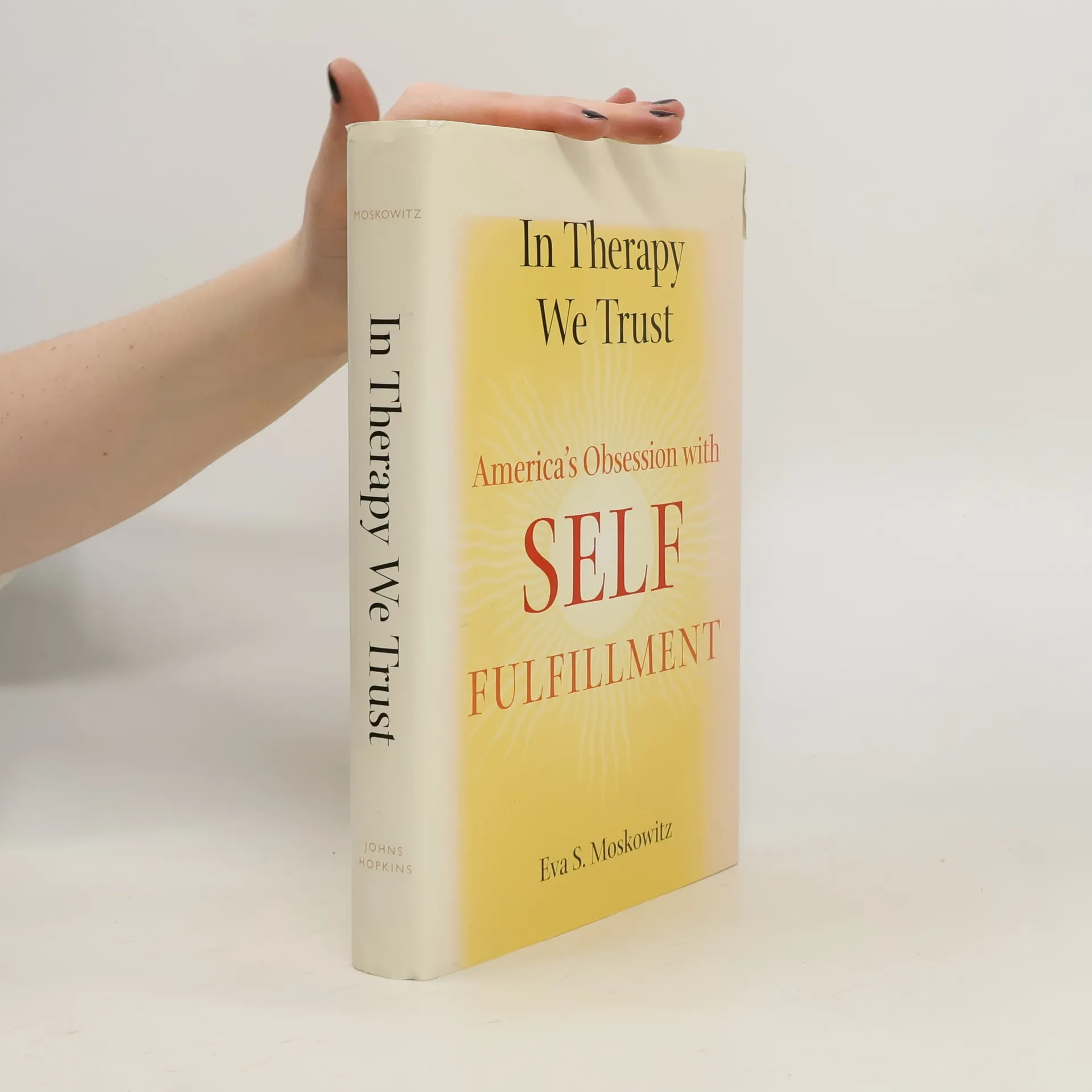
From self-esteem discussions on Oprah to self-help literature and magazine quizzes measuring happiness, we inhabit a culture preoccupied with emotional well-being. Regardless of background, Americans embrace the therapeutic gospel, equating feelings with inner truth and self-esteem with salvation. Eva Moskowitz examines how this fixation on psychological cures has replaced traditional forms of seeking solace, questioning whether America has gained or lost by prioritizing personal fulfillment. Through a historical lens, she traces the nation's inclination to find psychological explanations for various issues, starting with mid-nineteenth-century clockmaker Phineas P. Quimby's "Mind Cure." This fascination with therapy led to reforms, including psychological services in prisons, courts, and schools by the early twentieth century. The rise in divorce rates during the Depression prompted educational institutions to offer courses on marital happiness, birthing a marriage-counseling industry. During World War II, the army focused on soldiers' psychological readiness for combat. Moskowitz also addresses Cold War-era campaigns targeting discontented housewives and the social movements of the 60s, alongside the self-help trends of the 70s that persist today. Her comprehensive study reveals a debilitating "sense of self" intertwined with significant twentieth-century developments across American society.
Eva S. Moskowitz Reihenfolge der Bücher (Chronologisch)