
Gratis Versand in ganz Österreich
Bookbot

Tim Harford

    27. September 1973

    Tim Harford ist Mitglied der Chefredaktion der Financial Times. Seine Kolumne „The Undercover Economist“ enthüllt die wirtschaftlichen Ideen hinter alltäglichen Erfahrungen und wird in den Financial Times veröffentlicht und international verbreitet. Er leitet als einziger Ökonom der Welt eine Ratgeberkolumne, „Dear Economist“, in der er auf persönliche Probleme von FT-Lesern mit einem Augenzwinkern und mithilfe neuester ökonomischer Theorie antwortet.

    Tim Harford
    How to Make the World Add Up
    Wer kriegt was - und warum?
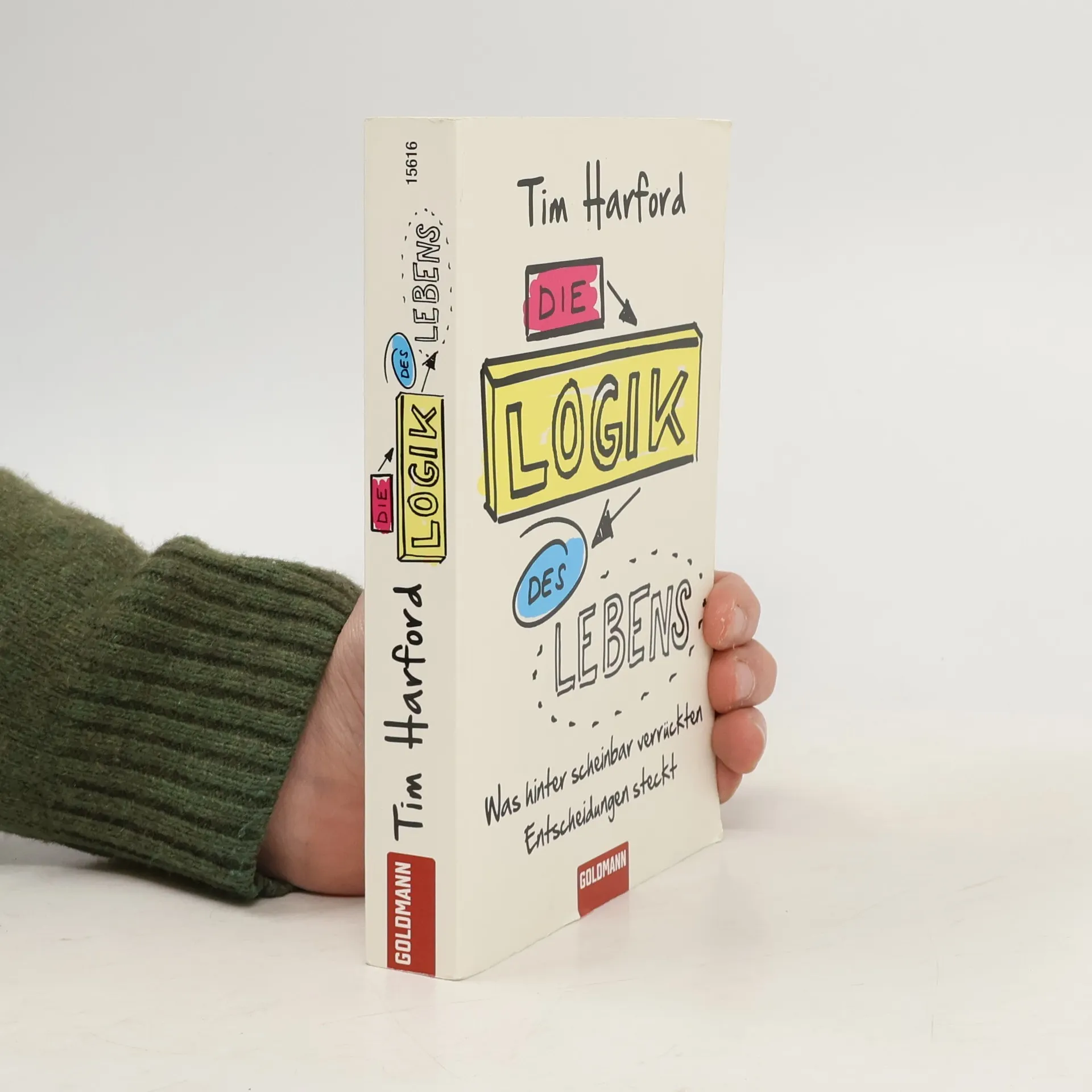
    Die Logik des Lebens
    Ökonomics
    Warum Sie immer an der falschen Kasse stehen
    Trial and error
    • 2023

      The Truth Detective

      • 191 Seiten
      • 7 Lesestunden
      3,8(5)Abgeben

      Exploring the themes of truth and perception, this book encourages readers to challenge their understanding of the world. It offers insights that promote smarter living and a fresh perspective on everyday experiences. Through its engaging narrative, readers are invited to uncover deeper truths that can transform their outlook and enhance their lives.

      The Truth Detective
    • 2021

      Jesteś pewien, że widziany przez ciebie rekin to nie jakaś mała rybka? I że opowieść o bocianach przynoszących dzieci to fikcja? Czy wiesz, że dzięki umiejętnemu wykorzystaniu liczb możesz dowieść zdrady swojej żony? Albo wmówić palaczowi, że to nie palenie papierosów powoduje raka płuc? Statystyka pozwala tworzyć mity – i je obalać. Dzięki tej książce przekonasz się, że właściwe zrozumienie liczb pozwala zobaczyć, jaki świat jest naprawdę. Tim Harford przeprowadzi cię przez gąszcz dezinformacji, pseudonaukowej ściemy i pokrętnej logiki i sprawi, że zaprzyjaźnisz się z liczbami. Pokaże ci również, jak korzystając z dziesięciu prostych zasad statystycznych oraz jednej złotej reguły, ogarnąć świat, odróżnić fakty od wyobrażeń i nie dać się zrobić w balona. „Harford jest geniuszem w opowiadaniu historii, które pomagają zrozumieć świat”. Malcolm Gladwell „Książka mocna, przekonująca i... niezbędna”. Caroline Criado Perez

      Jak ogarnąć świat i odróżnić fakty od wyobrażeń
    • 2021

      From “one of the great (greatest?) contemporary popular writers on economics” (Tyler Cowen) comes a smart, lively, and encouraging rethinking of how to use statistics .Today we think statistics are the enemy, numbers used to mislead and confuse us. That’s a mistake, Tim Harford says in The Data Detective . We shouldn’t be suspicious of statistics—we need to understand what they mean and how they can improve our they are, at heart, human behavior seen through the prism of numbers and are often “the only way of grasping much of what is going on around us.” If we can toss aside our fears and learn to approach them clearly—understanding how our own preconceptions lead us astray—statistics can point to ways we can live better and work smarter.As “perhaps the best popular economics writer in the world” ( New Statesman ), Tim Harford is an expert at taking complicated ideas and untangling them for millions of readers. In The Data Detective , he uses new research in science and psychology to set out ten strategies for using statistics to erase our biases and replace them with new ideas that use virtues like patience, curiosity, and good sense to better understand ourselves and the world. As a result, The Data Detective is a big-idea book about statistics and human behavior that is fresh, unexpected, and insightful.

      The data detective : ten easy rules to make sense of statistics
    • 2020

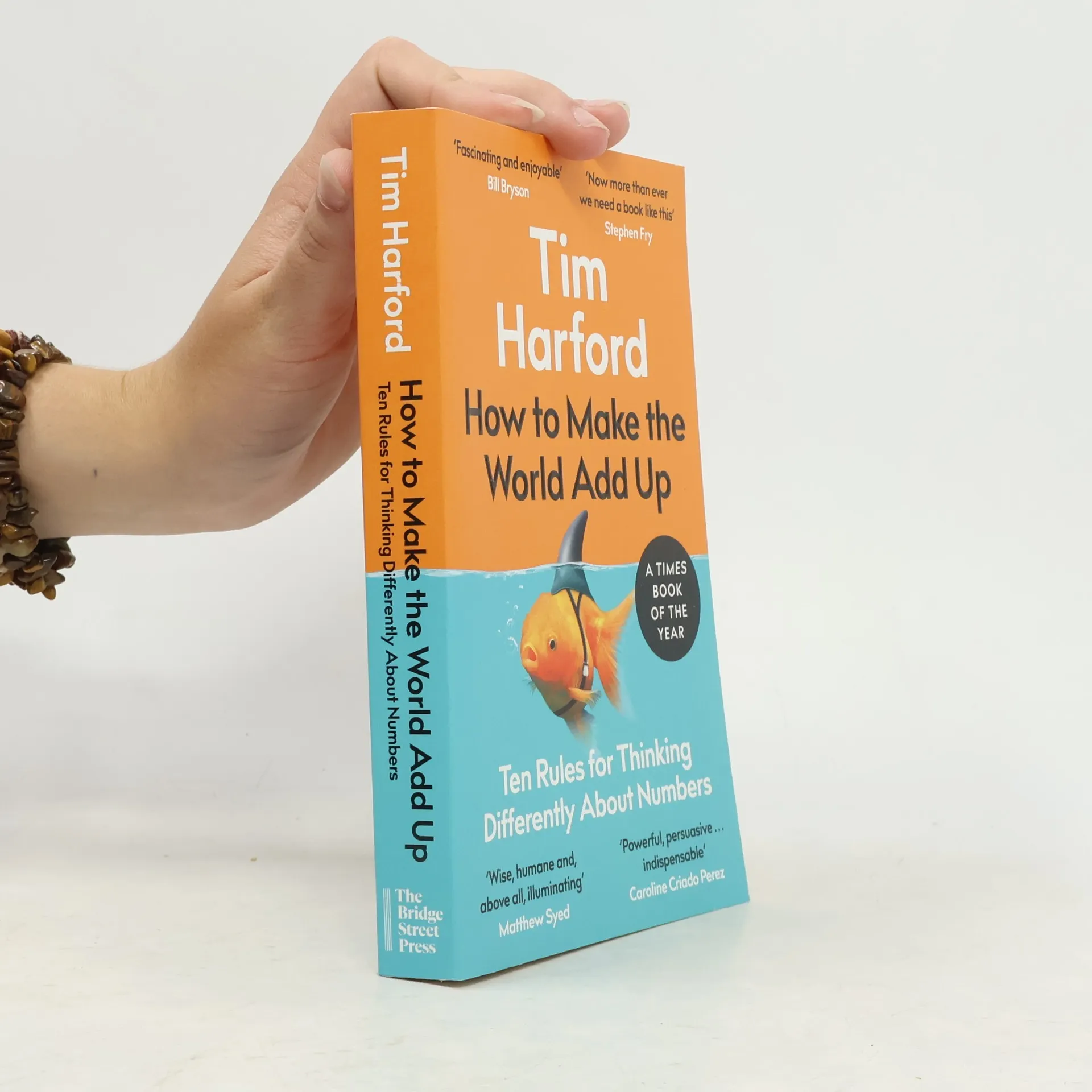
      How to Make the World Add Up

      • 304 Seiten
      • 11 Lesestunden
      4,2(1986)Abgeben

      Using his trademark narrative skills, Tim Harford takes us deep into the world of statistics and shows how important and powerful they can be

      How to Make the World Add Up
    • 2020

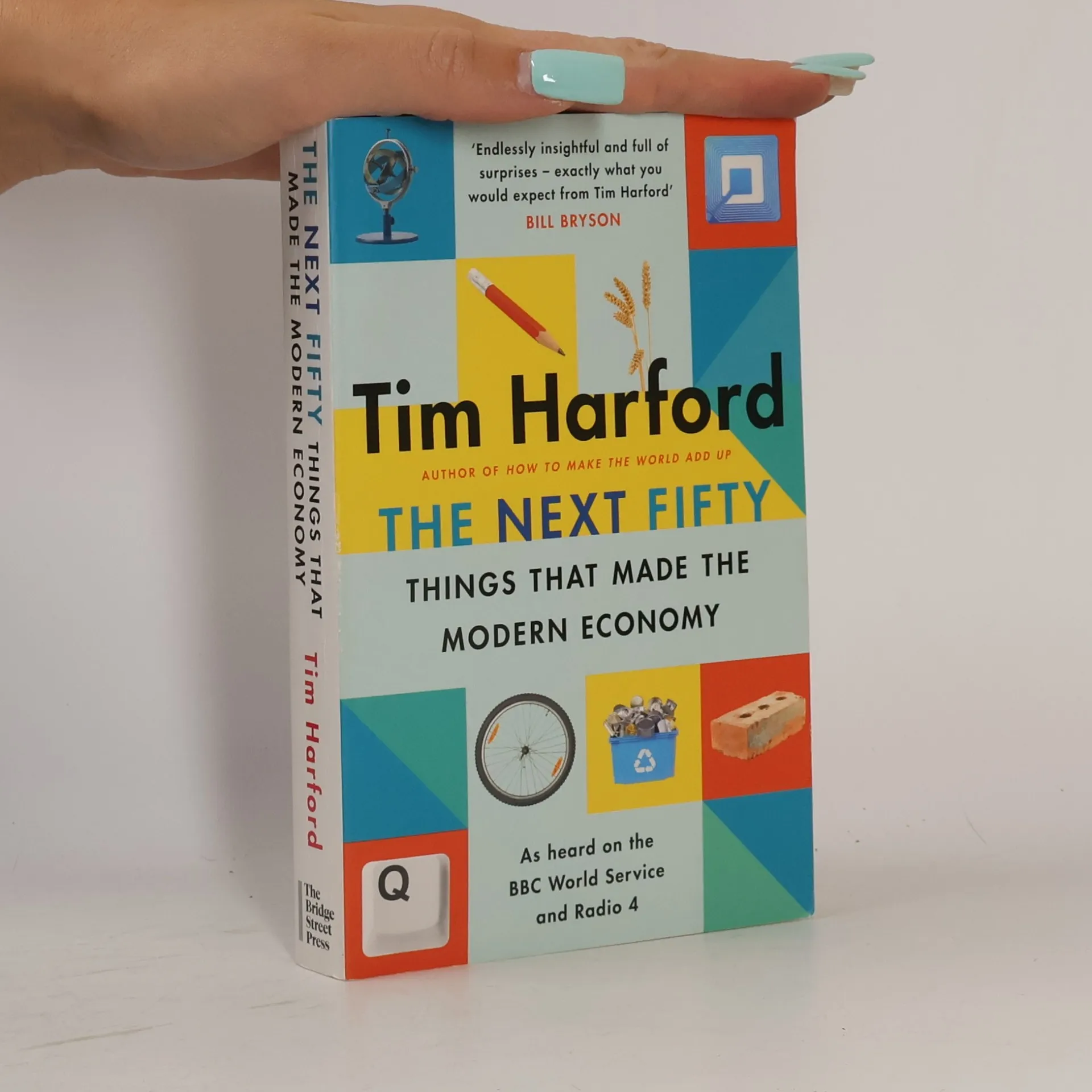
      In Fifty Things that Made the Modern Economy, the revolutionary, acclaimed book, radio series and podcast, bestselling economist Tim Harford introduced us to a selection of fifty radical inventions that changed the world. Now, in this new book, Harford once again brings us an array of remarkable, memorable, curious and often unexpected 'things' - inventions that teach us lessons by turns intimate and sweeping about the complex world economy we live in today. From the brick, blockchain and the bicycle to fire, the factory and fundraising, and from solar PV and the pencil to the postage stamp, this brilliant and enlightening collection resonates, fascinates and stimulates. It is a wonderful blend of insight and inspiration from one of Britain's finest non-fiction storytellers.
      The Next Fifty Things that Made the Modern Economy
    • 2017

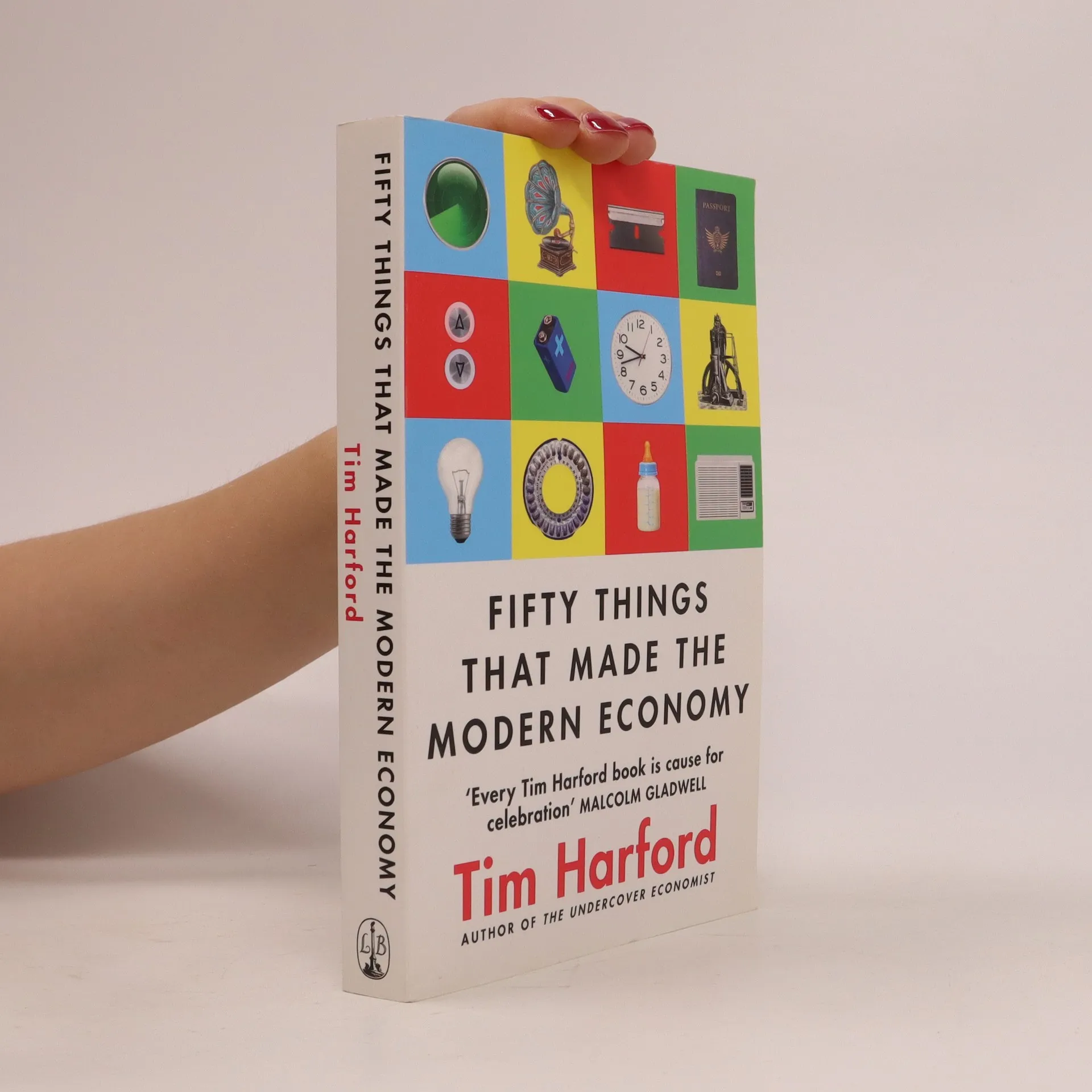
      From the tally-stick to Bitcoin, the canal lock to the jumbo jet, each invention in Tim Harford's fascinating new book has its own curious, surprising and memorable story, a vignette against a grand backdrop. Step by step, readers will start to understand where we are, how we got here, and where we might be going next. Hidden connections will be laid bare: how the barcode undermined family corner shops; why the gramophone widened inequality; how barbed wire shaped America. We'll meet the characters who developed some of these inventions, profited from them, or were ruined by them. We'll trace the economic principles that help to explain their transformative effects. And we'll ask what lessons we can learn to make wise use of future inventions, in a world where the pace of innovation will only accelerate

      Fifty things that made the modern economy
    • 2016

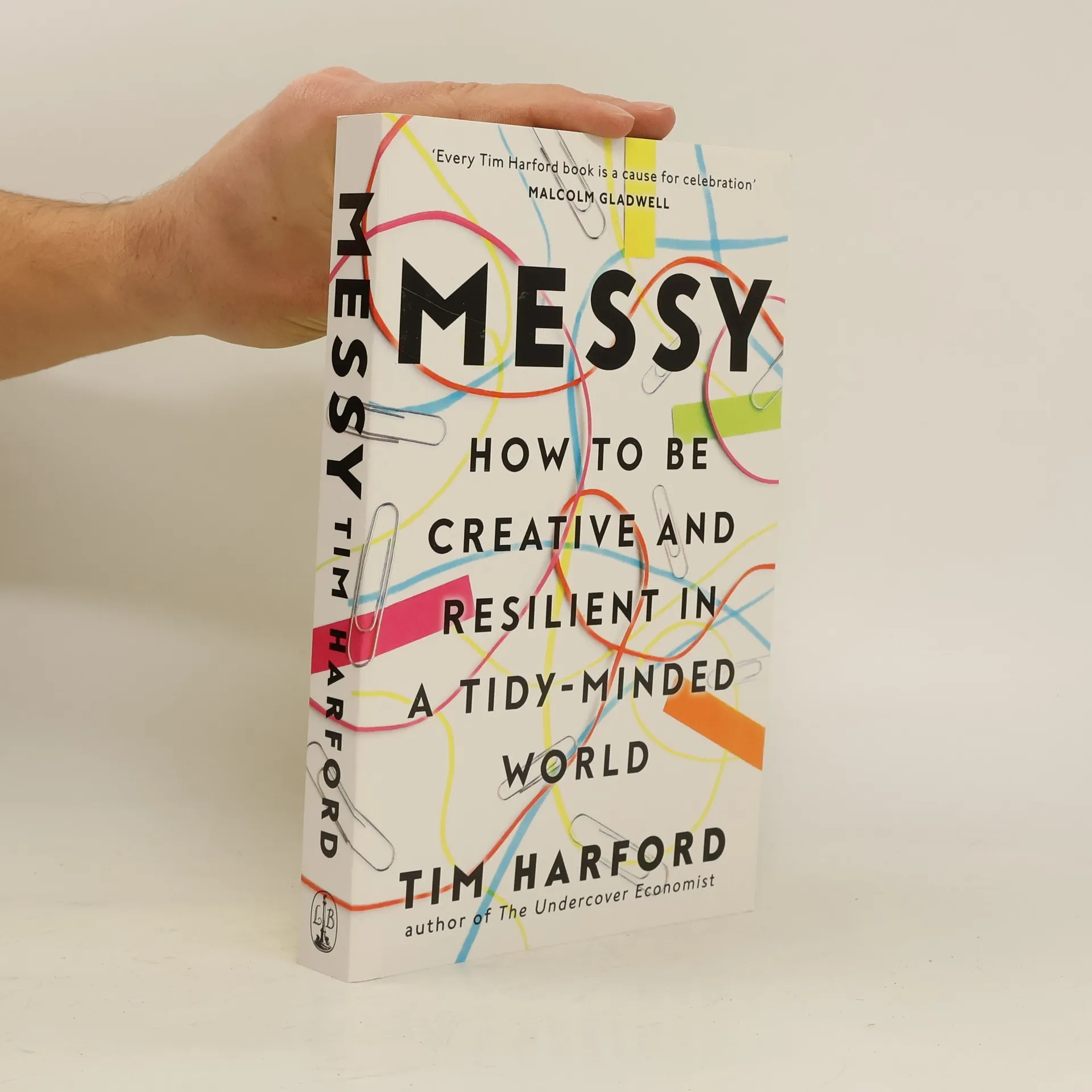
      The urge for tidiness is deeply ingrained in human nature, with many feeling threatened by chaos or ambiguity. We find comfort in systems, scripts, and categorization, which can be beneficial to a point—think of libraries, global trade, and scientific collaboration. However, the push for order has gone too far, driven by corporate and bureaucratic pressures that demand everything be labeled and neatly organized. This tidy mindset, now aided by technology, is encroaching on our personal lives, from structuring children's play to relying on algorithms for romance. Excessive tidiness can lead to rigidity and sterility, stifling creativity and responsiveness. In this exploration, Tim Harford illustrates how qualities we cherish—like resilience and innovation—thrive in messiness. He advocates for embracing disorder in various aspects of life: at home, in the workplace with cluttered desks, in creative environments, and in our approaches to business and politics. By allowing for some chaos and ambiguity, we can foster a more dynamic and productive existence. It's time to appreciate the advantages of a little mess.

      Messy: How to be creative and resilient in a tidy-minded world
    • 2015

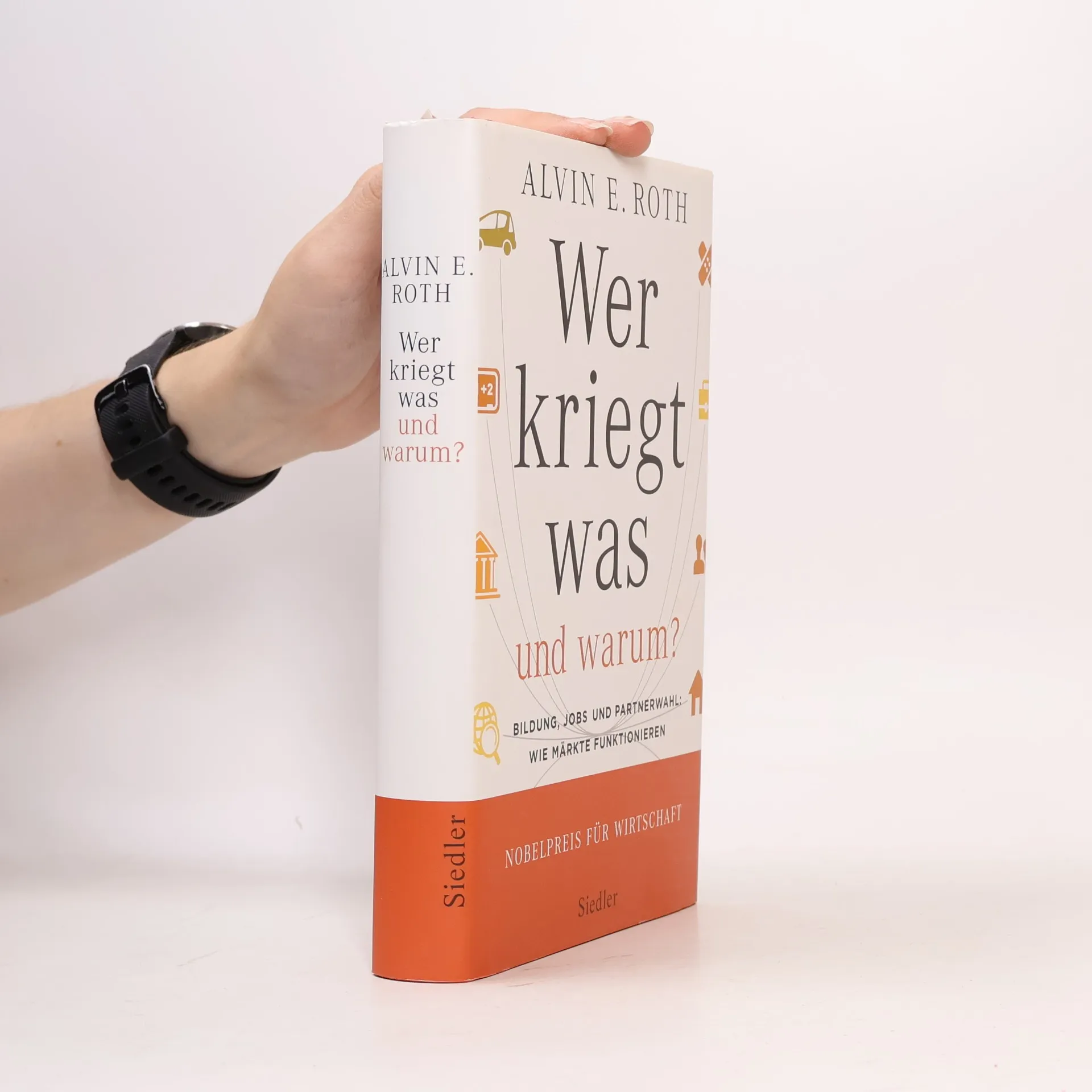
      Wenn’s nicht um Geld geht: Ein Nobelpreisträger zeigt, wie wir Märkte für uns nutzen könnenWie finden Eltern die richtige Schule für ihr Kind? Oder Jobsuchende den richtigen Arbeitgeber – und umgekehrt? Wie finden Nierenkranke den richtigen Organspender? Und Singles den richtigen Partner? Nobelpreisträger Alvin Roth, einer der weltweit führenden Wirtschaftswissenschaftler, zeigt, was geschieht, wenn wir etwas wollen, das für Geld allein nicht zu kriegen ist – und wie wir unsere Ziele erreichen können. Alvin E. Roth, Spieltheoretiker, Miterfi nder des »Market Designs« und Nobelpreisträger für Wirtschaft 2012, widmet sich in seinem Buch einem Thema, das uns täglich begegnet, ohne dass wir uns dessen bewusst sind: den Märkten, die sich kaum oder gar nicht über Preise regeln lassen – sondern über den Abgleich von Interessen, das optimale Verkuppeln von Wünschen zur Zufriedenheit aller. An vielen konkreten Beispielen aus Beruf und Alltag, von der Berufswahl bis zur Parkplatzsuche, vom Hauskauf über die Online-Partnervermittlung bis zur Organspende zeigt er, wie die verschiedenen Märkte funktionieren, die unser Leben bestimmen (ob wir wollen oder nicht) – und wie wir lernen können, sie zu unseren Gunsten zu nutzen

      Wer kriegt was - und warum?
    • 2013

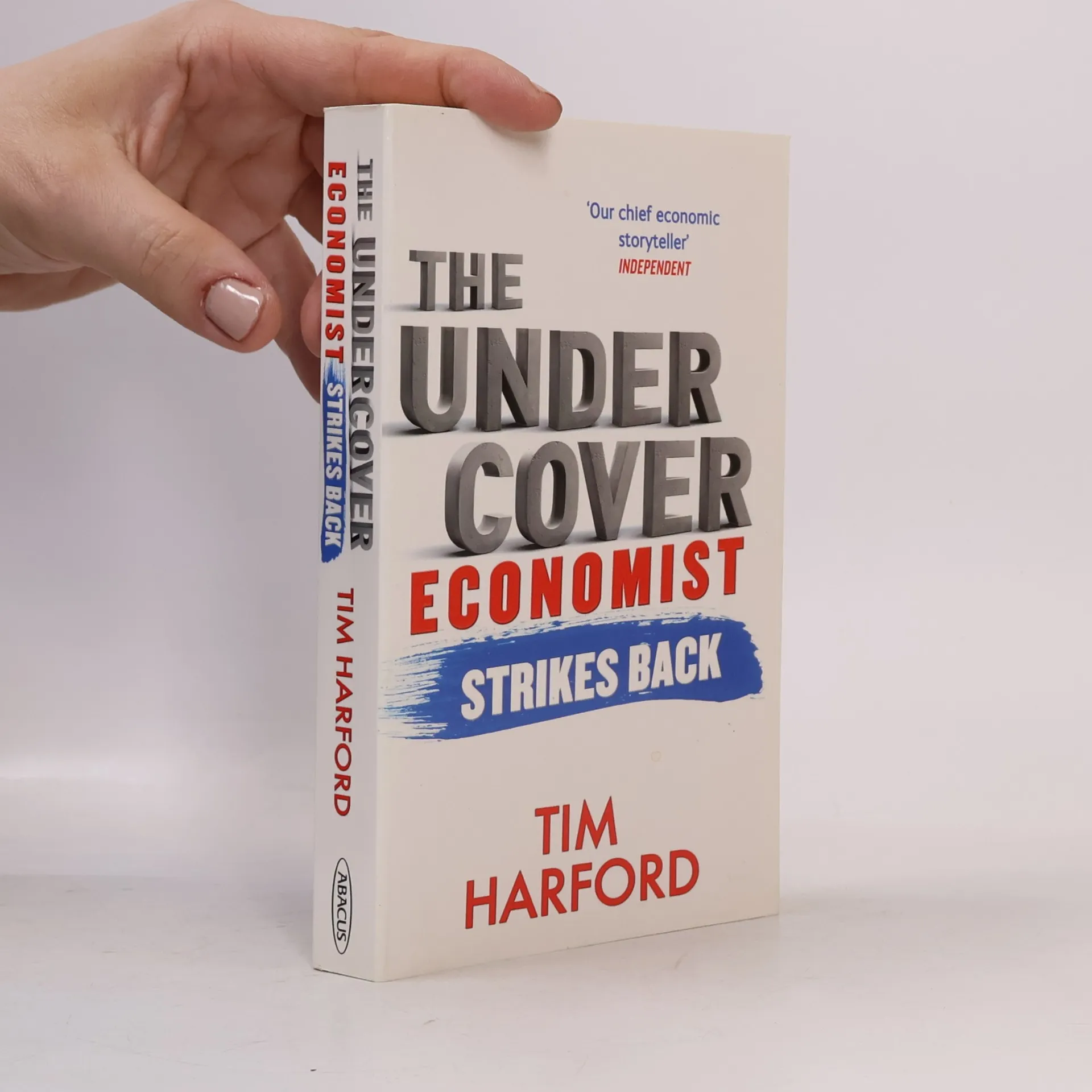
      A million readers bought The Undercover Economist to get the lowdown on how economics works on a small scale, in our everyday lives. Since then, economics has become big news. Crises, austerity, riots, bonuses - all are in the headlines all the time. But how does this large-scale economic world really work? What would happen if we cancelled everyone's debt? How do you create a job? Will the BRIC countries take over the world? Asking - among many other things -- what the future holds for the Euro, why the banks are still paying record bonuses and where government borrowing will take us, in The Undercover Economist Strikes Back, Tim Harford returns with his trademark clarity and wit to explain what's really going on - and what it means for us all.

      The undercover economist strikes back
    • 2012

      EIN GLÄNZEND GESCHRIEBENES PLÄDOYER FÜR EIN NEUES DENKEN IN WIRTSCHAFT, POLITIK UND ALLTAG Finanzkrise, Klimawandel, Armut, Terrorismus: Die Welt von heute ist voll komplexer Probleme. Und sie verändert sich rasend schnell. Lösungen erhoffen wir uns zumeist von Fachleuten und Entscheidern. Aber Politiker und Wirtschaftsbosse liegen regelmäßig daneben, und Expertenmeinungen erweisen sich bald als Schnee von gestern. Was also tun? Tim Harford sagt: Es gibt keine Patentlösungen. Vielmehr müssen wir Dinge ausprobieren. Und damit leben, dass sich manches als Fehlschlag entpuppen wird. Denn nur wenn wir offen mit Fehlern umgehen, können wir aus ihnen lernen und uns gleichsam tastend einer Lösung nähern. Wie das geht, wie wir Kreativität fördern und Innovationen anstoßen können, erklärt er anhand von wissenschaftlichen Erkenntnissen und spannend erzählten Beispielen aus den verschiedensten Bereichen. «Ein großartiges Buch.» Sunday Times «Eines der besten Wirtschaftsbücher des Jahres.» Handelsblatt «Beser kann man es kaum machen.» Nature «Ein ungemein erhellendes Buch … mit vielen Beispielen, klasse geschrieben und präzise auf den Punkt gebracht. Leseempfehlung!» Süddeutsche Zeitung «Ein unterhaltsames Buch. Informativ. Überraschend - wie ein guter Roman.» Deutschlandfunk

      Trial and error