

Jack Black Bücher
John Black, eine anonyme Figur aus dem späten 19. und frühen 20. Jahrhundert, fing in seinen Schriften die rauen Realitäten der sterbenden Wildwest-Ära ein. Als ehemaliger Hobo und Einbrecher schrieb er aus eigener Erfahrung, um andere vor Verbrechen zu warnen und gleichzeitig die Sinnlosigkeit von Gefängnissen und dem Justizsystem zu kritisieren. Seine Memoiren, geprägt von einem Leben auf der Straße und im Gefängnis, beeinflussten die Beat Generation tiefgreifend, insbesondere William S. Burroughs, der seinen Stil und seine Philosophie nachahmte. Nach seiner Haft widmete sich Black der Gefängnisreform und hielt landesweit Vorträge, sein Leben fand ein tragisches Ende, wie er es selbst in seinen Worten über die düsteren Aussichten des Lebens angedeutet hatte.



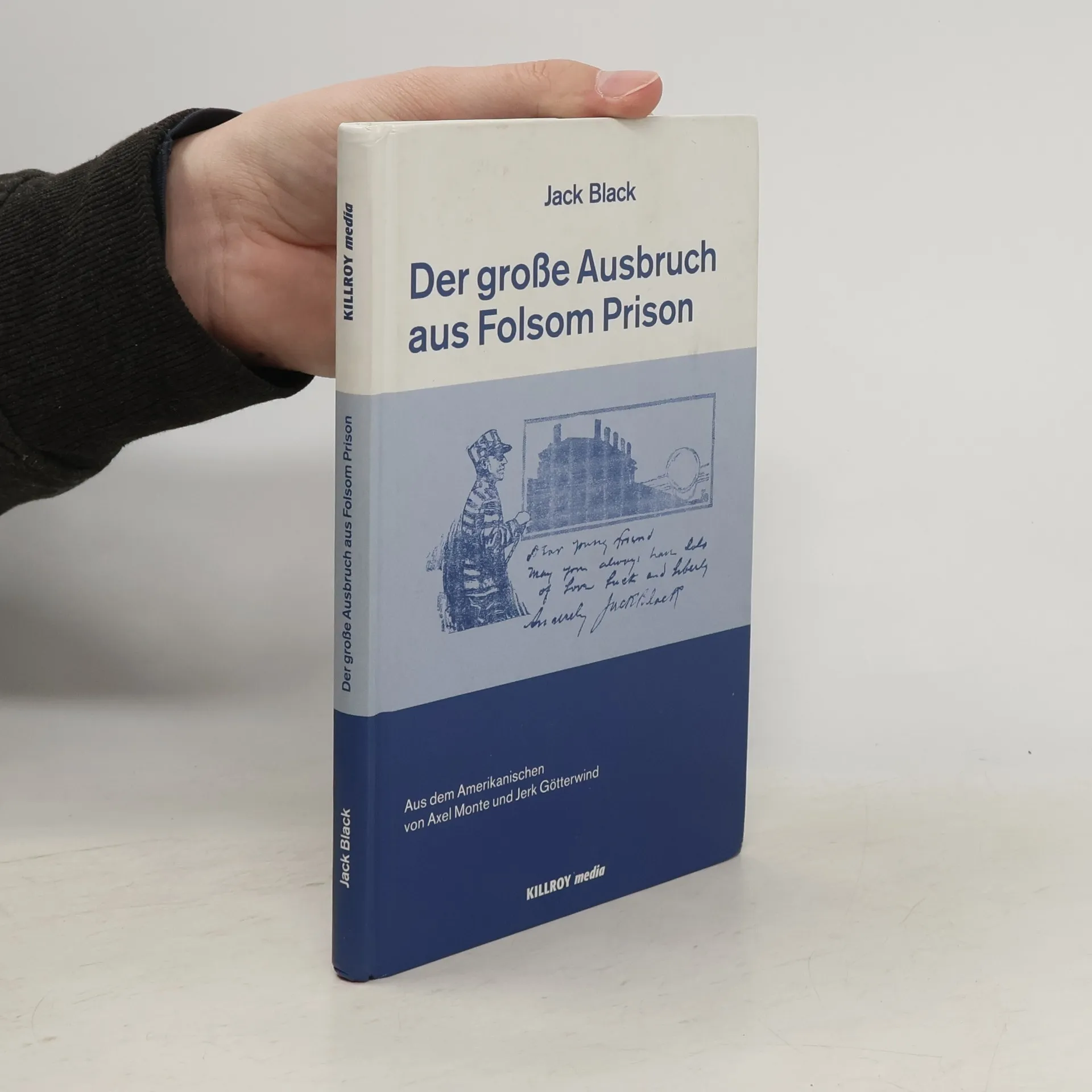

Der große Ausbruch aus Folsom Prison
- 96 Seiten
- 4 Lesestunden
Ursprünglich gebaut, um Langzeithäftlinge, Gewohnheitsverbrecher und hoffnungslose Fälle aufzunehmen, erwarb sich das Folsom State Prison schnell den Ruf, ein Ort ohne Wiederkehr zu sein. Vor Fertigstellung der Granitmauer in den 1920ern war das Gefängnis der Schauplatz zahlreicher Fluchtversuche. Der erste fand schon bald nach Einlieferung der ersten Häftlinge im Jahre 1880 statt. Während der gesamten gewalttätigen und blutigen Geschichte von Folsom haben unzählige Revolten und Fluchtversuche zu Todesfällen unter Gefangenen und Wärtern geführt.Folsom Prison Homepage, 2008
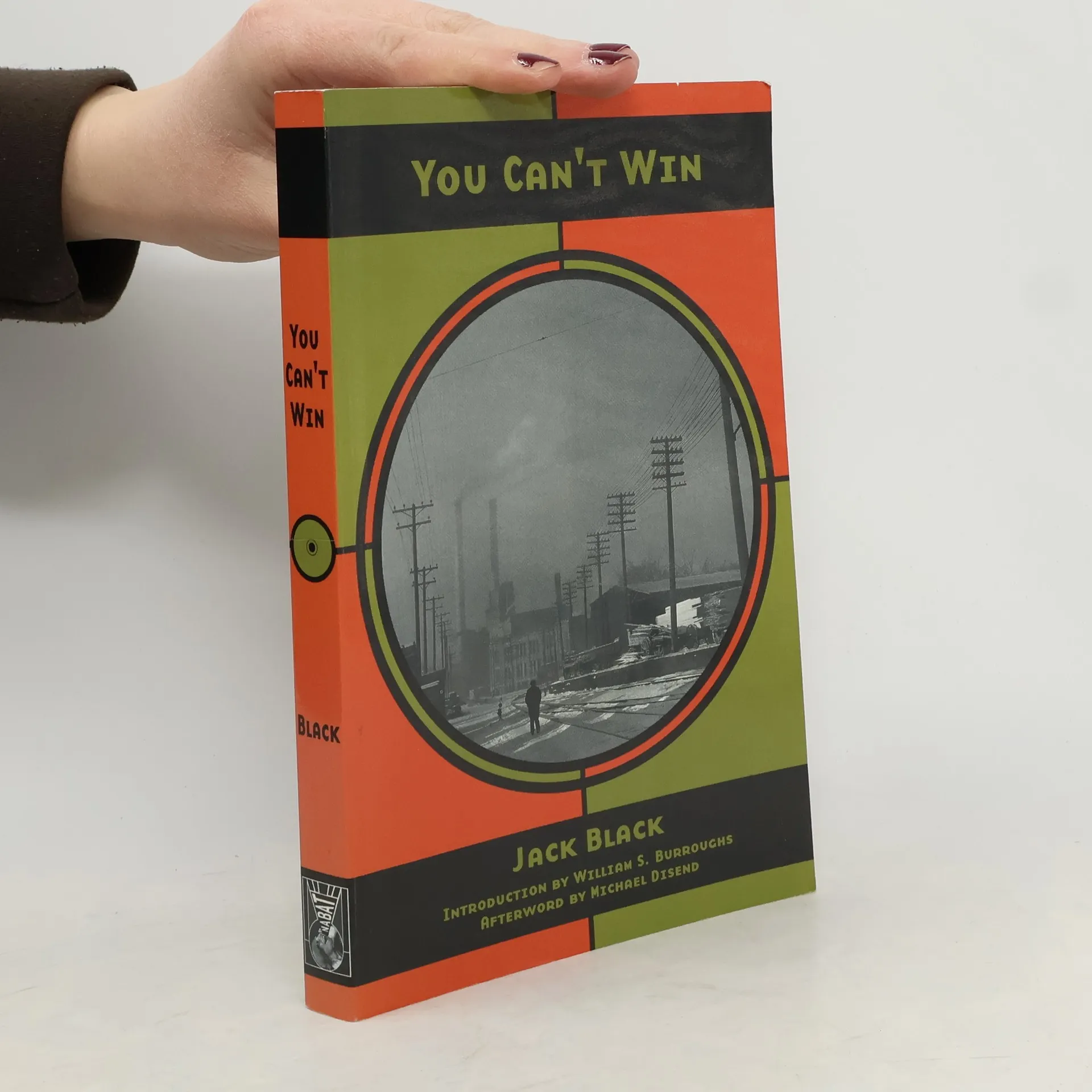
You Can't Win
- 340 Seiten
- 12 Lesestunden
You hold in your hands a true lost classic, one of the most legendary cult books every published in America. Jack Black's autobiography was a bestseller and went through five printings in the late 1920's. It has led a mostly subterranean existence since then - best known as William S. Burrough's favorite book, one he admitted lifting big chunks of from memory for his first novel, Junky. But it's time we got wise to this book, which is in itself a remarkably wise book - and a ripping true saga. It's an amazing journey into the hobo underworld: freight hopping around the still wide open West at the turn of the 20th century, becoming a member of the "yegg" (criminal) brotherhood and a highwayman, learning the outlaw philosophy from Foot-and-a-half George and the Sanctimonious Kid, getting hooked on opium, passing through hobo jungles, hop joints and penitentiaries. This is a chunk of the American story entirely left out of the history books - it's a lot richer and stranger than the official version. This new edition also includes an Afterword that tells some of what became of Black after he wore out the outlaw life and washed up in San Francisco, wrote this book and reinvented himself.
Exploring comedy as a vital element of social interaction, this book examines its subversive nature and its role in challenging notions of political correctness. Through an innovative and multidisciplinary lens, it delves into how humor can critique societal norms and foster dialogue about cultural issues, offering fresh insights into the interplay between comedy and popular culture.