


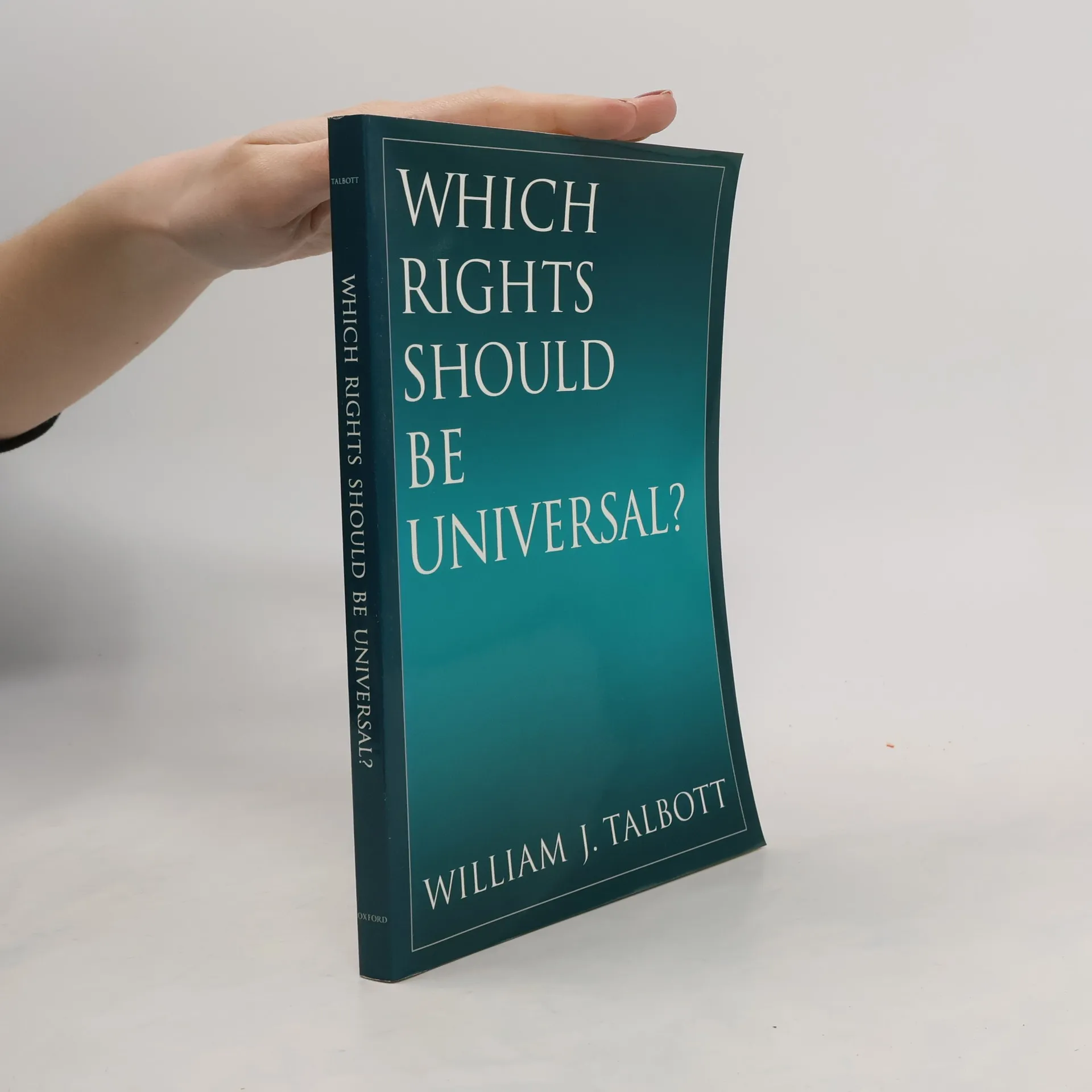
Oxford Political Philosophy: Human Rights and Human Well-Being
- 432 Seiten
- 16 Lesestunden
In the latter half of the twentieth century, significant societal changes occurred, including the end of legalized segregation in the southern United States, the dismantling of apartheid in South Africa, and the recognition of equal rights for women and people with disabilities. Additionally, the rights of colonial peoples and the LGBTQ+ community began to gain acknowledgment. These developments raise the question: what constitutes moral progress? William Talbott presents a consequentialist meta-theoretical principle of moral and legal progress, termed the "main principle," to clarify why these changes represent moral advancement. He argues that improvements in moral or legal practices should equitably promote well-being. Talbott explains the prevalence of exceptions in moral norms and principles, suggesting that even with ongoing improvements, new exceptions will continue to arise. This insight leads to a fresh understanding of the "naturalistic fallacy." Talbott also aims to identify universal human rights that should be legally guaranteed across societies, presenting a list of fourteen inalienable rights. He contrasts his consequentialist perspective with influential nonconsequentialist theories of morality and justice, engaging with the works of prominent philosophers such as Ronald Dworkin, Martha Nussbaum, and John Rawls, among others.