Louis Armand Bücher
Louis Armand ist ein Schriftsteller und bildender Künstler, dessen Werk sich mit Themen wie Dunkelheit, Verzweiflung und existenzieller Trostlosigkeit auseinandersetzt, oft vor düsteren, monochromen Kulissen. Sein unverwechselbarer Stil zeichnet sich durch eine kraftvolle Mischung aus Noir und Hardboiled-Existenzialismus aus, die den Leser in die rohen Realitäten seiner Erzählungen hineinzieht. Armands Prosa ist bekannt für ihre unerbittliche Intensität und ihre ungeschönte Auseinandersetzung mit der menschlichen Verfassung. Seine literarischen Beiträge zeichnen sich durch eine einzigartige Stimme aus, die ein tiefes Gefühl für städtischen Verfall und psychologische Tiefe einfängt.




City Primeval - New York, Berlin, Prague
- 552 Seiten
- 20 Lesestunden
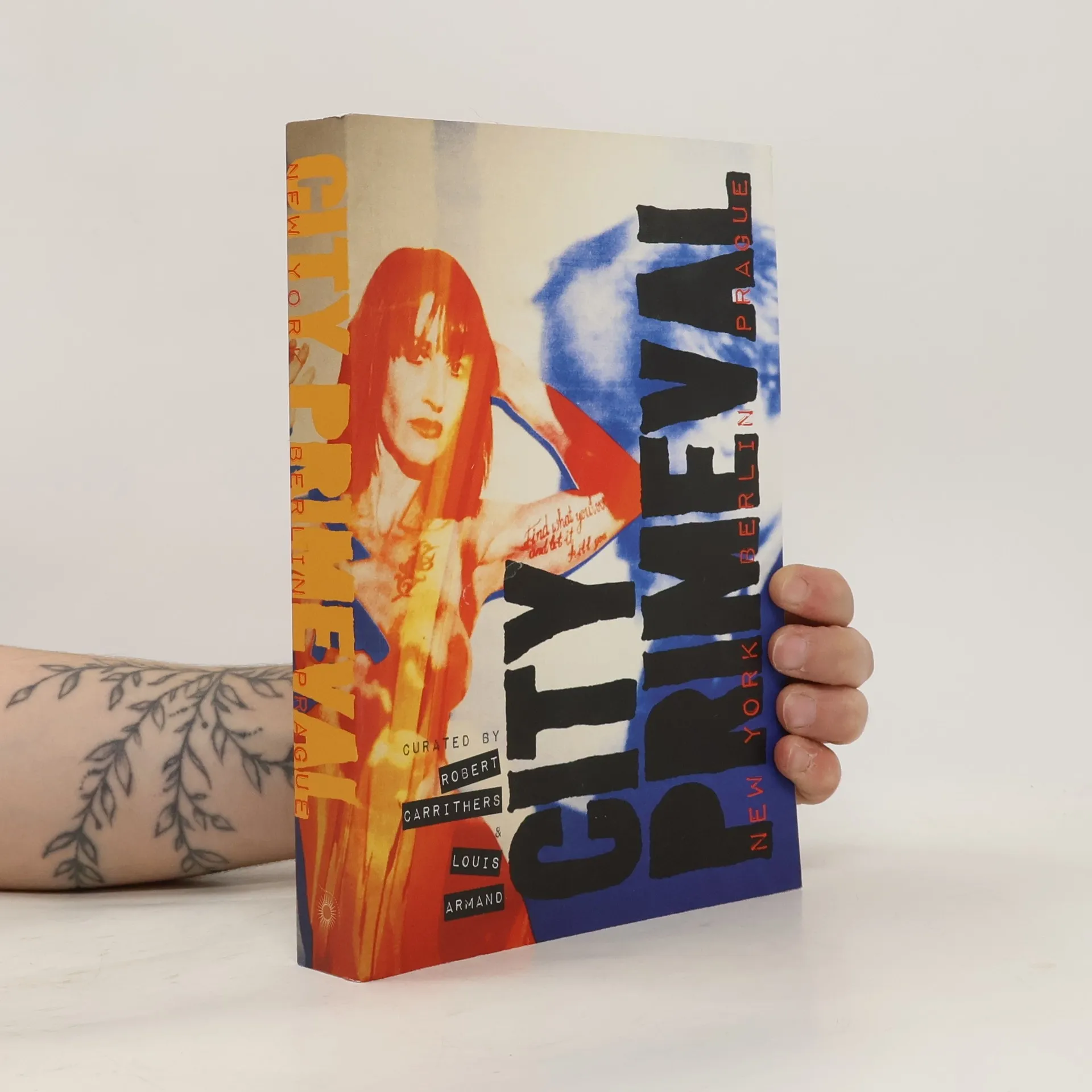
CITY PRIMEVAL is a collection of personal documentaries reflecting the vibrant underground scenes of New York, Berlin, and Prague from the late 1970s to the present. It encompasses a range of cultural movements, including New York's Post-Punk and No Wave, the fall of the Berlin Wall, and the Velvet Revolution in Prague. The anthology features contributions from a diverse array of contemporary writers, poets, musicians, designers, filmmakers, photographers, and performers, highlighting the unique artistic expressions that emerged during this dynamic period. Notable contributors include Bruno Adams, Penny Arcade, Louis Armand, and Lydia Lunch, among many others. Each piece offers a personal journey through time in these cities, showcasing the distinct personalities and creative spirits that shaped the cultural landscape. The book serves as a testament to the influential artists and their contributions to the zeitgeist of the 1980s and beyond, capturing the essence of an era marked by innovation and rebellion. As Ann Magnuson notes, it perfectly encapsulates the eclectic mix of artists and their impact on the cultural fabric of the time.
The question at the heart of these sixteen essays—alternately theoretically demanding, impishly elusive, stylistically impacted, and wholly absorbing—is this: what, in the context of contemporary politico-aesthetic practices, is the avant-garde, and how, if at all, can some version of it continue to exist in a historical moment when ... everything is permitted, hence nothing is any longer possible? Avant-Post engages the question of whether or not avant-garde practice remains viable under the prevailing conditions of a whole series of "post-" ideologies, from Post-Modernism and Post-Structuralism, to Post-Historicism, Post-Humanism and Post-Ideology itself.
Entropology
- 158 Seiten
- 6 Lesestunden
Exploring the relationship between capital and life, the book presents a unique perspective on how both face the constraints of entropy. Louis Armand introduces the concept of "entropology," critiquing capitalist realism and examining ideological tropes within modernity, avant-garde, media culture, cybernetics, and posthumanism. This work proposes a new critical theory that emphasizes the interconnectedness of technology and life, suggesting that both evolve and influence each other in complex ways.
Tato kniha byla vydána českým nakladatelstvím Twisted Spoon Press, které sídlí v Praze a vydává díla českých a slovanských autorů v anglickém jazyce. Oficiální anotace nakladatele: Seances, composed between 1993 and 1997, represents the first full-length collection of poetry from Sydney-born writer Louis Armand. Compared favourably to French poet Yves Bonnefoy, Armand has attracted growing attention from editors and the reading public alike, particularly in his native Australia where his work has recently gained hard-won approval from the “literary establishment.” Felicity Plunkett of Siglo describes Armand's poetry as “both daring and serious at the same time.”
Technicity
- 375 Seiten
- 14 Lesestunden
This collection of writings explores the theory and praxis of technicity in contemporary thought. From the ground-breaking explorations of such figures as Freud, Heidegger, Deleuze/Guattari and Derrida to the work of more recent theorists like Bernard Stiegler, Friedrich Kittler and Katherine Hayles, it is becoming possible to speak of a new "technological turn" in contemporary continental theory. Yet despite the plethora of work in the field there has not been any sustained attempt to think through the larger philosophical, cultural and political implications of the new technologies. In this collection, a group of internationally-known figures within the fields of philosophy, linguistics and cultural studies come together to consider the meaning of "technicity" at the beginning of the 21st century. Contributors: Bernard Stiegler, Louis Armand, Arthur Bradley, Christopher Johnson, Hartmut Winkler, J. Hillis Miller, Belinda Barnet, Geert Lovink and Kenneth C. Werbin, Darren Tofts, McKenzie Wark, Niall Lucy, Laurent Milesi, Michael Greaney, Mark Amerika.
Interdisciplinární sborník zkoumá různorodé aspekty současné podoby lidského myšlení. Do sborníku přispěli: Slavoj Žižek, Ben Goertzel, Ivan Havel, Louis Armand, Donald F. Theall, Arthur Bradley, Simon Critchley, Tom McCarthy, Darren Tofts, McKenzie Wark, Gregory L. Ulmer, Andrew Mitchell, Arthur & Marilouise Kroker, Zoe Beloff, Jane Lewty
Monument
- 111 Seiten
- 4 Lesestunden
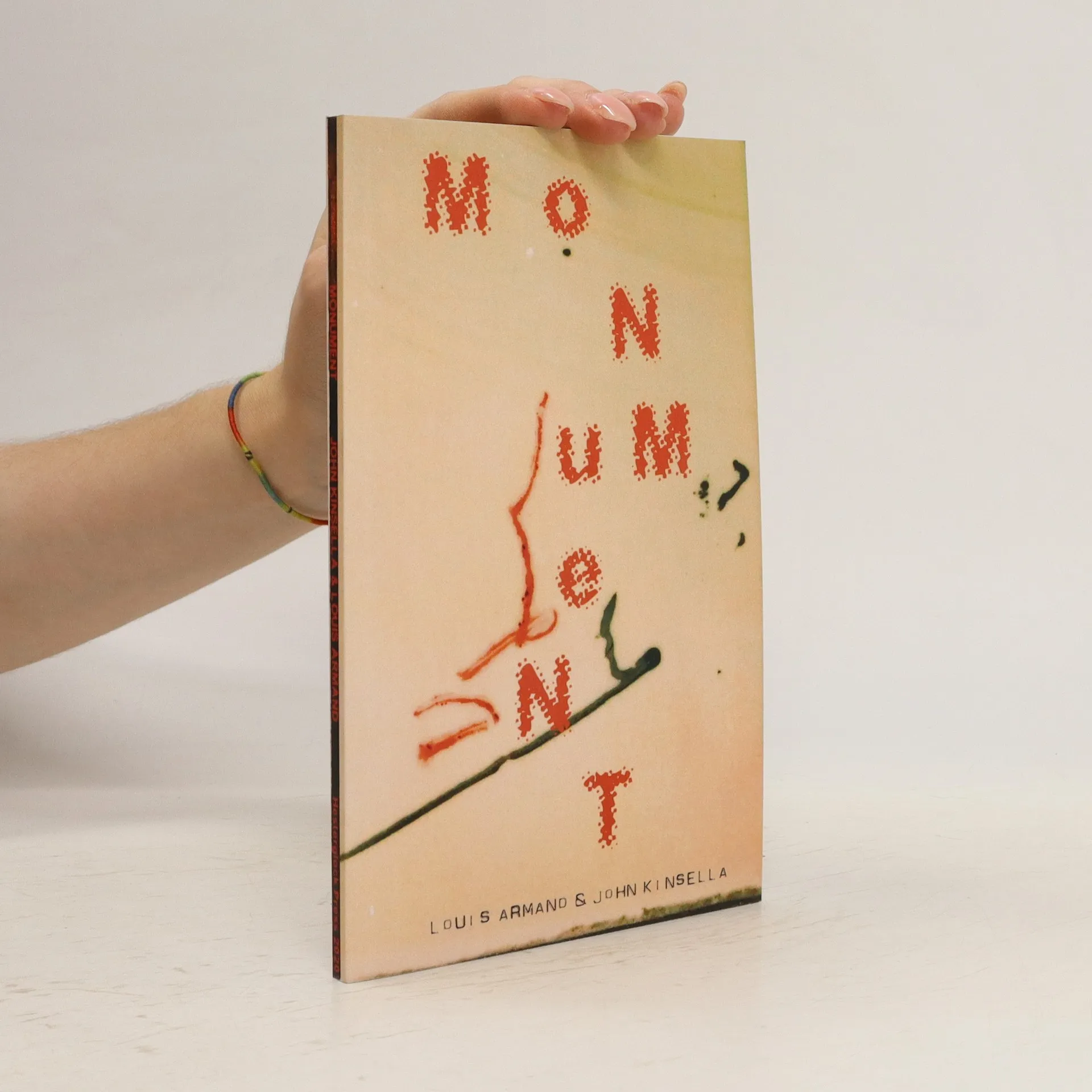
Monument is a collaborative collection between John Kinsella and Louis Armand, which follows on from their earlier Synopticon project (though differs from it in that, rather than being an 'overwriting,' this was produced in a reverse 'erasure' process). Featuring 100 pseudo sonnets & variations, it began in Gordon Square, London as a response to the colonial institutional politics of the British Museum.
The book offers a comprehensive critical study of Giacomo Joyce, addressing the diverse opinions and scholarly interest it has generated since its posthumous release. It aims to consolidate existing commentaries and analyses, filling a significant gap in Joyce scholarship. With positive feedback from the academic community, the authors, experienced in Irish literature and Joyce studies, seek to present this final work of Joyce within a robust scholarly framework, facilitating ongoing critical engagement.
"A decade-by-decade portrait of 20th century Australia through the prism of one family. Abacus is a portrait of the end times, of generational violence and the instinct for survival by one of Australia's leading contemporary poets."--Back cover
“À ces mots, il s’est tu. Assez de mots! Il c’est tué.”Set in and around Jardin des Plantes, Paris, Europe, the World, the Universe, Armand’s short novel is a whodunit with multiple twists. The setting of the tale against a backdrop of fossils and marvels of taxidermy gives Armand’s story a macroscopic dimension. As if the evolution of an entire species could be compressed into several hours of a Sunday morning. As if a tale of a murdered schoolteacher and a vengeful mob could tell of speciation and extinction throughout the evolutionary history of life on Earth. And it can. Armand’s deftly written fragmentary narrative is a point-counter-point of silent unheard voices, whose apocalyptic finale eschews euphony in favour of a cacophonous refusal of resolution. “NO END” – loose ends being preferable to final solutions…
The Organ-Grinder´s Monkey: Culture after the Avant-Garde
- 286 Seiten
- 11 Lesestunden
Theorising the “poetic turn” in cultural discourse from the 1950s to the present, The Organ Grinder’s Monkey examines the post-avant-garde condition mapped out in the work of an international roster of artists, writers, philosophers and film-makers, from Neo-Dada to the New Media, including Andy Warhol, Jean-Luc Godard, Cy Twombly, Jacques Derrida, Rosalind Krauss, Samuel Beckett, Harold Rosenberg, Clement Greenberg, Alain Badiou, Dusan Makavejev, Marjorie Perloff, Michael Dransfield, Charles Olson, Jean-Michel Basquiat, Veronique Vassiliou, Guy Debord, Joshua Cohen, Pierre Joris, Philippe Sollers, Karen Mac Cormack, Marshall McLuhan, Lukas Tomin, John Kinsella, and Vincent Farnsworth.
Indirect Objects
- 159 Seiten
- 6 Lesestunden
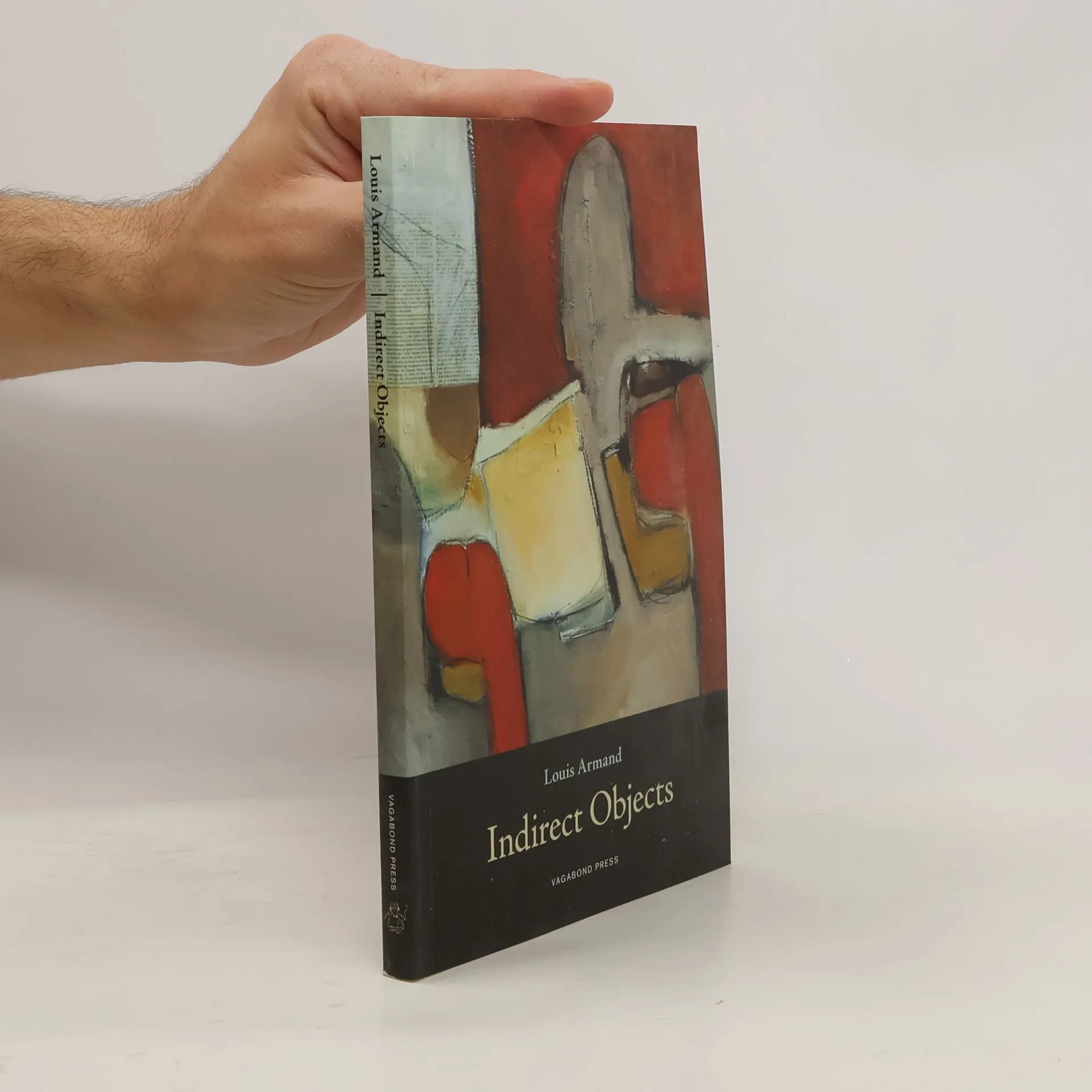
INDIRECT OBJECTS is Prague-based Australian author Louis Armand's eighth collection, an exploration of physical, psychological and linguistic topographies forming a poetic grammar. The indirect objects of the title are emergent states of experience, perception as language, the unarticulated "real" we encounter as strange and remote in even the most familiar forms of saying. The volume is divided into five sections - "Realism," "Dark Mingus," "Broadcast Graffiti," "Zapata Retrospect," and "Tur zum Nichts" - each concerned with an exploration of landscapes of fact. Armand's poetry is populated by places, people, things whose existence describes a potential contained in language as singular and vital as they are.
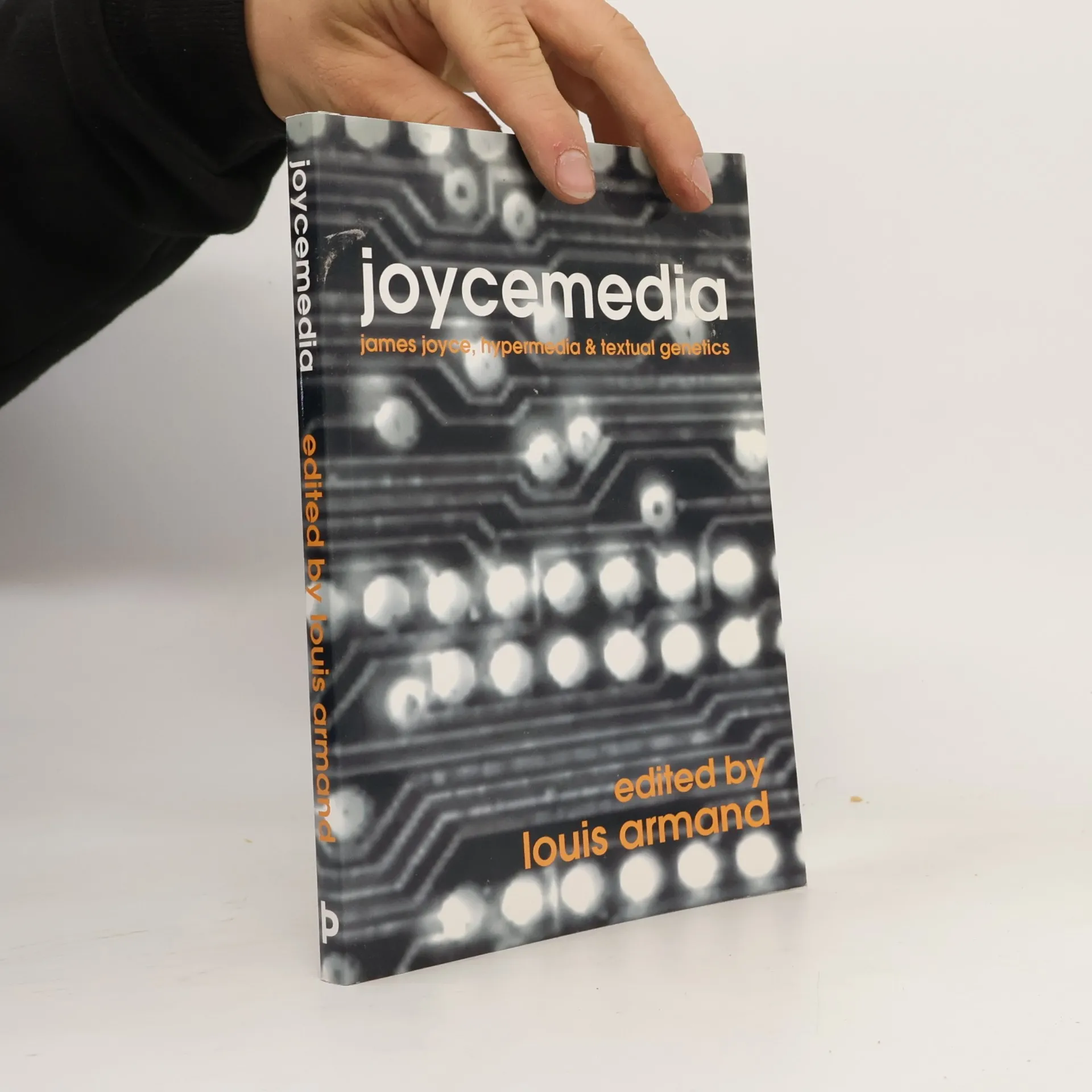
There is a rigour and a set of seemingly limitless practical and theoretical demands involved with JoyceMedia that make it a difficult proposition for those more used to the "method" of applying theories that have already been worked out elsewhere. It is arguable, indeed, that after deconstruction, the fusion of genetics and hypertext represents the first major theoretical discourse to have emerged directly out of an engagement with Joyce's texts. If this is truly the case, then there is every reason to consider that this volume-however tardy its arrival must seem to those who first heard news of it ten years ago-remains nonetheless "in advance" of itself, and that its "news" is, in fact, still to be received. Donald F. Theall, Mark Nunes, Laurent Milesi, Daniel Ferrer, Marlena Corcoran, Michael Groden, Dirk Van Hulle, Thomas Jackson Rice, Alan R. Roughley, Darren Tofts.
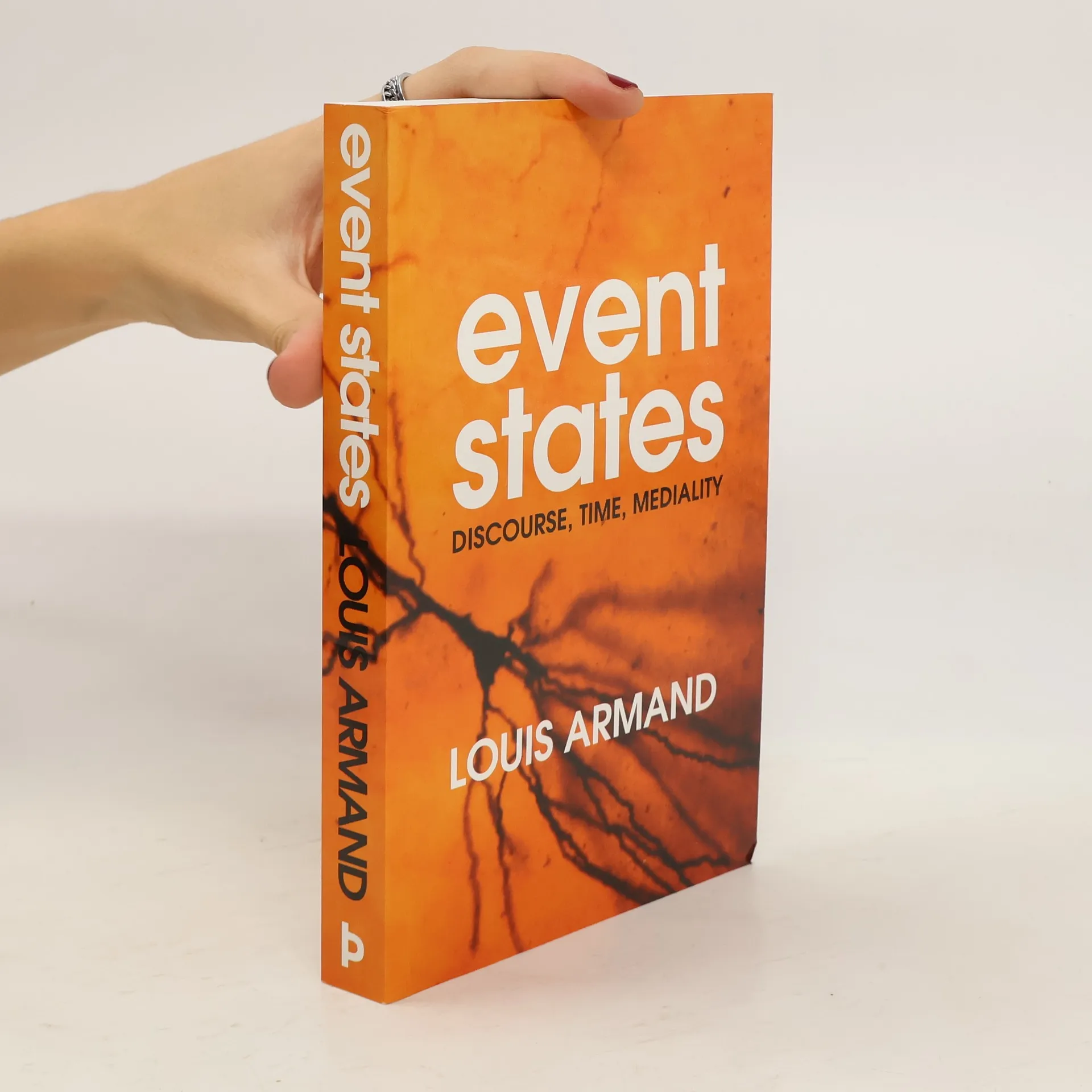
Part 2 of Literate Technologies: Language, Cognition, Technicity. Following from an earlier study of literate technologies, the present volume seeks to examine a number of questions that inevitably come to surround any discussion of signification and dynamic systems; questions which concern the relationship between what is variously meant by the terms event and state, and which tend to coalesce around a number of problems to do with relativity and the discursive character of time or temporalisation, mediality, representation and the techno-logisation of presence. Such questions ultimately travel far afield, between ontology and classical epistemology, cybernetics and quantum physics, aesthetics and political science. Essays in this volume treat the work of Alain Badiou, Bernard Stiegler, Martin Heidegger, Karl Marx, Maurice Merleau-Ponty, Jean-Paul Sartre, Sigmund Freud, Jose Delgado, Friedrich Kittler. "Ripping through this work, with its cybernetic preoccupations and post-structuralist rigor, is a strong countercurrent that leaves room for the human, even as it disenchants humanism. [...] The result is a book that brings us to the edge and leaves us there to enjoy the breathtaking view." --Davin Heckman, Rhizomes
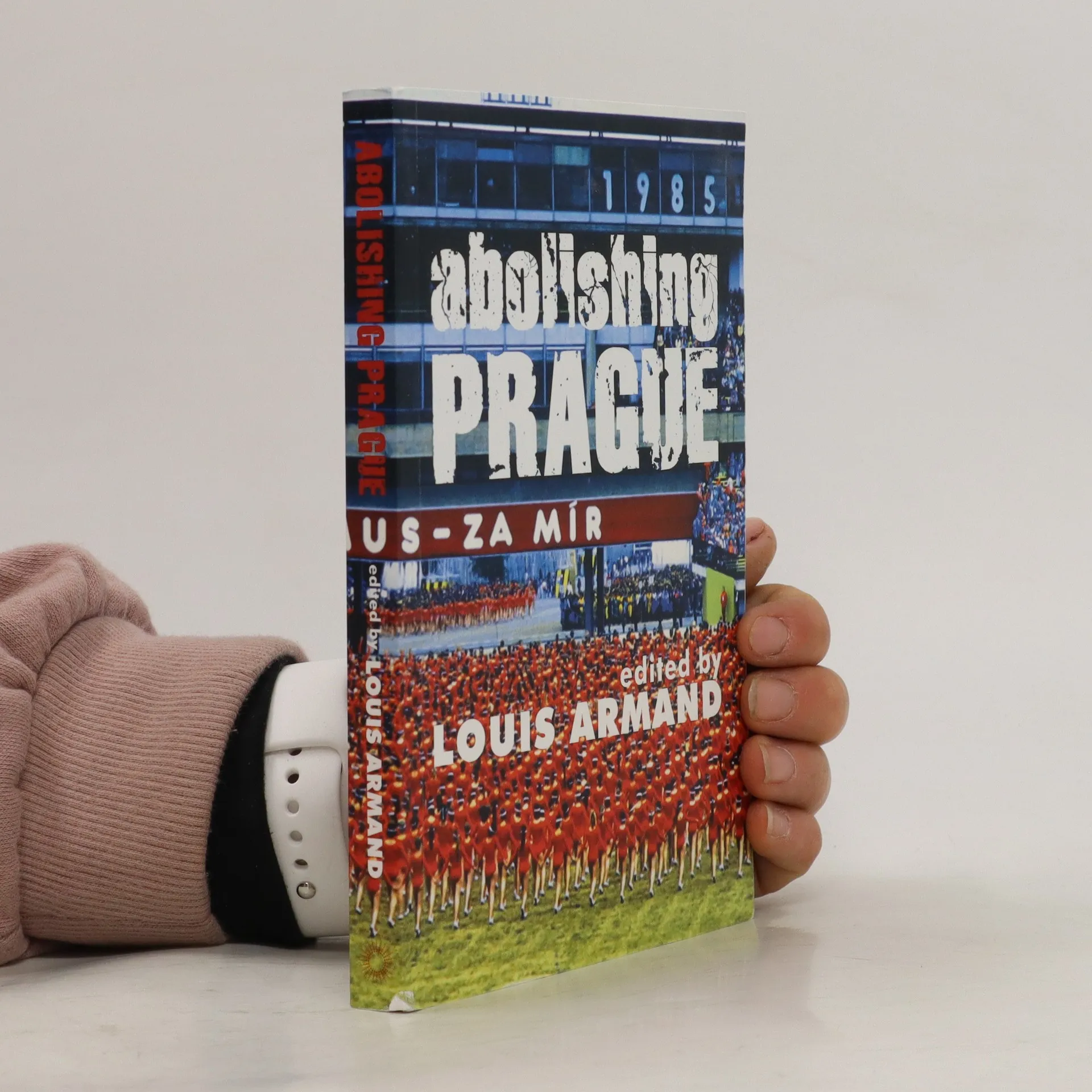
Abolishing Prague began as a collaborative urban archaeological project and psychogeographical investigation into the "other" Prague. The current volume represents only a small selection of work belonging to that on-going project: a combination of theoretical, historical, ficto-critical, photo-essayistic and poetic research into the city's parallel dimensions. Abolishing Prague brings together a series of writings on a Prague uncharted by the conventional tourist guide: the Prague of suppressed or forgotten pasts, the amnesiac city of deserted docklands and depopulated islands, the Prague of shabby riverside colonies, a Prague slowly vanishing from the face of the earth, giving way to current urban planning and corporate redevelopment. Topics include Prague's counterculture, brutalist architecture, the work of Karel Teige, Viteslav Nezval, Lukas Tomin, Franz Kafka, as well as "interventions" by contemporary prague-based artists, writers & photographers. Contributors include: Benjamin Tallis, David Vichnar, Ian Mikyska, Michel Delville, Robert Carrithers, Holly Tavel, Vadim Erent, Bonita Rhoads, Karen Pearlman, Dustin Breitling, Vit Bohal, Louis Armand
Hidden Agendas (Unreported Poetics)
- 278 Seiten
- 10 Lesestunden
Editor Louis Armand se spolu s kolegy zabývá poezií alternativy, která je ze své podstaty marginálního charakteru - tento status je však v době internetu (a konkrétního portálu Ubu web) je složité udržet či kontinuálně interpretovat. Autoři se proto pokusili objektivně nahlížet několik básnických děl s cílem přiblížit se svým hledáním k nalezení marginální poezie - její recepce, interpretace a roli autora.
Strange Attractors
- 132 Seiten
- 5 Lesestunden
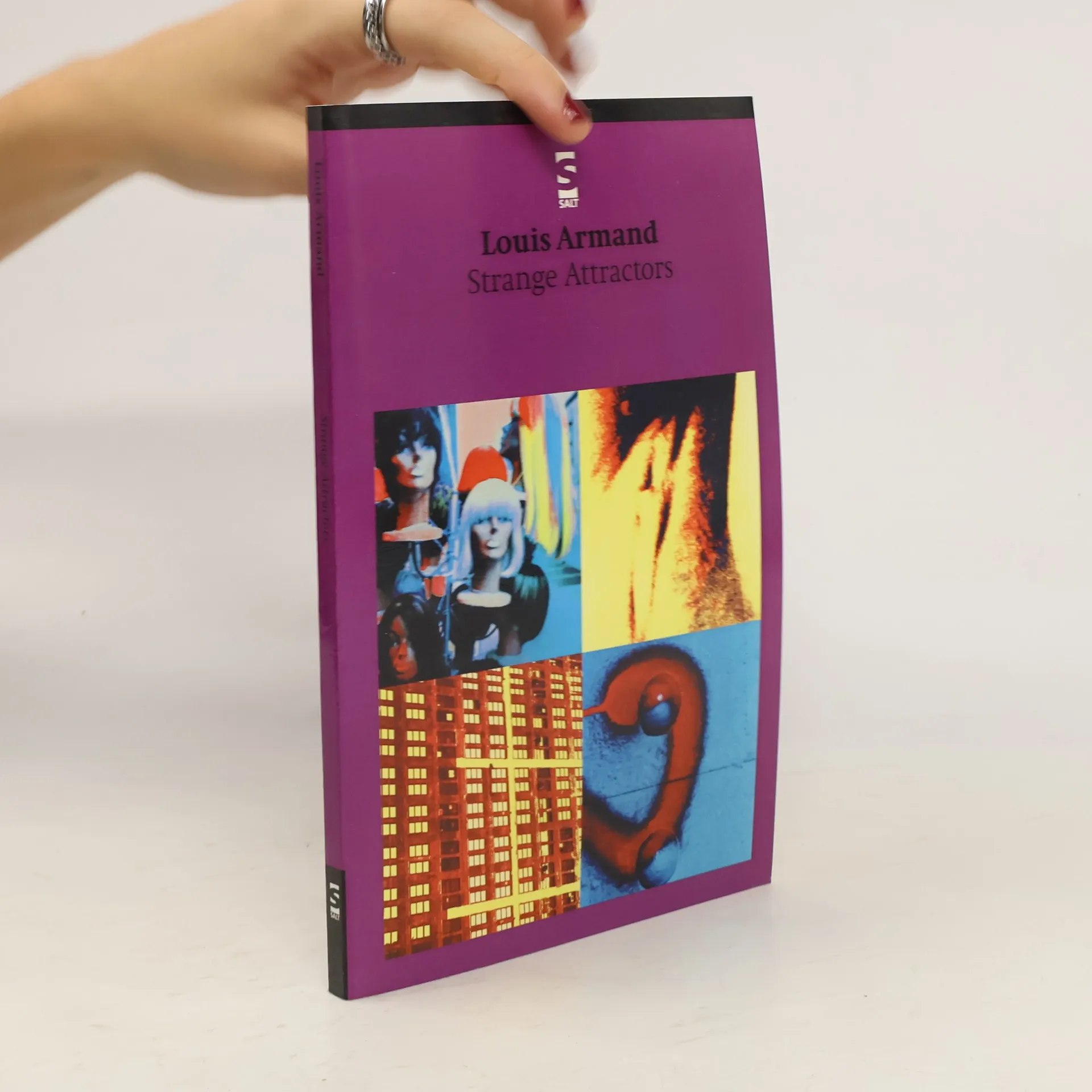
Among the most prolific and widely received poets of his generation, Armand's work is luminous with verbal innovation and critical insight. This volume confirms Armand's standing as a major figure of the Prague renaissance and the post-fin-de-siecle of English-language poetry internationally. schovat popis
Canicule
- 224 Seiten
- 8 Lesestunden
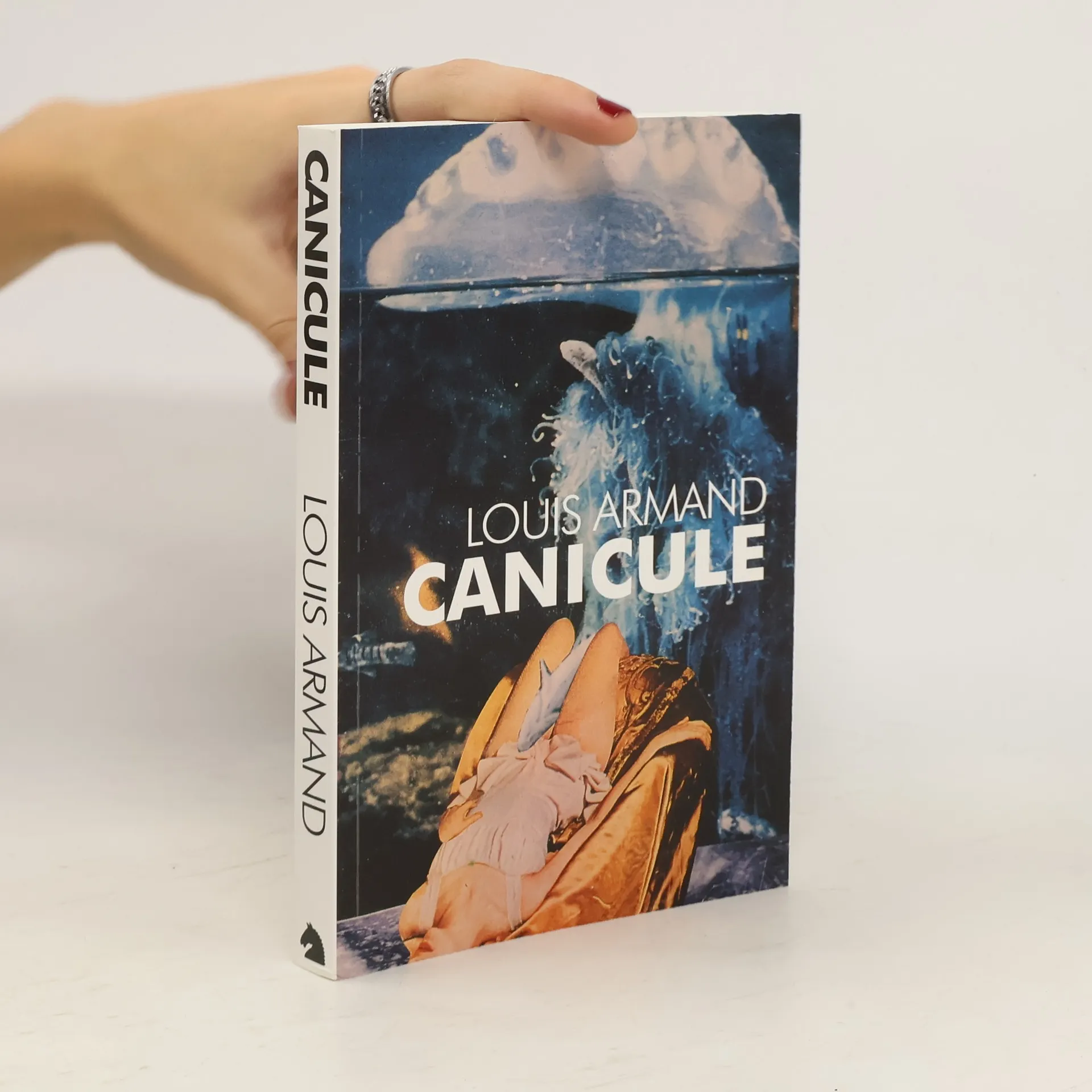
The dog days of 1983. The bombing of the U.S. embassy in Beirut. Ronald Reagan and Yuri Andropov, dancing into the sunset. Hess, Ascher and Wolf are orphans chance has brought together in a small Baltic seaside town. Twenty years on, Hess, a down-on-his-luck screenwriter, finds himself in the Mediterranean, drinking to forget a wasted marriage. Wolf, haunted by his father's murder, is drawn into the nebulous world of international terrorism. When Ascher, a failed artist, commits suicide, all the stakes are changed. Or are they? In the present, a sudden random act of violence brings two women together in mutual need and self-discovery. As the destinies of its protagonists intertwine, a story unfolds of love and betrayal in a time of failed ideology and moral crisis. With the Cold War, sex and punk rock throbbing in the background, Hess must confront his past, seeking to salvage dignity from defeat. By turns cinematic, hard-boiled, sensual, Canicule continues Armand's exploration of the underside of the human condition.--Amazon.com.
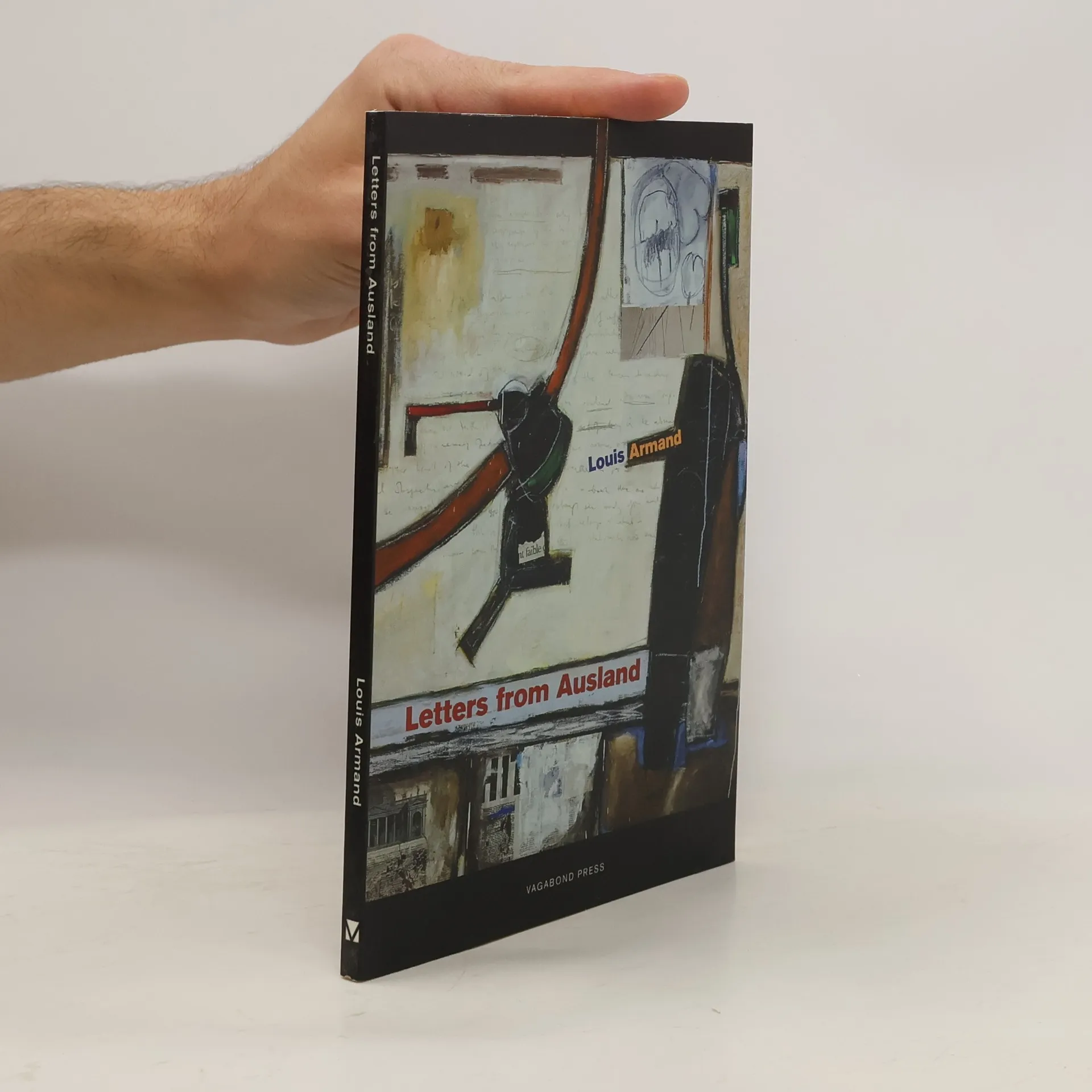
The book "Letters from Ausland" is a collection of poetry that reflects the author's work over the last five years. Armand's dense texts draw on surrealist traditions, exploring themes of restlessness, chaos, and the complexity of the contemporary world. However, due to their philosophical depth, these poems can also be interpreted in a timeless manner.
Cairo
- 366 Seiten
- 13 Lesestunden
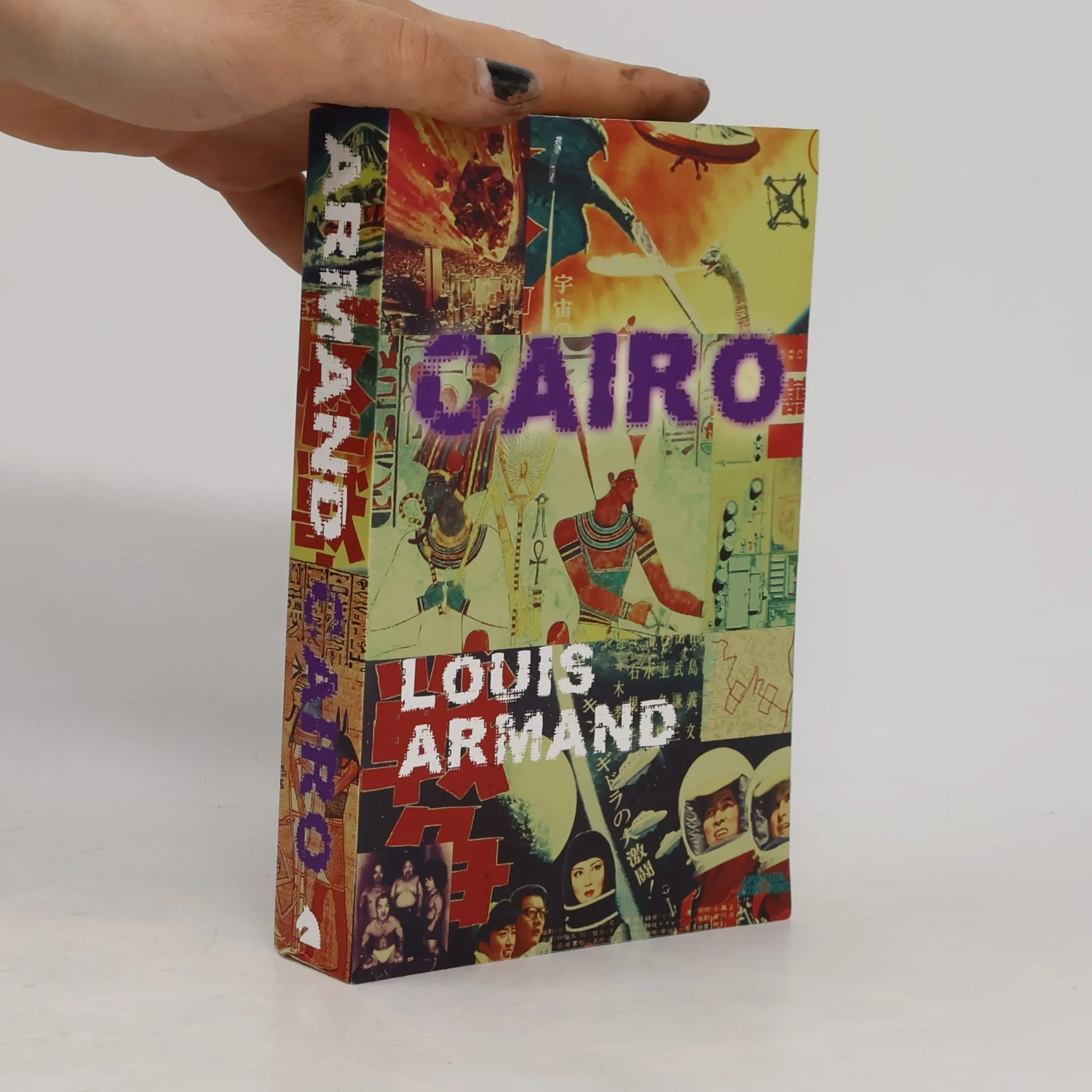
Fiction. Drama. Art. What do a crashed satellite, a string of bizarre murders and a time-warp conspiracy have in common? Welcome to CAIRO, where the future's just a game and you're already dead. "A genre defying anti-novel... Like communism it is the movement of vast majorities unfettered by a state!"-Stewart Home, author of Blood Rites of the Bourgeoisie "Unflinching in its portrayal of human greed."-The Guardian
Clair Obscur
- 287 Seiten
- 11 Lesestunden
"Set against the backdrop of the 1990s war in former-Yugoslavia, Clair Obscur presents a sustained reflection on memory, guilt, fantasy and desire in late twentieth-century Europe."--Provided by publisher.
Breakfast at midnight
- 166 Seiten
- 6 Lesestunden
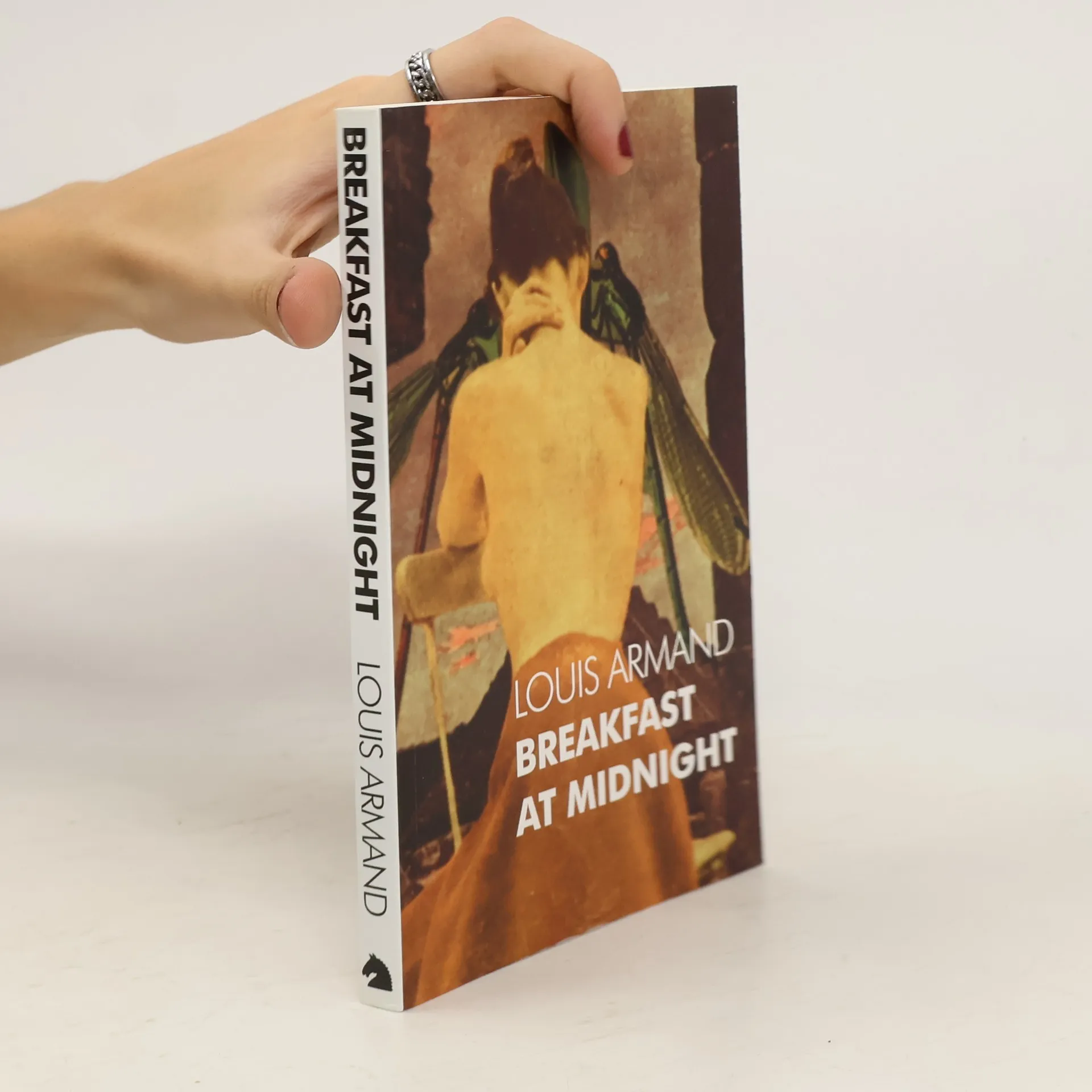
"A debauched, hallucinogenic noir... If Georges Simenon had smoked angel dust he might have come up with a style like this." (Prague Post) "Mickey Spillane meets Georges Bataille on speed." (Goodreads) "The sort of thing Iain Sinclair might write if he'd morphed with Chris Petit..." (Stewart Home) "Pitch-perfect." (London Student) Kafkaville. Blake is a pornographer who photographs corpses. Ten years ago, a young man becomes a fugitive when a redhead disappears on abridge in the rain. Now, at the turn of the millennium, another redhead has turned up in the morgue, and the fugitive can't get the dead girl's image out of his head. For Blake, it's all a game -- a funhouse where denial is the currency, deceit is the grand prize, and all doors lead to one destination: murder. In the psychological noir-scape of Kafkaville, the rain never stops, and redemption is just another betrayal away... Described as "Robert Pinget does Canetti (in drag in Yugoslavia)," Louis Armand's novel Clair Obscur was published by Equus in 2011. His previous novel, Menudo (Antigen), was hailed as "unrelenting, a flying wedge, an encyclopaedia of the wasteland, an uzi assault pumping desolation lead... inspiring!"
This volume develops a comprehensive system of signs and meaning that integrates theory and practice in a technological landscape where literature remains essential. It engages with theories of language, signs, literacy, and technology as they relate to key 20th-century literary innovators. The author presents a compelling thesis that reveals numerous implications. The work challenges readers to explore foundational questions about thought, imagery, and communication, pushing the boundaries of conventional cultural discourse. It subjects familiar ideas to rigorous analysis, shedding new light on longstanding debates. The central argument posits that a generalized understanding of technology is crucial for grasping literacy in its broadest context, encompassing any system of sign operations facilitating transmission or transcription. This universal aspect of literacy is portrayed as a constellation-effect that connects diverse fields—from atomic structures to DNA coding, human neural development to artificial intelligence, and simple binary processes to complex topologies—encompassing the entire textual landscape. The essays examine the contributions of notable figures such as Walter Ong, Ludwig Wittgenstein, Jacques Lacan, and others, providing a rich exploration of their ideas.
Armand is very much interested in the contemporary, and in this book he presents his reader with a bruising entourage of scenes, images and juxtapositions wrenched from combinations of everyday urban life and ideas --Michael Aikin, Cordite The suggestion, the promise of a narrative seems implicit in Armand’s work. ...As though each piece were a test of memory, a referential work out, a game. This is played out, played at, most obviously in the use of ... found images, the dismembered signifiers of the everyday. Uncannily familiar faces with blacked out eyes reminiscent of crime scene news reels ... --Nicole Tomlinson
Solicitations
- 512 Seiten
- 18 Lesestunden
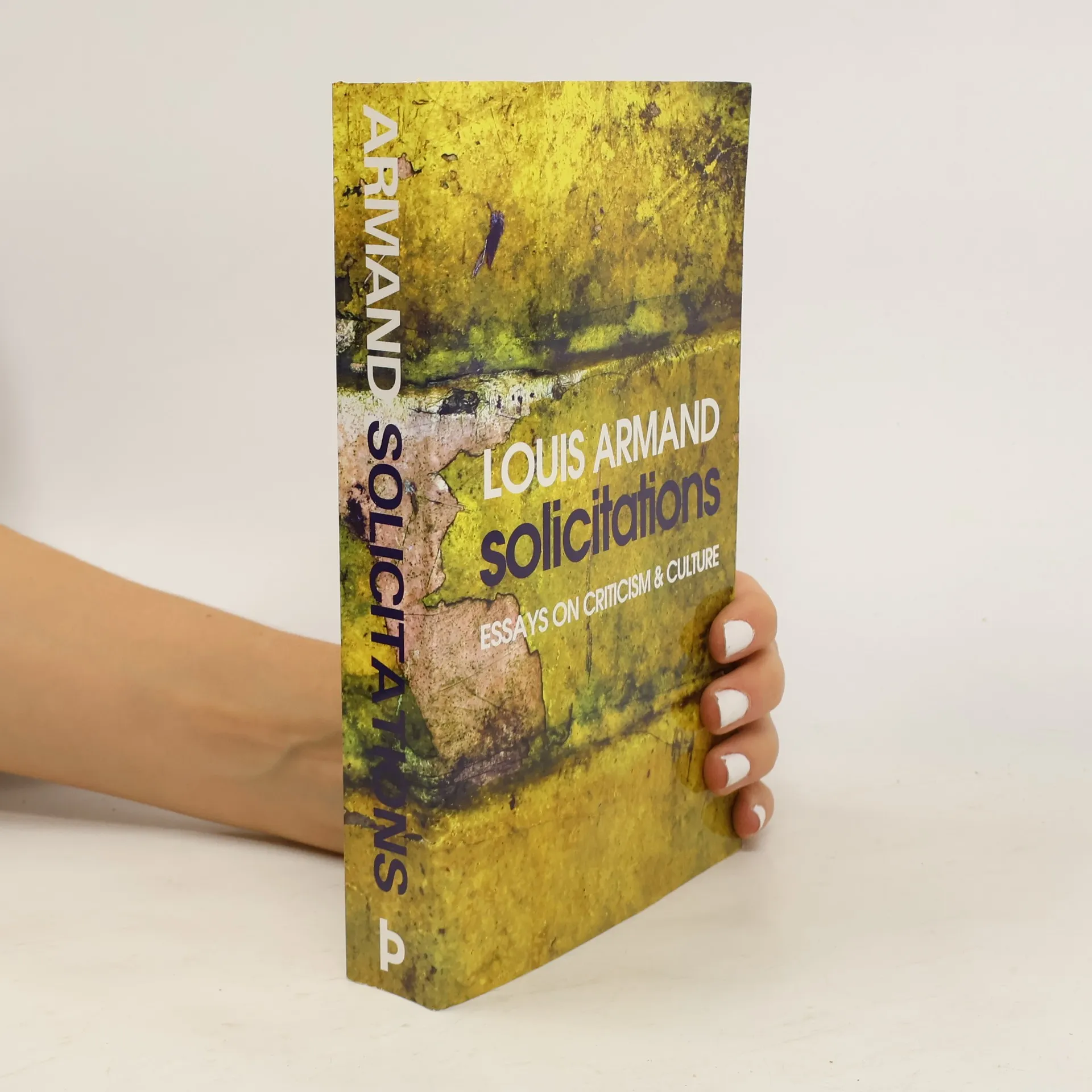
The topics addressed in these essays range from laissez-faire economics and the state of contemporary culture, to the foundations of ethical philosophy. Commencing with an analysis of the rhetoric of "crisis," Armand poses questions of central concern to the future of criticism and the institutions of knowledge. Focusing upon the role of technology in re-shaping the structures of human experience, language and cultural practice, this collection of essays offers a broad critique of the legacies of modernity and beyond. Adopting the critical paradigm of solicitation, Armand demonstrates how structure is perceived through an incidence of crisis, and that these crises are pervasive in human experience. The essays included in this volume address the work of writers, philosophers, artists, as well as broader issues of history, futurity and the digital age. Jacques Derrida, James Joyce, Immanuel Kant, Walter Benjamin, Karl Jaspers are read alongside Buckminster Fuller, Julia Kristeva, Rosalind Krauss, Marshal McLuhan, John Dewey, as well as recent and contemporary artists like John Cage, Jean-Michel Basquiat, Cy Twombly, Brett Whiteley, Michael Dransfield, John Kinsella.
While this study is concerned with the question of technology in its relation to the work of James Joyce and theories of hypertext, it is also, and more specifically, addressed to a concept of technology arising from the language of Finnegans Wake. Drawing upon developments in communication theory and information technology, this study attempts to map a parallel development in Joyce's uses of language in the Wake, arguing that Joyce's writing provides a model for re-thinking the relationship between technology and "all forms of cultural production." The purpose of this is not, however, to suggest that Joyce was necessarily in some way cognisant of a future possibility of hypertext, nor is it simply concerned with a retrospective glance at Joyce from the position of current computing technologies. Rather, it is to examine how Joyce's work is aware of its own position against and within contemporary developments in the sciences and electronic media, and that Joyce incorporated material from these developments into his texts.
Homo Catastrophicus
- 127 Seiten
- 5 Lesestunden
In Homo Catastrophicus Louis Armand explores the agonism of an emergent Algorithmic State Apparatus. Its genealogy traverses the constellation of aesthetic & political avant-gardes of the long 20th century & the terminal shock of posthumanism. Technology has always posed a challenge to notions of human subjectivity. Yet this challenge cannot be resolved dialectically, as a rapprochement between the human & non-human, since technology must be understood as defining in advance what it means to be human, conditioning the very possibility of "human being."The figure of Homo Catastrophicus is the historical "subject" turned on its head - a theoretical antipode to the dialectic of modernity & the "No Future" conspiracy of Capitalist Realism. If capitalist realism inscribes history as crisis - as a discourse perpetually anachronistic to itself, "out-of-joint," always before its time yet perpetually after the event - then Homo Catastrophicus evokes history's schizoid chaos agent. Homo Catastrophicus is not a descent of man for modern times, it is an ontology of catastrophic being grasped through an antagonism with every possible world-view: ideology's doppelganger. Homo Catastrophicus is the alterego of the humanist fallacy - an inhumanity that dreams the apotheosis of civilisation.
Language System: After Prague Structuralism
- 150 Seiten
- 6 Lesestunden
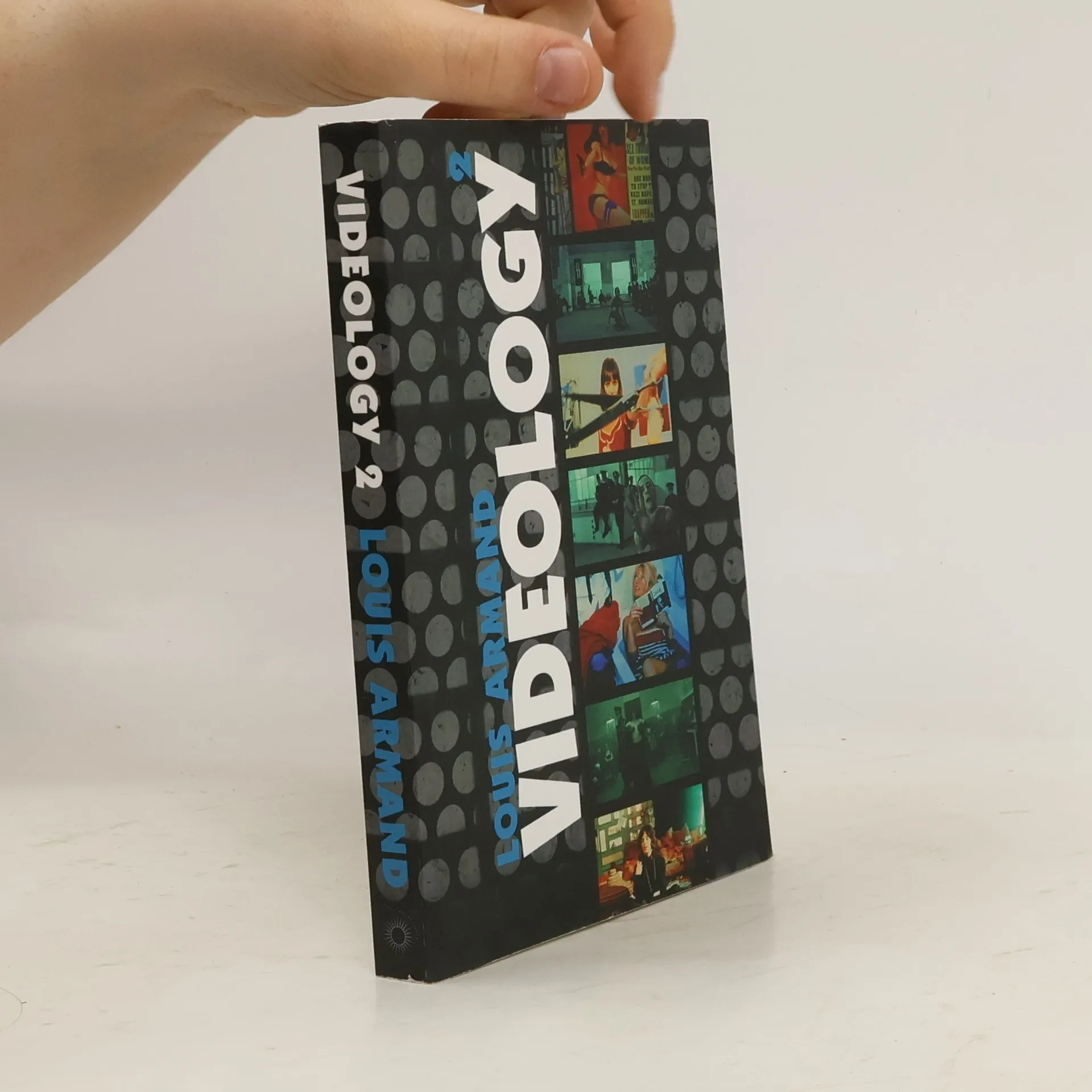
VIDEOLOGY 2 continues Louis Armand’s critique of realism across film, visual arts, and literature. It explores a range of works, from Nam June Paik’s experimental TV to the militant cinema of Pontecorvo, Fassbinder, and Godard, as well as Karel Teige’s cine-poetics and anti-American filmographies by Petit, Jarmusch, and Wenders. This volume includes essays on influential figures such as Robert Fuest, Gene Youngblood, and Andy Warhol, among others. As the second part of a three-volume critique, it examines the ideology of realism within the culture industry, encompassing literature, film, cybernetics, and the plastic arts. Armand employs a syncretic approach inspired by thinkers like Marshall McLuhan and Buckminster Fuller, aligning with the interdisciplinary nature of historical avant-gardes and modernity. The term “videology” encompasses various aesthetic and ideological forms, from Jeremy Bentham’s “Panopticon” to contemporary discussions on virtual reality and post-humanism. The study addresses modernity and postmodernity, focusing on the work of experimental writers, artists, and theorists. In this context, realism is viewed as a tool for cultural normalization, evolving alongside mass literacy and global communication, ultimately serving to commodify the processes of industrial modernity.
Menudo
- 141 Seiten
- 5 Lesestunden
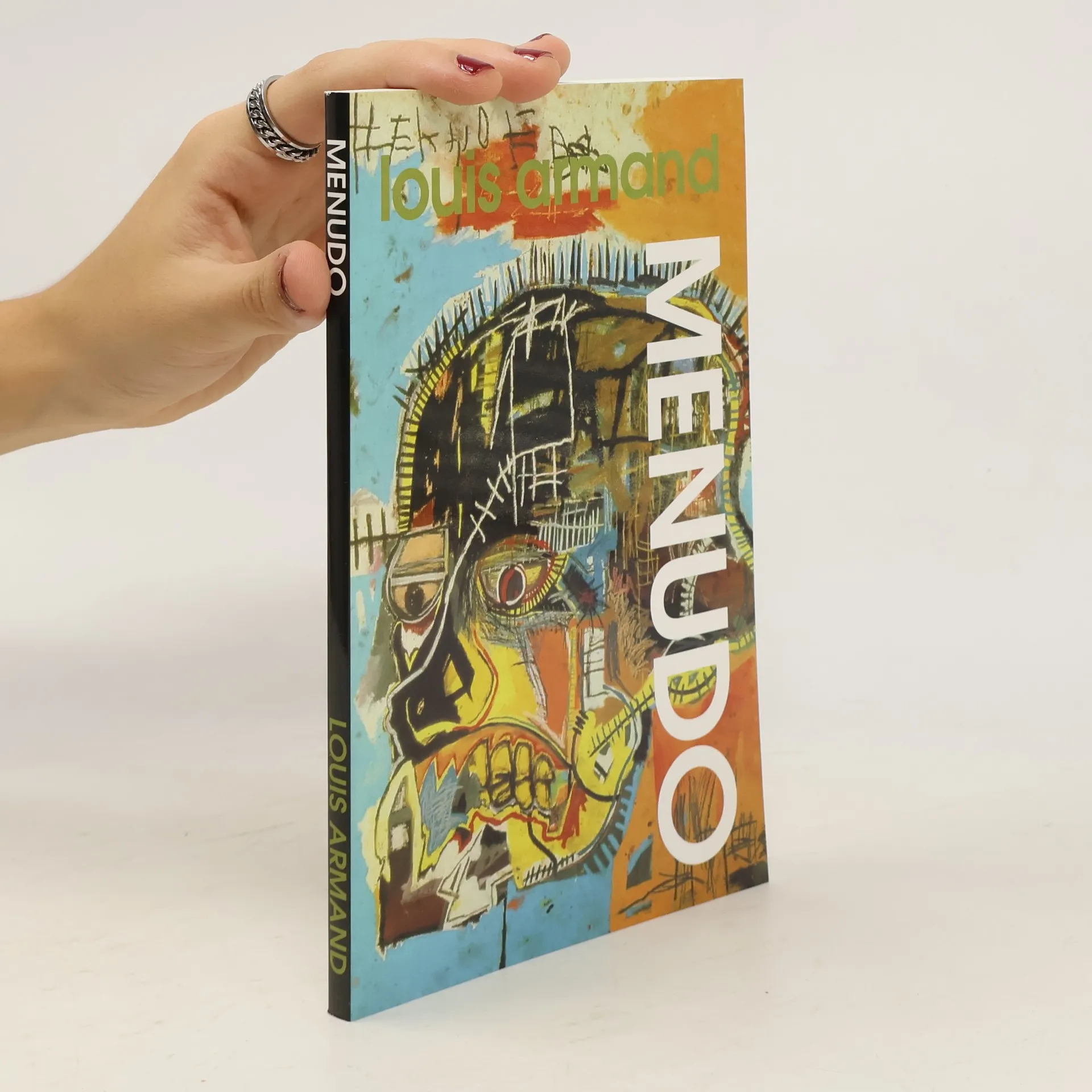
Set in Mexico, Menudo is a radical montage of overlapping accounts of a crime. Details multiply, repeat, segue into one another, but do not "add up." These include laboratory transcripts; the diary of a drug addict in Mexico City; the testimony of a malaria patient in a sanatorium; an escapee and a Catholic priest in a village near Tapachula; an archaeologist at Yaxchillan...
The Combinations
- 888 Seiten
- 32 Lesestunden
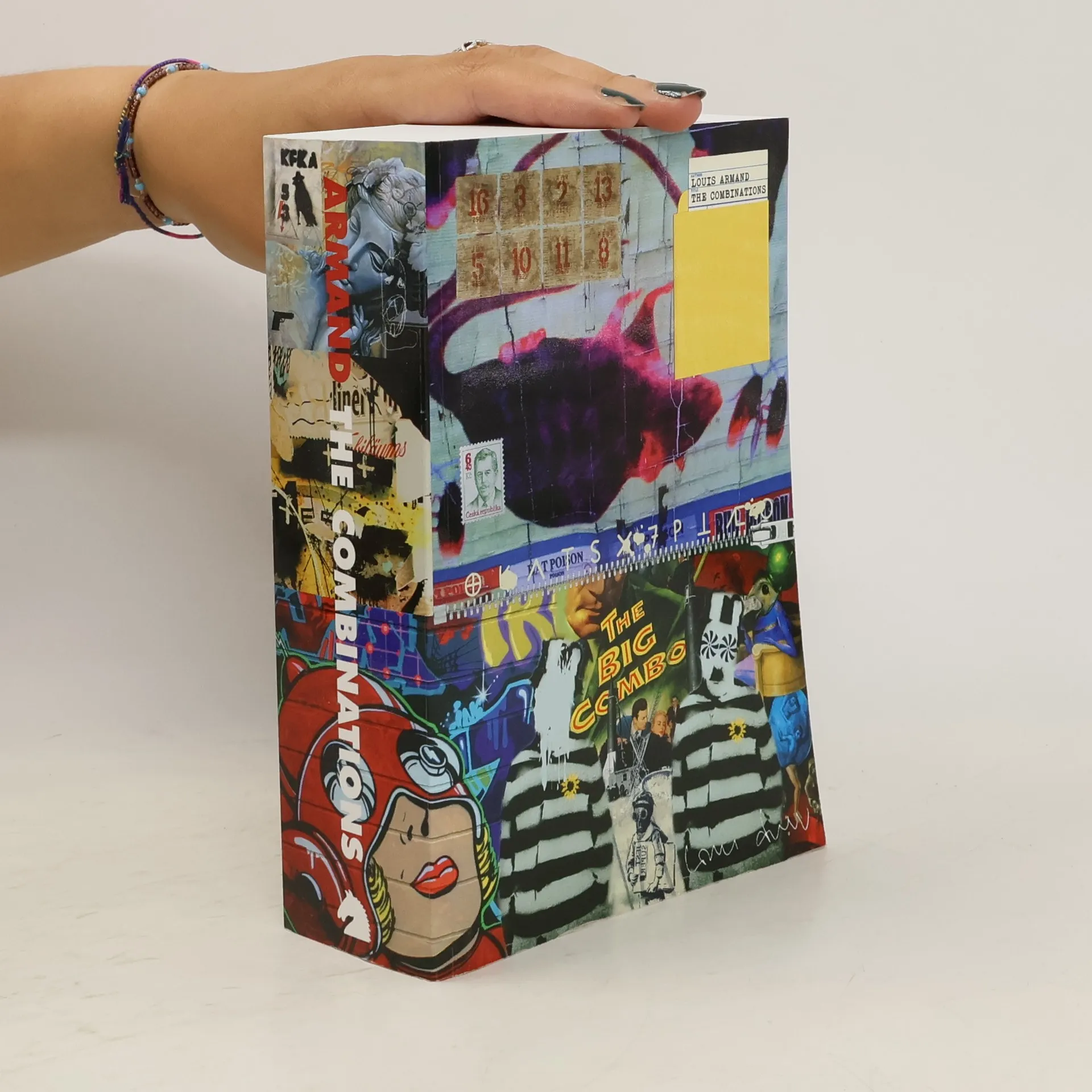
"An unprecedented 'work of attempted fiction' that combines the beauty & intellectual exertion that is chess with the panorama of futility & chaos that is Prague (a.k.a. Golem City ), across the 20th-century and before/after. Golem City, the ship of fools boarded by the famed D's (e.g. John) and K's (e.g. Edward) of the 16th/17th centuries (who attempted and failed to turn lead into gold), and the infamous H's (e.g. Adolf, e.g. Reinhard) of the 20th (who attempted and succeeded in turning flesh into soap). Armand's prose weaves together the City's thousand-and- one fascinating tales with a deeply personal account of one lost soul set adrift amid the early-90s' awakening from the nightmare that was the previous half-century of communist Mitteleuropa. The Combinations is a text whose 1) erudition dazzles, 2) structure humbles, 3) monotony never bores, 4) humour disarms, 5) relentlessness overwhelms, 6) storytelling captivates, 7) poignancy remains poignant, and 8) style simply never exhausts itself. Your move, Reader"--description from publisher's website, viewed 1 November 2017.
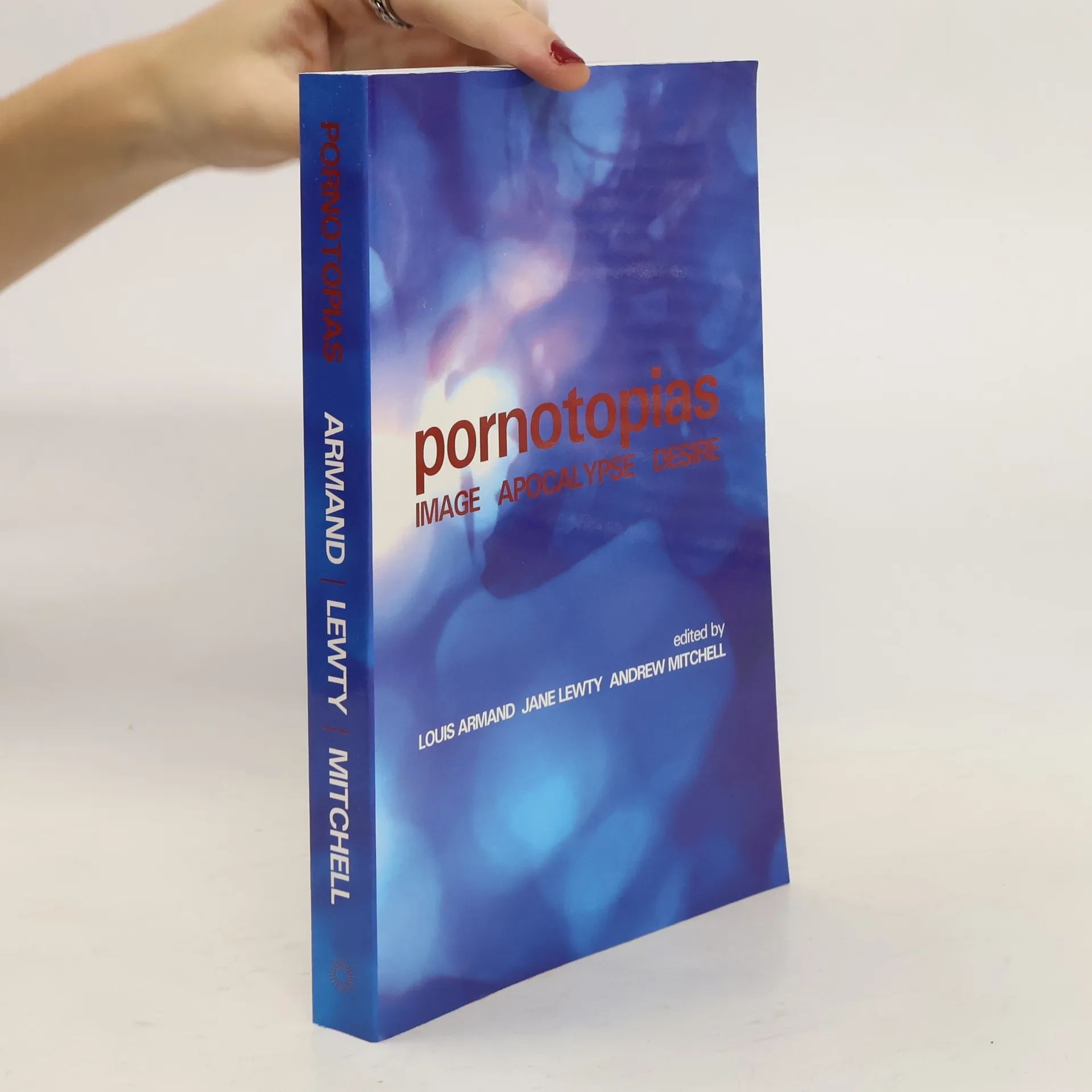
Pornotopias
- 272 Seiten
- 10 Lesestunden
Bodily existence is characterized by a fascination with a world beyond reach, embodying desire and metaphor while teetering on the edge of nonexistence. It involves a relentless pursuit of the real, the other, and the materiality of existence, intertwined with religious hypotheses and absolute relativity. Each utopia reflects a form of disillusionment, drawing one into a paradoxical cycle of reason, compulsion, and consumption. The body, our most intricate machine amidst relentless technological advancement, serves multiple roles: a marvel of engineering, the face of primal nature, a vessel for the soul, and a fragile, disposable entity. Bodies are reproduced, experimented upon, dissected, and debated, enduring moral scrutiny while being both abused and adored. This interface with the world exposes the body to constant examination, making it a site where violence meets metaphysics, and the sublime mingles with the grotesque. The body cannot remain neutral; it must respond to external challenges and internal impulses. Our survival, epitomized in the act of sex, elevates the body into a unique state of existence that, though fleeting, encapsulates the essence of being, heightening sense and ultimately leading to dissolution.
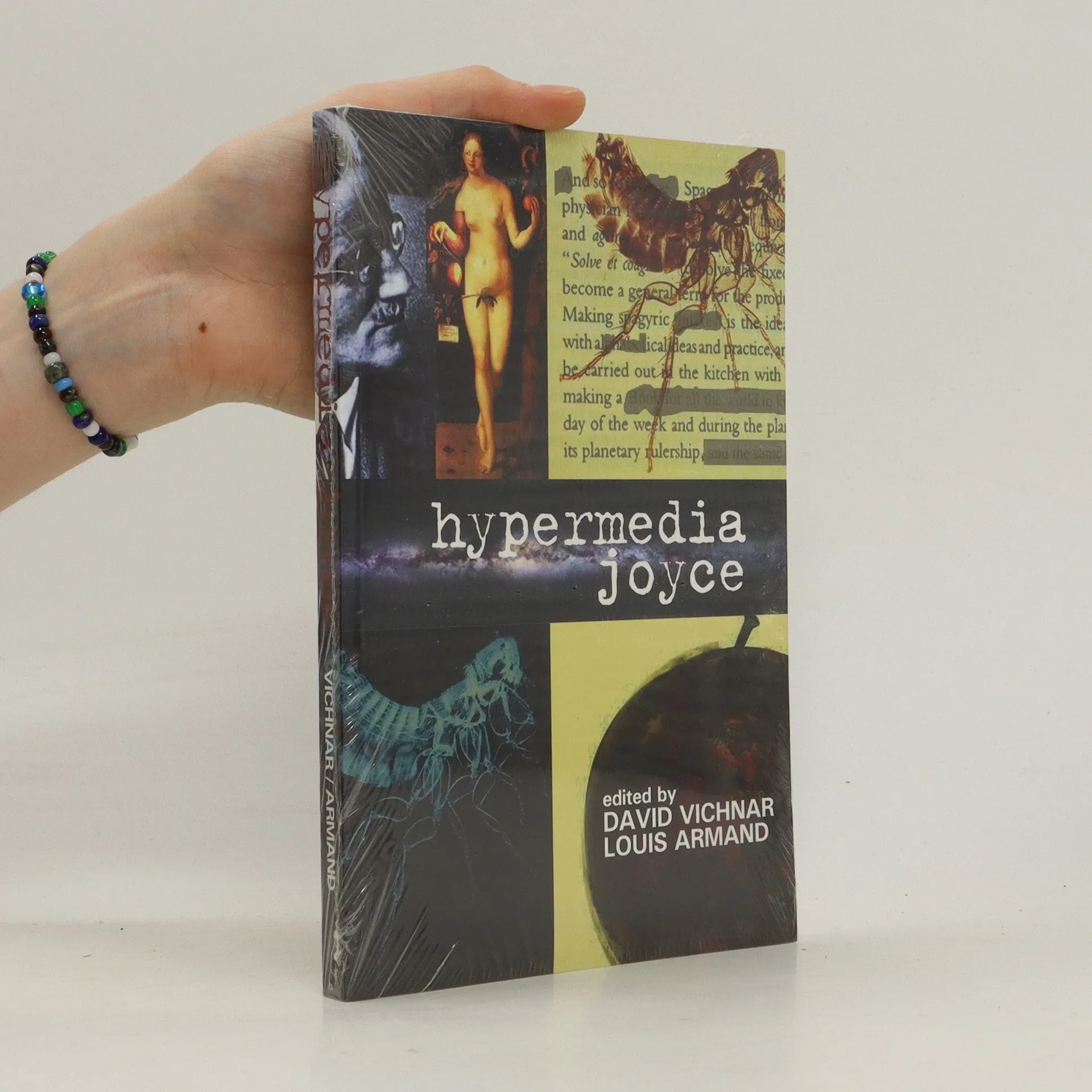
Hypermedia Joyce
- 200 Seiten
- 7 Lesestunden
This volume brings together selected writings published in the seminal online journal HJS [Hypermedia Joyce Studies] since 1995. CONTRIBUTORS Donald F. Theall, Darren Tofts, Louis Armand, Laurent Milesi, Andrew Norris, Valerie Benejam, Jed Deppman, Alexandra Dumitrescu, John MArvin, Alan R Roughley. ABOUT THE EDITORS Louis Armand's books include James Joyce, Hypertext and Technology (2003), Literate Language, Cognition, Technicity (2006) and Event Discourse, Time, Mediality (2007), and he is editor of Contemporary Poetics (Northwestern University Press, 2007). He is director of the Centre for Critical and Cultural Theory at Charles University, Prague. David Vichnar is current editor of Hypermedia Joyce Studies and the author of Joyce Against Theory (2010). PLEASE DISREGARD THE "USED - LIKE NEW" ENTRY. ALL LITTERARIA PRAGENSIA TITLES PROVIDED BY THIS SELLER ARE IN MINT CONDITION.
A collaborative poetics by Louis Armand & John Kinsella, with an Introduction by Pierre Joris."Who but John Kinsella and Louis Armand could have invented and laid out the 21st Century protocols that govern the intriguing collaborative poems in Synopticon? Encyclopedic, witty, packed with knowledge about arcane subjects, this is a book to sample and reread with ever-increasing knowledge, pleasure, and admiration." --Marjorie Perloff, author of Radical Artifice: Writing Poetry in the Age of Media and Differentials: Poetry, Poetics, Pedagogy. Synopticon was composed as a collaborative project during the course of an extended email exchange between 1998 and 2008. Part poetics of collaboration, part cultural archaeology, part textual collage, this book records an investigation into authorship and authenticity in the construction of social texts and cultural artefacts.
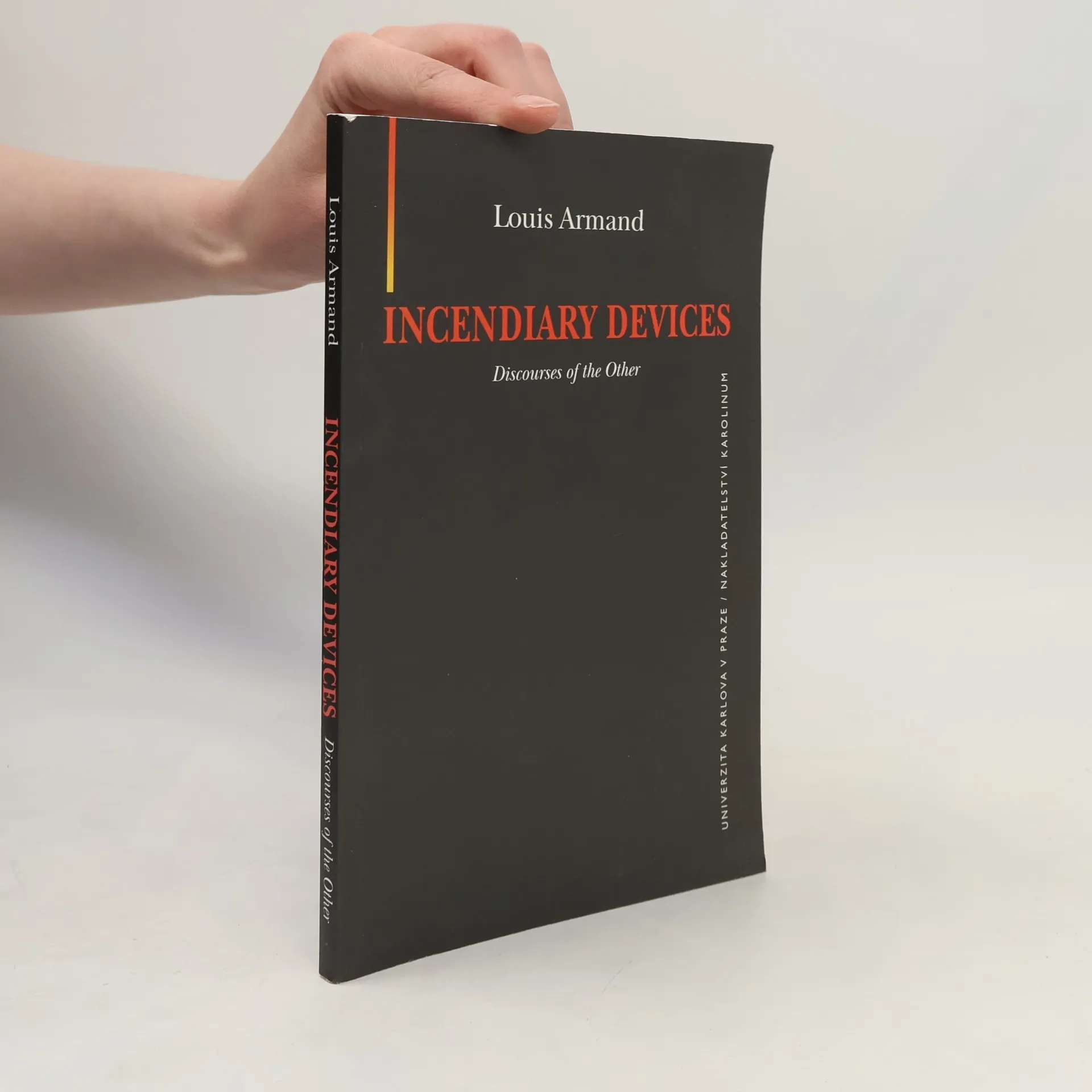
Incendiary Devices. Discourses of the Other
- 124 Seiten
- 5 Lesestunden
The question of signifying materiality remains an overwhelming problem in contemporary discussions of discourse and textuality. Focusing upon the work of key twentieth century thinkers, including Jacques Lacan, Martin Heidegger and Jacques Derrida, Incendiary Devices opens up new critical horizons in the dialogue between psychoanalysis, ontology and textual theory, and offers a framework for re-evaluating the status of "structure" as the basic paradigm for understanding subjectivity, meaning and the technics of literacy. "Armand's critique of Lacan provides a post-Heideggerean thesis that remains alert to important limitations in Heidegger's thinking, limitations that have been exposed with great subtlety by Derrida … Unlike Lacoue-Labarthe and Nancy, who in their ground-breaking The Title of the Letter had concluded in the early seventies that Lacan's concepts could not make sense in a Heideggerean perspective, Armand shows that they do." --Jean-Michel Rabaté, author of Jacques Lacan (Palgrave).
Helixtrolysis. Cyberology and the Joycean "Tyrondynamon Machine"
- 256 Seiten
- 9 Lesestunden
It is an intriguing feature of cybernetics, cognitive science, psychoanalysis, critical theory & particle physics that at key moments in their recent evolution their major practitioners have turned to the work of one particular "experimentalist" writer, James Joyce, in whose key works -- Ulysses & Finnegans Wake -- they have sought an articulation of the emergent virtuo-real universe which since the mid-20th century we have increasingly come to inhabit. From these two books have directly been drawn the name for the fundamental constituent of the nucleon (Murray Gell-Mann's quark), a new model of cognition (Daniel Dennett's Joycean machine), a radical cybernetic conception of language (Jacques Derrida's Joyceware), a psycho-analytical paradigm (Jacques Lacan's sinthome), & the foundations of post-War media theory (Marshall McLuhan's Gutenberg Galaxy, originally called The Road to Finnegans Wake).This volume examines a series of counter arguments to the conventional account of literary cybernetics in light of developments which have accompanied the encounter between critical theory and cultural studies, namely 'hypertextuality' and 'posthumanism.' In each instance, the continuing legacy of Joyce's works is examined in detail.
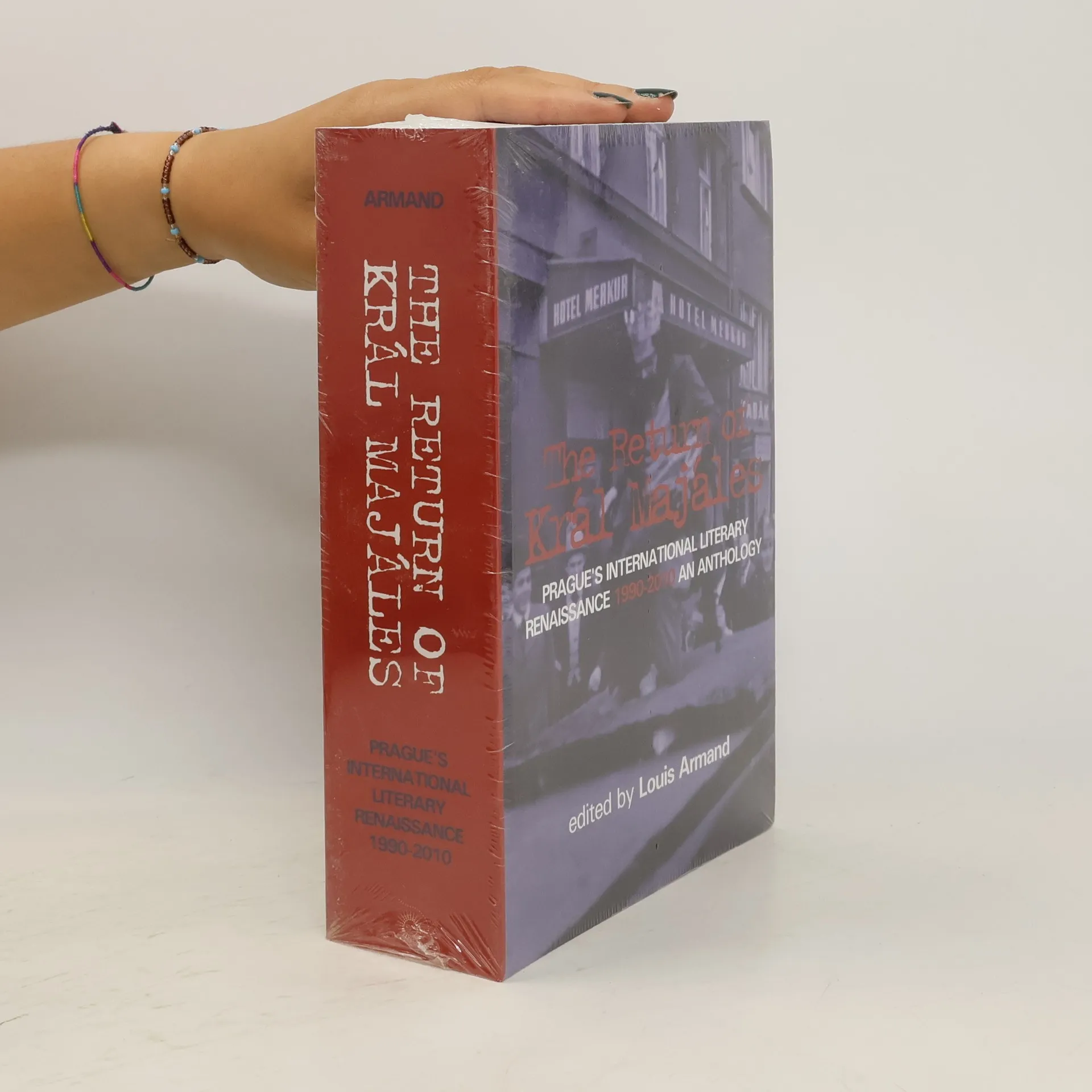
"Prague, the cosmopolitan centre of Europe, has for decades been at the heart of a multicultural, linguistic experiment without recent parallel. This anthology offers a panoramic view of the various "scenes" that have defined its literary renaissance-- from the widely heralded "left bank of the nineties" to its post-millennial aftermath." -- P. 4 of cover.
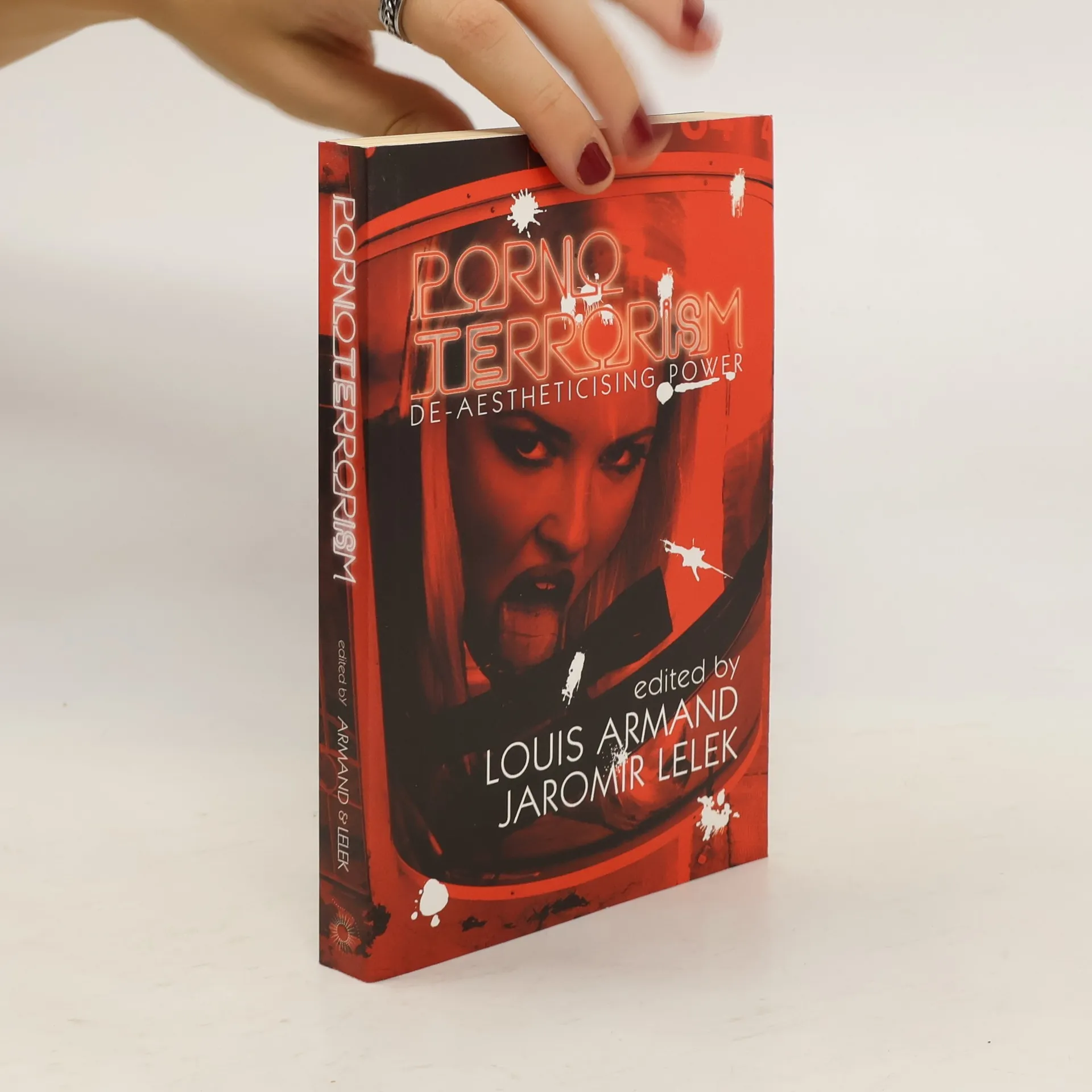
Pornoterrorism : de-aestheticising power
- 199 Seiten
- 7 Lesestunden
Essays and interventions by seventeen international artists & theorists, on subjects ranging from literary terrorism, transgression, the 13/11 Paris shootings, cyberfeminism, scifi digi-porn, Kathy Acker's terrorist aesthetics, Andrea Brady's Abu Graib poems, the digital jihadi corporate industry, schizoanalysis, polymorphous perversity, & the corporate aesthetics of contemporary dictatorship."Naked hegemonies display themselves at every turn. Pornocommodification, epitomising the prevailing model of social life, represents the autistic conscience of the children of Marx and Coca-Cola. If History is satire, Commodity Hardcore is its gonzo realism: a "violence without qualities" performing a collective pay-per-view mindfuck, satisfaction guaranteed in endless time-delay, from here to eternity. Pornoterror is the wake-up call for the next upgrade, instalment, panic button. Daddy's on the TV, mummy's on the phone. There's always a fascist under the bed, right when you need one. Look, it's you." Featuring: Vanessa Place, Richard Tipping, Dominique Hecq, Richard Marshall, Penny Anti, Louis Armand, David Vichnar, Matt Hall, Lisa Gye & Darren Tofts, Ian Haig, Jaromir Lelek, Casey Carr, Vadim Erent, Thor Garcia, D. Harlan Wilson, Kinga Toth.
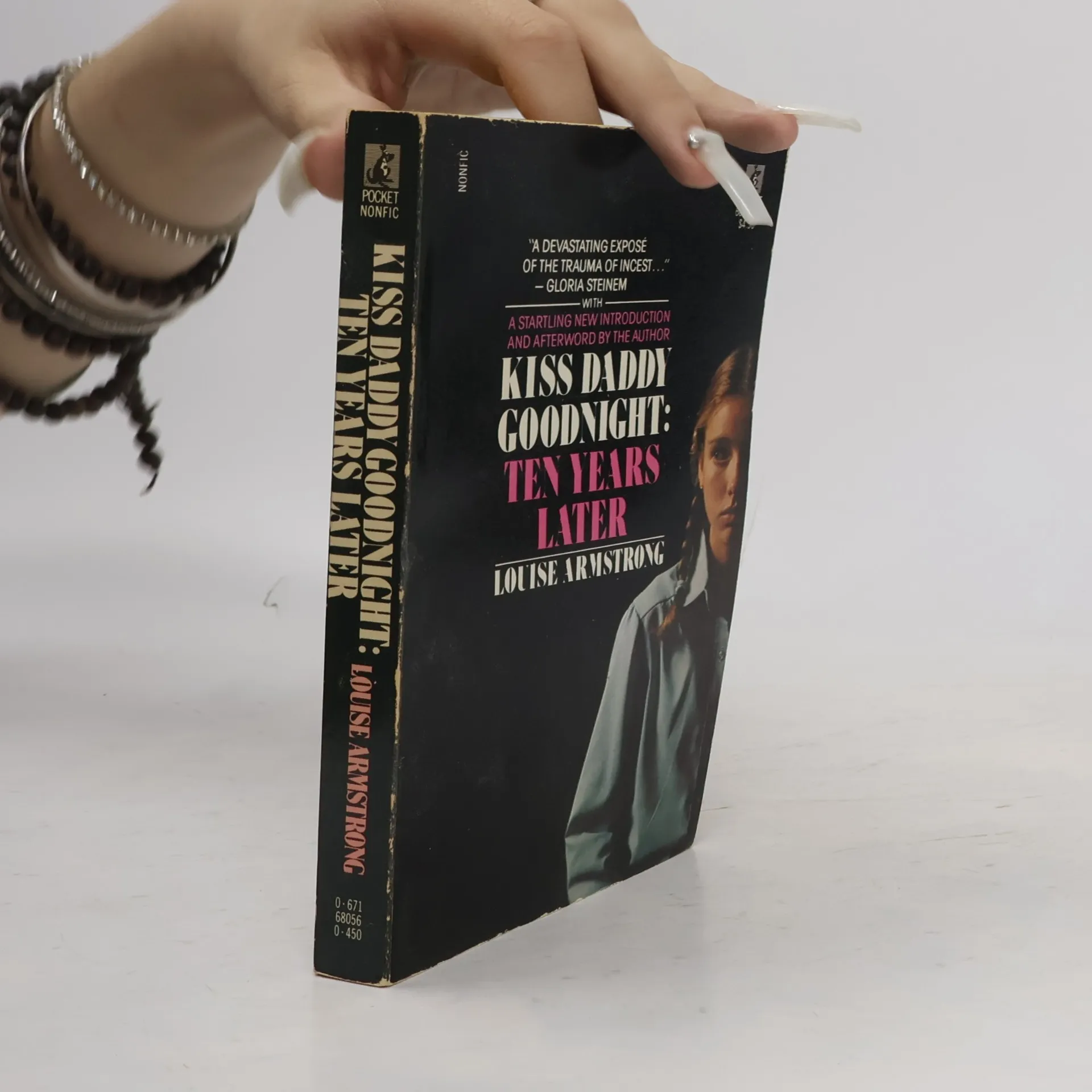
Kiss Daddy Goodnight: Ten Years Later: Kiss Daddy Goodnight
Ten Years Later
Picture Primitive, composed in 2002, represents a single poem arranged in fifty parts, beginning with an invocation to the bastardy of language (Caliban) and traversing a panoramic geographical, cultural, linguistic and political terrain--from the nineteenth century slave trade to the 1975 dismissal of Gough Whitlam and the rise of Thatcherism and Reganomics, to the fall of the Berlin Wall in 1989 and the death of the Cold War American Dream.
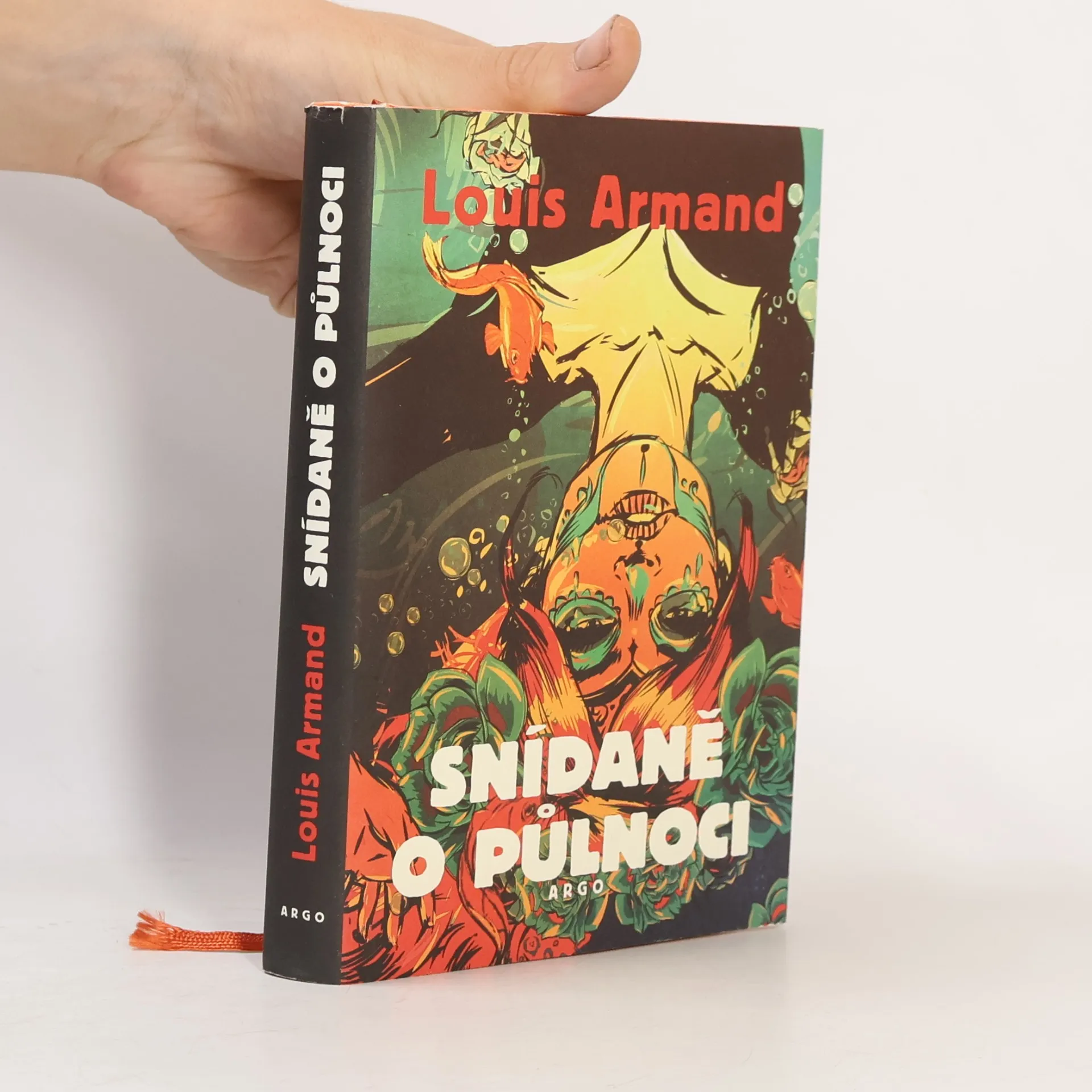
Snídaně o půlnoci
- 216 Seiten
- 8 Lesestunden
Snídaně o půlnoci je román-noir, v němž se poetický jazyk snoubí s napínavým a rafinovaně vystavěným vyprávěním, prozaická cesta do hlubin deštivé noci, v níž jako by bez ustání zněly tóny Joy Division a funébrmarše, podmanivý portrét Prahy, který jako by společně vytvořili markýz de Sade, Nick Cave a Alfred Hitchcock. Autor, uznávaný australský básník a literární teoretik, zavádí čtenáře do Česka 90. let - jeho vyprávění dějově osciluje mezi jižní Moravou a Prahou, nicméně se – příznačně – velkým obloukem vyhýbá tradičním pražským lokalitám a míří na Žižkov, do Karlína, Libně. Protagonista románu se tu motá mezi pasáky a drogovými dealery ve snaze nalézt v některém z těchto podniků svou ztracenou dětskou lásku, ve vzpomínkách se přitom vrací k dětství prožitému v hloubi osmdesátých let na moravském venkově. Ani to však není žádná idylka: líčení dětství dominují sugestivní popisy z jatek, kde později vypravěč pracuje po boku svého tyranského otce, a jeho dětství nakonec rázně utne brutální čin, jež vypravěče vrhne do víru zoufalství, erotických, drogových a alkoholických excesů, bezcílného putování sem a tam…