Richard BookstaberReihenfolge der Bücher (Chronologisch)
Richard Bookstabers Werk befasst sich mit der Fragilität des Finanzsystems und deckt auf, wie enge Kopplung und Komplexität inhärente Schwachstellen schaffen. Seine Schriften nahmen die Finanzkrise von 2007–08 bemerkenswert vorweg und boten vorausschauende Einblicke in die Risiken, die in komplexen Wirtschaftsstrukturen eingebettet sind.
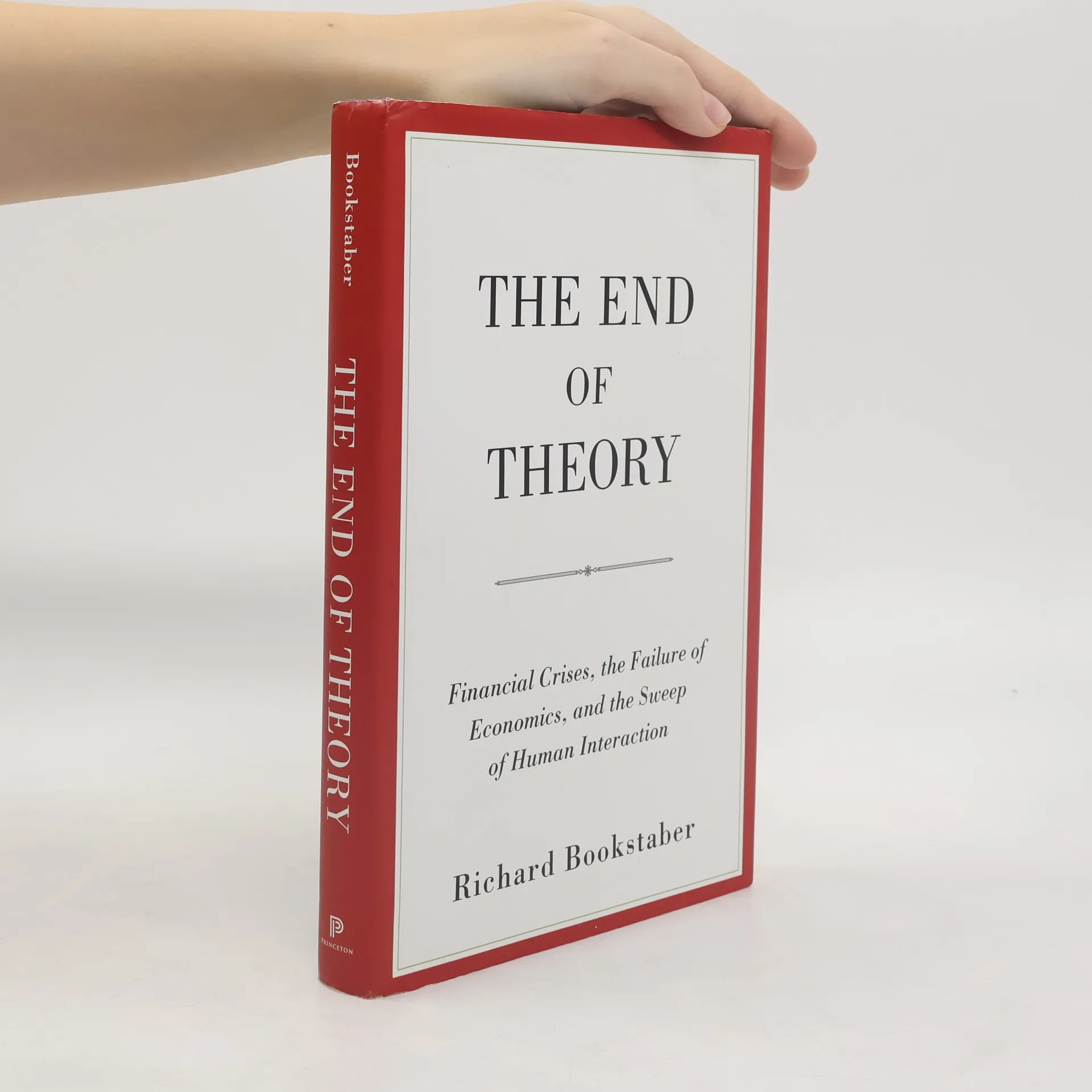
Seeking to reorient economics research, this ambitious book outlines a strong
alternative approach based on agent-based computational models. With a lively
and engaging style, Bookstaber reveals a deep knowledge of several fields,
including mathematics and computer science, and a practical understanding of
the financial sector. His book is fun to read, pedagogically brilliant, and
deeply erudite. - Rajiv Sethi, Barnard College
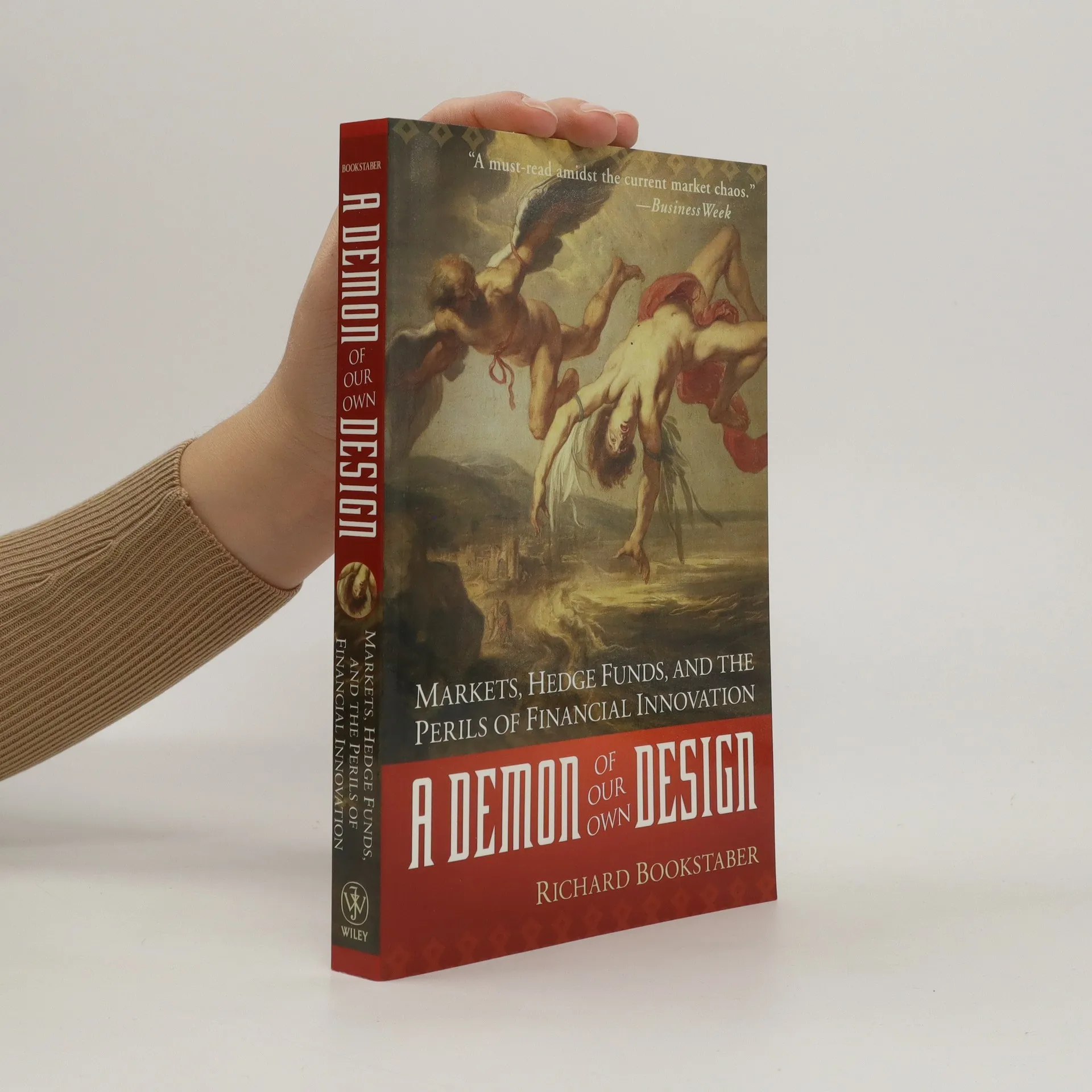
Inside markets, innovation, and risk Why do markets keep crashing and why are financial crises greater than ever before? As the risk manager to some of the leading firms on Wall Street–from Morgan Stanley to Salomon and Citigroup–and a member of some of the world’s largest hedge funds, from Moore Capital to Ziff Brothers and FrontPoint Partners, Rick Bookstaber has seen the ghost inside the machine and vividly shows us a world that is even riskier than we think. The very things done to make markets safer, have, in fact, created a world that is far more dangerous. From the 1987 crash to Citigroup closing the Salomon Arb unit, from staggering losses at UBS to the demise of Long-Term Capital Management, Bookstaber gives readers a front row seat to the management decisions made by some of the most powerful financial figures in the world that led to catastrophe, and describes the impact of his own activities on markets and market crashes. Much of the innovation of the last 30 years has wreaked havoc on the markets and cost trillions of dollars. A Demon of Our Own Design tells the story of man’s attempt to manage market risk and what it has wrought. In the process of showing what we have done, Bookstaber shines a light on what the future holds for a world where capital and power have moved from Wall Street institutions to elite and highly leveraged hedge funds.