

Libro usado en buenas condiciones, por su antiguedad podria contener señales normales de uso
John Powers Bücher
1. Jänner 1957
John Powers ist ein scharfer Beobachter der Popkultur und ein freier Kritiker für NPRs Fresh Air. Seine Schriften befassen sich mit der Schnittmenge von Film und Politik und bieten prägnante Einblicke in die zeitgenössische Gesellschaft. Powers' Arbeit, die in zahlreichen namhaften Publikationen veröffentlicht wurde, bietet eine nachdenkliche Untersuchung kultureller Trends und ihrer breiteren Auswirkungen.


Technology and the Making of Experimental Film Culture
- 280 Seiten
- 10 Lesestunden
In 1972, filmmaker John Luther Schofill invited students Bill Brand and Louis Hock to the School of the Art Institute of Chicago to join its new film department. Brand was eager to use the school's optical printer for creative transformations of his images through rephotography. However, upon arrival, he discovered that no printer existed; he was tasked with building one instead. Hock, needing financial support, joined Brand in this endeavor, working to convert a newly purchased Mauer camera and a heavy industrial lathe into a DIY optical printer. This initiative reflected a broader trend, as homemade optical printers were emerging at various schools, granting the first generation of experimental film students easier access to this technology. Within a decade, the optical printer became essential in MFA programs and filmmaker cooperatives, as integral to avant-garde practice as Bolex cameras and reversal stocks. The practice became routinized, a skill that filmmakers could acquire. P. Adams Sitney noted that just as rapid editing signified aesthetic authority in the early sixties, optical printing represented technical mastery in the seventies. This evolution highlights how technical sophistication became a key distinction in experimental filmmaking, embodying aesthetic, cultural, and philosophical values. What were these values, and where did they originate?
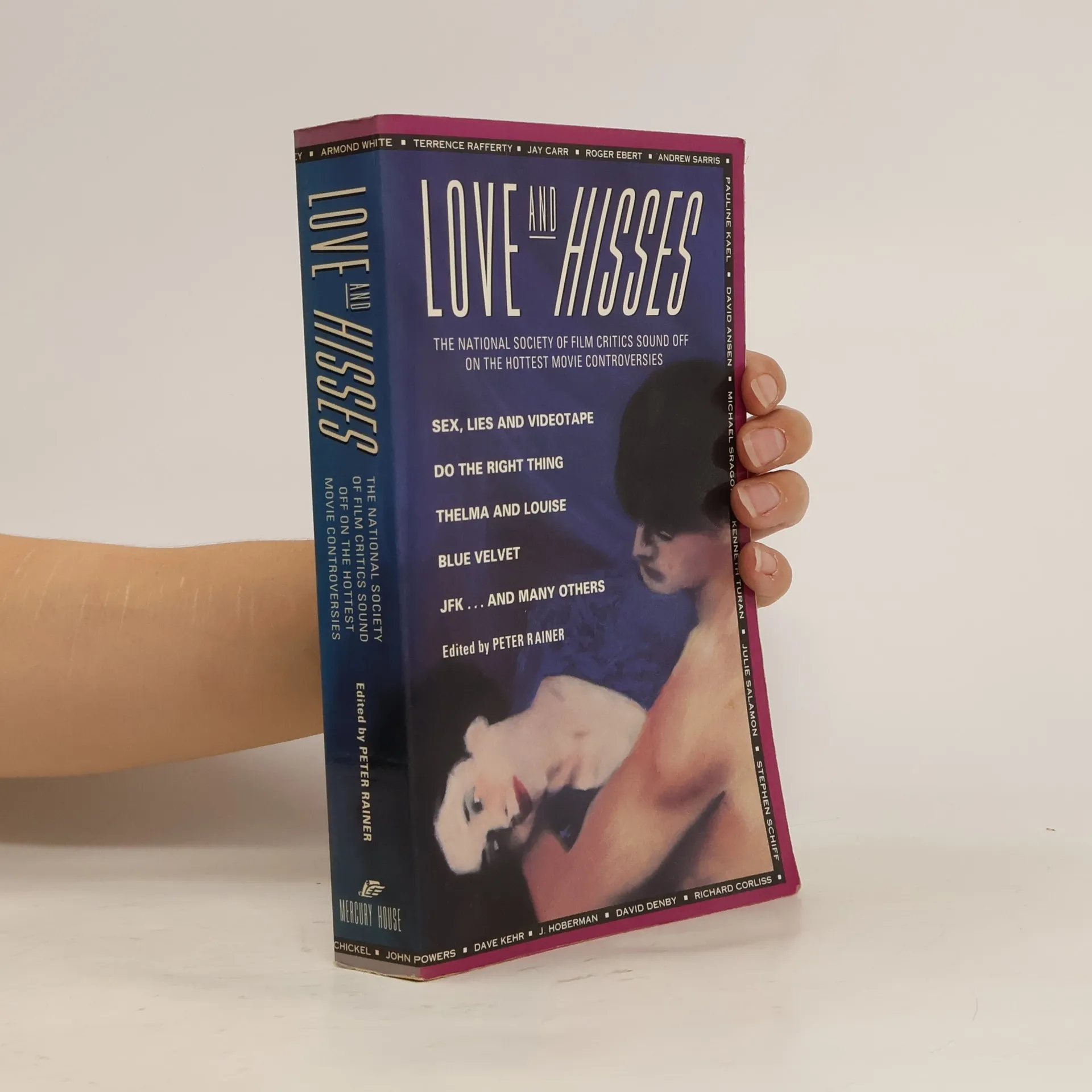
Love and Hisses
The National Society of Film Critics Sound Off on the Hottest Movie Controversies
- 560 Seiten
- 20 Lesestunden
A collection of essays on the most hotly debated films features discussions on Spike Lee, Oliver Stone, the ratings war, and the war of the sexes by such critics as Pauline Kael, Roger Ebert, and Terrence Rafferty. Original.
A Concise Introduction to Tibetan Buddhism
- 160 Seiten
- 6 Lesestunden
Lucid and economical, this introductory text delivers a brisk, fast-moving survey of Tibetan Buddhism. For many years Powers's nearly 600-page Introduction to Tibetan Buddhism has served as the field's most authoritative and comprehensive overview of Tibet's distinctive Buddhist tradition. A Concise Introduction to Tibetan Buddhism explains the core Buddhist doctrines and the practices of meditation and tantra and provides a survey of the four main schools of Tibetan Buddhism.
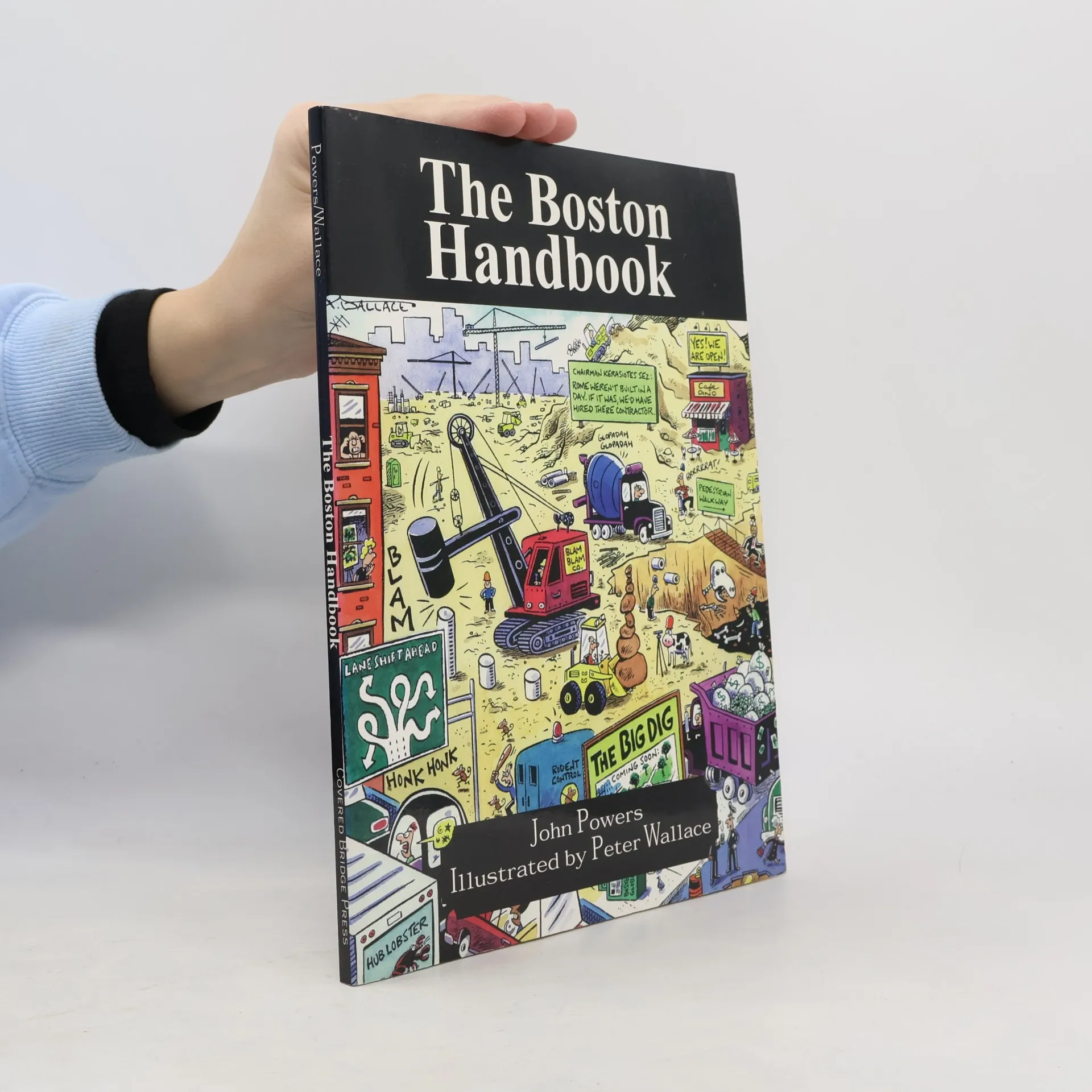
The Boston Handbook
- 106 Seiten
- 4 Lesestunden
Humorous examination of Boston curiosities from geography to politics to driving habits to weather.
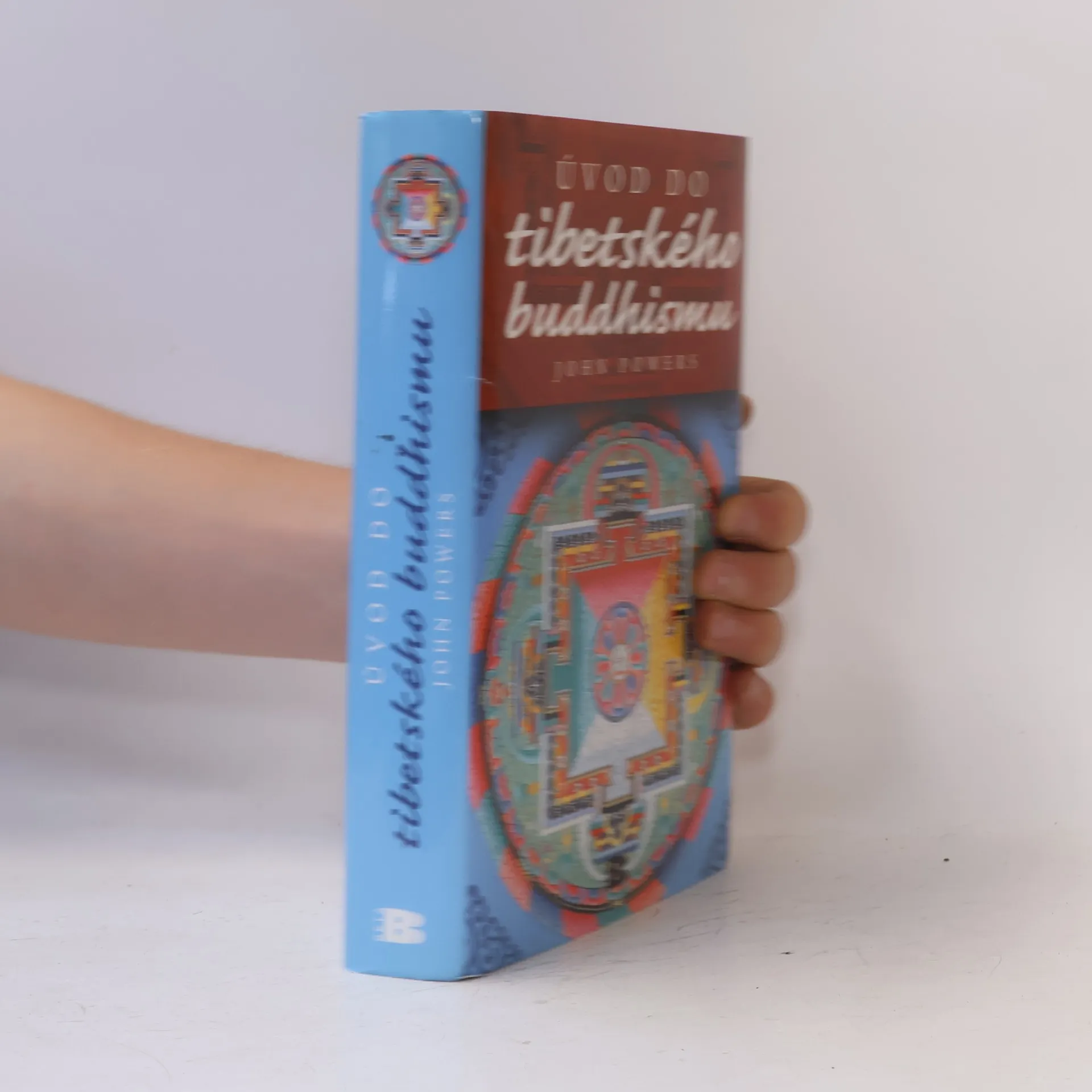
Obsáhlý výklad seznamuje s indickou náboženskou tradicí, tibetskými dějinami a kulturou. Tím se postupně dostává k tibetskému buddhismu samotnému, rozebírá tantrické učení, smrt a umírání, a na konci podrobně popisuje jednotlivé řády.