Gratis Versand ab € 14,99. Mehr Infos.
Bookbot

Robert Gerwarth

    12. Februar 1976

    Robert Gerwarth ist Professor für Europäische Geschichte mit Schwerpunkt deutscher Geschichte. Nach Abschluss eines Postdoc-Stipendiums der British Academy in Oxford hatte er Fellowships in Princeton, Harvard, am NIOD in Amsterdam und am Institute for Advanced Studies der University of Western Australia inne.

    Robert Gerwarth
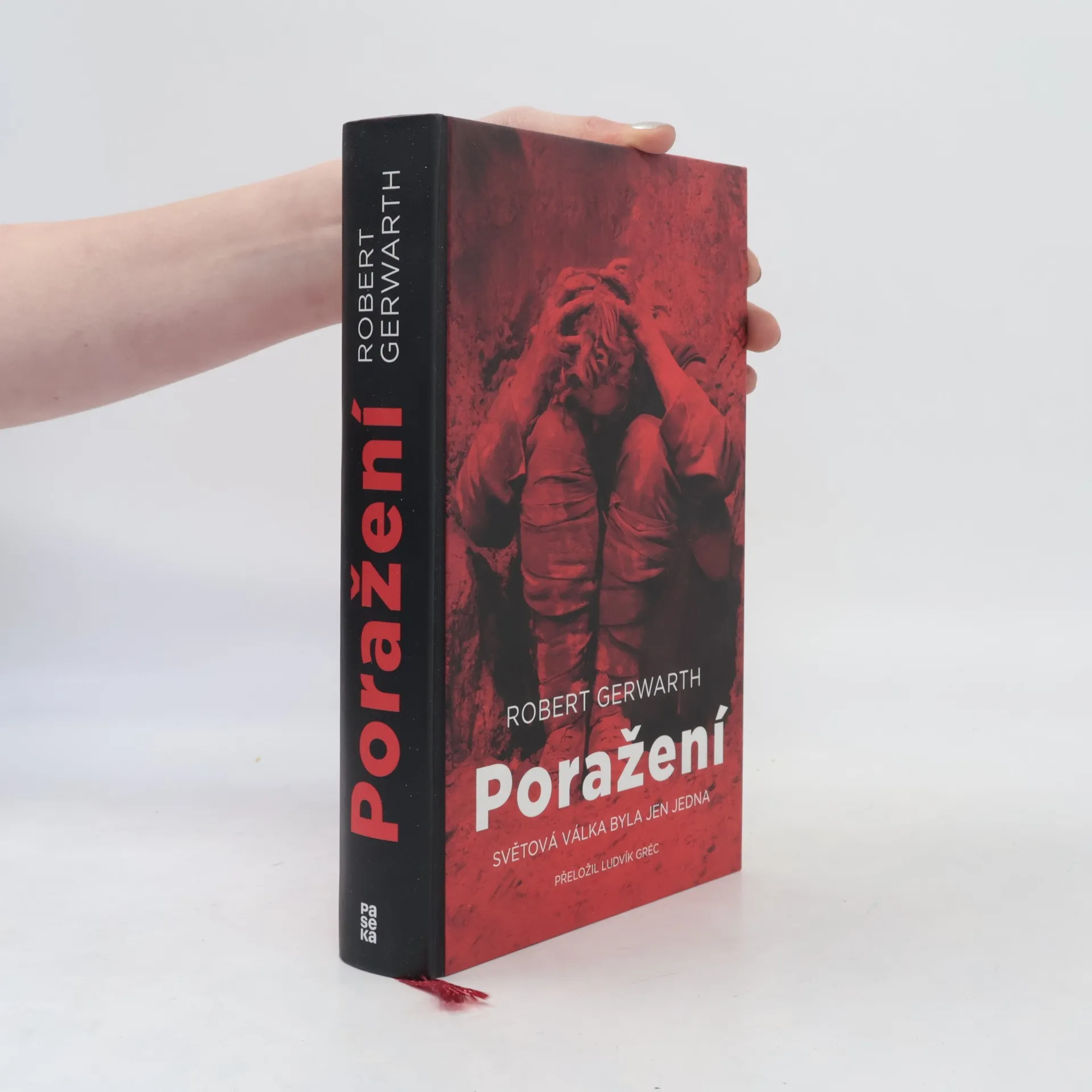
    Poražení. Světová válka byla jen jedna
    The Vanquished
    November 1918
    Hitler's Hangman
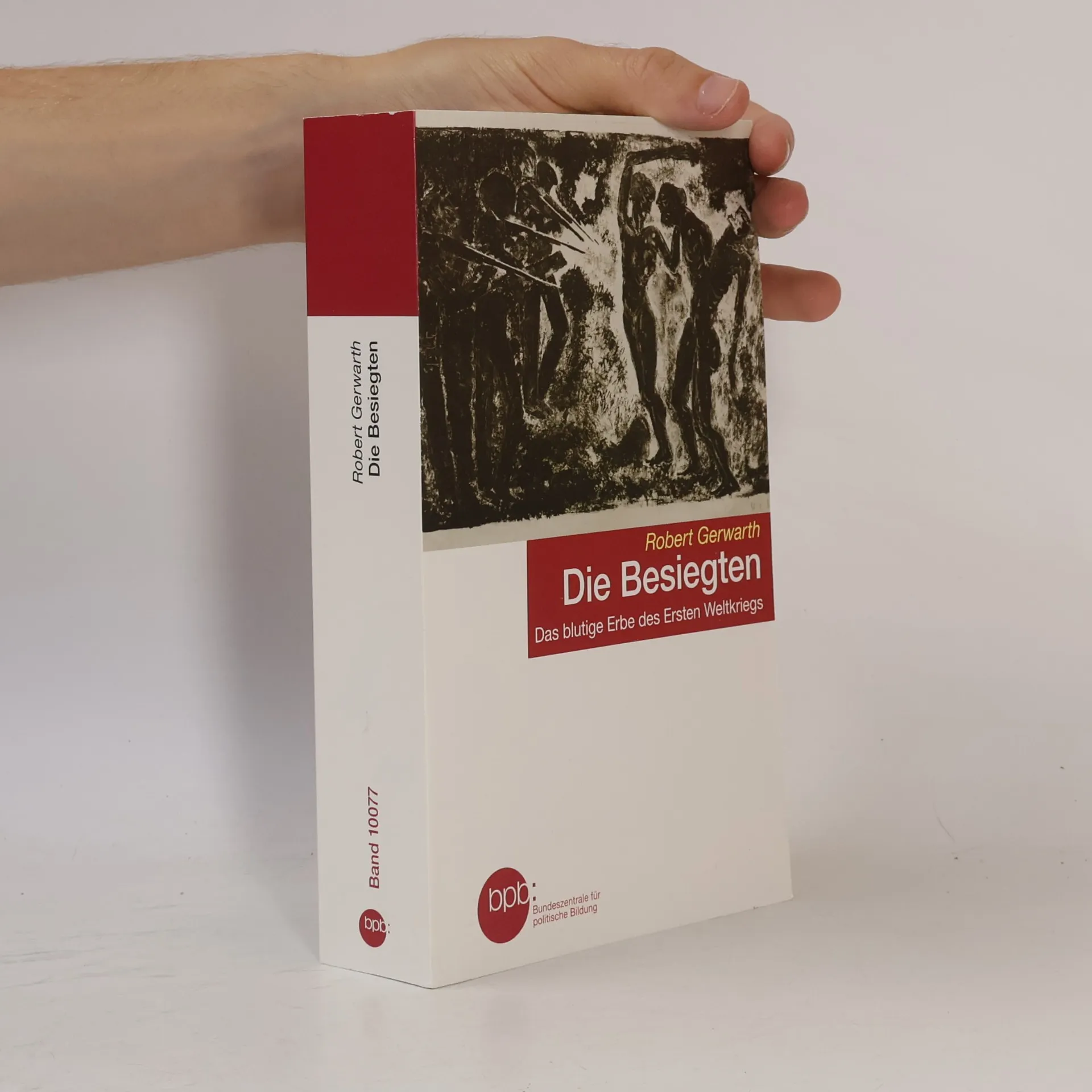
    Die Besiegten
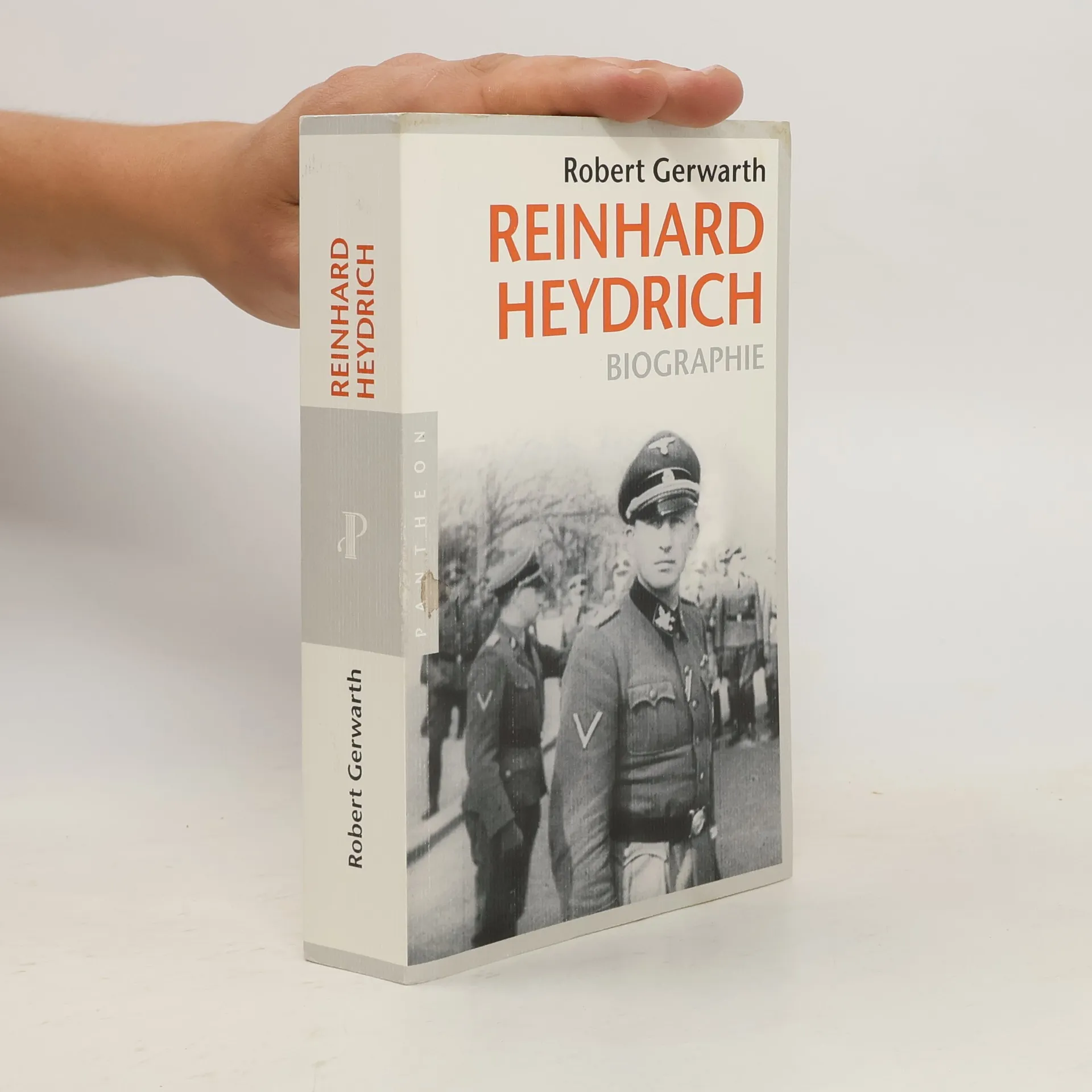
    Reinhard Heydrich
    • Eine der zentralen Figuren des NS-Regimes im Spiegel seiner Zeit Reinhard Heydrich (1904 –1942) war einer der mächtigsten Männer des »Dritten Reichs«: Als Leiter des Reichssicherheitshauptamtes und engster Mitarbeiter Heinrich Himmlers lenkte er den Terrorapparat der Nationalsozialisten. Robert Gerwarth folgt in seiner Biographie dem steilen Aufstieg Heydrichs und beleuchtet dessen Rolle im NS-Regime sowie die Stilisierung zum Märtyrer nach seinem Tod durch ein Attentat in Prag. Ausstattung: mit Abbildungen

      Reinhard Heydrich
      4,6
    • Der Waffenstillstand vom 11. November 1918 beendete zwar das Sterben auf den Schlachtfeldern des Ersten Weltkriegs, doch Frieden kehrte in viele Teile Europas nicht zurück. Besonders die Verlierer des Krieges gerieten in eine Spirale der Gewalt. Robert Gerwarth zeigt in seinem umfassend recherchierten und packend geschriebenen Buch das Ausmaß der Konflikte nach dem Ersten Weltkrieg und betont, dass das Schicksal der Besiegten entscheidend für das Verständnis des 20. Jahrhunderts ist. Während die Brutalität des Ersten Weltkriegs in der kollektiven Erinnerung Europas verankert ist, wird das Leid, das durch zahlreiche Bürgerkriege, Vertreibungen und gewaltsame Auseinandersetzungen nach dem Krieg verursacht wurde, oft vergessen. In Regionen wie Russland, der Ukraine, Osteuropa, Deutschland, Österreich, dem Balkan und dem Mittleren Osten wurde um das Erbe der zerfallenden Reiche gekämpft und für eine neue Ordnung getötet. Gerwarth verdeutlicht, dass die anhaltenden Kämpfe der Zwischenkriegszeit nicht nur Millionen Leben kosteten, sondern auch ein explosives Erbe hinterließen: schwache Staaten, traumatisierte Bevölkerungsgruppen und Politiker, die auf Rache lauerten.

      Die Besiegten
      4,5
    • Hitler's Hangman

      • 393 Seiten
      • 14 Lesestunden

      Reinhard Heydrich is widely recognized as one of the great iconic villains of the twentieth century, an appalling figure even within the context of the Nazi leadership. In this book, the author weaves together little-known stories of Heydrich's private life with his deeds as head of the Nazi Reich Security Main Office.

      Hitler's Hangman
      4,2
    • November 1918

      • 368 Seiten
      • 13 Lesestunden

      The story of an epochal event in German history, but also the story of the most important revolution that you might never have heard of.

      November 1918
      4,0
    • The Vanquished

      Why the First World War Failed to End, 1917-1923

      • 464 Seiten
      • 17 Lesestunden

      'This war is not the end but the beginning of violence. It is the forge in which the world will be hammered into new borders and new communities. New molds want to be filled with blood, and power will be wielded with a hard fist.' Ernst Jünger (1928) For the Western allies 11 November 1918 has always been a solemn date - the end of fighting which had destroyed a generation, and also a vindication of a terrible sacrifice with the total collapse of their principal enemies: the German Empire, Austria-Hungary and the Ottoman Empire. But for much of the rest of Europe this was a day with no meaning, as a continuing, nightmarish series of conflicts engulfed country after country. In this highly original, gripping book Robert Gerwarth asks us to think again about the true legacy of the First World War. In large part it was not the fighting on the Western front which proved so ruinous to Europe's future, but the devastating aftermath, as countries on both sides of the original conflict were wrecked by revolution, pogroms, mass expulsions and further major military clashes. If the War itself had in most places been a struggle purely between state-backed soldiers, these new conflicts were mainly about civilians and paramilitaries, and millions of people died across central, eastern, and south-eastern Europe before the USSR and a series of rickety and exhausted small new states came into being. Everywhere there were vengeful people, their lives racked by a murderous sense of injustice, and looking for the opportunity to take retribution against enemies real and imaginary. Only a decade later, the rise of the Third Reich and other totalitarian states provided them with the opportunity they had been looking for.

      The Vanquished
    • V první světové válce nikdo nezvítězil a všichni byli poraženi. Po jejím skončení 11. listopadu 1918 sice západní spojenci slavili, ale mocné státy Německo, Rakousko-Uhersko a osmanská říše se ocitly na kolenou. Pro mnohé však válka skončila jen na pohled. Malé nástupnické státy čelily nejistotě, revolucím, pogromům a etnickým konfliktům, které vedly k devastaci kontinentu daleko hlubší než válečné boje. V ruinách Evropy se objevila hrozba fašismu a dalších extrémních ideologií, které brzy získaly na síle. Drama let 1917-1923, jemuž se kniha věnuje, osvětluje koloběh násilí, který poznamenal celé století a je stále vnímán jako nekončící konflikt s přechodnými pauzami. Velké plátno, připomínající syntézy Timothyho Snydera a Tonyho Judta, nabízí nespočet témat a otázek, které jsou po sto letech stále aktuální. "Palčivá a názorná připomínka, že zdroje násilí panujícího po celé století lze stopovat zpět až ke katastrofálnímu konci první světové války." - Richard Overy, Literary Review "Poražení jsou výjimečná historická kniha." - Andrew Lynch, Sunday Post Business Magazine "Příběh chaosu v Evropě usnadňuje pochopení, proč byl pořádek ve třicátých letech tak přitažlivý a proč málo válek končí smírem." - Max Hastings, The Sunday Times

      Poražení. Světová válka byla jen jedna
      4,2
    • Hitlers beul

      Leven en dood van Reinhard Heydrich 1904-1942 - druk 1

      • 451 Seiten
      • 16 Lesestunden

      Reinhard Heydrich is widely recognized as one of the great iconic villains of the twentieth century, an appalling figure even within the context of the Nazi leadership. Chief of the Nazi Criminal Police, the SS Security Service, and the Gestapo, ruthless overlord of Nazi-occupied Bohemia and Moravia, and leading planner of the "Final Solution," Heydrich played a central role in Hitler's Germany. He shouldered a major share of responsibility for some of the worst Nazi atrocities, and up to his assassination in Prague in 1942, he was widely seen as one of the most dangerous men in Nazi Germany. Yet Heydrich has received remarkably modest attention in the extensive literature of the Third Reich. Robert Gerwarth weaves together little-known stories of Heydrich's private life with his deeds as head of the Nazi Reich Security Main Office. Fully exploring Heydrich's progression from a privileged middle-class youth to a rapacious mass murderer, Gerwarth sheds new light on the complexity of Heydrich's adult character, his motivations, the incremental steps that led to unimaginable atrocities, and the consequences of his murderous efforts toward re-creating the entire ethnic makeup of Europe.

      Hitlers beul