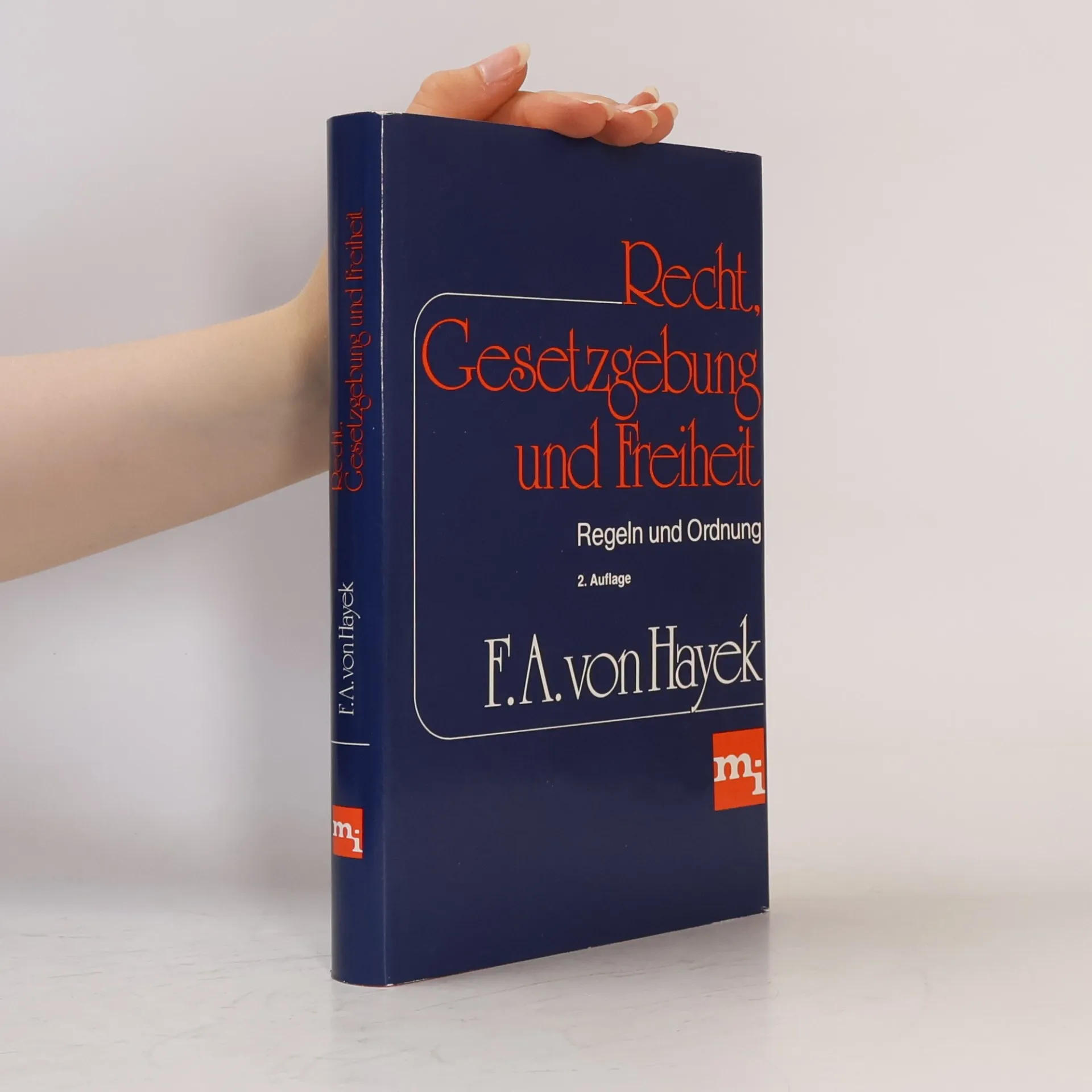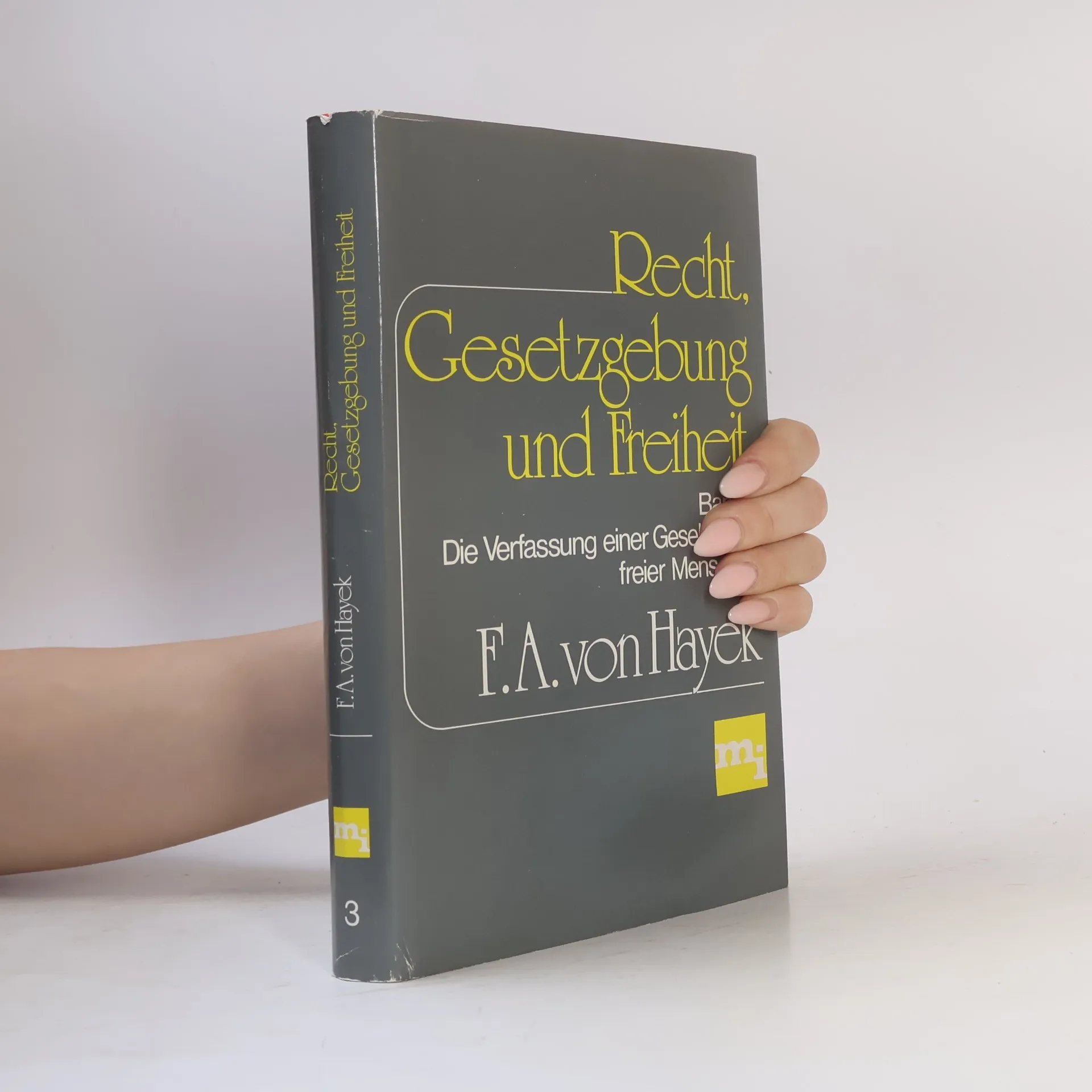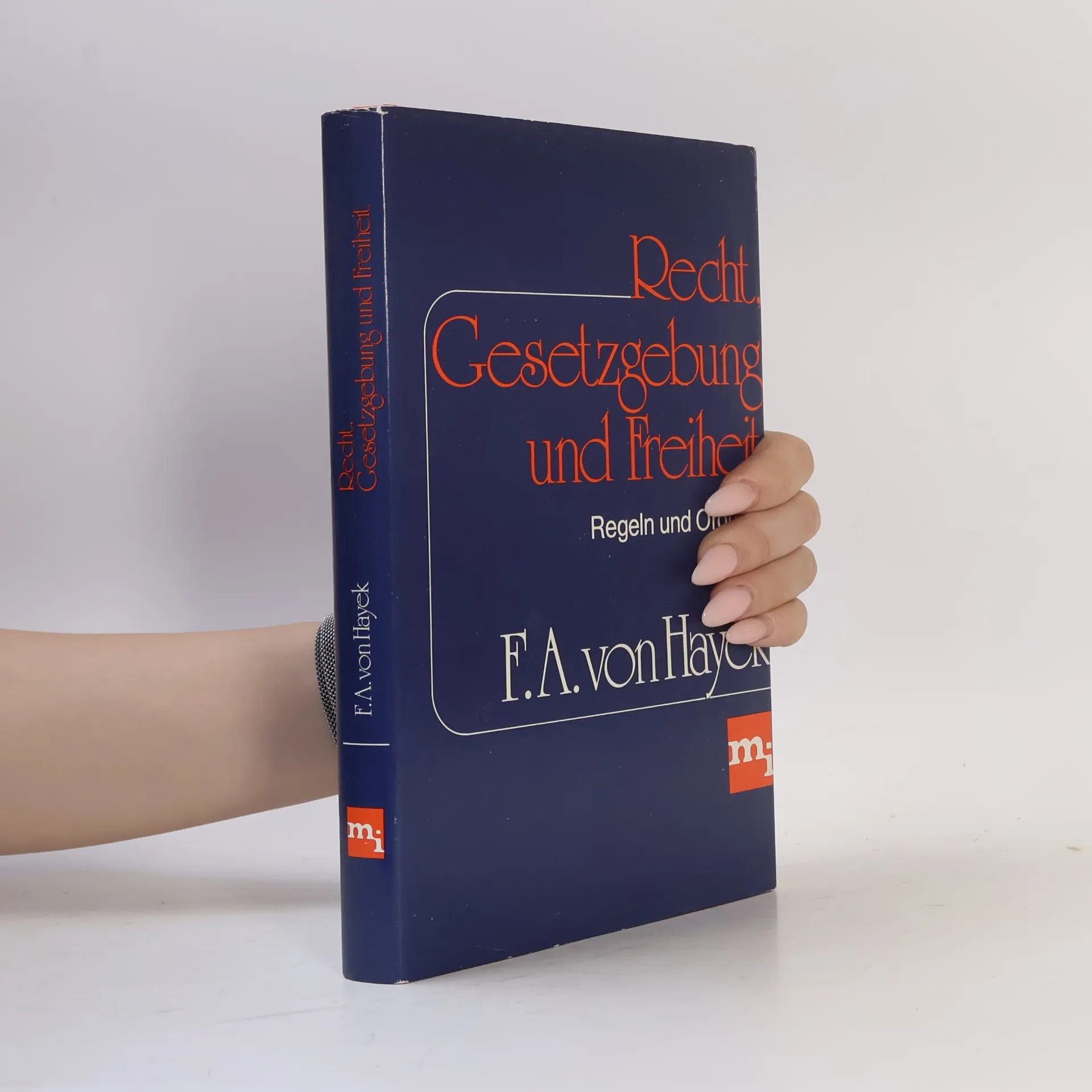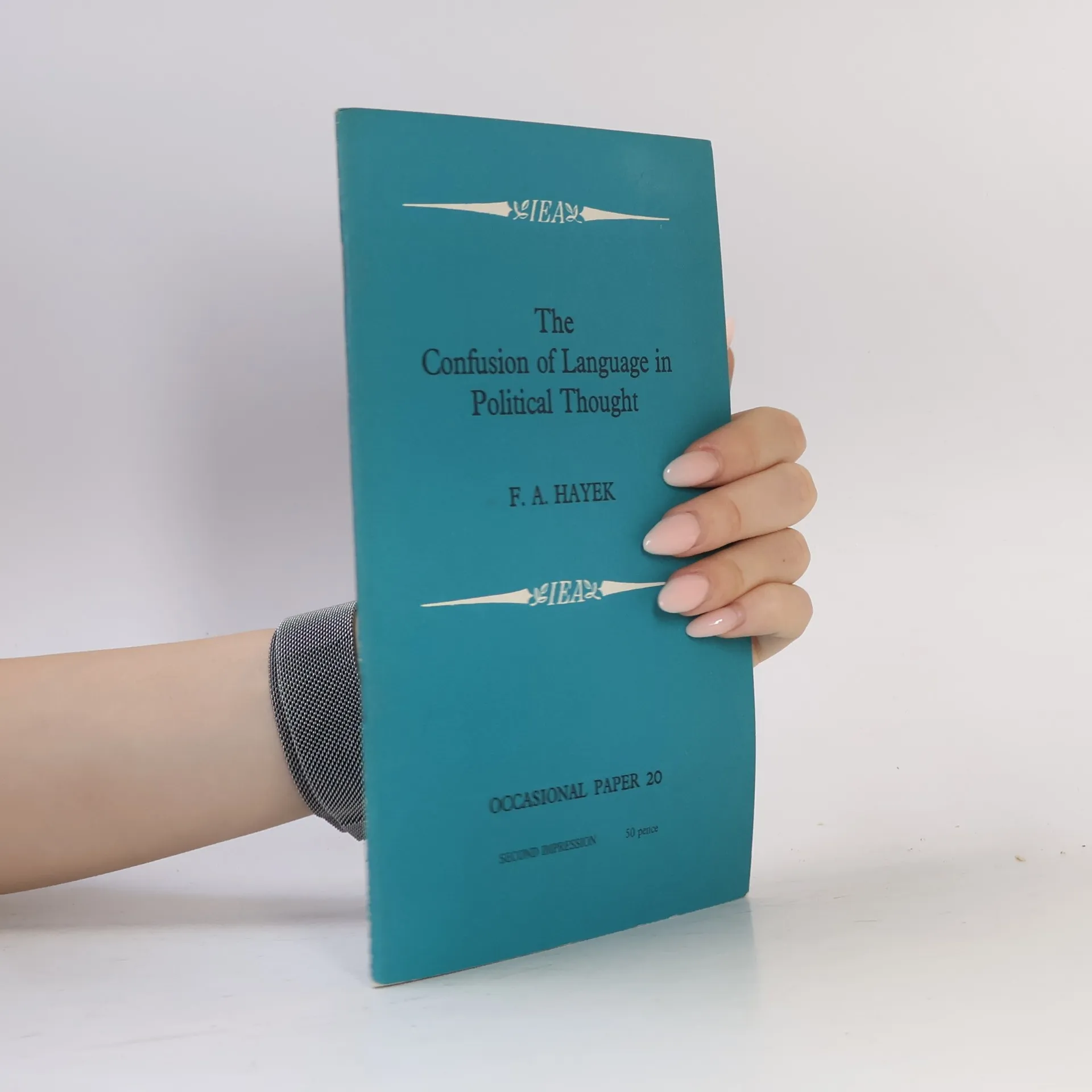
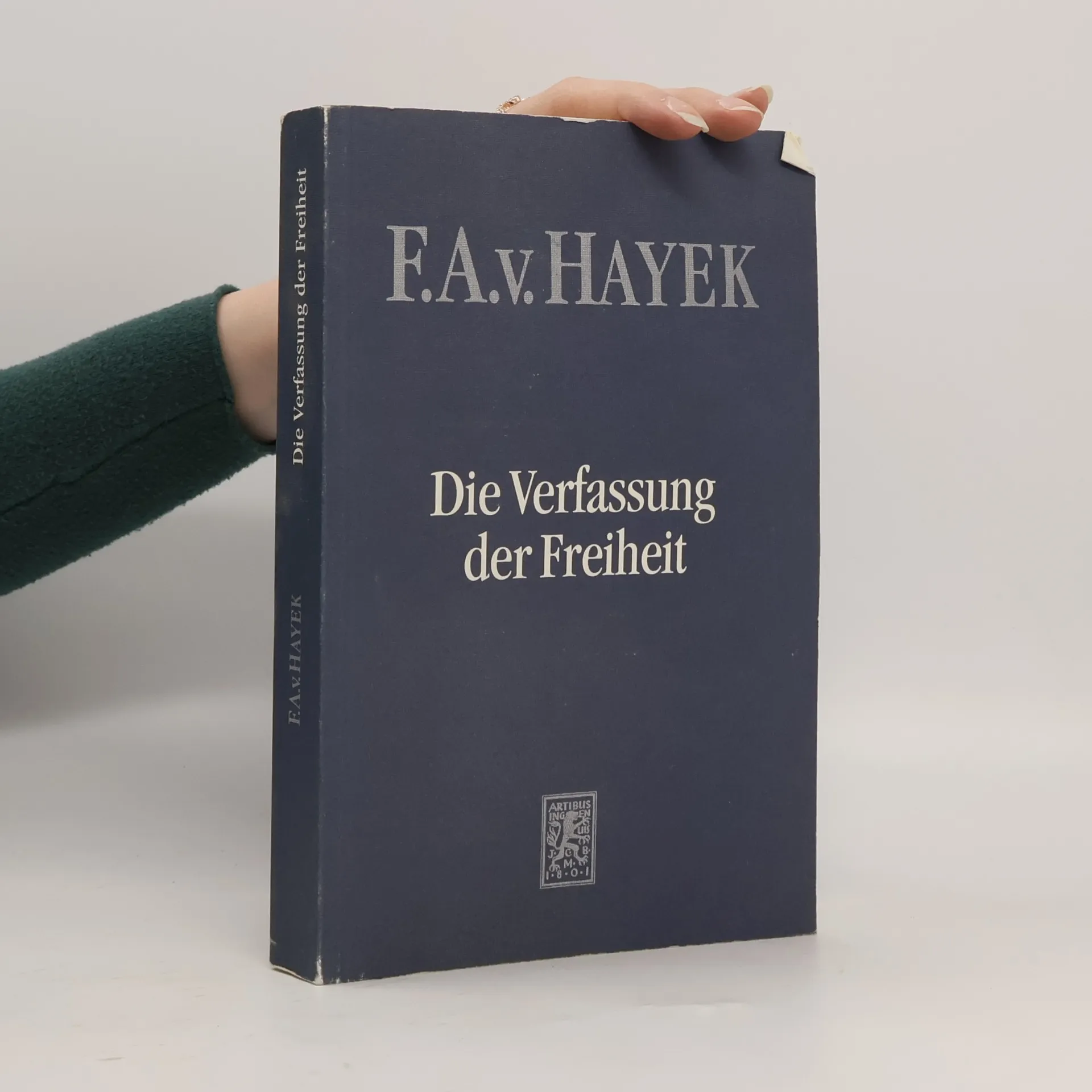
In "Die Verfassung der Freiheit" formuliert F. A. von Hayek zentrale Prinzipien einer freiheitlichen Sozialphilosophie neu. Das Werk behandelt die Entstehung rechtsstaatlicher Grundsätze, deren Bedeutung für persönliche Freiheit und die Gefahren des Wohlfahrtsstaates, illustriert durch Beispiele aus verschiedenen gesellschaftlichen Bereichen.
Friedrich Hayek Bücher
Friedrich August von Hayek war ein österreichischer und britischer Ökonom und Philosoph, der für seine Verteidigung des klassischen Liberalismus und des freien Marktkapitalismus gegen sozialistisches und kollektivistisches Denken bekannt ist. Er gilt als einer der bedeutendsten Ökonomen und politischen Philosophen des 20. Jahrhunderts. Seine Erklärung, wie sich ändernde Preise Signale kommunizieren, die es Individuen ermöglichen, ihre Pläne zu koordinieren, wird weithin als bedeutender Erfolg in der Wirtschaftswissenschaft angesehen. Hayek befasste sich auch mit Rechtsprechung, Neurowissenschaften und der Ideengeschichte und betonte die Kraft individueller Freiheit und Marktmechanismen bei der Organisation der Gesellschaft.


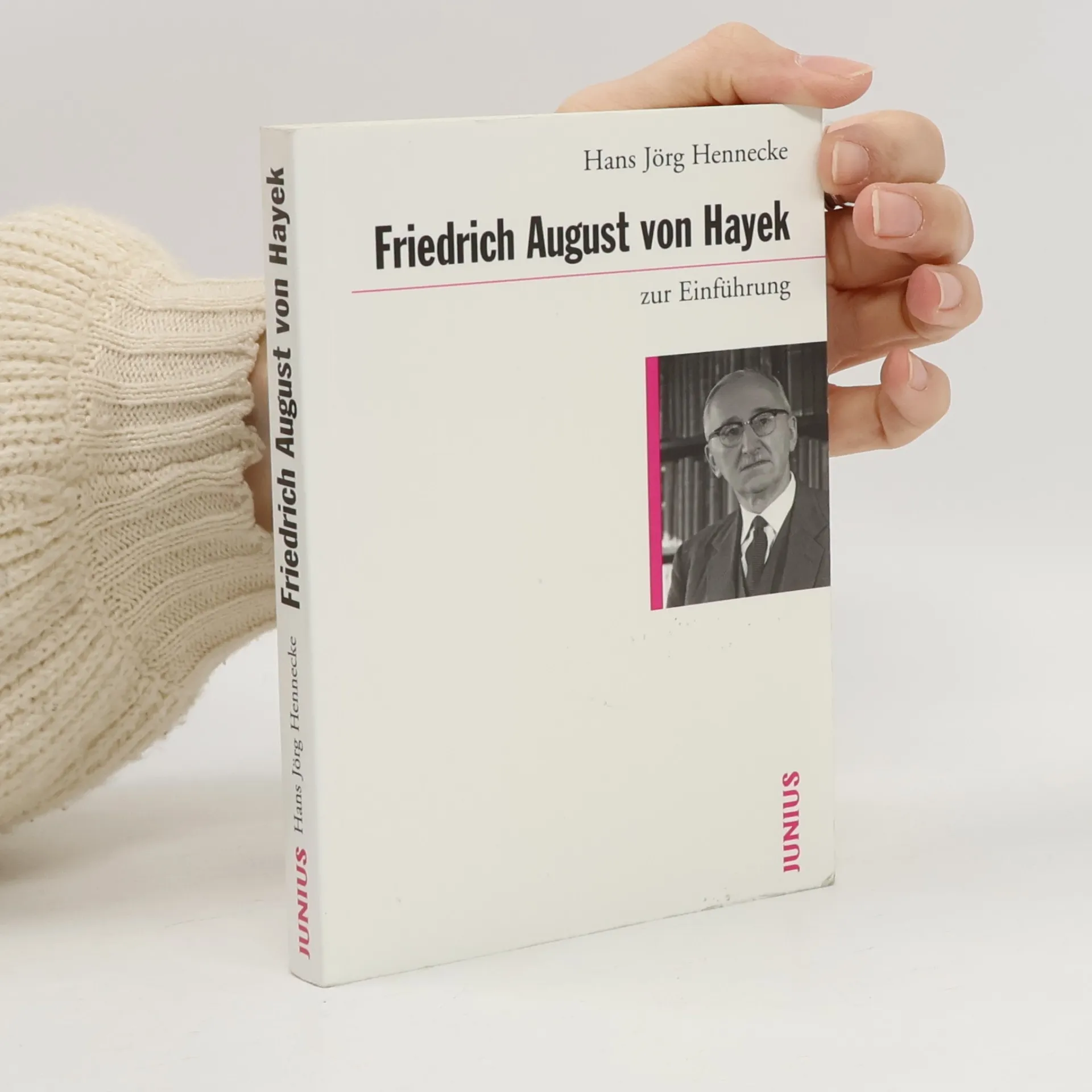
Friedrich August von Hayek zur Einführung
- 191 Seiten
- 7 Lesestunden
Welchen Beitrag haben Privateigentum, Marktwirtschaft und Wettbewerb zum Aufstieg der westlichen Zivilisation geleistet? An welchen Irrtümern ist der Sozialismus gescheitert? Wie können individuelle Freiheit und Wohlstand in der Demokratie gesichert werden? Diese und andere Fragen hat der Nobelpreisträger Friedrich August von Hayek (1899–1992) in seinem Werk gestellt und damit nicht zuletzt Spuren in der Realpolitik von Margaret Thatcher bis Václav Klaus hinterlassen. Der vorliegende Band stellt den Lebensweg dieses wohl einflussreichsten Liberalen des 20. Jahrhunderts dar und gibt einen Überblick zu zentralen Themen seines Denkens wie Markt und Wissen, Freiheit und Zwang, kulturelle Evolution und spontane Ordnung, Gerechtigkeit und soziale Gerechtigkeit, Recht und Gesetz sowie Demokratiekritik und Demokratiereform.

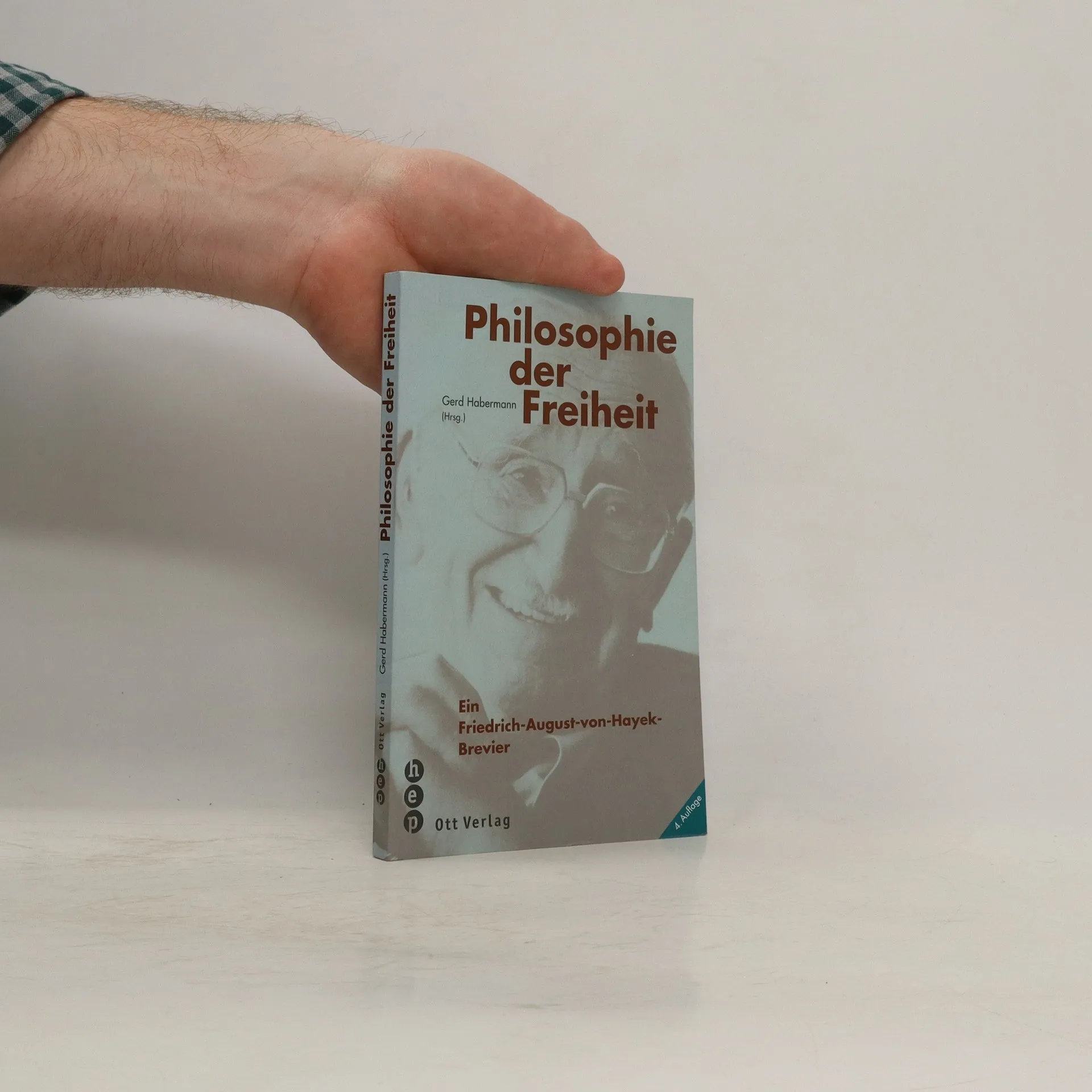
Philosophie der Freiheit
- 139 Seiten
- 5 Lesestunden
Dieses Brevier enthält die Kernideen aus Hayeks ökonomischem und sozialphilosophischem Werk. Im Mittelpunkt steht seine bekannte Theorie der spontanen Ordnung mit den Elementen Freiheit, Eigentum und „Wettbewerb als Entwicklungsverfahren“. Von dieser Theorie her wird dann gezeigt, dass die Zwangsordnung von Sozialismus und Wohlfahrtsstaat evolutorisch keine Chancen haben, wenn die Höhe der modernen Zivilisation erhalten bleiben soll.
Die Verfassung der Freiheit
- 610 Seiten
- 22 Lesestunden
„Wenn alte Wahrheiten ihren Einfluß auf das Denken der Menschen behalten sollen, müssen sie von Zeit zu Zeit in der Sprache und den Begriffen der nachfolgenden Generationen neu formuliert werden.“ (Hayek). Dies unternimmt F. A. von Hayek in der Verfassung der Freiheit, die nunmehr in 4. Auflage als Band B 3 der deutschen Ausgabe des Hayekschen Werks ( Gesammelte Schriften) erscheint. Dieses wohl bedeutendste Werk des Nobelpreisträgers bietet im ersten Teil eine umfassende systematische Darstellung der wesentlichen Prinzipien einer freiheitlichen Sozialphilosophie - der Grundlage für die Entwicklung der europäischen Zivilisation in den letzten Jahrhunderten. Der zweite Teil befaßt sich mit der Entstehung der rechtsstaatlichen Grundsätze - der rule of law - und ihrer Bedeutung für die Sicherung der persönlichen Freiheit. Im dritten Teil zeigt Hayek, wie mit dem Aufkommen des Wohlfahrtsstaates wichtige rechtsstaatliche Prinzipien verletzt werden und damit die persönliche Freiheit zerstört zu werden droht. Dies verdeutlicht er anhand aufschlußreicher Beispiele aus den Bereichen Gewerkschaften und Beschäftigung, soziale Sicherheit, Besteuerung und Umverteilung, Landwirtschaft und Naturschätze, Erziehung und Forschung.
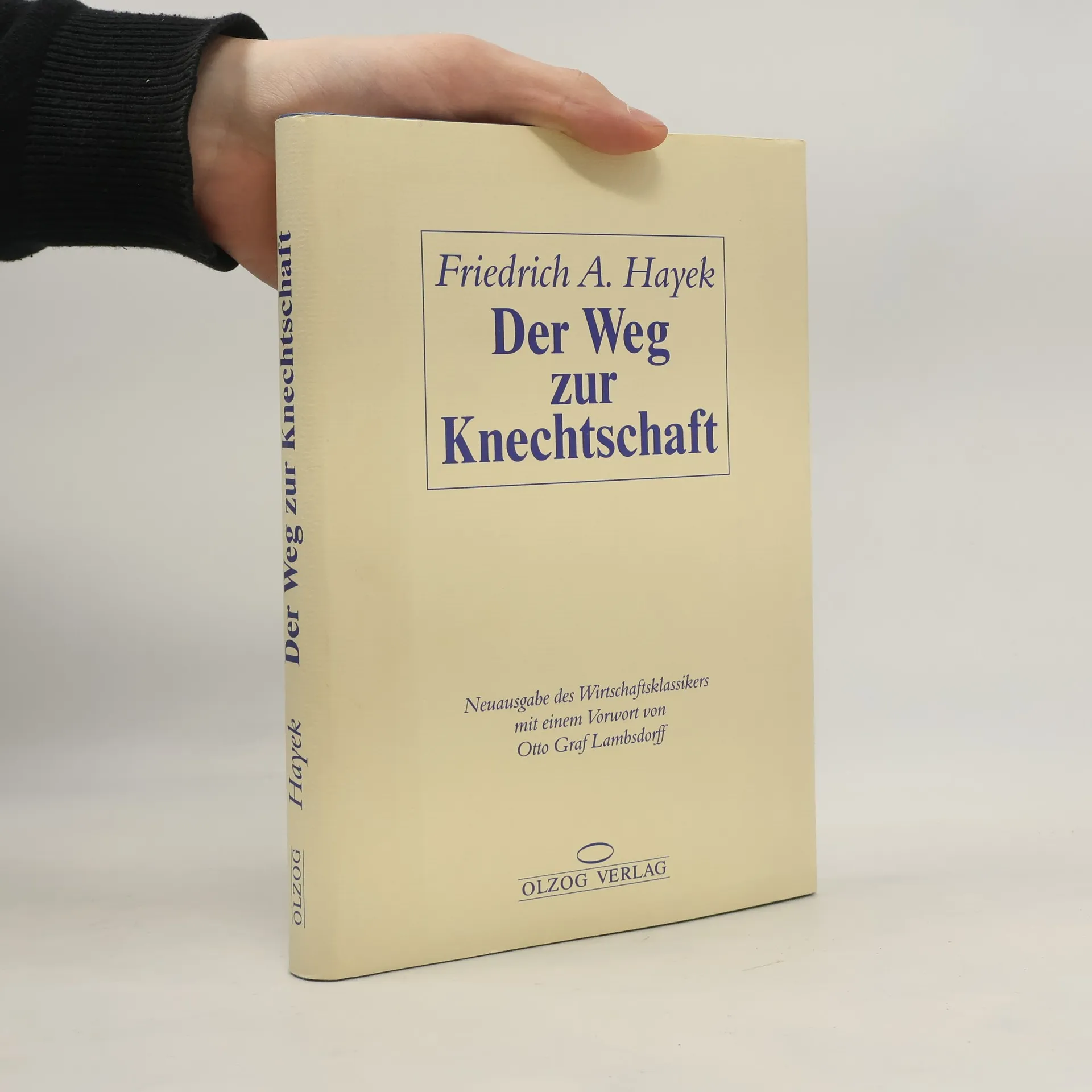
Der Weg zur Knechtschaft
- 304 Seiten
- 11 Lesestunden
Als eines der bedeutendsten Werke seiner Zeit wurde Friedrich August von Hayeks Bestseller 1945 von Henry Hazlitt in der New York Times als entscheidend für die damalige Generation hervorgehoben. In einer Phase des intellektuellen Zögerns, in der die Welt nach einem geeigneten wirtschaftlichen und gesellschaftspolitischen Modell suchte, erlangte Hayek durch dieses provokante Buch große Bekanntheit. Trotz der Jahrzehnte, die seit seiner Veröffentlichung vergangen sind, bleibt die Relevanz und Bedeutung des Werkes ungebrochen. Joseph Schumpeter lobte einst den Mut und die Offenheit des Buches, die auch heute in einer Zeit der geistigen Angleichung und staatlich erzwungenen „political correctness“ von großer Wichtigkeit sind. Hayeks realistische Analyse der wirtschaftlichen und sozialen Zusammenhänge ist nach wie vor von Bedeutung. Das Buch, das 2004 sein 60-jähriges Jubiläum feierte, wird von der Presse als „Mein Jahrhundertbuch“ bezeichnet und als ein tiefgründiges Werk charakterisiert, das das soziale Leitthema des 20. Jahrhunderts anspricht. Die Neuauflage kommt zur rechten Zeit, da Hayeks Entwurf einer kernliberalen Ordnung wieder an Aktualität gewinnt, während das Denken in sozialstaatlichen Kategorien an Grenzen stößt. Es bleibt ein wertvoller Impulsgeber für wichtige gesellschaftliche Überlegungen.
Wiedereröffnung des Lindener Bergfriedhofs in Hannover - darunter verstehen bodenständige Bürger Anderes als zwielichtige Zeitgenossen. Das Tauwetter gibt auf besagtem Friedhof eine Leiche frei, und das Rätselraten ist groß. Unheimliche Kreuze tauchen auf dem Friedhof auf, und hinter vorgehaltener Hand wird von schwarzen Messen getuschelt. Der pensionierte Pastor Sauerbier und sein Freund Lindemann drohen bei ihren Erkundungen in einem Dickicht aus Lügen und Intrigen zu versinken. Geht es um mehr als gestörte Totenruhe? Sind größere Geldbeträge im Spiel? Und ist da womöglich ein Schatz aus den letzten Tagen des Zweiten Weltkriegs vergraben?
Die dritte Republik
- 399 Seiten
- 14 Lesestunden
Herderbücherei Initiative: Zurück zu den Tatsachen!
Mit Illusionen ist kein Staat zu machen
- 183 Seiten
- 7 Lesestunden
The Fortunes of Liberalism
Essays on Austrian Economics and the Ideal of Freedom
As Hayek reminds us, the cornerstone of modern economics -theory of value and price- 'represents a consistent continuation of the fundamental principles handed down by the Vienna school.'Here, in this modern collection of essays on the Australian school by one of its preeminent figures, is the genesis of this tradition and its place in intellectual history.Freedom, Hayek writes survives only when people chose to learn the lessons of economic and social theory.
The Sensory Order and Other Writings on the Foundations of Theoretical Psychology
- 416 Seiten
- 15 Lesestunden
Focusing on the theory of mind, the book presents Hayek's groundbreaking ideas on how mental mechanisms classify perceptions beyond physical laws. Initially overlooked by psychologists and social scientists, it is now recognized as crucial for comprehending Hayek's broader contributions. This edition includes the original 1952 text alongside supplementary essays and a 1920 student paper that outlines the foundational concepts later expanded in his seminal work.
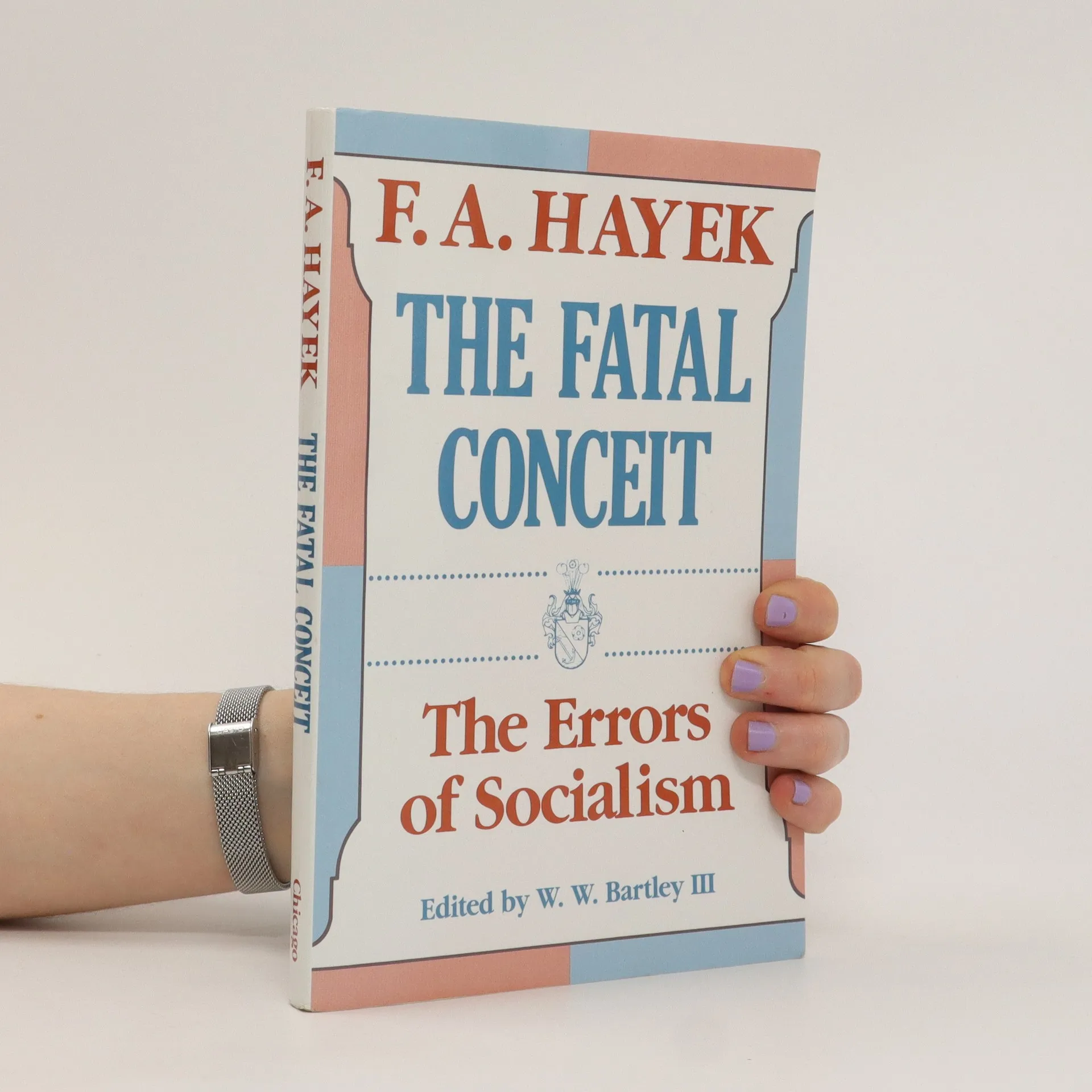
The Fatal Conceit. The Errors of Socialism.
- 194 Seiten
- 7 Lesestunden
Hayek gives the main arguments for the free-market case and presents his manifesto on the "errors of socialism." Hayek argues that socialism has, from its origins, been mistaken on factual, and even on logical, grounds and that its repeated failures in the many different practical applications of socialist ideas that this century has witnessed were the direct outcome of these errors. He labels as the "fatal conceit" the idea that "man is able to shape the world around him according to his wishes." "The achievement of The Fatal Conceit is that it freshly shows why socialism must be refuted rather than merely dismissed—then refutes it again."—David R. Henderson, Fortune. "Fascinating. . . . The energy and precision with which Mr. Hayek sweeps away his opposition is impressive."—Edward H. Crane, Wall Street Journal F. A. Hayek is considered a pioneer in monetary theory, the preeminent proponent of the libertarian philosophy, and the ideological mentor of the Reagan and Thatcher "revolutions."
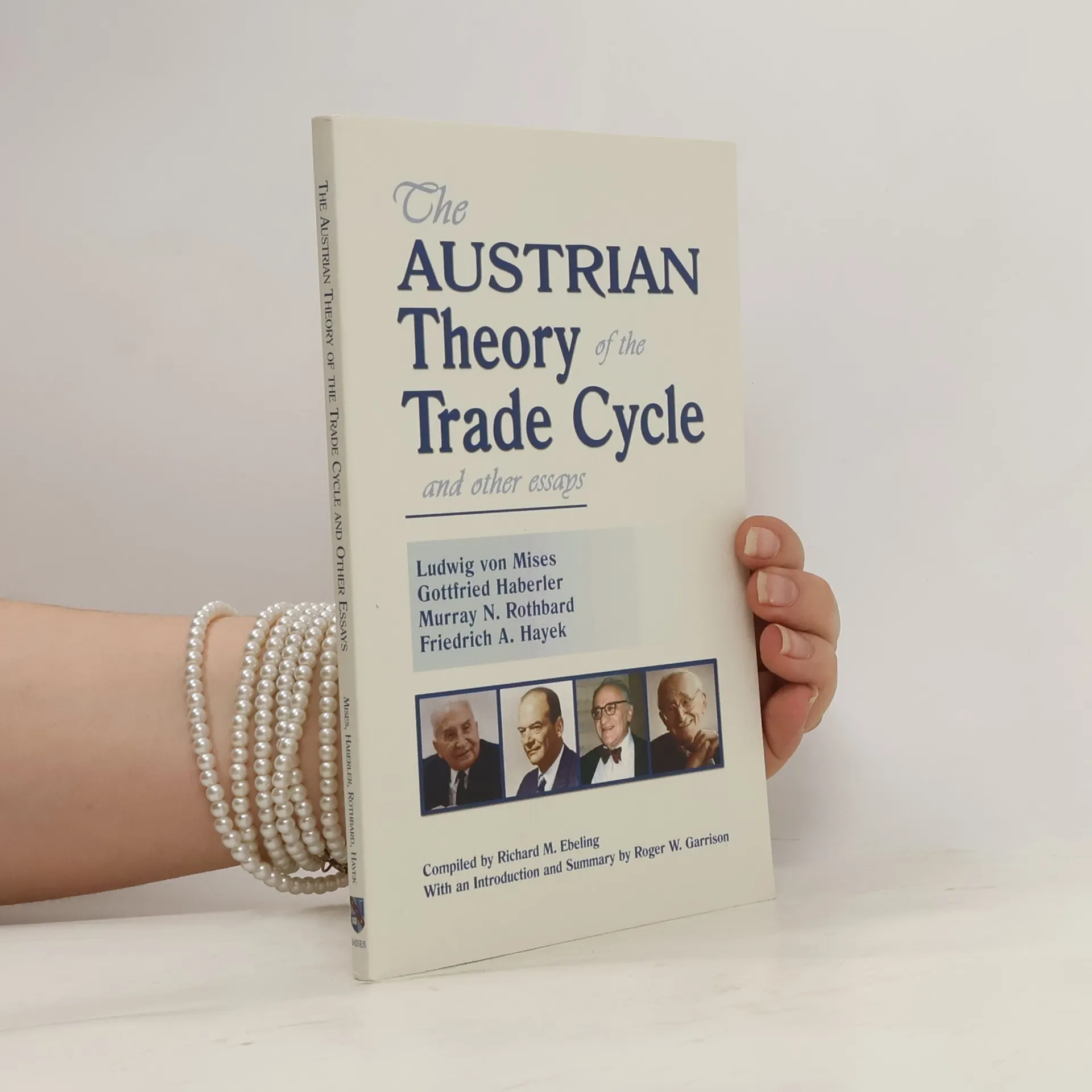
The Austrian Theory of the Trade Cycle and Other Essays
- 125 Seiten
- 5 Lesestunden
Booms and busts are not endemic to the free market, argues the Austrian theory of the business cycle, but come about through manipulation of money and credit by central banks. In this monograph, Austrian giants explain and defend the theory against alternatives. Includes essays by Mises, Rothbard, Haberler, and Hayek. In his later years, Professor Haberler distributed many of these monographs to friends and associates. New edition with an introduction by Roger Garrison and an index.
Contra Keynes and Cambridge
- 281 Seiten
- 10 Lesestunden
Contains two essays that recollect the author's time at the London School of Economics in the 1930s, followed by his contribution to an early debate about the paradox of saving. This title reprints the debates between the author and one of the world's leading economists, John Maynard Keynes in Economics in the early 1930s.
Law, Legislation and Liberty
- 584 Seiten
- 21 Lesestunden
Law, Legislation and Liberty is Hayek's major statement of political philosophy and one of the most ambitious yet subtle defences of a free market society ever written. A robust defence of individual liberty, it is crucial for understanding Hayek's influential views concerning the role of the state. First published in three separate volumes, this Routledge Classics edition makes one of his most important books available in a single volume. Essential reading for understanding the background to the recent world economic turmoil and financial crisis, it also foreshadows the subsequent heated debate about regulation and political governance.
Capital and Interest
- 240 Seiten
- 9 Lesestunden
Presents the full text of "Capital and Interest," written by Eugen Bohm-Bawerk. The text is provided as part of the collection of online undergraduate course materials for the History of Economic Thought course offered by McMaster University's Department of Economics in Hamilton, Ontario, Canada.
The Iron Curtain has been cast aside. The Berlin Wall has fallen. Germany has been reunited. And F. A. Hayek's forceful predictions of the inevitable failure of socialism and central economic planning are now rendered irrefutable. Yet Hayek still rightfully cautions us to heed his arguments, warning that "in economics you can never establish a truth once and for all but have always to convince every generation anew."The Trend of Economic Thinking captures Hayek's views on political economists and economic history—on Mandeville, Hume, Cantillon, Adam Smith, and Henry Thornton. Framed by insightful editorial notes, fifteen newly collected essays—including five previously unpublished pieces and two others never before available in English—provide a fascinating introduction to the historical context of political economy and the evolution of monetary practices. In a highlight of the collection, "On Being an Economist," Hayek reflects on the influence of economists, the time required for new ideas to take hold, the best way to educate economic theorists, and the need to follow one's own interests, often in opposition to fashionable beliefs. As always, the words of this outspoken scholar are sure to provoke debate.
A Tiger by the Tail
- 158 Seiten
- 6 Lesestunden
Book by Hayek, Friedrich A., Shenoy, Sudha R.
Hayek on Mill: The Mill-Taylor Friendship and Related Writings
The Mill-Taylor Friendship and Related Writings
- 424 Seiten
- 15 Lesestunden
The book features a compilation of correspondence between John Stuart Mill and his wife, Harriet Taylor-Mill, curated by F. A. Hayek. It highlights the connections between Hayek and Mill while presenting Hayek's writings that significantly contributed to the resurgence of interest in Mill's work. This collection not only sheds light on their personal relationship but also enriches the understanding of Mill's philosophy through Hayek's insights, marking a pivotal moment in Mill scholarship.
Essays on Liberalism and the Economy
- 630 Seiten
- 23 Lesestunden
The collection features a range of Hayek's significant essays alongside unpublished and lesser-known pieces, showcasing his intellectual evolution from 1931 to 1984. It highlights key themes in his work, offering insights into his contributions to economics and political philosophy. This selection provides readers with a comprehensive view of Hayek's ideas and their relevance over time.
Law, Legislation, and Liberty
A New Statement of the Liberal Principles of Justice and Political Economy
- 564 Seiten
- 20 Lesestunden
This new edition compiles F. A. Hayek's influential three-part work into a single volume, exploring the intricate relationship between law, legislation, and individual liberty. Hayek delves into the principles of a free society, emphasizing the importance of spontaneous order and the limitations of government intervention. The text challenges conventional views on law and governance, presenting a profound analysis of the moral and economic implications of legal structures in society.
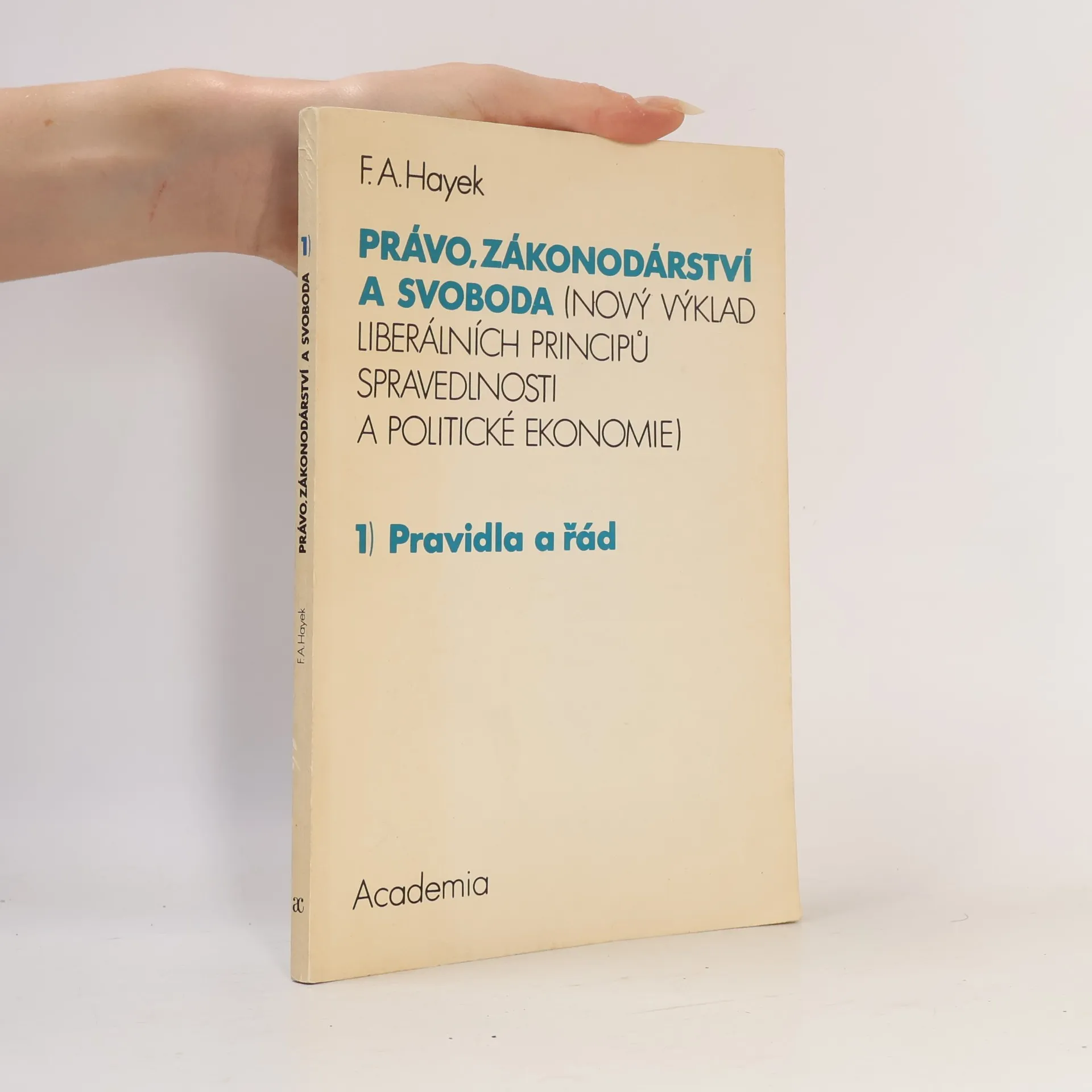
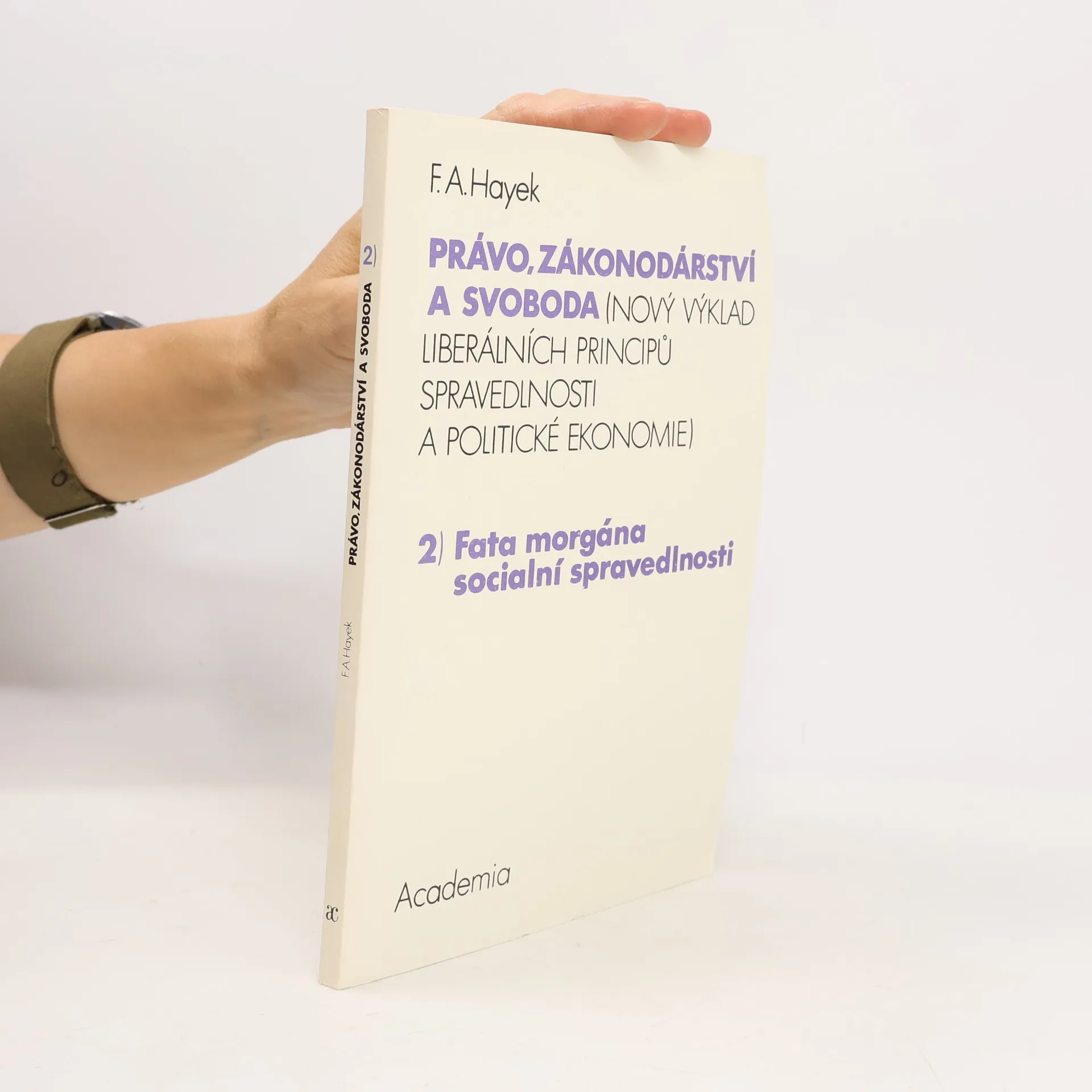
Právo, zákonodárství a svoboda 1. Pravidla a řád
Nový výklad liberálních principů spravedlnosti a politické ekonomie
Velké třísvazkové dílo "Právo, zákonodárství a svoboda" s podtitulem Nový výklad liberálních principů spravedlnosti a politické ekonomie psal rakouský filozof a ekonom Friedrich August von Hayek patnáct let. Dílo, jež vznikalo od poloviny 60. let do konce 70. let minulého století, rozpracovává téma, kterého se autor poprvé dotknul již v Cestě do otroctví (1944) a k jehož studiu ho přivedly jeho předválečné studie z oboru čisté ekonomie. Tímto tématem je princip svobodné společnosti a to, co lidskou společnost ohrožuje. Ve třech svazcích, nazvaných Pravidla a řád, Fata morgána sociální spravedlnosti a Politický řád formuluje F. A. Hayek praktická vodítka pro politické uspořádání svobodné společnosti pro její instituce a hospodářskou politiku, aby zde mohl upozornit na nebezpečí falešně chápané demokracie, a předvádí slepé uličky, do nichž hrozí svobodnou společnost přivést sledování cíle „svobodné spravedlnosti“.
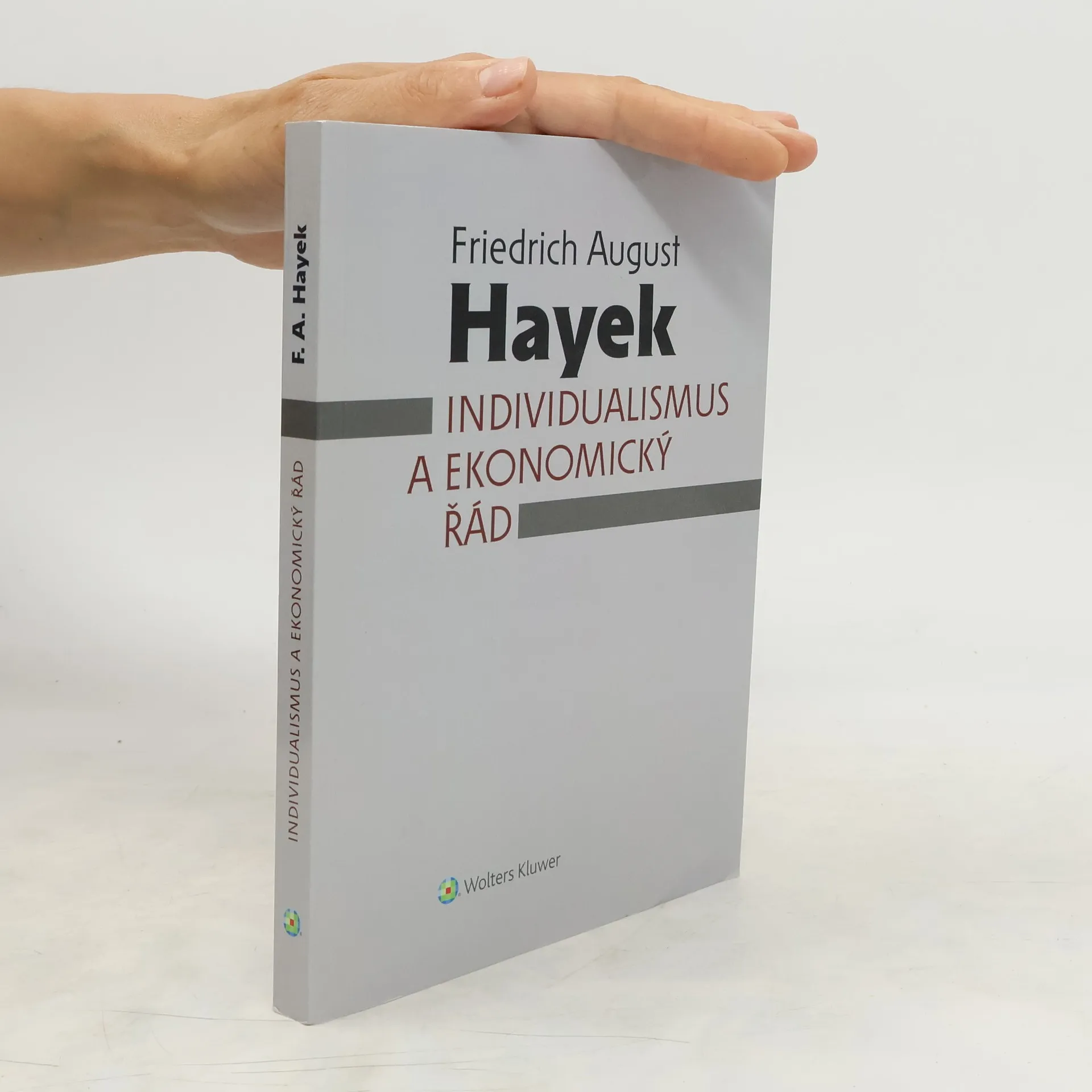
Individualismus a ekonomický řád
- 284 Seiten
- 10 Lesestunden
Kniha Individualismus a ekonomický řád F. A. Hayeka, nositele Nobelovy ceny za ekonomii z roku 1974, vyšla poprvé česky a obsahuje 12 esejů z 30. a 40. let 20. století. První skupina se zaměřuje na morální filosofii a metodologii ekonomie, včetně známého eseje „Využiti znalosti ve společnosti“, který vysvětluje spontánní povahu společenských institucí a význam rozptýlených znalostí. Další část knihy se věnuje socialistické kalkulaci, kde Hayek analyzuje neefektivnost socialismu a centrálního plánování. Obsahuje také méně známé eseje, jako „Komoditní rezervní měna“ a „Ricardův efekt“. Poslední esej zkoumá ekonomické a státoprávní otázky federace států. Editoři Ilona Bažantová a Jan Horych doplnili překlad o dobové reflexe odborné veřejnosti k jednotlivým esejům a přidali závěrečnou kapitolu o Hayekově životě a díle, spolu s podrobným jmenným rejstříkem. Kniha je určena zájemcům o dějiny ekonomického myšlení a Rakouské ekonomické školy, a je užitečná pro teoretické ekonomy, politology a studenty těchto oborů.
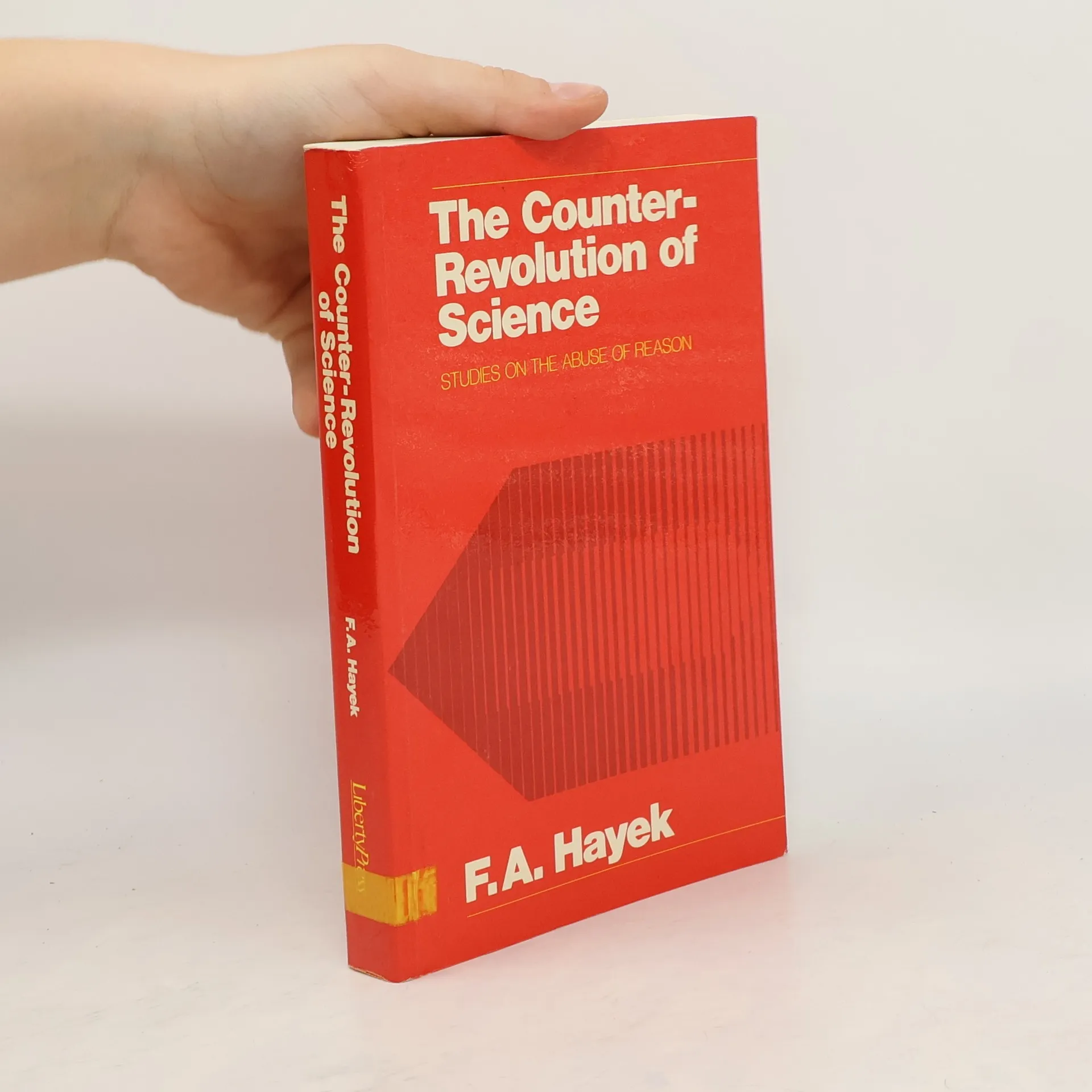
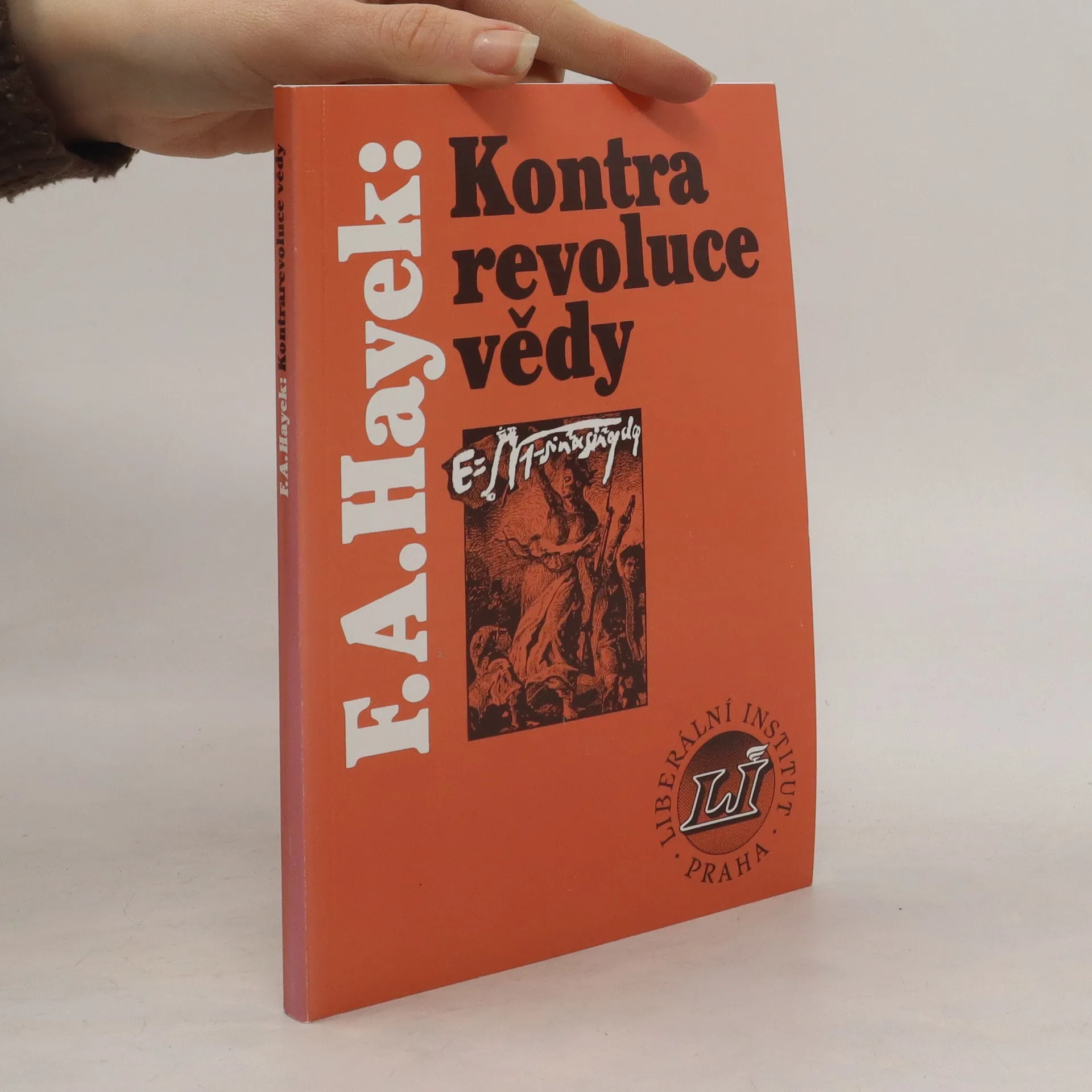
Kontrarevoluce vědy
- 212 Seiten
- 8 Lesestunden
Hayek se v této knize zabývá poněkud obecnější otázkou zneužívání a úpadku lidského rozumu ve společenských vědách, které jsou způsobeny přejímáním vědeckých metod přírodních věd. Hayek hovoří o „otrockém napodobování metod a jazyka Vědy“, které nazýváme scientismem, jako protikladu důkladného a nezaujatého vědeckého zkoumání. O příčinách a následcích tohoto vývoje se čtenář dozví v této světově oceňované knize.
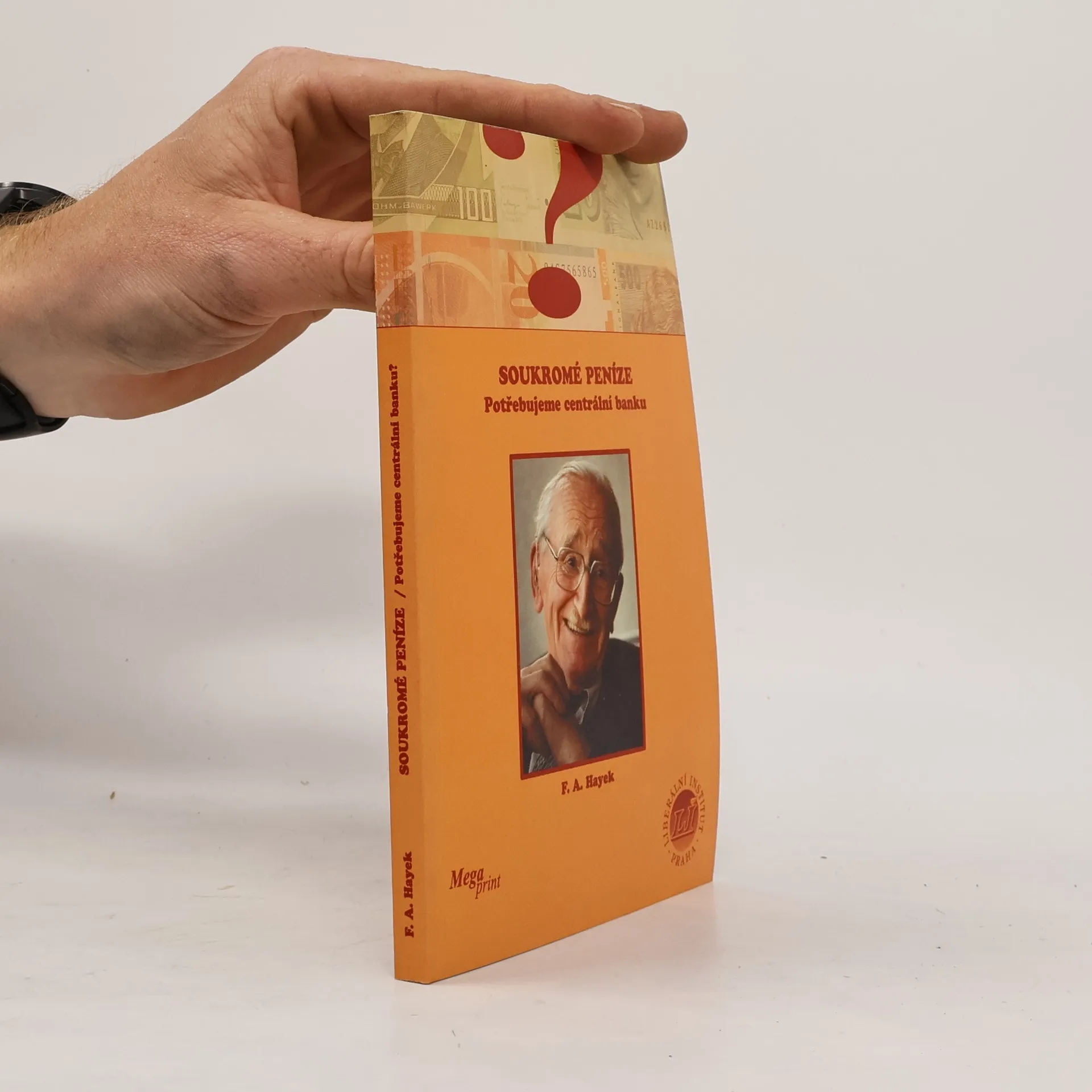
Soukromé peníze: Potřebujeme centrální banku?
- 164 Seiten
- 6 Lesestunden
Kniha předního představitele liberální ekonomie věnovaná problematice peněz, inflace a kritice měnové politiky jako takové.
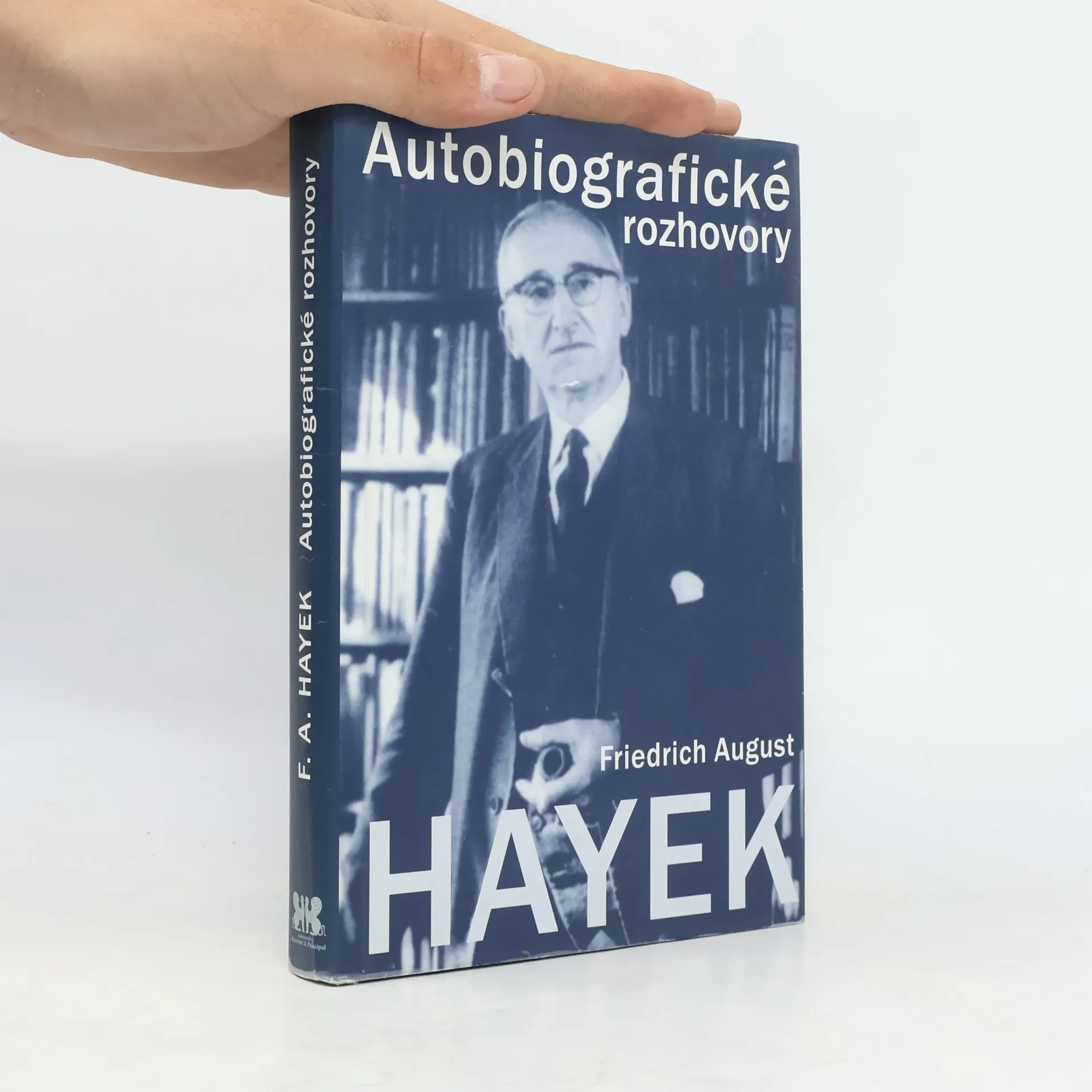
Autobiografické rozhovory
- 180 Seiten
- 7 Lesestunden
Kniha přináší osobní poznámky a rozhovory jednoho z nejoriginálnějších myslitelů 20. století. Kniha zachycuje všechny důležité mezníky Hayekova života – studium ekonomie, práv a politické vědy na Vídeňské univerzitě, práci ve Vídni, profesuru na London School of Economics, působení v Chicagu a na dalších amerických univerzitách i na klidné prostředí Freiburgu. Zajímavé je sledovat také vztah Hayeka k jiným slavným ekonomům – Keynesovi, Robbinsovi, Misesovi či Schumpeterovi. Inspirativní je rovněž připomenutí kontextu jednotlivých děl.
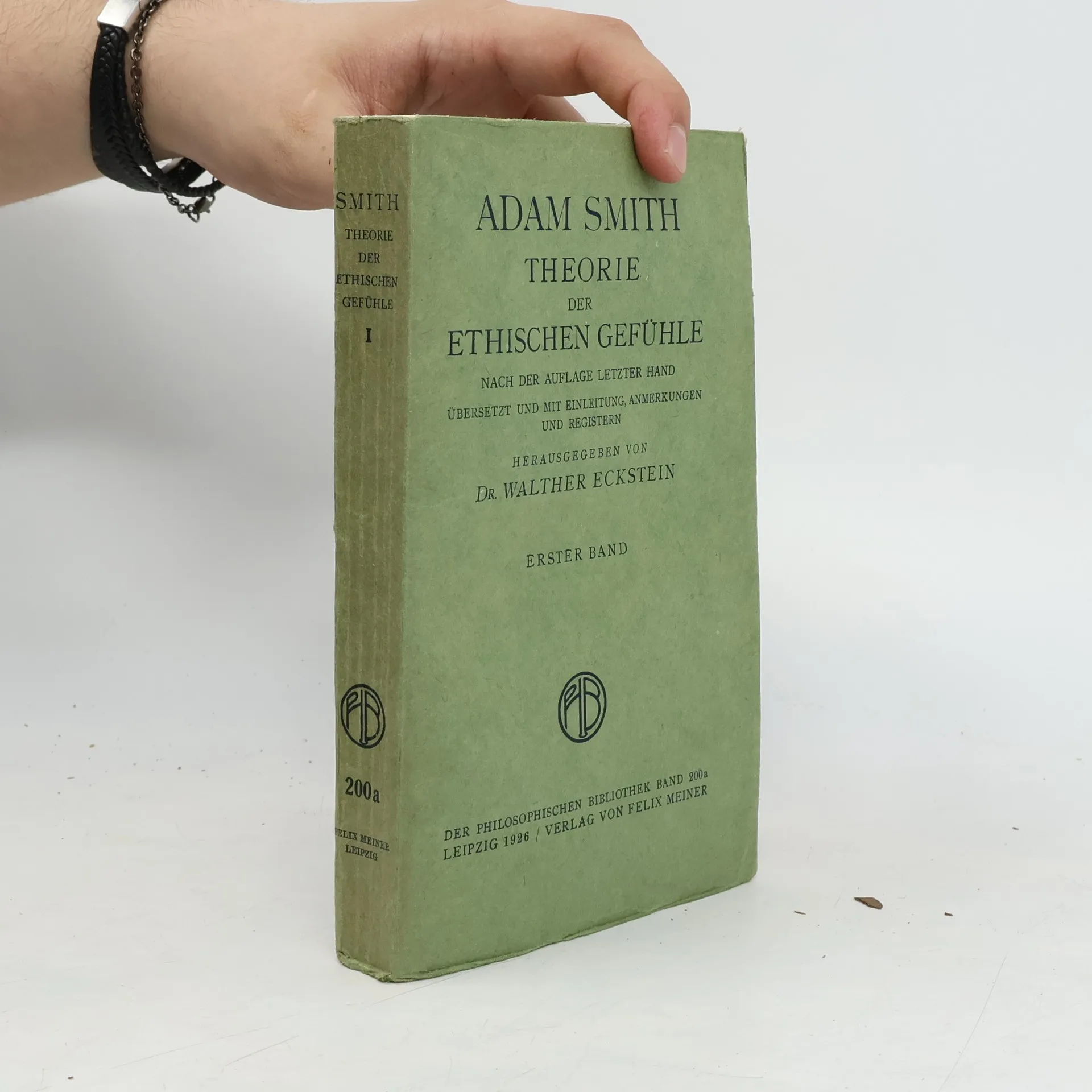
Theorie der ethischen Gefühle
- 618 Seiten
- 22 Lesestunden
Sonderausgabe der Philosophischen Bibliothek Die „Theorie der ethischen Gefühle“, das philosophische Hauptwerk des schottischen Moralphilosophen und Begründers der Nationalökonomie Adam Smith (1723-1790), stammt aus dem Jahre 1759 und nimmt eine außerordentliche Position innerhalb der Entwicklungsgeschichte der Ethik ein. Um seine Theorie zu belegen, untersucht Smith Moralsysteme der Vergangenheit, übt Kritik an zeitgenössischen Richtungen der Moralphilosophie und nimmt zukünftige wichtige Ansätze auf dem Gebiet der Ethik vorweg. Sein Werk ist somit Sammelplatz heterogenster, scheinbar konträrer Richtungen der Moralphilosophie, es kombiniert unterschiedliche Theorien zu einem bemerkenswerten System des 'sittlich Richtigen'. Einer der zentralen Begriffe der Smithschen Ethik ist dabei die 'Sympathie', ergänzt durch die Idee eines unparteiischen Zuschauers. Die Fähigkeit zur Anteilnahme ist für Smith die Vorraussetzung jeder sittlichen Wertung und Beurteilung. Smiths Standardwerk der Ethik wurde wiederholt für die Lebendigkeit der Darstellung und die Eleganz und Flüssigkeit des Stils gelobt. Der Band berücksichtigt die umfangreichen Erweiterungen der sechsten Auflage aus dem Jahre 1790 und zeichnet sich durch eine ausführliche Übersicht über die wesentlichen philosophischen Termini und ihre Bedeutung bei Smith aus.
Prameny ke studiu sociologie práva. 1
- 121 Seiten
- 5 Lesestunden
Obsah: 1 Herbert Spencer: POTŘEBA SOCIOLOGICKÉHO STUDIA 2 Niklas Luhmann: VÝVOJ SPOLEČNOSTÍ A PRÁVA 3 Arnošt Inocenc Bláha: SOCIOLOGIE PRÁVA 4 Emanuel Chalupný: PRÁVO A MRAVNOST 5 Pitirim Sorokin: SOCIÁLNÍ FUNKCE PRÁVA 6 Theodor Geiger: PRÁVO A MOC (Variace na staré téma) 7 Eugen Ehrlich: STÁT A PRÁVO 8 Max Weber: DIFERENCIACE PRÁVNÍCH ODVĚTVÍ 9 Pjotr Ivanovic ŠTŮČKA: PRÁVO — REVOLUCE 10 Adam Podgorecki: SPOLEČENSKÉ PODMÍNKY ÚČINNÉHOPŮSOBENI PRÁVNÍCH PŘEDPISŮ 11 Friederich August von HAYEK: „NOMOS: PRÁVO SVOBODY“
Prawo, legislacja i wolność
- 808 Seiten
- 29 Lesestunden