
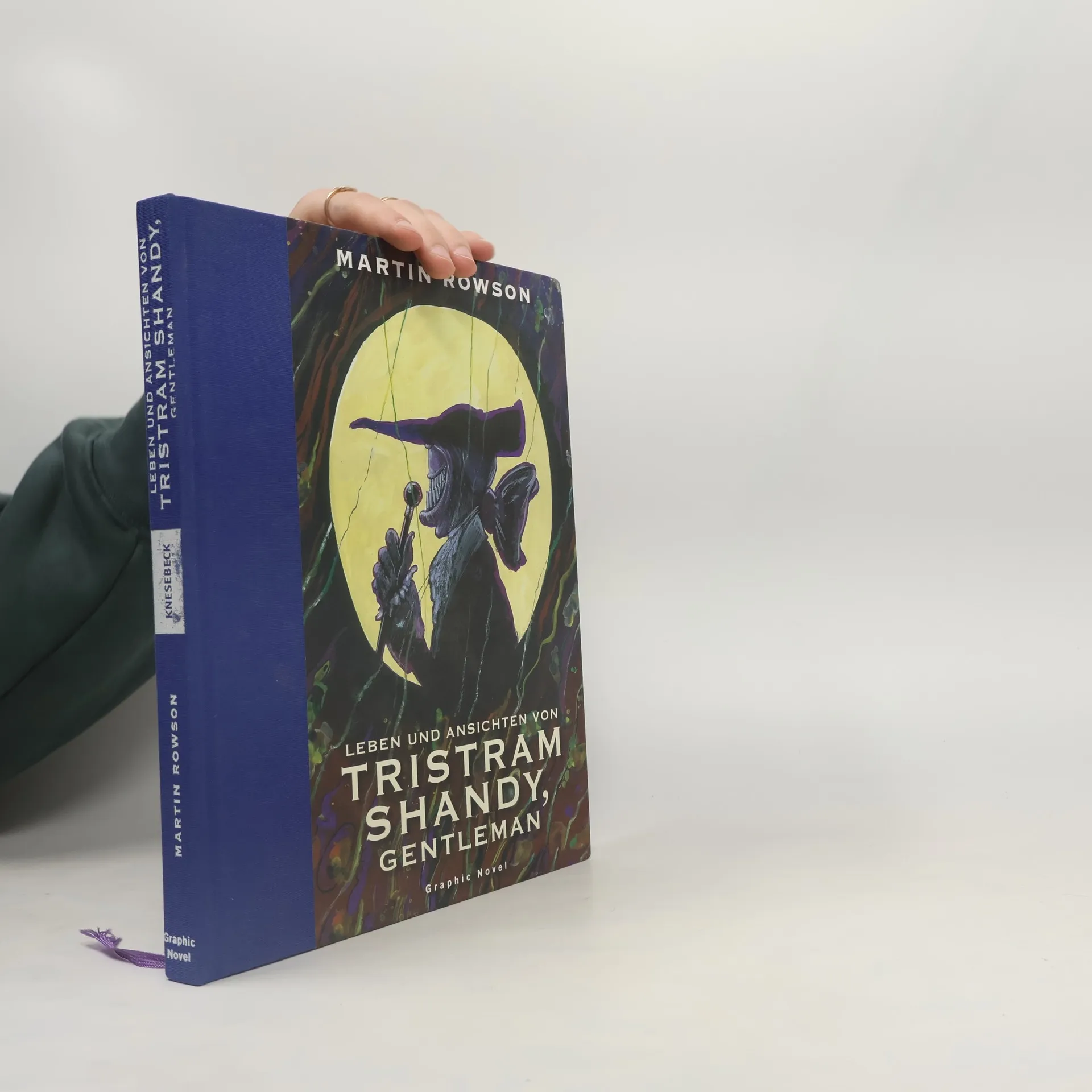
Nicht nur Goethe war von Tristram Shandy – der fiktiven Autobiografie eines Mannes, die auf fast 1000 Seiten kaum über dessen Geburt hinauskommt – begeistert, auch Sigmund Freud und Thomas Mann waren leidenschaftliche Sterne-Leser. Wie kein anderes satirisches Werk des 18. Jahrhunderts hat Laurence Sternes Tristram Shandy die deutsche und die internationale Literatur beeinflusst. Martin Rowson hat diesen überbordenden Klassiker des hintergründigen Humors als kongeniale Graphic Novel umgesetzt. Nun erscheint sein Meisterwerk endlich auf Deutsch. Laurence Sternes 'Lies, lies, lies, lies, mein ungelehrter Leser, lies!' folgt nun auch ein 'Schau'!
Martin Rowson Bücher
Martin Rowson ist für seine düster-humorvollen und oft satirischen Erzählungen bekannt, die sich häufig mit Themen menschlicher Torheit und gesellschaftlicher Absurditäten auseinandersetzen. Sein Schreiben zeichnet sich durch scharfen Witz und einen einzigartigen, oft zynischen, beobachtenden Stil aus, der die konventionelle Weisheit in Frage stellt. Rowson's Herangehensweise an das Geschichtenerzählen ist sowohl intellektuell anregend als auch viszeral fesselnd und regt die Leser an, sich mit einem schiefen Lächeln unangenehmen Wahrheiten zu stellen. Er besitzt eine einzigartige Stimme, die tiefgründige Einsichten mit einer kompromisslosen, respektlosen Perspektive verbindet.


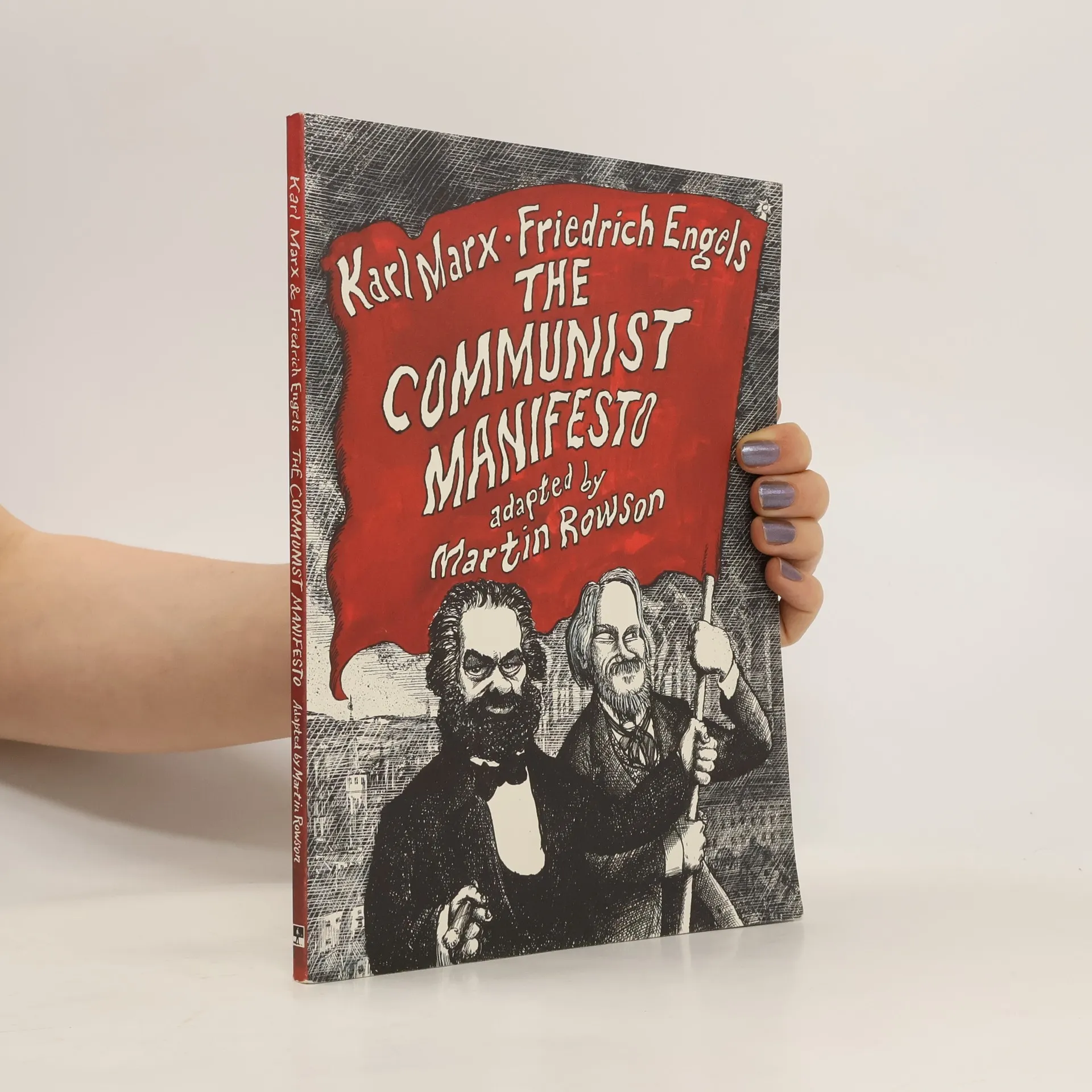
The Communist Manifesto
- 80 Seiten
- 3 Lesestunden
...a jauntily irreverent but fundamentally serious take on a vastly influential political work. Publishers Weekly
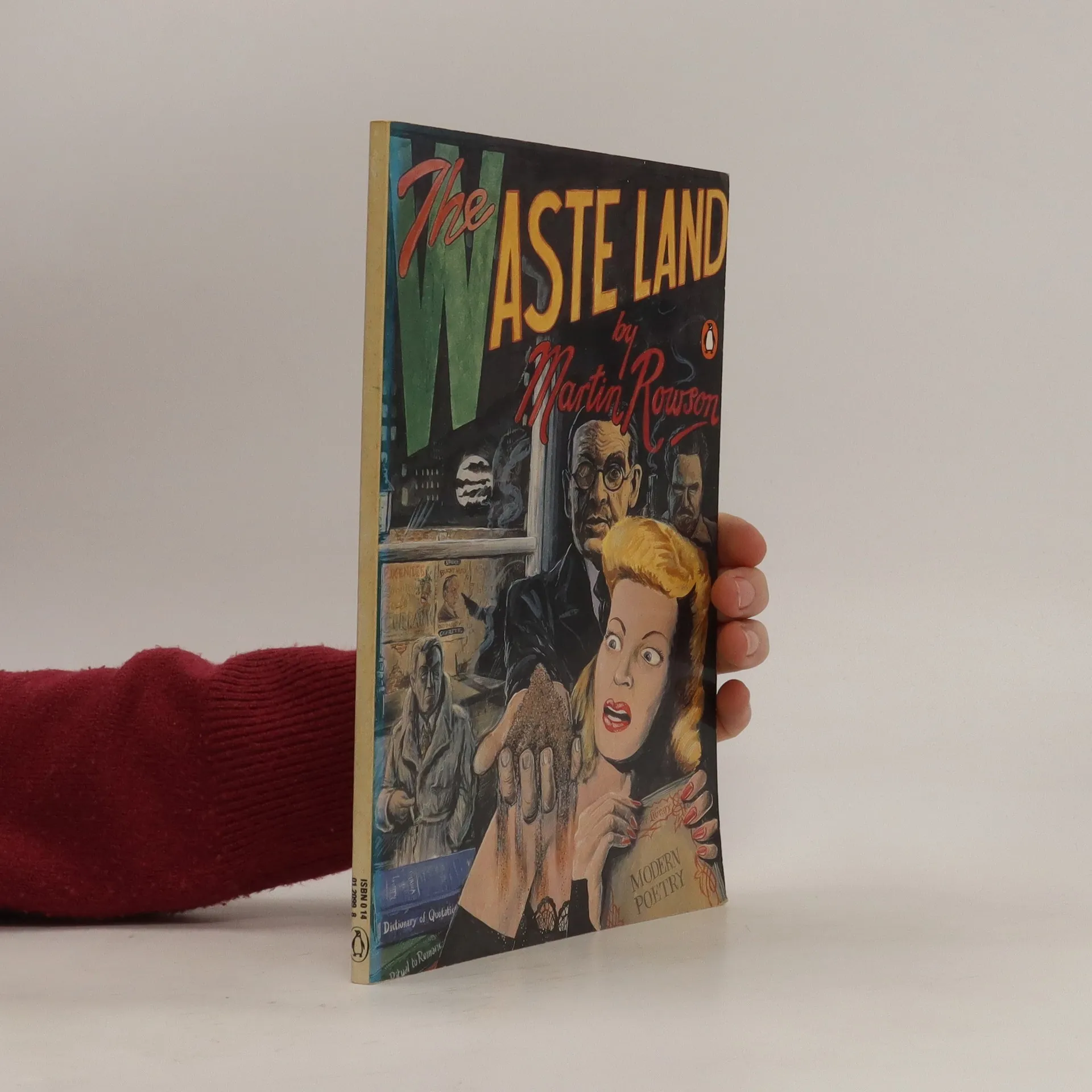
This is a cartoon rendition of T.S. Eliot's poem with Chandleresque overtones.
The book features a selection of Martin Rowson's incisive columns, reflecting on the political landscape over the past two decades. Through his sharp wit, Rowson examines the rise of nationalism, internal ideological conflicts within the Labour Party, and various societal issues, including terrorism and cultural commentary. This collection showcases his contributions to both underground and mainstream publications, offering a unique perspective on contemporary politics and society, while also highlighting his broader journalistic work.
In May 2020 the award-winning cartoonist Martin Rowson set himself the challenge of writing a Lockdown Diary in verse. The result is Plague Songs, a unique cycle of furious, bleakly comic and often offensive poems about COVID-19, fiercely inventive and desperately funny. Rowson, who recovered from the virus at the start of the year (sweating in freezing fits, embalmed in bed/ In sulphurous miasmata, my joints like broken walnuts,/ With hogtied eyeballs and less energy than dissipating smoke) records in manic verse the long lockdown Summer of 2020 coughs and sneezes, lockdown-haircuts, funerals and furloughs, hangovers and hauntings, track and trace, when Death and Pestilence were playing on the swings, or visiting the elderly in their Care Homes. Plague Songs is also book about living in Banarnia a nightmarish world of jingoism and xenophobia, hierarchy and inequality, government incompetence, Boris Johnsons world-beating wet dreams, and the deadly twin viruses of stupidity and selfishness. What rhymes with COVID except bovid? Is Matt Hancock the Tory Partys answer to Fred West? Does every shroud have a silver lining?
Award winning cartoonist, graphic novelist and poet Martin Rowson slows down a bit to weave together his customary fusion of fury & poignancy. Sitting in the back of a minicab driving round London at 2am in the rain, and listening to the commercial radio's endless easy-listening playlist, the award-winning cartoonist, graphic novelist and poet Martin Rowson reflects on the commodification of music, art, death, memory, funerals, love, bucket lists and dreams in the twenty-first century.
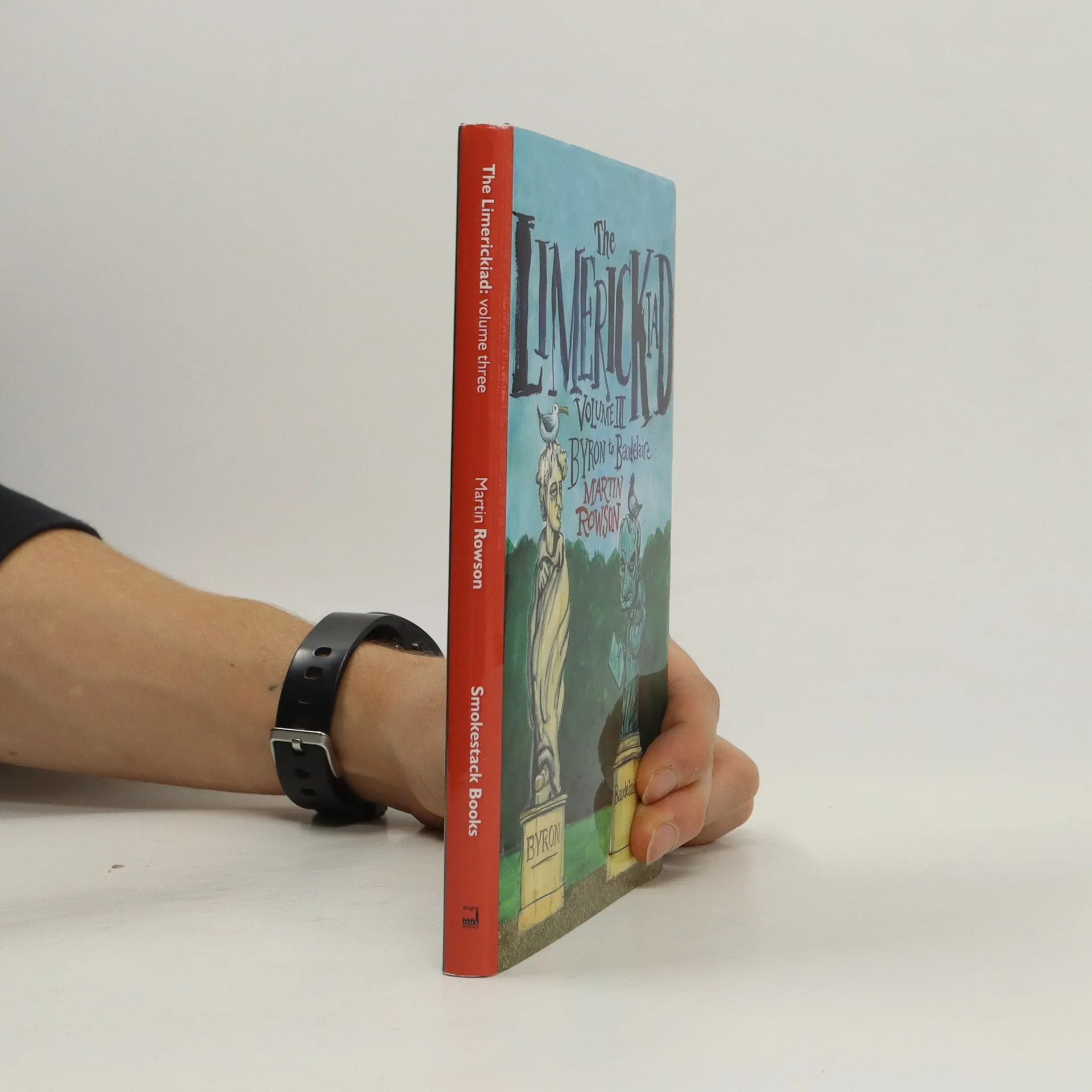
Witty and tongue-in-cheek, over the past five years Martin Rowson's limericks and cartoons have retold the story of world literature, appearing each week in the Independent on Sunday. Now collected together, 'The Limerickiad' takes us from John Donne to Jane Austen, showcasing the author's reverence for texts.
Ein Text, der die Welt veränderte Dass ein Aufsatz die geistige und politische Welt grundlegend verändern kann, wird bei keinem Text so augenscheinlich wie bei diesem. Er ist Grundlage und Ausgangspunkt ökonomischer Systeme, politischer Konflikte und nicht zuletzt einer Vielzahl von Missverständnissen, die bis heute das politische Bewusstsein prägen. Mit einem Vorwort von Iring Fetscher

