

Gratis Versand in ganz Österreich
Bookbot

Sebastian Junger

    17. Jänner 1962

    Dieser Autor befasst sich mit tiefgreifenden Aspekten der menschlichen Erfahrung und erforscht häufig Themen wie Konflikt, Überleben und die Grenzen menschlicher Ausdauer. Sein Schreiben zeichnet sich durch scharfe Beobachtung und die Fähigkeit aus, die rohen Realitäten von Situationen einzufangen, die den menschlichen Geist auf die Probe stellen. Mit einem unerschütterlichen Engagement für Wahrheit und journalistische Ethik bemüht sich Junger, authentische und fesselnde Erzählungen zu liefern. Seine Arbeit regt zum Nachdenken über die Natur von Mut, Gemeinschaft und die inhärenten Risiken an, denen sich Einzelpersonen ausgesetzt sehen, wenn sie ihre Grenzen überschreiten.

    Sebastian Junger
    War, English Edition
    Tod in Belmont
    Feuer
    War
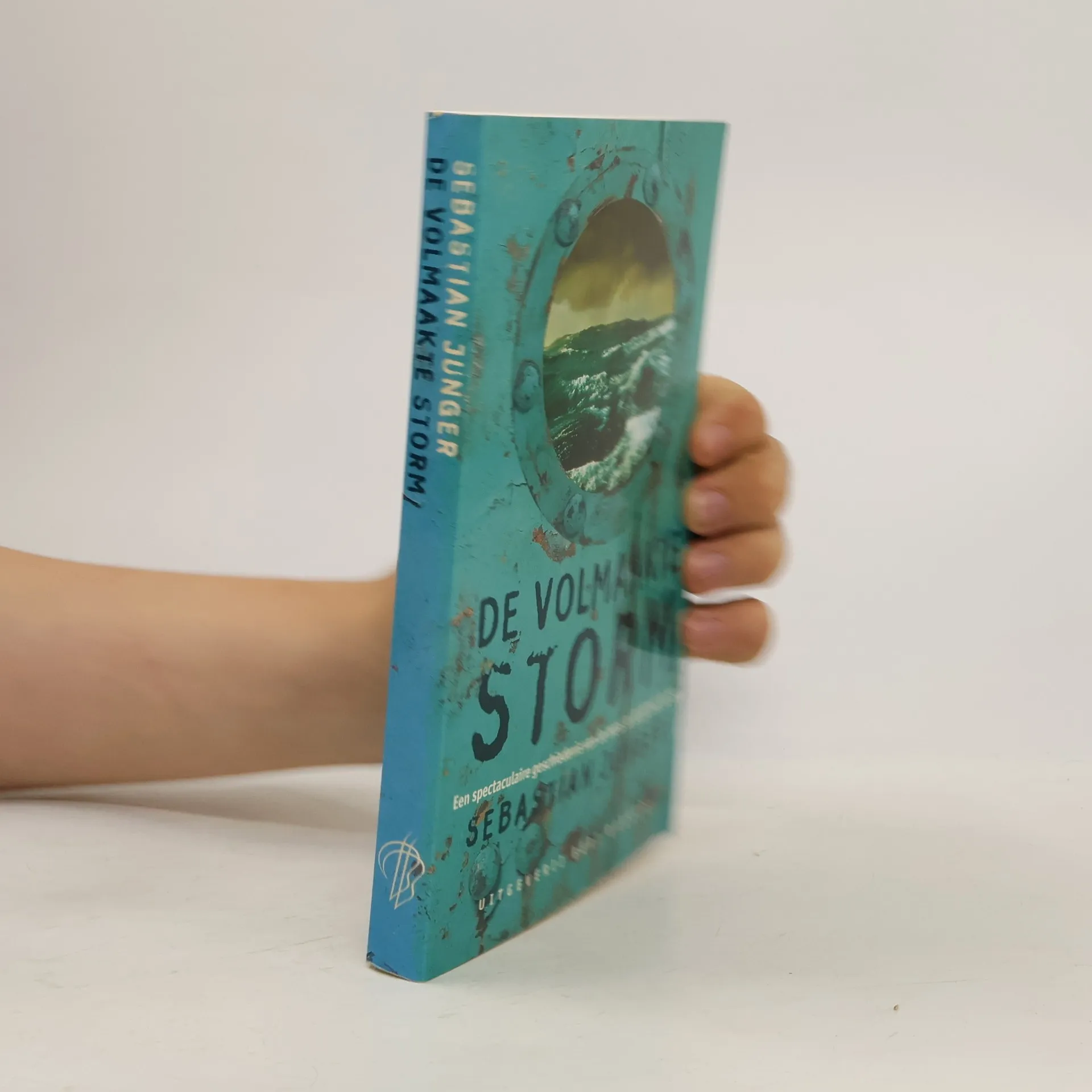
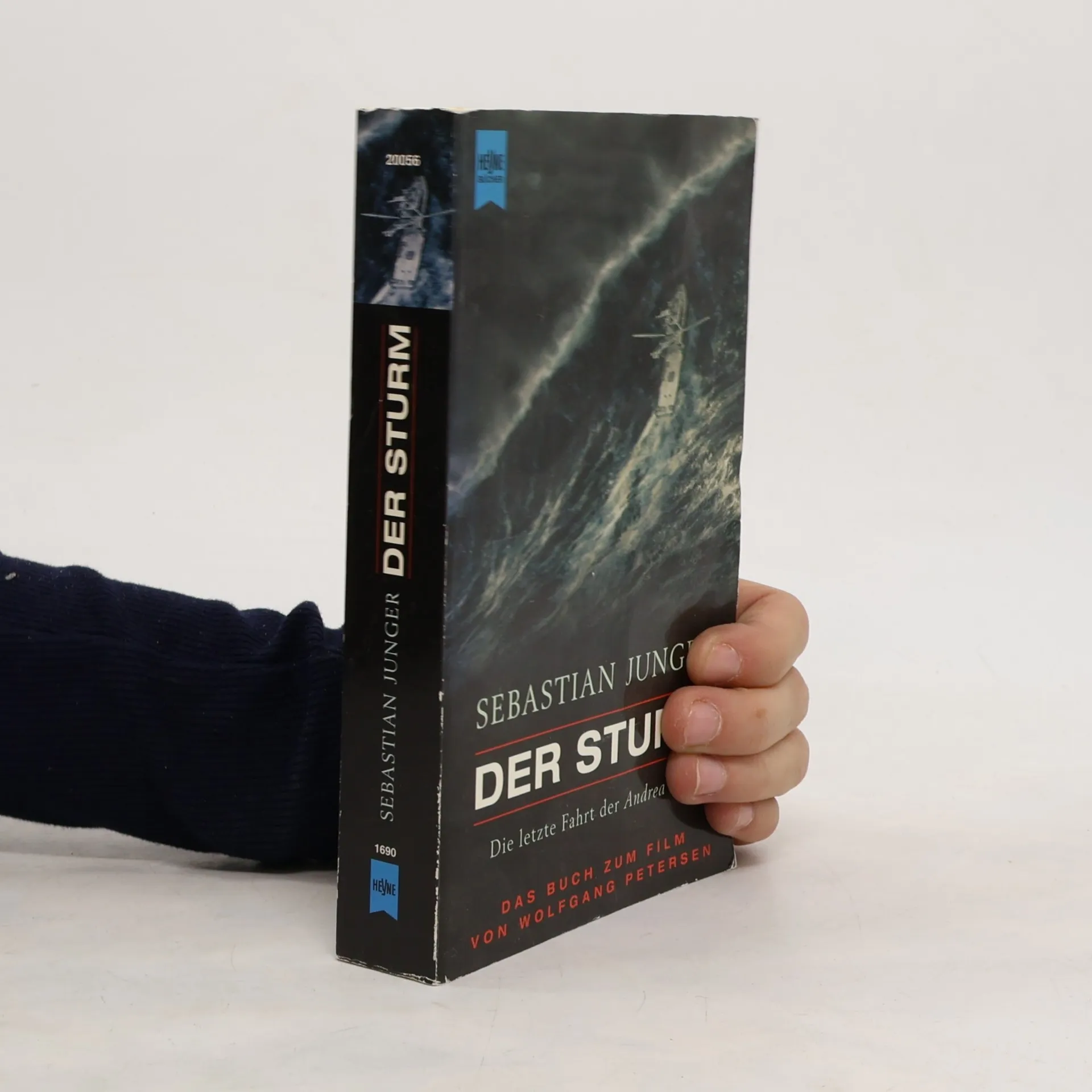
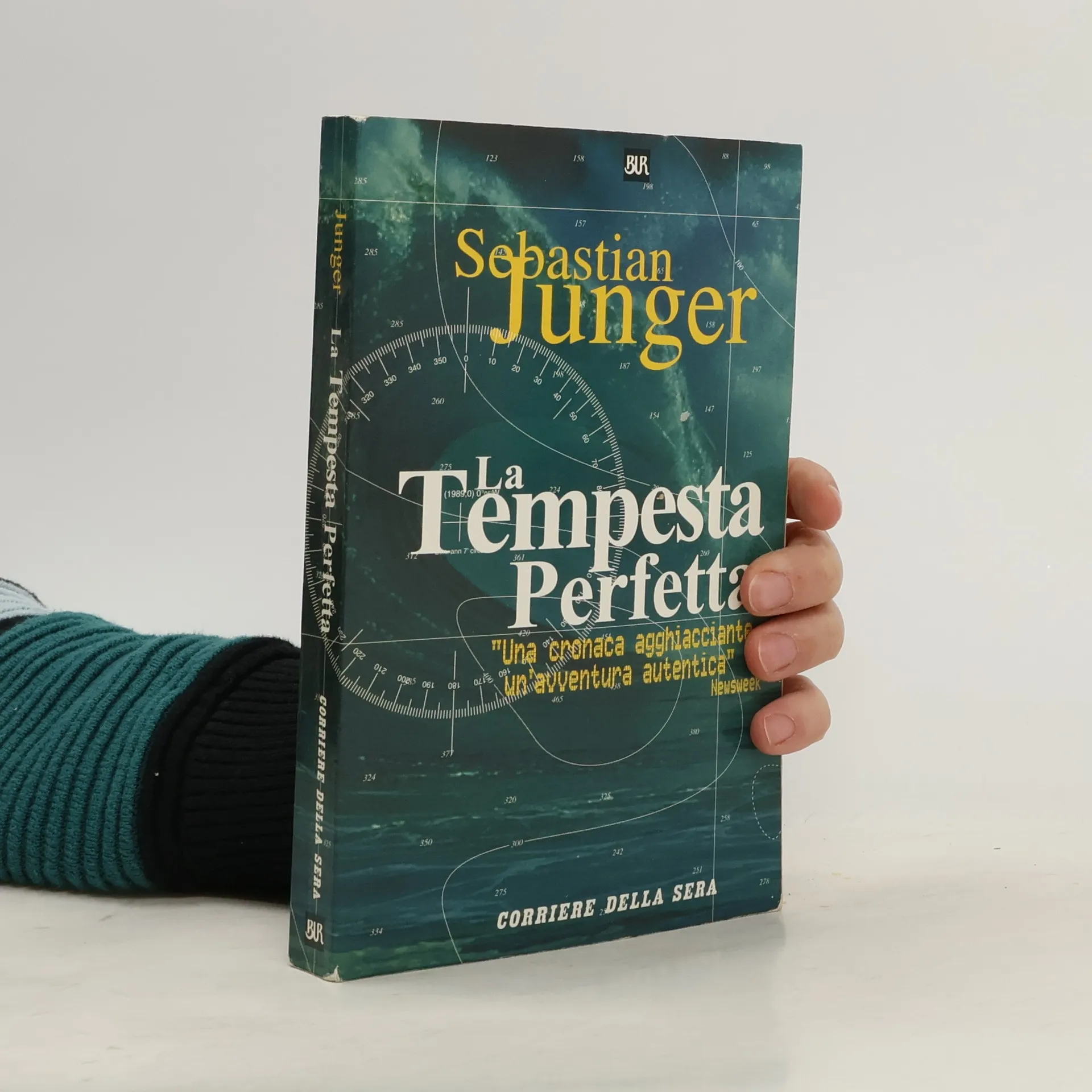
    Der Sturm
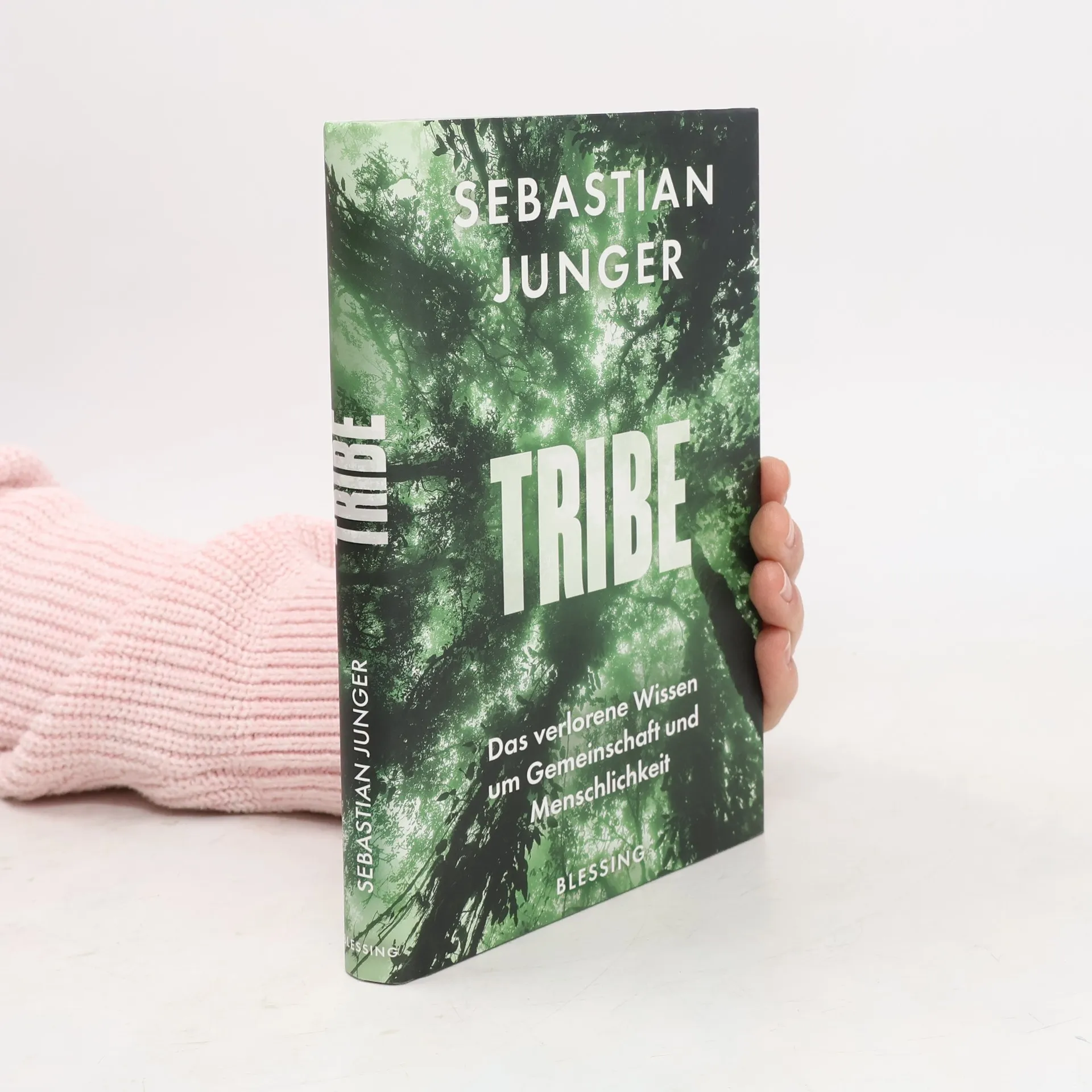
    Tribe - das verlorene Wissen um Gemeinschaft und Menschlichkeit
    • Unser Trauma: eine Gesellschaft ohne Gemeinschaft »Entbehrungen machen dem Menschen nichts aus, er ist sogar auf sie angewiesen; worunter er jedoch leidet, ist das Gefühl, nicht gebraucht zu werden. Die moderne Gesellschaft hat die Kunst perfektioniert, Menschen das Gefühl der Nutzlosigkeit zu geben. Es ist an der Zeit, dem ein Ende zu setzen.« Sebastian Junger Warum beschließen Soldaten nach ihrer Rückkehr aus dem Krieg und in die Heimat, sich zu neuen Einsätzen zu melden? Warum sind Belastungsstörungen und Depressionen in unserer modernen Gesellschaft so virulent? Warum erinnern sich Menschen oft sehnsüchtiger an Katastrophenerfahrungen als an Hochzeiten oder Karibikurlaube? Mit Tribe hat Sebastian Junger eines der meistdiskutierten Werke des Jahres vorgelegt. Er erklärt, was wir von Stammeskulturen über Loyalität, Gemeinschaftsgefühl und die ewige Suche des Menschen nach Sinn lernen können.

      Tribe - das verlorene Wissen um Gemeinschaft und Menschlichkeit
    • Der Sturm

      • 364 Seiten
      • 13 Lesestunden
      4,2(65242)Abgeben

      §Im Herbst 1991 tobte vor der kanadischen Küste ein Jahrhundertsturm mit über 30 Meter hohen Wellen und mehr als 160 Stundenkilometern Windgeschwindigkeit. Der Fischtrawler "Andrea Gail", der mit sechs Mann Besatzung auf Schwertfischfang war, verschwand am 29. Oktober spurlos für immer. Gestützt auf Berichte von Fischern, die ähnliche Stürme überlebten, und auf Gespräche mit Kollegen und Angehörigen der Verunglückten dokumentiert Sebastian Junger in seinem einzigartigen Bericht das Leben und Sterben der sechs Fischer.§Am 20. Juli 2000 kommt die Verfilmung von Wolfgang Petersen in die deutschen Kinos.

      Der Sturm
    • 4,2(70)Abgeben

      Als Korrespondent der „Vanity Fair” lebte Sebastian Junger 15 Monate mit einer Einheit US-Soldaten im Korengal-Tal in Afghanistan, einem stark umkämpften Gebiet nahe Pakistan. Er erlebte die Angst, das Töten und die Liebe, während er den Alltag an einem gefährlichen Außenposten meisterte – einer spärlich geschützten Ansammlung von Bretterbuden auf einer einsamen Anhöhe. Die ständige Furcht, den nächsten Angriff oder die nächste Nacht nicht zu überstehen, sowie die Gewissheit, getötete Freunde, Zivilisten und Feinde zu sehen, prägten seinen Aufenthalt. Junger betont, dass er sich nicht für Abstraktionen wie Religion oder militärische Strategie interessiert, sondern für das tatsächliche Gesicht des Kriegs. Als angesehener Journalist und Bestsellerautor geht er weit über das hinaus, was als „embedded” gilt. Er durfte nur nicht zurückschießen oder im Weg stehen. Was die Schilderungen so eindringlich macht, sind die Einblicke in die physischen und psychischen Extreme des Lebens unter Beschuss sowie die Gedanken und Gefühle der Soldaten. Ausgeliefert, unvorbereitet und einsam, sind sie abhängig von der Geistesgegenwart ihrer Kameraden und kämpfen mit traumatisierenden Erfahrungen, ohne Perspektive auf ein normales Leben nach dem Einsatz. Ein brillanter und persönlicher Mitschnitt aus dem Krieg des 21. Jahrhunderts.
      War
    • Reportagen aus den letzten 10 Jahren: Sie zeigen politische Zusammenhänge und Hintergründe der Ausbrüche von Hass und Grausamkeiten in politischen Krisengebieten.

      Feuer
    • Die perfekte Verbindung von akribischer Recherche und mitreißender Erzählweise. Die Weltwoche, Thomas Widmer

      Tod in Belmont
    • For 15 months, Sebastian Junger accompanied a single platoon of thirty men from the celebrated 2nd battalion of the U.S. Army, as they fought their way through a remote valley in Eastern Afghanistan.

      War, English Edition
    • A profound rumination on the concept of freedom from the bestselling author of The Perfect Storm Throughout history, humans have been driven by the quest for two cherished ideals: community and freedom. The two don't coexist easily: we value individuality and self-reliance, yet are utterly dependent on community for our most basic needs. In this intricately crafted and thought-provoking book, Sebastian Junger examines this tension that lies at the heart of what it means to be human. For much of a year, Junger and three friends-a conflict photographer and two Afghan war vets-walked the railroad lines of the east coast. It was an experiment in personal autonomy, but also in interdependence. Dodging railroad cops, sleeping under bridges, cooking over fires and drinking from creeks and rivers, the four men forged a unique reliance on one another. In Freedom, Junger weaves his account of this journey together with primatology and boxing strategy, the role of women in resistance movements and apache renegrades, and the brutal reality of life on the Pennsylvania frontier. Written in exquisite, razor-sharp prose, the result is a powerful examination of the primary desire that defines us.

      Freedom Exaiie Tpb
    • A riveting collection of literary journalism by the bestselling author of The Perfect Storm, capped off brilliantly by a new Afterword and a timely essay about war-torn Afghanistan -- a superb eyewitness report about the Taliban's defeat in Kabul -- new to book form. Sebastian Junger has made a specialty of bringing to life the drama of nature and human nature. Few writers have been to so many disparate and desperate corners of the globe. Fewer still have met the standard of great journalism more consistently. None has provided more starkly memorable evocations of extreme events. From the murderous mechanics of the diamond trade in Sierra Leone, to an inferno forest fire burning out of control in the steep canyons of Idaho, to the forensics of genocide in Kosovo, this collection of Junger's reporting will take readers to places they need to know about but wouldn't dream of going on their own. In his company we travel to these places, pass through frightening checkpoints, actual and psychological, and come face-to-face with the truth.

      Fire
    • 4,1(449)Abgeben

      From the author of THE PERFECT STORM and WAR comes a book about why men miss war, why Londoners missed the Blitz, and what we can all learn from American Indian captives who refused to go home. Tribe is a look at post-traumatic stress disorder and the challenges veterans face returning to society. Using his background in anthropology, Sebastian Junger argues that the problem lies not with vets or with the trauma they've suffered, but with the society to which they are trying to return. One of the most puzzling things about veterans who experience PTSD is that the majority never even saw combat--and yet they feel deeply alienated and out of place back home. The reason may lie in our natural inclination, as a species, to live in groups of thirty to fifty people who are entirely reliant on one another for safety, comfort and a sense of meaning: in short, the life of a soldier. It is one of the ironies of the modern age that as affluence rises in a society, so do rates of suicide, depression and of course PTSD. In a wealthy society people don't need to cooperate with one another, so they often lead much lonelier lives that lead to psychological distress. There is a way for modern society to reverse this trend, however, and studying how veterans react to coming home may provide a clue to how to do it. But it won't be easy.

      Tribe
    • Decades before the American Revolution, Benjamin Franklin lamented that English settlers were constantly fleeing over to the Indians -- but Indians almost never did the same. Tribal society has been exerting an almost gravitational pull on Westerners for hundreds of years, and the reason lies deep in our evolutionary past as a communal species. The most recent example of that attraction is combat veterans who come home to find themselves missing the incredibly intimate bonds of platoon life. The loss of closeness that comes at the end of deployment may help explain the high rates of post-traumatic stress disorder suffered by military veterans today. Combining history, psychology, and anthropology, TRIBE explores what we can learn from tribal societies about loyalty, belonging, and the eternal human quest for meaning. It explains the irony that -- for many veterans as well as civilians -- war feels better than peace, adversity can turn out to be a blessing, and disasters are sometimes remembered more fondly than weddings or tropical vacations. TRIBE explains why we are stronger when we come together, and how that can be achieved even in today's divided world.

      Tribe: On Homecoming and Belonging