Unter Dinos - Geheimnisse der Urzeit
Das offizielle Buch zur BBC-Serie (ZDF/Terra X) – mit spektakulären Bildern und Expertenwissen über Dinosaurier
- 256 Seiten
- 9 Lesestunden


Diese Autorin war eine angesehene Nachrichtenreporterin und Kolumnistin, die sich durch scharfen Intellekt und ein genaues Auge für die komplexe Welt der Politik auszeichnete. Ihre umfangreiche Karriere als Korrespondentin und Leiterin des Büros bot beispiellosen Zugang zu den höchsten Machtebenen. Sie dokumentierte entscheidende Momente der Geschichte und lieferte durchweg aufschlussreiche und wirkungsvolle Berichte.

Das offizielle Buch zur BBC-Serie (ZDF/Terra X) – mit spektakulären Bildern und Expertenwissen über Dinosaurier
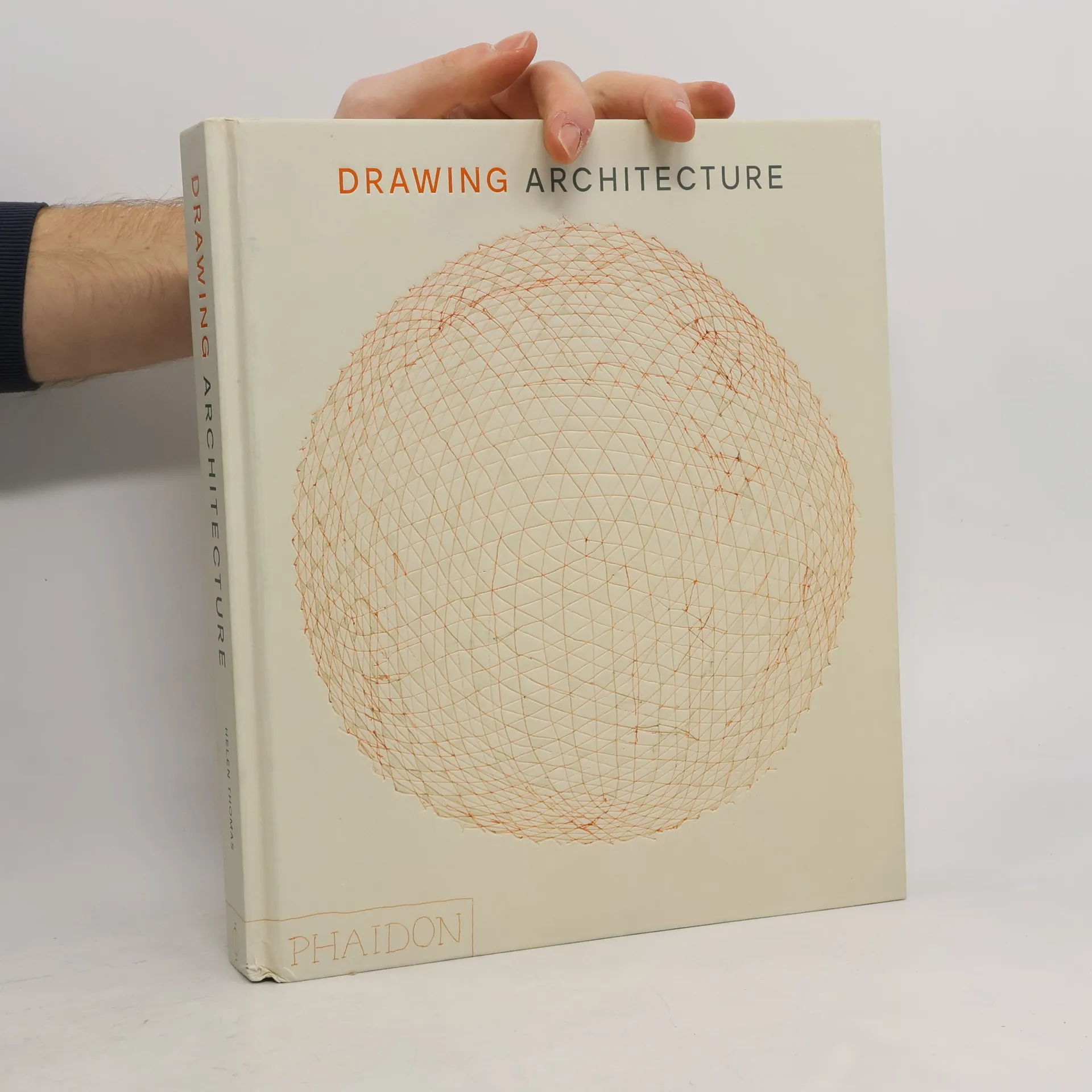
"Drawing Architecture" is a stunning collection of over 250 architectural drawings from antiquity to today, showcasing the creative processes of renowned architects. The illustrations, ranging from sketches to intricate renderings, highlight the beauty and variety of architectural art, making it a must-have for art and architecture enthusiasts.
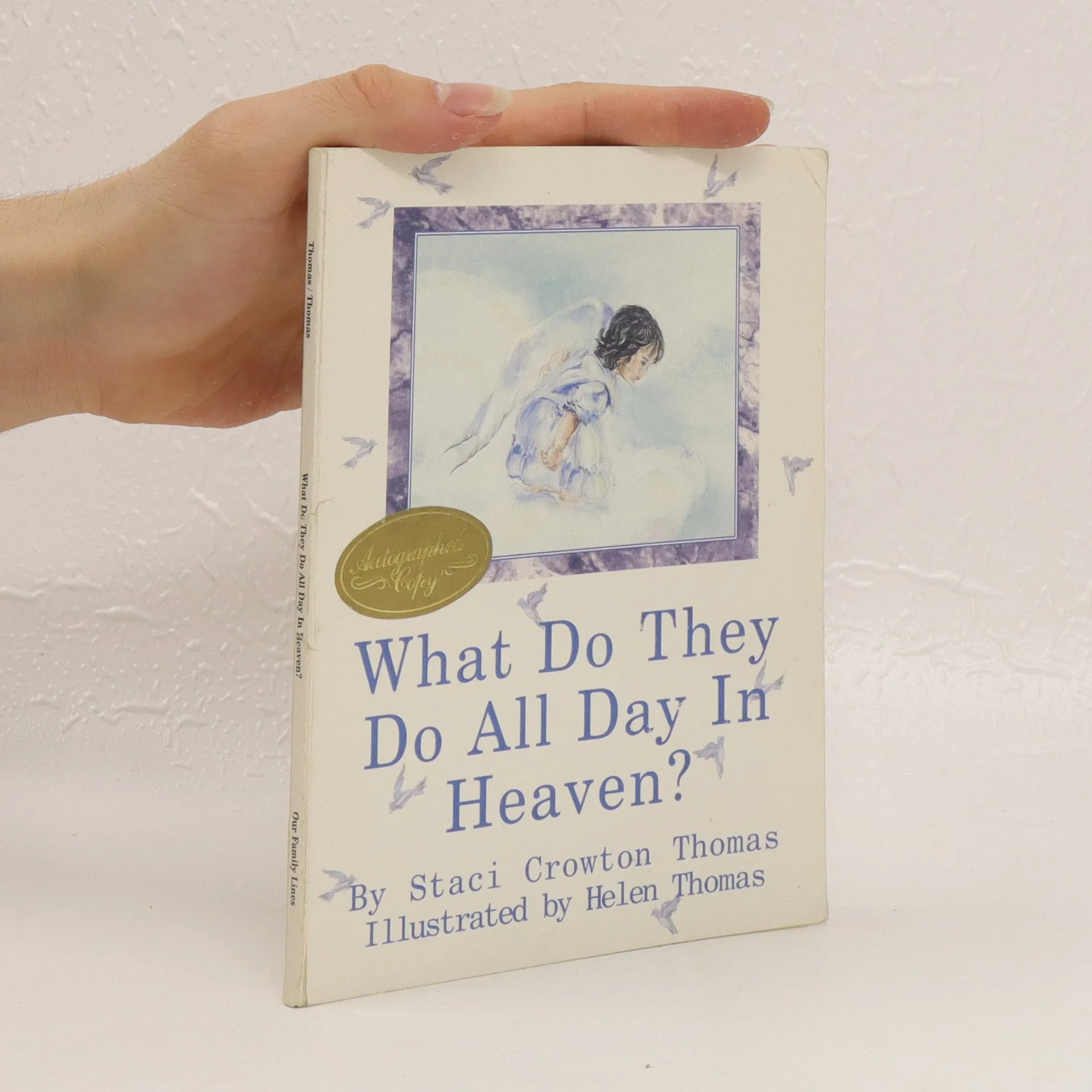
A little girl wonders what her sister does in heaven and what her life there is like.
An Alternative Modernism in French Architecture
Focusing on the innovative contributions of Fernand Pouillon, this book offers a comprehensive exploration of his architectural legacy in the context of twentieth-century design. It features an analysis of his post-war urbanism and critiques of modernism by Jacques Lucan, along with insights into material construction by Adam Caruso. Additionally, Pouillon's own reflections on the role of contemporary architects are included. Central to the work are survey drawings and photographs showcasing his significant housing projects in Paris.
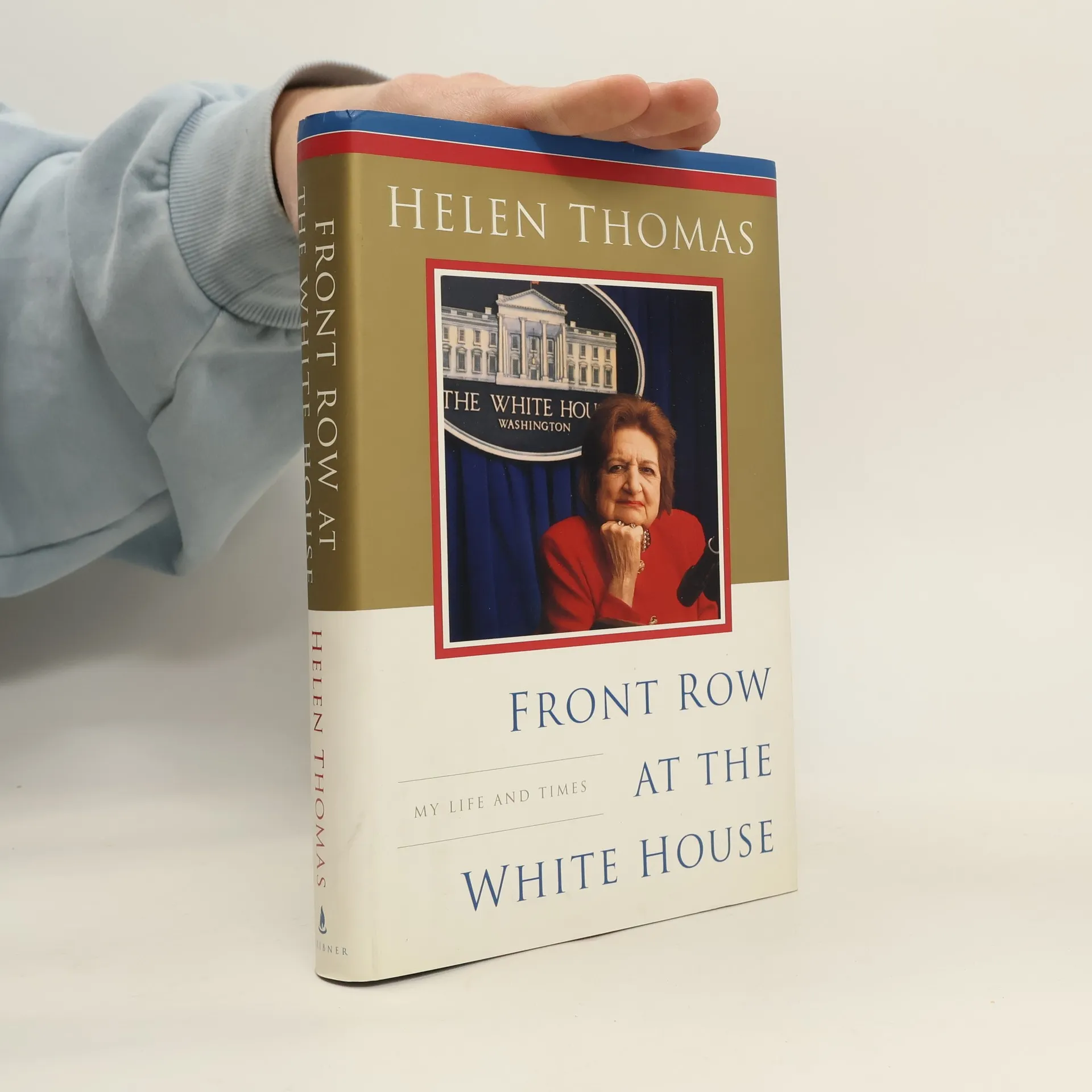
White House journalist for more than five decades chronicles her work covering all of the presidents since John F. Kennedy. Shares personal reminiscences of the U.S. leaders as well as of the first ladies. Bestseller.
Selections from the Catalogue for the Second International Exhibition of Architecture Venice 1982/83
The second Venice Architecture Biennale, directed by Paolo Portoghesi, raised questions about a postmodernity throughout realms extending south and east from the Mediterranean, where modernity and decolonisation were converging. Though the exhibition on architecture in Islamic countries was largely forgotten, these questions are ever more relevant. Selected texts by Portoghesi, Medhi Kowsar and Udo Kultermann from the original exhibition catalogue, which was published only in Italian, are translated for the first time for an English-speaking readership and accompanied by commentary.00Following an introduction by the editor, Esra Akcan reflects on the historical and socio-political contexts of the exhibition. In addition, Asli Çiçek and Véronique Patteeuw consider the catalogue itself from an architectural history perspective. Together, this historical and contemporary material suggests starting points for investigating this broadly overlooked biennale.0