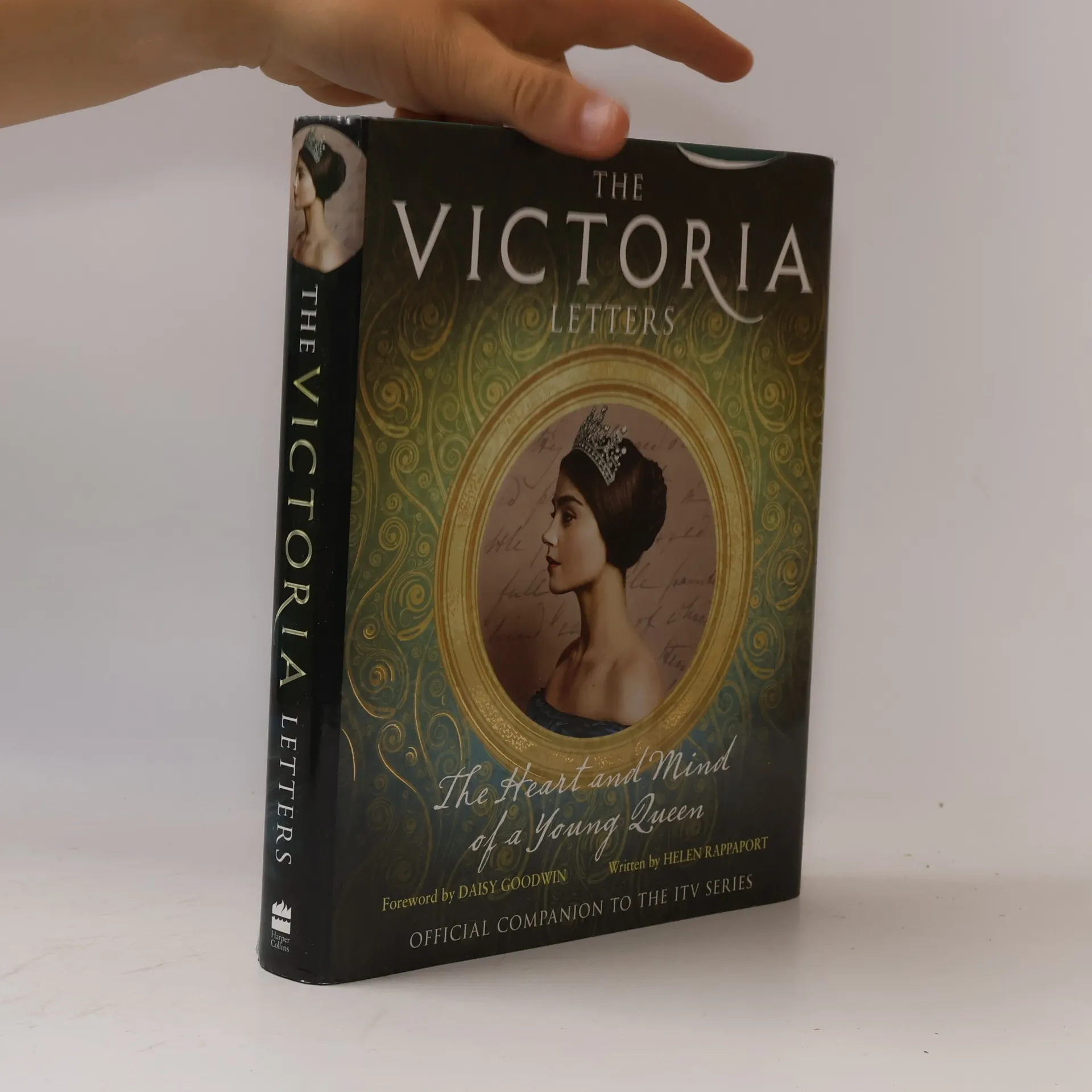
The official companion to ITV's new drama explores the private writings of young Queen Victoria, offering a vivid portrayal of her personal life. Following the early years of her reign, the series is based closely on Victoria's own letters and journals. This extensive collection reveals who Victoria truly was, beyond her public persona. Ascending the throne at just 18, she transformed from a rebellious teenager into one of history's most powerful women. Her writings document her personal journey, showcasing how she overcame scandal and corruption. Authored by Helen Rappaport, an internationally bestselling author and historical consultant for the series, and featuring a foreword by acclaimed novelist Daisy Goodwin, this companion details the history behind the show. It uncovers Victoria's thoughts on love interests, family dramas, and court scandals, while also exploring the dynamics of the royal household and life in Victorian England. With beautiful photography from the series and authentic imagery from the era, readers are invited to step behind palace doors and discover the girl behind the Queen.
Helen Rappaport Bücher
Helen Rappaport ist eine engagierte Erforscherin verborgener Geschichten, die sich auf die russische und viktorianische Ära spezialisiert hat. Ihre Arbeit wird von der Leidenschaft angetrieben, vergessene Erzählungen aufzudecken und bekannten Themen neues Licht zu verleihen. Mit ihrem Hintergrund als Übersetzerin russischer Dramen und als historische Beraterin für Bühne und Film bringt sie ein tiefes Verständnis für kulturelle und historische Nuancen mit. Ihr Schreiben zeichnet sich durch die Fähigkeit aus, fesselnde Geschichten an der Schnittstelle von Geschichte, persönlichen Dramen und gesellschaftlichen Veränderungen zu finden.


RACE TO SAVE THE ROMANOVS THE
- 400 Seiten
- 14 Lesestunden
The murder of the Romanov family in July 1918 horrified the world and its aftershocks still reverberate today. In Putin's autocratic Russia, the Revolution itself is considered a crime and its anniversary was largely ignored. In stark contrast, the centenary of the massacre of the Imperial Family will be commemorated in 2018 by a huge ceremony to be attended by the Patriarch of the Russian Orthodox Church. While the murder itself has received major attention, what has never been investigated in detail are the various plots behind the scenes to save the family - on the part of their royal relatives, other governments, and Russian monarchists loyal to the Tsar. Rappaport refutes the claim that the fault lies entirely with King George V, as has been the traditional claim for the last century. The responsibility for failing the Romanovs must be equally shared. The question of asylum for the Tsar and his family was an extremely complicated issue that presented enormous political, logistical and geographical challenges at a time when Europe was still at war. Like a modern day detective, Helen Rappaport draws on new and never-before-seen sources from archives in the US, Russia, Spain and the UK, creating a powerful account of near misses and close calls with a heartbreaking conclusion. With its up-to-the-minute research, The Race to Save the Romanovs is sure to replace outdated classics as the final word on the fate of the Romanovs.
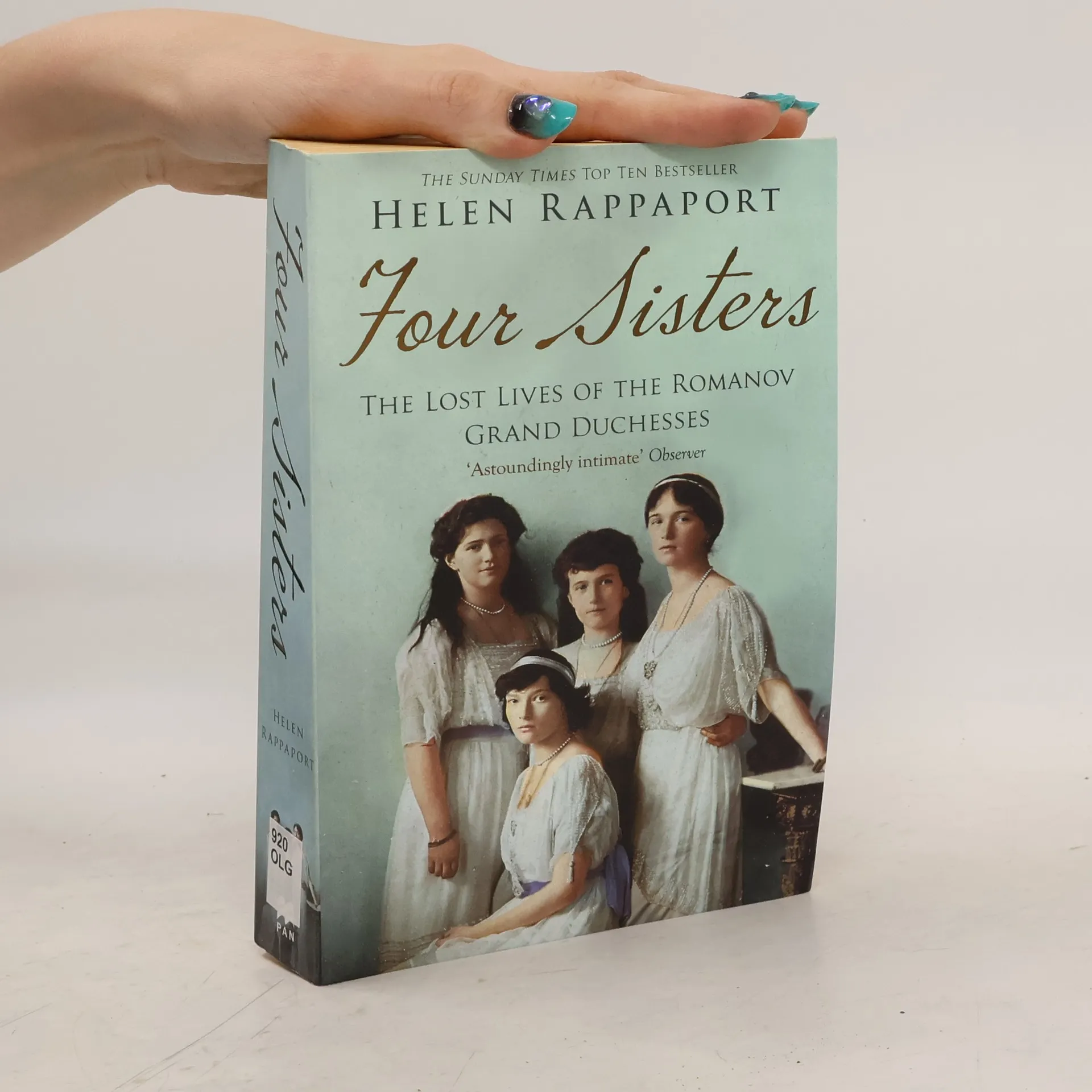
On 17 July 1918, four young women walked down twenty-three steps into the cellar of a house in Ekaterinburg. The eldest was twenty-two, the youngest only seventeen. Together with their parents and their thirteen-year-old brother, they were all brutally murdered. Their crime: to be the daughters of the last Tsar and Tsaritsa of 'All the Russias'. In this book, however, biographer Helen Rappaport puts them centre stage and offers readers the most authoritative account yet of the Grand Duchesses Olga, Tatiana, Maria, and Anastasia.
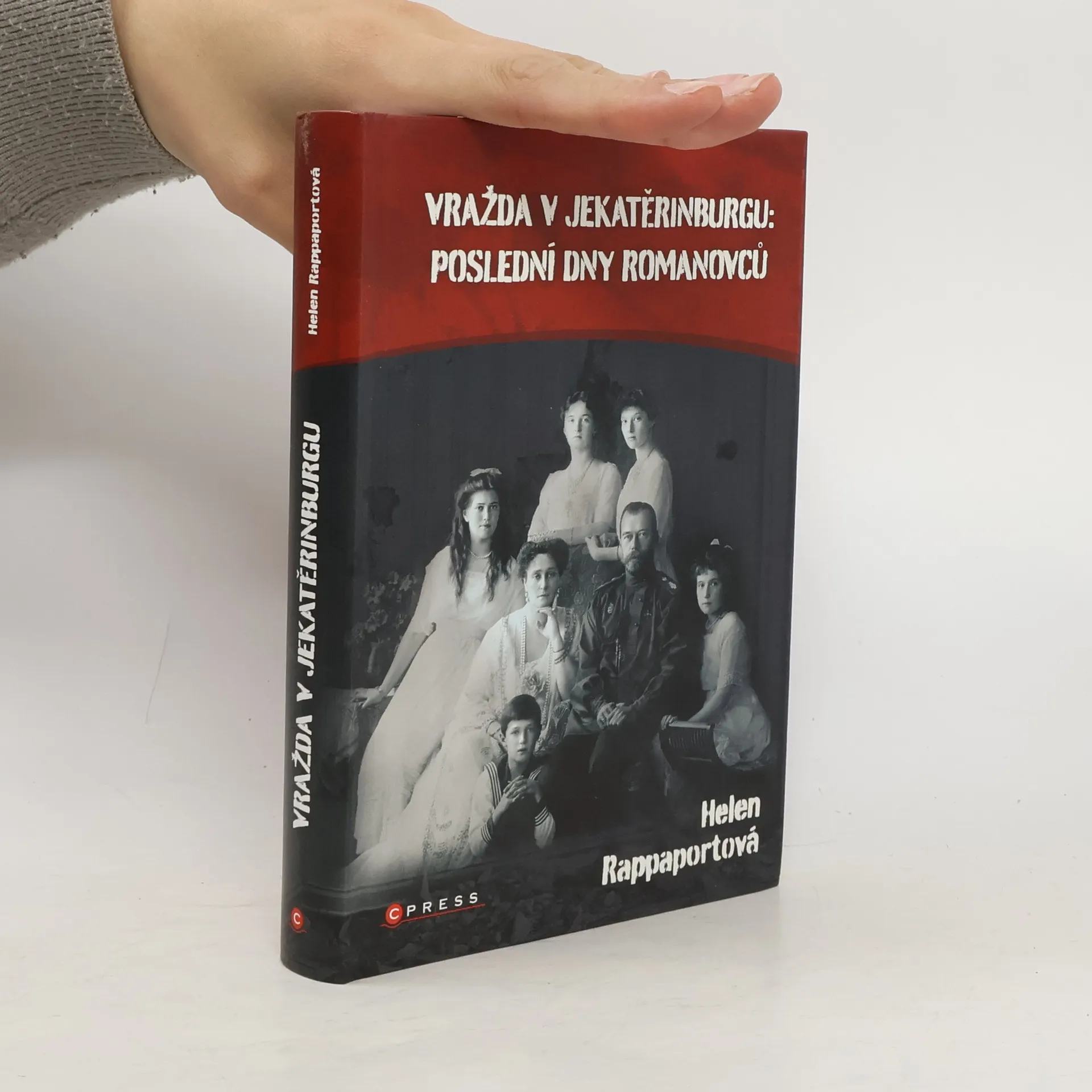
The Last Days of the Romanovs
- 288 Seiten
- 11 Lesestunden
Rappaport, an expert in the field of Russian history, brings you the riveting day-by-day account of the last fourteen days of the Russian Imperial family, in this first of two books about the Romanovs. Her second book The Romanov Sisters, offering a never-before-seen glimpse at the lives of the Tsar's beautiful daughters and a celebration of their unique stories, will be published in 2014. The brutal murder of the Russian Imperial family on the night of July 16-17, 1918 has long been a defining moment in world history. The Last Days of the Romanovs reveals in exceptional detail how the conspiracy to kill them unfolded. In the vivid style of a TV documentary, Helen Rappaport reveals both the atmosphere inside the family's claustrophobic prison and the political maneuverings of those who wished to save--or destroy--them. With the watching world and European monarchies proving incapable of saving the Romanovs, the narrative brings this tragic story to life in a compellingly new and dramatic way, culminating in a bloody night of horror in a cramped basement room.
An in-depth biography of Mary Seacole that unveils the truth about her remarkable achievements and debunks the many myths about her life
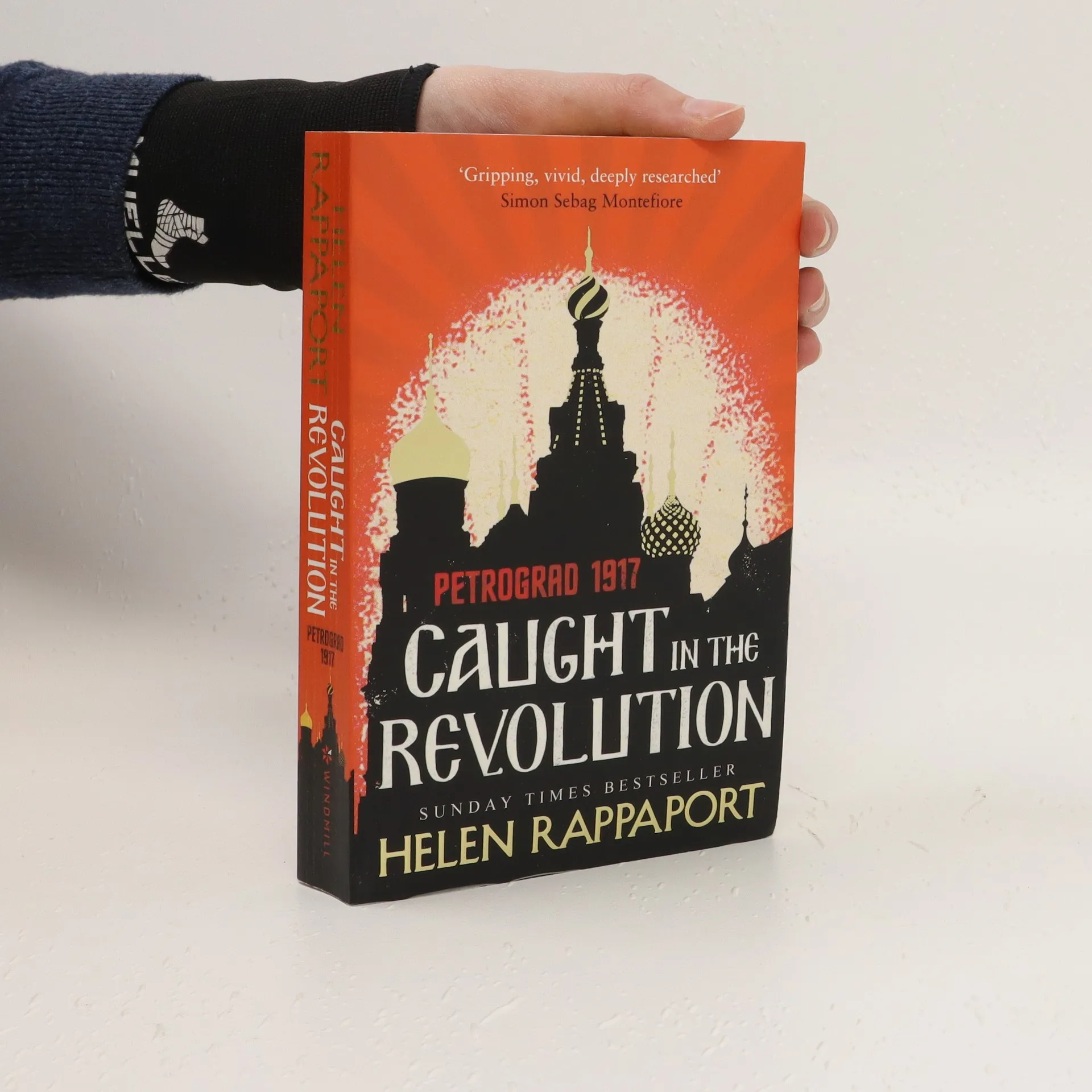
Caught in the revolution : Petrograd 1917
- 464 Seiten
- 17 Lesestunden
SELECTED AS A BOOK OF THE YEAR IN THE TELEGRAPHAND EVENING STANDARD' The centenary will prompt a raft of books on the Russian Revolution. They will be hard pushed to better this highly original, exhaustively researched and superbly constructed account.'Saul David, Daily Telegraph'A gripping, vivid, deeply researched chronicle of the Russian Revolution told through the eyes of a surprising, flamboyant cast of foreigners in Petrograd, superbly narrated by Helen Rappaport.' Simon Sebag Montefiore, author of The RomanovsBetween the first revolution in February 1917 and Lenin's Bolshevik coup in October, Petrograd (the former St Petersburg) was in turmoil. Foreign visitors who filled hotels, bars and embassies were acutely aware of the chaos breaking out on their doorsteps. Among them were journalists, diplomats, businessmen, governesses and volunteer nurses. Many kept diaries and wrote letters home- from an English nurse who had already survived the sinking of the Titanic; to the black valet of the US Ambassador, far from his native Deep South; to suffragette leader Emmeline Pankhurst, who had come to Petrograd to inspect the indomitable Women's Death Battalion led by Maria Bochkareava. Drawing upon a rich trove of material and through eye-witness accounts left by foreign nationals who saw the drama unfold, Helen Rappaport takes us right up to the action - to see, feel and hear the Revolution as it happened.
The Race to Save the Romanovs
- 400 Seiten
- 14 Lesestunden
Shortlisted for the HWA Sharpe Books Non-Fiction Crown Award A work of investigative history that will completely change the way in which we see the Romanov story. Finally, here is the truth about the secret plans to rescue Russia's last imperial family. On 17 July 1918, the whole of the Russian Imperial Family was murdered. There were no miraculous escapes. The former Tsar Nicholas, his wife Alexandra, and their children - Olga, Tatiana, Maria, Anastasia and Alexey - were all tragically gunned down in a blaze of bullets. Historian Helen Rappaport sets out to uncover why the Romanovs' European royal relatives and the Allied governments failed to save them. It was not, ever, a simple case of one British King's loss of nerve. In this race against time, many other nations and individuals were facing political and personal challenges of the highest order. In this incredible detective story, Rappaport draws on an unprecedented range of unseen sources, tracking down missing documents, destroyed papers and covert plots to liberate the family by land, sea and even sky. Through countless twists and turns, this revelatory work unpicks many false claims and conspiracies, revealing the fiercest loyalty, bitter rivalries and devastating betrayals as the Romanovs, imprisoned, awaited their fate. A remarkable new work of history from Helen Rappaport, author of Ekaterinburg- The Last Days of the Romanovs.
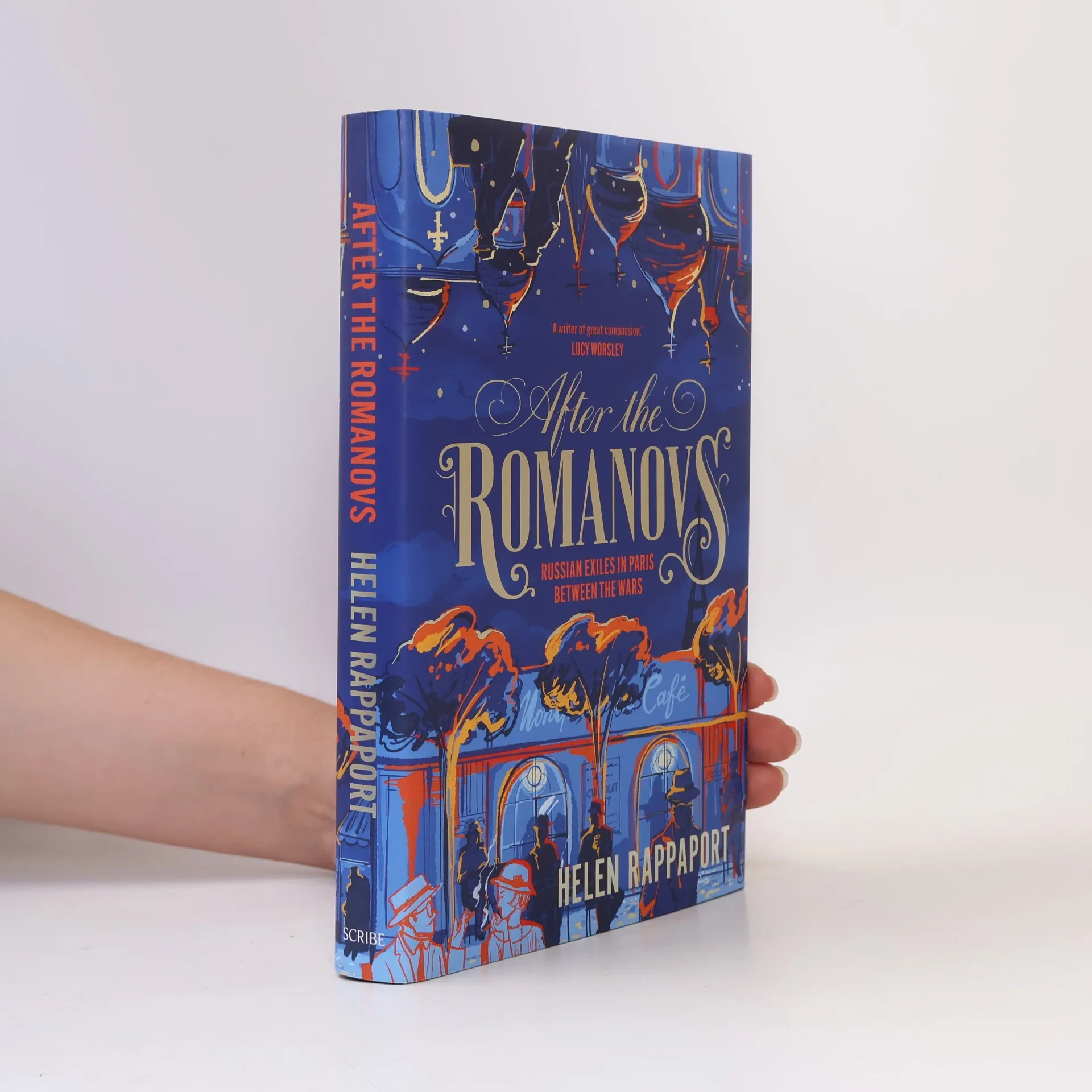
From the internationally bestselling author of Four Sisterscomes the story of the Russian aristocrats, artists, and intellectuals who sought refuge in Belle Epoque Paris. From the time of Peter the Great, Paris was the playground of the Tsarist aristocracy. But the fall of the Romanov dynasty in 1917 forced Russians of all types to flee their homeland. Leaving with only the clothes on their backs, many came to France's glittering capital. Paris was no longer an amusement, but a refuge. There, former princes could be seen driving taxicabs, while their wives found work in the fashion houses, where their unique Russian style inspired designers such as Coco Chanel. Talented intellectuals, artists, poets, philosophers, and writers eked out a living at menial jobs, whilst some found great success. Nijinsky, Diaghilev, Bunin, Chagall, and Stravinsky joined Picasso, Hemingway, James Joyce, and Gertrude Stein in the creative crucible of the Années folles. Politics as much as art absorbed the emigrés. Activists sought to overthrow the Bolshevik regime from afar, while double agents plotted espionage and assassination from both sides. Others became trapped in a cycle of poverty and their all-consuming homesickness for Russia, the homeland they had been forced to abandon. This is their story.
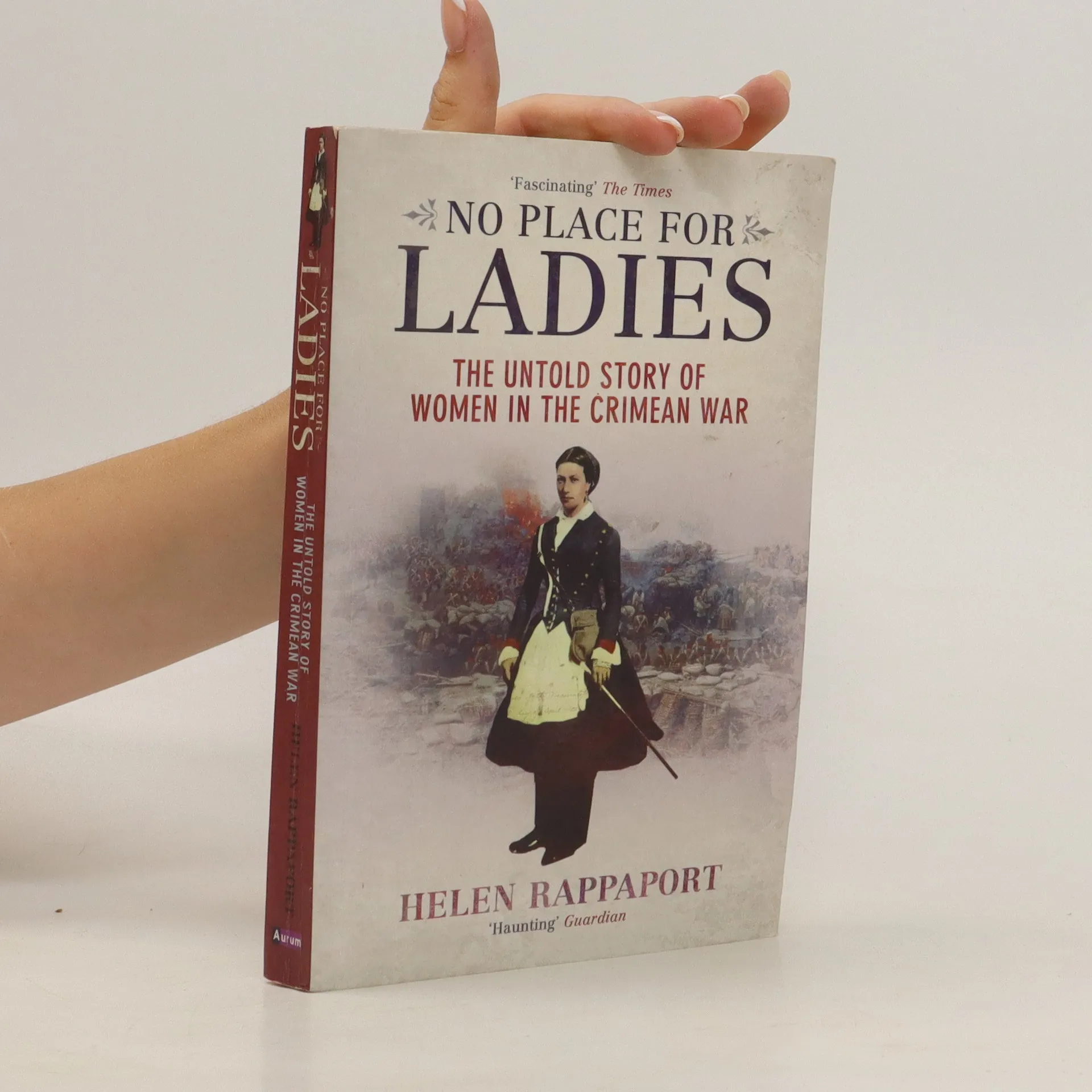
No Place for Ladies
- 288 Seiten
- 11 Lesestunden
All children learn at school the story of Florence Nightingale - the Lady with the Lamp - who heroically tended the sick during the Crimean War. But she was not the only woman in the Crimea. It is usually assumed that women did not become involved in international conflict until the First World War. But in No Place For Ladies, respected historian Helen Rappaport proves otherwise: numerous women were actively involved in the Crimean in a variety of ways.Four wives would be chosen to accompany each regiment of 100 men, enduring the vermin-ridden troop ships and then left to fend for themselves in the barren Crimean terrain, before combing the battlefields in search of their men. Yet the suffering of the soldiers' wives left behind was more terrible. At home, vast numbers of women - including Queen Victoria herself - knitted socks to cheer the soldiers stranded in freezing Sevastopol. Florence Nightingale had a band of unruly, often hard-drinking orderlies to control. Rejected by Nightingale, maverick black nurse Mary Seacole set up her own dispensary in the Crimea. And then there were the lady battlefield tourists, watching engagements from a safe distance in between picnics and yacht trips.This is a rich, colourful and fascinating picture of very different women at war, based on hundreds of rare accounts.
The Rebel Romanov
- 384 Seiten
- 14 Lesestunden
The narrative follows Julie, a rebellious princess from Saxe-Coburg and a Grand Duchess of Russia, who is also an aunt to Queen Victoria. It explores her unique position within the royal family and her struggles as a lost Romanov, delving into themes of identity, rebellion, and the complexities of royal life during a tumultuous period. The story highlights her personal journey and the historical context of her lineage.