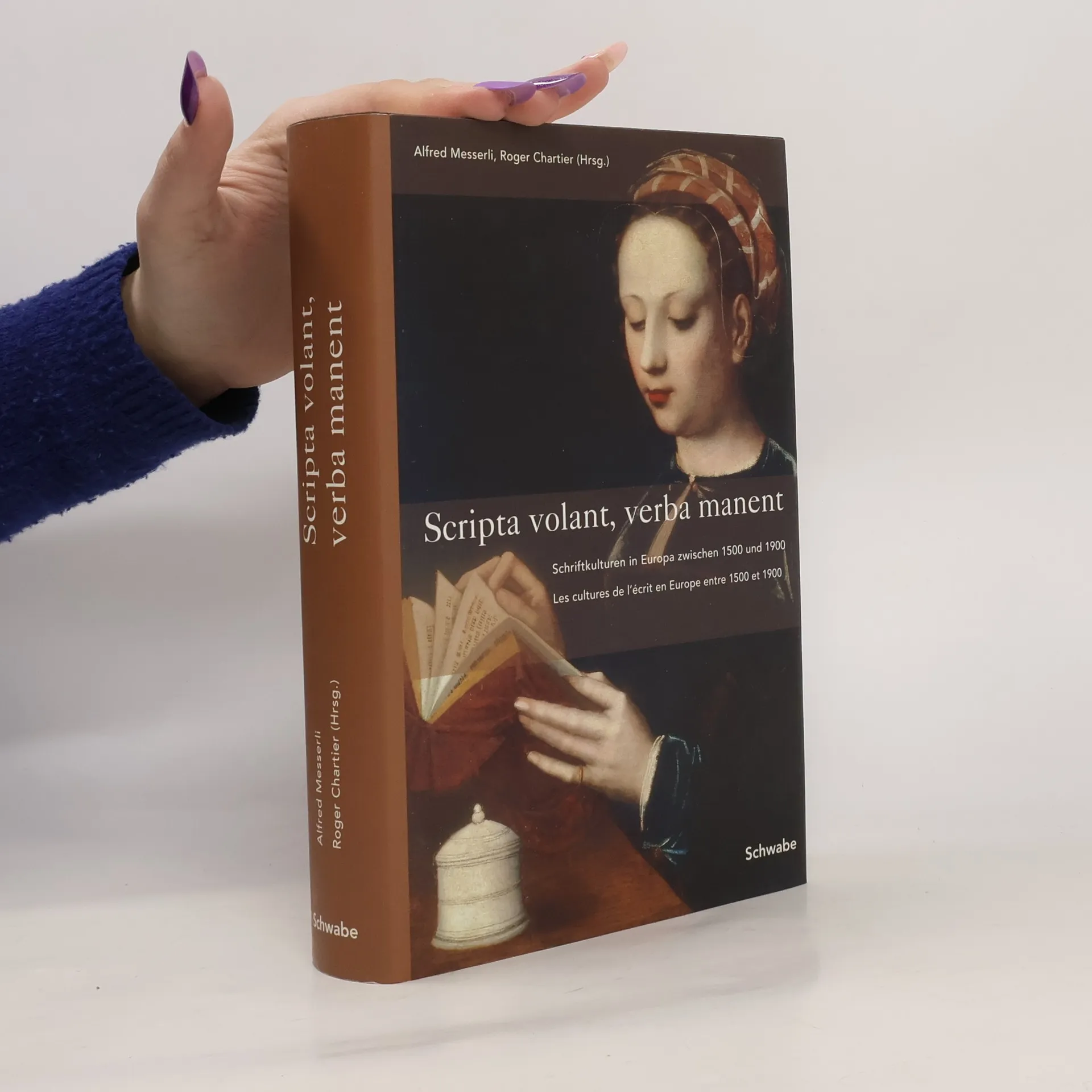
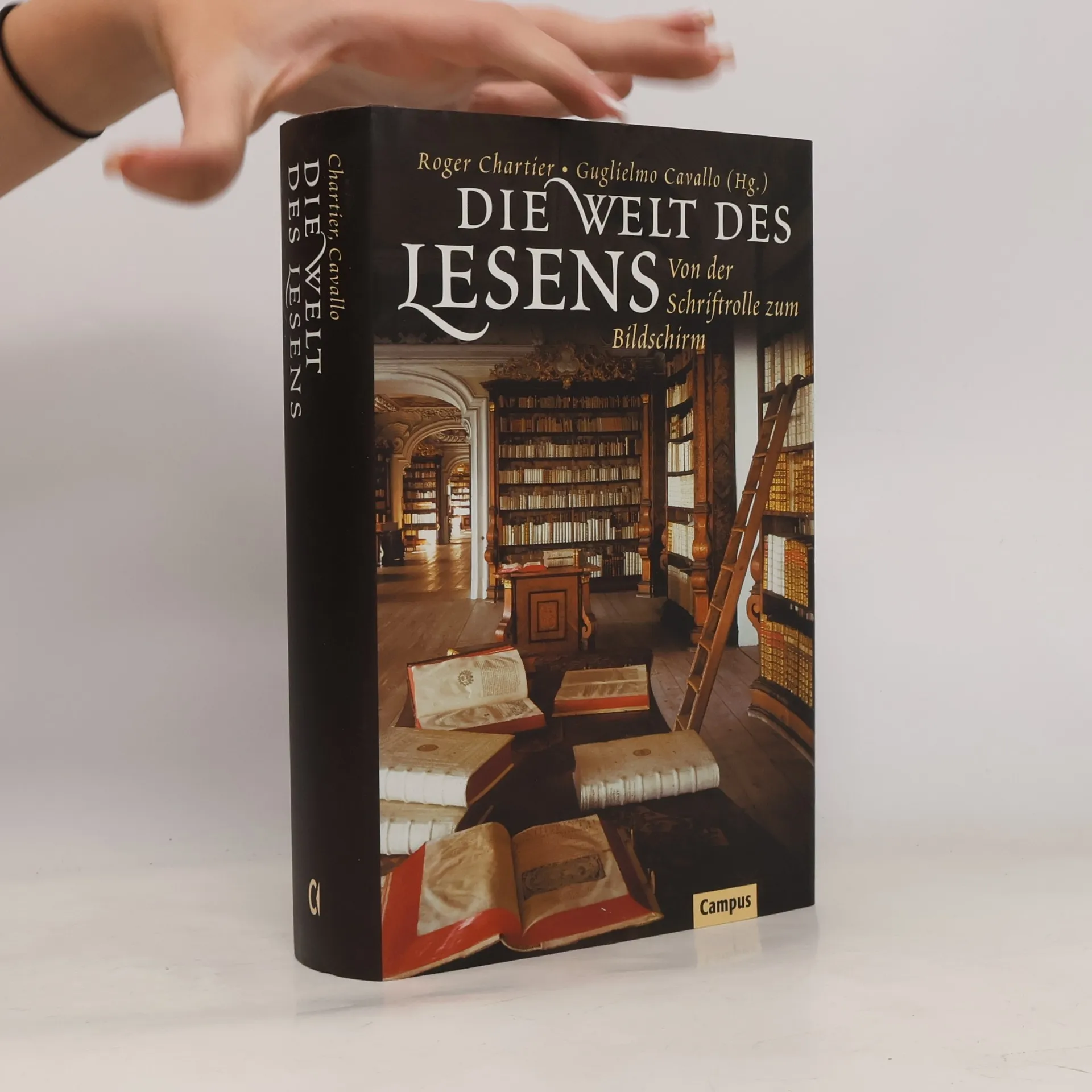
Ein spannender, informativer und lehrreicher Überblick über alle wesentlichen Aspekte des Kulturphänomens Lesen. Eine wahre Freude für jeden, der sich für Bücher, Geschichte oder beides interessiert! Ein Buch nicht nur zum Lesen, sondern auch zum Verstehen des Lesens!
In Forms and Meanings, Chartier explores what effect changes in form will have
on the way we come to know texts in the future, placing his projections within
a larger historical perspective that spans from stone tablet to Guttenberg
bible and beyond.
Exploring the role of translation in early modern literature, Roger Chartier examines how translators influence the meaning and significance of texts through their choices in language, aesthetics, and cultural context. The book highlights the diverse versions of the same work that circulate, emphasizing the transformative power of translation in shaping literary mobility and interpretation.
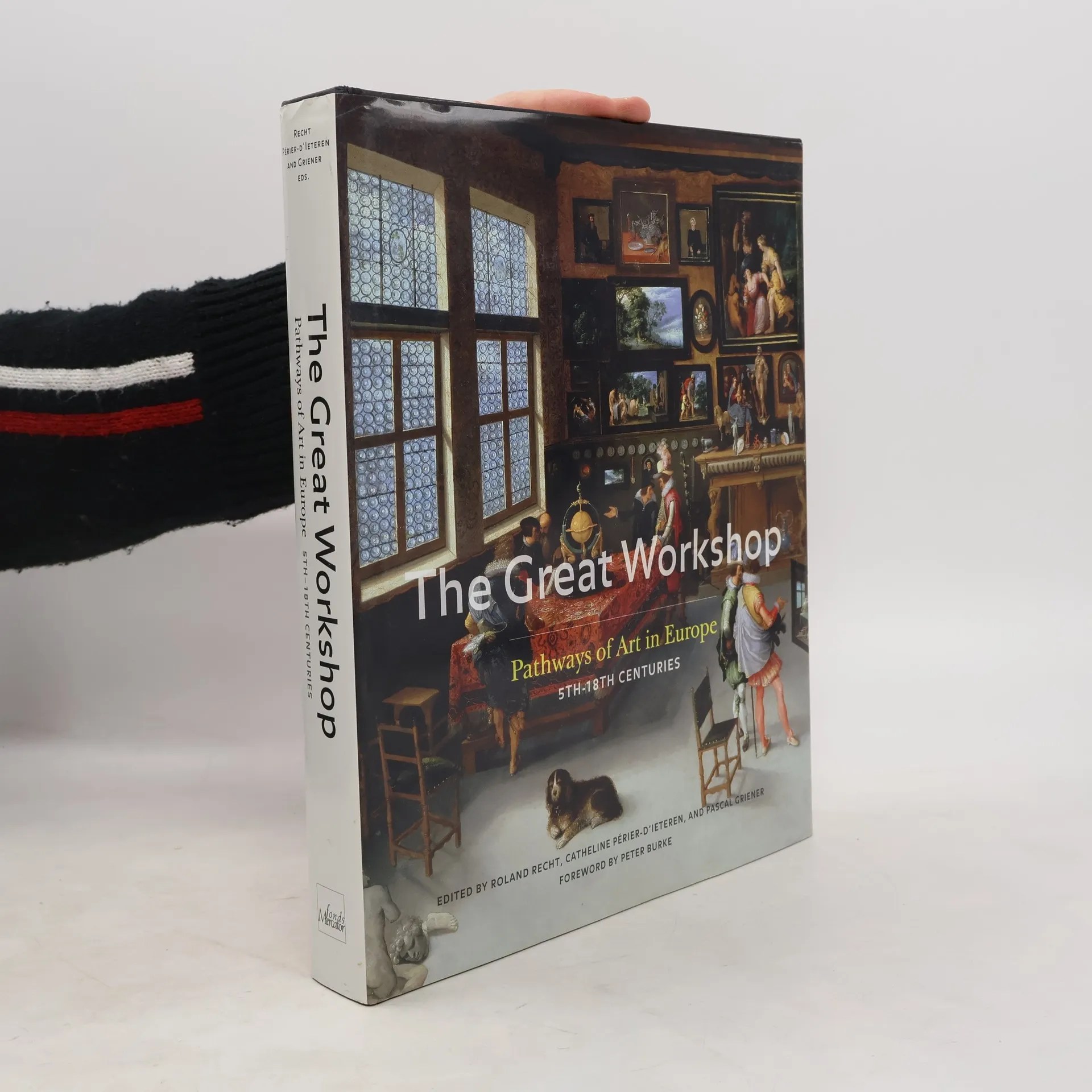
An artist's workshop serves as both a creative and educational space where ideas are transformed into tangible art forms. It functions as a classroom where skills are passed down, and apprentices strive to surpass their masters. Additionally, it acts as a salon where reputations are built, occasionally challenged by talented imitators or enthusiastic amateurs. Throughout history, Europe has been likened to a vast network of workshops, each fostering unique artistic practices and styles, facilitating collaboration among artists. Long before becoming a political entity, Europe was characterized by its vibrant exchange of goods and people. Artists, art enthusiasts, and affluent patrons undertook challenging journeys across roads and rivers to pursue beauty. This context is explored in the book, which delves into themes surrounding the circulation of art and the artistic community across a wide geographic area, including Dublin, Palermo, Cordoba, Stockholm, Rouen, and Sofia. Short essays highlight the movements of those involved in the art business, enhancing our understanding of the migration of artistic themes and motifs. Featuring 250 full-color examples from over one hundred European collections, the work showcases the intricate web of artistic exchange and production, accompanied by insightful essays from notable art historians that span from the fall of the Roman Empire to the emergence of Europe’s first major museums.
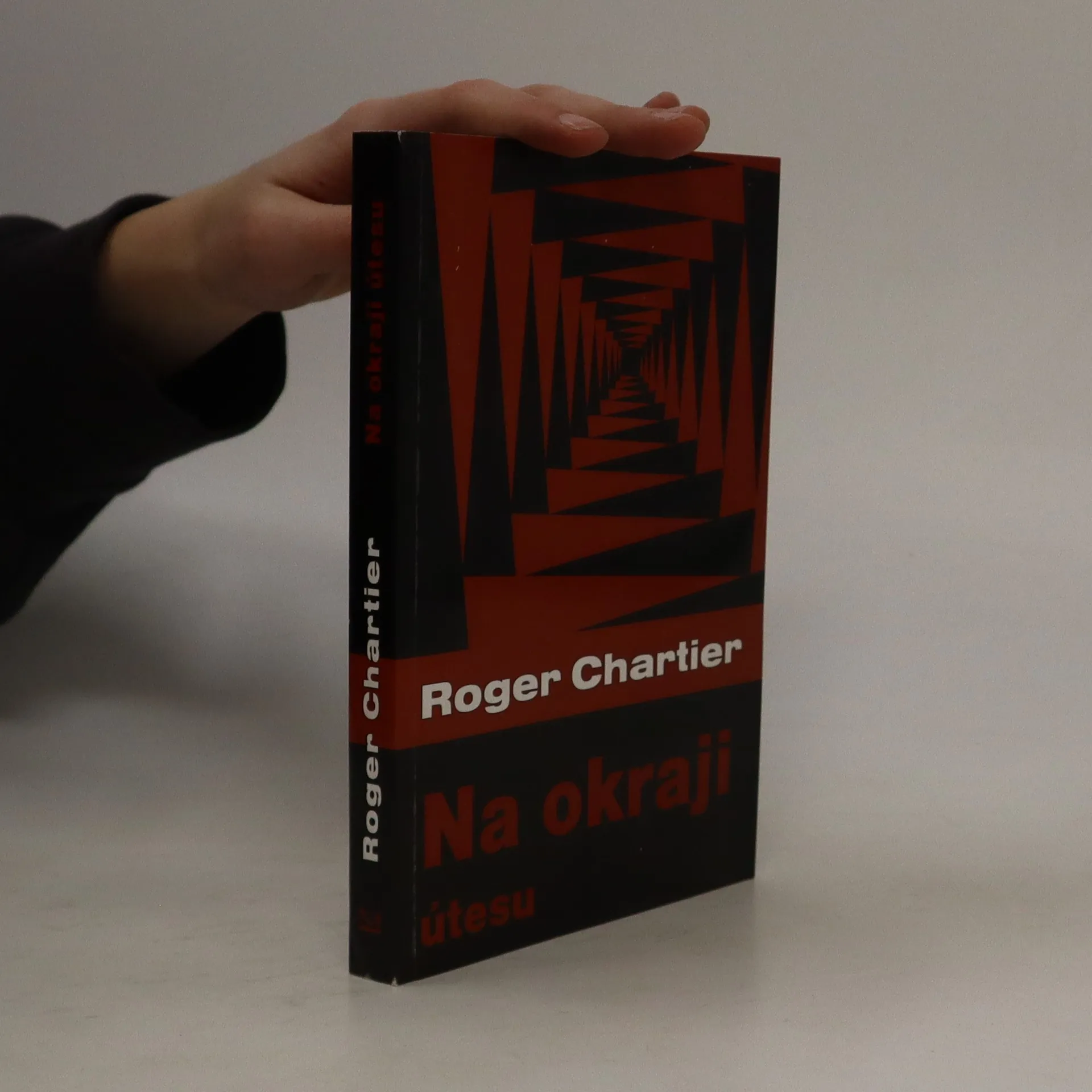
Kniha Na okraji útesu představuje soubor dvanácti esejů, ve kterých autor diskutuje či polemizuje se současným pojetím historiografie, především francouzské. Svá témata rozvíjí ve třech okruzích – zkoumání některých metod či konceptů, dále kritické vyrovnávání se s autoritami, jako jsou například Michel de Certeau, Michel Foucault, Louis Marin, a konečně konfrontace historie se sousedními disciplínami, zejména s geografií, sociologií, filozofií a literární vědou.
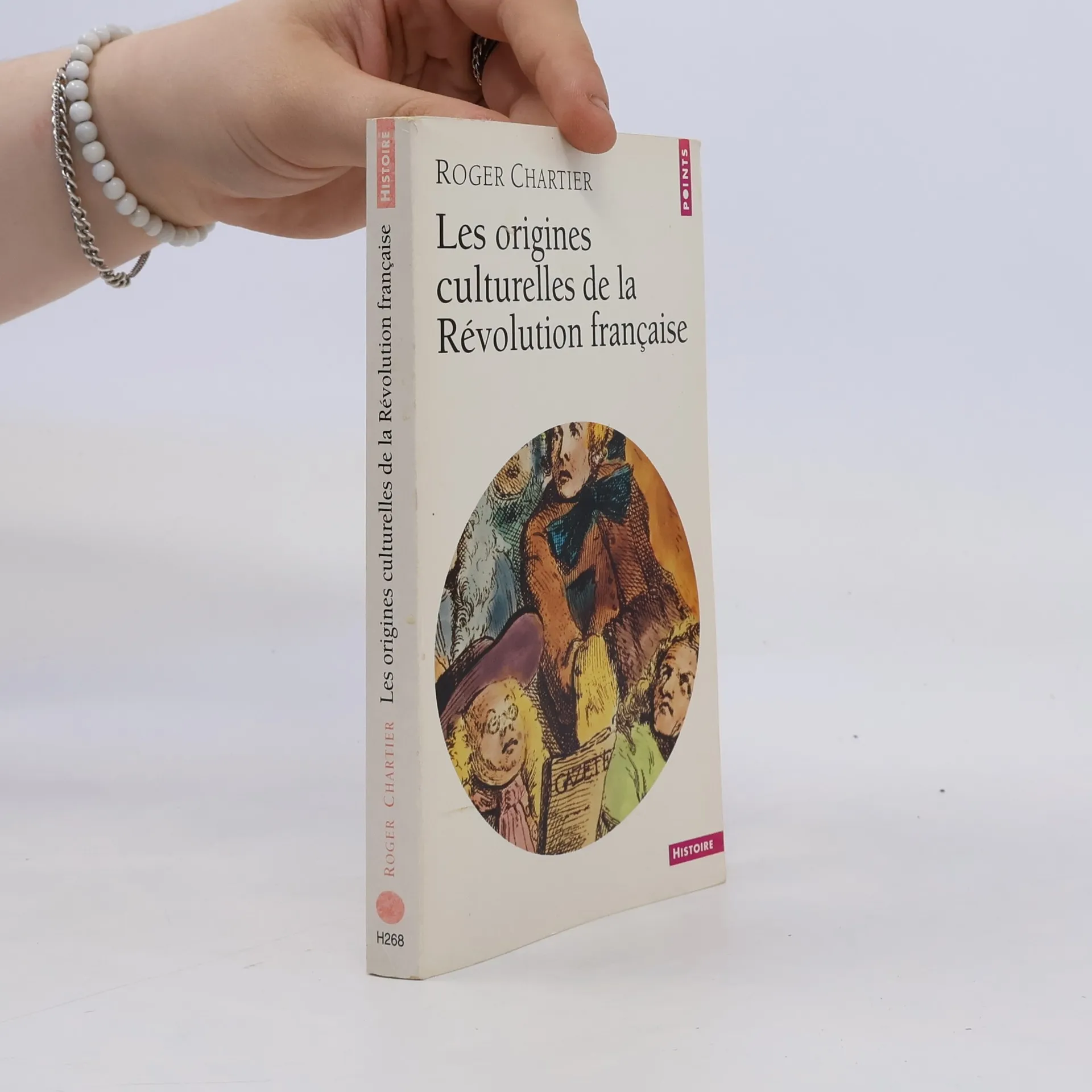
Les révolutions ont-elles des origines culturelles ? Ce livre en forme d’essai, tout en reconnaissant la dynamique propre de l’événement, s’attache à identifier les innovations et les ruptures qui l’ont rendu possible. Ce qu’il s’agit, avant tout, de comprendre, est le double paradoxe de la Révolution qui connaît le surgissement d’une violence multiple au sein d’une société pourtant largement pacifiée et qui achève un siècle soucieux des plaisirs et des devoirs de l’existence privée par un extraordinaire investissement dans la chose publique.
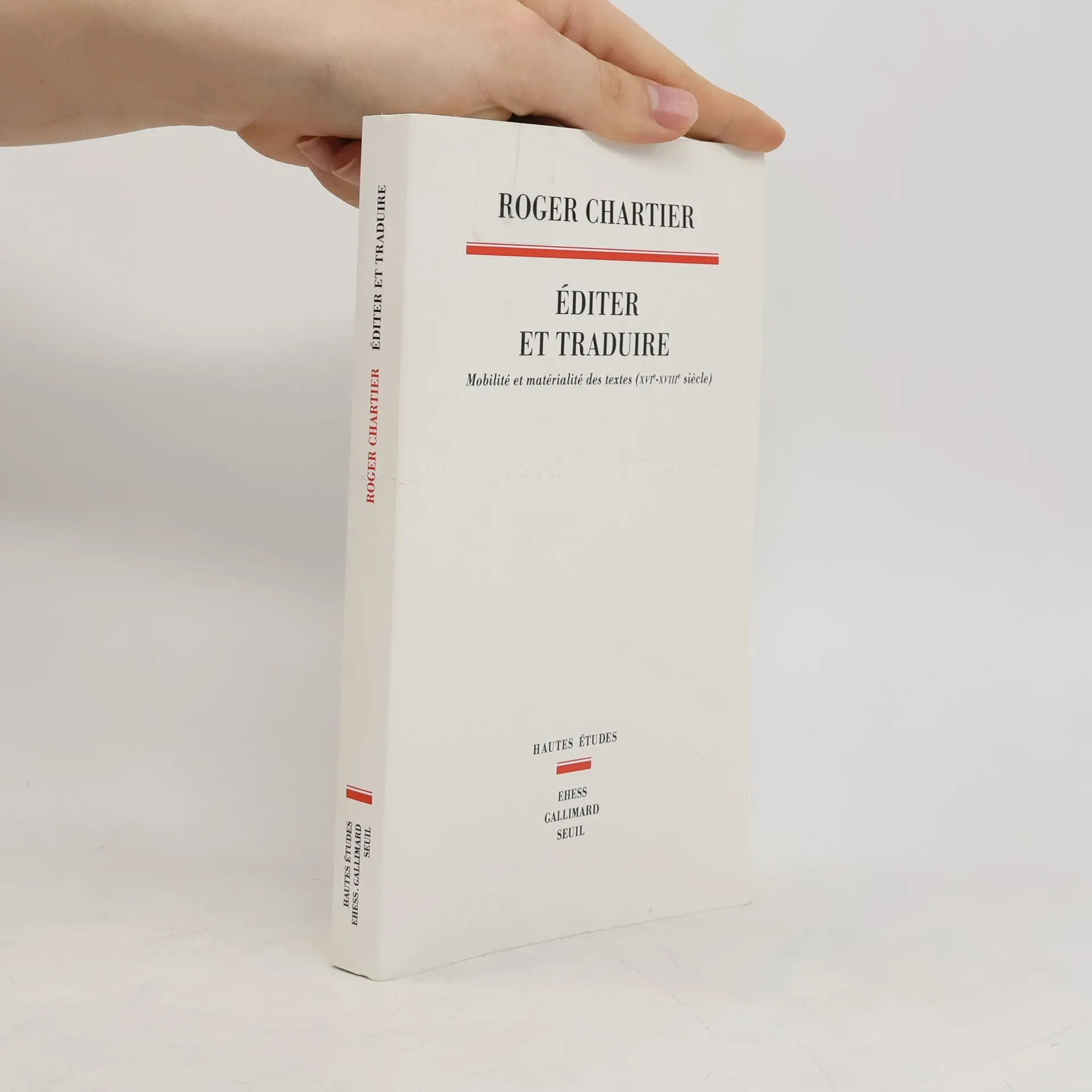
Mobilité et matérialité des textes (XVIe-XVIIIe siècles)
Notre monde devient chaque jour plus global et, pourtant, il n'est pas doté d'une langue universelle. Traduire est donc une nécessité pour que les destins partagés ne soient pas, en fait, des histoires cloisonnées. De là, l'importance des études portant sur la traduction et sur son envers, l'intraduisible. Elles permettent de dissiper les illusions anachroniques qui oublient la très grande inégalité entre les langues qui sont traduites et celles qui traduisent. Shakespeare connaissait Don Quichotte, mais Cervantes ne savait rien du dramaturge anglais. L'histoire des traductions doit s'écrire dans la tension entre l'hospitalité langagière, qui accueille l'autre, et la violence, qui le prive de ses propres mots. Ce livre voué à la première modernité, entre XVIe et XVIIIe siècle, s'attache d'abord aux mots eux-mêmes : ainsi, ± sprezzatura ? chez Castiglione ou ± To be, or not to be ? chez Shakespeare. Mais il montre aussi que la traduction ne se limite pas à faire passer un texte d'une langue à une autre. La modification des formes de publication transforme des œuvres dont la langue reste inchangée. C'est en ce sens que l'édition peut être considérée comme une modalité de traduction et que se trouvent ici associées la matérialité des textes et la mobilité des œuvres
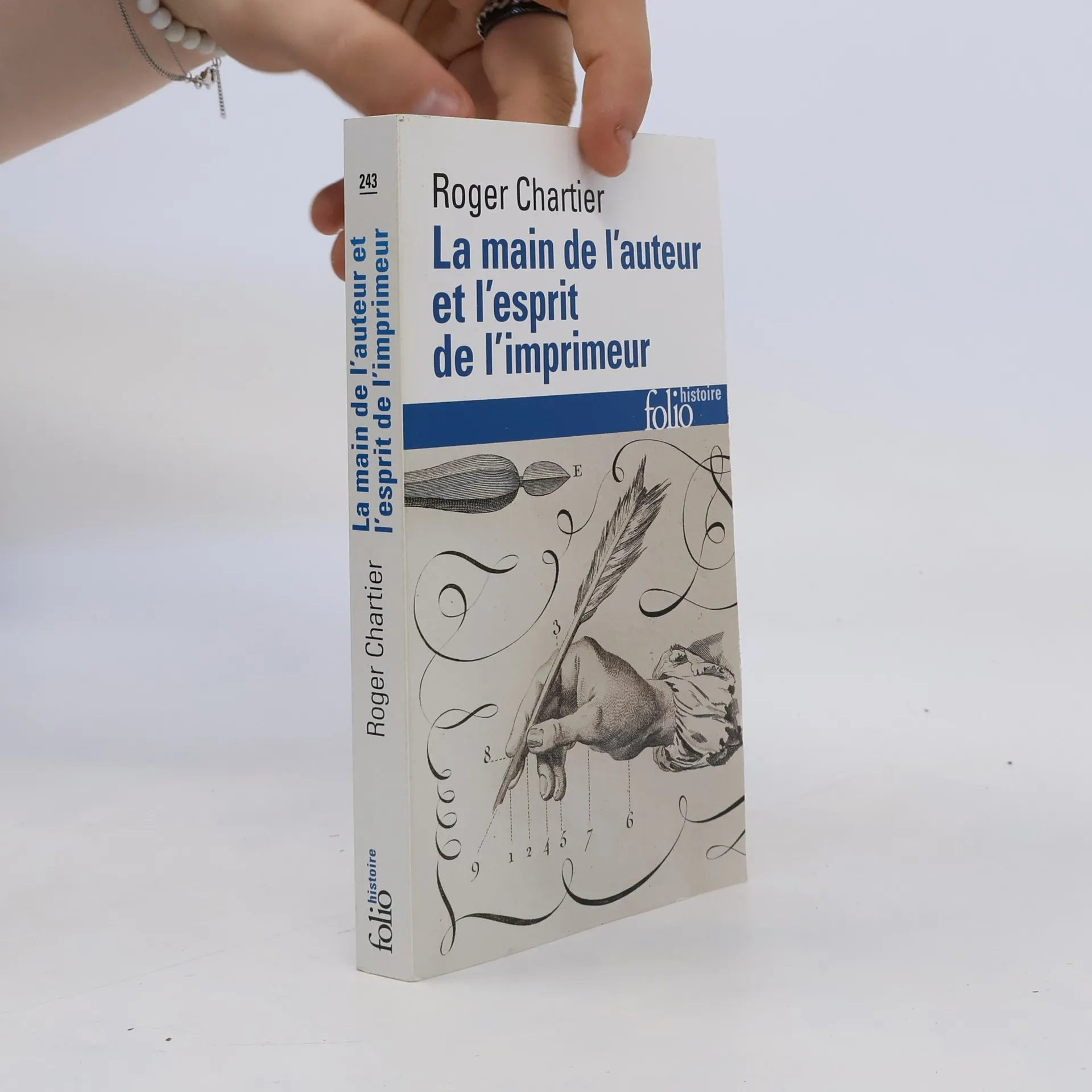
L'histoire et la littérature partagent un lien profond avec la résurrection des morts, que ce soit à travers l'épopée, la narration minutieuse du roman historique, ou la réincarnation des personnages sur scène. Certaines œuvres de fiction offrent une présence du passé souvent plus marquante que celle des historiens. Cependant, Roger Chartier souligne que l'historien doit garder à l'esprit l'historicité de ces œuvres et leur circulation. Au XVIIIe siècle, la littérature se fonde sur l'individualisation de l'écriture et la sacralisation de l'écrivain, contrairement aux époques précédentes où l'écriture collaborative, le réemploi d'histoires et les formules répétées étaient courants. C'est dans ce contexte que Shakespeare a écrit ses pièces et Cervantès a créé Don Quichotte, à une époque où la reconnaissance des écrivains était limitée. Leurs manuscrits n'étaient pas conservés, leurs œuvres n'étaient pas considérées comme leur propriété, et la matérialité de leurs livres, incluant ponctuation et divisions, était souvent le résultat du travail de correcteurs et d'imprimeurs. Ainsi, l'historien, en tant que lecteur des textes littéraires, doit distinguer entre l'influence de l'auteur et celle de l'imprimeur.
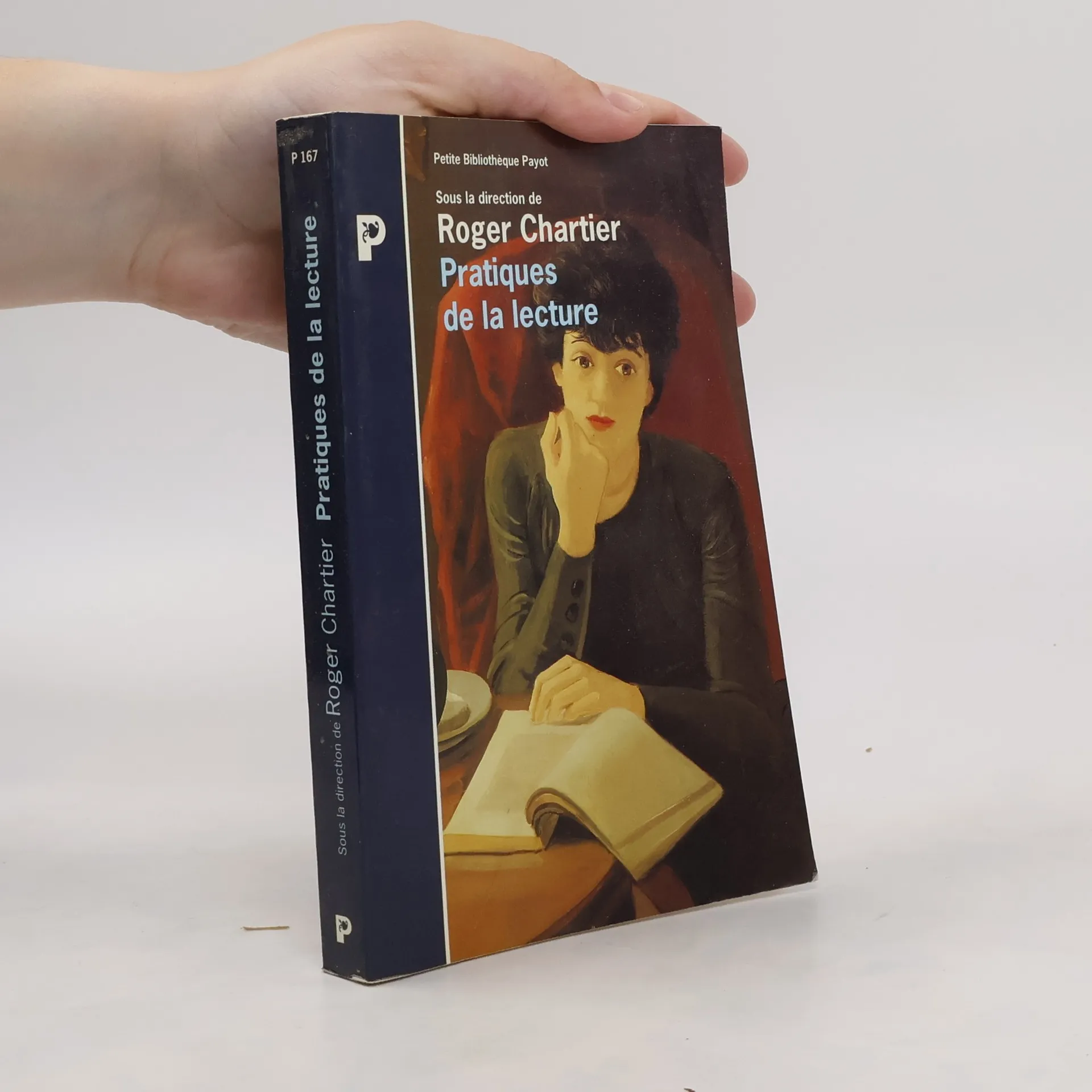
Roger Chartier nous introduit une sélection de textes cruciaux sur le thème de la lecture et du livre, leurs pratiques et leur histoire. Les auteurs ici réunis parcourent les principaux aspects de ce sujet complexe, de la lecture érudite et religieuse des élites à la lecture populaire et familiale, exercée précocement et par peu de personnes à une époque où lire représentait un statut et une ascension sociale.