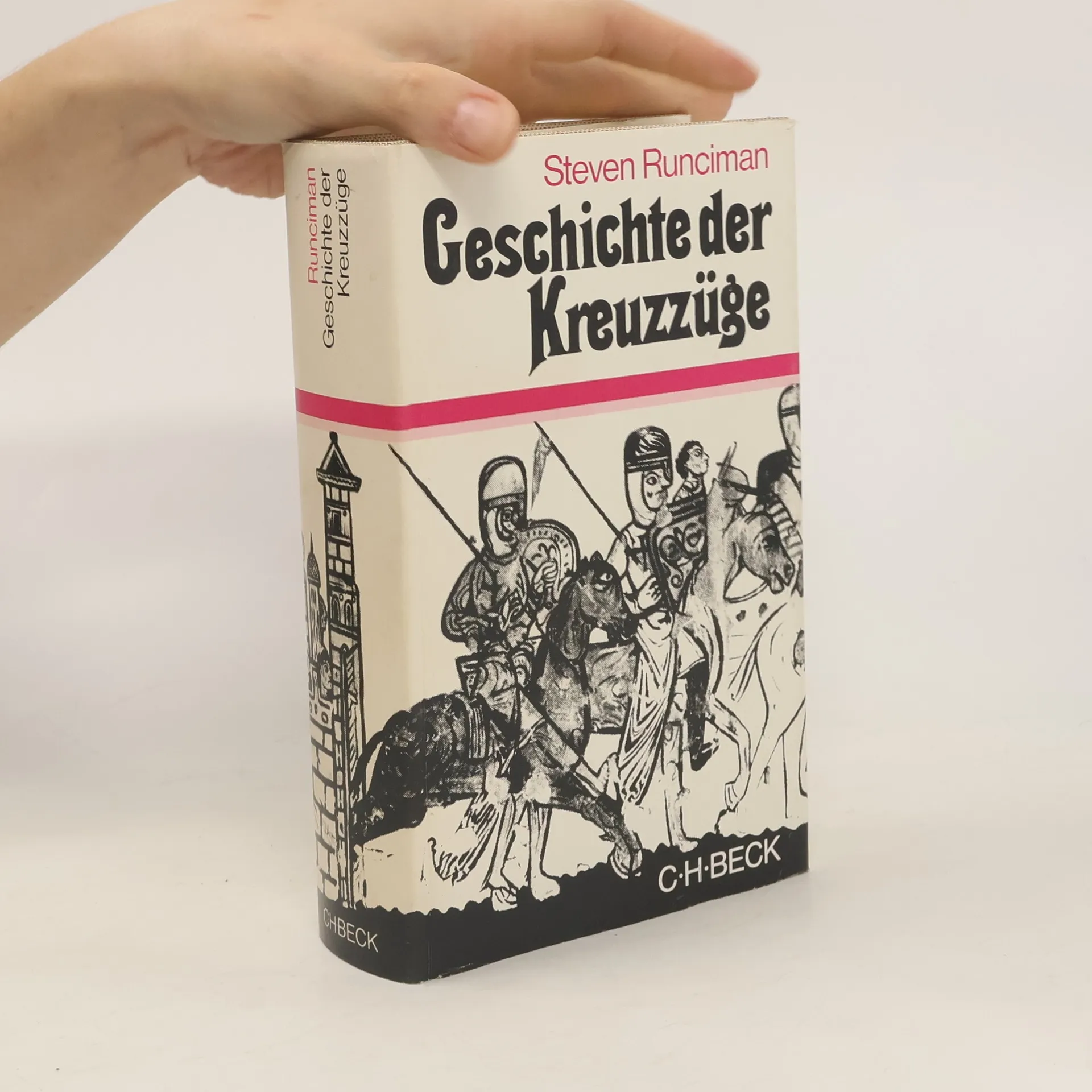
Steven Runcimans höchst erfolgreiches Buch ist eines der Meisterwerke der neueren Geschichtsschreibung und gilt als Standardwerk. "...Es gibt kaum ein anderes, ebenso grundgelehrtes wie anschaulich geschriebenes Buch, das auch einer breiteren Leserschicht eine lebendige Vorstellung dieser fernen Epoche vermitteln könnte. Ein aufregendes Kapitel Weltgeschichte, das immer wieder aktuelle Streiflichter aufleuchten läßt."(Süddeutsche Zeitung).
Steven Runciman Bücher
7. Juli 1903 – 1. November 2000
Dieser Historiker spezialisierte sich auf Byzanz und seine mittelalterlichen Nachbarn, wobei sein wegweisendes Werk, die Geschichte der Kreuzzüge, für das Verständnis der Ära von entscheidender Bedeutung wurde. Nach Erlangung eines Stipendiums am Trinity College in Cambridge und unter der Anleitung von J.B. Bury entwickelte er ein tiefes Interesse an der byzantinischen Geschichte. Nach seinem Verzicht auf sein Stipendium unternahm er ausgedehnte Reisen und Forschungen, die ihn schließlich zu einer Professur für byzantinische Kunst und Geschichte in Istanbul führten. Während sich seine Forschung hauptsächlich auf die Region von Sizilien bis Syrien konzentriert, befasst sie sich auch auf einzigartige Weise mit anderen Themen, wie der Geschichte Borneos und der Familie Brooke in 'The White Rajahs'.

![Die Eroberung von Konstantinopel 1453 [vierzehnhundertdreiundfünfzig]](https://rezised-images.knhbt.cz/1920x1920/84260907.webp)
Die Eroberung von Konstantinopel 1453 [vierzehnhundertdreiundfünfzig]
- 266 Seiten
- 10 Lesestunden
"Die intime Vertrautheit des Verfassers mit der byzantinischen und islamischen Welt machen aus dem Buch die klassische Darstellung vom Untergang der östlichen Kaisermetropole. Man spürt aus jeder Seite die leidenschaftliche Diskussion der Vergangenheit und der modernen Forschung um die mit der Eroberung zusammenhängenden Fragen... Was das Buch über den Rang einer vorzüglichen gelehrten Darstellung noch hinaushebt, ist die Form der Mitteilung, die durch ihren Stil wie durch die Art der Gruppierung der Ereignisse und der Charakterisierung der Personen die große Meisterschaft des echten Historiographen zeigt." Geschichte in Wissenschaft und Unterricht
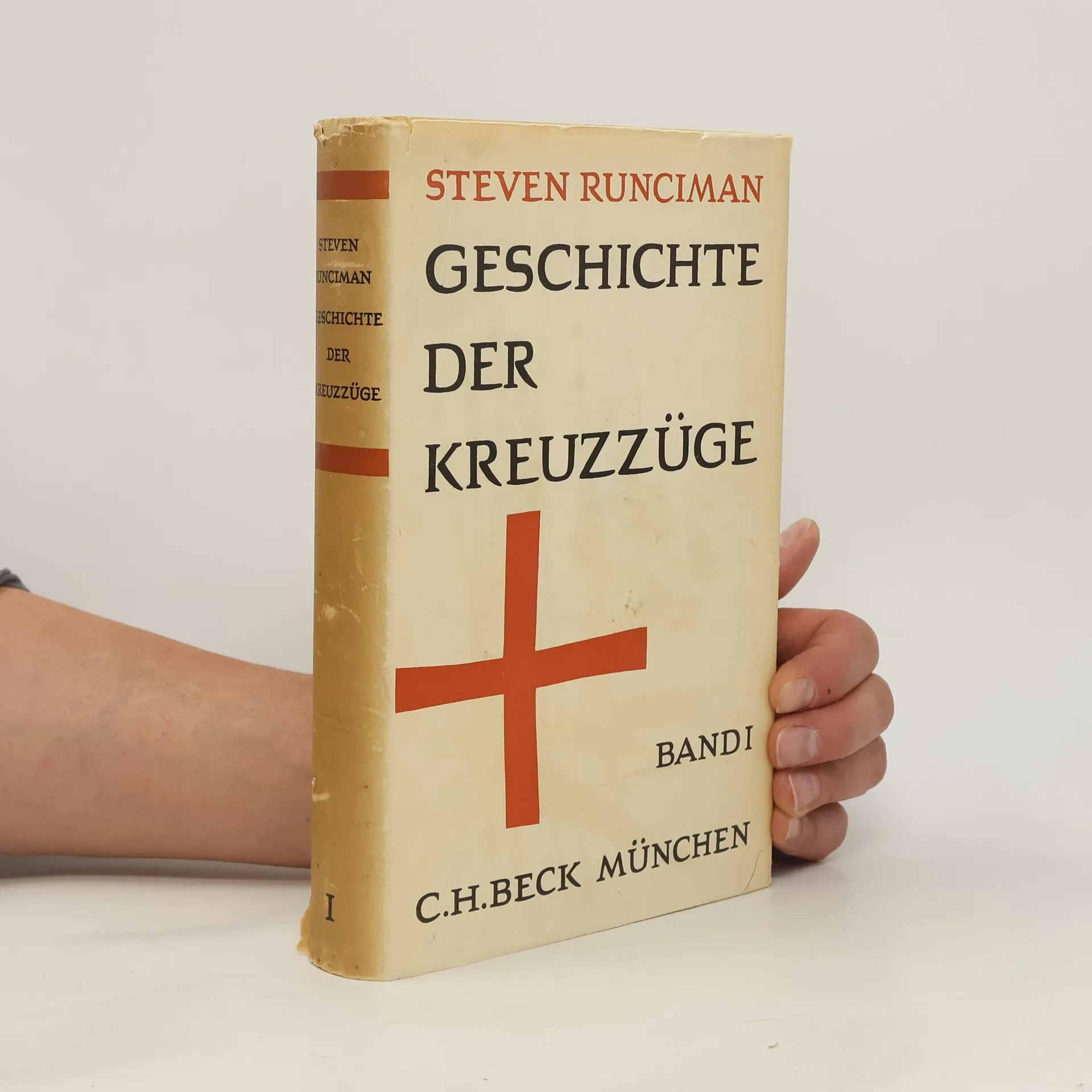
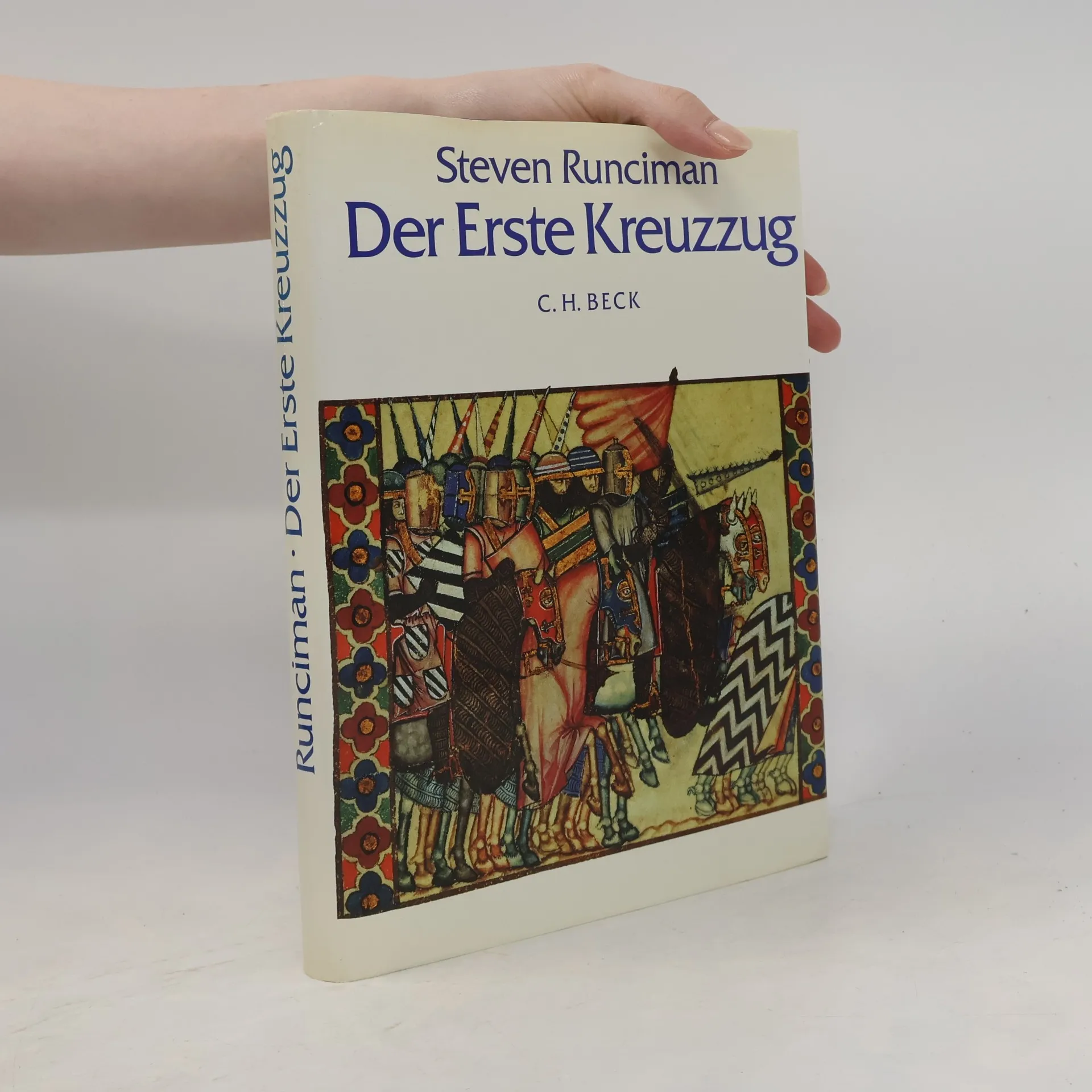
Der erste Kreuzzug
- 240 Seiten
- 9 Lesestunden
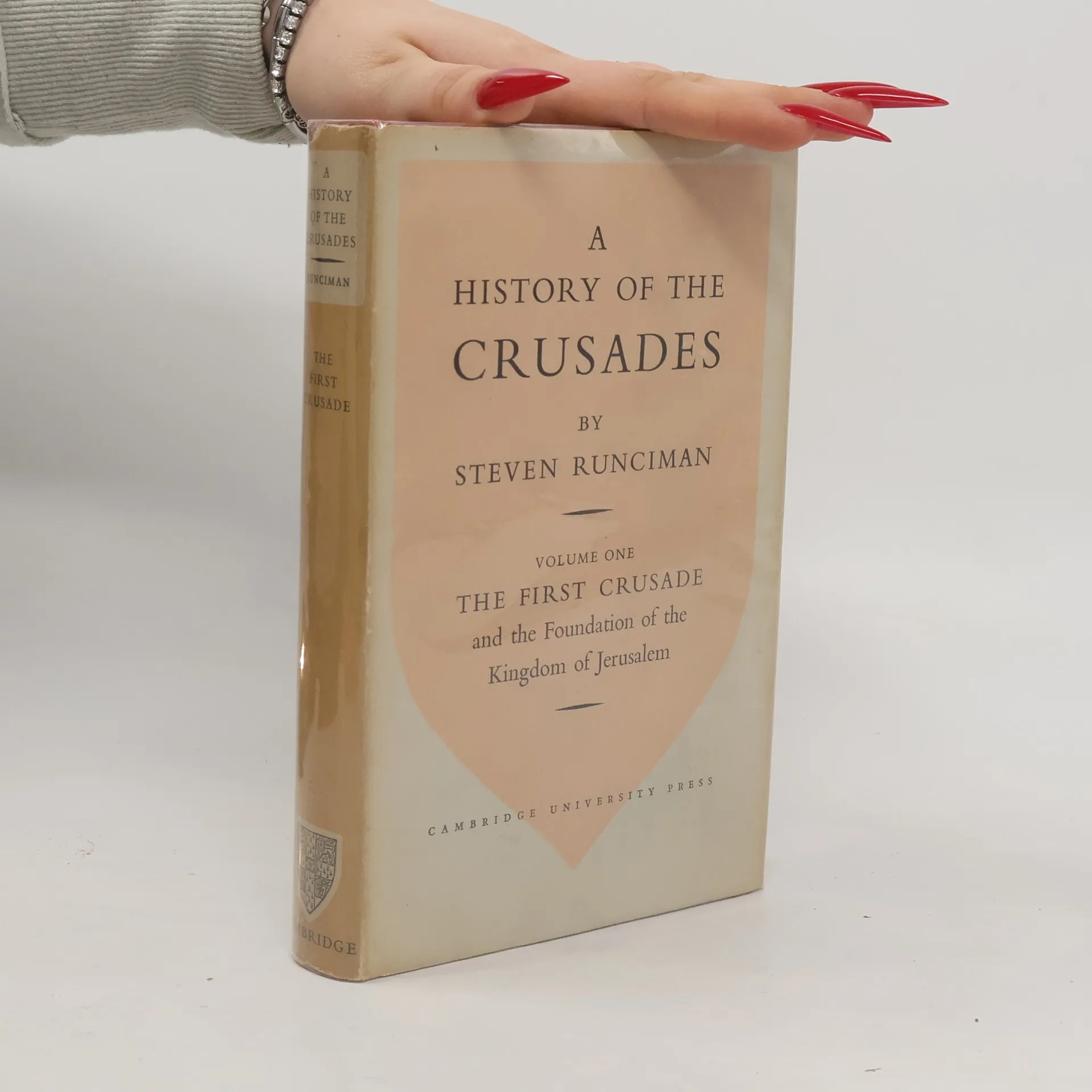
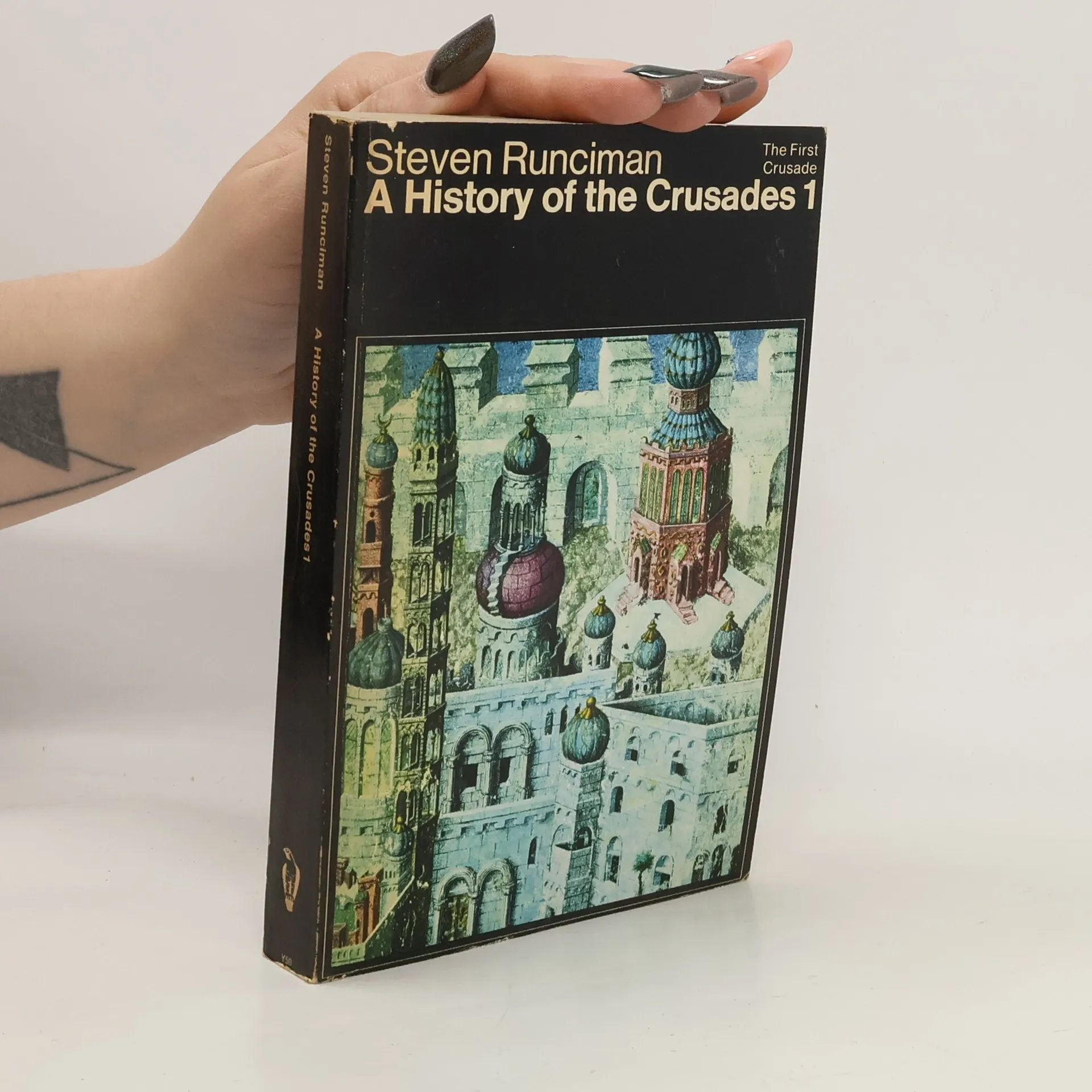
Der erste Band von Steven Runcimans klassischer, einflussreicher Trilogie über die Geschichte der Kreuzzüge erzählt die Geschichte des Ersten Kreuzzugs – von seinen unwahrscheinlichen Anfängen als Pilgerreise bis zu den Schrecken der Belagerung Jerusalems und der Eroberung neuer Gebiete am Rand des östlichen Mittelmeers. Runciman präsentiert die Ereignisse mit Schwung und Dramatik und stellt die traditionelle Sichtweise der Kreuzzüge als romantisches christliches Abenteuer in Frage, indem er den Fokus auf den Osten lenkt. Dieses fesselnde Werk der großen historischen Erzählung bietet einen tiefen Einblick in die komplexen Dynamiken und Konflikte dieser Zeit und beleuchtet die kulturellen und politischen Wechselwirkungen zwischen den verschiedenen Akteuren. Runcimans meisterhafte Darstellung hat unser Verständnis der Kreuzzüge und ihrer Auswirkungen auf die Geschichte nachhaltig geprägt.
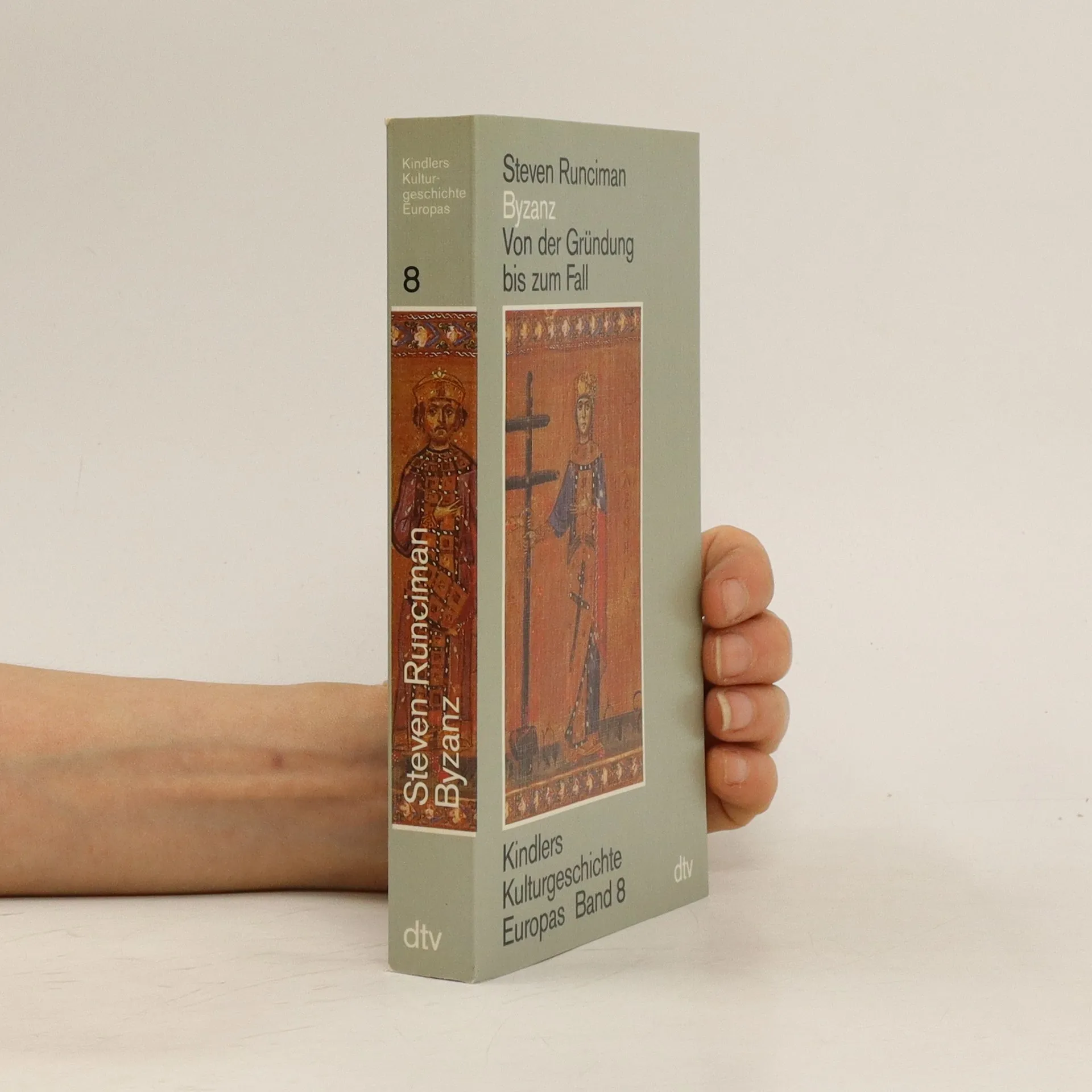
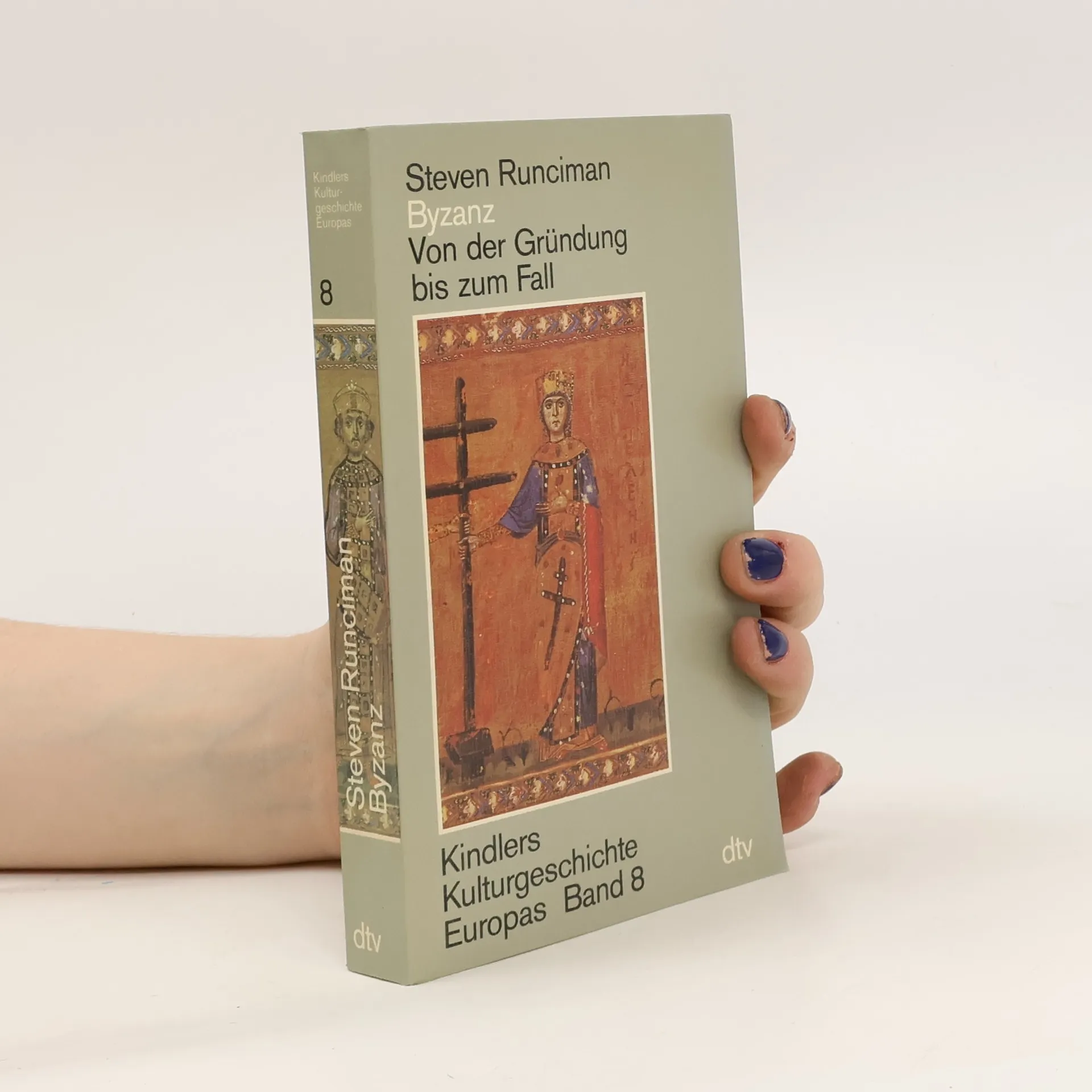
Kindlers Kulturgeschichte Europas 8. Byzanz
- 446 Seiten
- 16 Lesestunden
Sonderausgabe. 20 Bde. Illustr. cpl. in Kass.
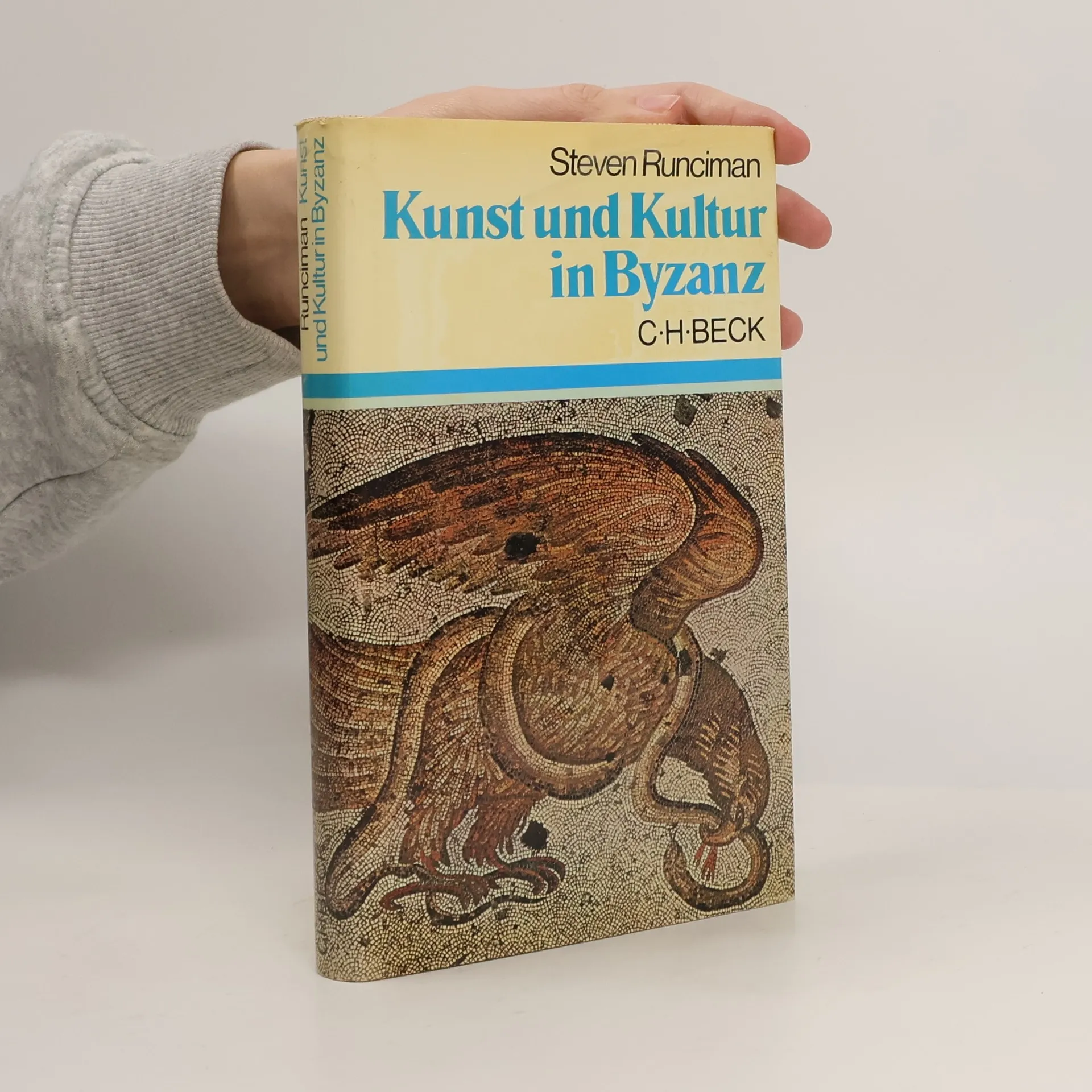
Kunst und Kultur in Byzanz
- 302 Seiten
- 11 Lesestunden
Byzanz
- 438 Seiten
- 16 Lesestunden
Enthüllt die Geschichte, Kultur, den wirtschaftlichen Zustand und das politische Leben der byzantinischen Kultur vom vierten bis zum fünfzehnten Jahrhundert.
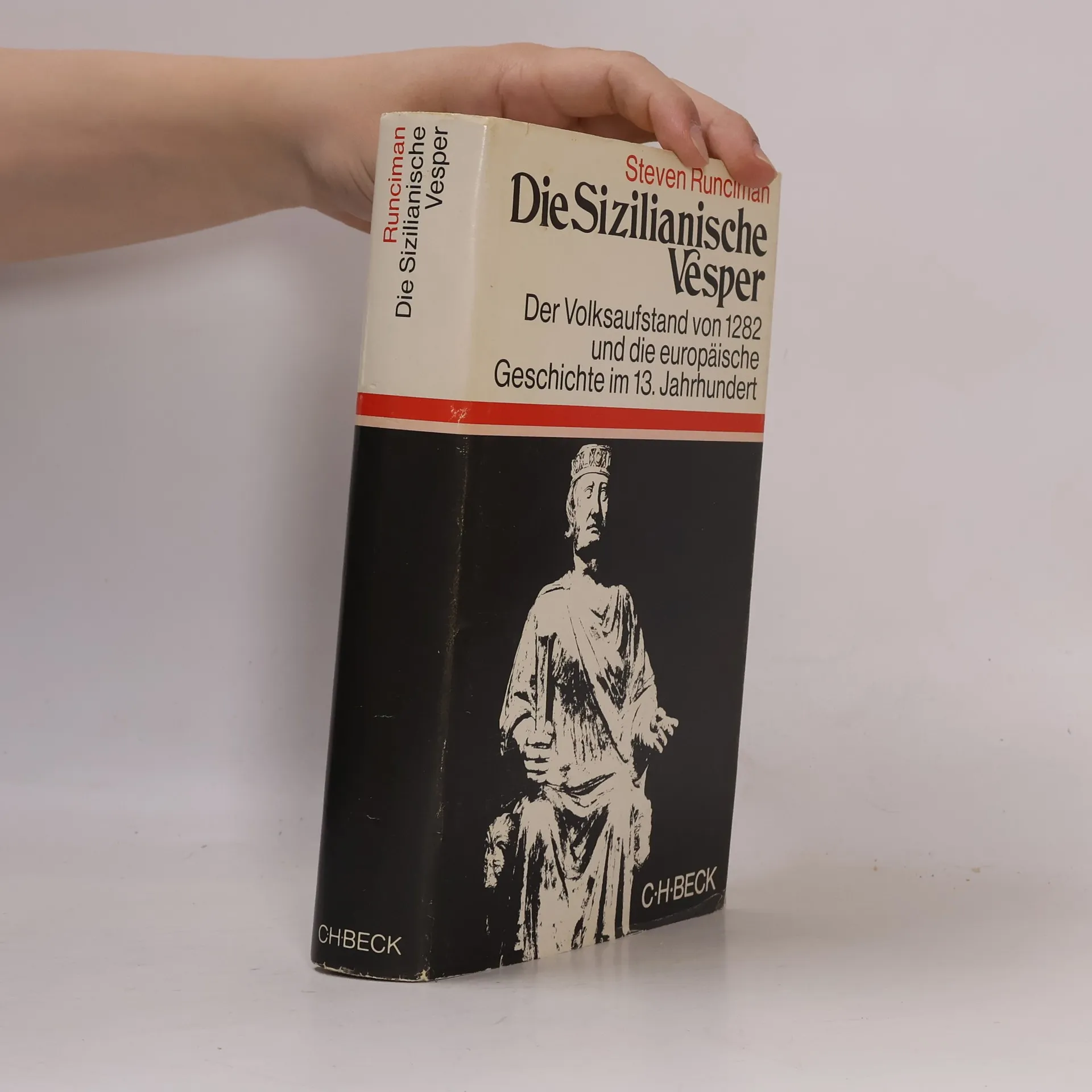
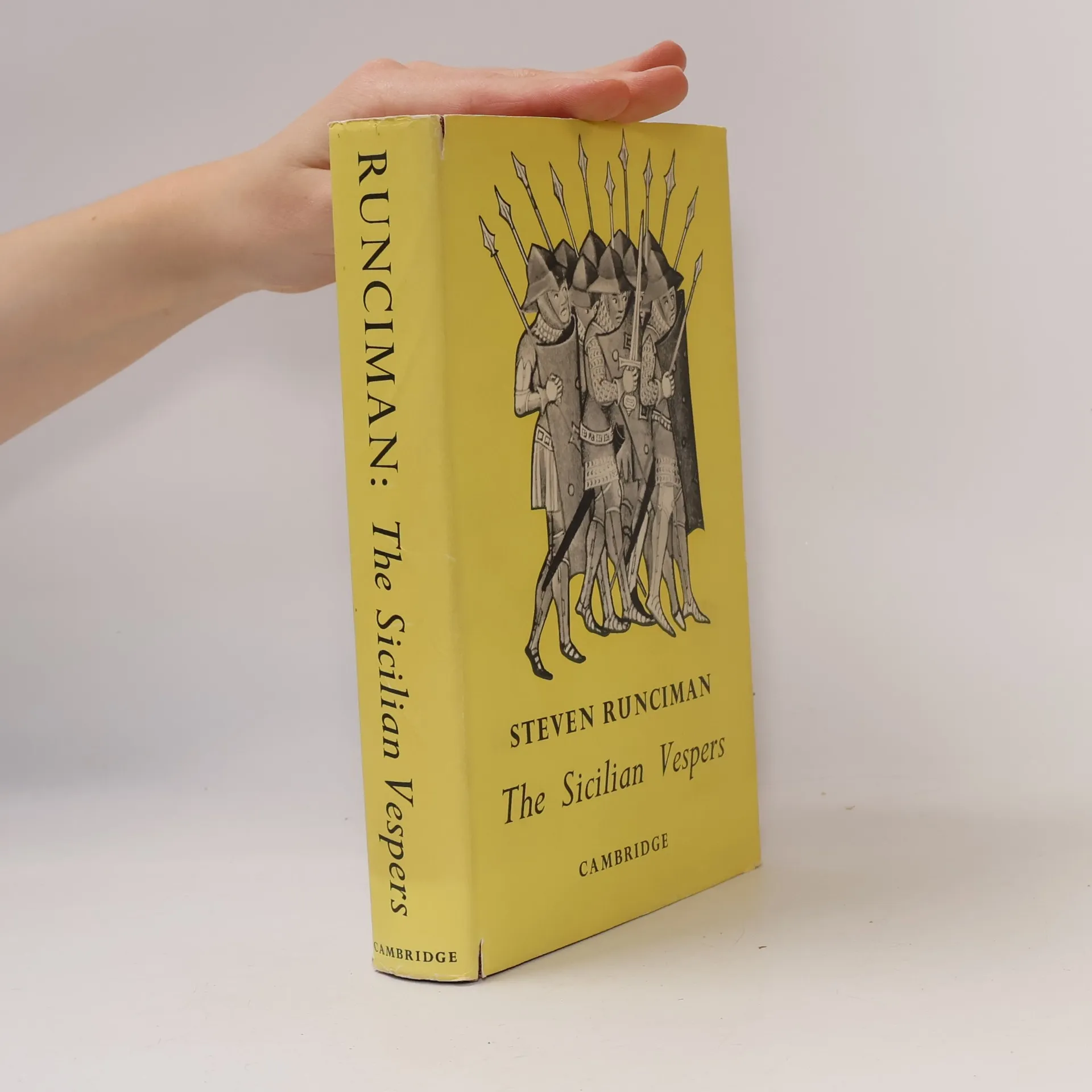
Die Sizilianische Vesper
- 378 Seiten
- 14 Lesestunden
Das Patriarchat von Konstantinopel
vom Vorabend der türkischen Eroberung bis zum griechischen Unabhängigkeitskrieg
- 490 Seiten
- 18 Lesestunden
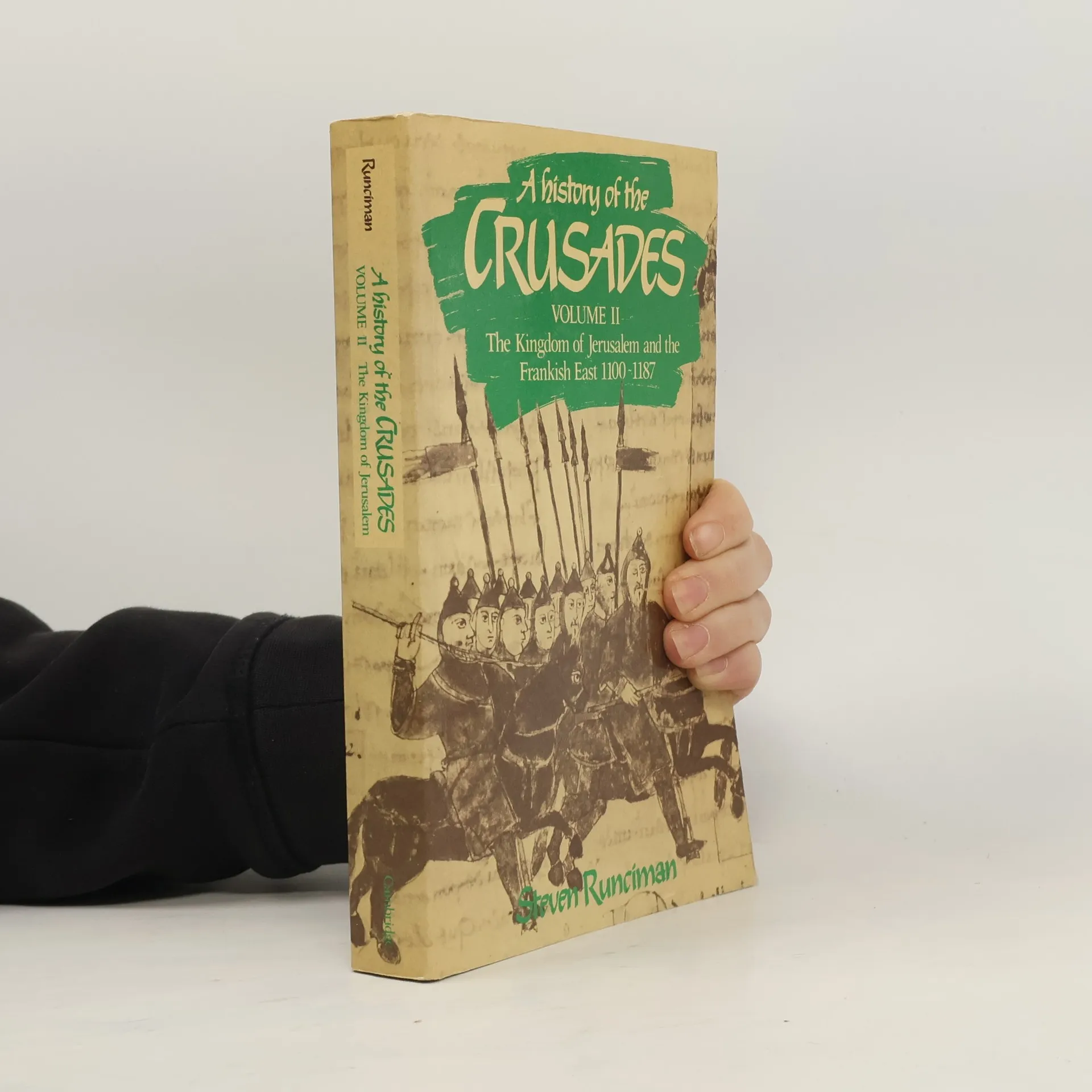
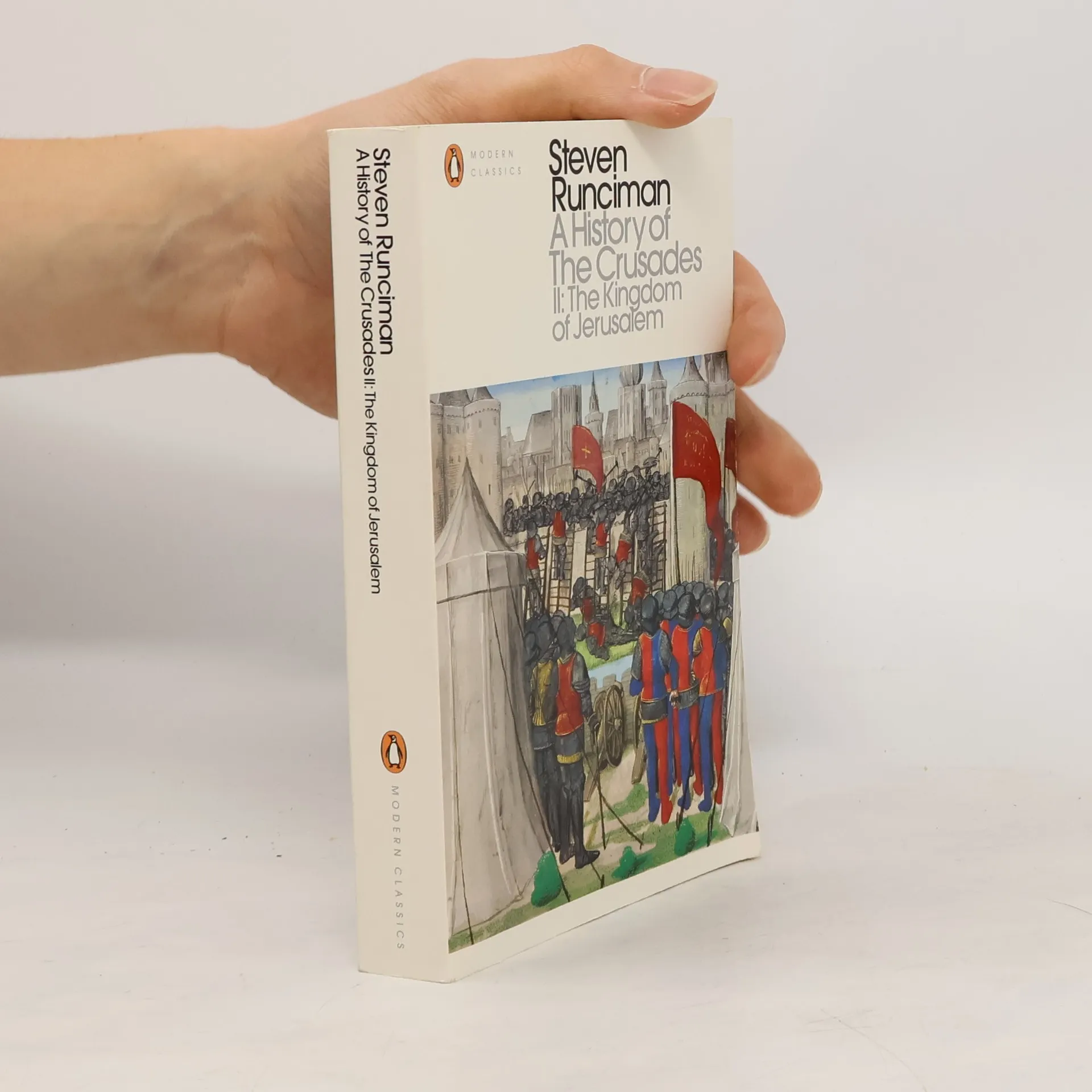
A History of the Crusades - 2: The Kingdom of Jerusalem and the Frankish East, 1100-1187
- 538 Seiten
- 19 Lesestunden
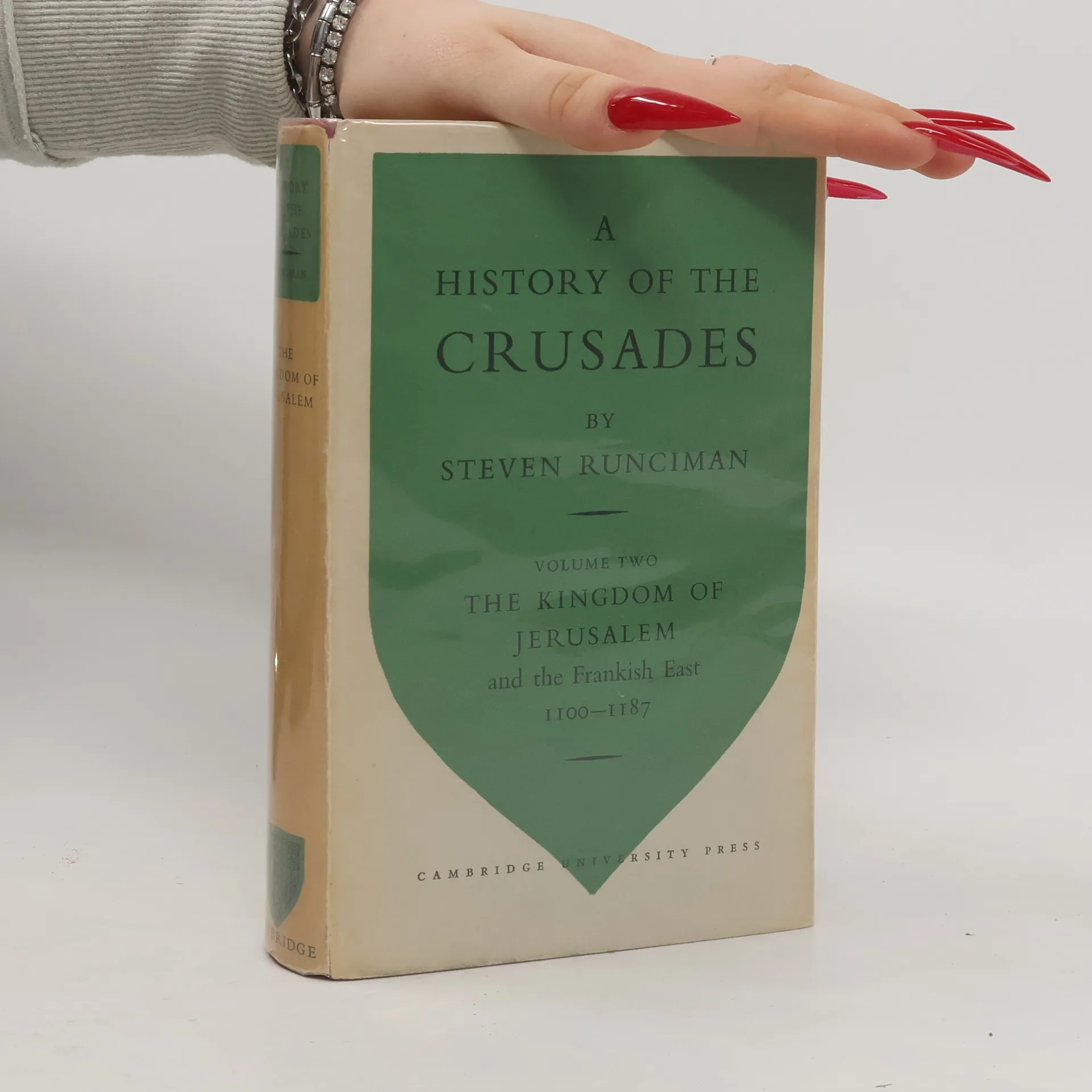
Sir Steven Runciman's three volume A History of the Crusades, one of the great classics of English historical writing, is now being reissued. This volume describes the Frankish states of Outremer from the accession of King Baldwin I to the re-conquest of Jerusalem by Saladin. As Runciman says in his preface, 'The politics of the Moslem world in the early twelfth-century defy straightforward analysis, but they must be understood if we are to understand the establishment of the Crusader states and the later causes of the recovery of Islam … The main theme in this volume is warfare … I have followed the example of the old chroniclers, who knew their business; for war was the background to life in Outremer and the hazards of the battlefield often decided its destiny.'
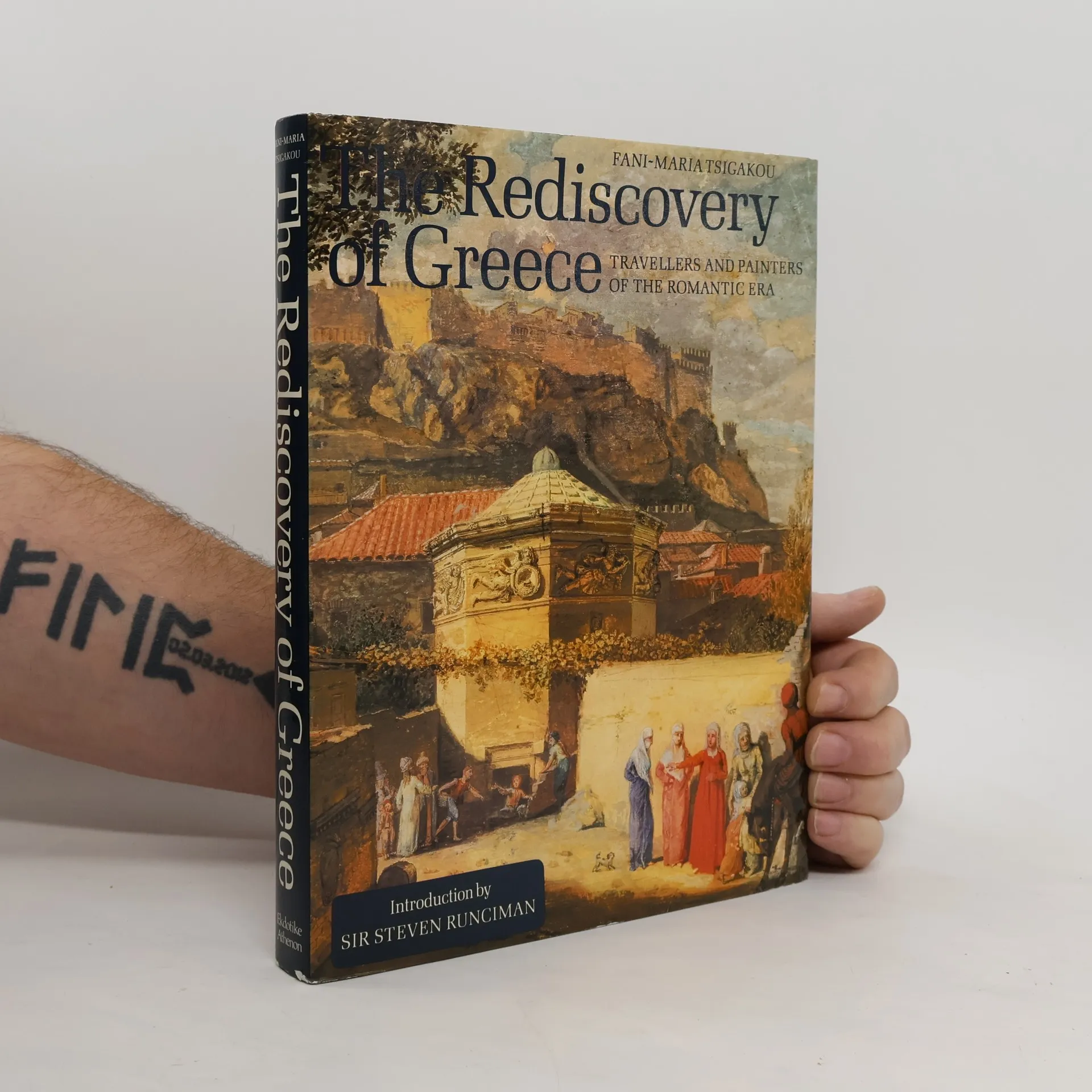
The Rediscovery of Greece Travellers and Painters of the Romantic Era
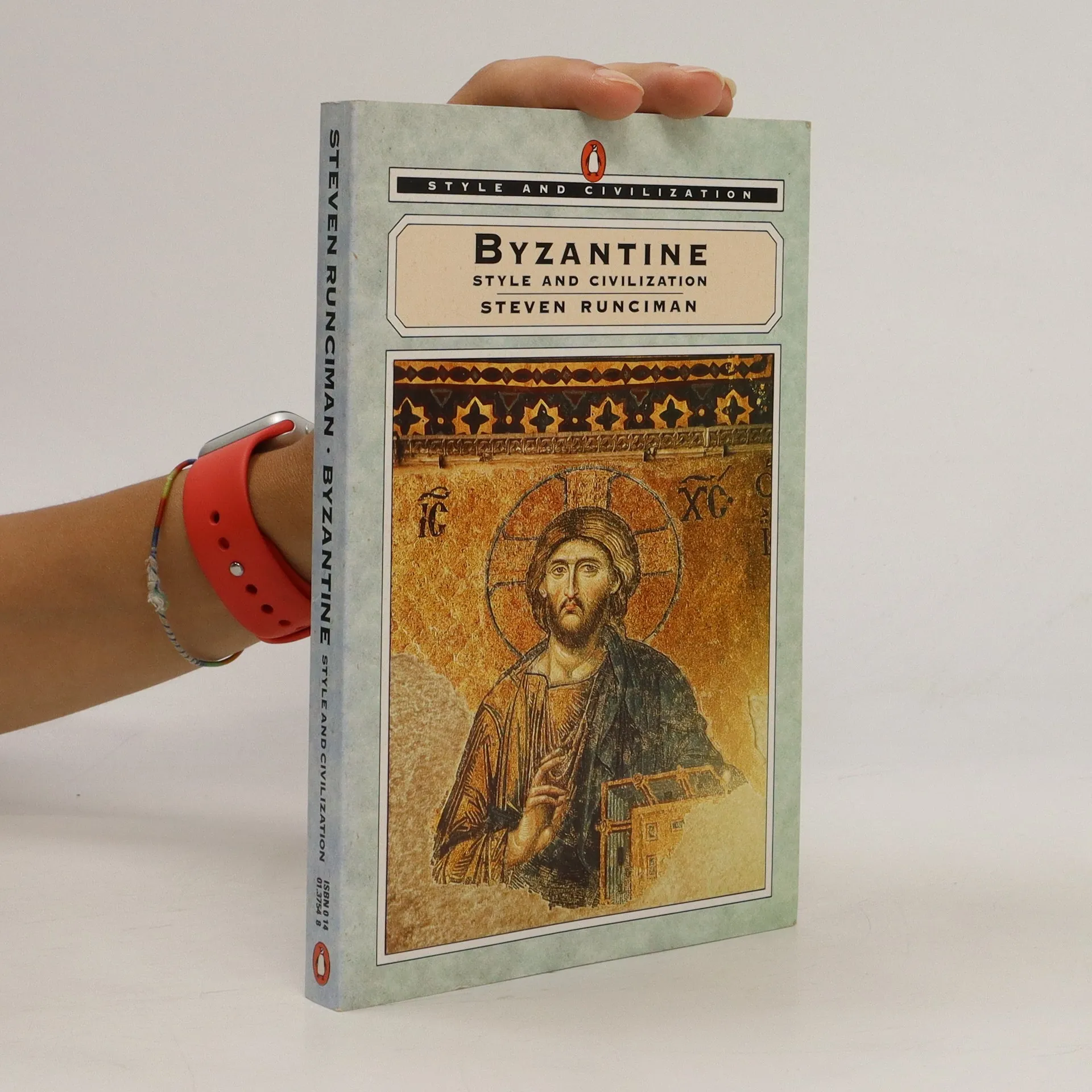
Byzantine style and civilization
- 240 Seiten
- 9 Lesestunden
For more than eleven centuries Christian civilization was dominated in the East by the Imperial city of Constantinople, and a deeply religious conception of the universe is reflected in Byzantine art. Whether he was designing some great architectural monument like the cathedral, or the smallest enamel reliquary cross, or an article for secular use, the Byzantine artist wrestled with colour and harmony to interpret divine beauty to humanity. In this liberally illustrated study Sir Steven Runciman draws on his profound knowledge of the period to show how early Christians acquired this belief in the purpose of art and how it survived changes in technique, fashion and resources for as long as the Empire stood.
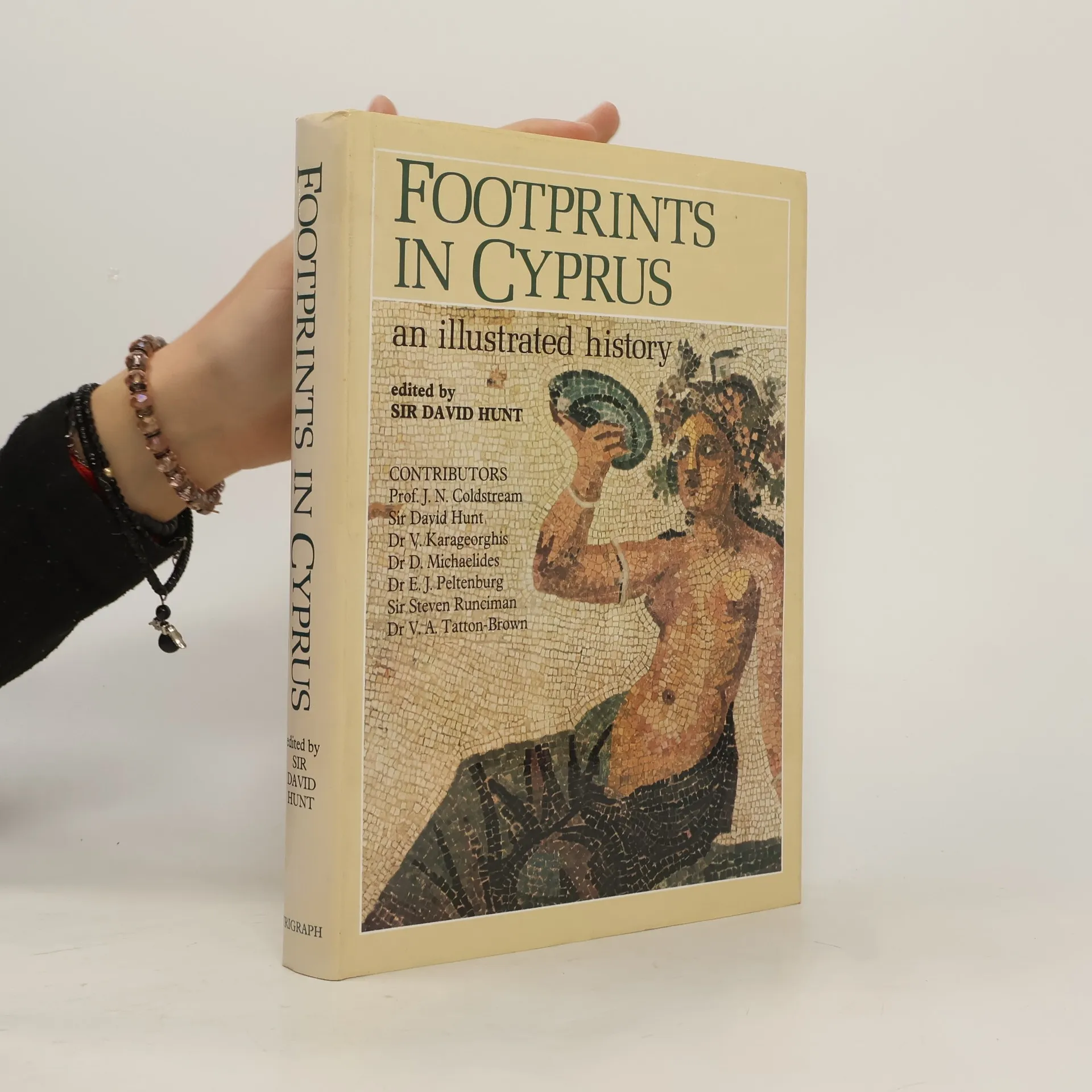
Footprints in Cyprus : an illustrated history
- 300 Seiten
- 11 Lesestunden
From the time the first Greeks arrived, over 3,000 years ago, the island has been the centre of a vigours and creative artistic culture. Many treasures survive from the 1st millennium before Christ which illustrate vividly the fact that Cyprus can rival in achievement the best art in the Mediterranean world. In Footprints of Cyprus these achievements are not only fully depicted in colour and in black and white but also related to their historical context.
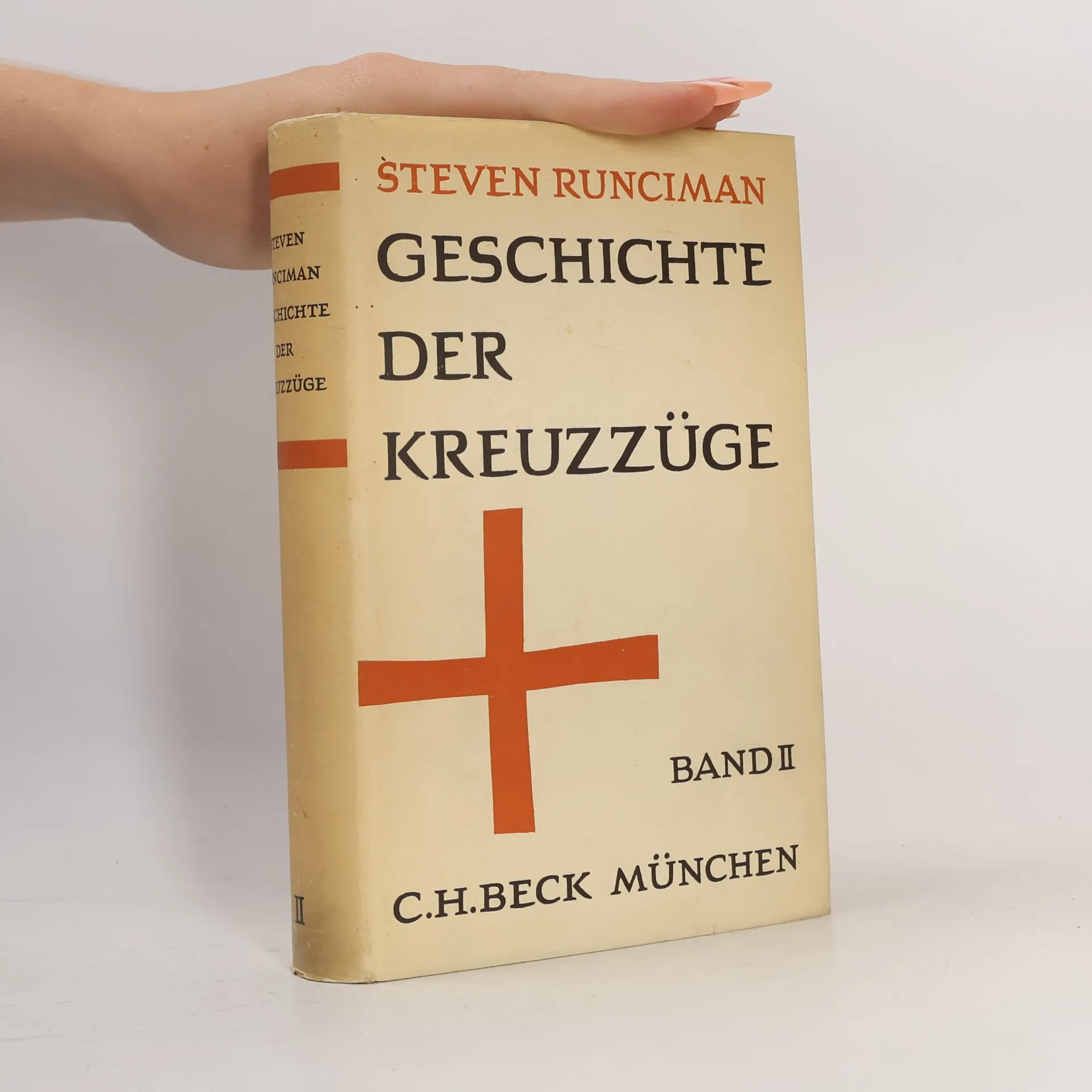
A History of the Crusades. Vol.2
- 448 Seiten
- 16 Lesestunden
The second volume of Steven Runciman's classic, hugely influential trilogy on the history of the Crusades 'There was magic about. Saladin himself was troubled by terrible dreams...' Steven Runciman's unrivalled history of the Crusades is a classic of learning and vivid, compelling storytelling, which brilliantly brings to life the personalities, battles, massacres, triumphs and follies of these epochal events. In this second volume of his trilogy Runciman tells the story of the foundation of the Kingdom of Jerusalem, the disastrous, bloody Second Crusade and the inexorable rise of the crusaders' nemesis, Saladin. 'The pre-eminent historian of the Byzantine Empire and of the Crusades ... a surefooted guide who could render the past visible and familiar' Daily Telegraph 'He tells his story plain ... always pleasurable to read' Gore Vidal
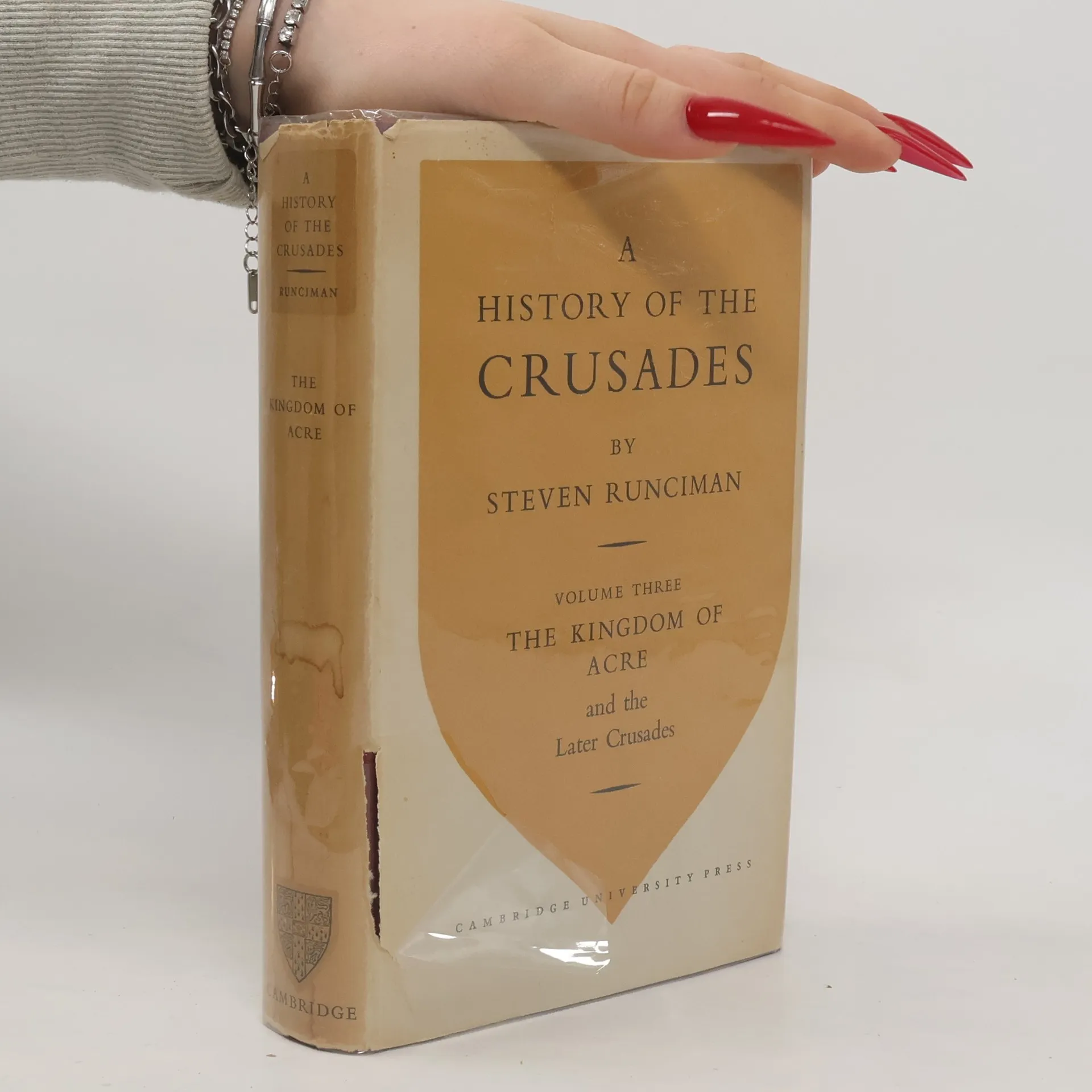
The third volume of Steven Runciman's classic, hugely influential trilogy on the history of the Crusades 'The whole tale is one of faith and folly, courage and greed, hope and disillusion' Steven Runciman's triumphant three-volume A History of the Crusades remains an unsurpassed account of the events that changed the world and continue to resonate today. This final volume of the trilogy begins with the glamorous Third Crusade and ends with the ruinous collapse of the crusader states and the degeneration of their ideals, which reached its nadir in the tragic destruction of Byzantium. 'When historical events are written about with this sort of command, they take on not only the universality of a fairy tale but also a certain moral weight. Runciman writes both seductively and instructively about the dignity and beauty of different religious beliefs and about the difficulties of their co-existence' Independent
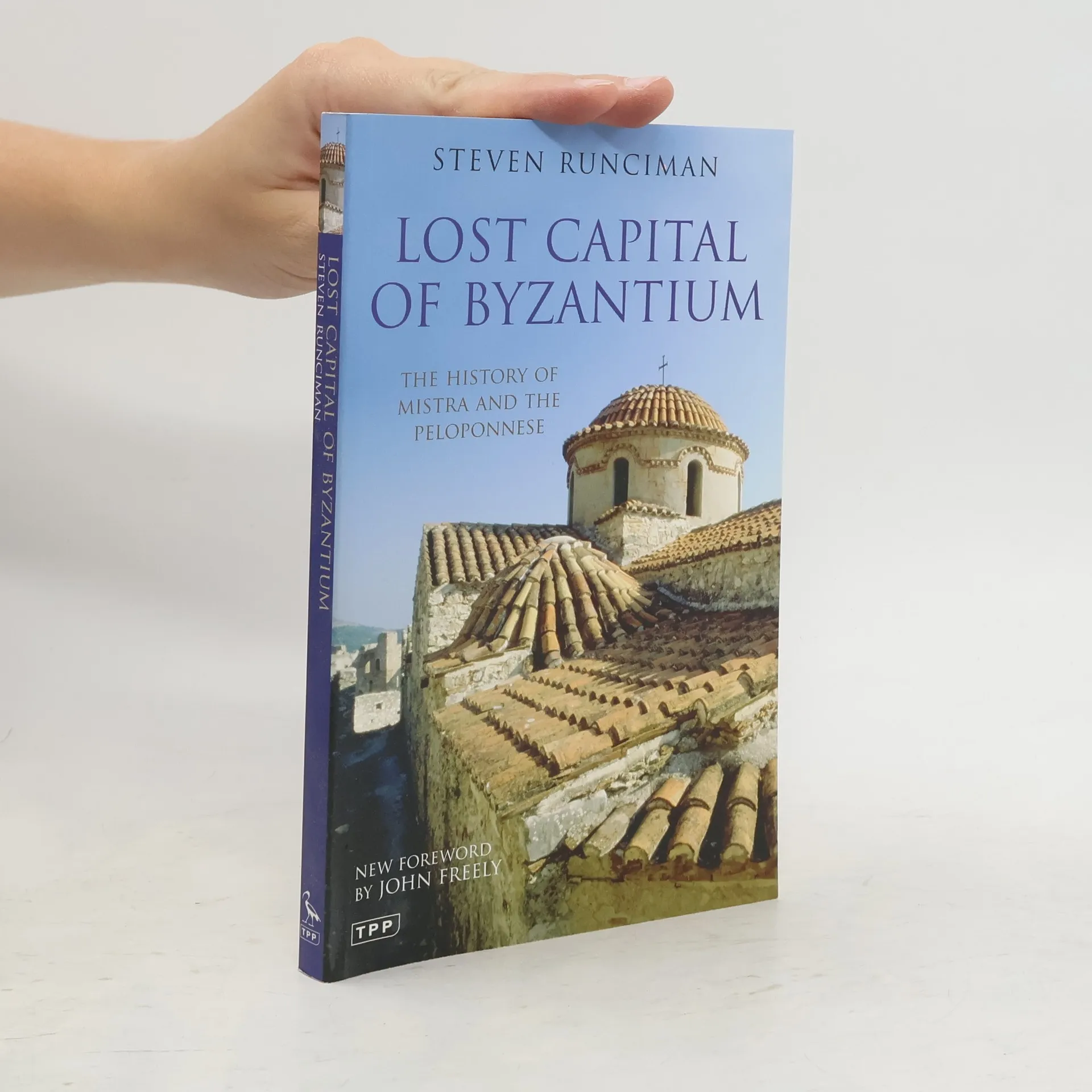
Lost Capital of Byzantium
- 144 Seiten
- 6 Lesestunden
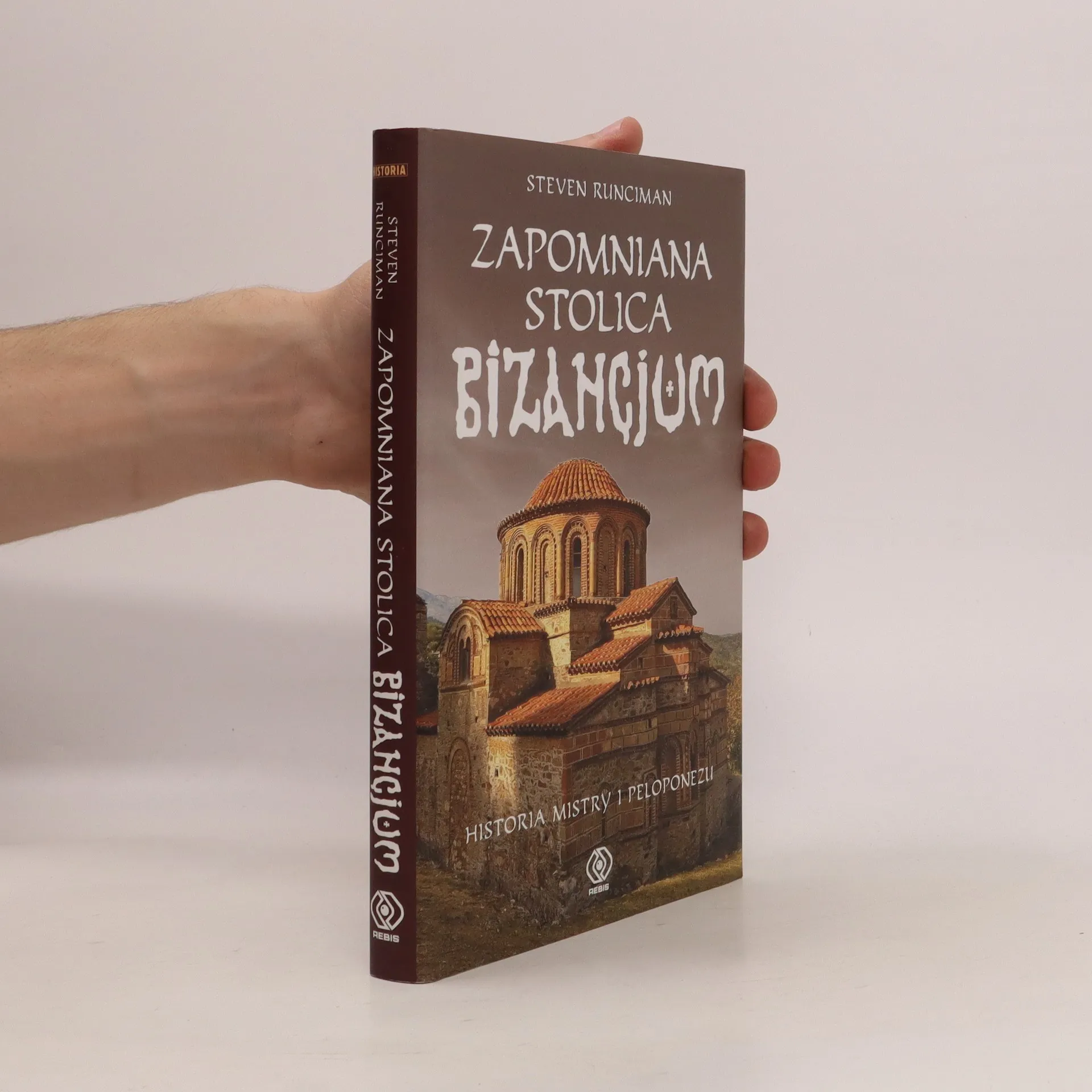
Clinging to a rugged hillside in the lush valley of Sparta lies Mistra, one of the dramatically beautiful Byzantine cities in Greece, a place steeped in history, myth and romance. This title tells the story of this once-great city - its rise and fall and its place in the history of the Peloponnese and the Byzantine empire.
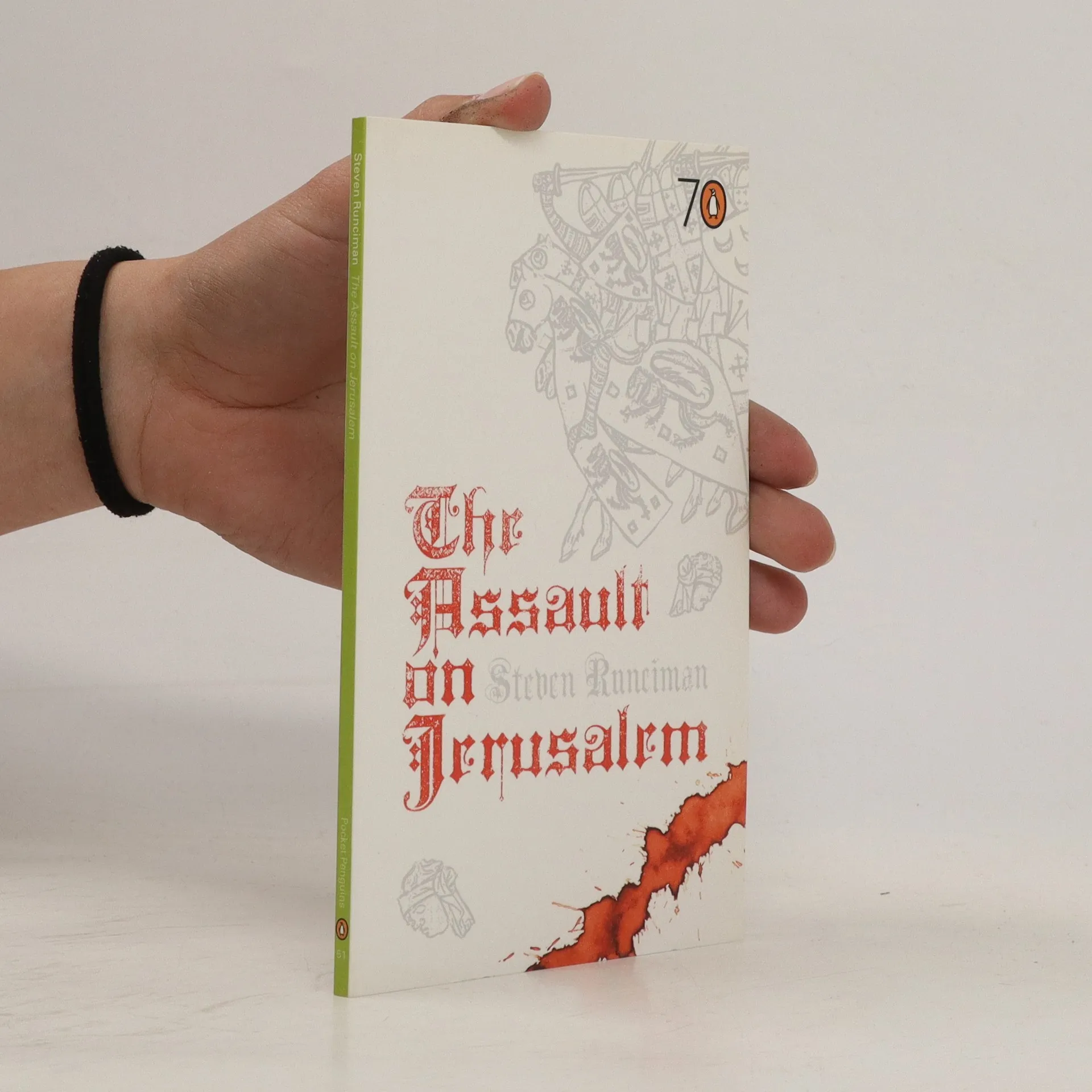
One of the greatest historical writers of the twentieth century, Steven Runciman was famous for throwing light on some very dark ages: his definitive A History of the Crusades, first published by Penguin in 1965, transformed the common view of the Holy Wars through its impartial and penetrating approach. In this extract, he describes the brutal and decisive tenth-century victory of the crusaders over Arab forces in Jerusalem, occupied for over four hundred years.
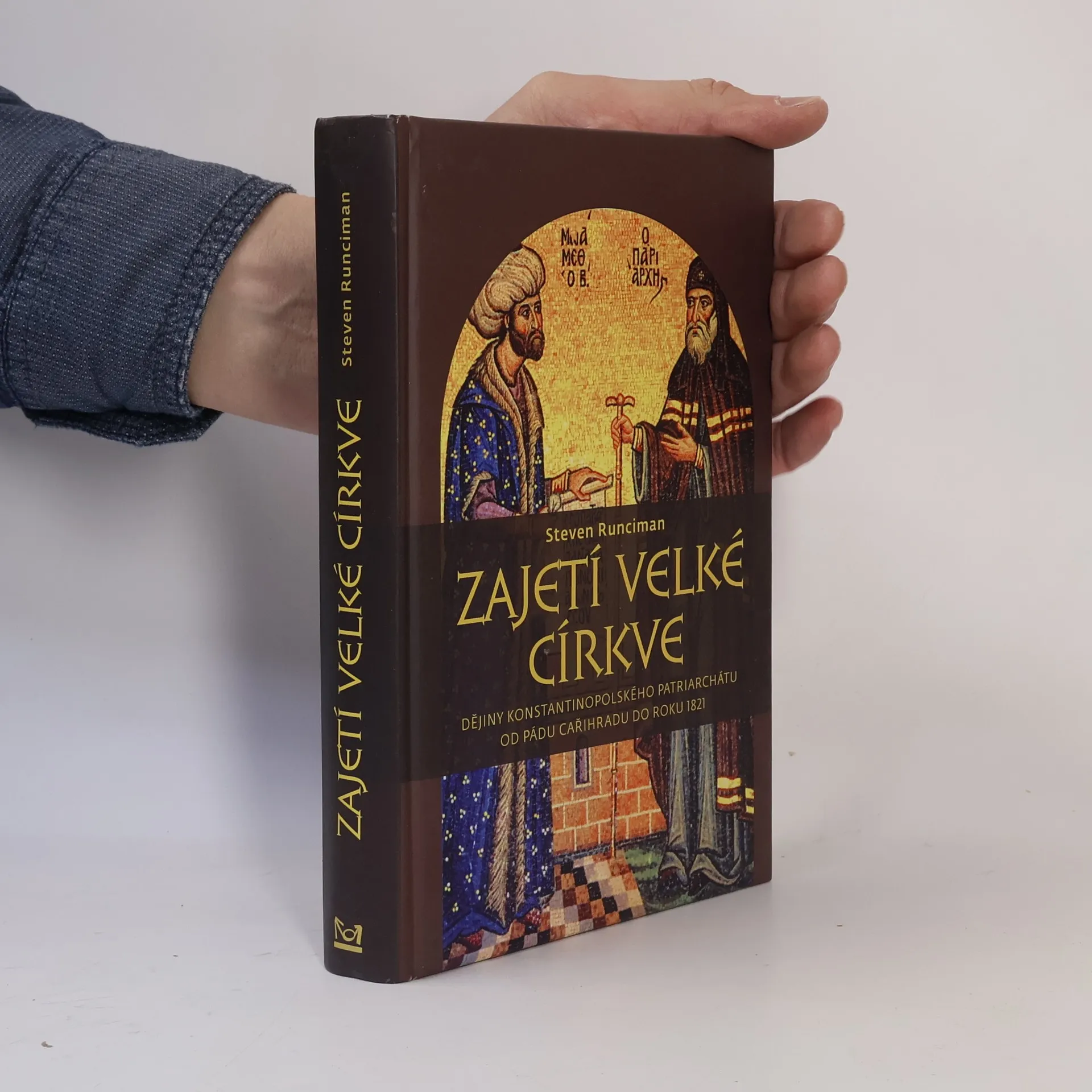
Jaké byly osudy řecké církve po pádu Konstantinopole do rukou Osmanů v roce 1453? Jak se vyrovnala s novými podmínkami a výzvami, jež s sebou muslimská nadvláda přinesla? Jak dokázala po čtyři staletí uchovat byzantské dědictví a zároveň přispět ke vzniku řeckého národního obrození? Na tyto a další otázky hledá odpovědi kniha nestora světové medievalistiky Stevena Runcimana (1903-2000). Předmětem autorova zájmu však není pouze výčet dějinných peripetií byzantské církve, ale především proces přechodu nadnárodní, všeobecné církve ke společenství s národním, lokálním charakterem. Zvláštní pozornost věnuje vnitřnímu uspořádání Velké církve, jejímu učení a vůdčím osobnostem daného období. V panoramatické syntéze analyzuje vztahy konstantinopolského patriarchátu s ostatními křesťanskými denominacemi – římskokatolickou, anglikánskou, luteránskou, kalvínskou a s církvemi pravoslavnými, především na Balkáně a v Rusku, ale i s ostatními blízkovýchodními patriarcháty (alexandrijským, antiochijským a jeruzalémským).
Zapomniana stolica Bizancjum
- 208 Seiten
- 8 Lesestunden
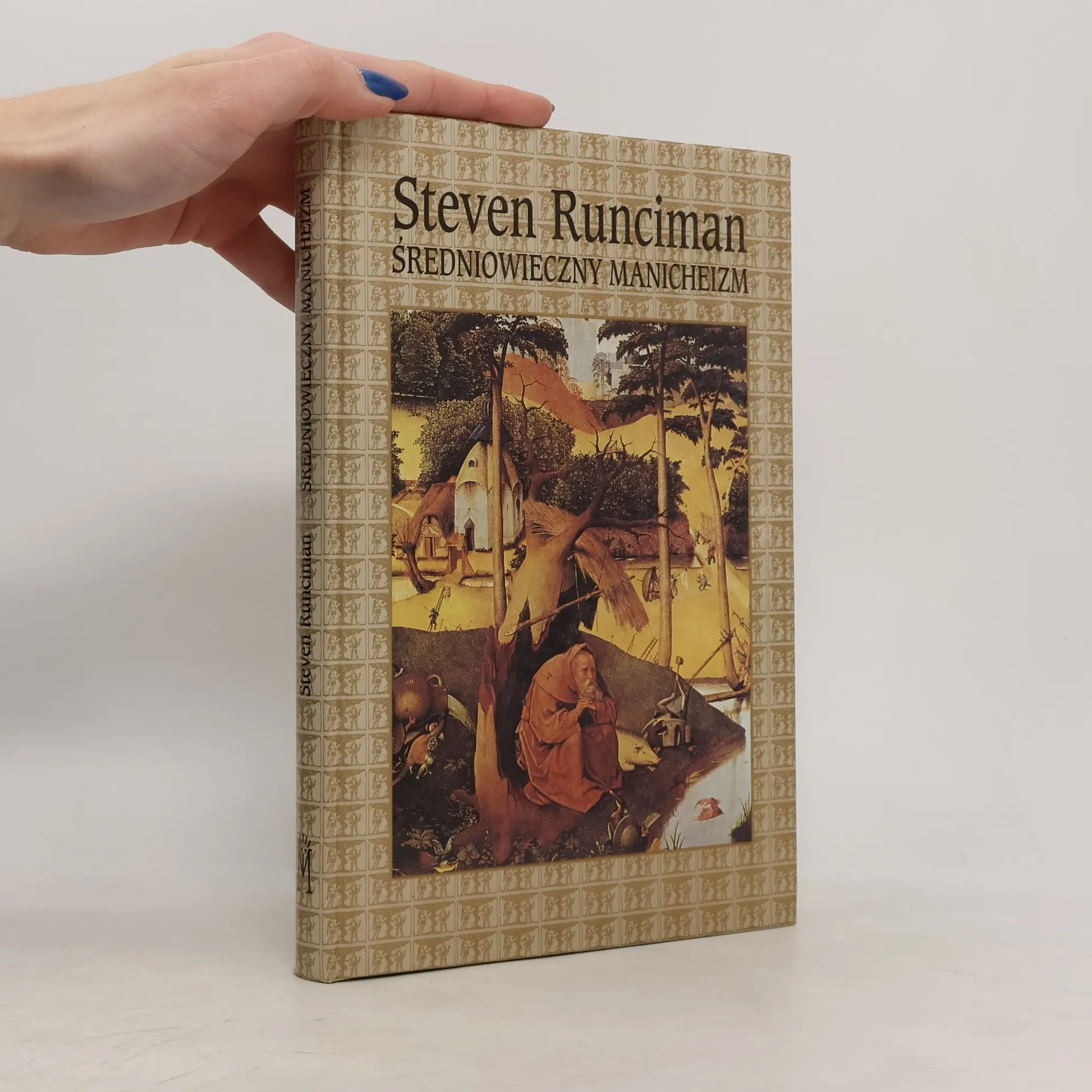
Manicheizm średniowieczny
- 196 Seiten
- 7 Lesestunden