

Gratis Versand ab € 14,99. Mehr Infos.
Bookbot

Tony Juniper

    24. September 1960
    What Has Nature Ever Done For Us?
    Rainforest
    The Science of our Changing Planet
    Harmonie: Eine neue Sicht unserer Welt
    Erde - was tun?
    Unsere Erde unter Druck
    • Unsere Erde unter Druck

      • 224 Seiten
      • 8 Lesestunden

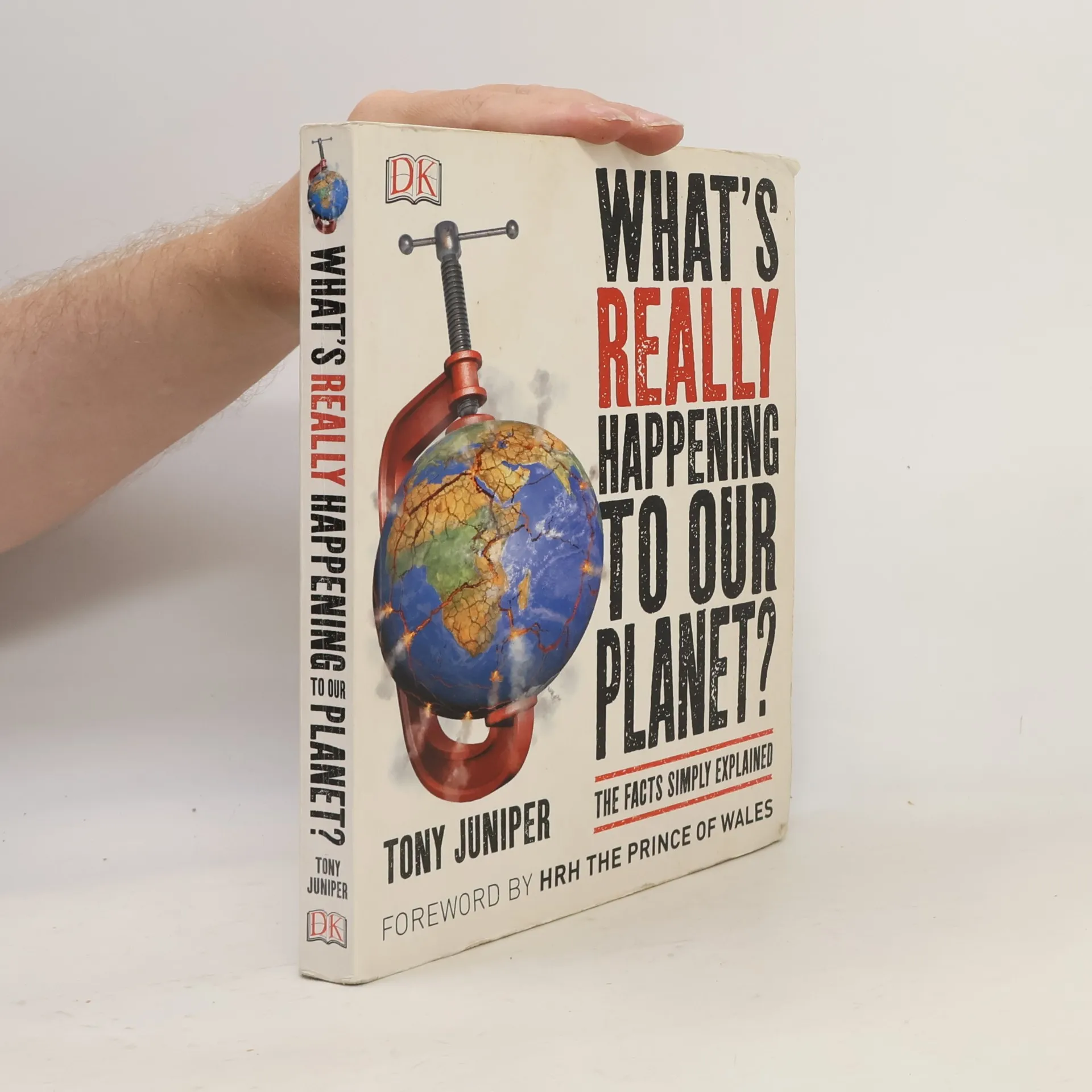
      Bevölkerungswachstum, schwindende Ressourcen und Klimawandel gehören nur zu einigen von unzähligen Aspekten, die unseren Planeten gefährden. Doch wie ernst ist die Lage wirklich? Dieses Buch nimmt all die komplexen Phänomene, die unsere Erde gefährden, genau unter die Lupe. Was passiert wirklich mit unserem Planeten? Der international renommierte Aktivist, Nachhaltigkeitsexperte und Umweltschützer Dr. Tony Juniper geht dieser Frage sorgfältig auf den Grund und erklärt leicht verständlich, welchen Einfluss Bevölkerungsexplosion und Konsumverhalten auf den Klimawandel und die Umwelt haben. Über 1000 Grafiken machen dabei auch die Hintergründe deutlich und helfen dabei, deren tiefgreifende Konsequenzen zu durchschauen. Wie können wir den Schaden, den wir verursacht haben, wieder umkehren? Innovative Lösungsvorschläge und Denkansätze des Autors zeigen interessante Wege zu mehr Nachhaltigkeit und eröffnen eine neue hoffnungsvolle Perspektive auf den kritischen Zustand der Erde. Schärfen Sie mit diesem Buch Ihr grünes Bewusstsein und tragen Sie zu einer sicheren Zukunft unserer Welt bei.
      Unsere Erde unter Druck
      4,5
    • Erde - was tun?

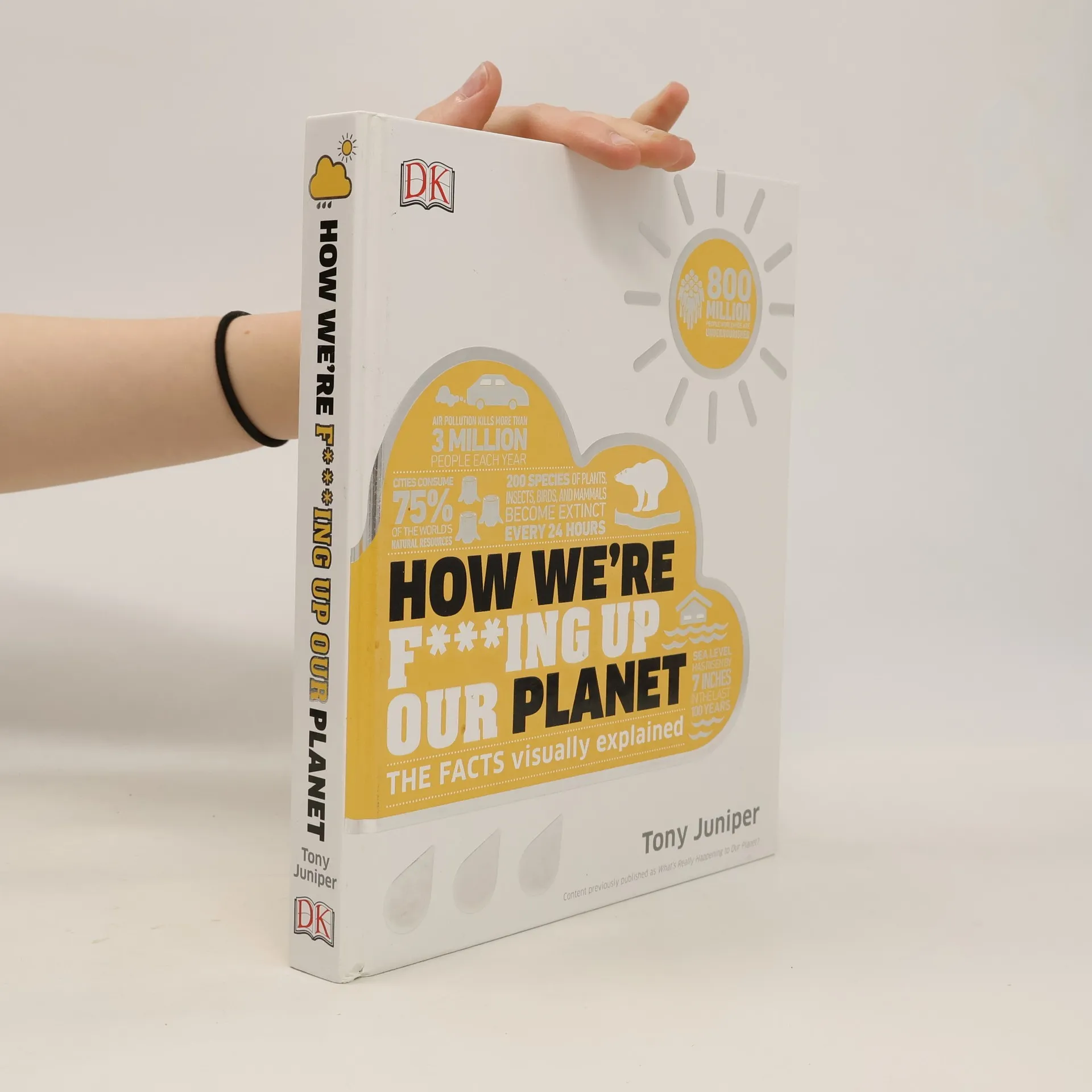
      Fakten, Analysen und Lösungsansätze zum Zustand unseres Planeten in über 1000 Grafiken

      • 224 Seiten
      • 8 Lesestunden
      Erde - was tun?
    • The Science of our Changing Planet

      • 224 Seiten
      • 8 Lesestunden

      Using the most up-to-date scientific evidence and simple graphics, Tony Juniper presents the evidence for the environmental emergency facing our planet

      The Science of our Changing Planet
      4,6
    • Rainforests are the lungs of our planet - regulators of the earth's temperature and weather. They are also home to 50 per cent of the world's animals and plants - which for centuries have been the source of many of our key medicines. And yet we've all heard of their systematic destruction; the raising of trees to make way for plantations of oil palms or cattle, the disenfranchisement of indigenous peoples, and the corruption that leads to illegal logging and pollution.But this is the full story you've never an in depth, wide-ranging, first-hand narrative that not only looks at the state of the world's tropical rainforests today and the implications arising from their continuing decline, but also at what is being done, and can be done in future, to protect the forests and the 1.6 billion people that depend upon them. It is inspirational, too, in its descriptions of the rainforest's remarkable birds and plants ... and its indigenous people.Rainforest is a personal story, drawing on the author's many years' experience at the frontline of the fight to save the rainforests, explaining the science and history of the campaigns, and what it has felt like to be there, amid the conflicts and dilemmas.

      Rainforest
      4,4
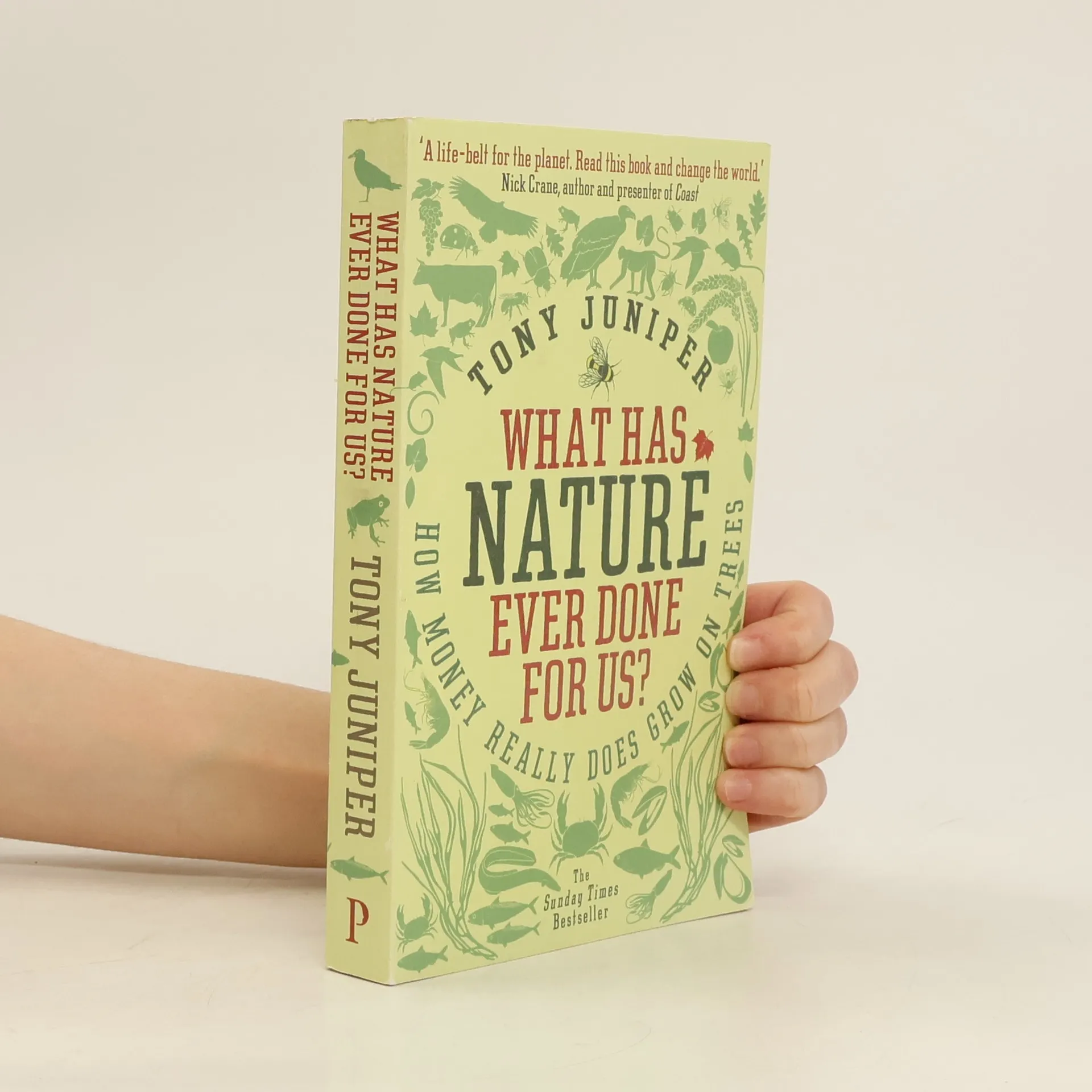
    • Money doesn't grow on trees. Or does it? From Indian vultures to Chinese bees, nature provides 'natural services', 24/7. This book offers impactful stories, containing both warnings (such as in the tale of India's vultures, killed off by drugs given to cattle, leading to an epidemic of rabies) and also the positive.

      What Has Nature Ever Done For Us?
      4,2
    • The Ecology Book

      • 352 Seiten
      • 13 Lesestunden

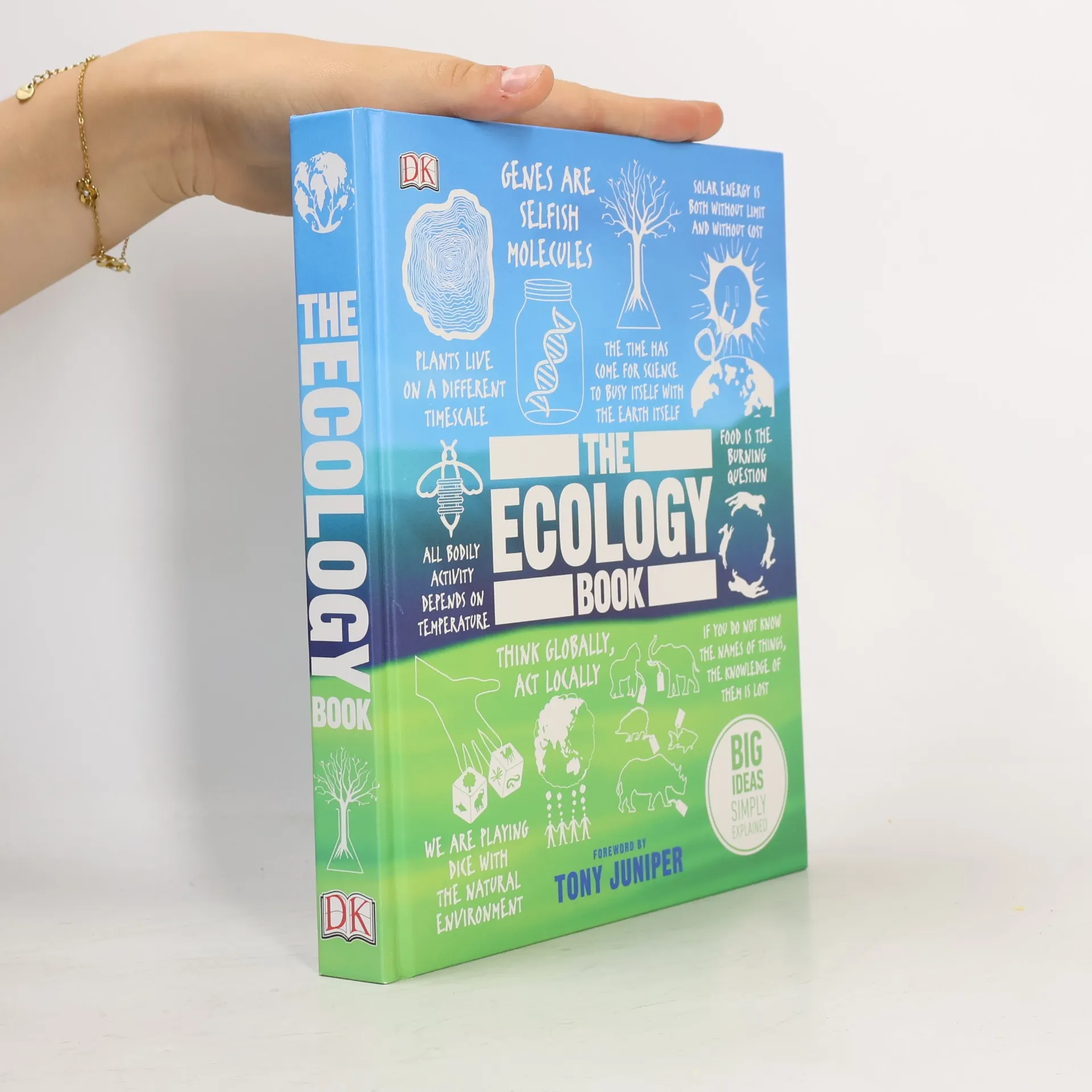
      An introduction to how the natural world works and how we have started to understand the environment, ecosystems, and climate change. Explores and explains over 85 of the key ideas, movements, and acts that have defined ecology and ecological thought

      The Ecology Book
      4,1
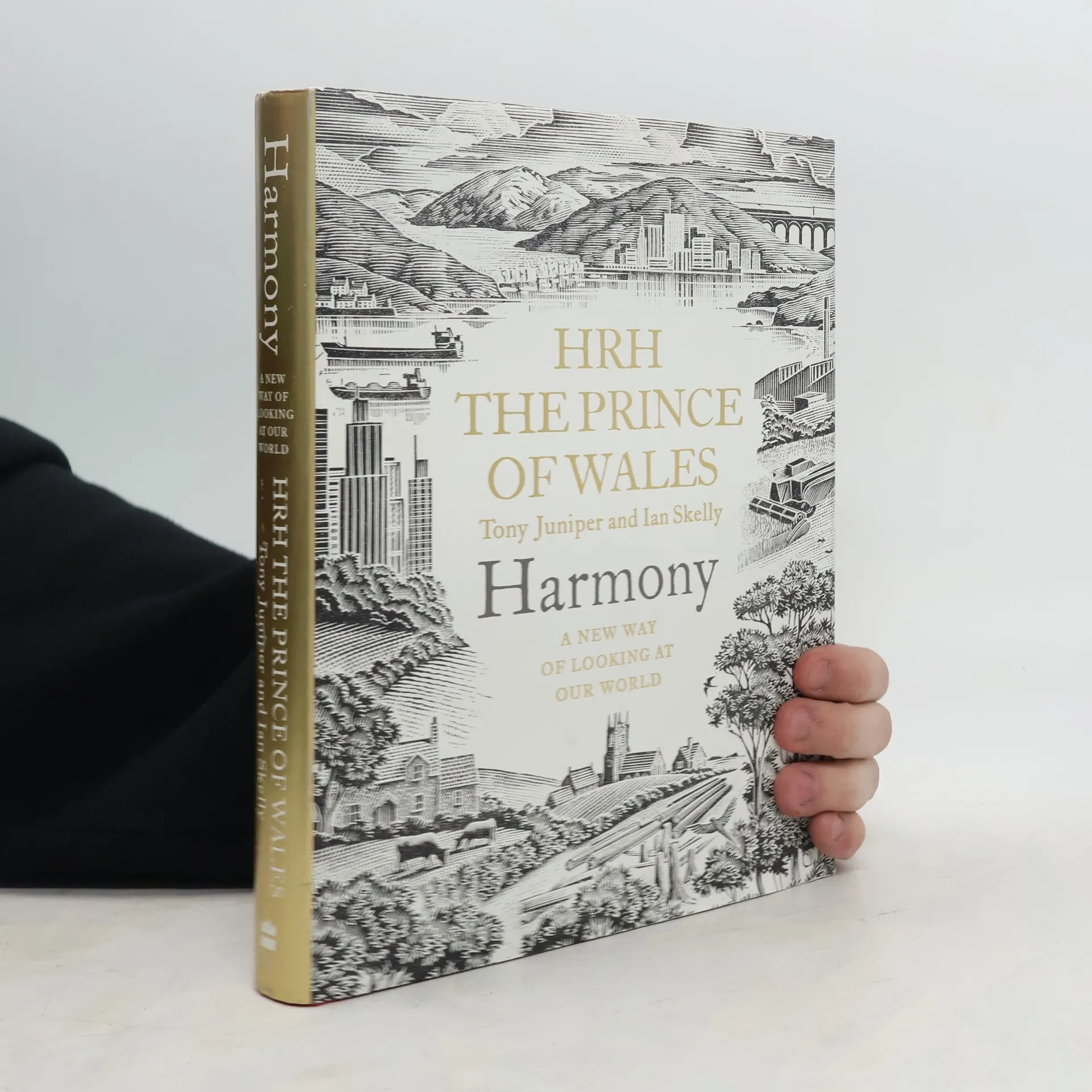
    • A practical guide to what we have lost in the modern world, why we have lost it and how easily it is to rediscover. Harmony is a blueprint for a more balanced, sustainable world that the human race must create to survive.

      Harmony
      4,1
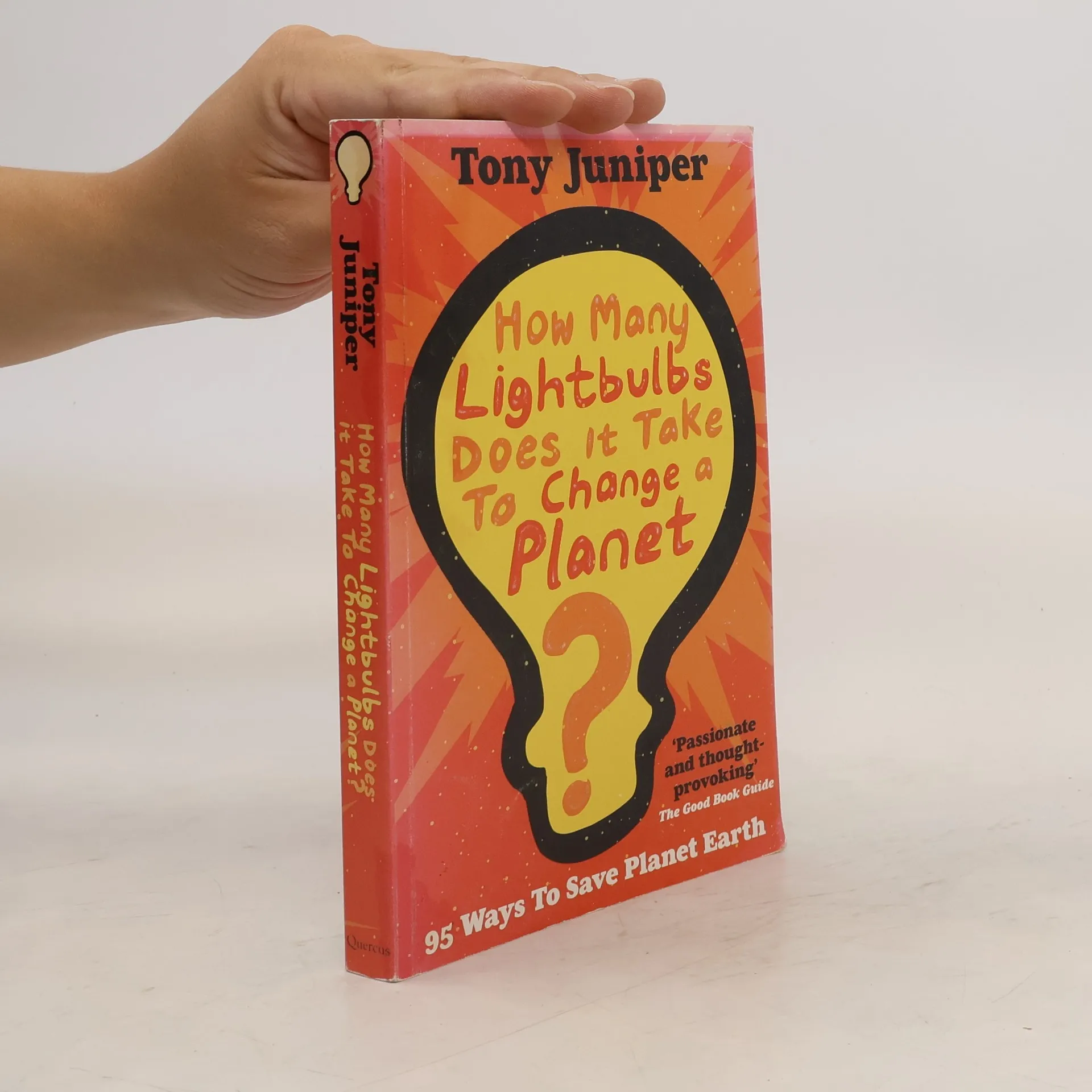
    • How Many Lightbulbs Does It Take To Change A Planet?

      95 Ways to Save Planet Earth

      • 304 Seiten
      • 11 Lesestunden

      The human world sits on the brink of potentially catastrophic environmental change. If we do not drastically reduce greenhouse gas emissions, and start that process now, it is projected that in the second half of the 20th century the cost of climate damage could amount to a fifth of global GDP. The latest science confirms that there is now only a decade left for action. How Many Lightbulbs Does it Take to Change a Planet is a clarion call for urgent action in the face of environmental change that threatens to devastate human societies. In it Tony Juniper, director of Friends of the Earth for England and Wales, presents his programme for staving off environmental, economic and social disaster. His '95 articles for comfort, security and survival' embrace actions needed to reduce carbon emissions and protect the Earth's natural ecosystems, measures required to establish sustainable farming methods and conserve agricultural biodiversity, and wider economic reforms needed to create a proper economic context for environmental sustainability and to make quality of life - rather than growth in GDP - the target outcome of economic activity. Passionately written and cogently argued, How Many Lightbulbs Does it Take to Change a Planet is essential reading for anyone who cares about the world our children will inherit.

      How Many Lightbulbs Does It Take To Change A Planet?
      3,7
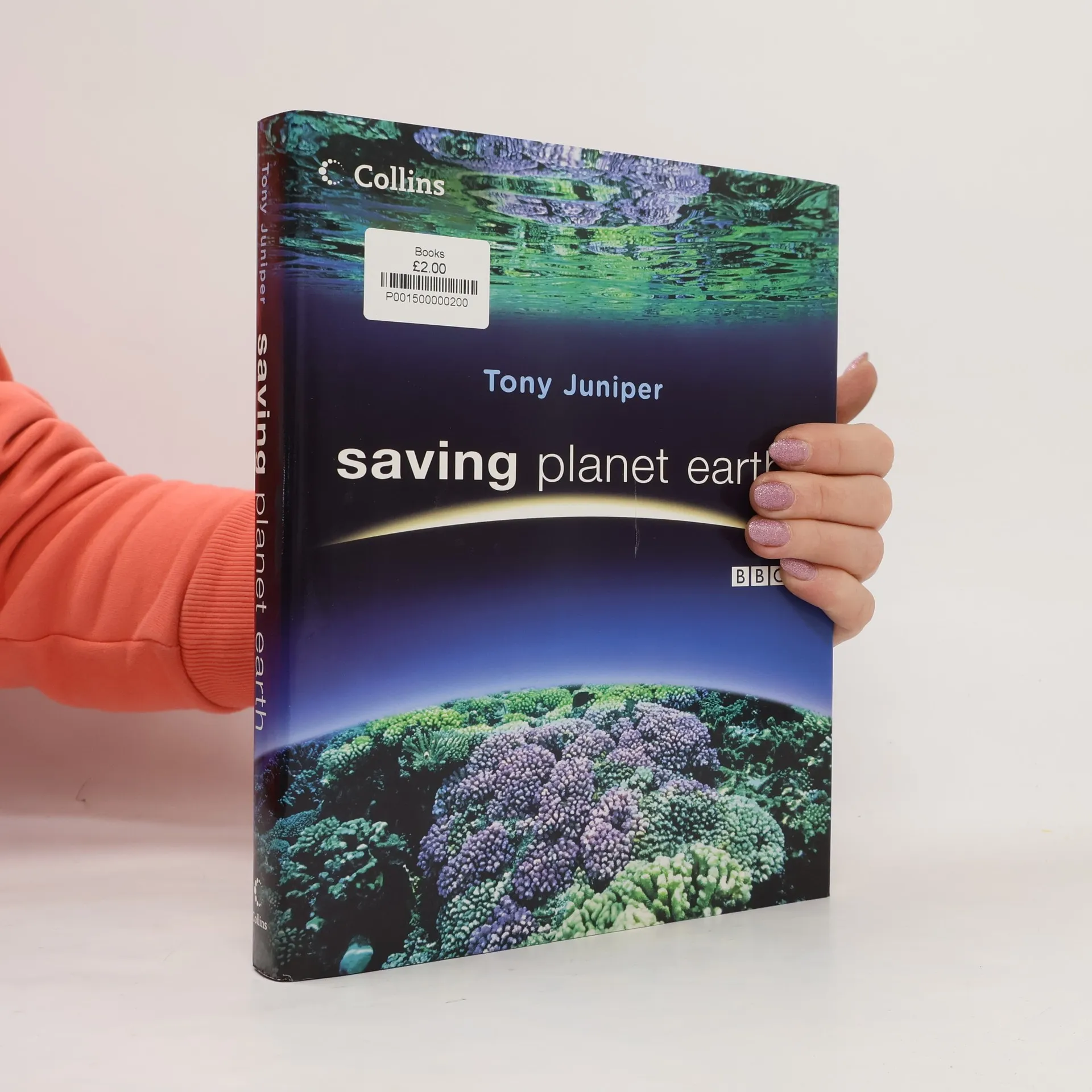
    • Saving Planet Earth

      What Is Destroying the Earth and What You Can Do to Help

      • 256 Seiten
      • 9 Lesestunden

      Published to coincide with a major BBC1 TV series, this book combines stunning images with ways you can help to save planet Earth for future generations.

      Saving Planet Earth
      3,4