Gratis Versand in ganz Österreich
Bookbot

John Lukacs

    31. Jänner 1924 – 6. Mai 2019

    Lukacs, der sich selbst als Reaktionär bezeichnet, betrachtet den Populismus als die größte Bedrohung für die Zivilisation und behauptet, er sei die Essenz von Nationalsozialismus und Kommunismus zugleich. Er bestreitet das Konzept des generischen Faschismus und hebt die tiefgreifenden Unterschiede zwischen Regimen wie Nazi-Deutschland und dem faschistischen Italien hervor. Seine Schriften untersuchen häufig den historischen Übergang von aristokratischen zu demokratischen Eliten, die sich an die Massen wenden, und schlagen vor, dass das moderne bürgerliche Zeitalter, das mit der Renaissance begann, nun zu Ende geht. Lukacs widmet sich der Verteidigung der traditionellen westlichen Zivilisation gegen die wahrgenommenen nivellierenden und herabwürdigenden Auswirkungen der Massenkultur.

    John Lukacs
    Konflikte der Weltpolitik nacht 1945
    Konflikte der Weltpolitik nach 1945
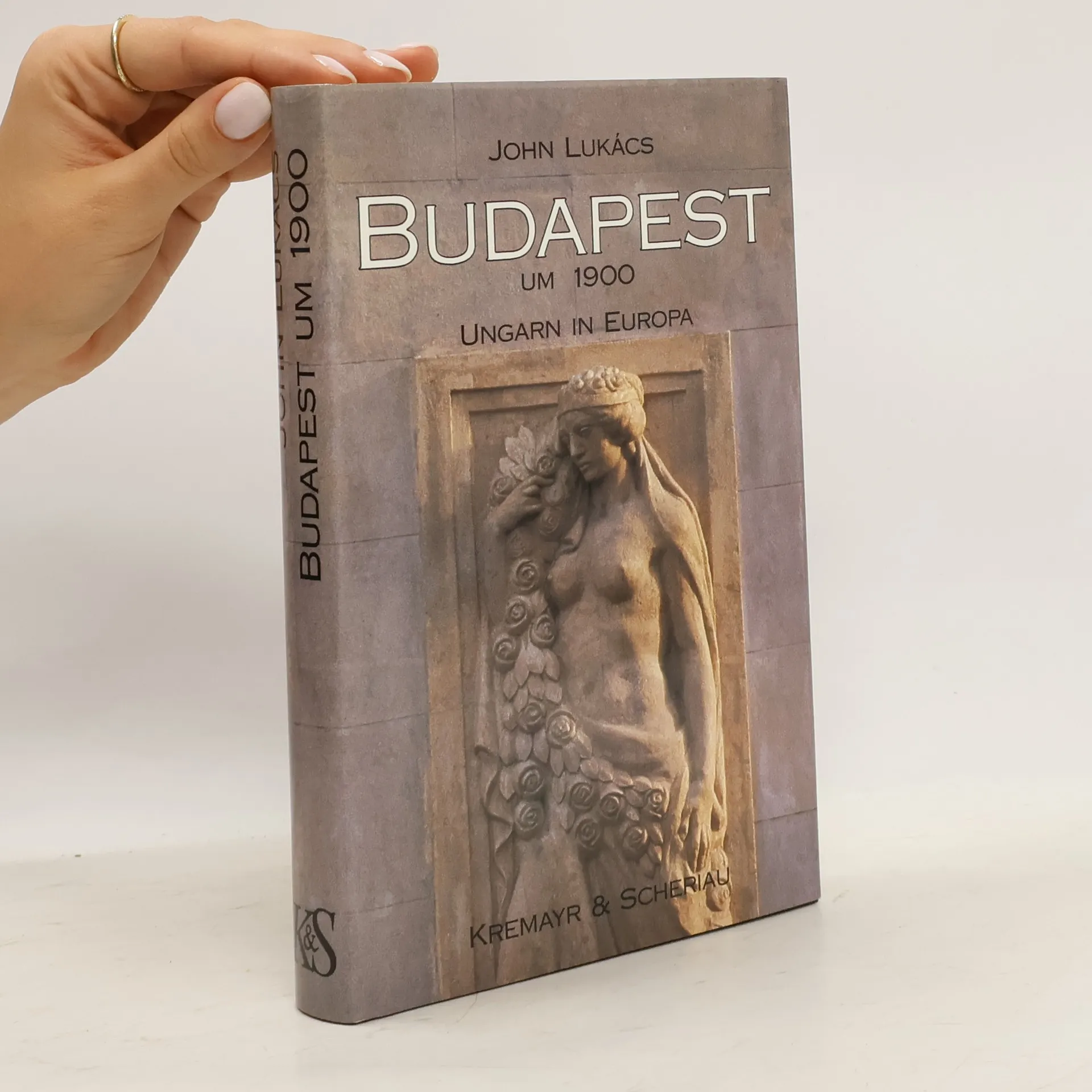
    Budapest um 1900
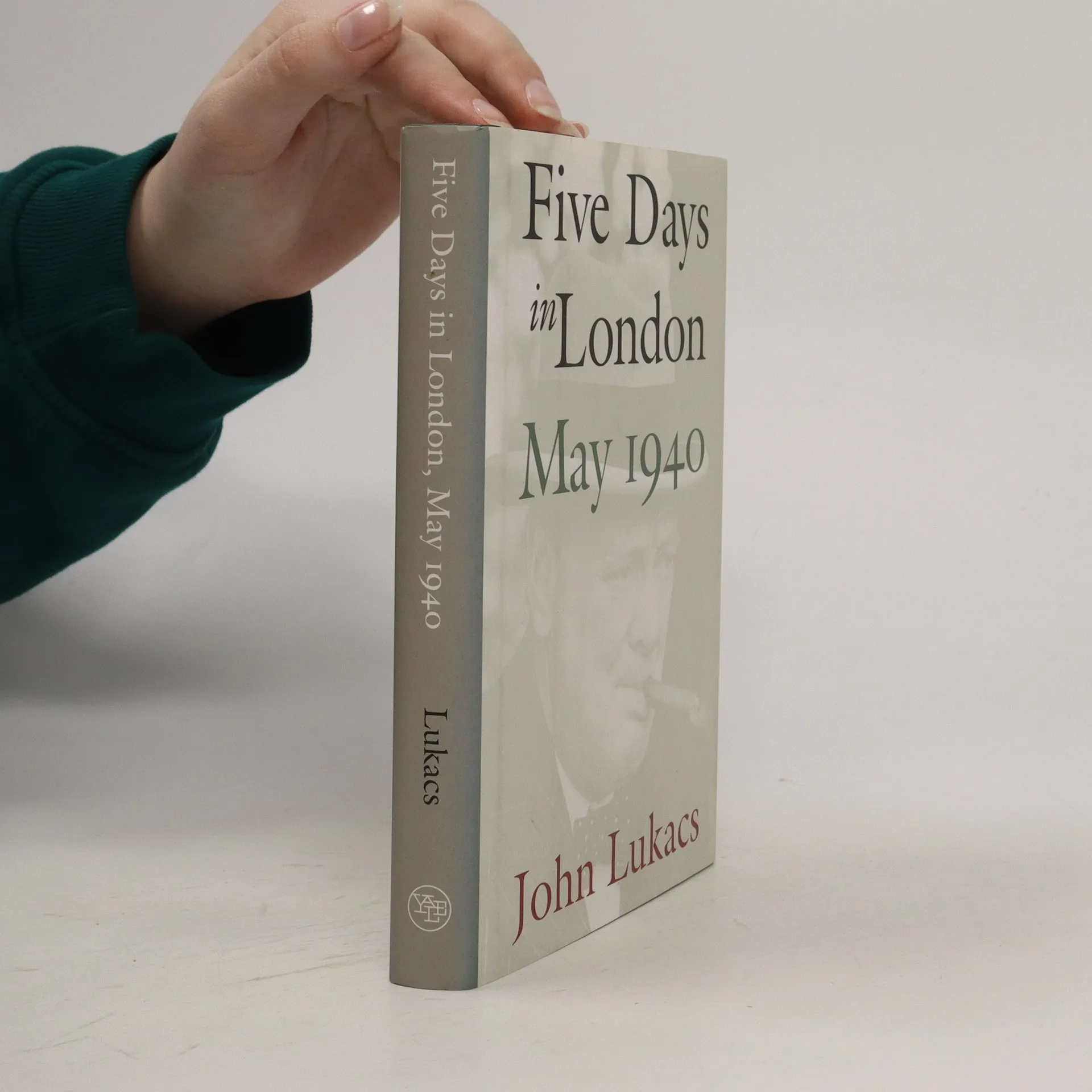
    Fünf Tage in London
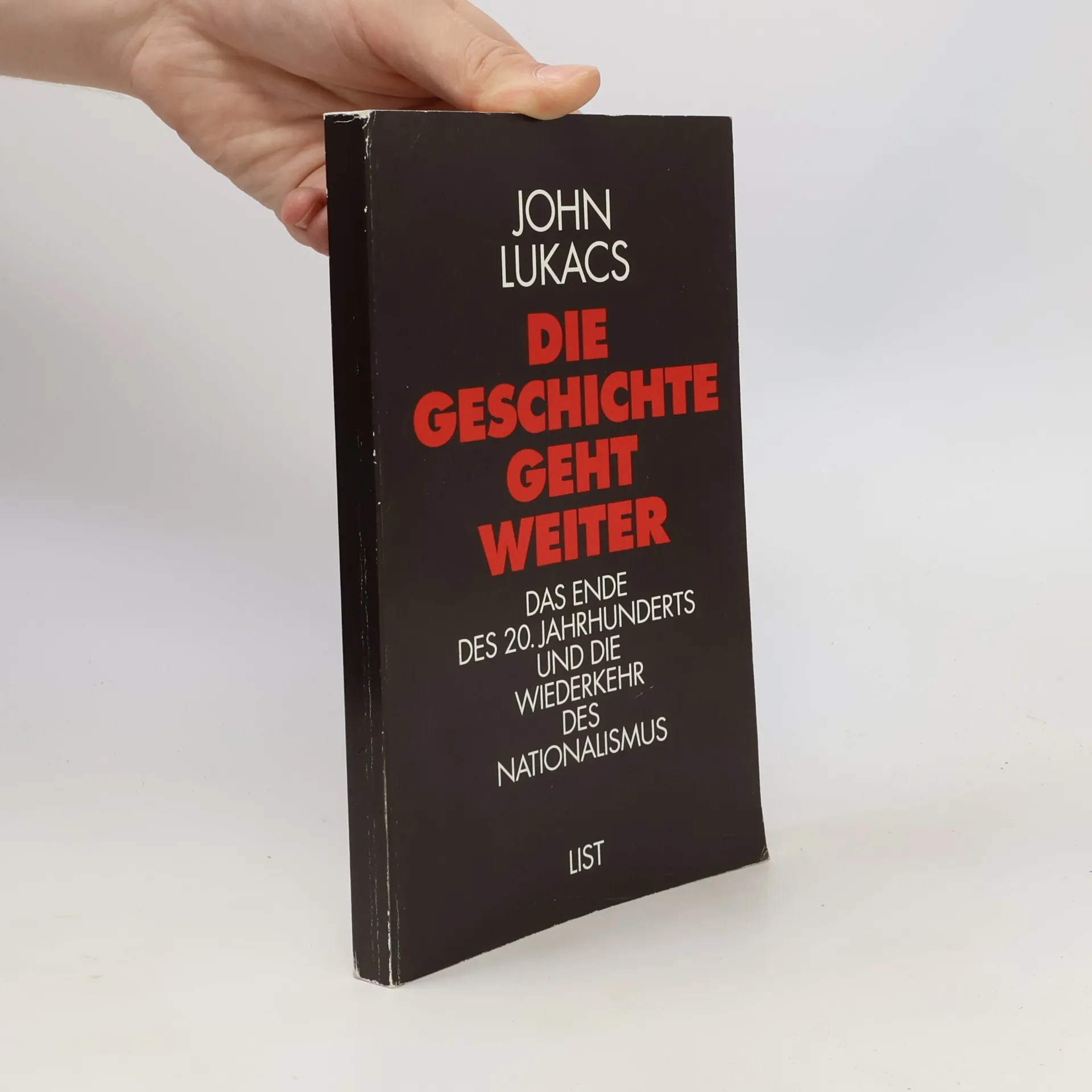
    Die Geschichte geht weiter
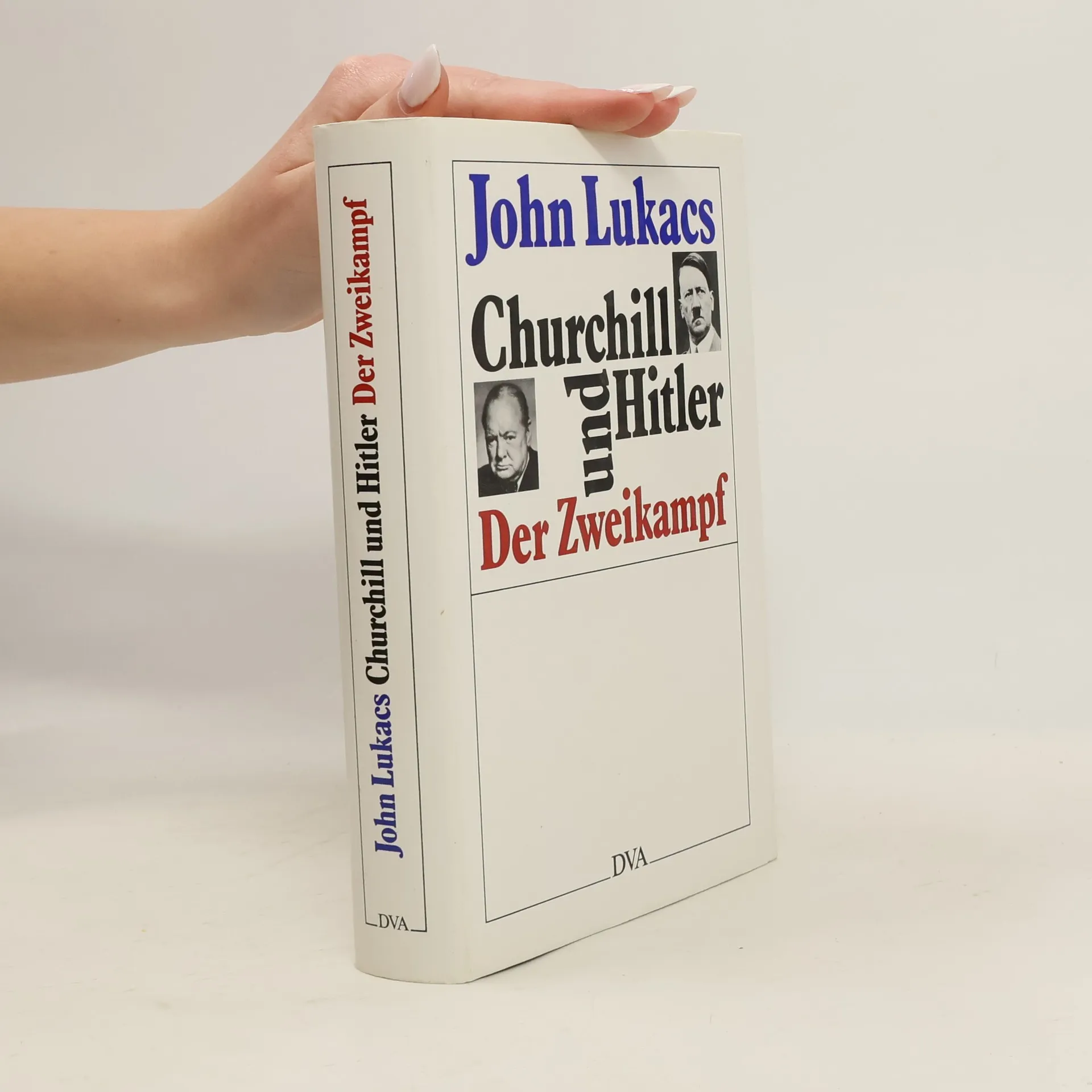
    Churchill und Hitler
    • 2025

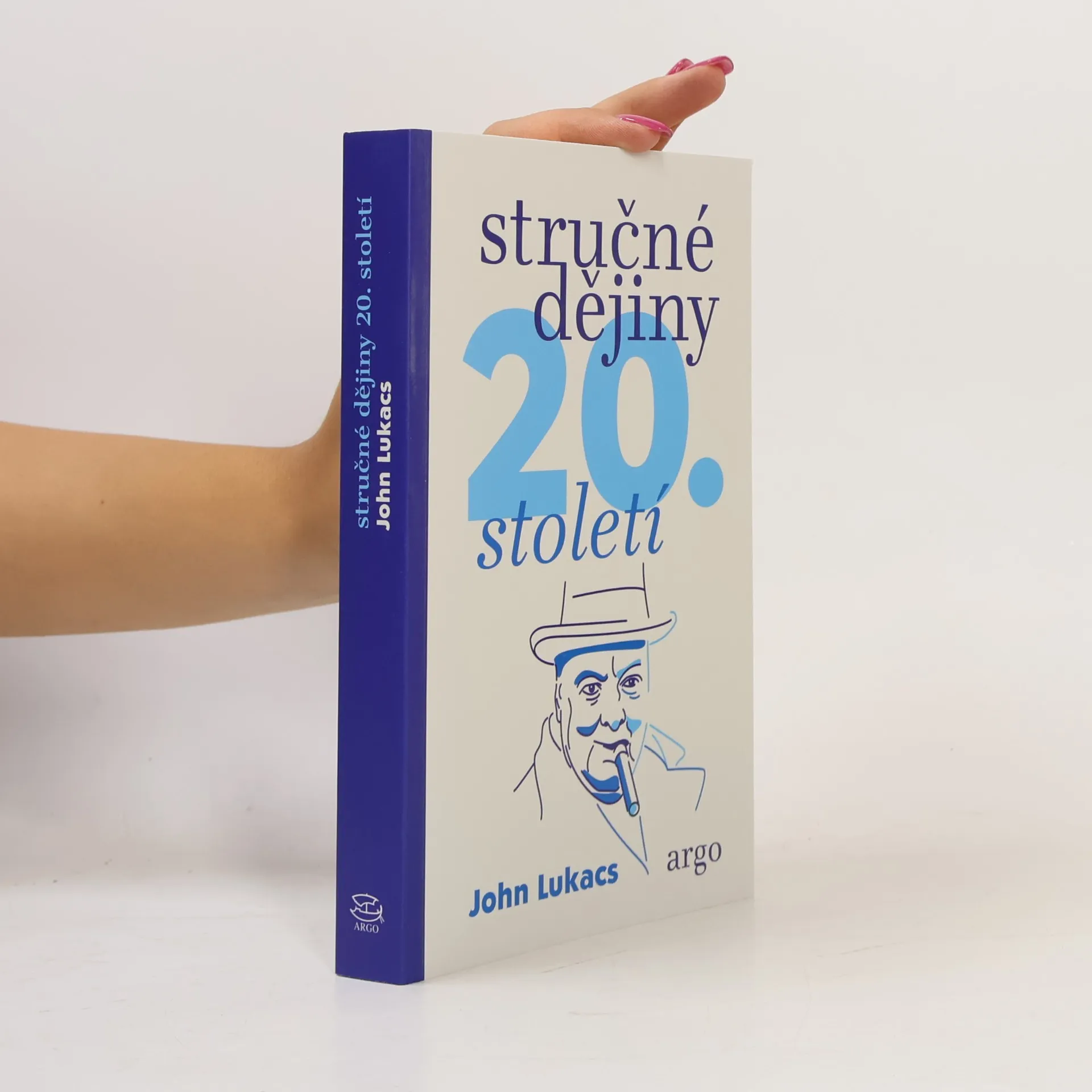
      Stručné dějiny 20. století

      • 264 Seiten
      • 10 Lesestunden

      Kniha provází čtenáře nejdůležitějším děním uplynulého století, jež vymezují letopočty 1914 až 1989, tedy od počátku první světové války až do zániku Sovětského svazu. Dvacáté století označuje za americké století, neboť Spojené státy americké v něm sehrály rozhodující roli na poli mocenských vztahů, ale i v oblasti novátorského, „moderního“ způsobu života a kultury. Autor se hlásí ke zdánlivě překonanému pojetí dějin, jež dává přednost roli mimořádných jedinců před vlivem ideologií a obecně společenských trendů. Říká, že Josef Stalin a Adolf Hitler a na druhé straně Winston Churchill a Franklin Roosevelt byli prvořadými hybateli 20. století. Nebýt jich, jeho dějiny by se ubíraly velice odlišnými cestami. Kniha se zaměřuje hlavně na dění v Evropě, neboť to formovalo poměry na celém světě. Nyní se ovšem dostává do popředí mimoevropský vývoj, daný vzestupem Číny i jiných neevropských zemí. V závěru tedy konstatuje, že končí jak věk světových válek, tak rozdělení Evropy, ale také evropský věk. I tak vyznívá kniha optimisticky: vidí sice příznaky úpadku ve sféře kultury a umění, ale v politické oblasti je demokracie při všech nesnázích celosvětově na vzestupu.

      Stručné dějiny 20. století
    • 2023

      Documents the escape of ten American prisoners of war from a World War II Japanese prison camp in the Philippines, describing the inhumane conditions they endured and the political struggle that influenced their return home.

      Escape From Davao
    • 2021

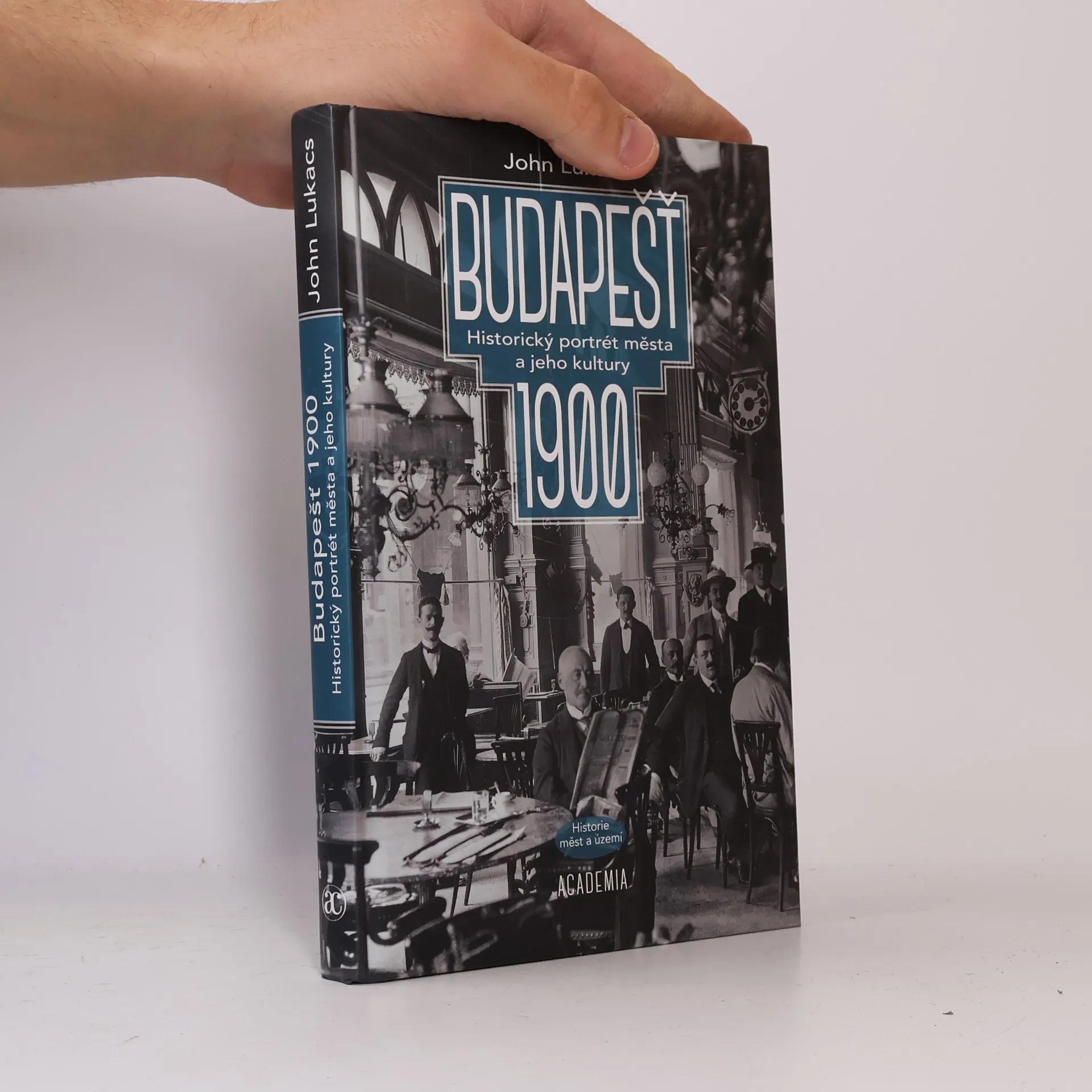
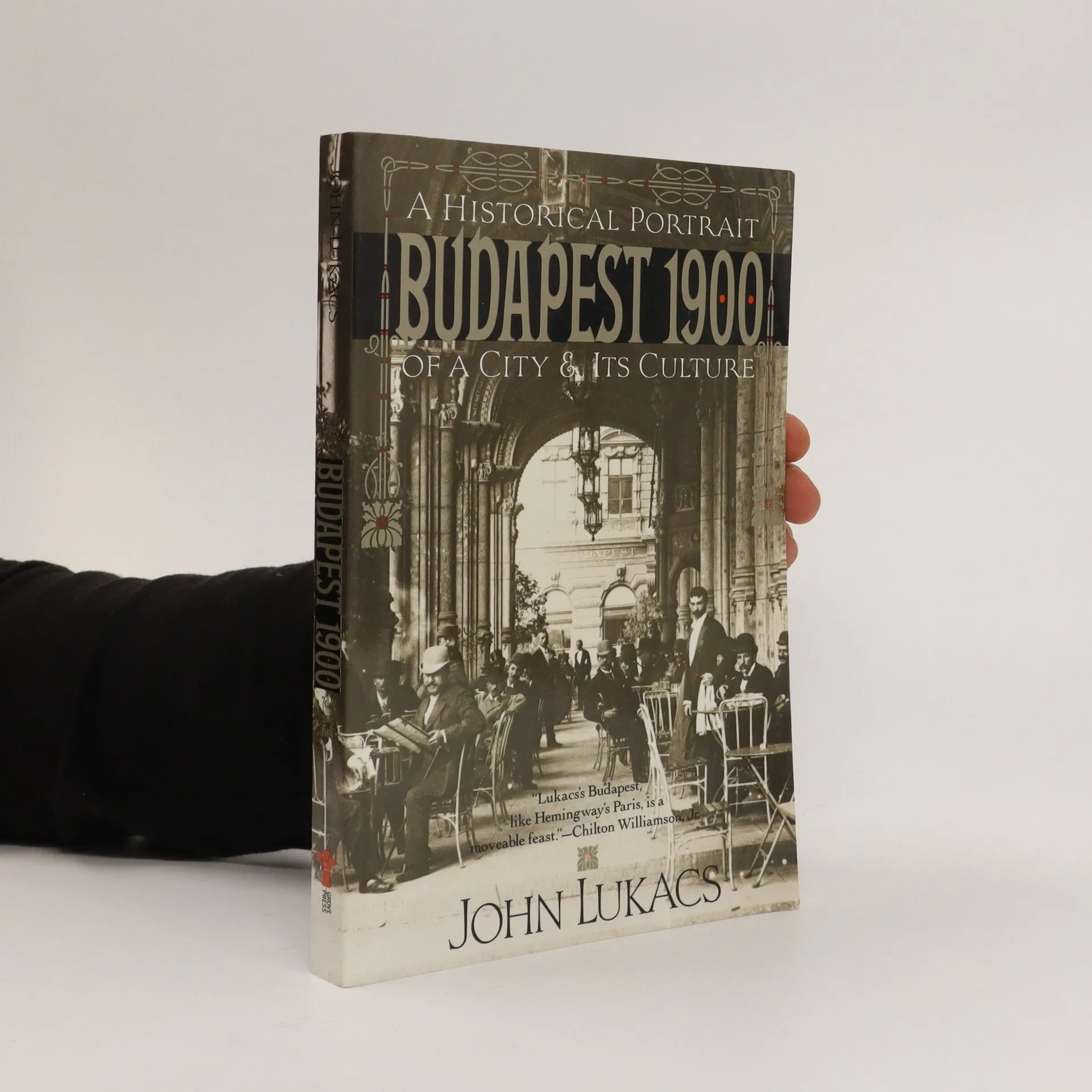
      Budapešť, stejně jako Paříž či Vídeň, zažila na konci devatenáctého století dobu náhlého rozkvětu. Stala se jednou z předních metropolí tehdejšího světa, s rychle rostoucí populací, výstavbou a překotně se rozvíjející kulturou, kolébkou, z níž vyšli světově proslulí hudební skladatelé Béla Bartók a Zoltán Kodály, spisovatelé Gyula Krúdy, Endre Ady, Ferenc Molnár, Arthur Koestler a mnozí další. Uznávaný historik a budapešťský rodák John Lukacs ve své knize předkládá barvitý obraz jednoho z evropských měst v době jeho největší slávy. Nabízí kulturní a historický portrét Budapešti – jejího vzhledu, zvuků a obyvatel, umělecké komunity, tehdejší spleti sociálních a politických vztahů a v neposlední řadě také významné role, již zde hrála židovská populace – a také historickou perspektivu, jež zachycuje vzestup města a jeho pády ve víru dvacátého století.

      Budapešť 1900: Historický portrét města a jeho kultury
    • 2020

      Focusing on the historical craft, this introduction highlights John Lukacs as a remarkable figure in historiography. It emphasizes his creative genius and unique approach to history, showcasing his contributions and insights that have shaped the discipline. Readers will gain an appreciation for Lukacs' distinctive perspective and the depth of his historical analysis.

      History and the Human Condition: A Historian's Pursuit of Knowledge
    • 2014
    • 2009

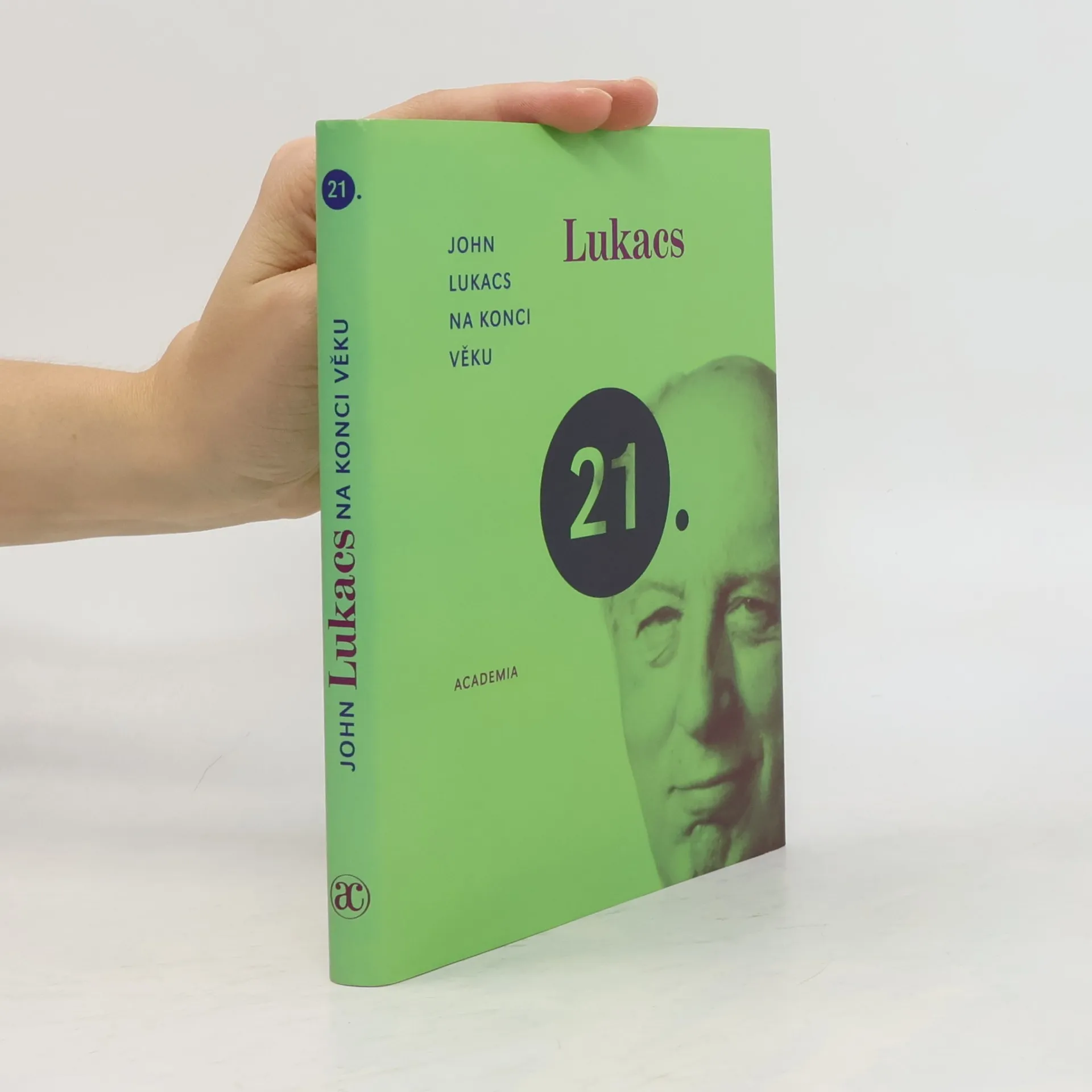
      V České republice téměř neznámý americký historik maďarského původu se narodil v roce 1924 a emigroval ze své rodné země v roce 1945. Tento plodný historik světového významu napsal 29 knih. Jednou z nich je Na konci věku z roku 2002, která je shrnutím jeho tří předchozích knih. Lukacs v ní tvrdí, že novověk, který začal před přibližně pěti sty lety rychle spěje ke svému závěru či možná již začal věk nový. Projevy této změny jsou již vidět, ale my si ji zatím plně neuvědomujeme. Lukacs v knize odmítá většinu zaběhaných idejí a doktrín naší doby a nabízí přesvědčivý systém pro pochopení dějin, vědy a lidských schopností vlastního poznání.

      Na konci věku
    • 2006

      June 1941. Hitler and Stalin

      • 169 Seiten
      • 6 Lesestunden
      3,6(20)Abgeben

      This brilliant new work by the author of the best-selling Five Days in London, May 1940 is an unparalleled drama of two great leaders confronting each other in June 1941. It describes Hitler and Stalin’s strange, calculating, and miscalculating relationship before the German invasion of Soviet Russia, with its gigantic (and unintended) consequences. John Lukacs questions many long-held beliefs; he suggests, for example, that among other things Hitler’s first purpose involved if Stalin’s Communist Russia were to be defeated, Hitler’s Third Reich would be well-nigh invincible, and the British and American peoples would be forced to rethink the war against Hitler. The book offers penetrating insights and a new portrait of Hitler and Stalin, moved by their long-lasting inclinations. Yet among other things, Lukacs presents evidence that Hitler (rather than his generals) had moments of dark foreboding before the invasion. Stalin could not, because he wished not, believe that Hitler would choose the risk of a two-front war by attacking him; he was stunned and shocked and came close to a breakdown. But he recovered, grew into a statesman, and eventually became a prime victor of the Second World War. Such are the ironies of history; John Lukacs paints them with a shining narrative skill.

      June 1941. Hitler and Stalin
    • 2006

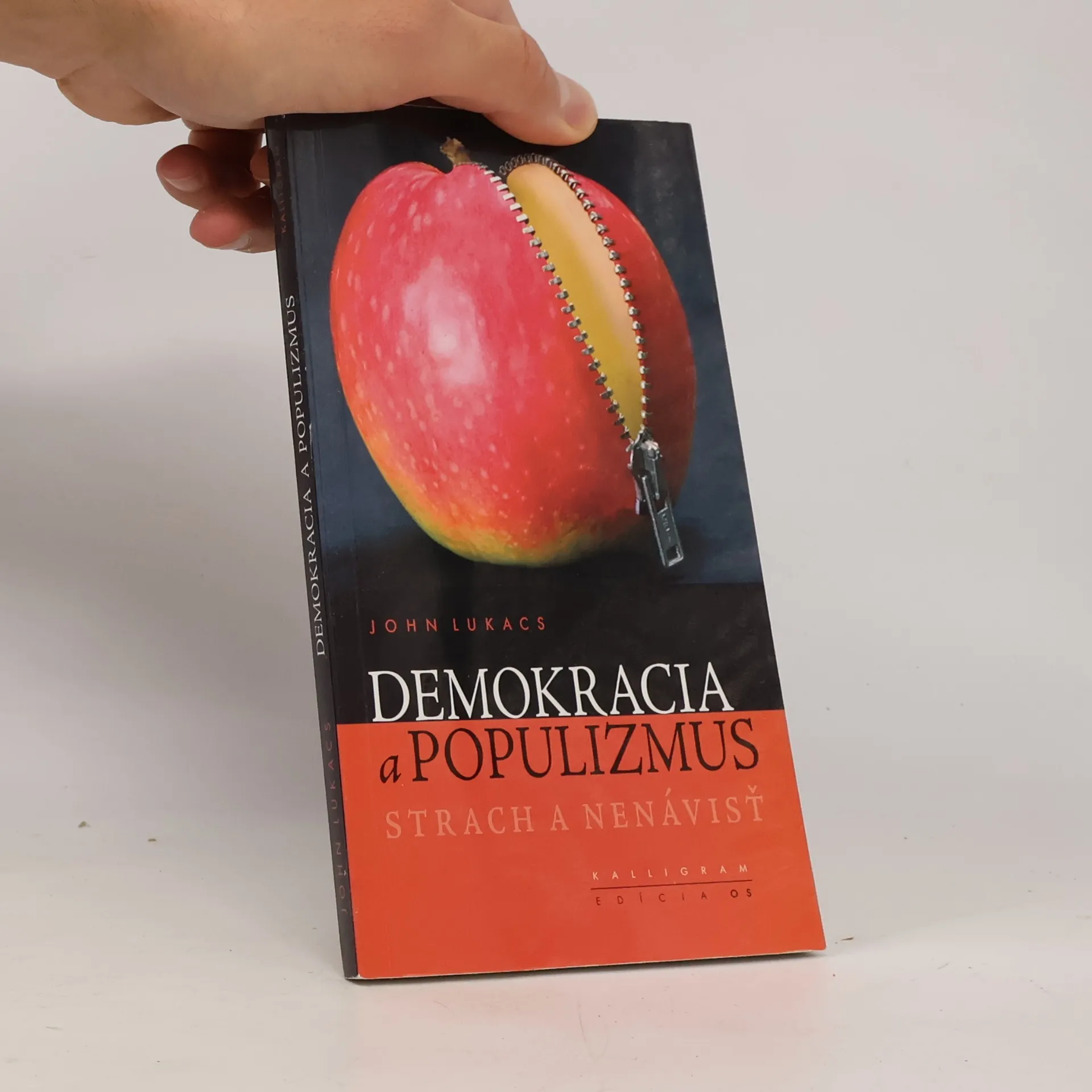
      Lukacs v knihe dáva do kontrastu politické systémy, hnutia a ideológie, ktoré učarovali 20. storočiu: demokraciu, liberalizmus, nacionalizmus, fašizmus, boľševizmus, národný socializmus, populizmus. V úvahách o americkej demokracii opisuje jej vývoj od 18. storočia po jej dnešnú podobu – nebezpečný a možno nezvratný populizmus, ktorý okrem iného zahŕňa prevahu ľudového sentimentu nad tým, čo bolo kedysi verejnou mienkou. Na tomto stave má podiel gigantická mašinéria masmédií, uprednostňujúca propagandu a zábavu, namiesto zmyslu pre históriu. Je to druh populizmu, ktorý siaha po nacionalizme a militarizme na to, aby udržal spoločnosť vcelku. Lukacsove postrehy sú originálne, štipľavé, aktuálne a dozaista inšpiratívne pre živú debatu o chúlostivom stave dnešnej (nielen) americkej demokracie.

      Demokracia a populizmus: Strach a nenávisť
    • 2004

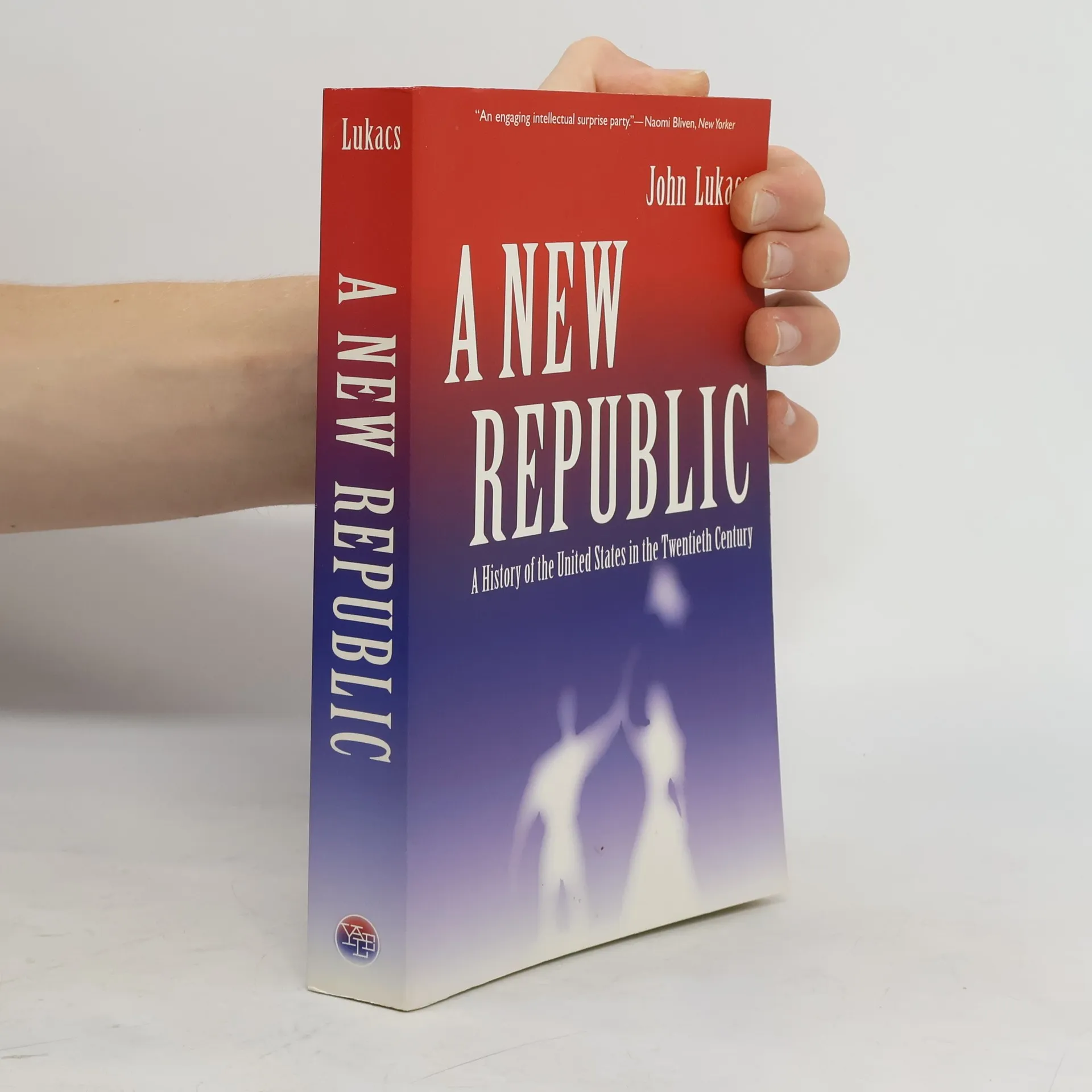
      A New Republic

      A History of the United States in the Twentieth Century

      • 486 Seiten
      • 18 Lesestunden

      An eminent historian offers his views on American democracy In A New Republic, one of America's most respected historians offers a major statement on the nature of our political system and a critical look at the underpinnings of our society. American democracy, says John Lukacs, has been transformed from an exercise in individual freedom and opportunity to a bureaucratic system created by and for the dominance of special groups. His book, first published in 1984 as Outgrowing Democracy, is now reissued with a new introduction, in which Lukacs explains his methodology, and a new final chapter, which sums up Lukacs's thoughts on American democracy today. Reviews of the earlier edition "A rich, subtle, and often ingenious argument . . . an eloquent, provocative, but disturbing book."--Edwin M. Yoder, Jr., Washington Post Book World "Mr. Lukacs is an original and subtle historian, and [this book] is an engaging intellectual surprise party. . . . I was continuously enchanted by the play of his ideas--by the sharpness of his distinctions and the acuteness of his descriptions."--Naomi Bliven, New Yorker "It has been a long time since Americans were offered such a provocative interpretation of their historical predicament. . . . We would be foolish not to examine it closely."--Laurence Tool, Society

      A New Republic
    • 2002

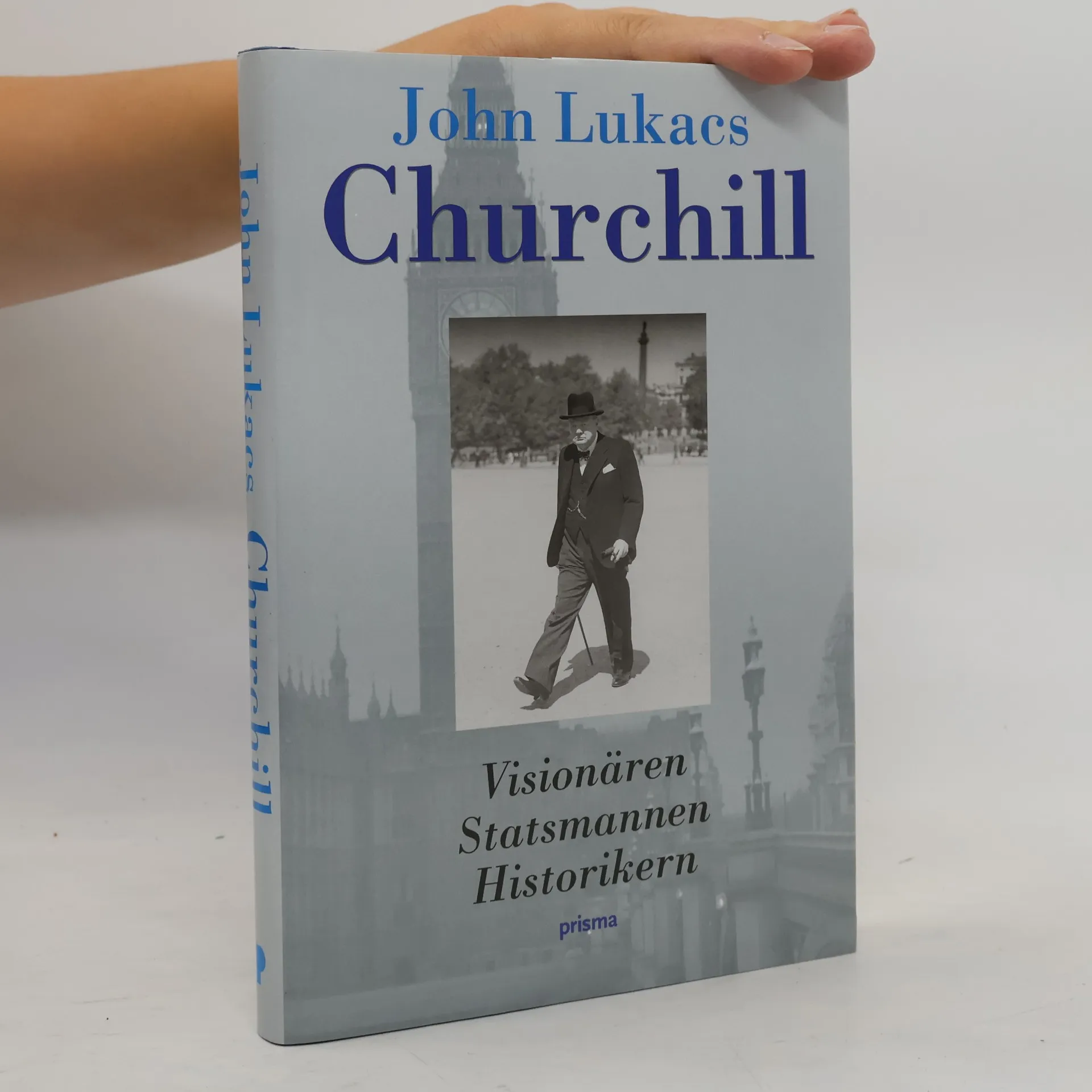
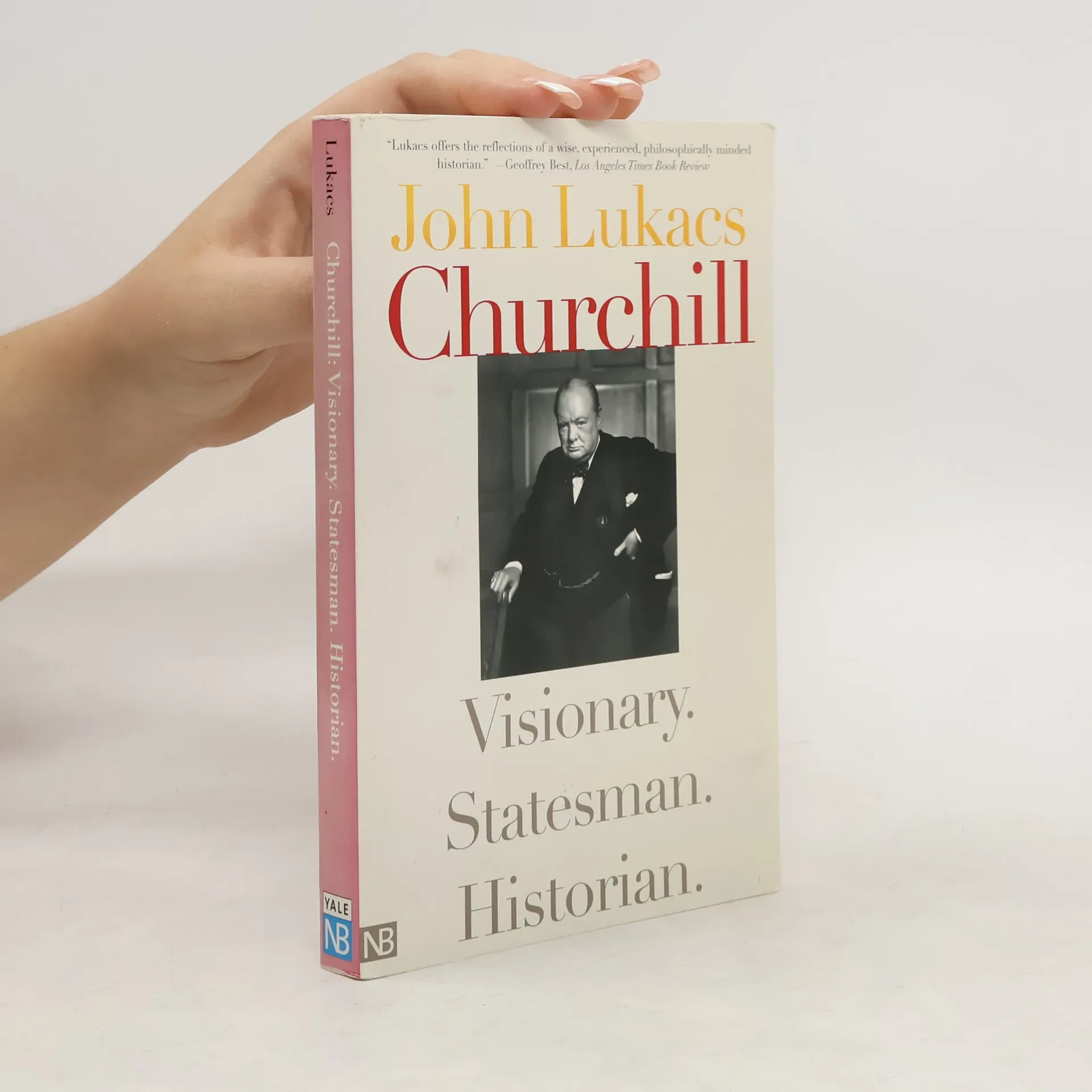
      A clear-eyed view of Winston Churchill, the workings of his historical imagination, and his successes and failures as a statesman, by the celebrated historian of World War II and best-selling author of Five Days in London, May 1940John Lukacs has spent a lifetime considering the complex personality and statesmanship of Winston Churchill. In previous books Lukacs has told the story of Churchill’s titanic struggle with Adolf Hitler in the early days of World War II. Now, in Churchill: Visionary. Statesman. Historian., he turns his attention to Churchill the man and visionary statesman.Each chapter of this book provides an essential portrait of Churchill. Lukacs treats Churchill’s vital relationships with Stalin, Roosevelt, and Eisenhower, as well as his complex, farsighted political vision concerning the coming of World War II and the Cold War. Lukacs also assesses Churchill’s abilities as a historian looking backward into the origins of the conflicts of which he was so much a part. In addition, the author examines the often contradictory ways Churchill has been perceived by critics and admirers alike. The last chapter is a powerful and deeply moving evocation of the three days Lukacs spent in London attending Churchill’s funeral in 1965. In Churchill: Visionary. Statesman. Historian., Lukacs deftly sets forth the essence of this towering figure of twentieth-century history with the consummate mastery of a great historian.

      Churchill: Visionary. Statesman. Historian.