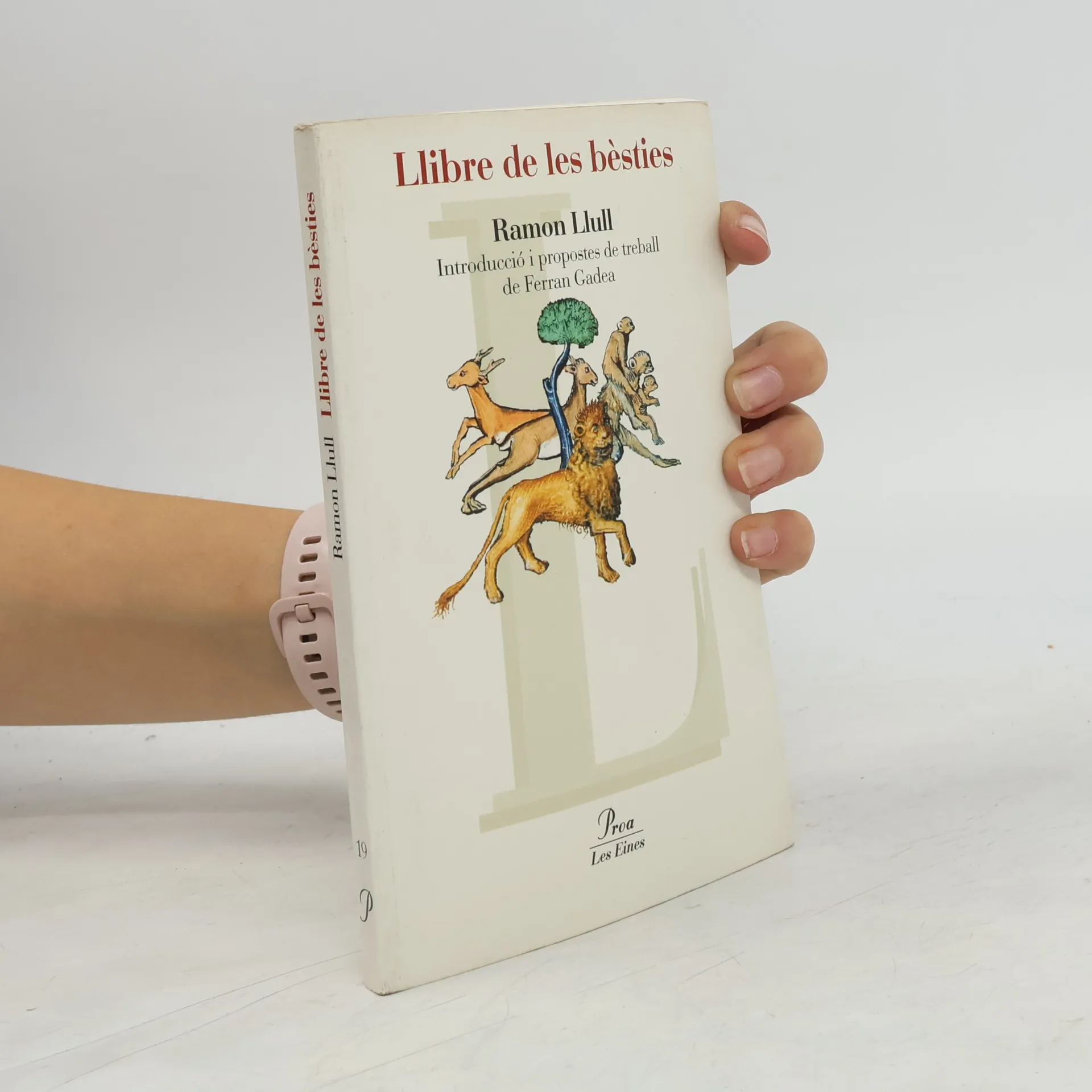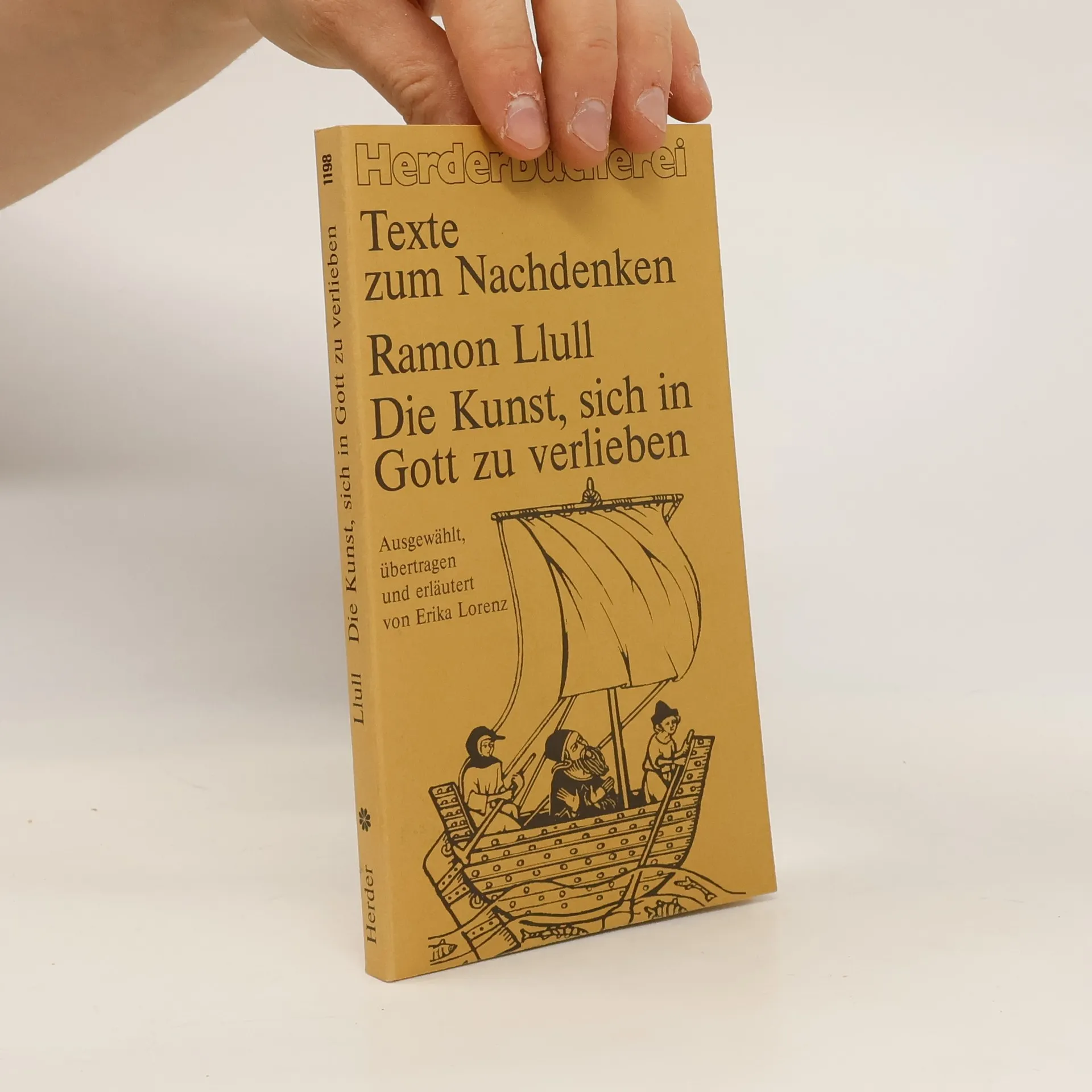
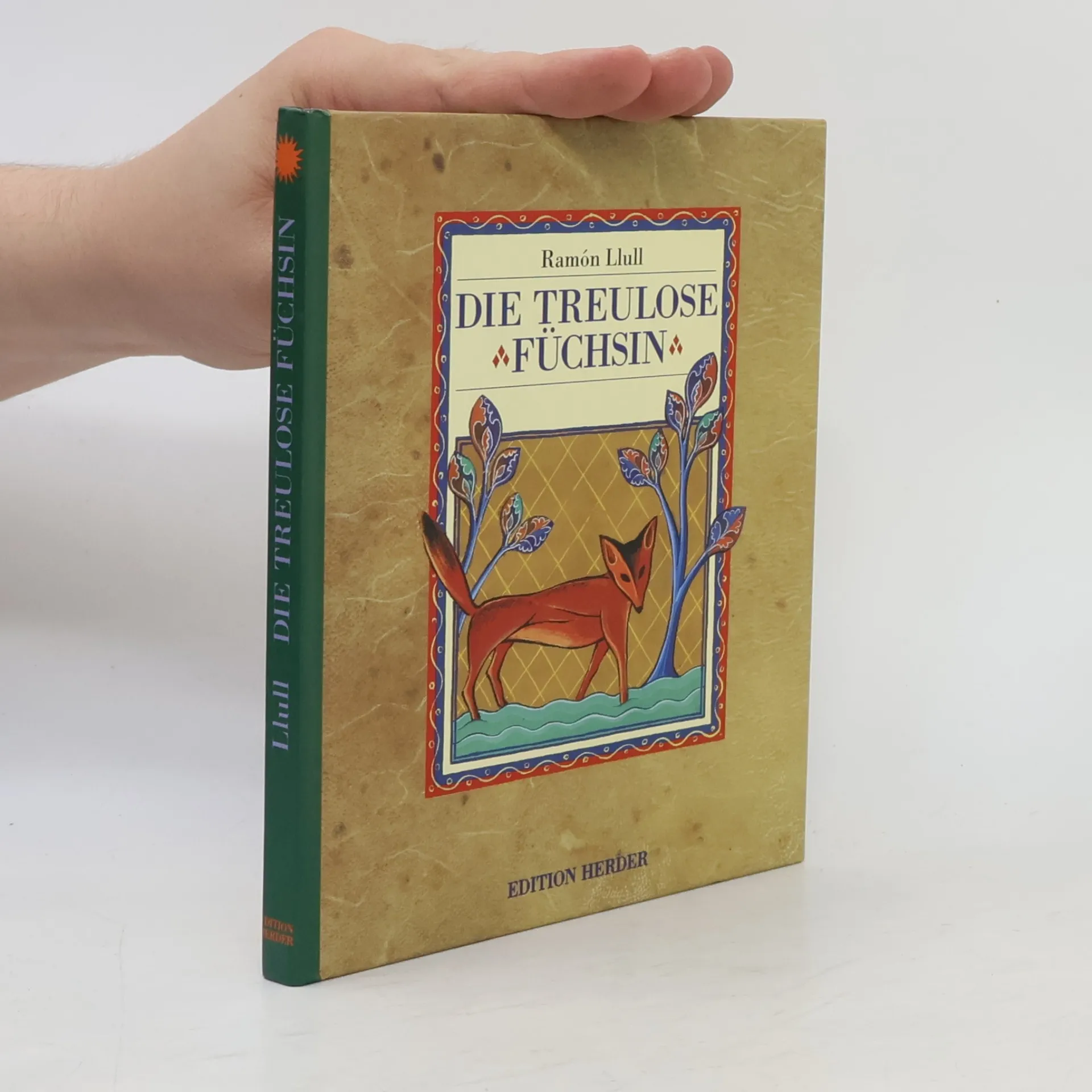
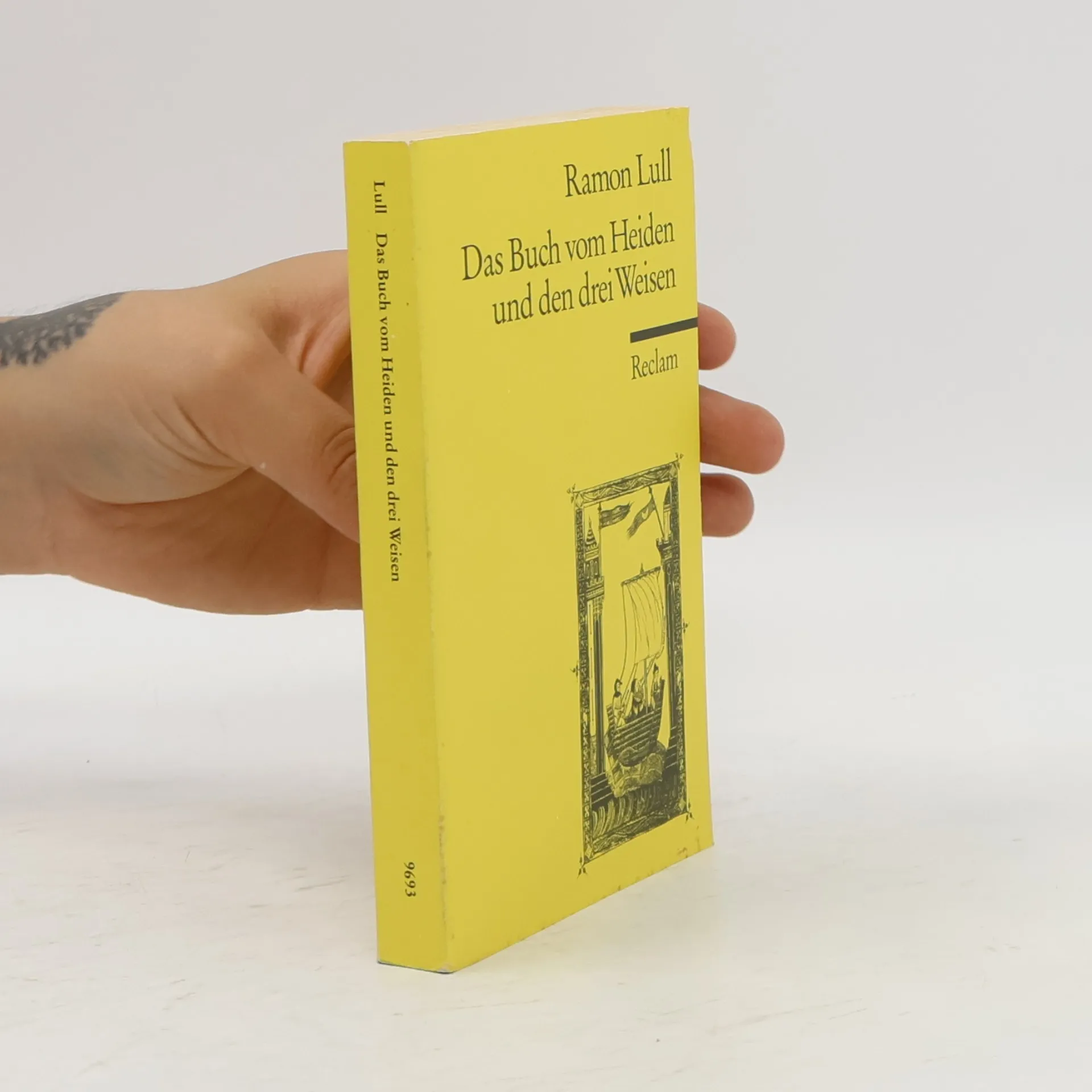
Ramon Llull war ein einflussreicher katalanischer Denker, dessen Schriften einen frühen Höhepunkt der katalanischen Literatur darstellen. Seine Arbeit, die die moderne Logik und Informationstheorie vorwegnahm, umfasste philosophische Essays und literarische Werke. Llulls intellektuelles Erbe hat zukünftige Generationen von Gelehrten inspiriert, und seine literarische Bedeutung ist bis heute offensichtlich.
This book provides an in-depth exploration of the life and works of the renowned philosopher and theologian Raimundus Lullus. Through a detailed analysis of his major philosophical treatises, readers gain a deeper understanding of Lullus' unique and influential worldview, which had a profound impact on medieval thought and culture.
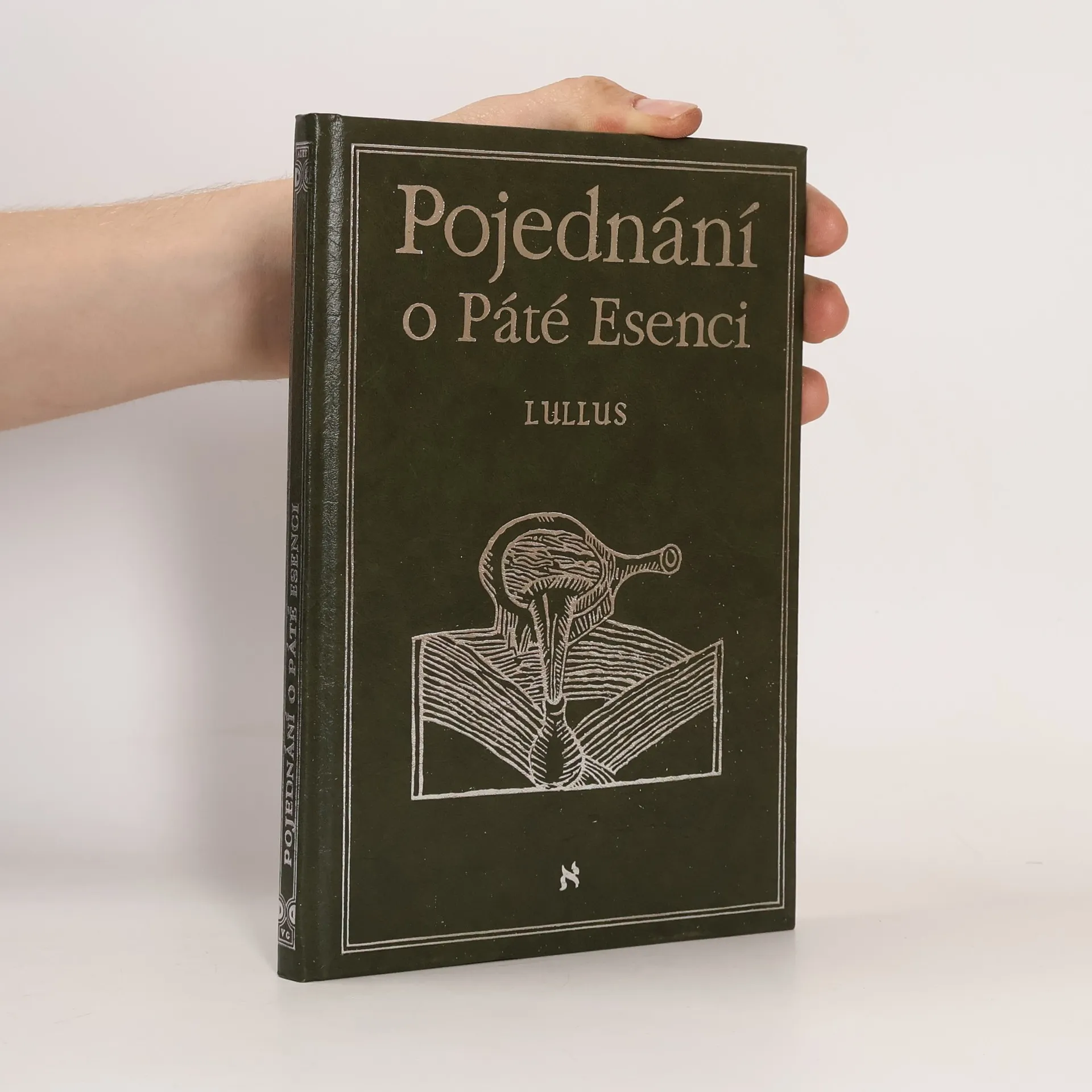
This Latin treatise, written by the medieval philosopher Raimundus Lullus in the early 14th century, is an early example of algebraic notation and theory. The book presents a system of logic and mathematics based on the combination of letters and symbols, and offers insights into the development of mathematical thinking in the Middle Ages.
The book offers a faithful reproduction of the original text, preserving its authenticity and historical significance. Readers can expect to engage with the content as it was originally presented, making it an essential resource for those interested in its themes, context, and the era it represents. This reproduction aims to provide an accurate reflection of the original work, allowing for a deeper understanding and appreciation of its contributions to literature or its respective field.
This book presents a faithful reproduction of the original work, preserving its content and style. It serves as a valuable resource for readers interested in experiencing the text as it was first intended, offering insights into the themes and ideas of the time. The careful reproduction ensures that the nuances of the original are maintained, making it an essential addition for collectors and enthusiasts alike.
Culturally significant, this work offers a reproduction of an original artifact, preserving its authenticity and historical context. It includes original copyright references and library stamps, reflecting its importance in the knowledge base of civilization. The careful reproduction aims to maintain the integrity of the original text, making it a valuable resource for scholars and readers interested in historical works.
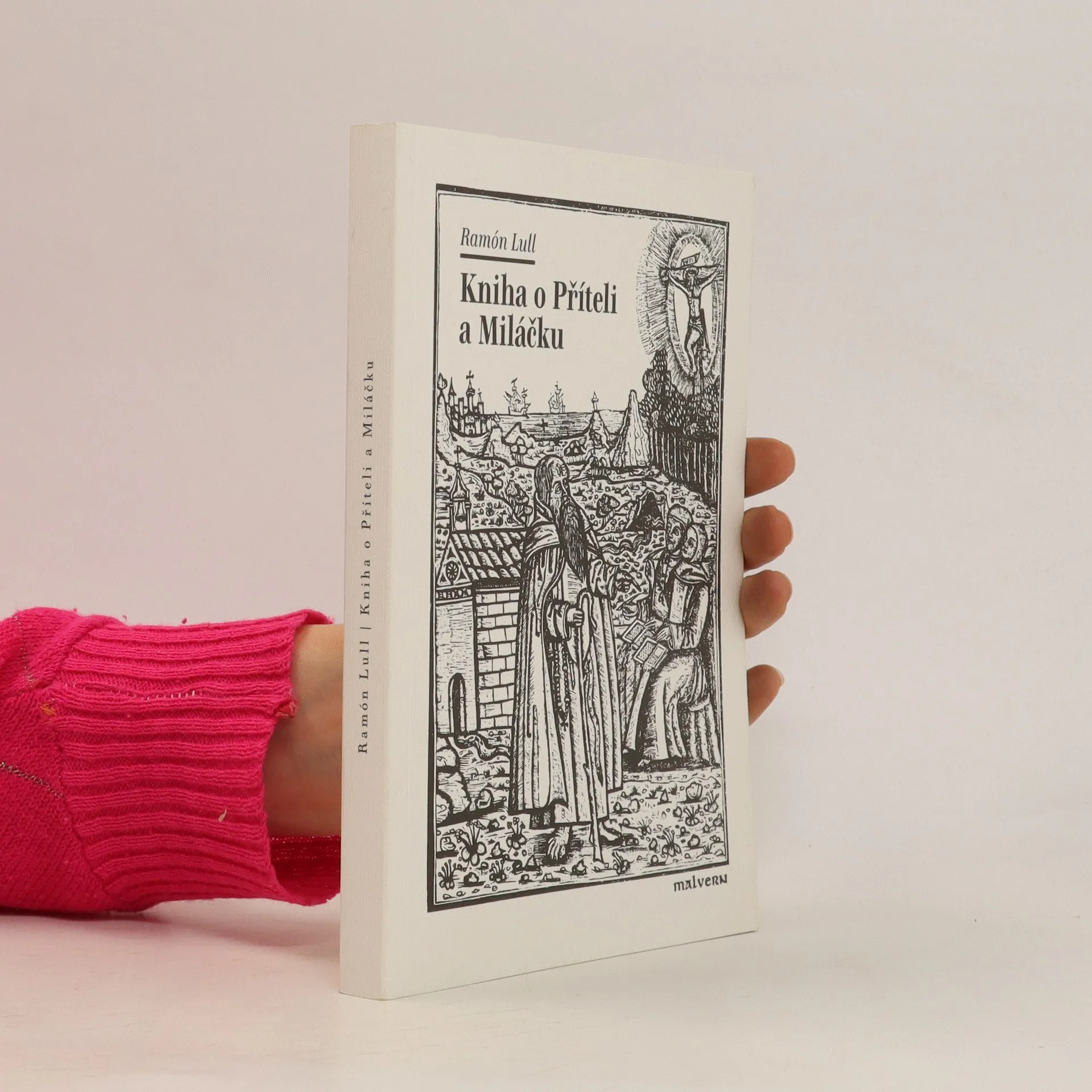
Der Baum der Liebesphilosophie erscheint hier zum ersten Mal in deutscher Übersetzung - 700 Jahre nach Ramon Llulls Tod. Im Symbol des Baumes veranschaulicht Llull seine Philosophie der Liebe und macht in den Wurzeln, im Stamm, in den Ästen, Zweigen, Blättern, Blüten und Früchten ihre verschiedenen Teile gleichsam sichtbar. Dieses mystisch-kontemplative Werk umfasst alle inhaltlichen und stilistischen Elemente von Llulls vielfältigem Schaffen: Die Mystik in der Zwiesprache zwischen dem Geliebten (Gott) oder der personifizierten Liebe und dem Freund (dem gläubigen Menschen); den narrativen, romanhaften Stil in der Erzählung vom Liebestod des Freundes; weit ausholende philosophisch-theologische Erörterungen neben kurzgefassten Sentenzen; und schließlich die Allegorie, en vogue im Paris des 13. Jahrhunderts, vor allem mit dem Roman de la Rose, den alle gebildeten Kreise und sicher auch Ramon Llull kannten. Allerdings behandelt Llull nicht die höfisch-weltliche Liebe des Roman, sondern die Gottes- und Nächstenliebe, für die er seine Leser zu gewinnen versucht.
Ramon Llull (Amat) és el gran savi universal de l’edat mitjana, considerat com «el pare de la literatura catalana» i igualment «un pare d’Europa». Neix l’any 1232 a Palma de Mallorca i mor amb edat molt avançada l’any 1316 en un vaixell en el mar Mediterrani prop de la seva illa nadiua. El »Llibre d’Amic i Amat« forma part (capítol 99) de l’obra Llibre d’Evast e Bla(n)querna (1288) i consta de 365 versicles, un per cada dia de l’any.
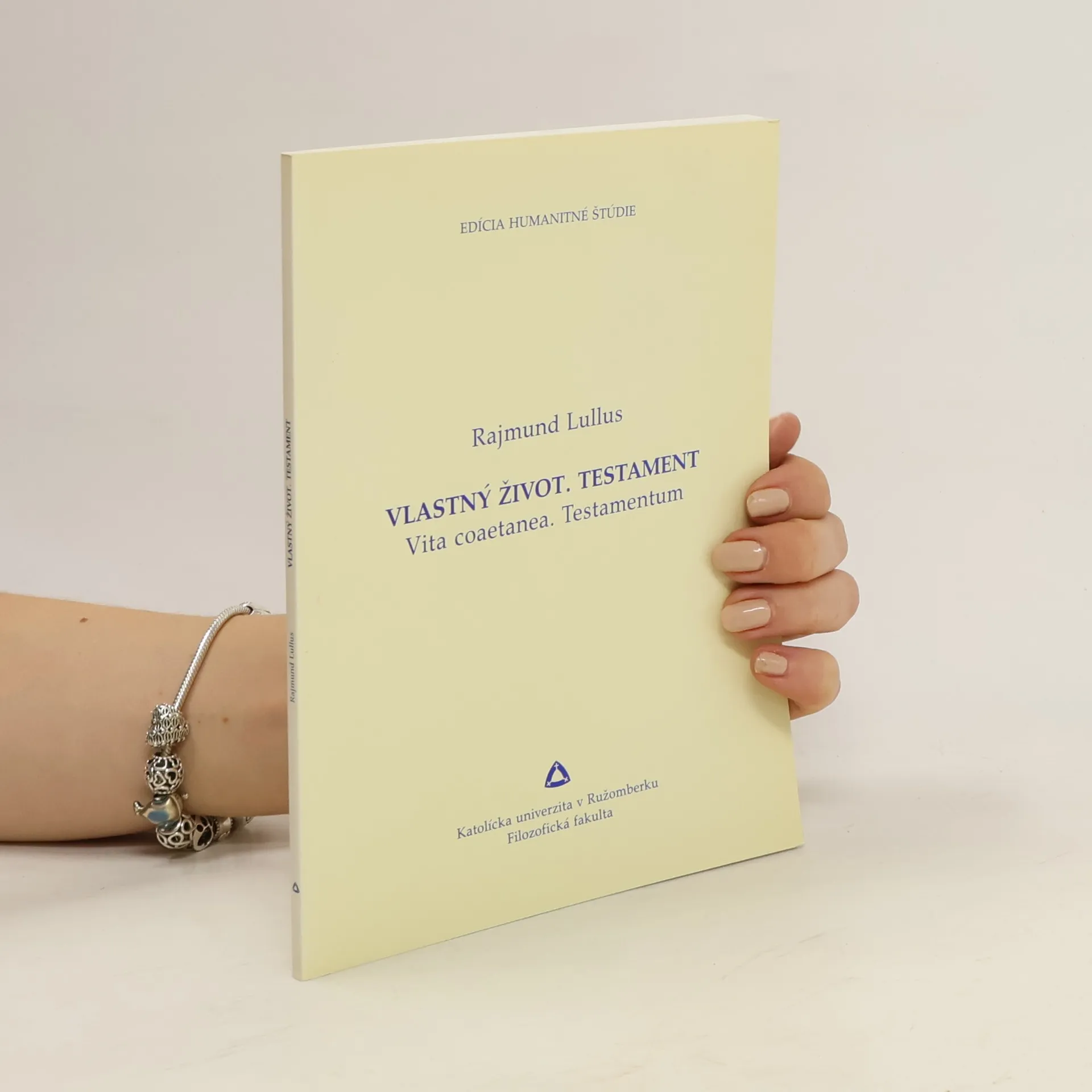
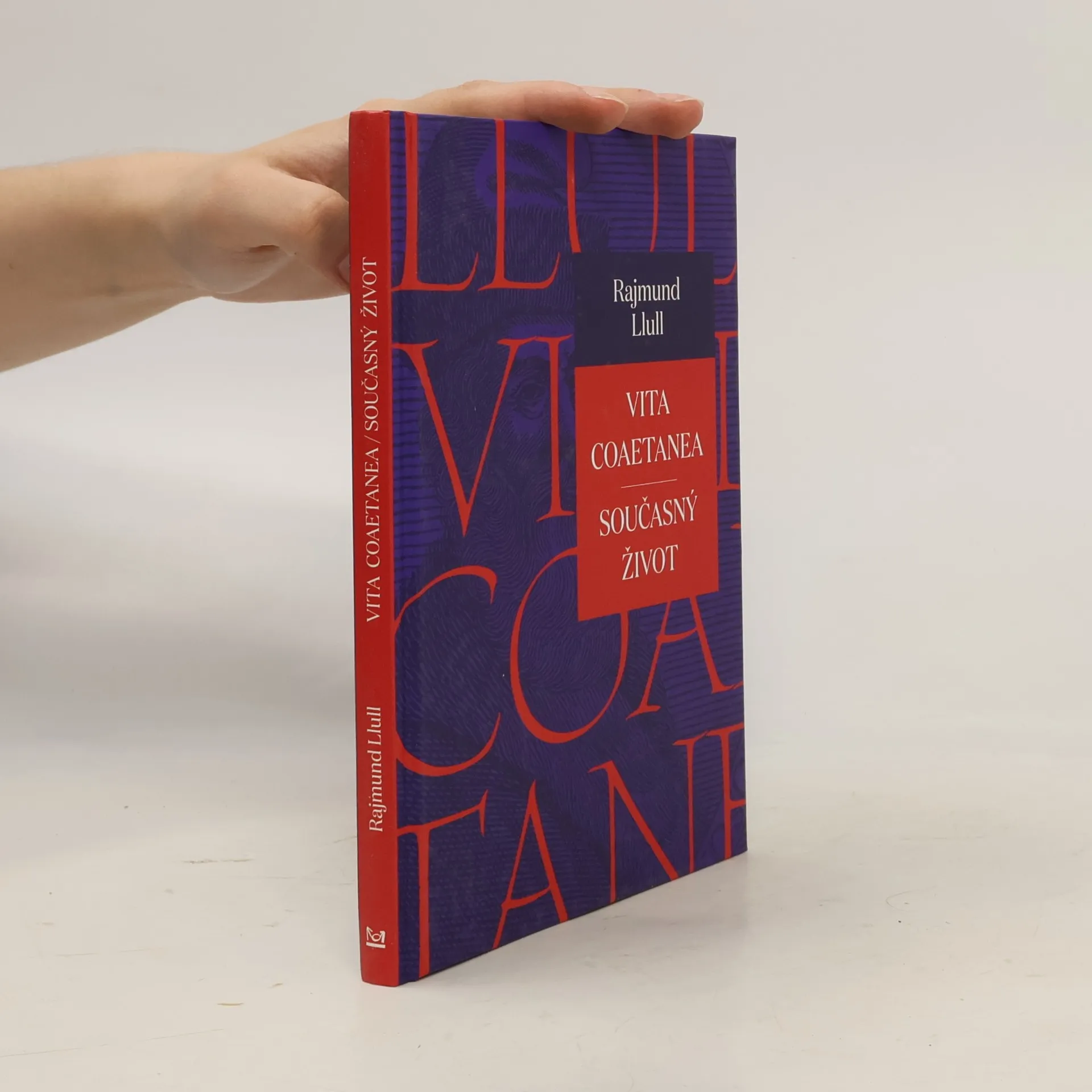
Kniha přináší latinsko-český překlad Llullova Vita coatanea, který je doprovázen komentářem, soustřeďujícím se na historický kontext Vita. Úvodní studie seznámí čtenáře s vybranými okruhy Llullova myšlení, přičemž důraz klade na apologeticko-misijní aspekt jeho činnosti, jenž se projevoval především Llullovým úsilím navázat pomocí Umění mezináboženský dialog s židy a muslimy. Přeložil, doprovodnou studií a poznámkami opatřil Petr Hromek.
Rajmund Llull (1232/33 - 1316), zvaný doctor illuminatus, je většinou znám jako mystik, kabalista a alchymista. Můžeme jej ovšem také charakterizovat jako znamenitého učence, který coby autodidakt dokázal obsáhnout celou šíři tehdejšího vzdělání. Lze jej proto označit i za originálního filosofa, který vytvořil specifické synkretické Umění (ars combinatoria), v němž není zahrnuta pouze intelektuální tradice latinského Západu, ale i motivy vycházející ze židovské a islámské filosofie a mystiky. Nemusí nás tedy ani příliš překvapovat, že Llullovo učení bylo následováno takovými osobnostmi, jako byli Mikuláš Kusánský, Giovanni Pico della Mirandola, Giordano Bruno, Athanasius Kircher, Kašpar Knittel či Gottfried Wilhelm Leibniz.