Timothy Radcliffe Bücher
Dieser Autor befasst sich mit tiefgründigen Fragen des Glaubens und der menschlichen Existenz und betont Mitgefühl und Gnade. Sein Schreiben zeichnet sich durch seine poetische Qualität und seine Fähigkeit aus, das Heilige im Alltag zu finden. Durch sein Werk lädt er die Leser ein, über den Sinn des Lebens und den Weg zum inneren Frieden nachzudenken. Seine Schriften bieten Trost und Inspiration für diejenigen, die ein tieferes Verständnis der spirituellen Dimension suchen.



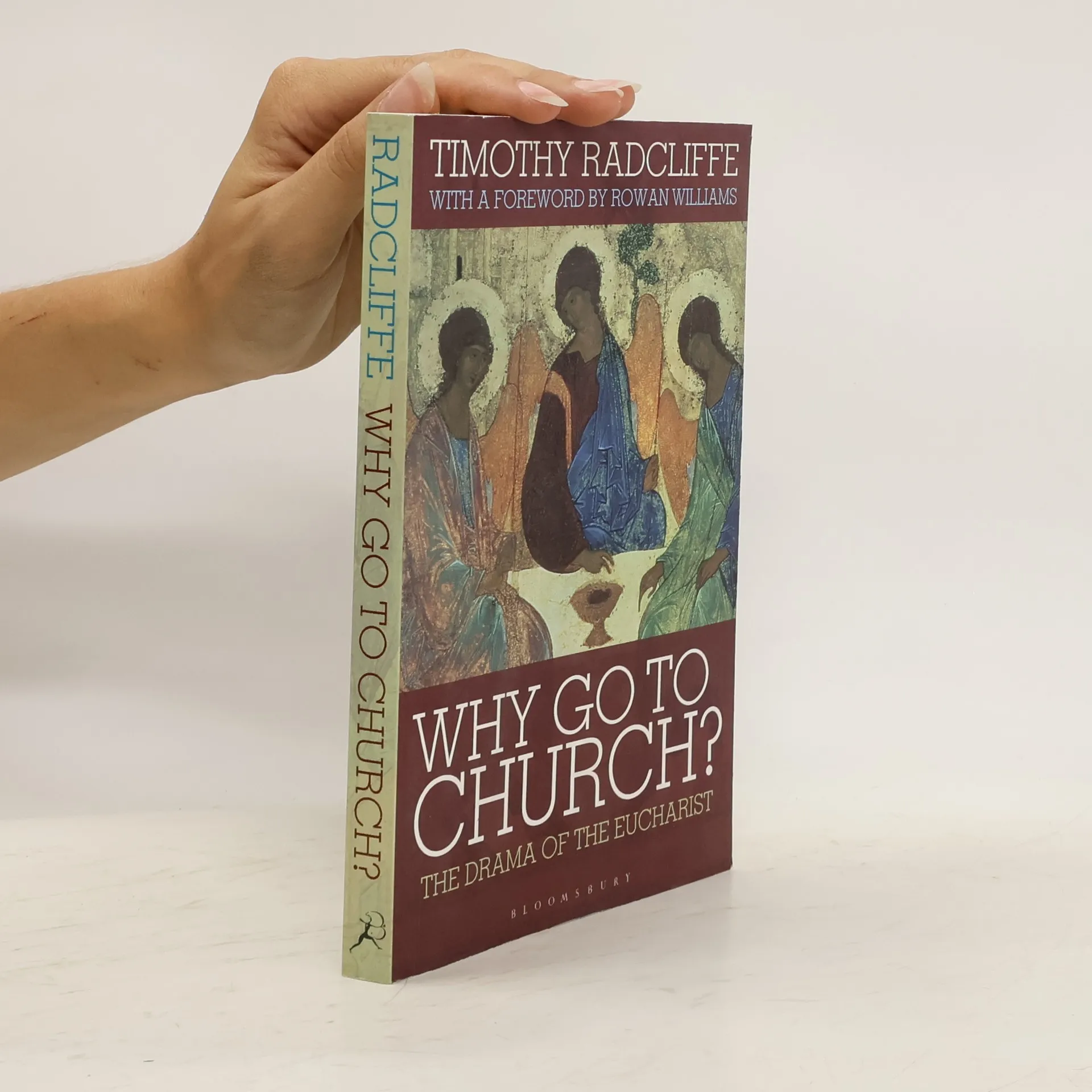
Why Go to Church?
- 214 Seiten
- 8 Lesestunden
The Eucharist, writes Timothy Radcliffe, is a three part drama, forming us in faith, hope and love. In this book he examines what it means to "celebrate" the Eucharist. Other people experience it as boring and pointless. Listening to the readings, the homily and the creed all take us through the crises and challenges of faith. From the offertory through to the end of the Eucharistic prayer we are caught up in the hope that was Christ's, faced with Good Friday. From the Our Father until we are sent on our way, especially in receiving communion, we are formed as people who are capable of love.
Alive in God
- 432 Seiten
- 16 Lesestunden
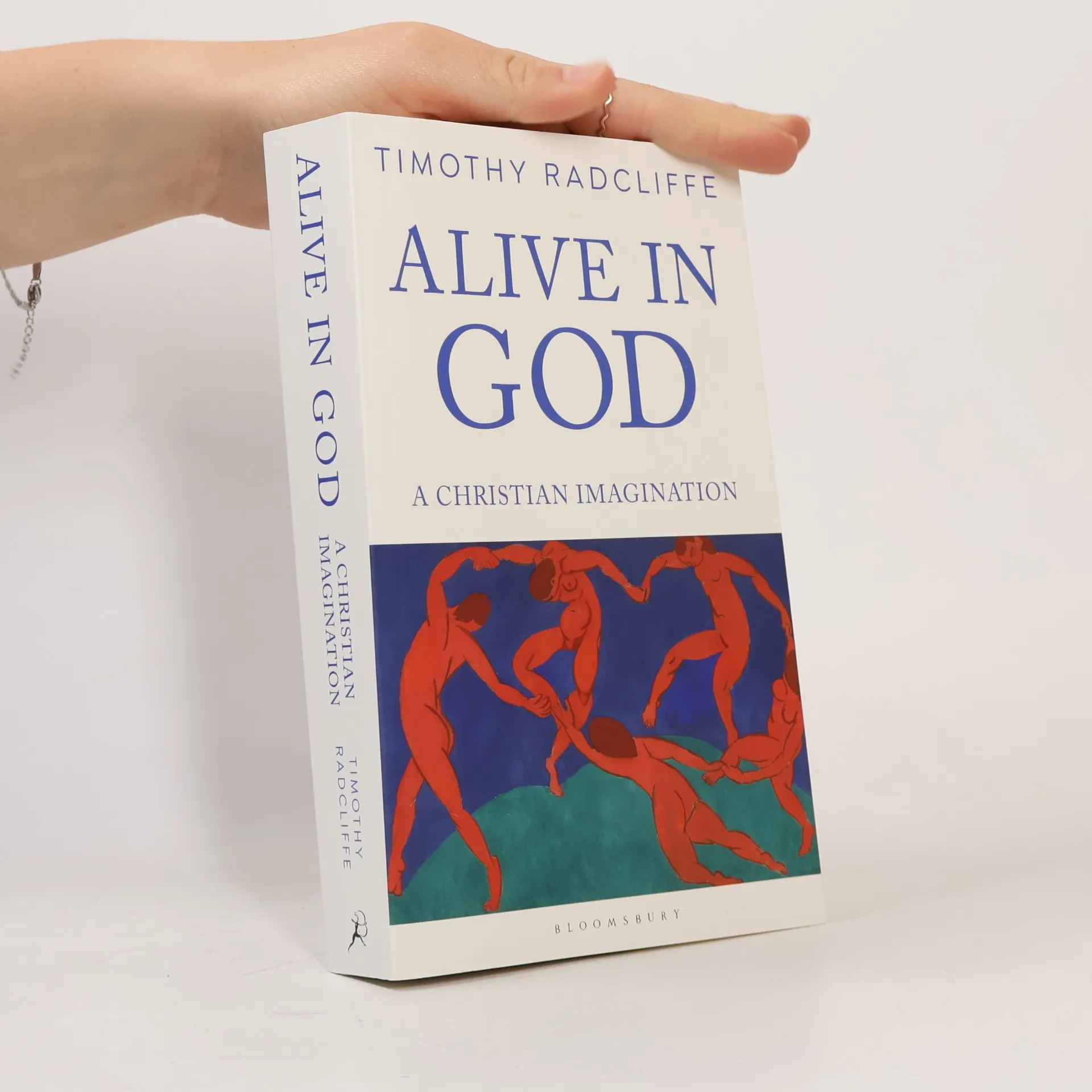
Timothy Radcliffe considers the strength of the Christian imagination in its ability inspire others. How can Christianity touch the imagination of our contemporaries when ever fewer people in the West identify as religious? Timothy Radcliffe argues we must show how everything we believe is an invitation to live fully. God says: "I put before you life and death: choose life." Anyone who understands the beauty and messiness of human life--novelists, poets, filmmakers and so on--can be our allies, whether they believe or not. The challenge is not today's secularism but its banality. We accompany the disciples as they struggle to understand this strange man who heals, casts out demons and offers endless forgiveness. In the face of death, he teaches them what it means to be alive in God. Then he embraces all that afflicts and crushes humanity. Finally, Radcliffe explores what it means for us to be alive spiritually, physically, sacramentally, justly and prayerfully. The result is a compelling new understanding of the words of Jesus: "I came that they may have life and have it abundantly."
What is the Point of Being a Christian?
- 224 Seiten
- 8 Lesestunden
Timothy Radcliffe is in demand the world over with Bishops, priests, lay people and above all young people. This new book is his response.
The most enduring monuments surviving from the long history of mankind are those erected under the religious compulsion for the worship of God and the well being of the dead in some future existence. Such religious edifices have withstood natural decay and the misfortunes of war and conquest to be an impressive witness to the nature of man as worshiper.The term sacred space has been hijacked by yoga teachers, therapists and the unconventional to suit their own ends.In this book the approach is more orthodox and is Christian. Inspired by Walsingham (which is itself a sacred space) the authors here describe a new theology of sacred space- not just in relation to buildings but symbolically in terms the body the mind and the soul. One of the most original contributions is from the Anglo Saxon scholar Michelle Brown who writes about the page as sacred space in the light of her studies of the Lindisfarne Gospels.This is an enlivening and provocative book which will touch on the concerns and passions and many people.
Je to muž, který, jak se říká, jde s dobou. Má účast na jejích „radostech a nadějích, smutcích a úzkostech“, abych citoval úvodní slova koncilní konstituce Gaudium et spes.
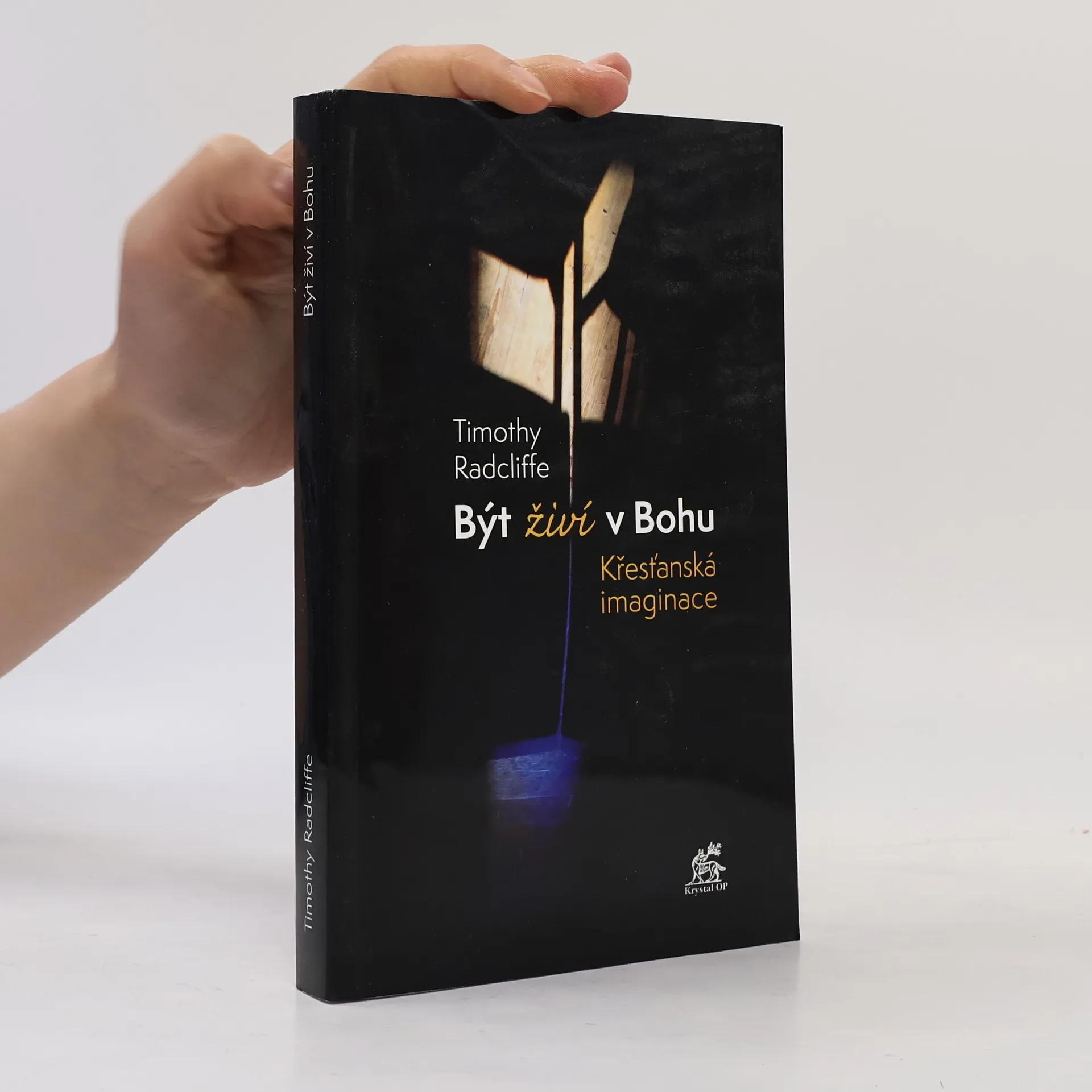
Křesťanská víra je pozváním k plnosti života v přátelství s Bohem a lidmi. Jak toto pozvání tlumočit lidem dnešního světa? Jak novým způsobem uchopit a předávat „starou“ dobrou zprávu, udržet vše podstatné a zároveň odstranit nepravdivé, zkreslující nánosy a předsudky? Autor zve čtenáře na vzrušující cestu, aby spolu s nimi objevoval, co to znamená být živí v Bohu. Ukazuje, jak nás pravdivě prožívaná víra vyvádí z vězení na čerstvý vzduch, od černobílého vidění k barevnému, jak nás osvobozuje, léčí, povolává k obzoru bez střechy. Jak osvěcuje všechno, co děláme a čím jsme.
Ponoř se!
- 288 Seiten
- 11 Lesestunden
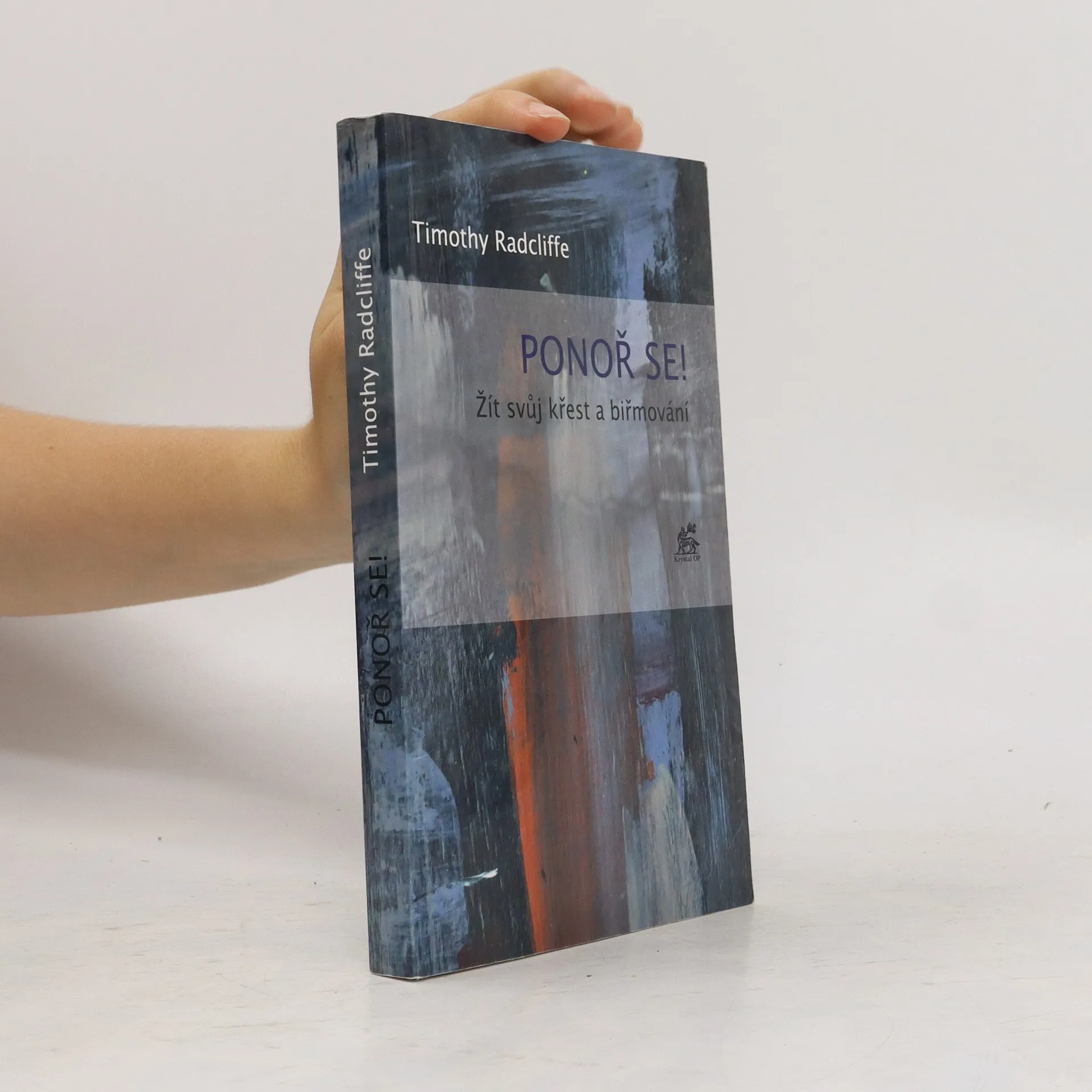
Naší víře se bude dobře dařit jedině tehdy, když znovu objevíme hlubokou krásu křtu, tohoto prostého obřadu. Křest se dotýká nejhlubších dramat lidského života od narození ke smrti. Kdybychom křest zkoumali náležitě, osvětlil by se tím každý aspekt našeho lidství, naše nejhlubší naděje a touhy... Autor jedinečně propojuje hluboké znalosti teologie a literatury, zkušenosti z cest po celém světě i vnímavost pro palčivé problémy dneška. Kniha volně navazuje na předchozí titul Proč být křesťan?
Sedm posledních slov
- 86 Seiten
- 4 Lesestunden
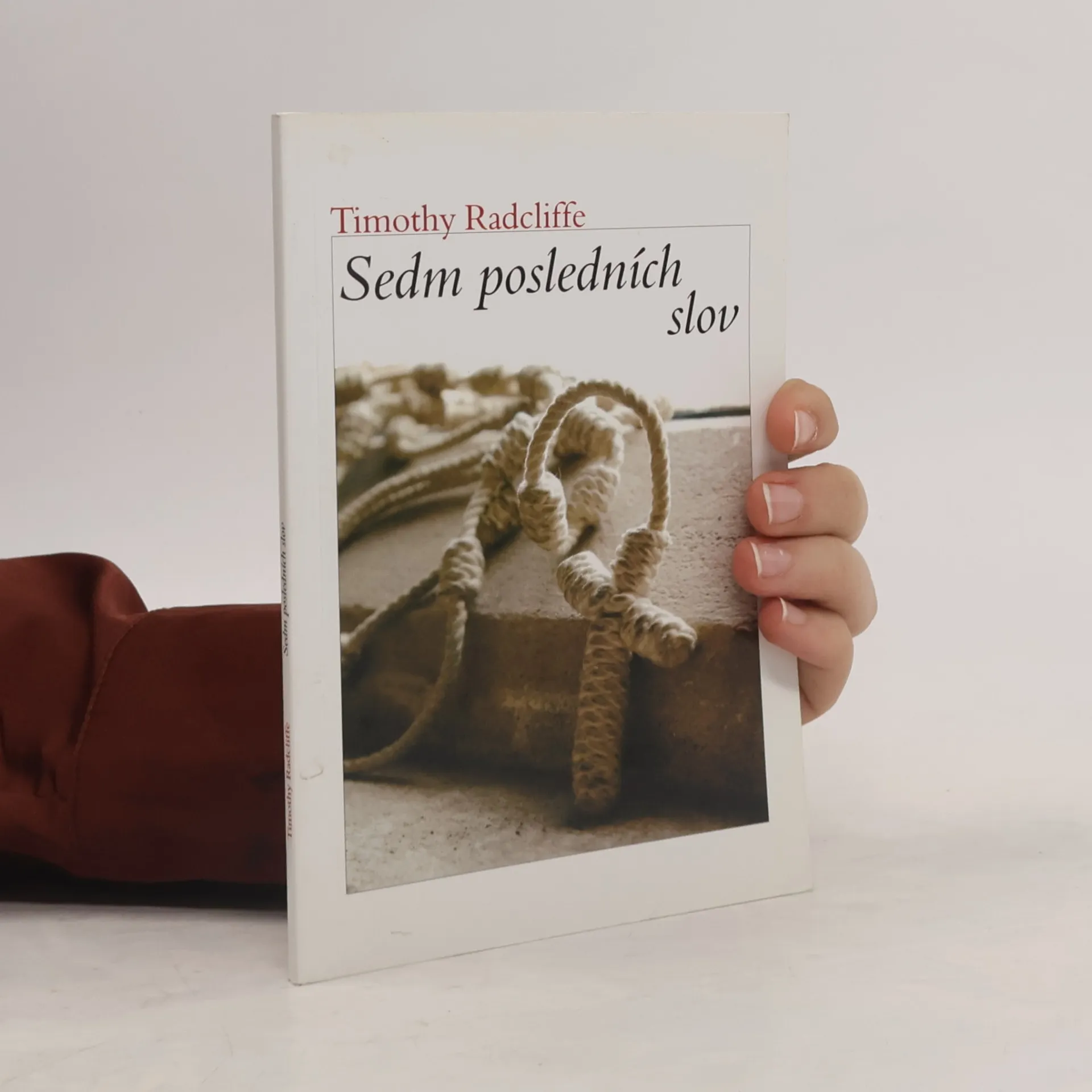
Sedm posledních slov: v Bibli je sedmička číslem dokonalosti. Bůh stvořil svět a sedmého dne odpočíval, v den dokonání a naplnění. Těchto sedm slov patří k Božímu dokončení stvoření. Užasl jsem, když jsem zjistil, že ta slova mají vlastní krásnou strukturu. Začínají slovy určenými Otci, svůj střed mají v křiku zapříčiněném nepřítomností téhož Otce a závěr se nakonec opět vrací k němu. Slova, která Ježíš adresuje nám, jsou zasazena doprostřed tohoto vztahu k Otci proto, že právě zde bychom měli najít svůj domov, v životě Nejsvětější Trojice. Prodléváme uprostřed té Boží konverzace. A slova, která Ježíš adresuje těm u paty kříže, jsou čím dál důvěrnější. Jako by nám jej smrt více přibližovala, místo aby ho vzdalovala. Ježíš k nám nejdříve mluví jako Král, potom jako náš bratr, a nakonec vstupuje co nejintimněji do naší opuštěnosti a prázdnoty. Timothy Radcliffe (z Předmluvy)
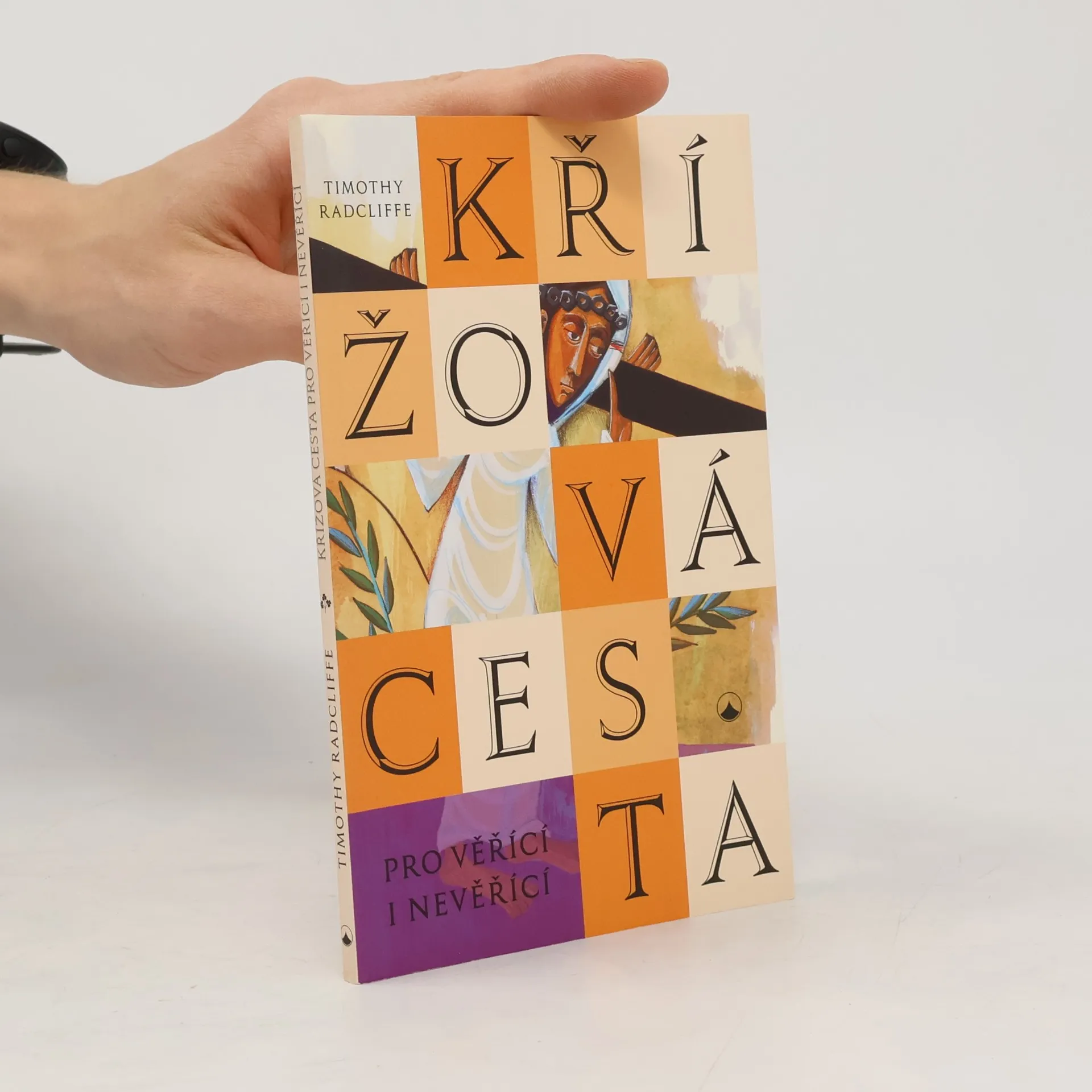
Křížová cesta vyjadřuje působivě jádro křesťanské víry. Vidíme, jak je Ježíš odsouzen na smrt, jak objímá svou matku, jak padá, jak mu Veronika otírá tvář a Šimon Kyrénský pomáhá nést břemeno, jak je ukřižován i pohřben. Kristus na sebe bere úděl každého z nás. Naše vítězství i pády, radosti i bolesti. Klopýtá s námi, když zakopneme, a pomáhá nám znovu na nohy. Toto poselství zde zprostředkované Timothym Radcliffem je přístupné věřícím, těm, kdo víru hledají, i těm, kdo víru nemají. Nechme se oslovit a vydejme se na cestu!
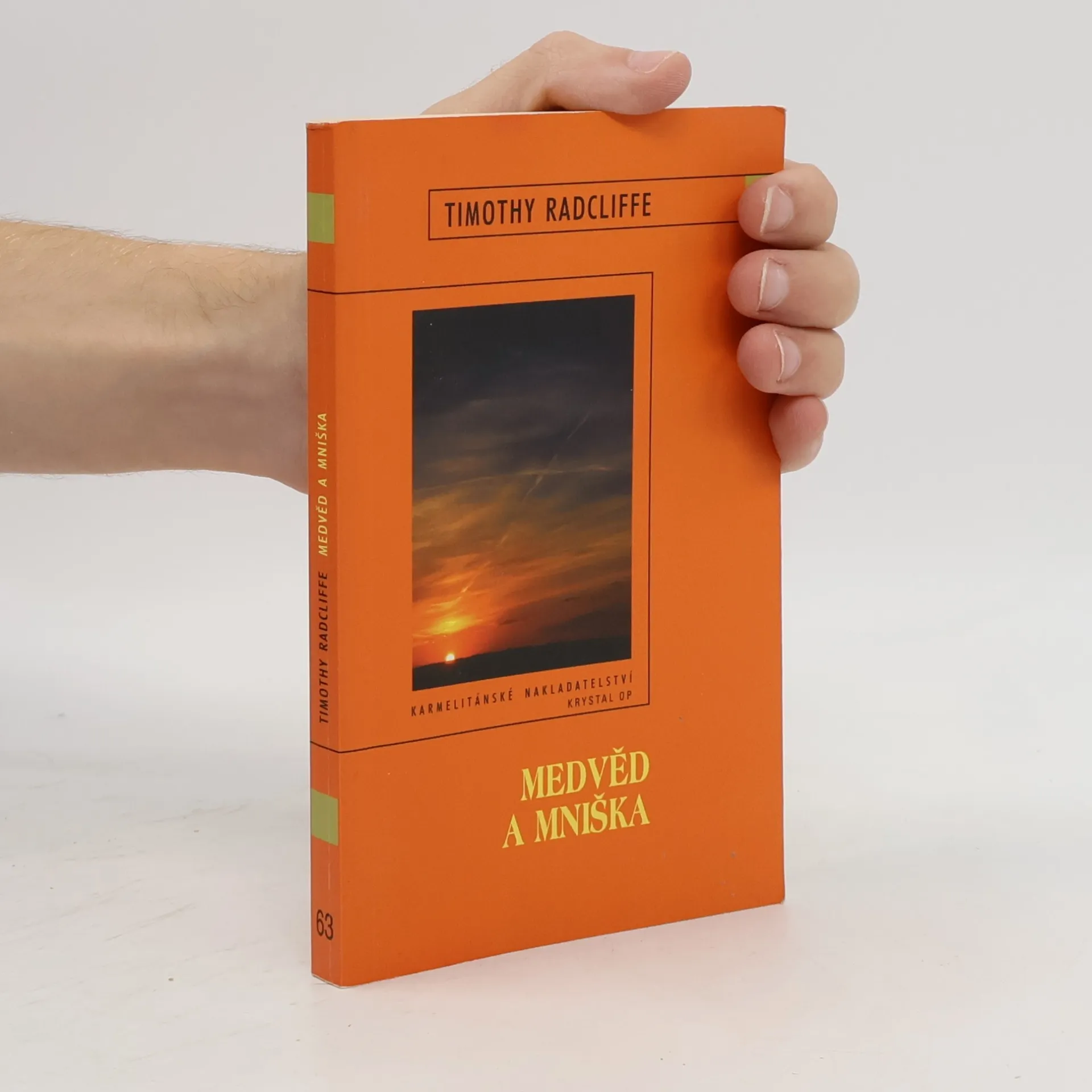
Medvěd a mniška
- 134 Seiten
- 5 Lesestunden
Každá kultura potřebuje příběhy, které jí pomáhají pochopit, odkud a kam jde, co je motorem a smyslem jejích dějin. Moderní dobu charakterizují příběhy plné násilí, v nichž je hybnou silou výběr nejsilnějších jedinců, cílem je bohatství, moc a blahobyt, hlavním hrdinou je osamocené, sebevědomé ego. Jeho symbolem je rozzuřený medvěd z italských pouličních reklam, který hlásá, že jde za svým soukromým cílem „silou správné ceny“. Alternativou k tomuto modernímu příběhu je obraz mnišky, která uprostřed noci v kruhu svých sester a bratří zpívá milostnou píseň velikonoční svíci. Je to píseň o tom, že čas se neměří hodinkami, ale poměřuje se věčností, že člověk není osamocen, že hybnou silou není soupeření, ale láska a že blahobyt představuje spíš překážku na cestě k cíli než cíl sám... Je to píseň o naději, že z temnoty vzejde světlo.
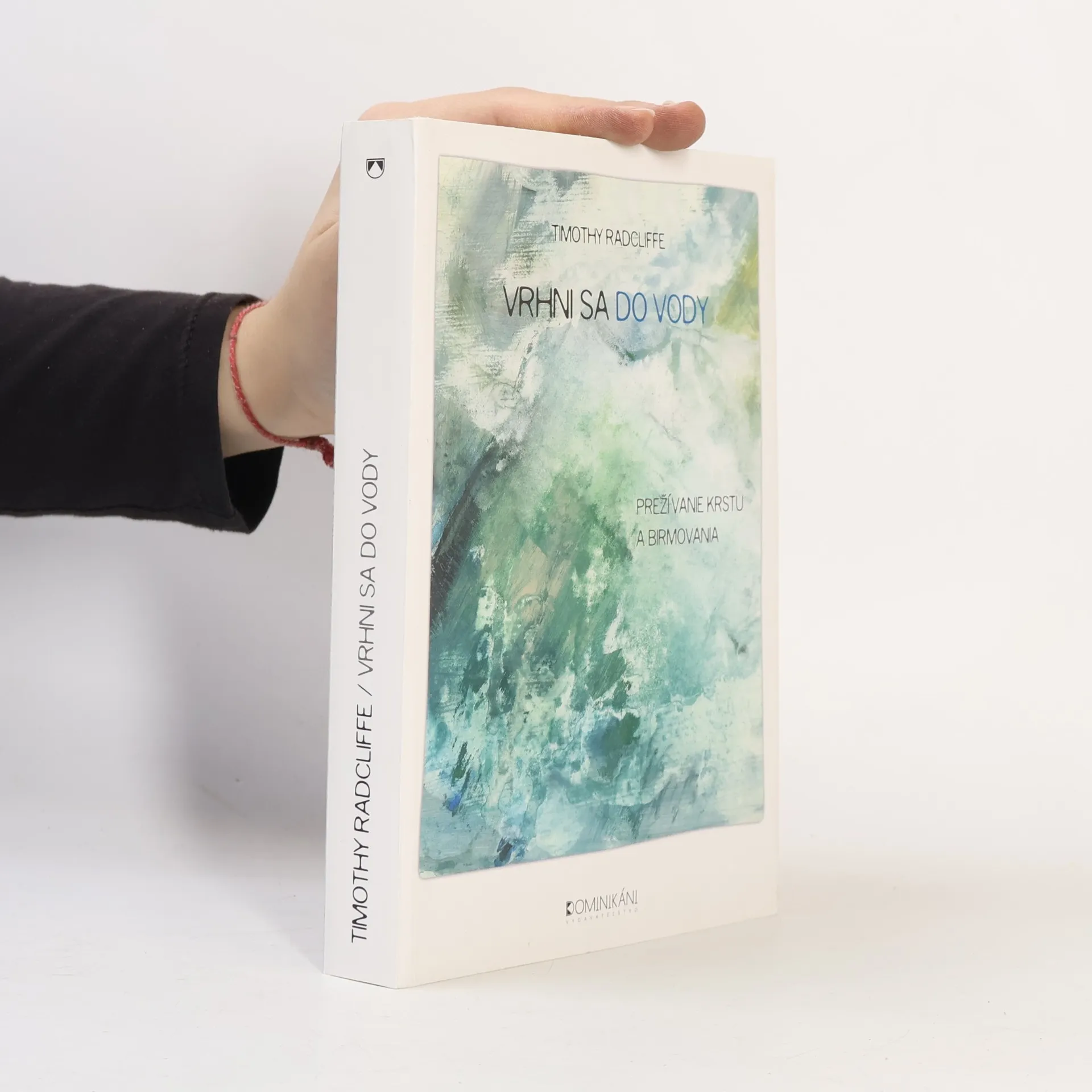
Vrhni sa do vody
- 297 Seiten
- 11 Lesestunden
Autor bestsellerov Timothy Radcliffe hovorí, že kresťanstvu sa dnes opäť darí. Prekonalo výzvy sekularizmu a náboženského fundamentalizmu, kým ľudia opäť našli krásu krstu. Dotýka sa to najhlbších okamihov ľudského života: narodenie, dospievanie, zamilovanie, odvaha dávať sa druhým, hľadať zmysel života, utrpenia, zvládnutie zlyhania a napokon smrť. V knihe Vrhni sa do vody je možné si uvedomiť, že aj tí najstarší sa v krste stávajú deťmi. Božími deťmi. Veď čo hovorí Ježiš? „Nechajte deti prichádzať ku mne! Nebráňte im, lebo takým patrí nebeské kráľovstvo.“ (Mk, 10, 14)
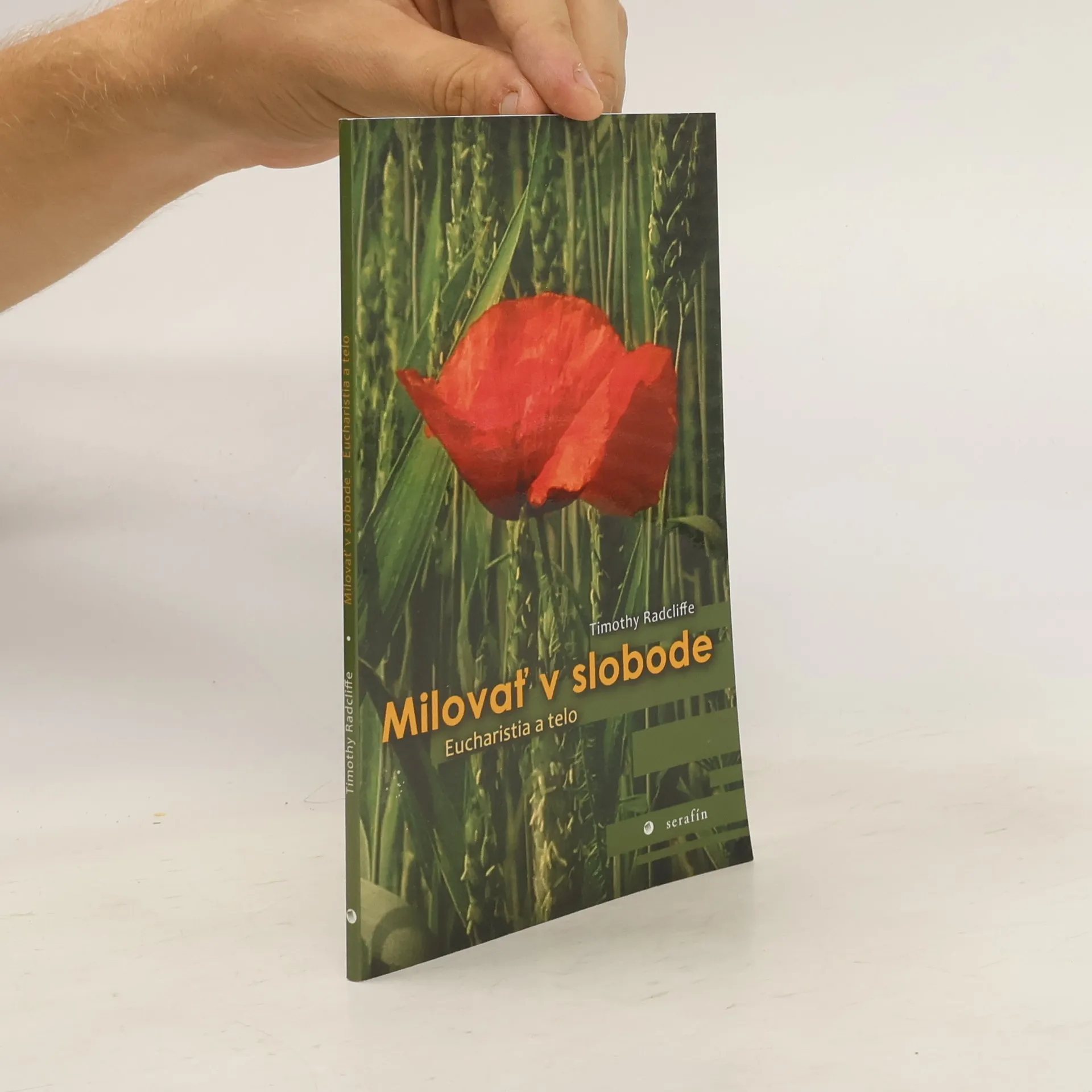
Milovať v slobode
- 68 Seiten
- 3 Lesestunden
Musíme milovať ľudí tak, aby boli slobodní a mohli milovať druhých viac než nás. Kniha Milovať v slobode nás pozýva k prevzatiu limitov, spoznaniu bohatstva nášho vlastného tela, našich citov a tak viesť život ku skutočnej vnútornej slobode. Páter Timothy Radcliffe spája dve - na prvý pohľad nesúvisiace pojmy: Eucharistia Sexualita Podstata oboch spočíva v darovaní tela. Treba sa ich naučiť vnímať vo vzájomnom svetle. Len vtedy sa dostaneme až k jadru...
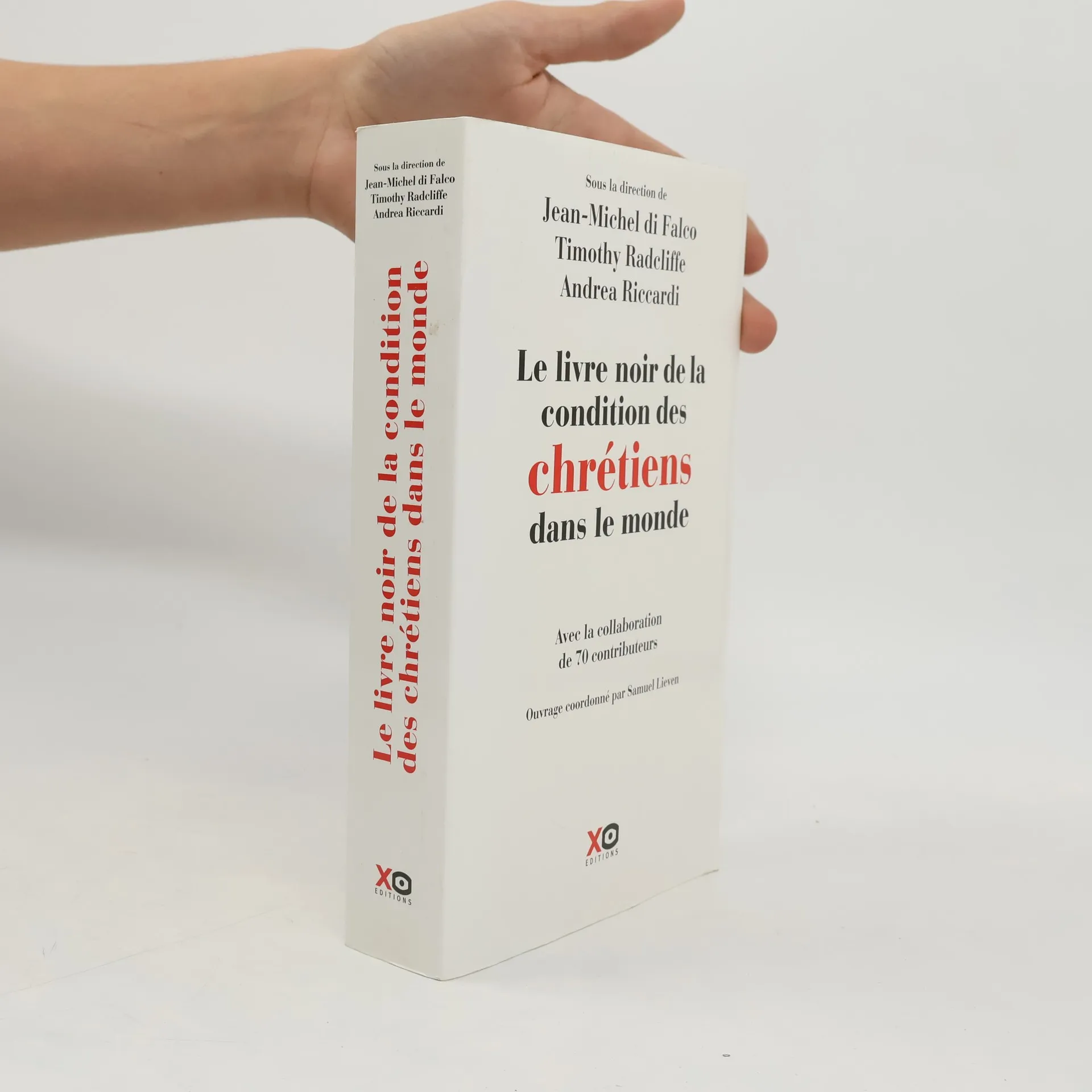
Le livre noir de la condition des chrétiens dans le monde
- 811 Seiten
- 29 Lesestunden
Coordonné par Samuel Lieven, cet ouvrage explore les menaces alarmantes pesant sur les chrétiens dans diverses régions du monde, notamment au Proche-Orient, en Afrique, en Asie et en Amérique Latine. À travers une analyse approfondie de la présence chrétienne, il offre un panorama inédit de l'histoire et des réalités politiques et religieuses de plus de 35 pays. Les contributions d'experts, ainsi que des reportages et témoignages poignants, mettent en lumière les drames vécus par les chrétiens, qui sont aujourd'hui la communauté religieuse la plus persécutée au monde. Entre 150 et 200 millions de chrétiens, qu'ils soient catholiques, protestants ou orthodoxes, subissent discrimination et persécution. Dans des régions comme le Proche-Orient et l'Afrique subsaharienne, ils sont la cible de groupes armés et d'organisations terroristes, tout en faisant face à des pressions sociales et des répressions étatiques. La condition des chrétiens suscite une inquiétude croissante au sein de la communauté internationale, car cette hostilité met en péril l'existence d'une civilisation et de ses valeurs. Ce livre, dirigé par Jean-Michel di Falco, Timothy Radcliffe et Andrea Riccardi, rassemble plus de 70 témoignages et analyses d'experts de 17 nationalités, offrant une ressource essentielle pour comprendre cette réalité complexe.
La relation constante avec Dieu, "comme avec un ami", est au cœur de tout dialogue, essentiel à la vie humaine. Sans dialogue, la vie se dissout dans la violence, que ce soit au sein d'une communauté religieuse où les "frères" doivent pouvoir communiquer malgré leurs différences, ou dans des communautés humaines éloignées de l'idéal religieux. Pour établir ce dialogue et accepter l'autre dans sa différence, quoi de mieux que de se référer à cet Autre qui a voulu se faire Parole ? Brother Timothy Radcliffe, 85e maître de l'Ordre des frères prêcheurs, incarne cette idée. Élu à quarante ans, il est une personnalité remarquable, guidée par la conviction que la relation avec Dieu est fondamentale. Il aborde le sujet avec chaleur, s'appuyant sur ses expériences quotidiennes, qu'il s'agisse d'un film, d'une publicité ou d'un voyage, touchant à la fois le cœur et l'esprit. Libéré du langage ecclésiastique conventionnel, il reste fidèle à la devise de son Ordre, qui est la Vérité. Guillaume Goubert, journaliste et correspondant permanent de La Croix à Rome, a eu l'occasion de l'interviewer, témoignant ainsi de la profondeur de la pensée de Brother Timothy.
Bůh a otázky
- 228 Seiten
- 8 Lesestunden
Jak se naučit naslouchat Bohu, který k nám promlouvá ve starobylých biblických textech? Jak dnes rozumět jeho slovům a nechat se jimi živit? Dva dominikáni, slavný autor a kazatel Timothy kardinál Radcliffe a polský biblista Łukasz Popko předkládají v této knize interpretace některých klíčových biblických rozhovorů, od prvního rozhovoru, v němž se Bůh ptá Adama: „Kde jsi?“, přes Mojžíšovo dotazování „Jaké je tvé jméno?“ až po setkání, kde se vzkříšený Pán ptá Petra: „Miluješ mě?“ Bůh nás prostřednictvím těchto rozhovorů vtahuje do svého života, do věčného rozhovoru tří božských osob. Nejde o předávání informací ani o sdělování zákazů či příkazů, ale o pozvání k přátelství, k plnosti života, ke štěstí. „Tuto knihu jsme spolu s Łukaszem napsali proto, že jsme se spolu radovali,“ říká Timothy Radcliffe. „Zamilovali jsme si Boží slovo, viděli jsme, že je životadárné, a doufáme, že budeme moct tu radost, jakou jsme zažili, sdílet s dalšími lidmi.“ – „Což nám nehořelo srdce, když k nám na cestě mluvil a odhaloval smysl Písma?“ (Lk 24, 32)