Amir Aczel war ein Autor von populärwissenschaftlichen Büchern über Wissenschaft und Mathematik. Seine Werke konzentrierten sich darauf, komplexe mathematische Konzepte durch fesselnde Erzählungen einem breiteren Publikum zugänglich zu machen. Aczel bemühte sich, die Schönheit und Relevanz der Mathematik im täglichen Leben aufzuzeigen, und sein Schreiben spiegelte ein tiefes Verständnis und eine Leidenschaft für das Thema wider.
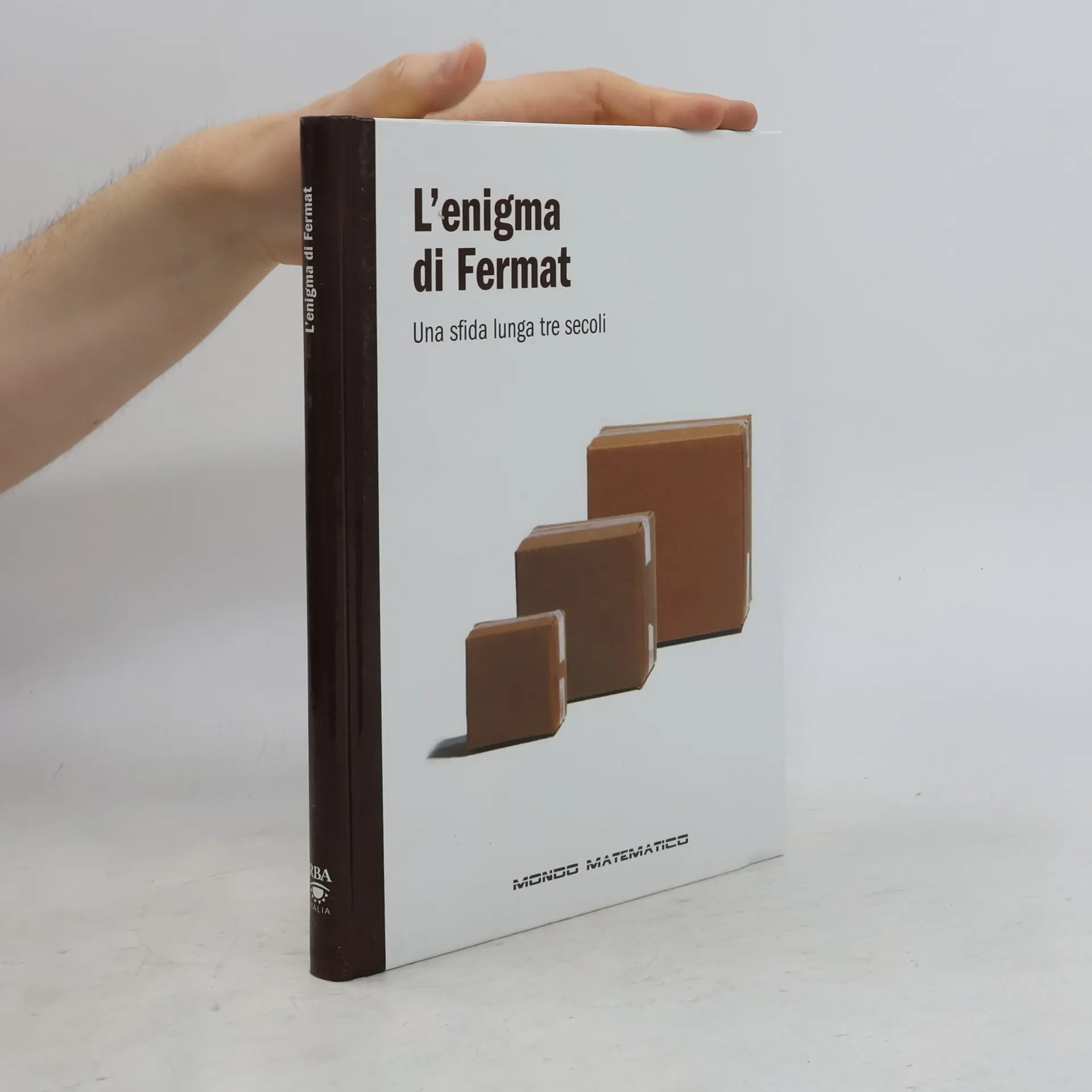
Bietet eine eingehende Untersuchung des französischen Gelehrten Pierre de Fermat aus dem 17. Jahrhundert, den jahrhundertelangen Versuch, sein Theorem zu beweisen, und die Arbeit von Andrew Wiles, einem Forscher der Princeton University, der schließlich die Lösung fand.
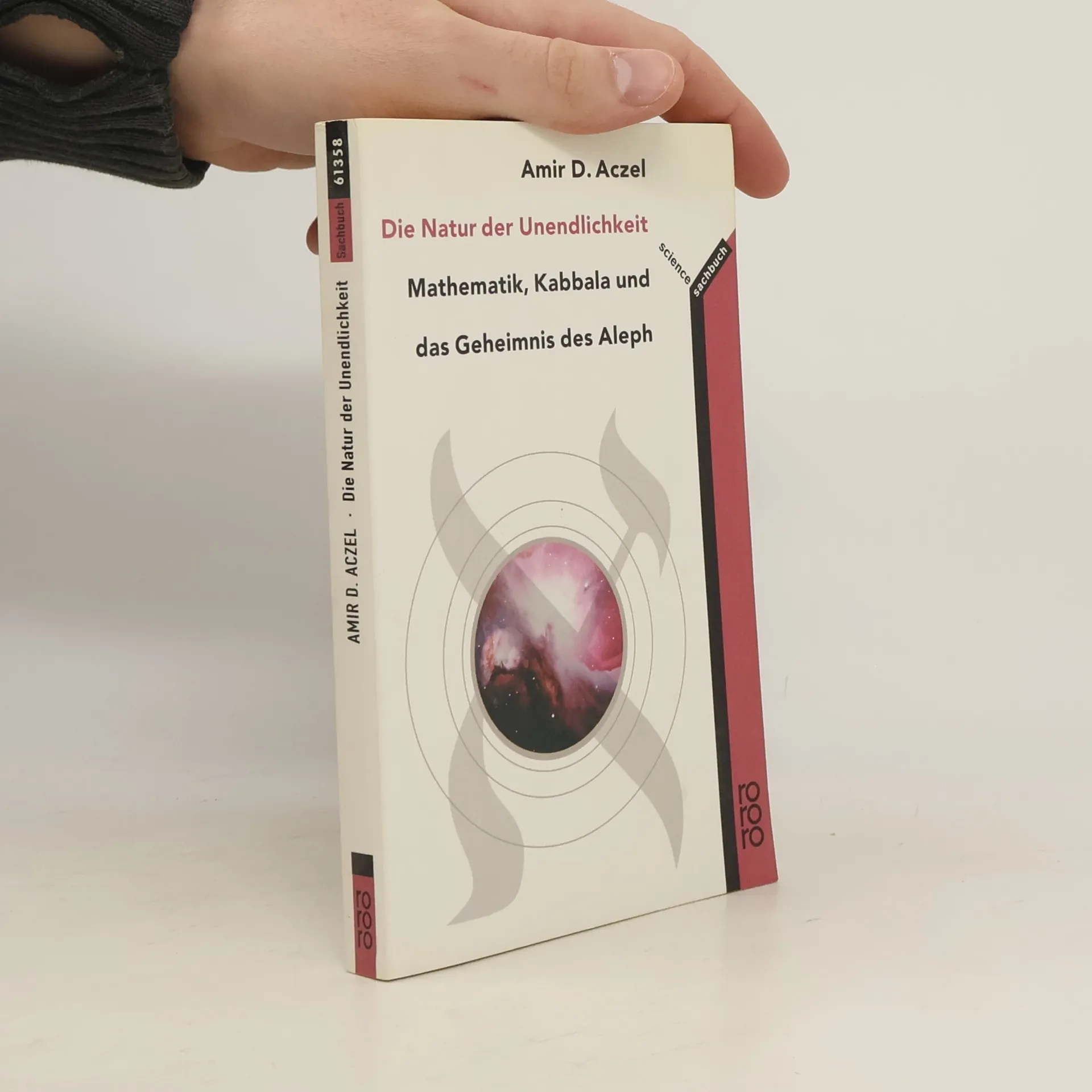
ist in den USA einer der populärsten Science-Writer. Er ist Autor des internationalen Bestsellers «Fermats dunkler Raum» und lehrt als Mathematiker und Professor für Statistik am Bentley College in Wattham, Massachusetts. Lebt mit Frau und Tochter in der Nähe von Boston. Bei science sind erschienen: «Probability 1. Warum es intelligentes Leben im All geben muss» (rororo 60931), «Die göttliche Formel» (60935) und «Die Natur der Unendlichkeit» (61358). Hainer Kober, geboren 1942, lebt in Soltau. Er hat u. a. Werke von Stephen Hawking, Steven Pinker, Jonathan Littell, Georges Simenon und Oliver Sacks übersetzt.
ist in den USA einer der populärsten Science-Writer. Er ist Autor des internationalen Bestsellers «Fermats dunkler Raum» und lehrt als Mathematiker und Professor für Statistik am Bentley College in Wattham, Massachusetts. Lebt mit Frau und Tochter in der Nähe von Boston. Bei science sind erschienen: «Probability 1. Warum es intelligentes Leben im All geben muss» (rororo 60931), «Die göttliche Formel» (60935) und «Die Natur der Unendlichkeit» (61358). Hainer Kober, geboren 1942, lebt in Soltau. Er hat u. a. Werke von Stephen Hawking, Steven Pinker, Jonathan Littell, Georges Simenon und Oliver Sacks übersetzt.
ist in den USA einer der populärsten Science-Writer. Er ist Autor des internationalen Bestsellers «Fermats dunkler Raum» und lehrt als Mathematiker und Professor für Statistik am Bentley College in Wattham, Massachusetts. Lebt mit Frau und Tochter in der Nähe von Boston. Bei science sind erschienen: «Probability 1. Warum es intelligentes Leben im All geben muss» (rororo 60931), «Die göttliche Formel» (60935) und «Die Natur der Unendlichkeit» (61358). Hainer Kober, geboren 1942, lebt in Soltau. Er hat u. a. Werke von Stephen Hawking, Steven Pinker, Jonathan Littell, Georges Simenon und Oliver Sacks übersetzt.
ist in den USA einer der populärsten Science-Writer. Er ist Autor des internationalen Bestsellers «Fermats dunkler Raum» und lehrt als Mathematiker und Professor für Statistik am Bentley College in Wattham, Massachusetts. Lebt mit Frau und Tochter in der Nähe von Boston. Bei science sind erschienen: «Probability 1. Warum es intelligentes Leben im All geben muss» (rororo 60931), «Die göttliche Formel» (60935) und «Die Natur der Unendlichkeit» (61358). Hainer Kober, geboren 1942, lebt in Soltau. Er hat u. a. Werke von Stephen Hawking, Steven Pinker, Jonathan Littell, Georges Simenon und Oliver Sacks übersetzt.
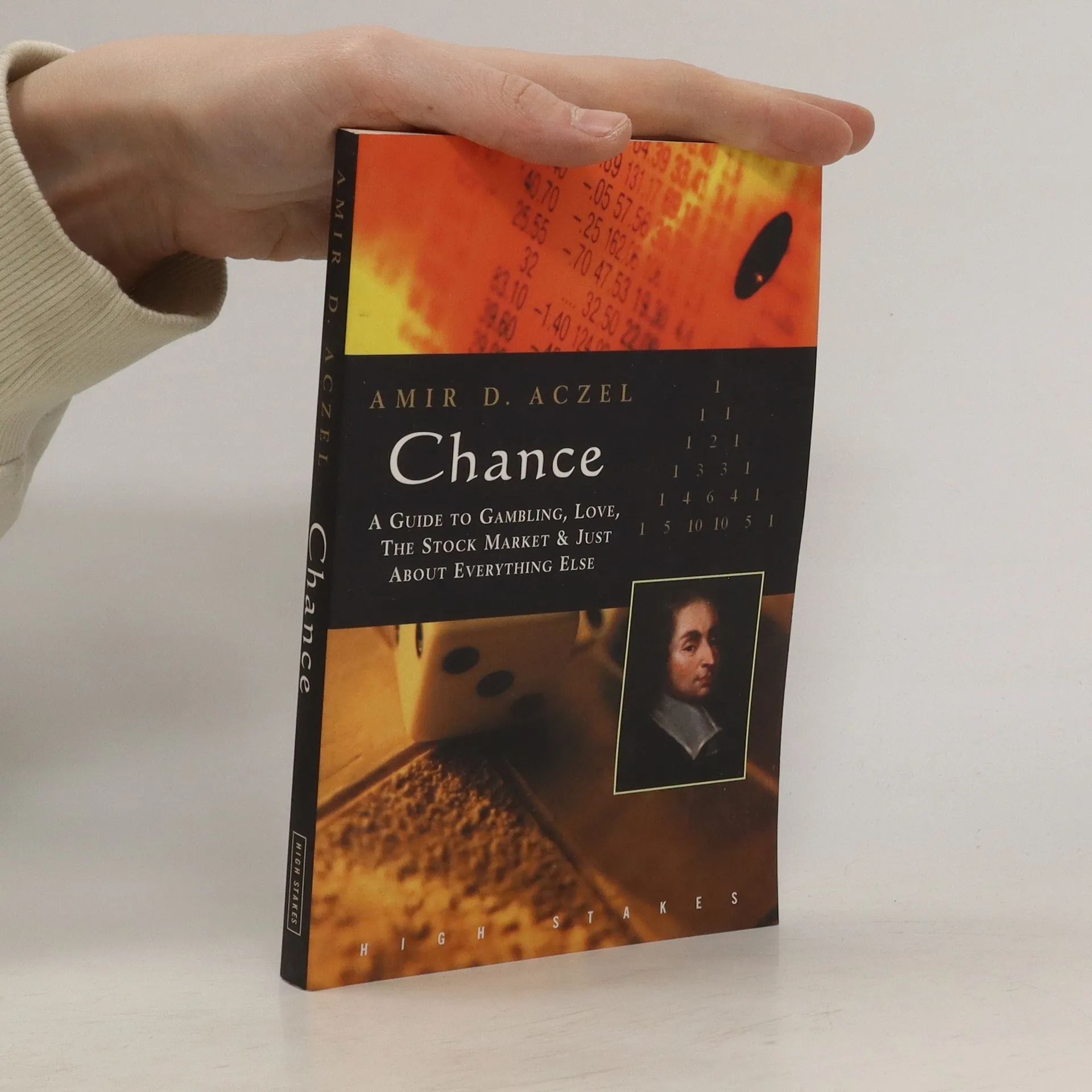
Celebrated mathematician Amir D Aczel sets his sights on the probability theory - the branch of mathematics that measures the likelihood of a random event. What is commonly called 'luck' has mathematical roots - and in Aczel's capable hands readers learn to increase their odds of success in everything from true love to the stock market.
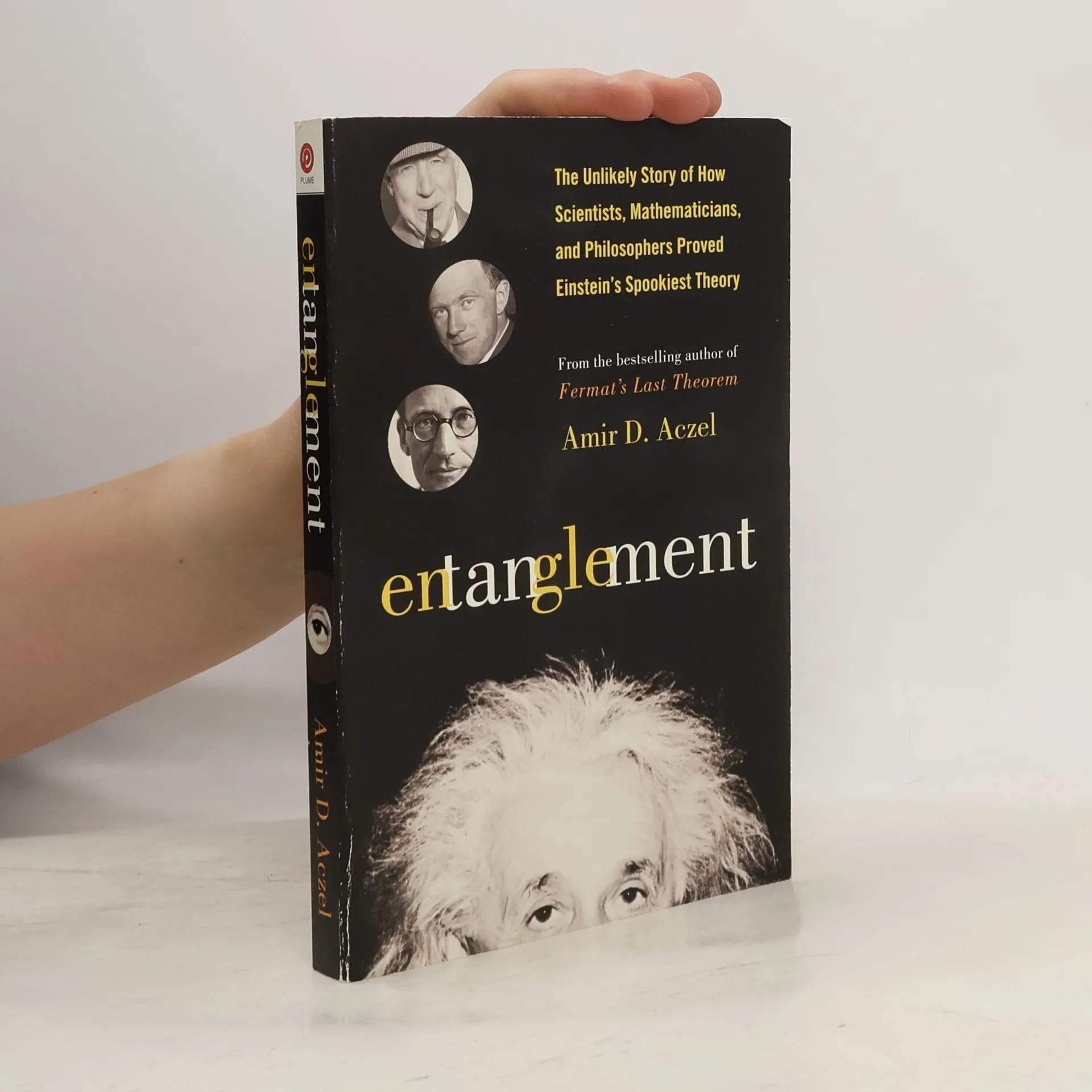
The Unlikely Story of How Scientists, Mathematicians, and Philosophers Proved Einstein's Spookiest Theory
304 Seiten
11 Lesestunden
Can two particles become inextricably linked, so that a change in one is instantly reflected in its counterpart, even if a universe separates them? Albert Einstein's work suggested it was possible, but it was too bizarre, and too contrary to how we then understood space and time, for him to prove. No one could. Until now. Entanglement tells the astounding story of the scientists who set out to complete Einstein's work. With accesible language and a highly entertaining tone, Amir Aczel shows us a world where the improbable—from unbreakable codes to teleportation—becomes possible.
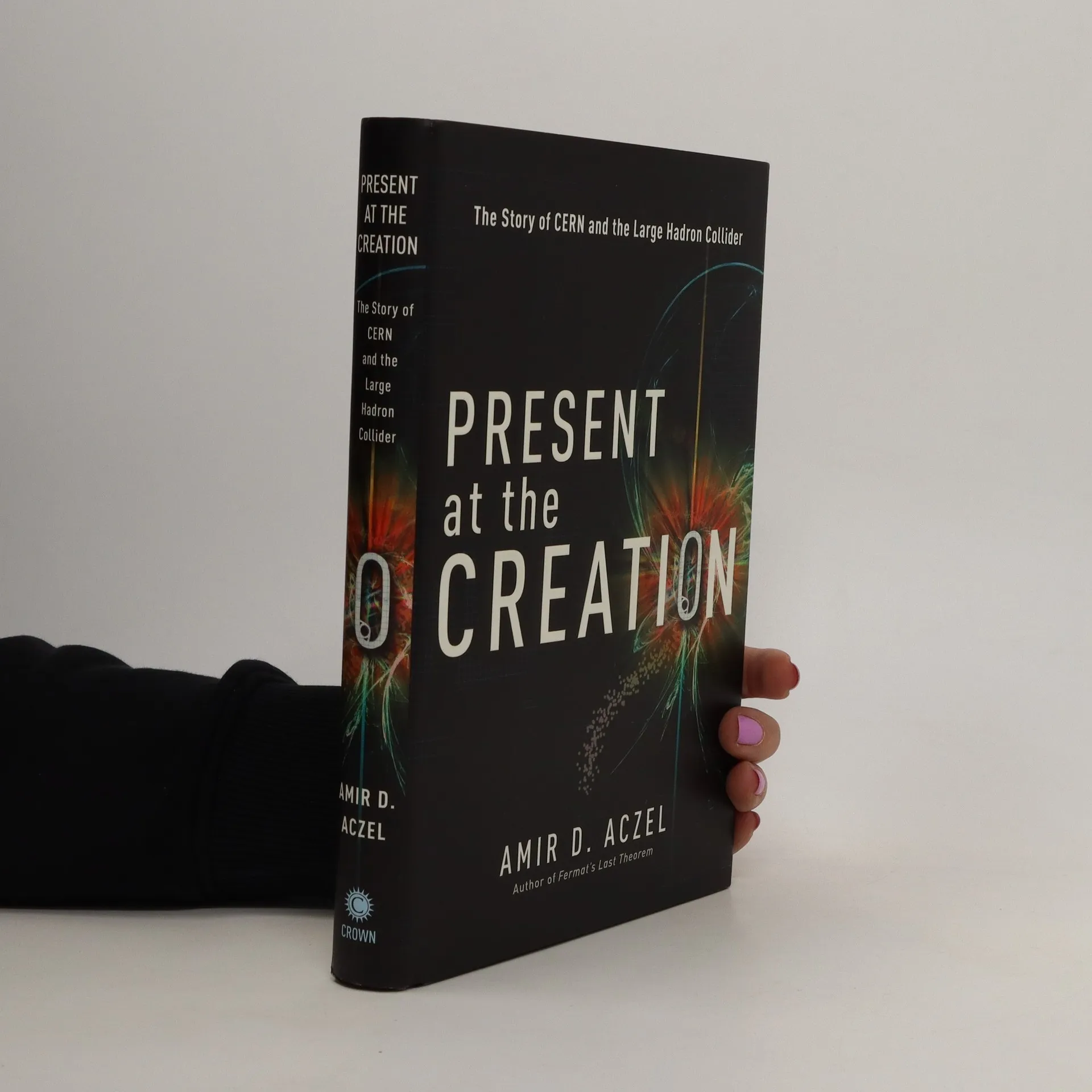
Will the Large Hadron Collider at CERN yield the long-awaited discovery of the Higgs boson, the last experimentally unconfirmed particle of the Standard Model, whose prediction is one of the greatest challenges of 20th-century theoretical physics? Will hidden dimensions of spacetime, as proposed by string theory, be found? Will we understand the nature of the mysterious dark matter that constitutes over 90% of the universe's mass? This book, authored by one of the best contemporary science communicators, guides us step by step through the adventure of an experiment that promises to satisfy the curiosity of anyone who agrees with Albert Einstein's sentiment: “I want to know God's thoughts – the rest are details.”
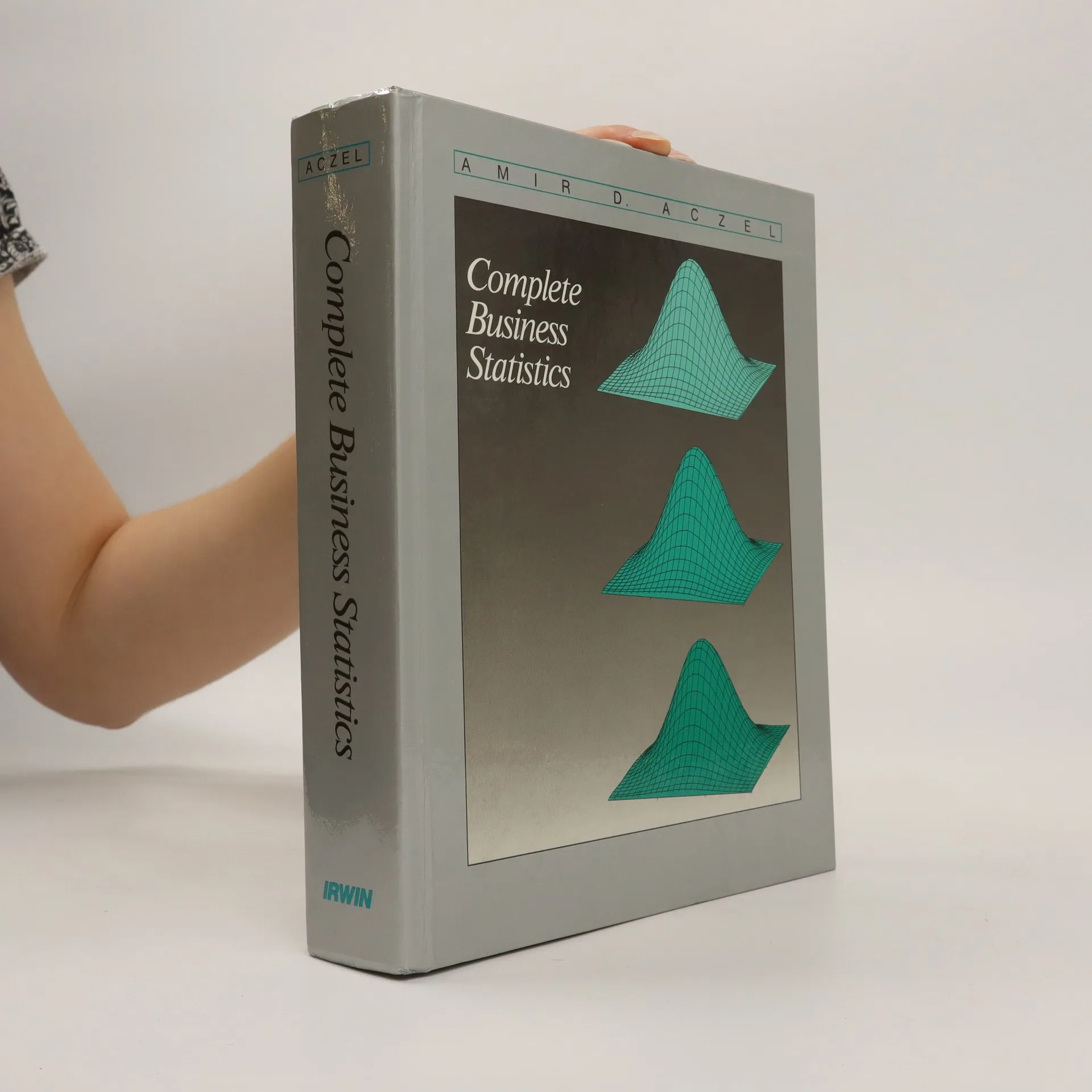
Traditionally, Complete Business Statistics has been praised for its quality of presentation and the richness of problem sets that are realistic, stimulating and challenging. The new edition will continue to provide students with a solid understanding of statistical concepts and rich problems to stimulate learning. In addition students will be exposed to the most current uses of technology in business statistics. Students and instructors alike will enjoy using this text that now has more Excel and other software applications integrated than ever before.
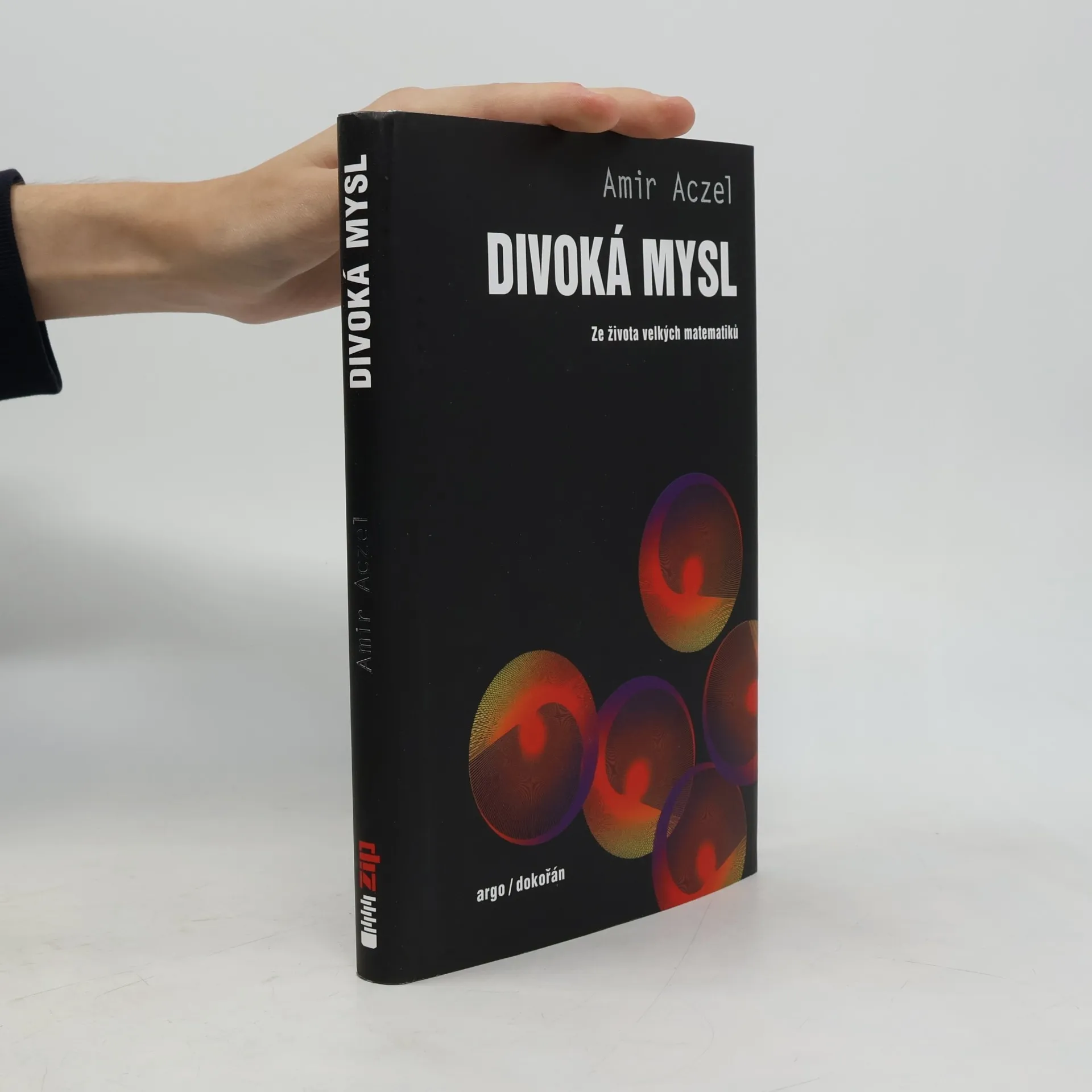
Matematici bývají vykreslováni jako podivíni, se kterými se člověk moc
nepobaví, protože žijí ve vlastním myšlenkovém světě. Amir Aczel tuto veskrze
mylnou představu vyvrací. Na pozadí pět tisíc let dlouhého příběhu matematiky
vypráví pozoruhodné osudy myslitelů, kteří svými objevy významně přispěli k
rozvoji přírodovědného poznání – od „kupeckých počtů“ po složité a hluboké
teorie, bez nichž se moderní civilizace závislá na vyspělých technologiích
neobejde. Ačkoliv jména jako Newton, Descartes, Eukleides, Fermat či Leibniz
vzbuzují v mnoha lidech až posvátnou úctu, autor ukazuje, že tito velikáni
vědy byli běžnými smrtelníky a podléhali nejrůznějším vášním i slabostem. V
historii matematiky tak narazíme na střelecké souboje, spiknutí, hrdinské
činy, tajné spolky, zločiny, vzájemné nevraživosti i milostné aféry. Životní
příběhy velkých matematiků byly pestré, často dramatické, někdy opravdu
divoké. Jedno však měli společné: hnala je touha po poznání.
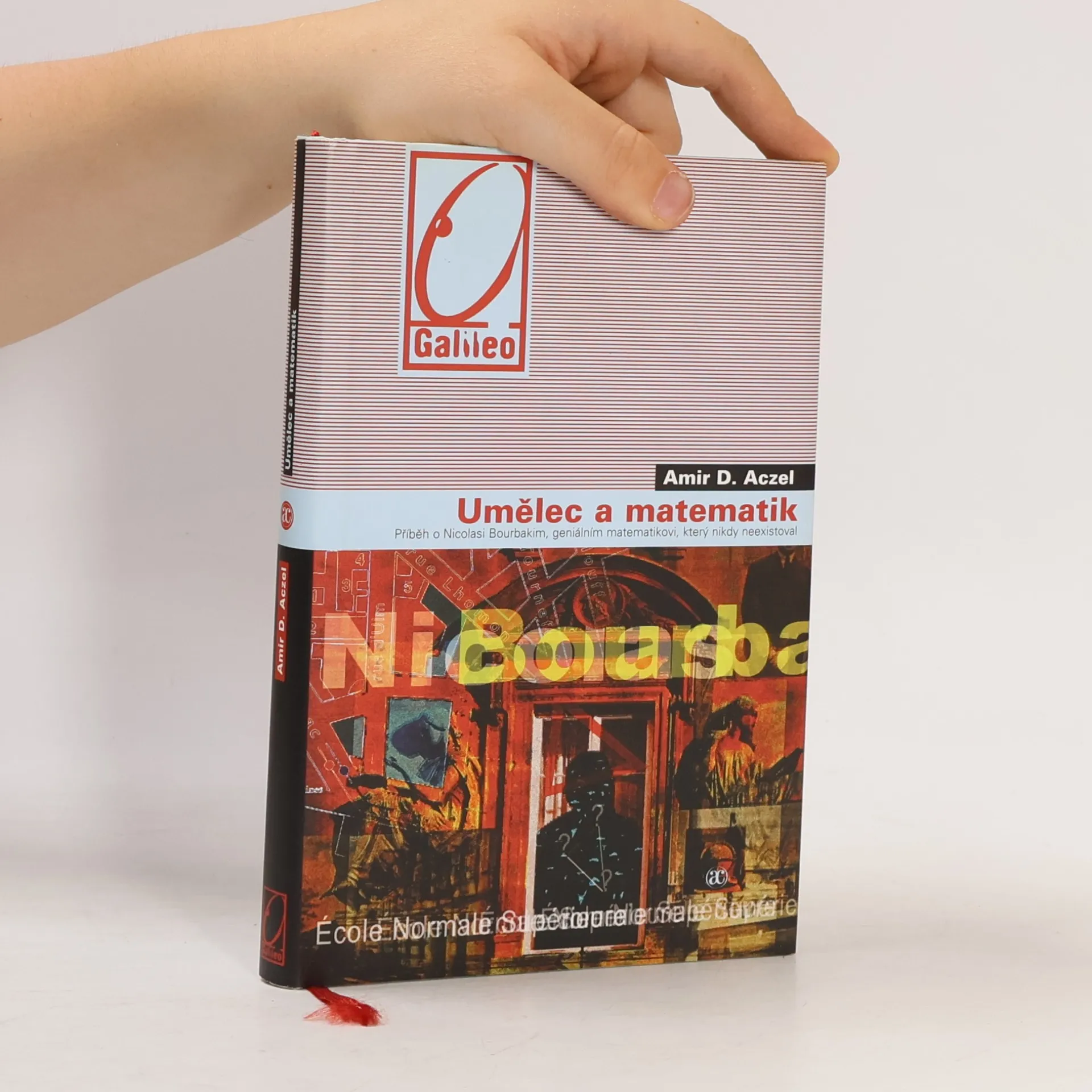
Identita geniálního francouzského matematika Nicolase Bourbakiho, autora rozsáhlé řady monografií, které významně ovlivnily vývoj moderní matematiky a její výuky ve dvacátém století, byla vždy opředena závojem tajemství. Zasvěcení znali skutečnost, mnozí tušili nějakou čertovinu, ostatní dodnes věří tomu, že Bourbaki je člověk z masa a kostí. Z určitého pohledu měli pravdu všichni. Vždyť je tu jeho úctyhodné dílo, byl ctihodným členem jisté Akademie věd, zval přátele na svatbu své dcery A lze tvrdit, že na světě dnes není matematik, kterého by Bourbakiho klíčové dílo neovlivnilo.