
Gratis Versand in ganz Österreich
Bookbot

Jacob Neusner

    28. Juli 1932 – 8. Oktober 2016

    Dieser Autor ist für den schieren Umfang seines produktiven Schaffens und seine tiefe Auseinandersetzung mit der jüdischen Tradition gefeiert. Seine Schriften zeichnen sich durch akribische Gelehrsamkeit und ein tiefes Engagement aus, komplexe religiöse und kulturelle Texte zugänglich zu machen. Durch sein umfangreiches Werk widmete er sich der Interpretation und Erläuterung klassischer jüdischer Texte und trug so zu deren Verständnis in der modernen Welt bei. Sein Ansatz zeichnet sich durch unermüdliches Streben nach Detail und akademischer Strenge aus.

    Jacob Neusner
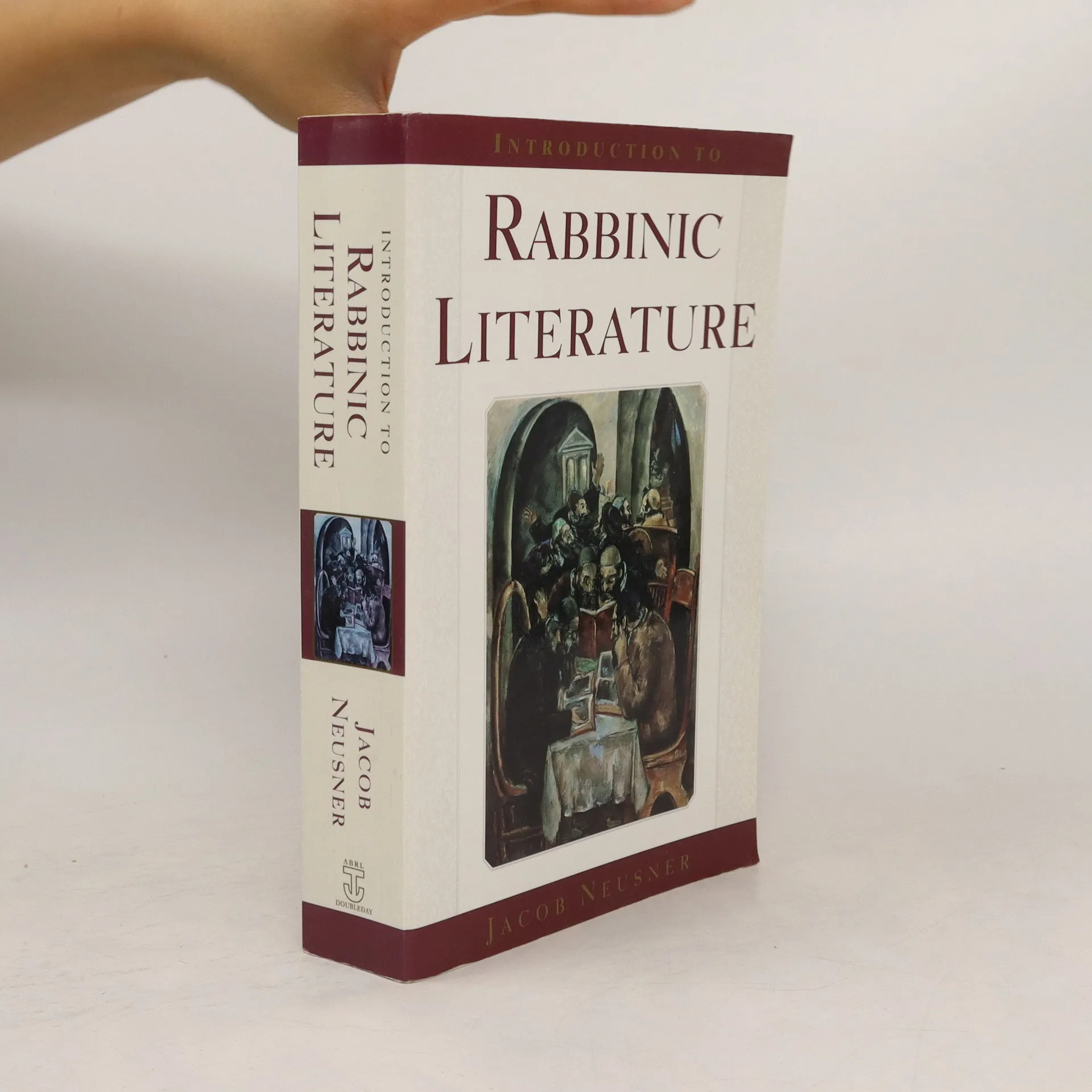
    Introduction to Rabbinic Literature
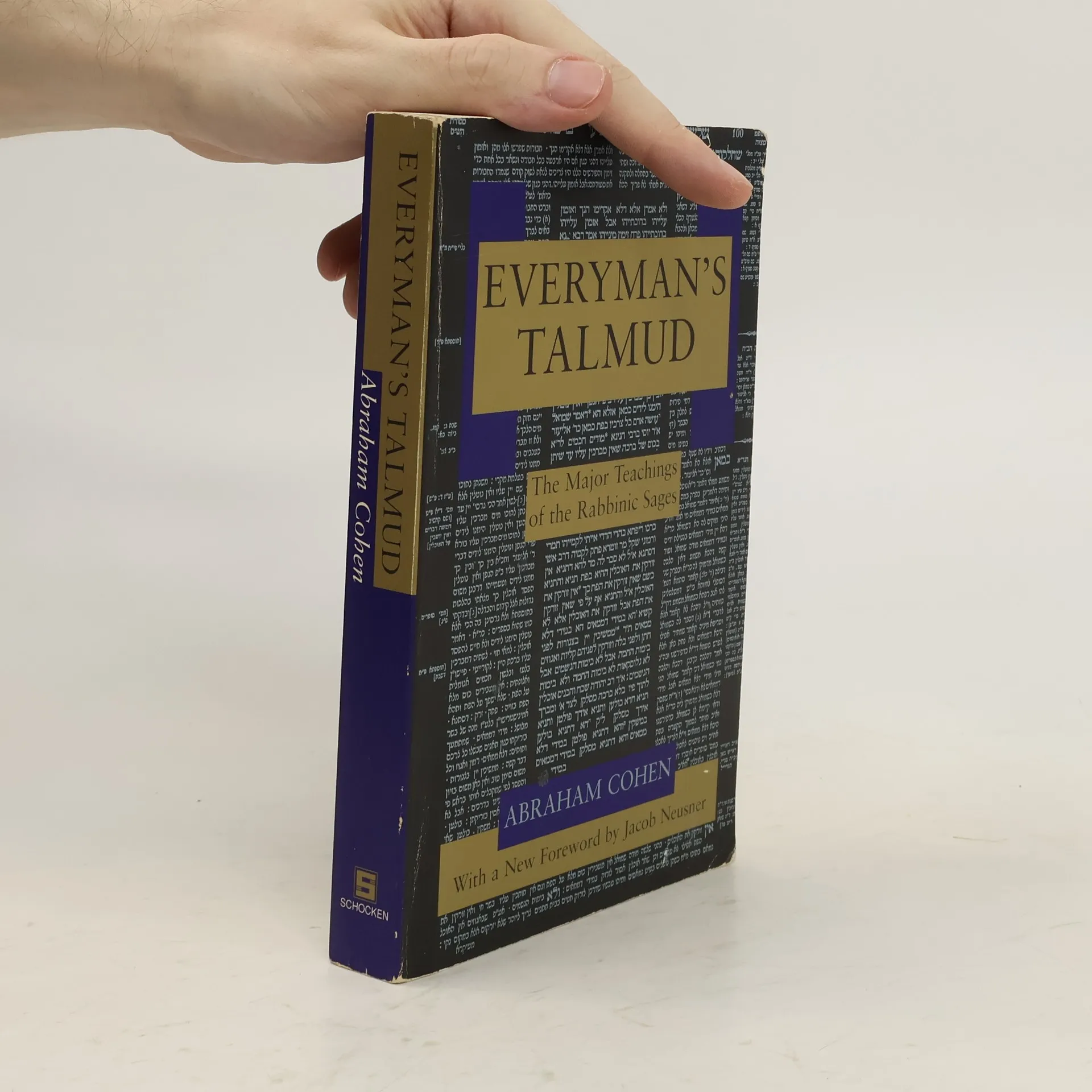
    Everyman's Talmud: The Major Teachings of the Rabbinic Sages
    The Talmud
    The Mishnah
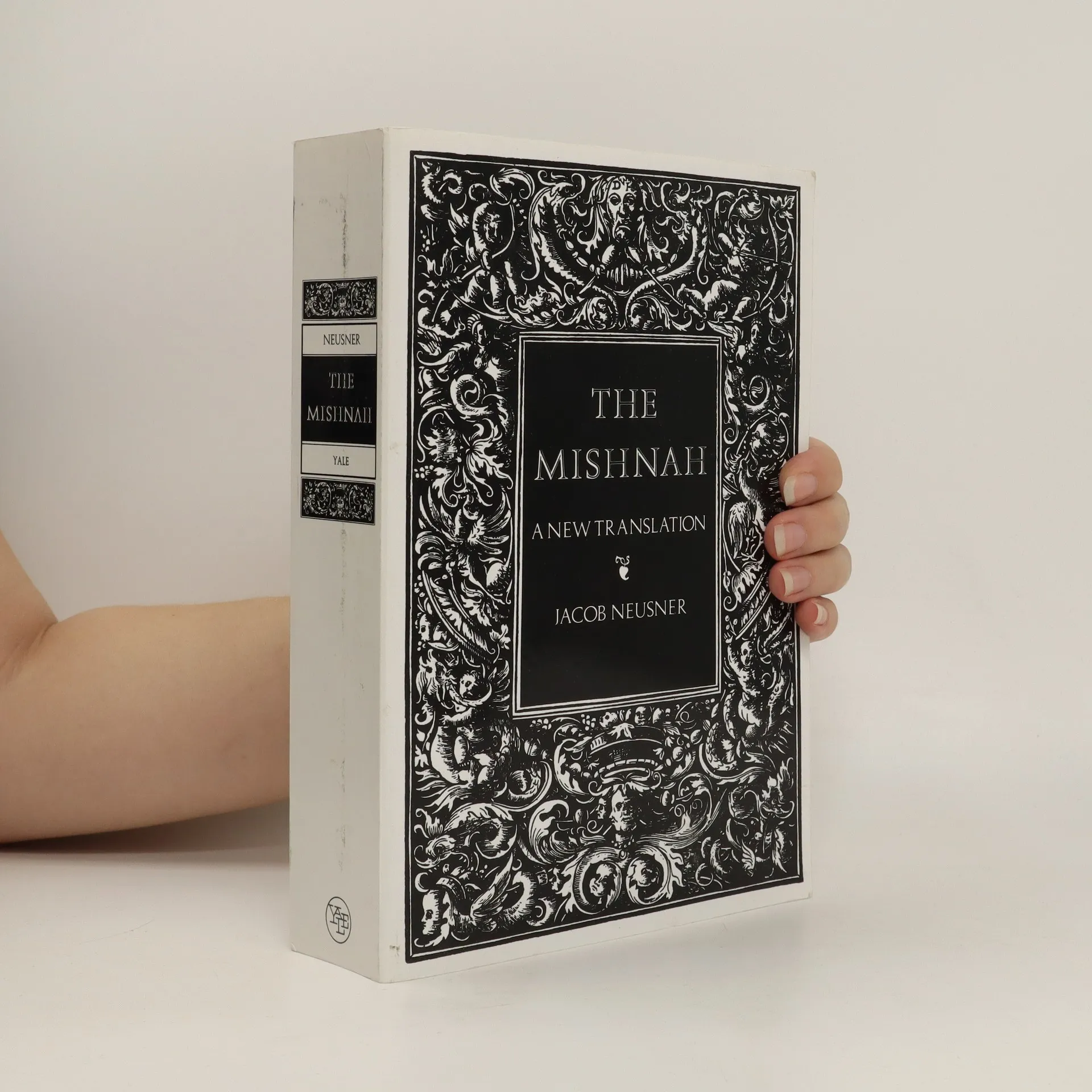
    The Mishnah : A New Translation
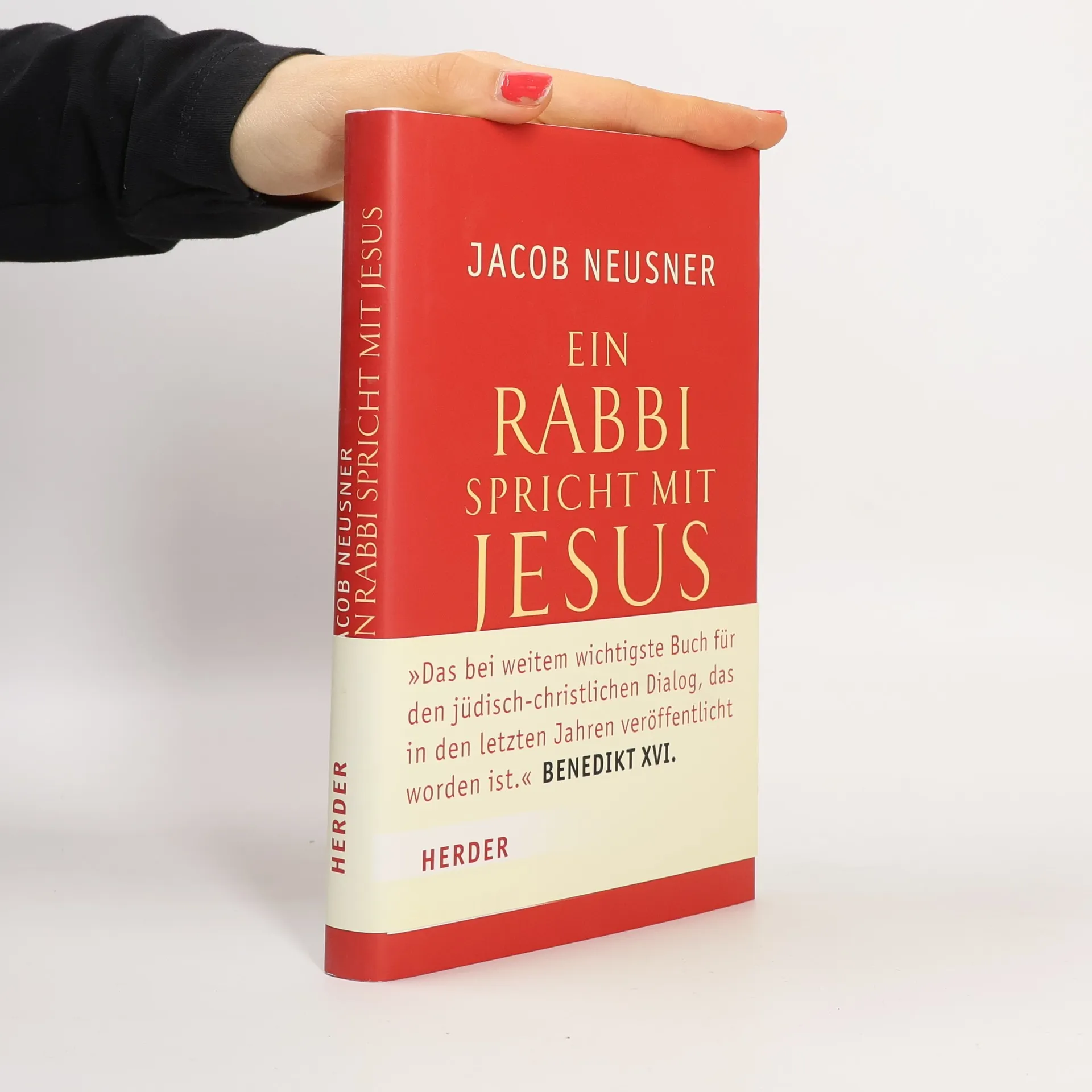
    Ein Rabbi spricht mit Jesus
    • The Mishnah : A New Translation

      • 1207 Seiten
      • 43 Lesestunden
      4,3(58)Abgeben

      The eminent Judaica scholar Jacob Neusner provides here the first form-analytical translation of the Mishnah. This path-breaking edition provides as close to a literal translation as possible, following the syntax of Mishnaic Hebrew in its highly formalized and syntactically patterned language. Demonstrating that the Mishnah is a work of careful…

      The Mishnah : A New Translation
    • The Mishnah

      • 238 Seiten
      • 9 Lesestunden
      4,0(1)Abgeben

      A leading scholar of the formative age and writings of Judaism here formulates a theory of the Mishnah (one of the earliest dated sources of Judaism): what it is, how it should be read, and why it is of considerable interest in the study of religious conceptions of the social order. Each of the book's chapters are amply illustrated with texts that have been freshly translated by the author. The result is a relatively quick and easy entry into the sometimes difficult and complex world of the Mishnah and its laws concerning agriculture, appointed seasons, women and property, civil and criminal law, conduct of the cult and the Temple, and preservation of cultic purity in the Temple and under certain domestic circumstances, with special reference to the table and the bed. Any valid description of early rabbinic thought - and therefore of early Christianity - must begin with the Mishnah and must focus on the subjects the sages considered important. This book introduces the reader to the world of the Mishnah in a thoughtful, engaging, and spirited manner.

      The Mishnah
    • The Talmud

      What It Is and What It Says

      • 178 Seiten
      • 7 Lesestunden
      3,6(8)Abgeben

      The Talmud serves as a foundational text that unifies Jewish communities across diverse languages and cultures through a shared set of values, law, and theology. Jacob Neusner, a distinguished scholar, provides insights into the Talmud's historical context and significance, demonstrating its enduring relevance in contemporary society. Through his exploration, readers gain a deeper understanding of this pivotal work and its impact on Jewish identity and tradition.

      The Talmud
    • Long regarded as the classic introduction to the teachings of the Talmud, this comprehensive and masterly distillation summarizes the wisdom of the rabbinic sages on the dominant themes of Judaism. "To some readers of this book, the Talmud represents little more than a famous Jewish book. But people want to know about a book that, they are told, defines Judaism. Everyman's Talmud is the right place to begin not only to learn about Judaism in general but to meet the substance of the Talmud in particular . . . In time to come, Cohen's book will find its companion-though I do not anticipate it will ever require a successor for what it accomplishes with elegance and intelligence: a systematic theology of the Talmud's Judaism." —From the Foreword by Jacob Neusner This classic introduction reveals the wisdom of the rabbinic sages on such topics as the doctrine of God; God and the universe; the soul and its destiny; prophesy and revelation; physical life; moral life and social living; law, ethics, and jurisprudence; legends and folk traditions; the Messiah and the world to come.

      Everyman's Talmud: The Major Teachings of the Rabbinic Sages
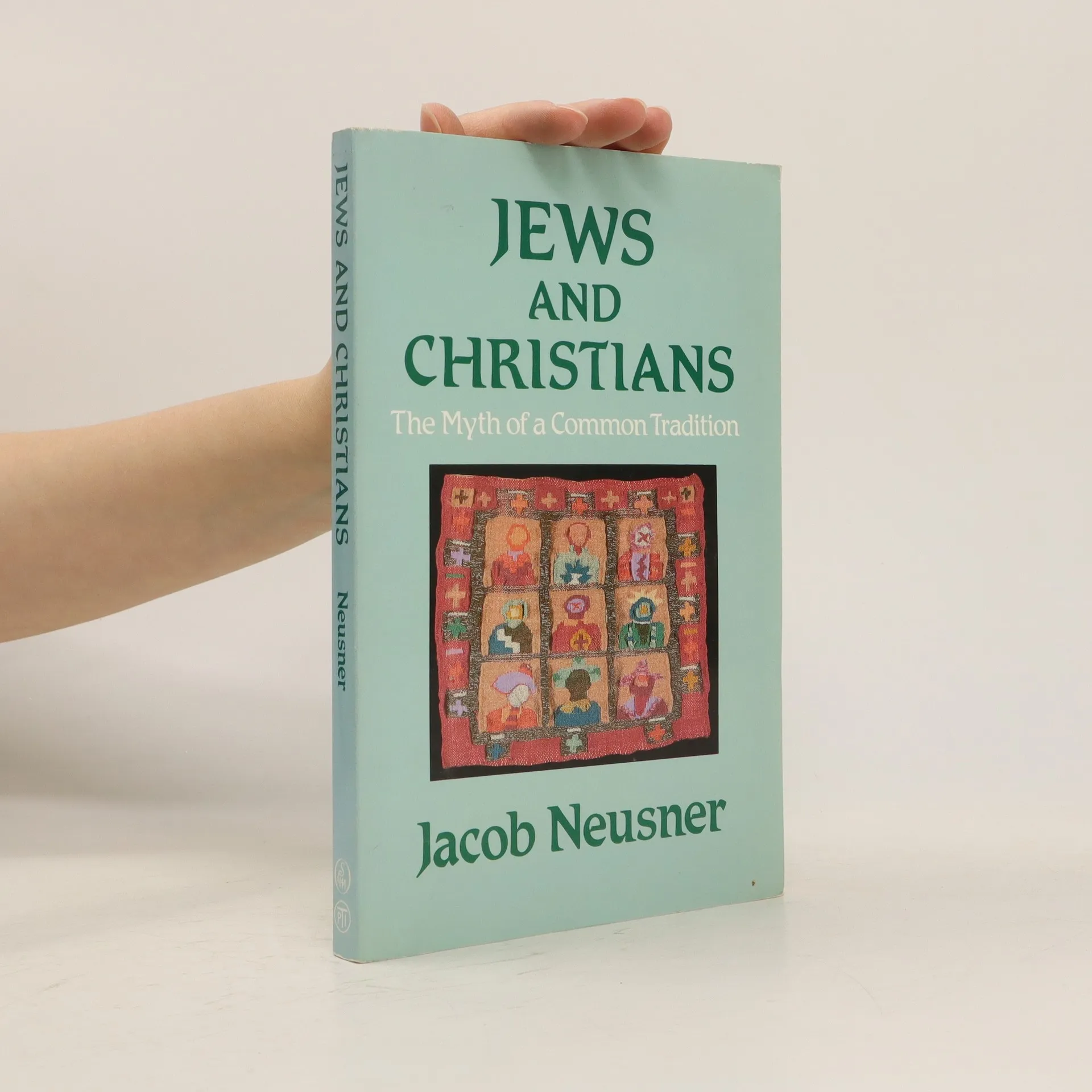
    • The author proposes that "there is not now, and there never has been, a dialogue between the religions of Judaism and Christianity." The first part of the book represents historical discourse through which Professor Neusner underscores that, from the very beginnings, the Judaic and Christian religious worlds scarcely intersected (with the exception of the fourth century). In the second part, Neusner spells out theological reasons underlying the "myth" of a Judeo-Christian tradition. He calls for an understanding of religions as systems so that each party can describe fully, honestly, and accurately the religion it proposes to bring into dialogue with the other. Only when both parties grasp what is meant in context can dialogue actually occur. Throughout this absorbing book, Professor Neusner summons readers to make an effort to treat as legitimate and authentic religions other than their own, and to value a religion's account of itself. Then genuine dialogue may be possible, and such dialogue is essential for world peace. Jacob Neusner is Graduate Research Professor of Humanities and Religious Studies at the University of South Florida, Tampa.

      Jews and Christians
    • Judaism

      • 198 Seiten
      • 7 Lesestunden
      3,4(22)Abgeben

      Judaism represents a tradition that goes back nearly 6,000 years. This book talks about the stories, beliefs and expressions of that tradition. The key topics covered include: the Torah; Israel - the state and its people; Passover; Reform Judaism, Orthodox Judaism and Zionism; and, the impact of the Holocaust.

      Judaism
    • The Two Talmuds Compared

      Vol. II, Division of Women in the Talmud of the Land of Israel and the Talmud of Babylonia, Tractates Yebamot and Ketubot, a

      • 494 Seiten
      • 18 Lesestunden
      The Two Talmuds Compared