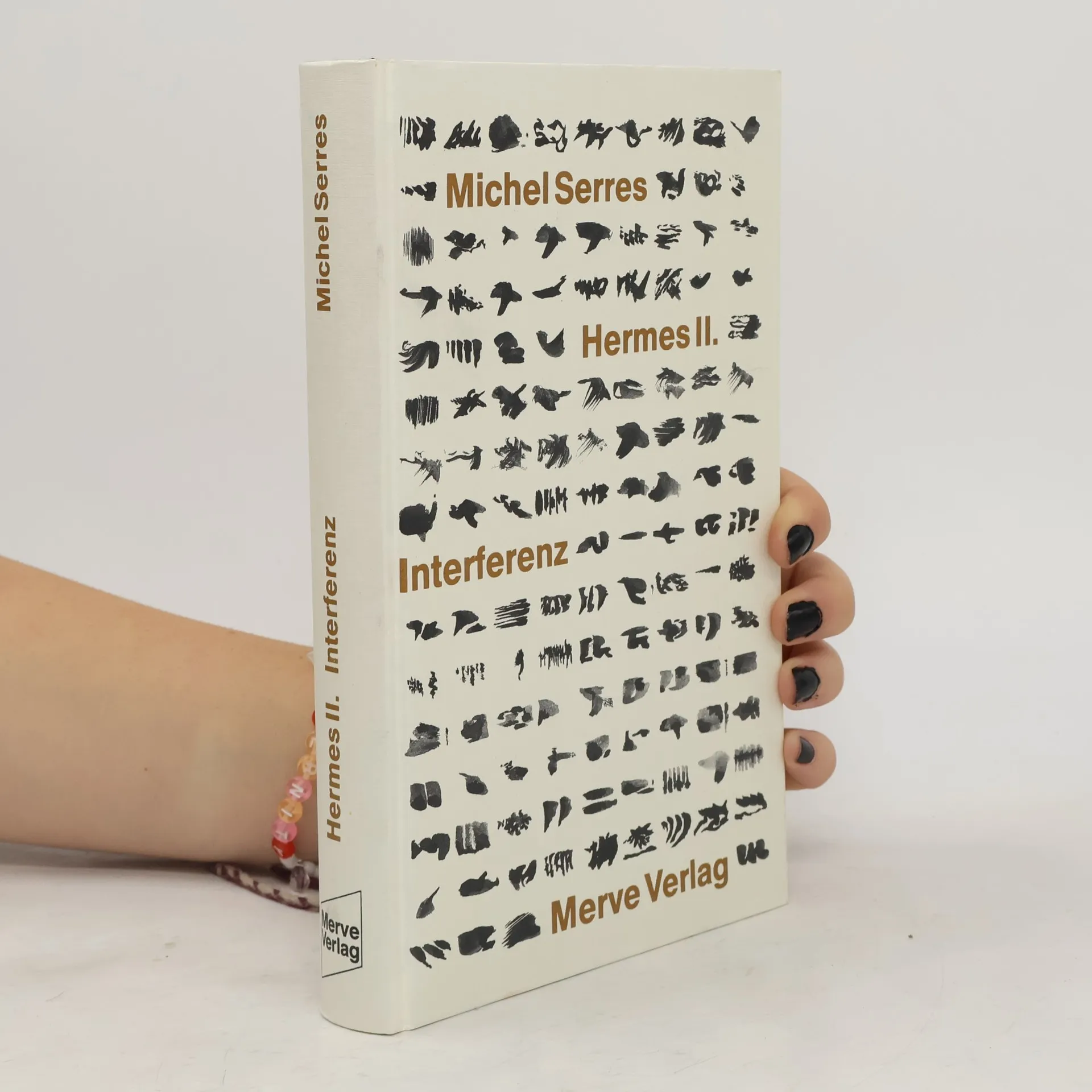
Unveiling the hidden connections in the network of knowledge, this second work by philosopher Michel Serres uses Hermes, the god of communication, as a symbolic figure to explore philosophy, arts, and sciences. Serres examines interreferentiality, positing that every node—be it knowledge, objects, or people—exists in a network where it both receives and transmits information. He challenges the idea of a dominant center within these networks, asserting that any node can act as a focal point depending on context. Serres offers insights into the nature of knowledge, the world of objects, intersubjectivity, the origins of geometry, and the interplay of music and background noise, as well as empiricism. By identifying parallel structures across these areas, he creates a comprehensive theoretical framework that reveals hidden connections and potential future influences. The work critiques Gaston Bachelard's The Formation of the Scientific Mind and concludes with an analysis of communication in Hergé's The Castafiore Emerald. This piece combines ancient and modern perspectives, offering rigorous analysis alongside an optimistic outlook, appealing to those interested in the interconnectedness of knowledge and its implications for fostering peaceful relations within the network of life.
Michel Serres Reihenfolge der Bücher (Chronologisch)
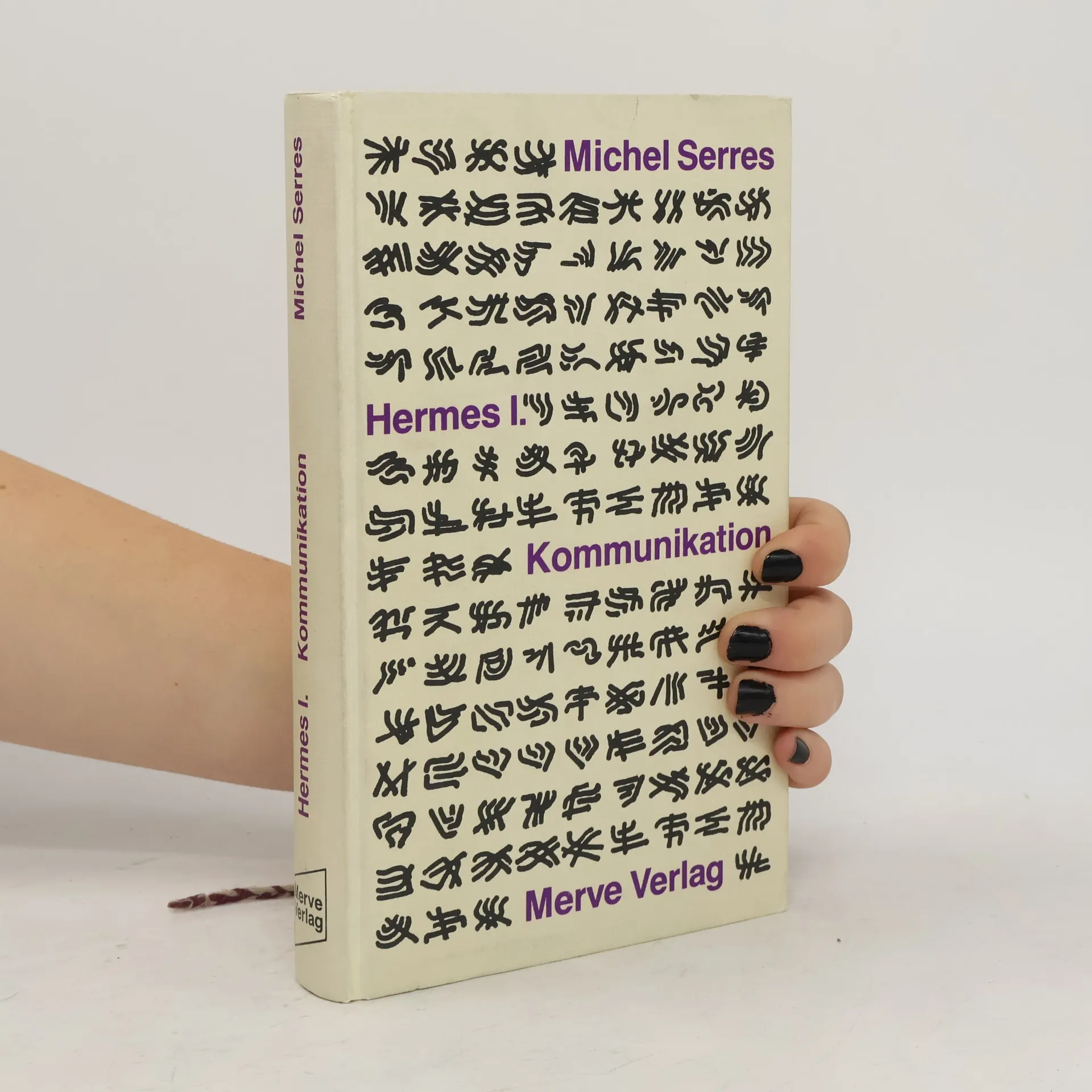
Agen 1945, Vincennes 2019: Die Angaben am Ende von Michel Serresʼ letztem Buch markieren die Eckdaten seines Lebenswegs und unterstreichen, wie lange er sich mit den darin verhandelten Fragen beschäftigt hat. Geboren als Sohn eines Flussschiffers in Südwestfrankreich, wurde Serres zunächst Seemann, später Philosoph an der Pariser Sorbonne und Mitglied der prestigereichen Académie française. Zeitlebens kreiste sein Denken um das Verbindende: Boten wie Hermes, den Schutzgott der Reisenden, Kommunikation und interdisziplinäre Zusammenarbeit. Auch in diesem Versuch über die Religion, der Summe eines Gelehrtenlebens, steht das Verbindende im Vordergrund: Religion begreift Serres dabei als das, was Menschen horizontal miteinander und vertikal mit dem Jenseits oder dem Reich der Ideen verbindet. Auf das analytische Zeitalter der Trennungen, Zersetzungen und Zerstörungen, unter anderem der unseres Planeten, so das Vermächtnis des großen Universalgelehrten, folgt ein Zeitalter der Verbindungen. Wollen wir die großen Herausforderungen unserer Gegenwart meistern, müssen wir auf globaler Ebene kooperieren.
Branches
- 208 Seiten
- 8 Lesestunden
Despite being one of France's most enduring and popular philosophers, Branches is the first English translation of what has been identified as Michel Serres' key text on humanism. In attempting to reconcile humanity and nature, Serres examines how human history 'branches' off from its origin story. Using the metaphor of a branch springing from the stem and arguing that the branch's originality derives its format, Serres identifies dogmatic philosophy as the stem, while philosophy as the branch represents its inventive, shape-shifting, or interdisciplinary elements. In Branches, Serres provides a unique reading of the history of thought and removes the barriers between science, culture, art and religion. His fluency and this fluidity of subject matter combine here to make a book suitable for students of Continental philosophy, post-humanism, the medical humanities and philosophical science, while providing any reader with a wider understanding of the world in which they find themselves.
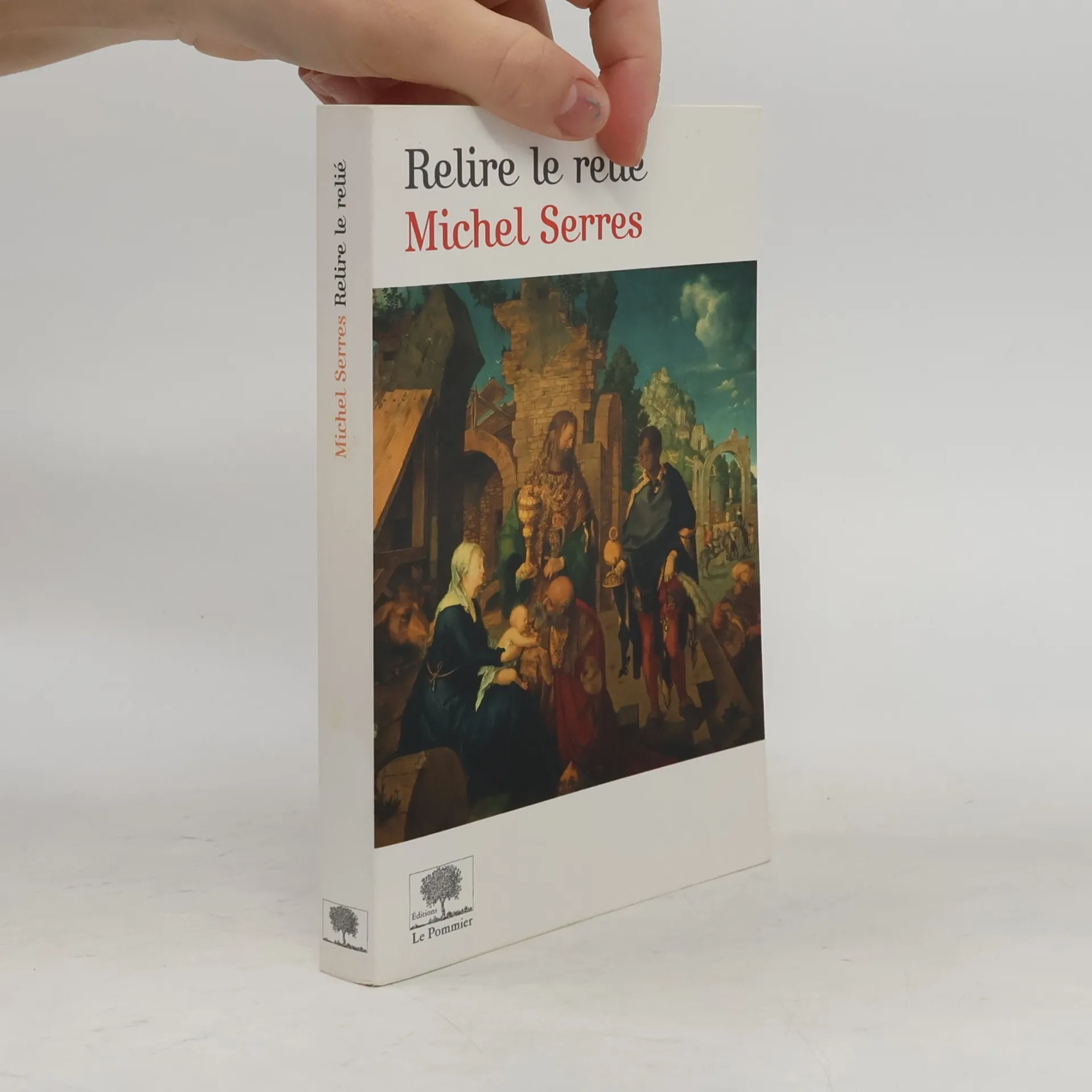
Relire le relié
- 288 Seiten
- 11 Lesestunden
« Voici sans doute mon dernier livre. Il varie sur les deux origines du mot religion, l'une probable, l'autre usuelle : relire et relier. Il ne cesse, en effet, de relire les textes sacrés tout en cheminant le long des mille et une voies qui tissent le réseau de nos vies, de nos actes, de nos pensées, de nos cultures. En cela, il conclut quelques décennies d'efforts consacrés à lier toutes opérations de synthèse. A l'âge analytique - celui des divisions, décompositions, destructions, y compris celle de notre planète - succède celui de la synthèse et de la reconstruction. Nos problèmes contemporains ne peuvent trouver de solutions que globales. Comment ne point finir par le religieux, dont on dit qu'il relie, selon un axe vertical, le ciel à la terre, et, horizontalement, les hommes entre eux ? » Michel Serres
Corps
- 96 Seiten
- 4 Lesestunden
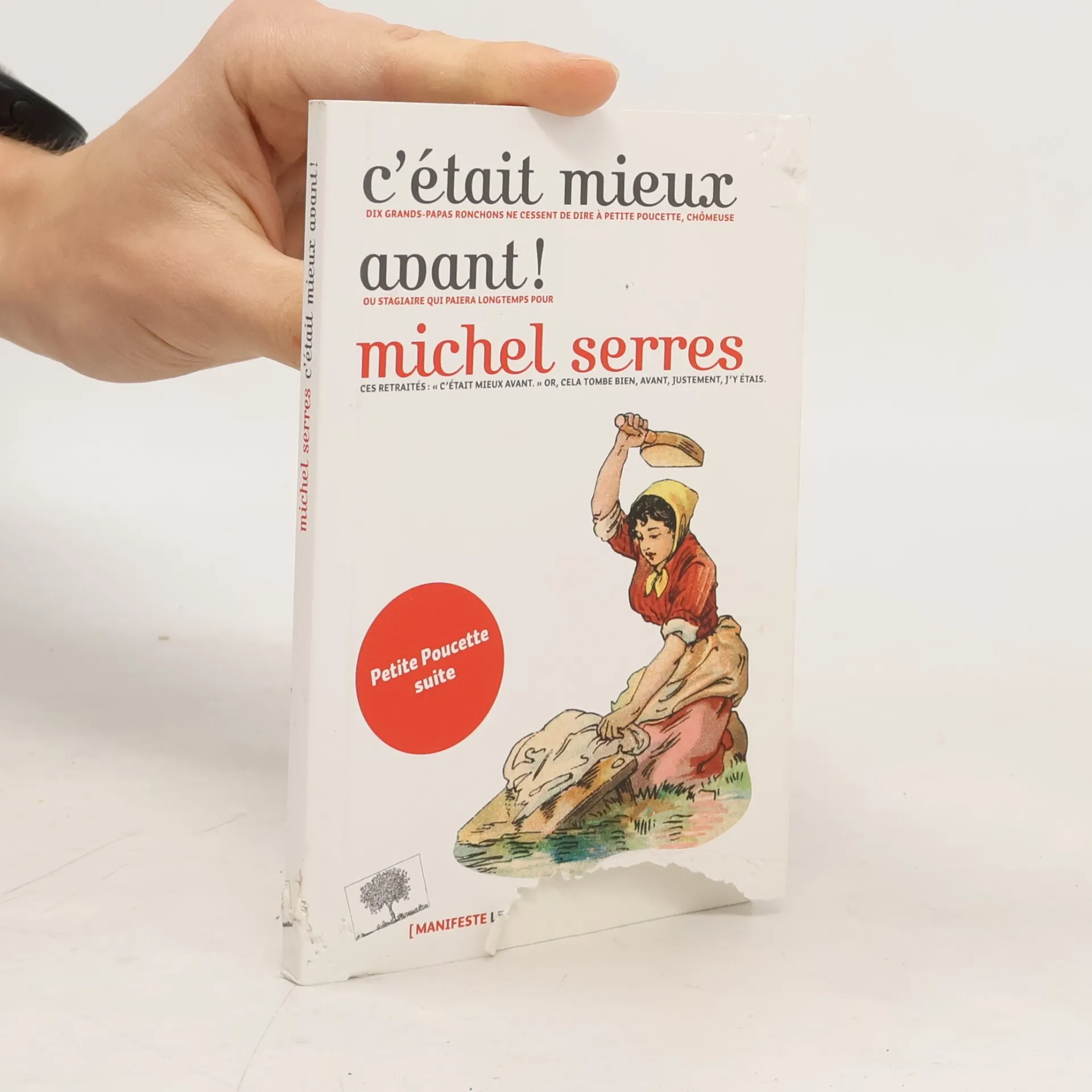
C'était mieux avant !
- 96 Seiten
- 4 Lesestunden
Avant ? Justement j’y étais ! Je vais vous raconter… « Dix Grands-Papas Ronchons ne cessent de dire à Petite Poucette, chômeuse ou stagiaire qui paiera longtemps pour ces retraités : “C’était mieux avant.” Or, cela tombe bien, avant, justement, j’y étais. Je peux dresser un bilan d’expert. Qui commence ainsi : avant, nous gouvernaient Franco, Hitler, Mussolini, Staline, Mao… rien que des braves gens ; avant, guerres et crimes d’état laissèrent derrière eux des dizaines de millions de morts. Longue, la suite de ces réjouissances vous édifiera. » Michel Serres
Yeux
- 211 Seiten
- 8 Lesestunden
Comment voit-on ? Qu'est-ce que voir ? Etre vu ?Que voient les hommes, les animaux, les choses ? Un vautour en chasse plane au-dessus de la canopée forestière ; souple,' ," un crotale se glisse, vite sous les lianes courbes de la jungle. Peut-on imaginer les millions de monde différents que chacune de ces bêtes voit ? Si leurs yeux reçoivent la lumière / et la traitent à leur manière, que dire alors des feuilles qui font vivre arbres et plantes de la même clarté ? Que dire aussi des éclats de mica ou du diamant ?Et si nous changions de point de vue ?Et si nous considérions)., un inonde qui voit, un monde ensemencé' de milliards d'yeux qui nous regardent ? Dans ce livre magnifique, Michel Serres explore les capacités de tous les yeux. Il oppose la nuit et le jour pour nous montrer que la lumière naît... de l'ombre, interroge le regard du peinte et nous fait enfin réfléchir sur ce que nos 4. yeux disent de notre amour.
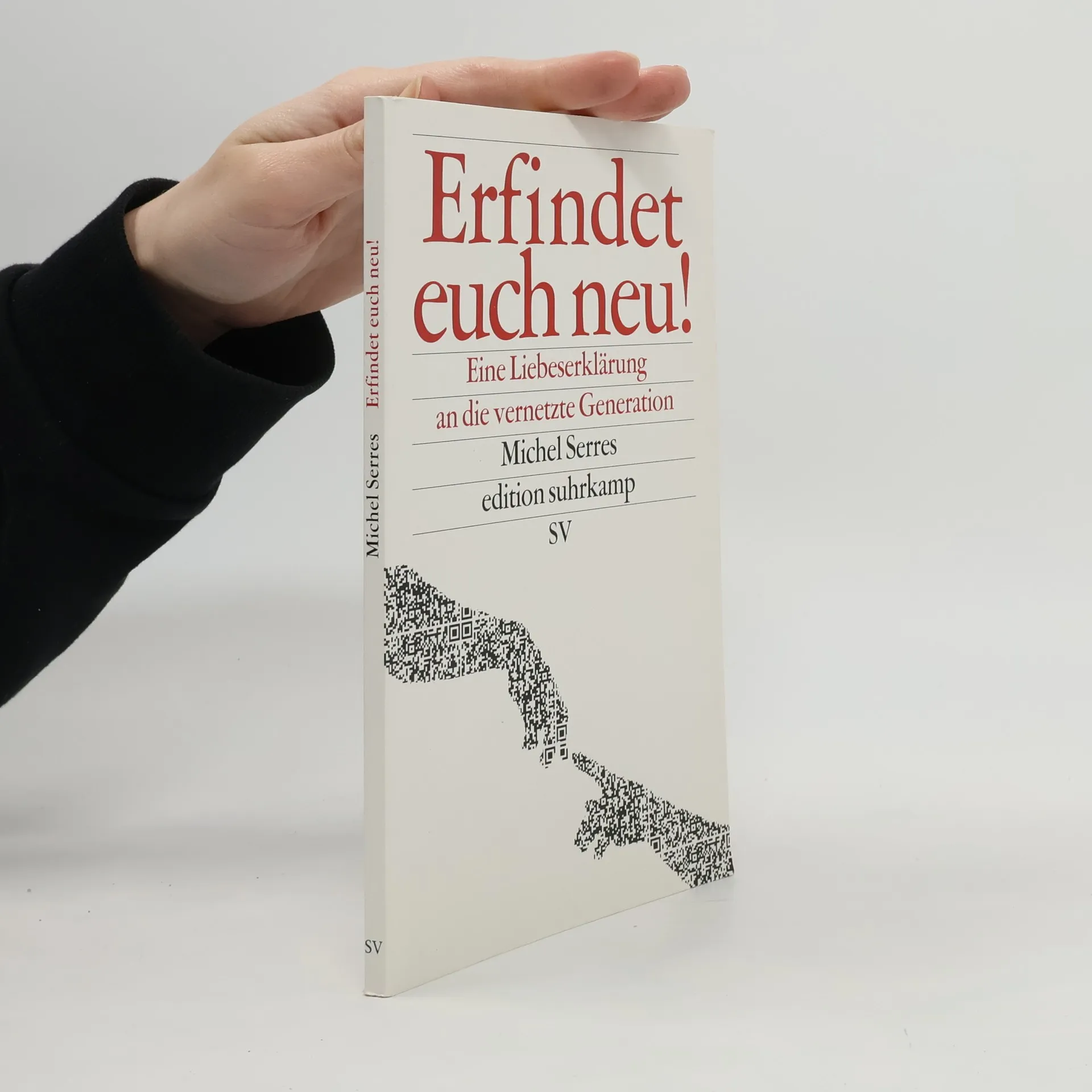
Die Welt hat sich in den letzten Jahrzehnten rasend schnell verändert: Die Weltbevölkerung und die Lebenserwartung steigen; traditionelle Großkollektive wie Nationen, Konfessionen und Parteien verlieren an Bindekraft; Wissen, das früher in Bibliotheken gespeichert war und mühsam erworben werden musste, steht uns heute überall zur Verfügung. Der Wandel hat längst ein solches Ausmaß erreicht, dass wir laut Michel Serres mit Fug und Recht davon sprechen können, dass die Angehörigen der jungen Generationen einer anderen Spezies angehören: jener der »kleinen Däumlinge«, die mit flinken Fingern ihre Smartphones steuern, sich vernetzen und kommunizieren. Den »kleinen Däumlingen« widmet der große Philosoph Michel Serres diese Liebeserklärung. Fern von jeder technikfeindlichen Kulturkritik fordert er sie auf, ihre Chance zu nutzen und alles neu zu erfinden: die Gesellschaft, das Bildungssystem – und sich selbst.
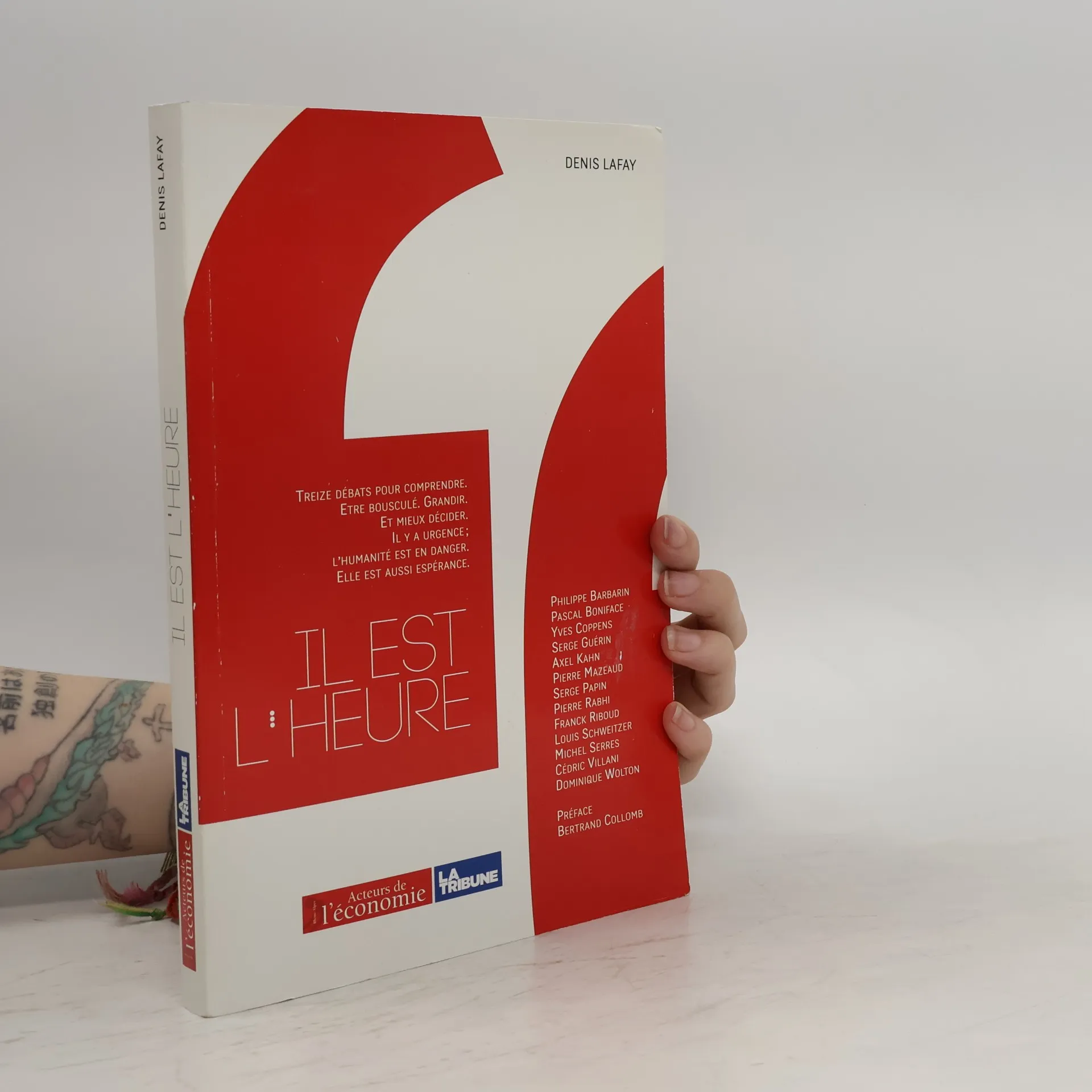
Il est l'heure
Treize débats pour comprendre. Être bousculé, grandir. Et mieux décider. Il y a urgence; l'humanité est en danger. Elle est aussi espérance.
Petite poucette
- 82 Seiten
- 3 Lesestunden
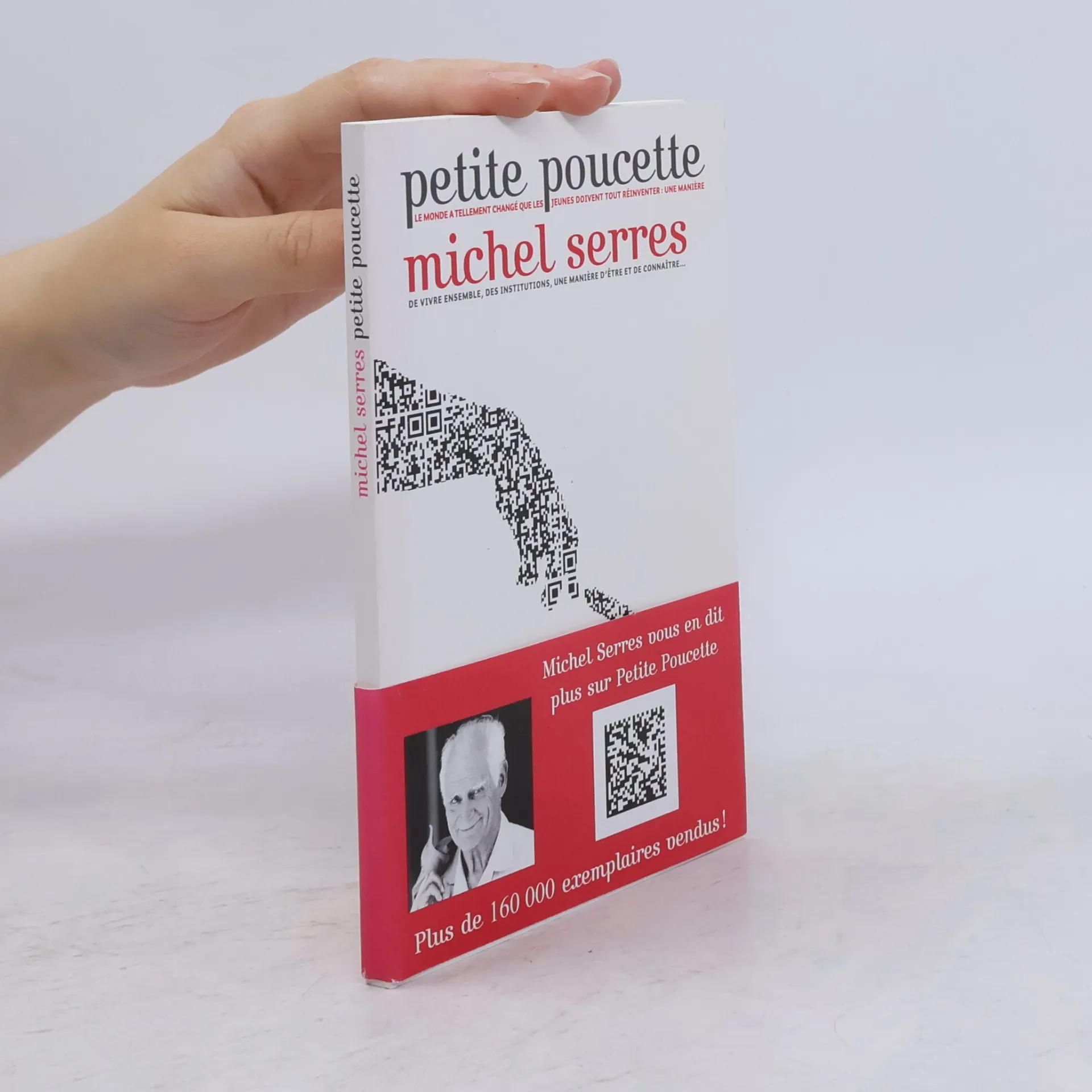
"Nos sociétés occidentales ont déjà vécu deux révolutions : le passage de l'oral à l'écrit, puis de l'écrit à l'imprimé. Comme chacune des précédentes, la troisième, tout aussi décisive, s'accompagne de mutations politiques, sociales et cognitives. Ce sont des périodes de crises. De l'essor des nouvelles technologies, un nouvel humain est né : Michel Serres le baptise "Petite Poucette". Petite Poucette va devoir réinventer une manière de vivre ensemble, des institutions, une manière d'être et de connaître..." [Source : extrait de la 4e de couv.]
Internationaler Merve Diskurs: Perspektiven der Technokultur: Das eigentliche Übel
- 96 Seiten
- 4 Lesestunden
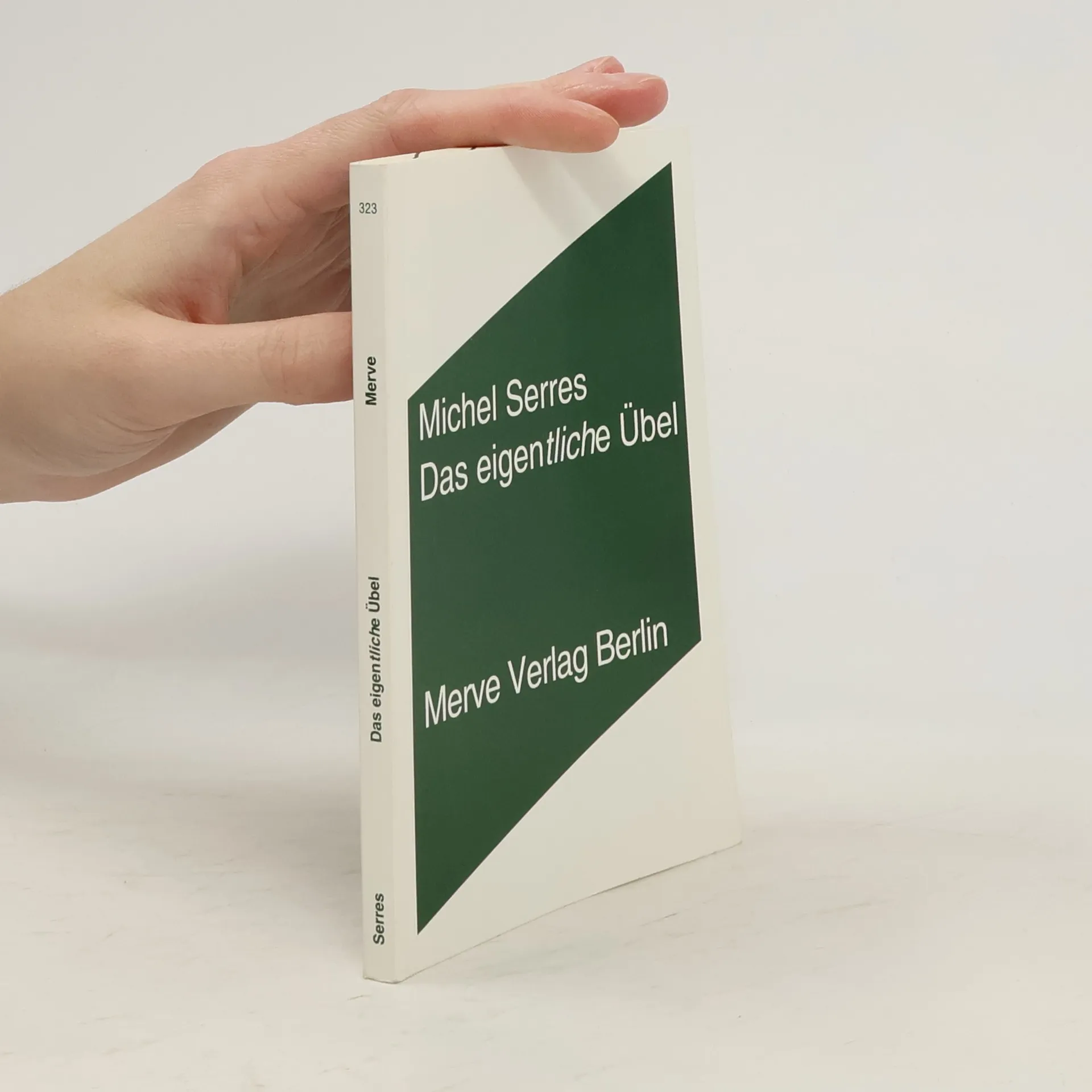
„Derjenige, der den Raum mit Plakaten verschmutzt, die Träger von Sätzen und Bildern sind, stiehlt dem Blick aller die umliegende Landschaft, tötet ihre Wahrnehmung, durchbohrt den Ort durch ebendiesen Diebstahl. Erst die Landschaft, dann die Welt. Er durchsetzt den Raum mit schwarzen Löchern, die die Empfindung einsaugen und die Wahrnehmungsfähigkeit zerstören. Mit welchem Recht? Er benimmt sich wie ein universaler Hausbesetzer. Auf dieselbe Weise, ebenso gebieterisch, erweist sich ein Geldstück als leichter sichtbar, lesbar und entzifferbar…als das Objekt, dass es kauft. Es versiegelt den Blick darauf, es tötet dieses Objekt. Das Symbol annulliert die Sache. Die Welt wird von den Zeichen ausgedrückt und ausgelöscht.“ Michel SerresMichel Serres schreibt über die dem Menschen inhärente Strategie, abgeleitet aus der Verwandtschaft mit den Tieren, sich etwas anzueignen, indem man es beschmutzt. Dieses Konzept differenziert er in „Das eigentliche Übel“ unter zwei Arten der Verschmutzung aus: die harte Verschmutzung, zu der bspw. Emissionen aus Industrieanlagen oder Autobgase zählen, und die weiche Verschmutzung, unter die er Werbung, Krach aber auch Graffiti rechnet. Hausbesetzer, Marken, Sperma, Tags sind Beispiele, auf die er dabei zurückgreift.
" Aller droit au but " : tel paraît être le mot d'ordre de nos sociétés modernes. A l'heure du TGV, d'Internet et du GPS, le détour est perçu comme une perte de temps, une errance inutile, voire une fuite. A bien des égards, il est pourtant essentiel à notre humaine condition. En effet, l'individu peut-il se construire et s'enrichir s'il ne sait pas s'éloigner des chemins balisés ? Le général d'armée parvient-il à tromper son adversaire s'il ne maîtrise pas la feinte ? Et l'amoureux réussit-il à séduire sans artifices ? Bien plus, peut-on apprécier la vie sans prendre le temps de goûter ses plaisirs ? Et si le détour était finalement le meilleur moyen de ne pas se perdre...
Écoutons les agriculteurs raisonner
- 220 Seiten
- 8 Lesestunden
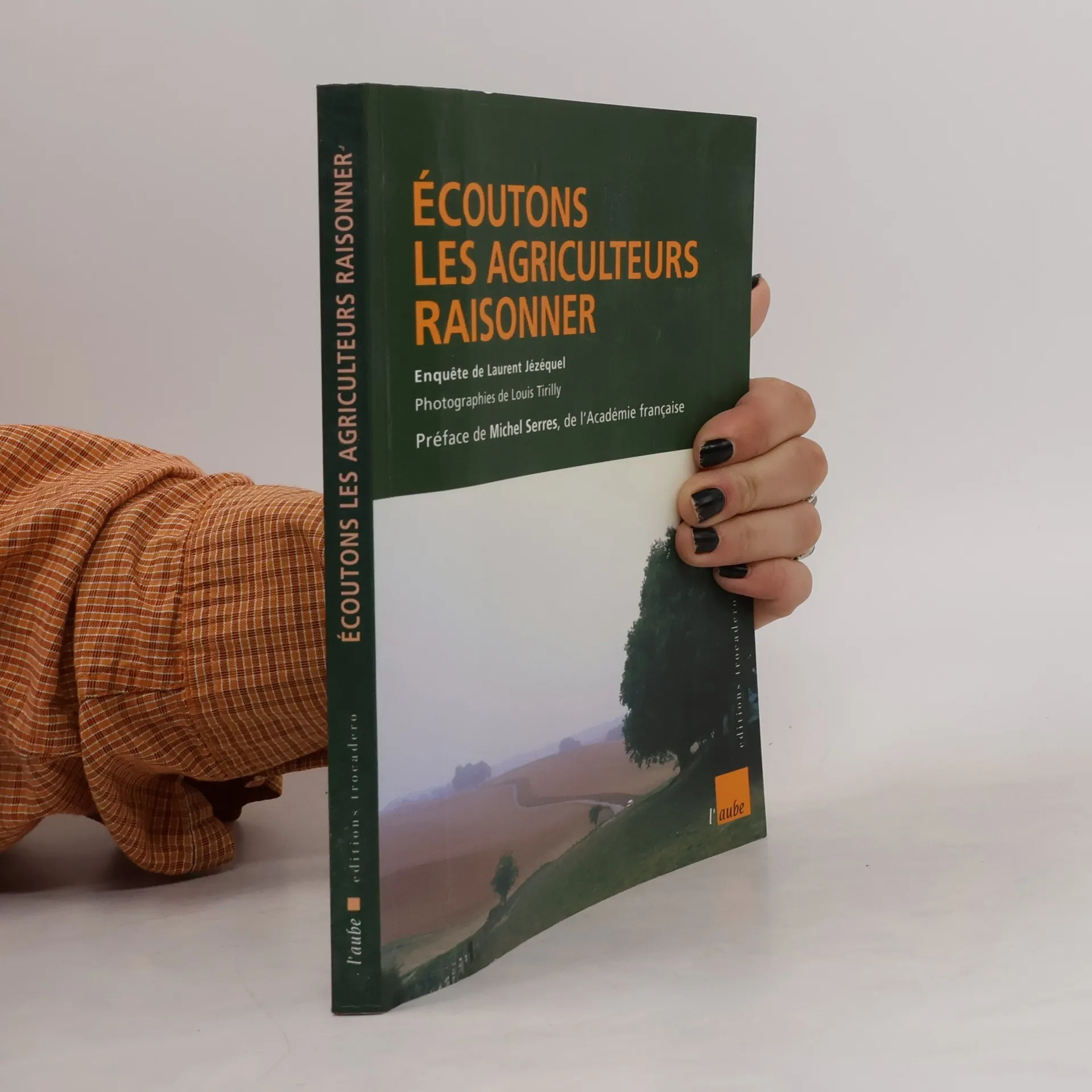
" Avant tout, je dis aux paysans que je les plains, sans la moindre condescendance. Ils font un métier difficile, encore plus difficile qu'il ne l'a été autrefois, même s'il est devenu aujourd'hui moins pénible, un des métiers les plus difficiles avec celui d'enseignant et celui de médecin. Ces trois-là œuvrent sur le long terme, ils aident les humains à se forger un avenir. Cependant, ils agissent dans un monde manœuvré par les hommes du court terme : le politique mobilisé par l'échéance électorale, le médiatique ébloui par l'actualité, le financier anxieux de prendre ses gains. Face à ces puissances, les paysans n'ont même plus l'avantage du nombre. " Michel Serres, de l'Académie française. Michel Serres ouvre ainsi ce livre. Les mots du philosophe, lui-même fils de paysans, font écho à ceux de douze agriculteurs qui racontent, depuis leurs champs, leurs étables, sur le coin de la table familiale ou devant leur ordinateur, leurs doutes, leurs espoirs et, unanimement, leur formidable volonté de continuer à exercer leur métier. Douze instantanés de la vie à la ferme qui révèlent les paysans comme ils sont : surprenants et bien différents de l'image convenue. En rebonds, Pierre Lepetit, économiste, et Guy Paillotin, l'auteur du Rapport gouvernemental sur l'agriculture raisonnée, apportent leurs éclairages sur cette problématique sensible et complexe. Un ouvrage à plusieurs voix, passionnant, instructif, souvent émouvant.
Hominescence
- 339 Seiten
- 12 Lesestunden
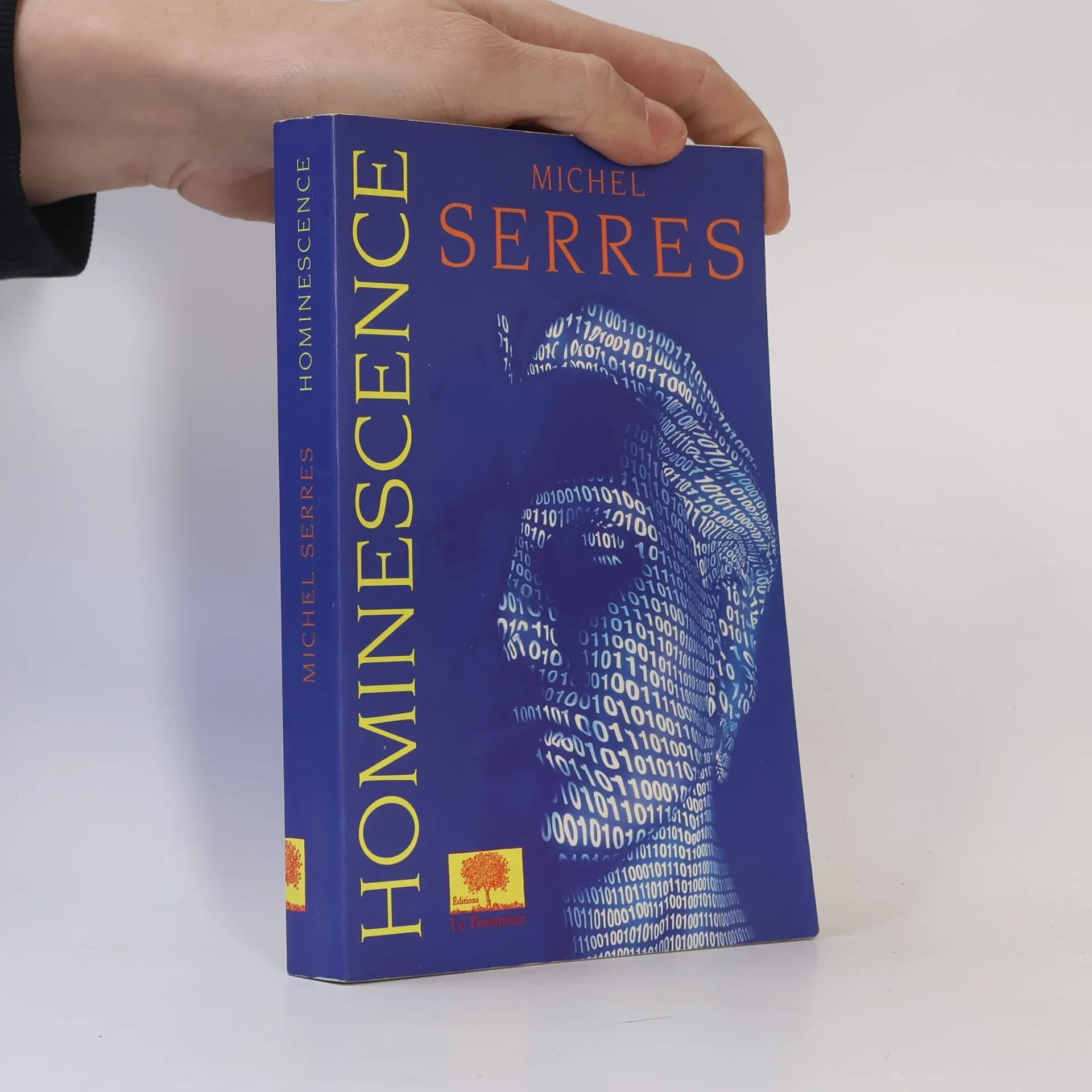
Que retenir du XXme sicle Depuis 1945, la bombe atomique menace l'humanit d'extinction, nous ne risquons plus la petite vrole, radique en 1970 ; mangerons-nous des OGM Munie d'ordinateurs, notre pense change-t-elle Voil une mort, un corps, une agriculture et des rseaux nouveaux. Pour rsumer ces innovations volutives, j'ai forg le mot d'hominescence. Des mots comme adolescence : encore enfant, l'adulte se forme ; ou luminescence : de faible lueur, nat la lumire... clairent ce nologisme, trange et exact qui marque une mergence hominienne. Quand par son corps et la mort, il change le rapport soi par l'agriculture et le climat, ses relations au monde, et par les communications, son entretien avec les autres, s'agit-il toujours du mme humain Nous vivons un moment dcisif du processus qui nous faonne. Inquitante pour certains, cette naissance en enthousiasme d'autres. Nous la suscitons sans savoir quel homme elle cre, assassine ou magnifie.
Thesaurus der exakten Wissenschaften
- 1176 Seiten
- 42 Lesestunden
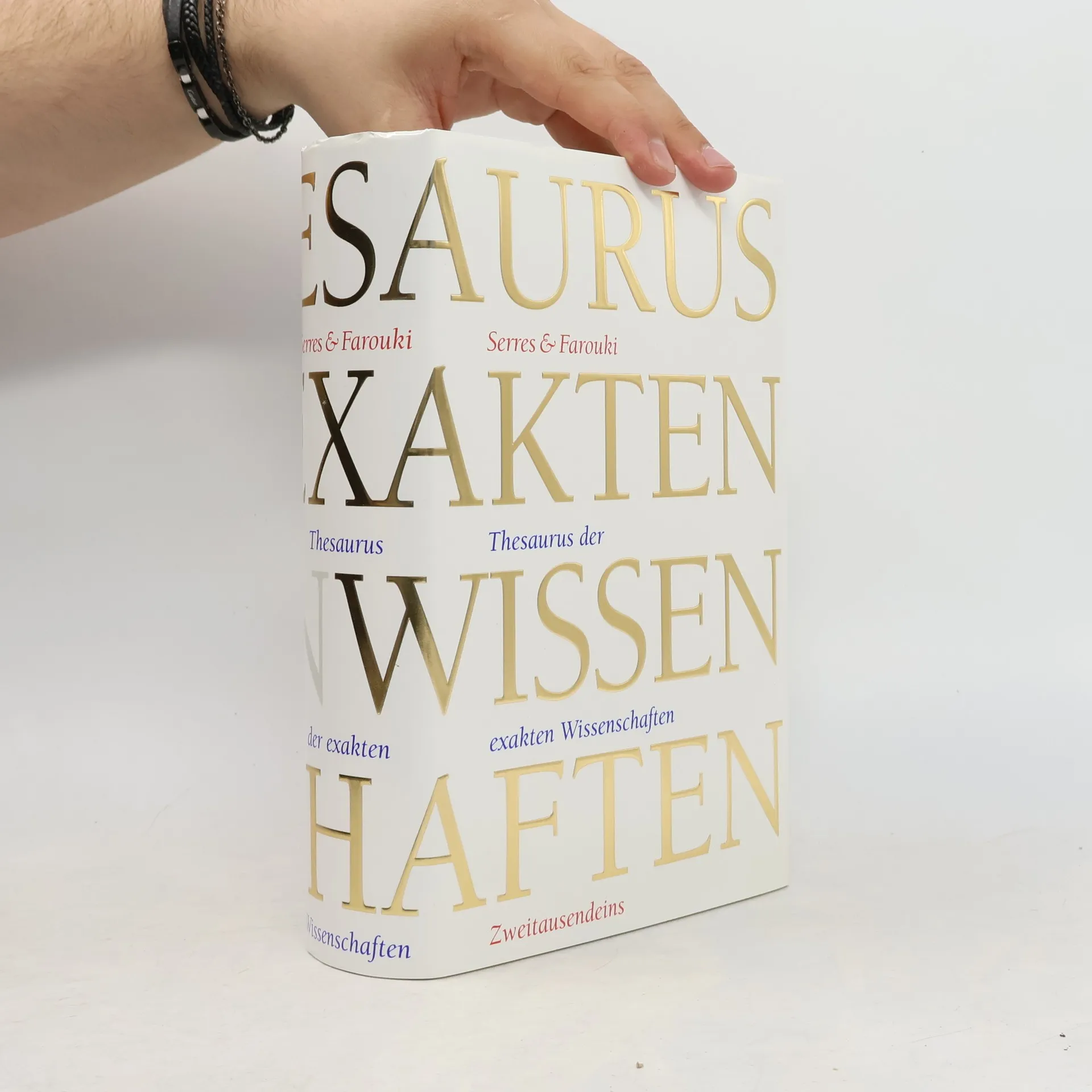
Astrophysik, Biochemie, Chemie, Genetik, Geowissenschaften, Informatik, Mathematik, Physik
Éloge de la philosophie en langue française
- 288 Seiten
- 11 Lesestunden
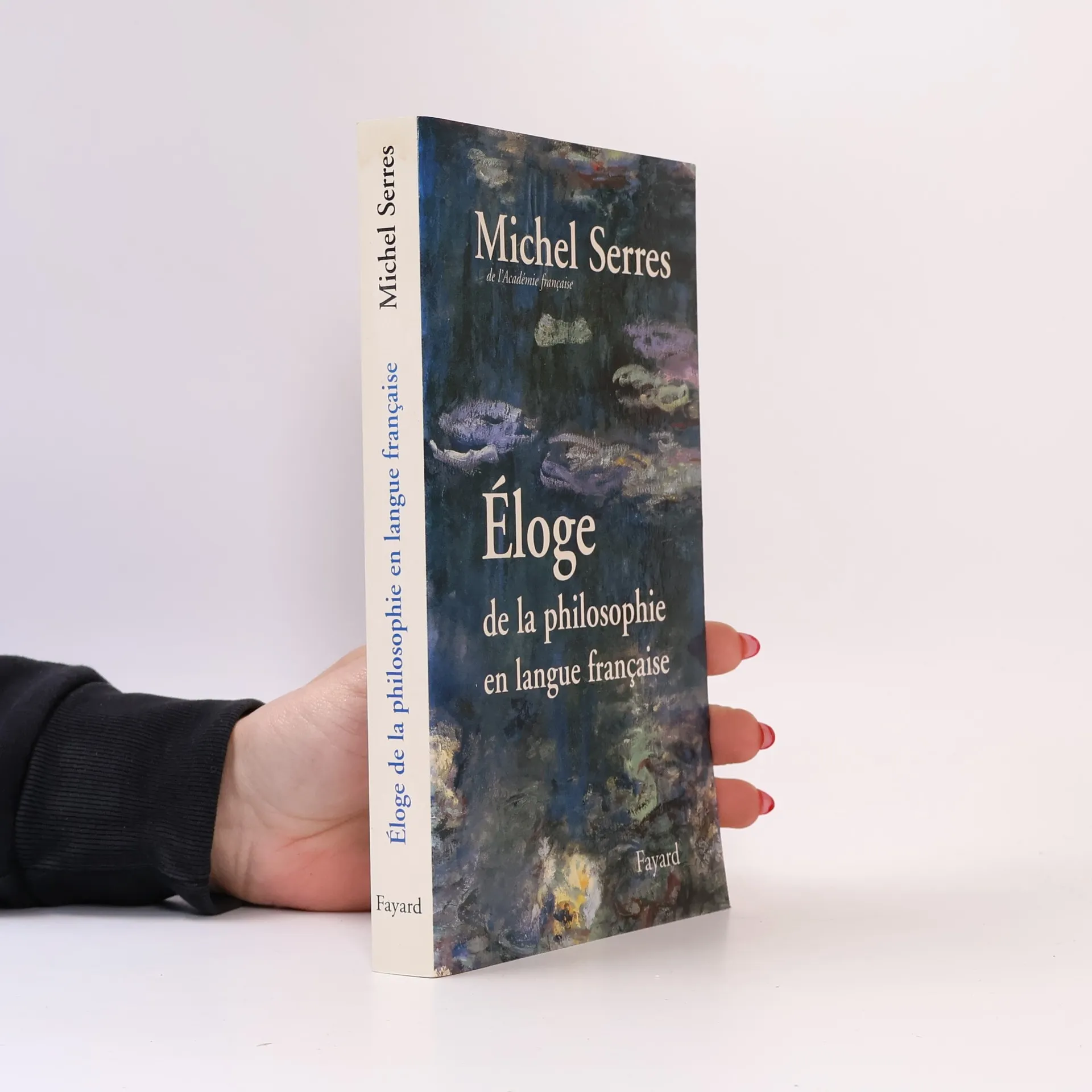
Ce livre prend pour objet un certain nombre d'ouvrages de philosophie de langue française des cinq derniers siècles; il rapporte la vie libre de quelques auteurs et médite sur la contingence de leurs tribulations théoriques. [SDM].
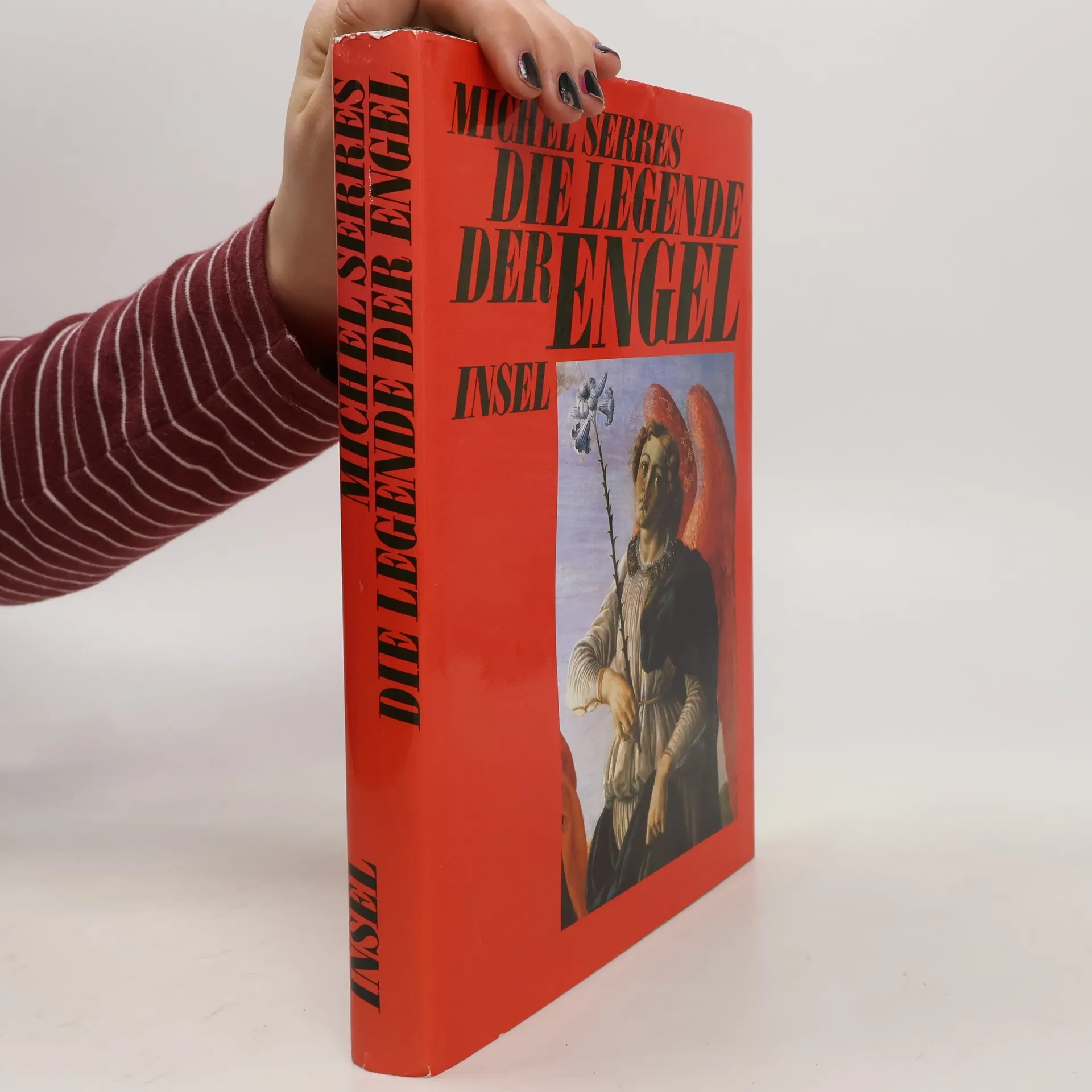
Die Legende der Engel
- 302 Seiten
- 11 Lesestunden
Über Malerei, Vermeer - LaTour - Turner
- 126 Seiten
- 5 Lesestunden
Der Naturvertrag
- 203 Seiten
- 8 Lesestunden
In diesem Buch geht es Michel Serres um nichts weniger als die Begründung einer philosophischen Ökologie: einer neuen Beziehung zur Natur. Die bislang herrschende Darstellung der Geschichte abstrahiert vom Eigendasein der Natur – diese ist allenfalls Dekor, in dem das vermeintlich wesentliche Geschehen sich abspielt, oder amorphes Objekt gewaltsamer Bemächtigung. Das welthistorische Neue heute ist, daß die Natur, der Planet Erde, zurückschlägt: Befangen in unserer – allzumenschlichen – Geschichte, haben wir noch kaum wahrgenommen, daß durch unsere blinden Verwüstungen in der Natur ein Gegner herangewachsen ist, der die gesamte Menschheit mit dem Tod bedroht. Angesichts dieser möglichen Katastrophe plädiert Serres für ein neues Verhältnis der beiden Mächte: So wie einst der Gesellschaftsvertrag dem Kampf aller gegen alle ein Ende setzte und die Geschichte der Menschen begründete, so soll der Naturvertrag anstelle regelloser Gewalt beider Kontrahenten ein durch Normen geregeltes Miteinander stiften.
Atlas
- 279 Seiten
- 10 Lesestunden
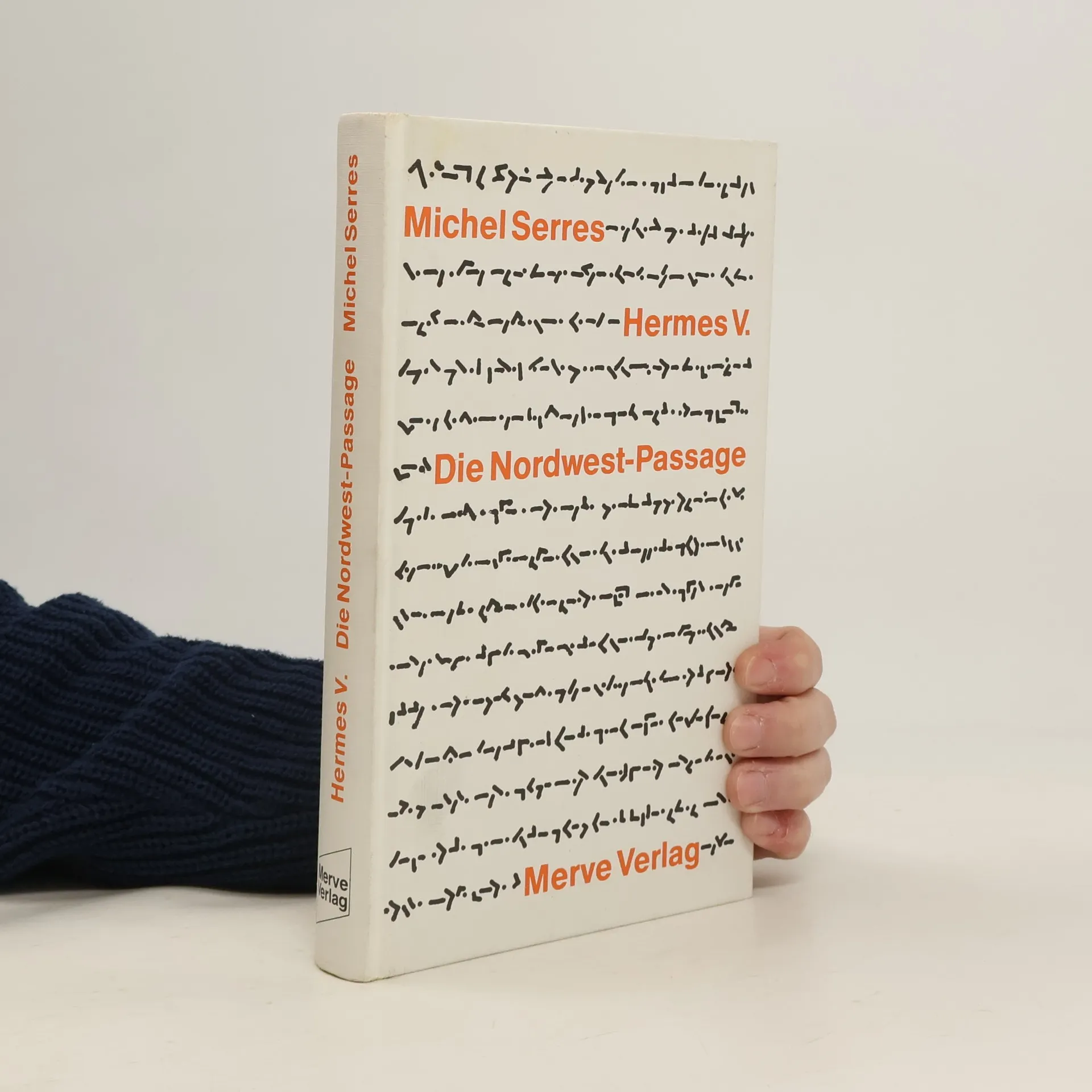
Hermes 5
- 260 Seiten
- 10 Lesestunden
Michel Serres, Seefahrer und Mathematiker, sucht die Passage zwischen den Wissenschaften vom Menschen und den Wissenschaften von der Welt. Der Weg existiert und er existiert nicht, so wie im Eismeer zwischen atlantischem und pazifischem Ozean. Stets ist er begleitet von einem Hintergrundrauschen.
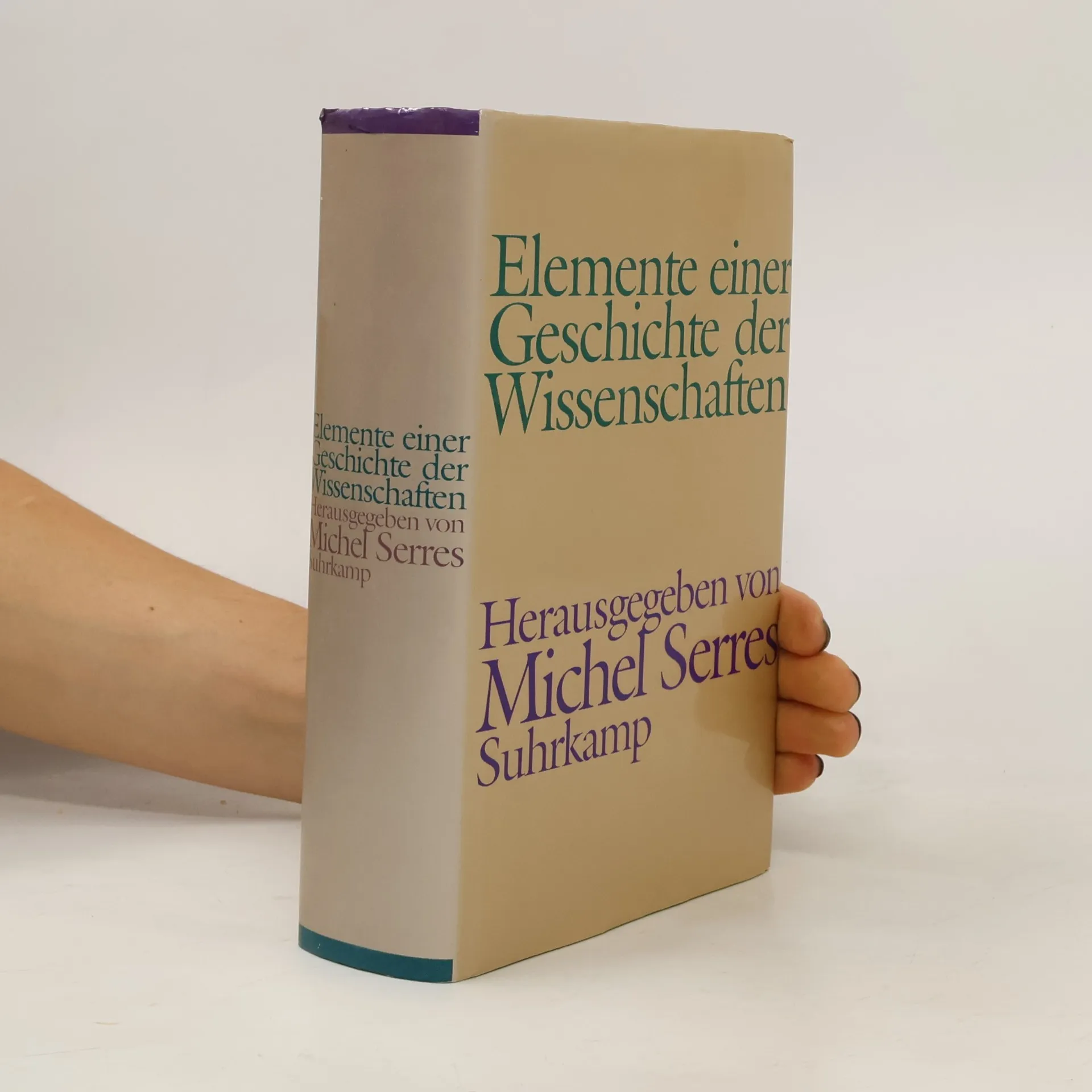
Elemente einer Geschichte der Wissenschaften
- 1079 Seiten
- 38 Lesestunden
Die oft beschriebene Kluft zwischen der Natur- und Geisteswissenschaft führt dazu, daß uns ein großer Teil unserer Kultur als unverständlicher Fremdkörper erscheint. Die Fremdheit jener Welten äußert sich in der Unterscheidung zwischen »internalistischer« und »externalistischer« Wissenschaftsgeschichtsschreibung und der Kritik an einer »harten« Theorie auf der einen Seite und dem »weichen« Kontext auf der anderen Seite. In den zweiundzwanzig Fallstudien dieses Bandes wird die Geschichte der Wissenschaft von den Autoren interdisziplinär beleuchtet. Da gibt es den theoretischen Physiker, der über Hieroglyphen und Keilschrifttafeln berichtet oder ein Naturhistoriker, der sich in die mittelalterliche Theologie gestürzt hat. Sie alle haben ihre Aufsätze nach der Erstellung wechselseitig gelesen, diskutiert und wenn notwendig neu geschrieben.
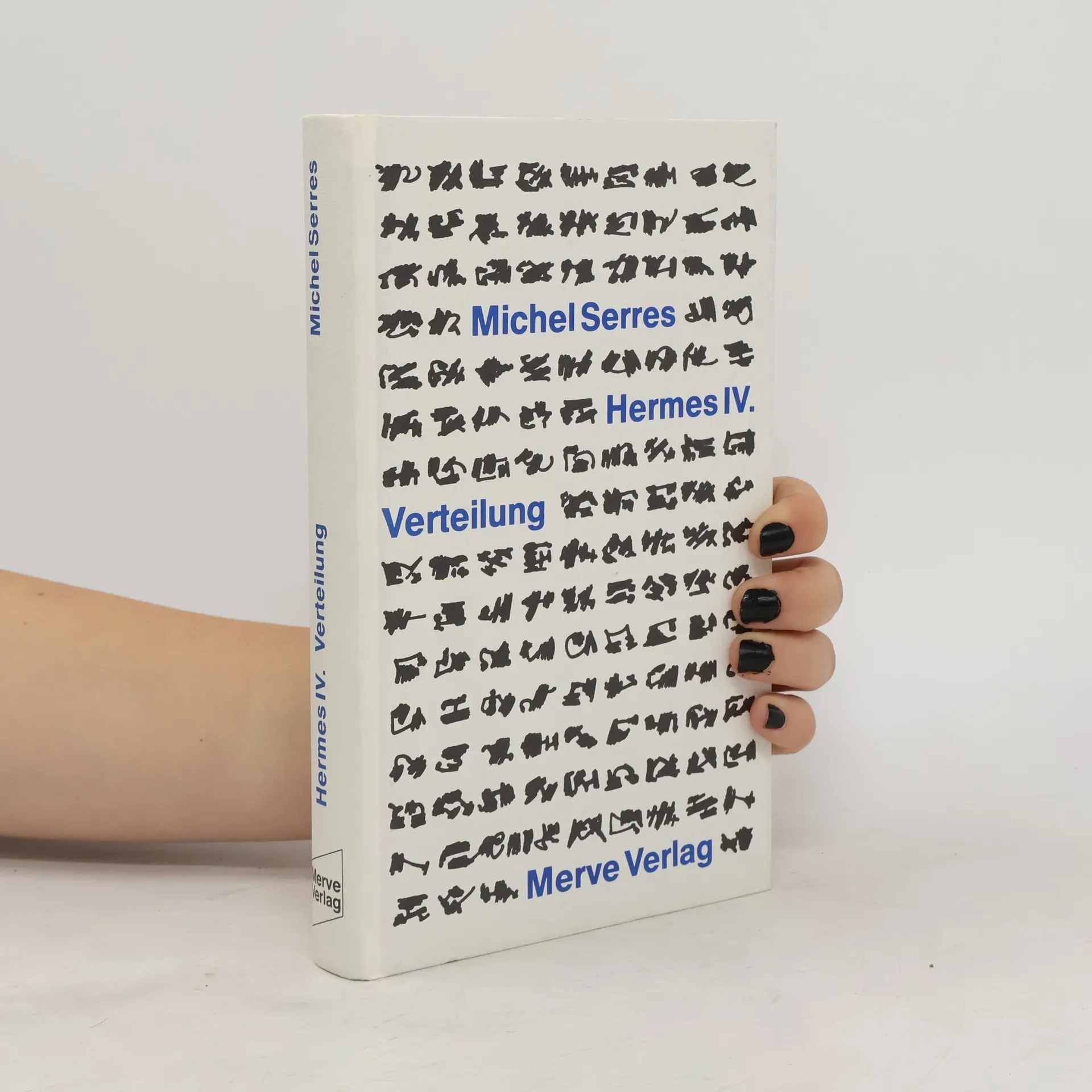
Hermes 4
- 304 Seiten
- 11 Lesestunden
„Es sieht so aus, als wäre das Entscheidende eine Epistemologie der Ultrastruktur oder der Interstrukturen, Ränder, Nachbargebiete, Membranen, Verbindungen, Umgebungen, Regulierungen. Die Orte des Übergangs, des Durchgangs und der Kommunikation, die Wegkreuze des Hermes.“
Hermes 2
- 340 Seiten
- 12 Lesestunden
„Nichts existiert, nichts wird gedacht, nichts wird wahrgenommen oder erfunden, ohne einen mobilen Empfänger, der in einen Kommunikationsraum mit zahlreichen Sendern eingetaucht ist - einen Raum, in dem Nachrichten zirkulieren, der von Rauschen erfüllt ist, in dem Informationen dauerhaft gespeichert werden. Die Enzyklopädie ist eine Gestalt dieses Raumes.“
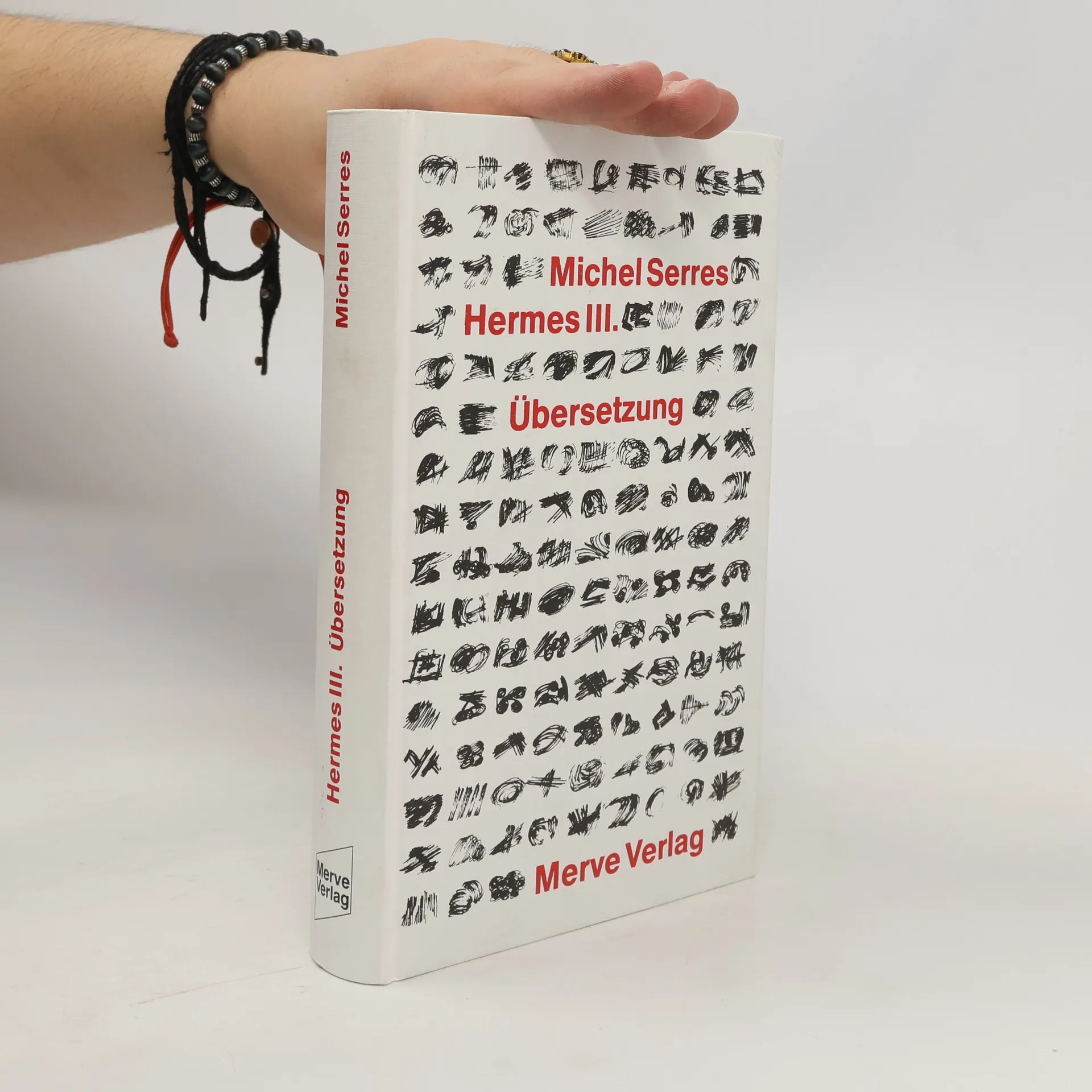
Es ist möglich, dass die Wissenschaft die Gesamtheit der optimal konstanten Botschaften durch jede Übersetzungsstrategie ist. Wenn dieses Maximum nicht erreicht wird, handelt es sich um andere Kulturkreise. Deduktive, induktive Systeme bleiben durch den allgemeinen Transport am stabilsten; unterhalb dieser Schwelle variieren produktive, reproduktive Systeme, jeweils gemäß ihrer Unterschiede. Ihre Unterschiede sind in der Tat nur Variationen. Daher ist es interessant, den Übersetzungsprozess zu untersuchen. Nicht um ihn abstrakt zu definieren, sondern um ihn in den weitesten und vielfältigsten Bereichen funktionieren zu lassen. Innerhalb des kanonischen Wissens und seiner Geschichte, entlang der Beziehungen zwischen Enzyklopädie und Philosophie, im Bereich der schönen Künste und der Texte, die die ausgebeutete Arbeit beschreiben. Es geht nicht mehr um Erklärung, sondern um Anwendung. Man misst die Transformationen der Botschaft. Solch ein Gesetz der Geschichte beschreibt die Zustände der Materie, solch eine Behandlung von Form und Farbe beschreibt die industrielle Revolution. Differenzielle Versionen. An den Grenzen des Verrats kündigt jemand, der ein politisches Wort äußert, schließlich ein Kerygma der Religion an, und eine Gruppe an der Macht schafft es, die optimal stabilen Botschaften, die Wissenschaft, umzuleiten, um den Tod zu produzieren: die Thanatokratie. Dieses Werk erschien 1974.
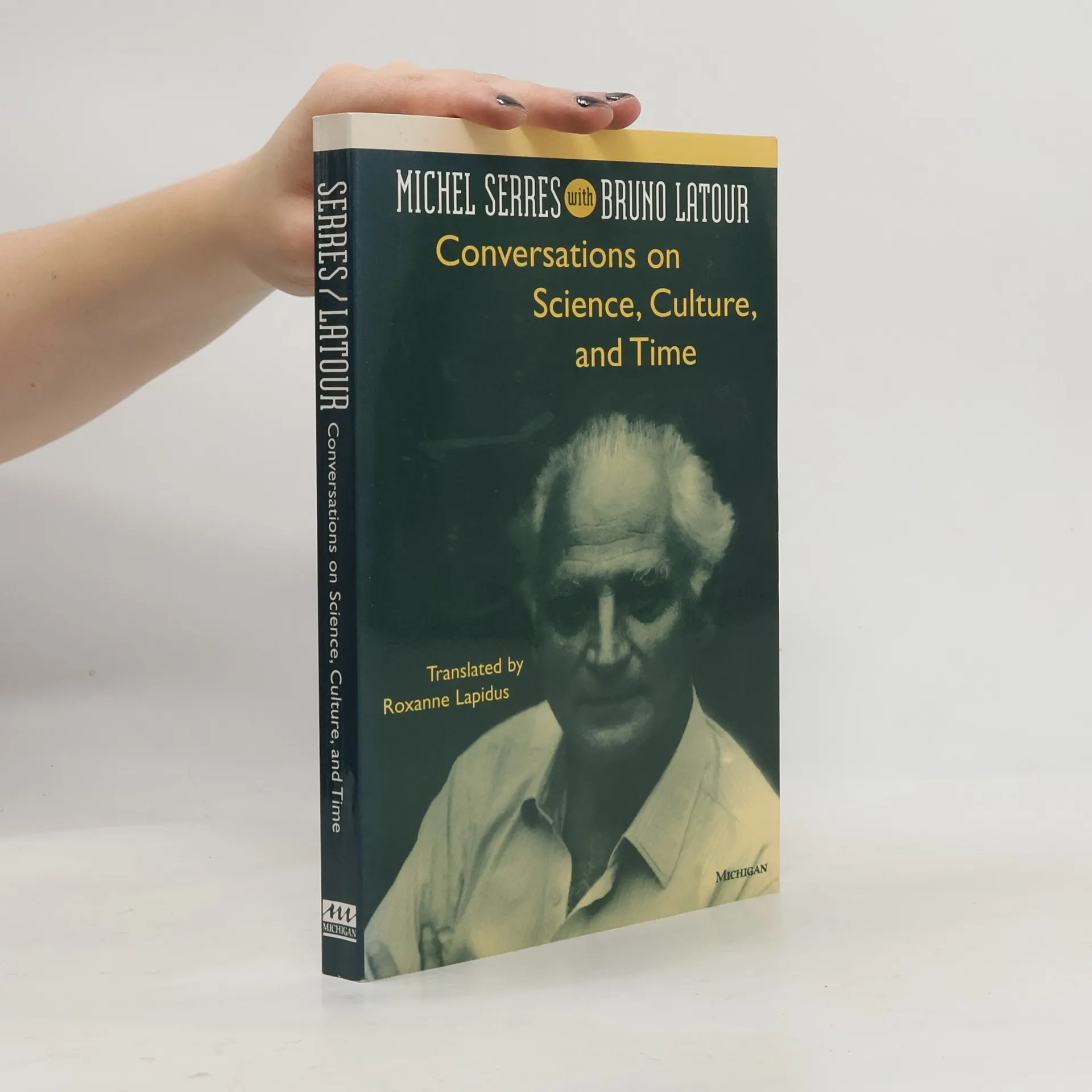
Illuminating conversations with one of France's most respected--and controversial--philosophers
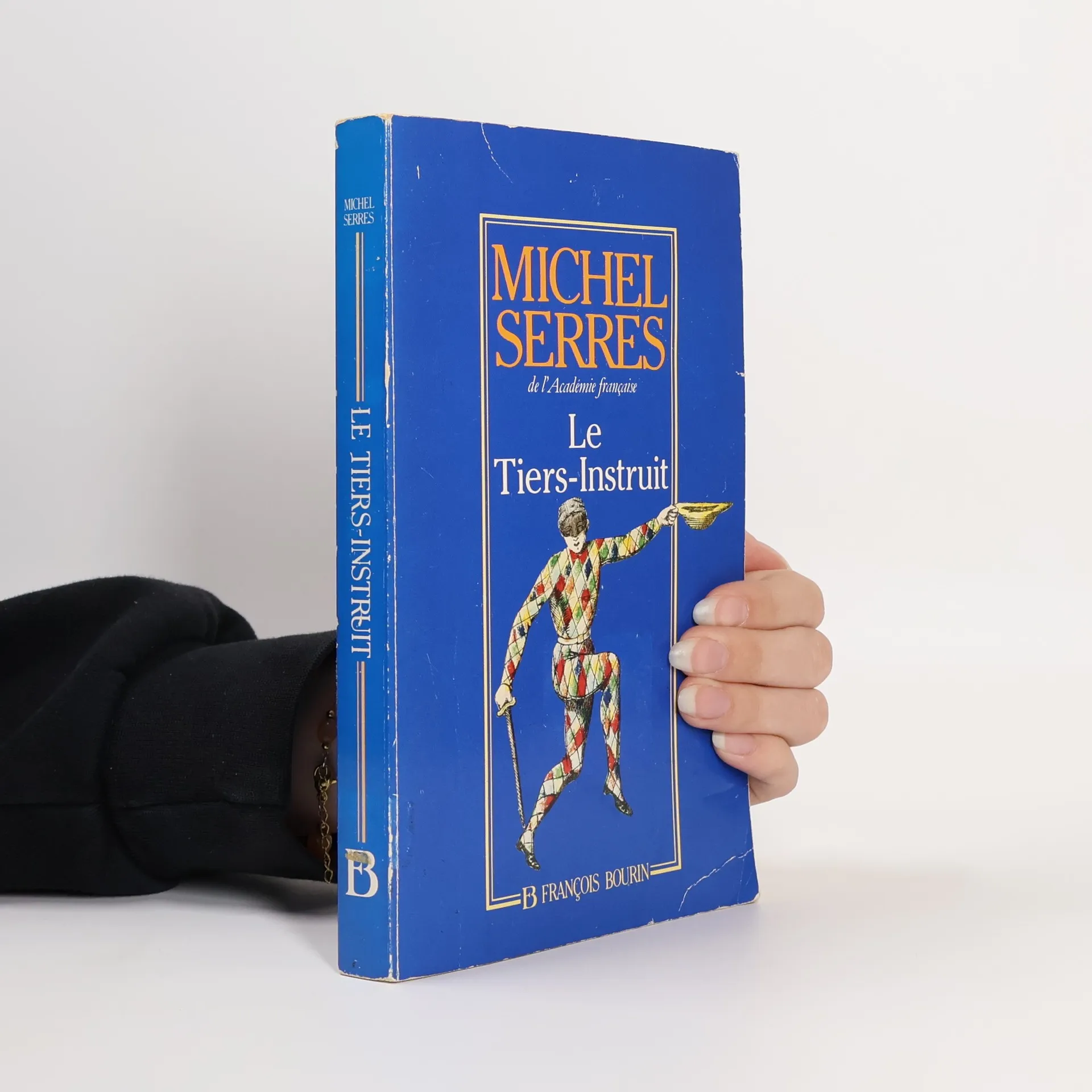
Le Tiers-Instruit
- 249 Seiten
- 9 Lesestunden
Etrange et original, déjà mélangé des gènes de son père et de sa mère, en tiers entre eux, tout enfant n'évolue que par nouveaux croisements, toute pédagogie reprend l'engendrement et la naissance d'un enfant : né gaucher, il apprend à se servir de la main droite, demeure gaucher, renaît droitier, au confluent des deux sens ; né gascon, il le reste et devient français, en fait métissé ; français, il se fait espagnol, italien, anglais, ou allemand, s'il épouse et apprend leur culture et leur langue, en gardant les siennes propres, le voici quarteron, âme et corps mêlés. Son esprit ressemble au manteau d'Arlequin. Cela vaut pour instruire autant que pour élever les corps. Le métis, ici, s'appelle Tiers-Instruit. Scientifique, plutôt, par nature, il entre dans la culture parce que la science épouse aujourd'hui les questions, par elle seule imprévisible, de la douleur et du mal. Il suffit d'apprendre deux choses : la raison exacte et les maux injustes ; la liberté d'invention, donc de pensée, s'ensuit. Cela vaut enfin pour la conduite et la sagesse, pour l'éducation. Elle consiste et demande à épouser l'altérité la plus étrangère, à renaître donc métis. Aime l'autre qui engendre en toi une troisième personne, l'esprit.
Hermes 1
- 352 Seiten
- 13 Lesestunden
„. reisen, übersetzen, austauschen, heißt auf die Position des Anderen wechseln, sein Wort als Lesart begreifen, als eine Lesart, die eher als querliegend denn als subversiv zu verstehen ist, heißt sich wechselseitig auf den Handel mit Pfandobjekten einlassen.“
Honoré de Balzacs Erzählung Sarrasine erlangte in Frankreich in den siebziger und achtziger Jahren eine unerwartete Prominenz. Sie resultiert daraus, daß dieser Text wegen seiner spielerisch-intrikaten Komposition viele Literaturtheoretiker dazu veranlaßte, ihr Interpretationsmodell an dem Balzacschen Werk zu erproben. Bekanntestes Beispiel: Roland Barthes, der seine »analyse textuelle« in dem 1976 auf deutsch im Suhrkamp Verlag erschienenen Buch S/Z an dem erwähnten Balzac-Text entfaltet. Als Reaktion auf Balzacs Novelle und Barthes´ Überlegungen ist das neue Buch des französischen Philosophen Michel Serres zu verstehen. Obwohl die Überlegungen dieses Erzähler- Philosophen nicht thetisch zu benennen sind, sei eine der Serresschen Annäherungen, die zugleich den Titel des Buches »erklärt«, angeführt: »Der Text (Balzacs »Sarrasine«) entwickelt sich zwischen zwei Zweifeln oder zwei Waagschalen und bewegt sich wie ein Buch innerhalb von Treibhausbüchern: zwei geteilte Körper. Die Vereinigung der Körper vollzieht sich, vollständig, als ob sie unendlich mehr als die Liebe verbinden würde: sie sind durch die Novelle am Ende selbst Hermaphrodit geworden.«
L'oeuf transparent
- 216 Seiten
- 8 Lesestunden
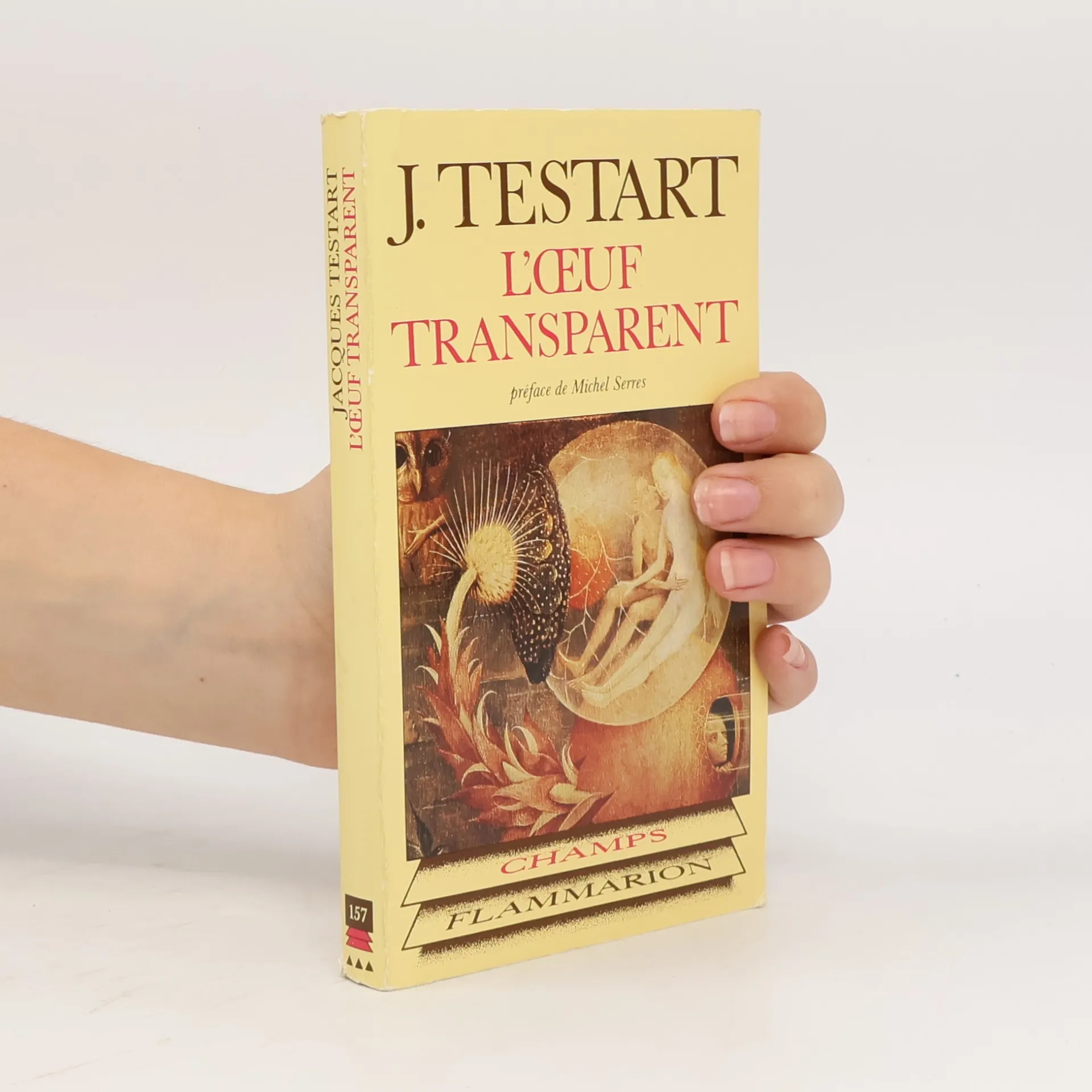
Rayon : Sciences Editeur : Flammarion Date de parution : 1990 Description : In-12, 216 pages, broché, occasion, très bon état. Envois quotidiens du mardi au samedi. Les commandes sont adressées sous enveloppes bulles. Photos supplémentaires de l'ouvrage sur simple demande. Réponses aux questions dans les 12h00. Librairie Le Piano-Livre. Merci. Référence catalogue X6477. Please let us know if you have any questions. Thanks
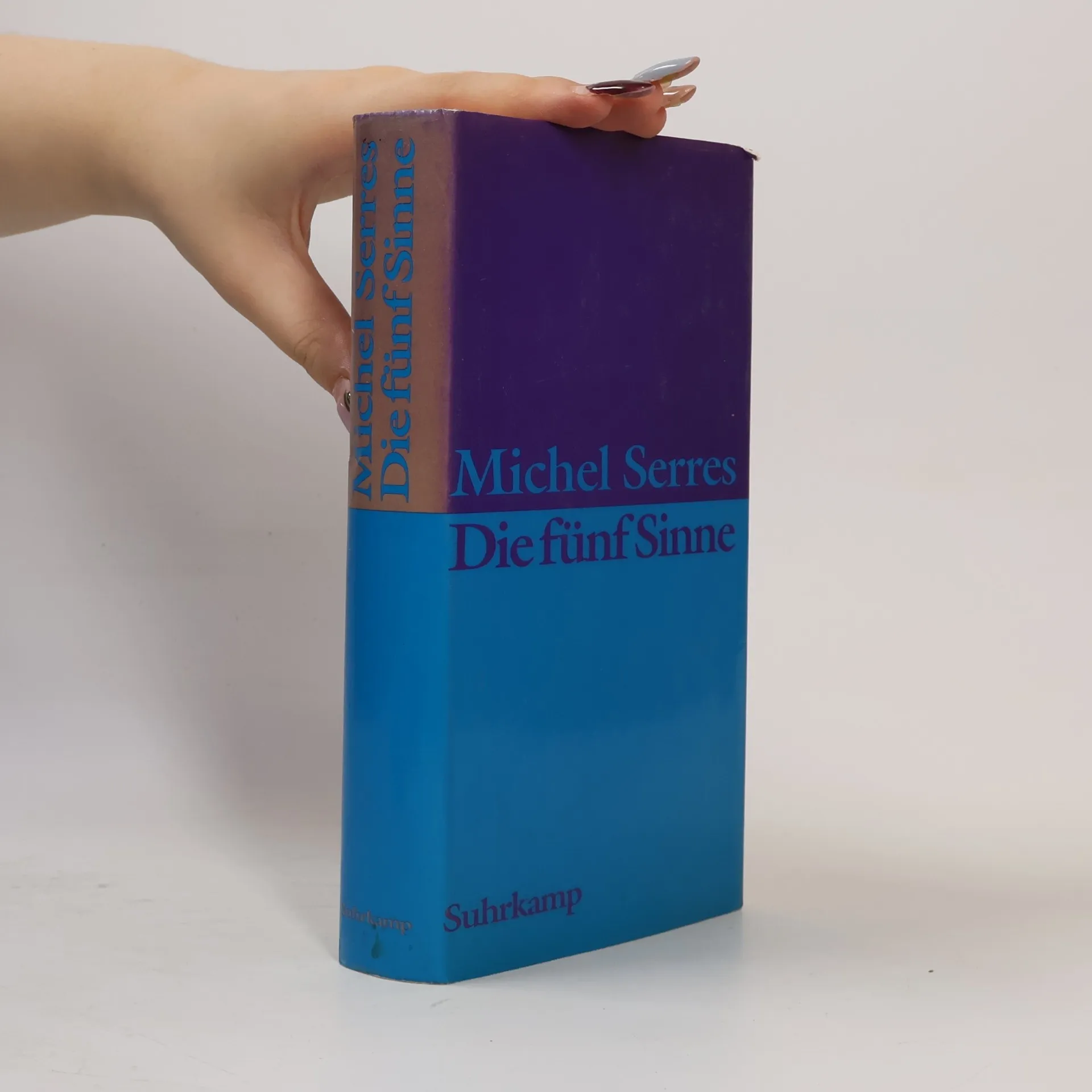
Die fünf Sinne
- 468 Seiten
- 17 Lesestunden
Michel Serres, geboren am 1. September 1930 in Agen, war ein französischer Mathematiker und Philosoph. Er absolvierte die École navale, um eine Laufbahn als Marineoffizier zu beginnen. Ab 1952 besuchte er die École normale supérieure, an der er 1955 seine Agrégation in Philosophie erhielt. Im folgenden Jahr trat er erneut in die Marine ein und fuhr jahrelang zur See. Serres war ab 1969 Professor für Wissenschaftsgeschichte an der Sorbonne und wurde 1984 parallel zum Professor an der Stanford University ernannt. Ab 1990 war er außerdem einer der vierzig »Unsterblichen« der Académie française. 2012 erhielt Serres den »Meister-Eckhart-Preis« der Identity Foundation und der Universität zu Köln. Serres starb am 1. Juni 2019 in Vincennes. Michael Bischoff, geboren 1949, studierte Mathematik und Soziologie und war Wissenschaftslektor im Suhrkamp Verlag. Seit 1977 übersetzt er Literatur aus dem Französischen und Englischen, u. a. von Émile Durkheim, Michel Foucault, Isaiah Berlin und Richard Sennett.
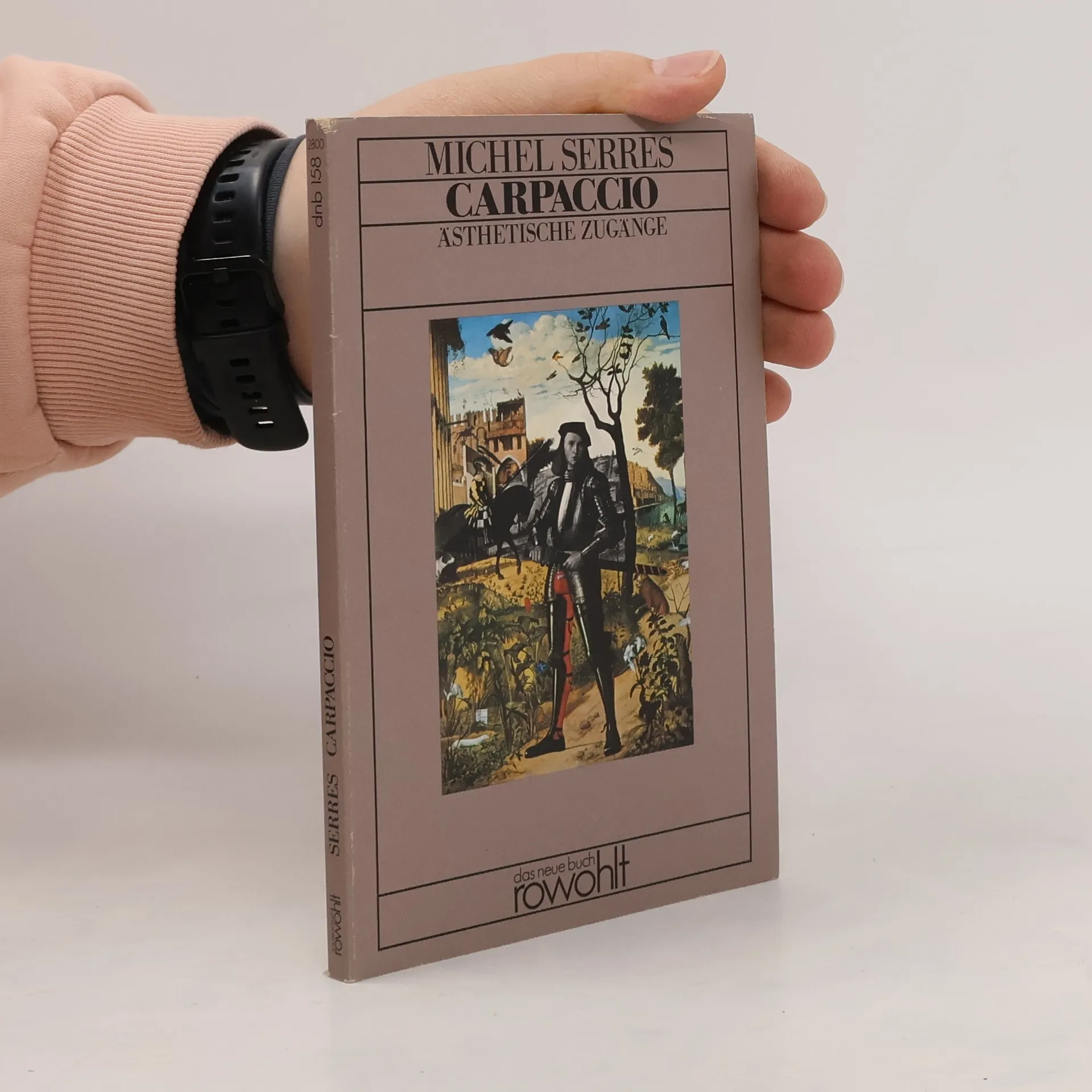
Dieses Buch gehört nicht zur großen Tradition der Kunstgeschichte. Es wird daher nicht darum gehen, das Werk von Carpaccio erneut unter dem Prunk redundanter oder ausrufender Eloquenz zu begraben. (...) Diese Ästhetiken über Carpaccio befinden sich also absichtlich am Rand der offiziellen Disziplinen. 18 Illustrationen
Der Parasit
- 391 Seiten
- 14 Lesestunden