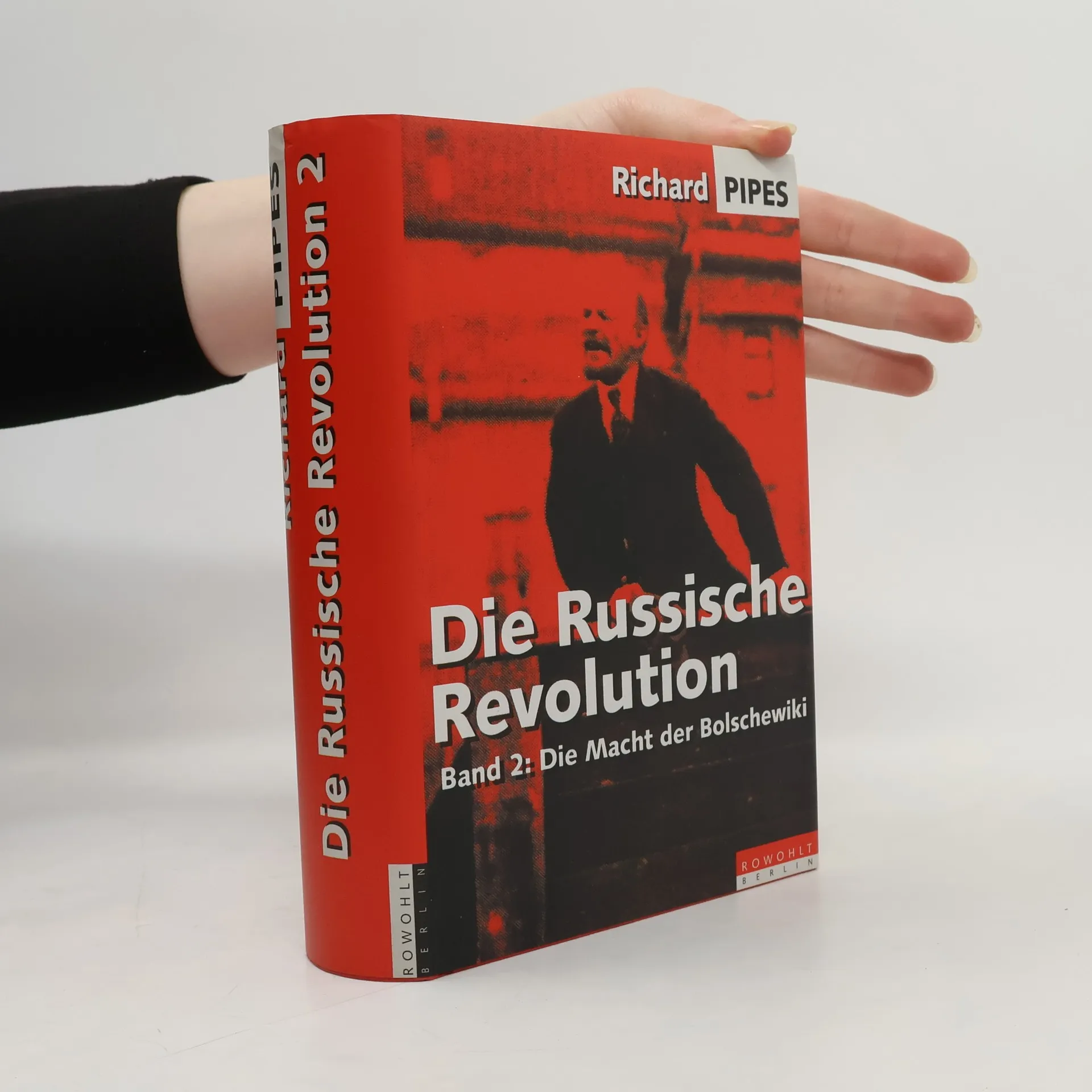
Der Zerfall des Zarenreiches
- 639 Seiten
- 23 Lesestunden


Richard Pipes war ein Historiker, der sich auf die russische Geschichte spezialisierte. Seine Arbeit konzentrierte sich auf die Zaren- und Sowjetzeit und betonte die totalitäre Natur des kommunistischen Regimes. Pipes versuchte, die historischen Wurzeln des russischen Imperialismus und der sowjetischen Expansion aufzudecken. Sein analytischer Ansatz und seine scharfe Kritik an der sowjetischen Macht machten ihn zu einer einflussreichen Figur des Kalten Krieges.




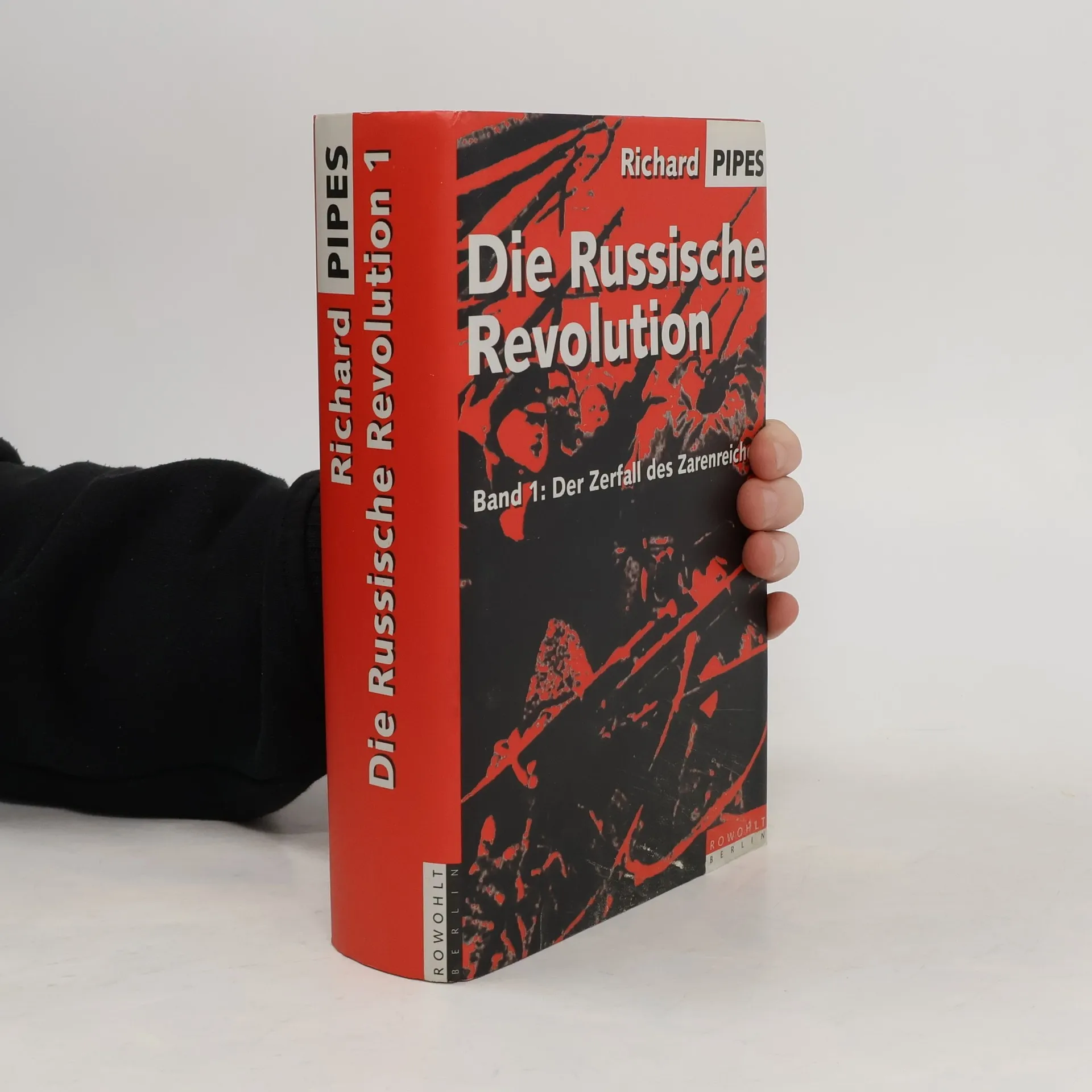
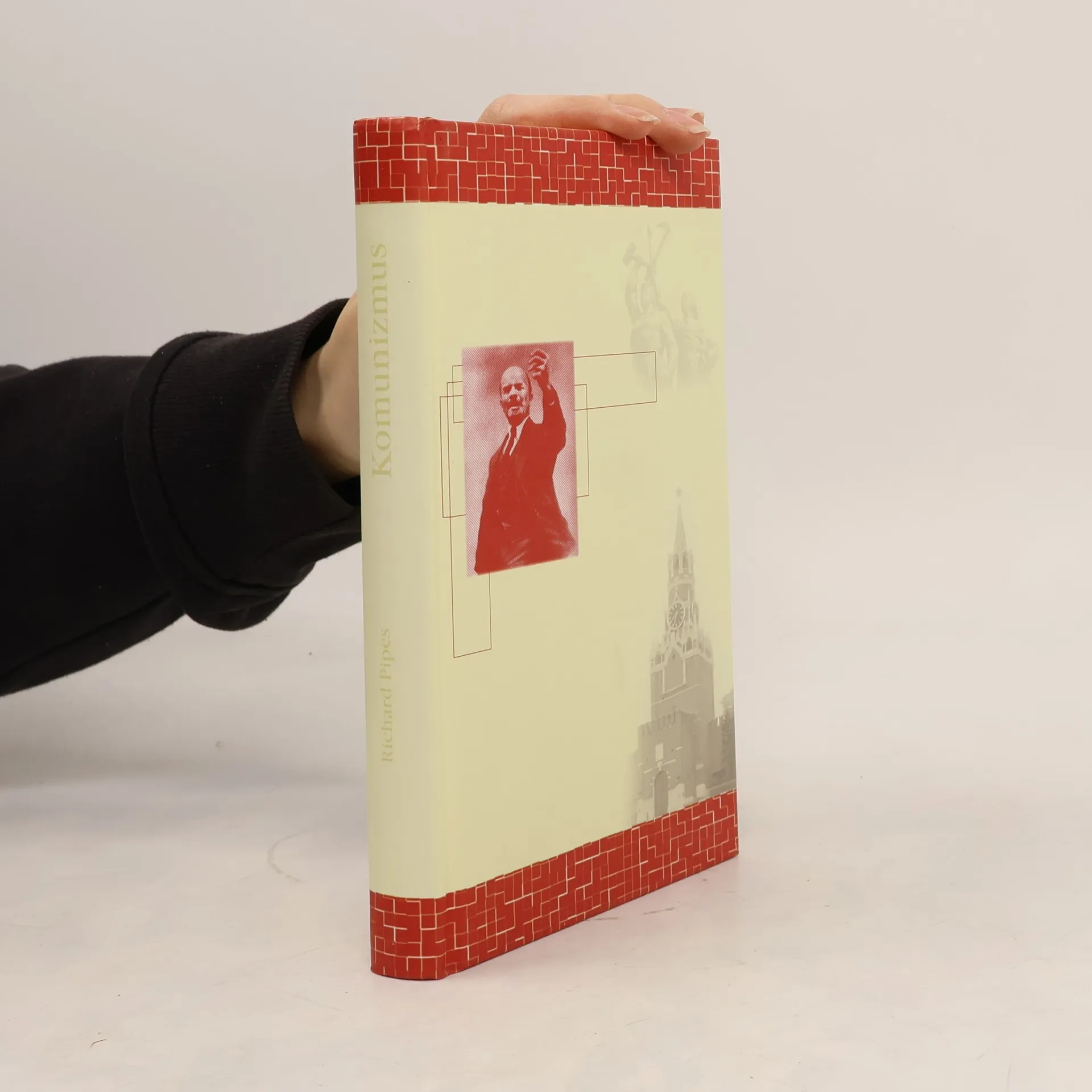
Eine kleine Geschichte des Kommunismus von Richard Pipes bietet einen umfassenden Überblick über die Entwicklung des Kommunismus von den Ideen Platons bis zur Sowjetunion. Es behandelt die Verbreitung kommunistischer Ideen, die Oktoberrevolution, den Bürgerkrieg, Stalins Herrschaft und den globalen Einfluss des Kommunismus, einschließlich Chinas und der Dritten Welt.
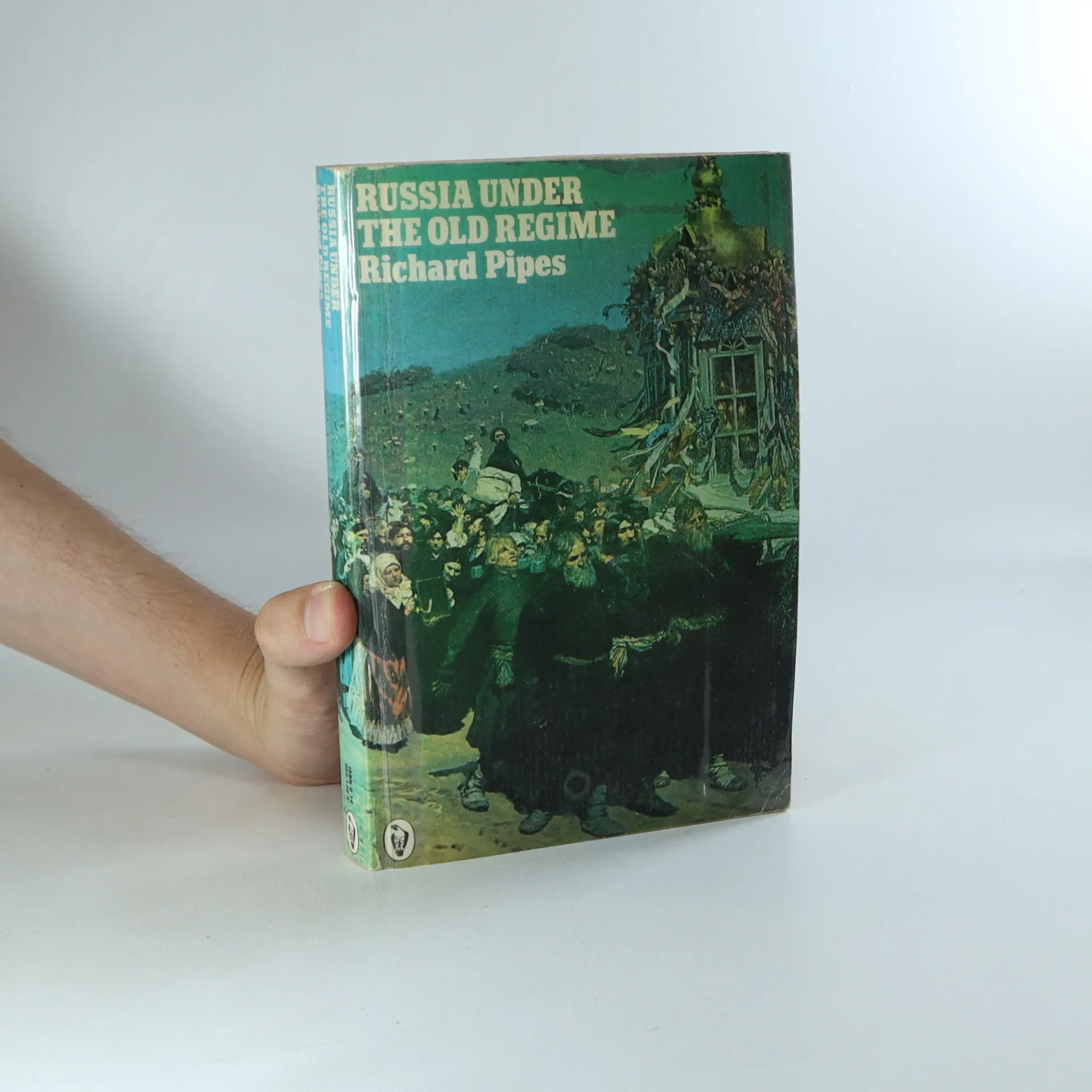
Erster Teil der Trilogie von Richard Pipes, der der Geschichte Russlands gewidmet ist, neben "Der russischen Revolution" und "Russland der Bolschewiki". In "Russland der Zaren" beschreibt der Autor die Entwicklung des russischen Staates von seinen Anfängen im 9. Jahrhundert bis zum Ende des 19. Jahrhunderts. Hervorragende Studie über Macht, Eigentum und Gesellschaft.
Erster Teil der Trilogie von Richard Pipes, der der Geschichte Russlands gewidmet ist, neben "Der russischen Revolution" und "Russland der Bolschewiki". In "Russland der Zaren" beschreibt der Autor die Entwicklung des russischen Staates von seinen Anfängen im 9. Jahrhundert bis zum Ende des 19. Jahrhunderts. Hervorragende Studie über Macht, Eigentum und Gesellschaft.
The Address, Twelve Early Responses, Six Later Reflections
When Aleksandr Solzhenitsyn gave the commencement address at Harvard University in 1978, many Americans expected to hear their country praised by this celebrated refugee from a totalitarian state. Instead they heard some sharply critical views of their legal system, their press, their popular culture, and even their national will. The forthright and controversial speech makes up Part One of this book. A sampling of the avalanche of comment that followed it is included in Part Two. In Part Three, six thoughtful scholars reflect on the ideas and judgments expressed by the great Russian writer.
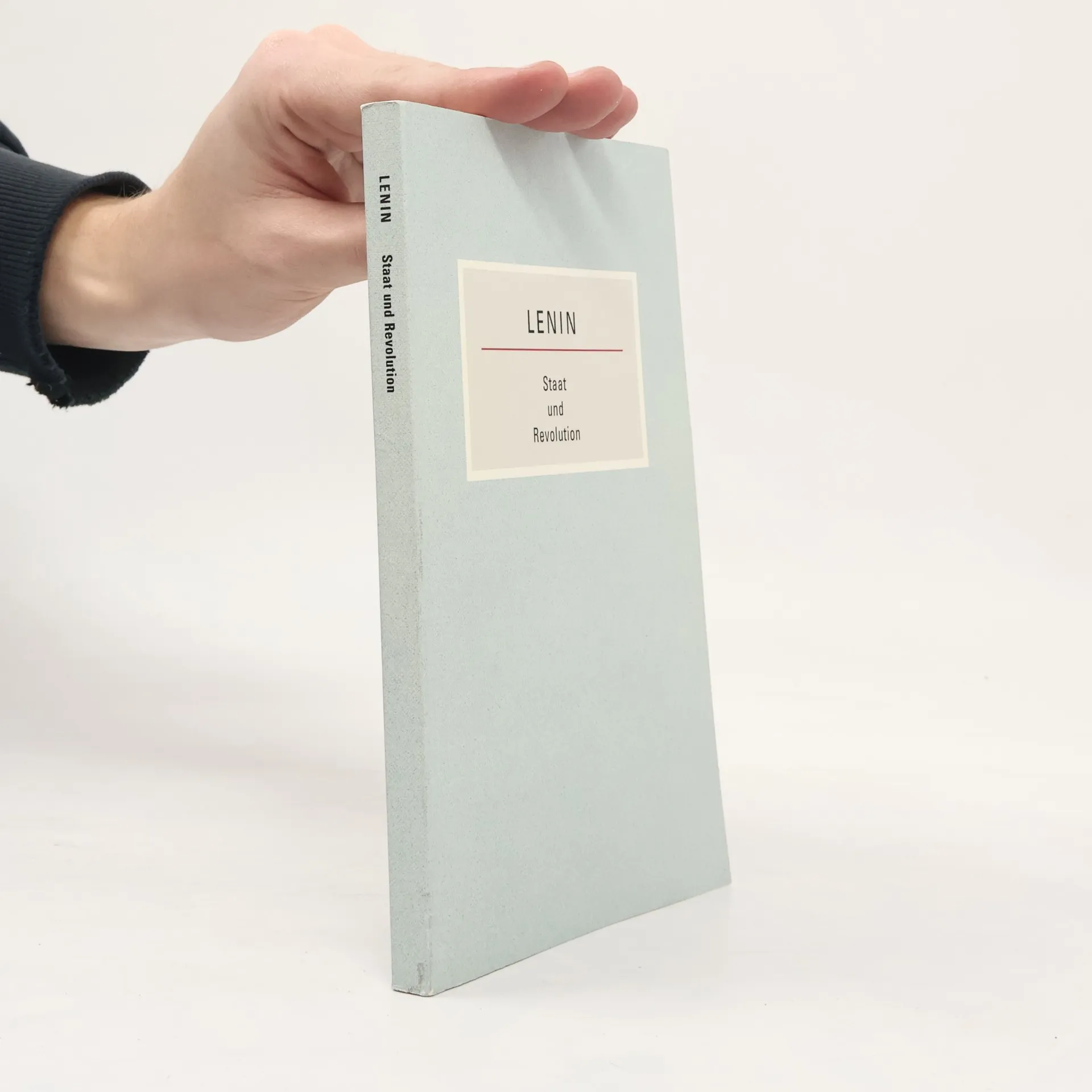
Die Lehre des Marxismus vom Staat und die Aufgaben des Proletariats in der Revolution
Anschaulich beschreibt Lenin die Rolle des Staates als ein Produkt der unversöhnlichen Klassengegensätze in der Gesellschaft und als Herrschaftsinstrument der herrschenden Klasse zur Niederhaltung der ausgebeuteten Klassen. Er führt aus, dass die von der herrschenden Klasse geschaffene öffentliche Gewalt (ständiges Heer, Polizei, Gefängnisse usw.) sich in dem Maße verstärkt, wie sich der Klassengegensatz innerhalb des Staates verschärft, und dass das Proletariat in seiner Revolution die bürgerliche Staatsmaschinerie nicht einfach übernehmen kann, sondern zerbrechen muss, um seine Herrschaft zu sichern. Der Text gilt als einer der Klassiker des wissenschaftlichen Sozialismus und als eine der zentralen Schriften zur Staatstheorie.
Pipes is a widely recognized authority on Russia and is currently Baird professor of History at Harvard University. This is the final volume in his magisterial history of the Russian Revolution, covering the period from the outbreak of the Civil War in 1918 to Lenin's death in 1924.
Youth -- War -- Khrushchev's speech -- Columbia University -- Trouble -- Canada -- Back home -- The December 1985 Memorandum -- Relations with Gorbachev -- Glasnost' -- Need of a fundamental break -- Role in foreign policy -- The 1939 Secret Protocol -- Attitude toward the United States -- Advocating presidency -- Accusations of treason -- Bolshevik crimes -- Dissolution of the Soviet Union -- Private life -- The August 1991 Coup -- Yakovlev's final thoughts about Russia and Russians -- Death
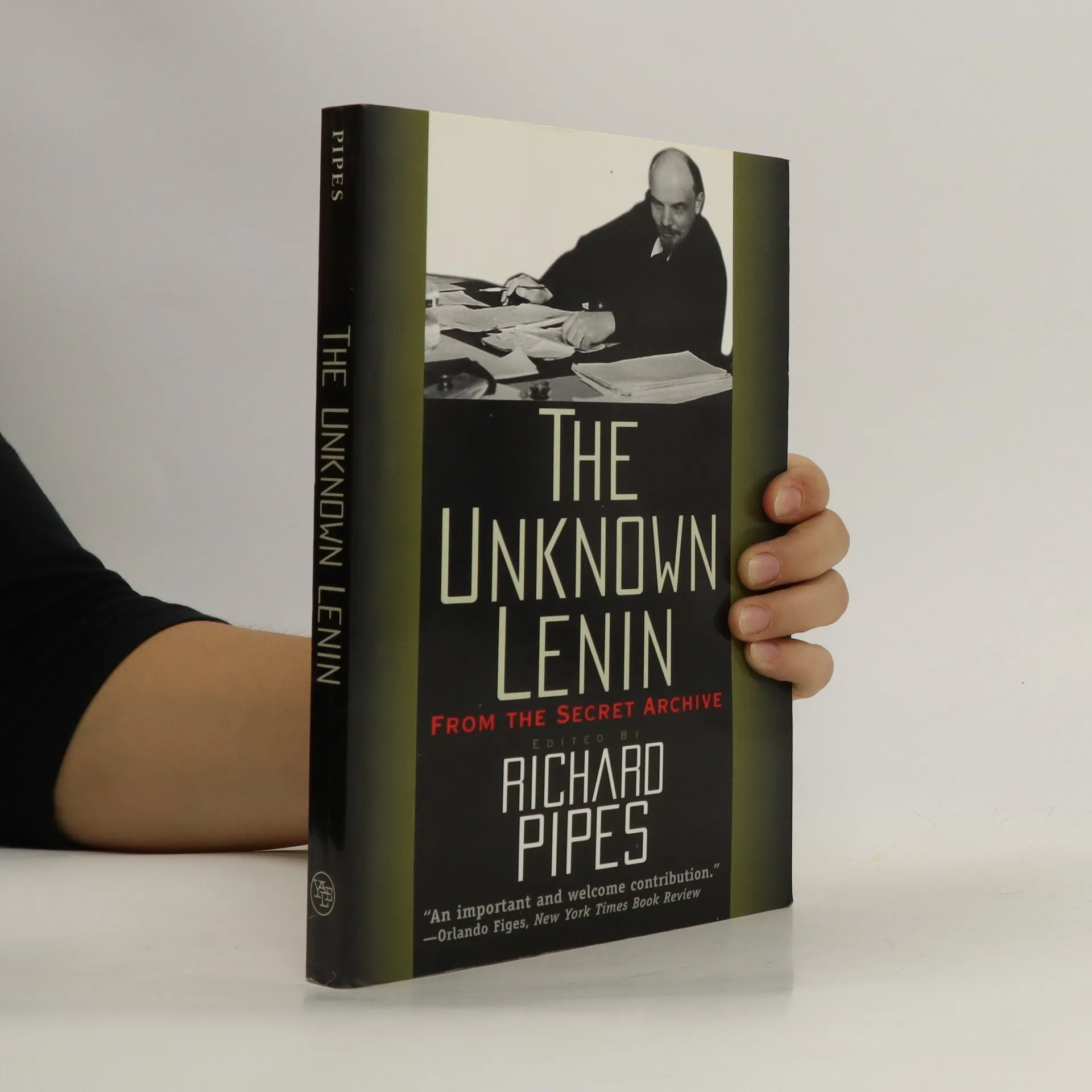
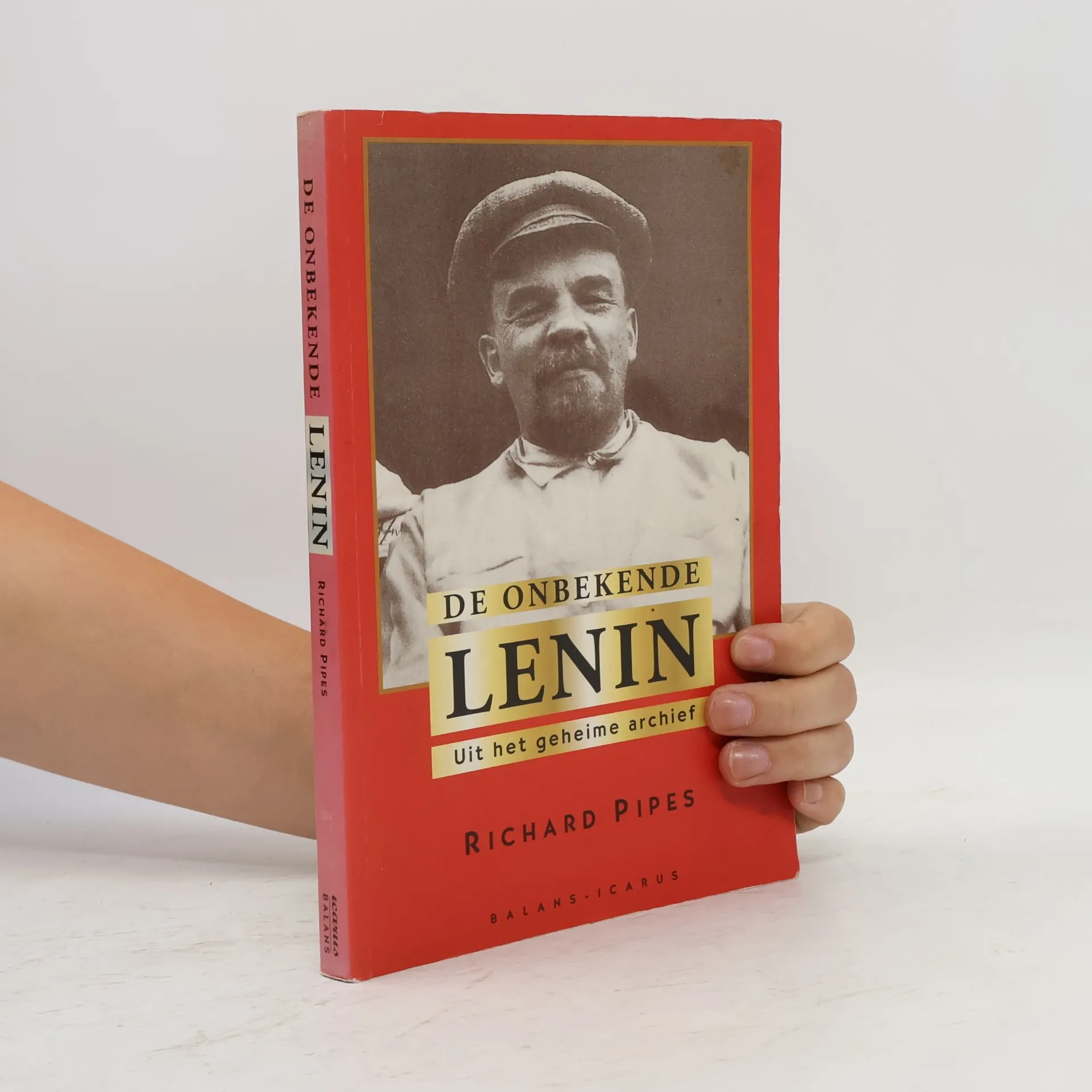
Lenin - the man, the revolutionary, and the world leader - has remained an enigma, part myth arising from the tumult of the Russian Revolution and part image carefully controlled for nearly seventy years by the leaders of the Soviet Union and their sympathizers abroad. The Unknown Lenin, containing long concealed documents from the Soviet archives, helps correct the myth and revise the image. Lenin emerges here as a ruthless, manipulative leader who used terror, subversion, and persecution to achieve his goals.
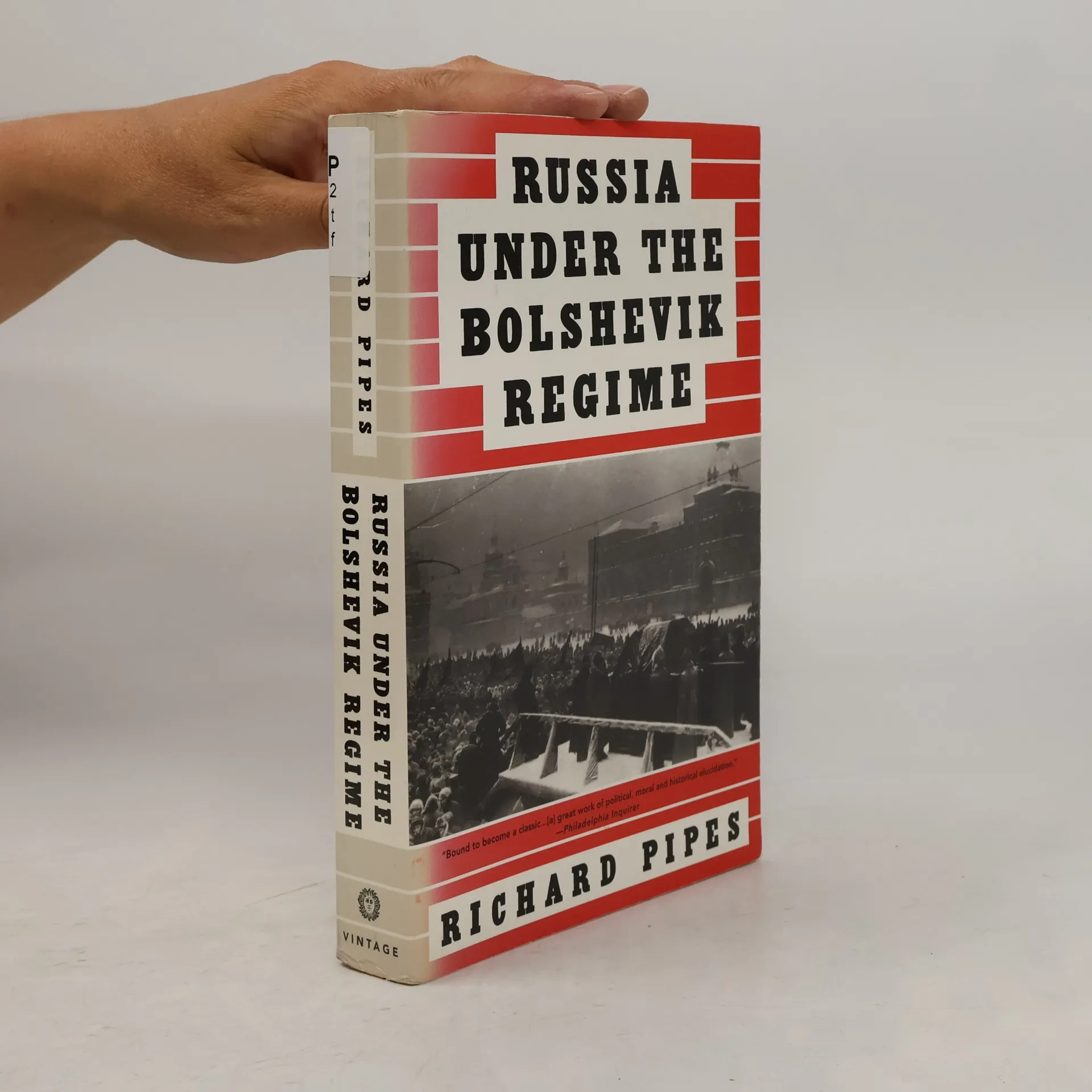
Analyzes the evolution of the Russian state from the 9th century to the 1880s. It describes the patrimonial state, and analyzes the failure of the peasantry, nobility, middle-class and clergy to stand up to the increasing absolutism of the tsar.
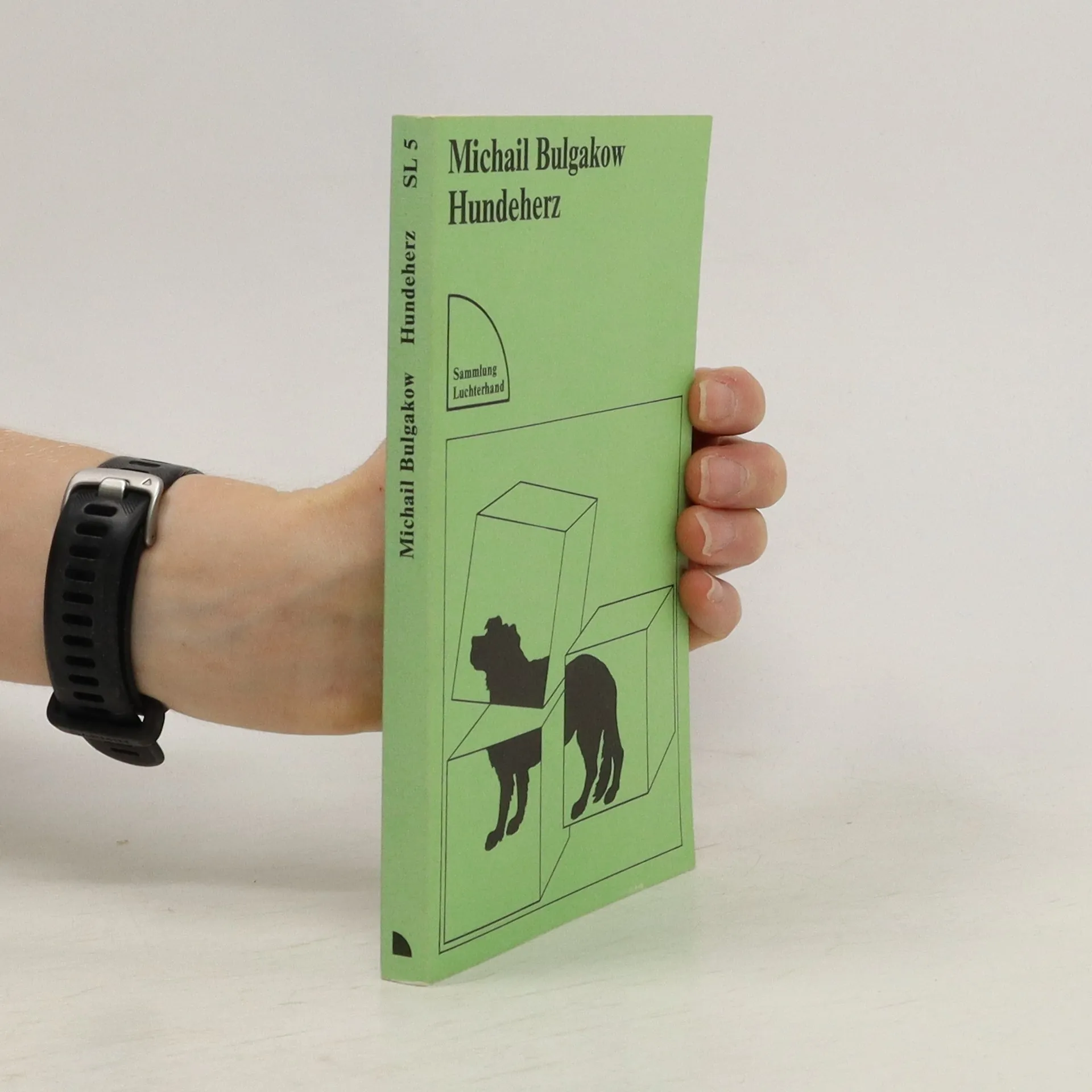
Professor Filipp Filippowitsch Preobraschenski ist eine weltbekannte Koryphäe auf dem Gebiet der Verjüngung des menschlichen Körpers. Doch als er dem Straßenköter Scharik bei einem bis dato beispiellosen Experiment die Hirnanhangsdrüse und die Hoden eines russischen Tagediebs einpflanzt, macht er eine ganz andere Entdeckung: Der Hund entwickelt sich zum Menschen. Bald schon wird Scharikow zum Alptraum seines Schöpfers ... »Hundeherz« ist Bulgakows beißende Satire auf die nachrevolutionären Verhältnisse in Russland und eine spöttische Parabel auf die utopische Idee der Schaffung eines neuen Sowjetmenschen. Zu Bulgakows Lebzeiten kam die Erzählung in Russland nie für eine Veröffentlichung in Betracht. Die Obrigkeit betrachtete sie als eine »ätzende Attacke auf unsere gegenwärtigen Verhältnisse« und ließ sogar das Manuskript konfiszieren. Erst 1987, 62 Jahre nach ihrer Fertigstellung, wurde sie erstmals in Russland veröffentlicht.
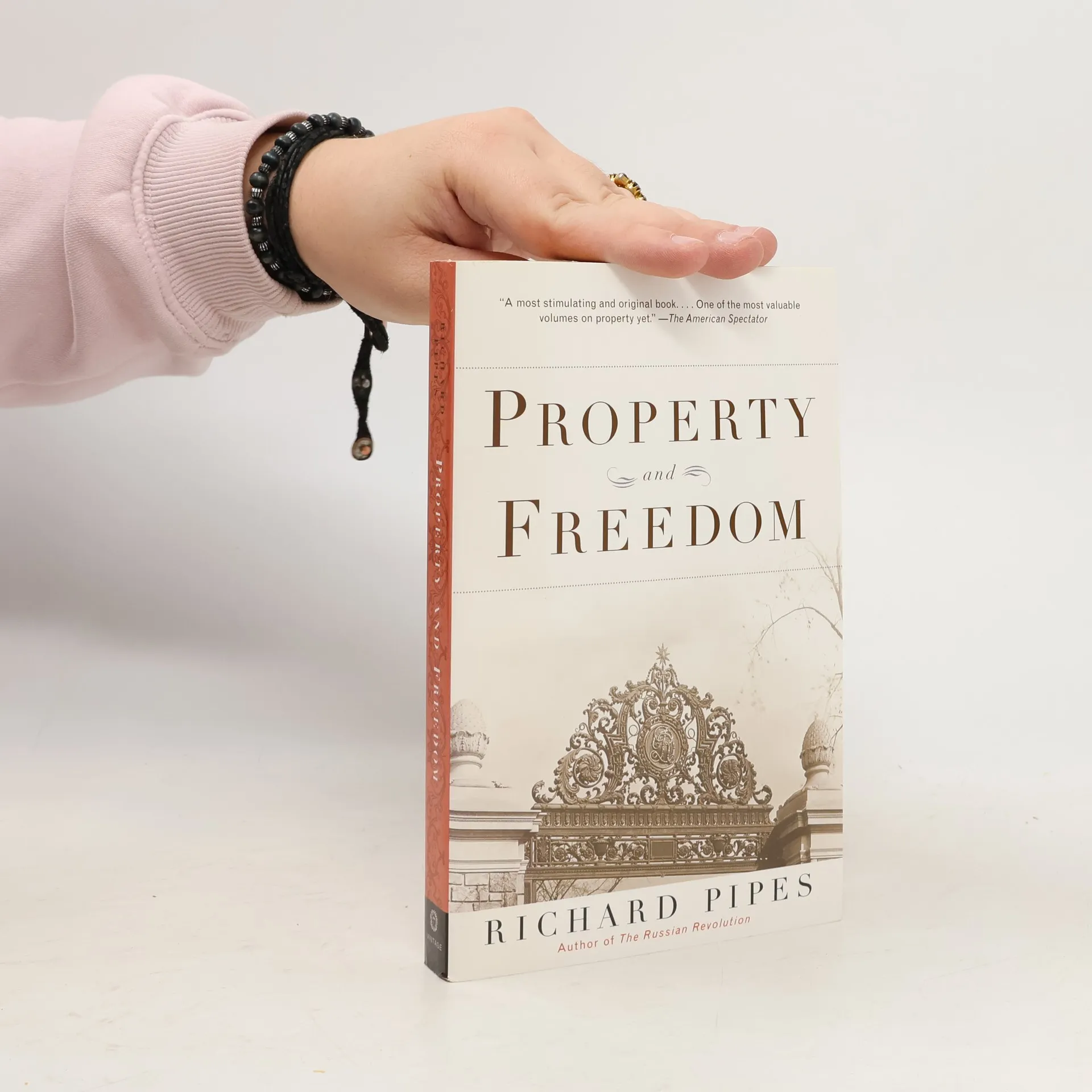
"A superb book about a topic that should be front and center in the American political debate" ( National Review ), from the acclaimed Harvard scholar and historian of the Russian RevolutionAn exploration of a wide range of national and political systems to demonstrate persuasively that private ownership has served over the centuries to limit the power of the state and enable democratic institutions to evolve and thrive in the Western world.Beginning with Greece and Rome, where the concept of private property as we understand it first developed, Richard Pipes then shows us how, in the late medieval period, the idea matured with the expansion of commerce and the rise of cities. He contrasts England, a country where property rights and parliamentary government advanced hand-in-hand, with Russia, where restrictions on ownership have for centuries consistently abetted authoritarian regimes; finally he provides reflections on current and future trends in the United States.Property and Freedom is a brilliant contribution to political thought and an essential work on a subject of vital importance.
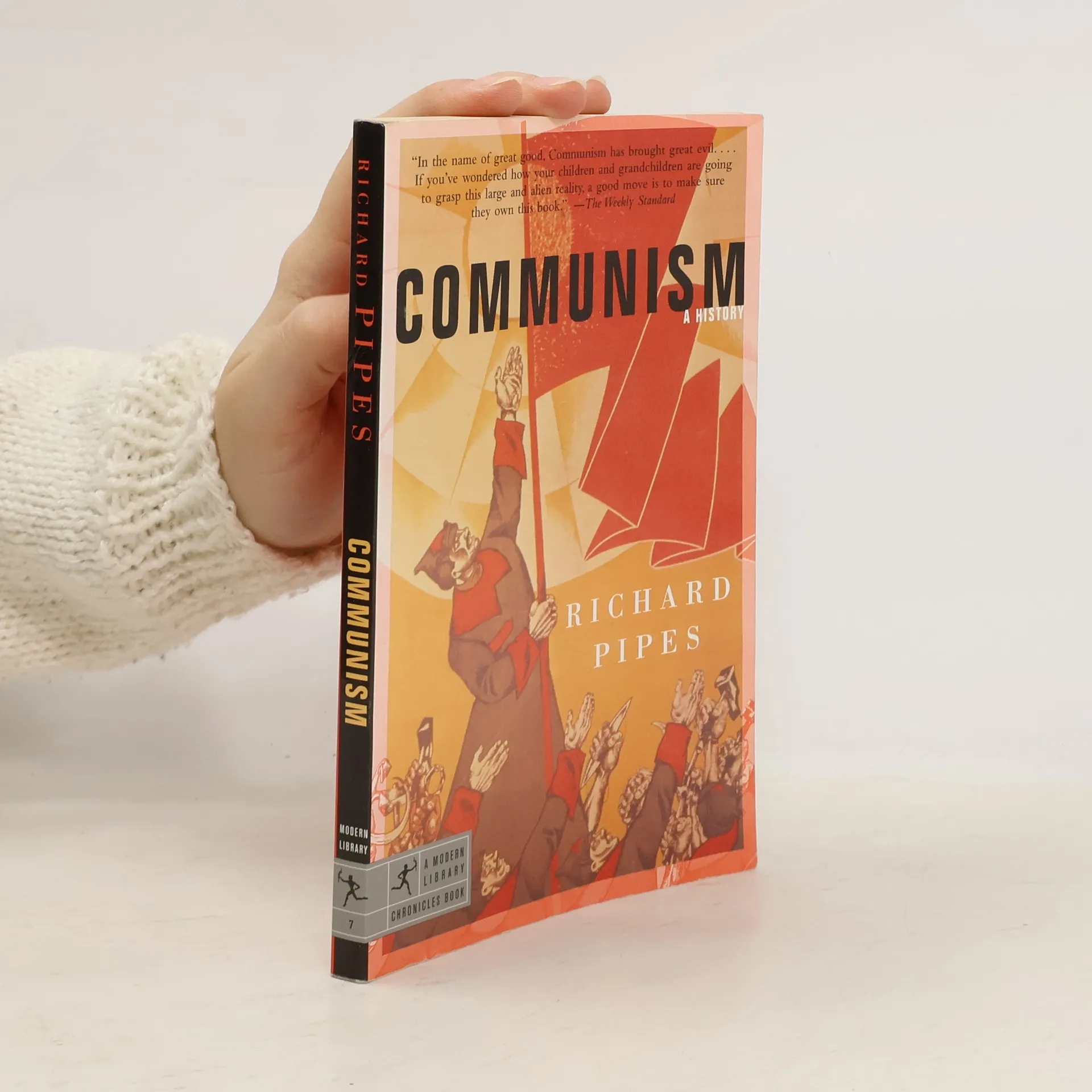
With astonishing authority and clarity, Richard Pipes has fused a lifetime’s scholarship into a single focused history of Communism, from its hopeful birth as a theory to its miserable death as a practice. At its heart, the book is a history of the Soviet Union, the most comprehensive reorganization of human society ever attempted by a nation-state. This is the story of how the agitation of Karl Marx and Friedrich Engels, two mid-nineteenth-century European thinkers and writers, led to a great and terrible world religion that brought down a mighty empire, consumed the world in conflict, and left in its wake a devastation whose full costs can only now be tabulated.
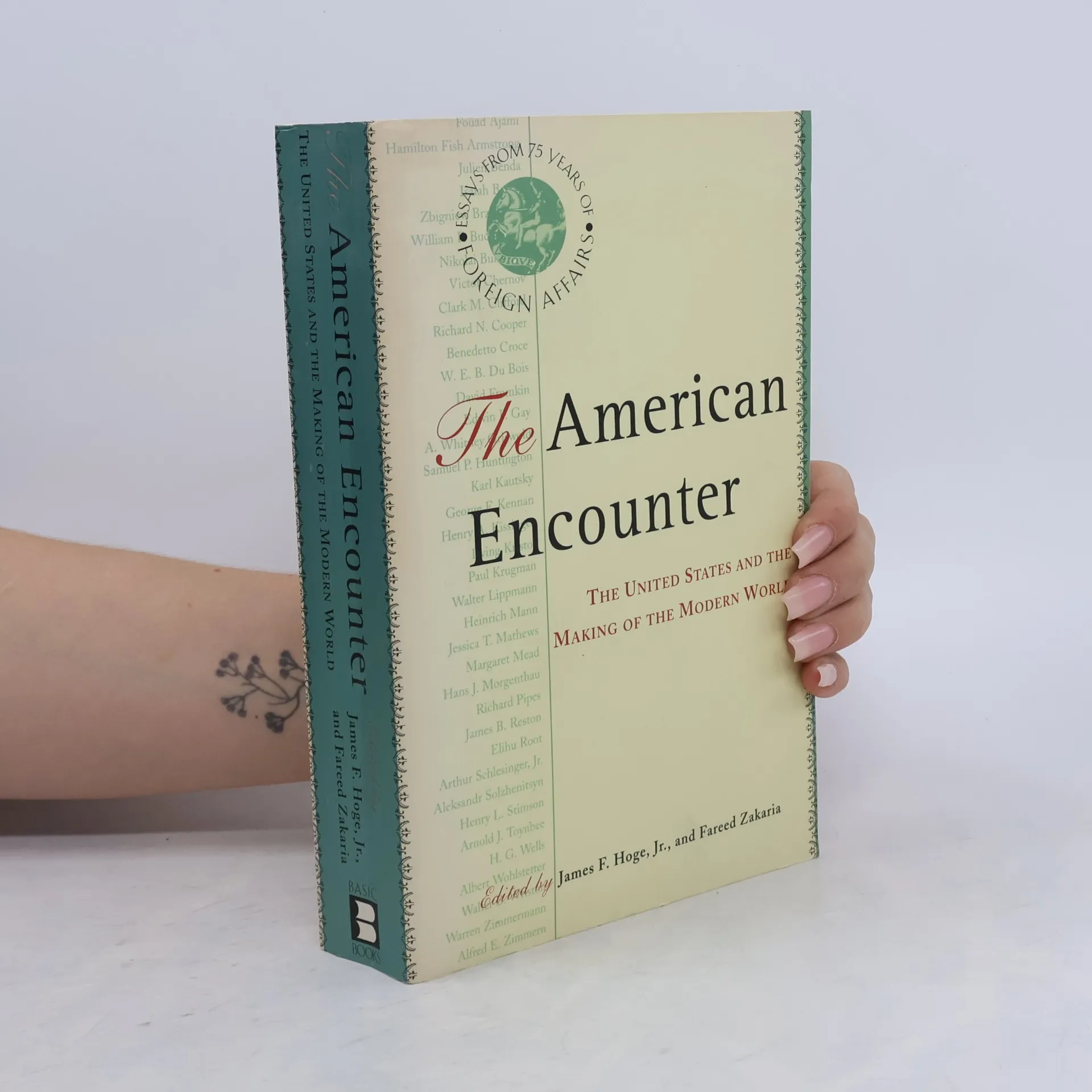
The United States and the Making of the Modern World: Essays from 75 Years of Foreign Affairs
Since its founding in 1922, Foreign Affairs has established itself as the premier journal of international relations, offering profound commentary on global politics and economic policy. America's significant role in world events—military, political, economic, and ideological—has been central to discussions within its pages. Notably, it was here that George Kennan introduced the containment policy, shaping U.S. Cold War strategy. The journal has hosted debates among statesmen-scholars like Henry Kissinger and Arthur Schlesinger on critical issues such as nuclear weapons and human rights, while journalists like Walter Lippmann and James Reston have provided insightful analyses of American foreign policy. Thinkers like Isaiah Berlin and Samuel Huntington have explored the evolving dynamics of the world. In The American Encounter , readers will discover landmark essays that reflect a unique intellectual history of the past century and America's extraordinary influence within it. This collection stands apart, as there is no other publication like Foreign Affairs . The American Encounter serves as a vital connection to historical giants—visionaries whose insights and warnings resonate today, enhancing our understanding of America's role on the global stage.
Monumentalne, fascynujące dzieło o być może najważniejszym wydarzeniu XX wieku, którego konsekwencje były odczuwane na całej kuli ziemskiej przez następne dziesiątki lat. Autor, światowy autorytet w dziedzinie historii Rosji, z pasją badacza i maestrią dramaturga opisuje obalenie monarchii i zdobycie władzy przez bolszewików. Ale Rewolucja rosyjska jest nie tylko stworzoną z wielkim rozmachem, bogato udokumentowaną kroniką politycznej i militarnej walki o władzę w burzliwych latach 1917-1920 na szerokim tle historycznym. Książka opowiada także o tragicznych losach ludzi wciągniętych w machinę historycznych wydarzeń: polityków i dowódców, rewolucjonistów i żołnierzy, biurokratów i intelektualistów. To wielkie dzieło, które jest efektem dziesięciu lat pracy badawczej i pisarskiej Richarda Pipesa, czyta się jak powieść sensacyjną. Rewolucja rosyjska jest drugą częścią znakomitej trylogii poświęconej historii Rosji, obok Rosji carów i Rosji bolszewików .
Richard Pipes, najväčší žijúci historik moderných ruských dejín, rozpráva celý príbeh komunizmu – od jeho zárodkov cez rozpad sovietskeho impéria až po dnešok. Sleduje vyznavačov týchto myšlienok počínajúc Platónom a prvými náznakmi utopických vízií o spoločnosti bez súkromného vlastníctva až k Marxovi, Engelsovi a zrodu komunizmu ako teórie, ktorá žiada zrušenie súkromného vlastníctva. Pokračuje vynikajúcim náhľadom do dejín Sovietskeho zväzu, ponúka obraz ruskej revolúcie aj občianskej vojny, približuje Stalina, stalinizmus a veľký teror, druhú svetovú vojnu, až po úpadok režimu a jeho konečné zrútenie. Kniha sa neobmedzuje len na Rusko, upozorňuje aj na akceptovanie komunizmu v Západnej Európe a v krajinách tretieho sveta vrátane Číny. V závere analyzuje korene katastrofických zlyhaní komunizmu a jeho strašnú cenu, zaplatenú ľudskými životmi, ktoré si na celom svete v 20. storočí vyžiadal.
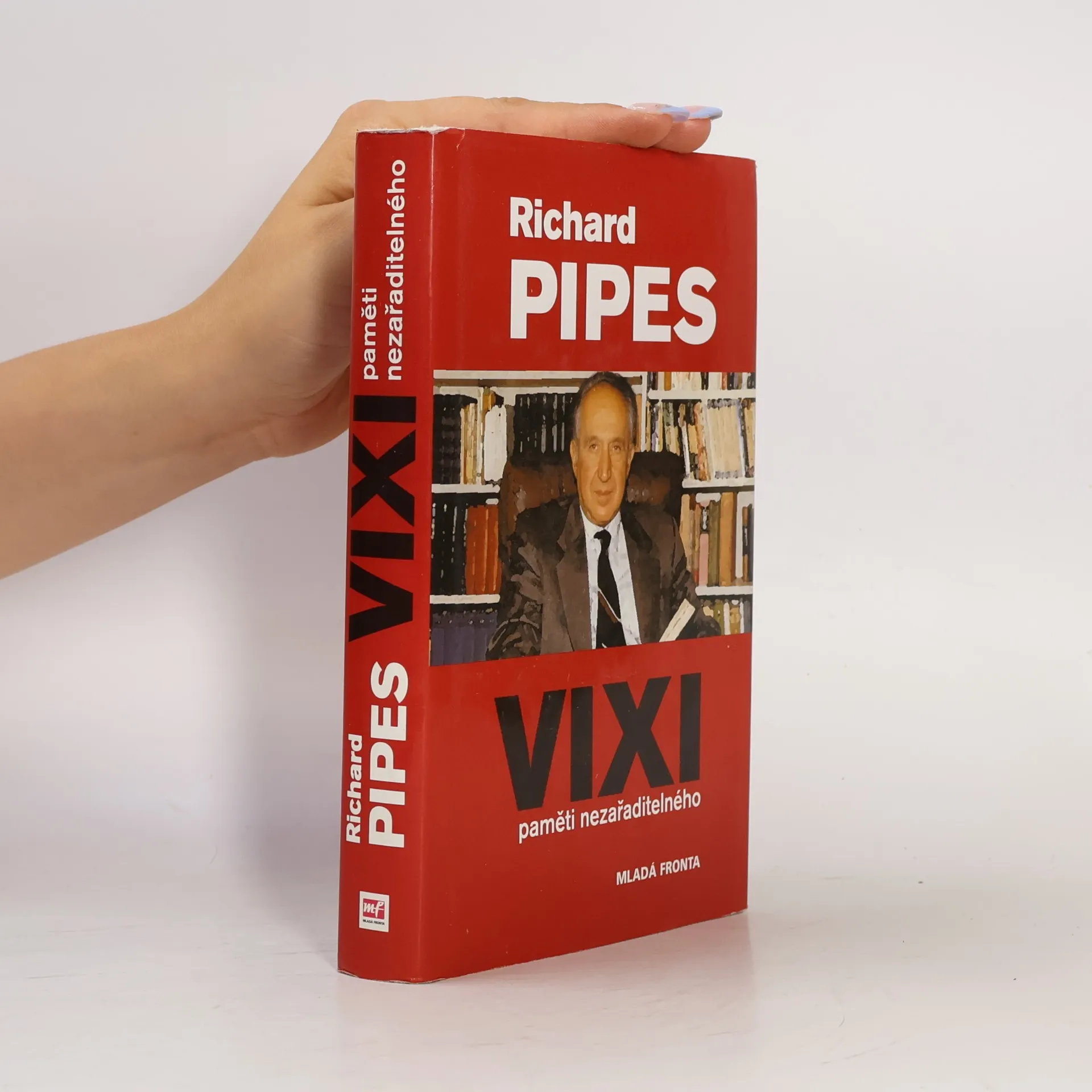
V říjnu roku 1939 utekl šestnáctiletý Richard Pipes s rodiči z nacisty okupované Varšavy. Dostali se do Spojených států, kde Pipes začal studovat na vysoké škole, vstoupil do armády Spojených států, byl skoro čtyřicet roků profesorem ruských dějin na Harvardu a stal se poradcem prezidenta Reagana pro Východní Evropu a Sovětský svaz. V této poutavě napsané knize vzpomíná významný historik na vlastní nevšední život a vypraví o některých nejdůležitějších politických událostech 20. století. Pipes popisuje, jak fungoval Harvard ve svém zlatém věku, diskutuje povahu sovětského komunismu za studené války a všímá si jako účastník Reaganovy vlády jejích vnitřních sporů o politiku vůči Sovětskému svazu. Přináší nádherné portréty kulturních a politických osobností, například Isaiaha Berlina, Ronalda Reagana a Alexandra Haiga, i jedinečné postřehy o rodném Polsku, o svém židovství a o asimilaci do americké kultury. V knize možná nejvíce zaujme Pipesův popis vlastního vývoje jako historika, jeho pojetí dějin a jak o nich psát.
Bloemlezing met commentaar van documenten uit het Lenin-archief.