Caryl Churchill ist eine gefeierte englische Dramatikerin, die für ihren Einsatz nicht-naturalistischer Techniken und feministischer Themen bekannt ist. Ihre Werke untersuchen konsequent Machtmissbrauch und erforschen komplexe sexuelle Politiken. Anfänglich nutzte sie Brechts Techniken des epischen Theaters, um Geschlechterfragen zu sezieren. Später entwickelte sie sich weiter zu experimentellem Tanztheater und zunehmend fragmentierten, surrealen Erzählungen, die sie als eine unverwechselbare postmoderne Dramatikerin kennzeichnen. Churchills innovative Herangehensweise an die dramatische Form und ihre tiefgründigen thematischen Einsichten festigen ihren Einfluss auf das Welttheater.
Spanning a whole decade and embracing a huge range of style and subject
matter, this fourth volume of collected plays confirms the author's standing
as the best English language female playwright. It also includes an
introduction by Churchill, who rarely writes about her work and refuses to
give interviews.
In this collection of plays from one of our finest dramatists, Caryl Churchill
demonstrates her remarkable ability to find new forms to express profound
truths about the world we live in. Complete with a new introduction by the
author.
In Traps, a set of characters meet themselves and their pasts to create "plenty of sinewy lines and joyous juxtapostions" (Plays and Players); Vinegar Tom "is set in the world of seventeenth-century witchcraft, but it speaks, through its striking images and its plethora of ironic contradictions, of and to this century..." (Tribune); Light Shining in Buckinghamshire is set during the Civil War and "unflinchingly shows the intolerance that was the obverse side of the demand for common justice. Deftly, it sketches in the kind of social conditions.. that led to hunger for revolution...The play has an austere eloquence that precisely matches its subject." (The Guardian) Cloud Nine sheds light on some of the British Empire's repressed dark side and is "a marvelous play - sometimes scurrilous, always observed with wicked accuracy, and ultimately, surprisingly, rather moving. It plunges straight to the heart of the endless convolutions of sexual mores...and does so with acrobatic wit." (Guardian) Owners:"I was in an old woman's flat when a young man offering her money to move came round, that was one of the starting points of the play" (Caryl Churchill). The plays in this volume represent the best of Churchill's writing up to and including her emergence onto the international theatre scene with Cloud Nine.
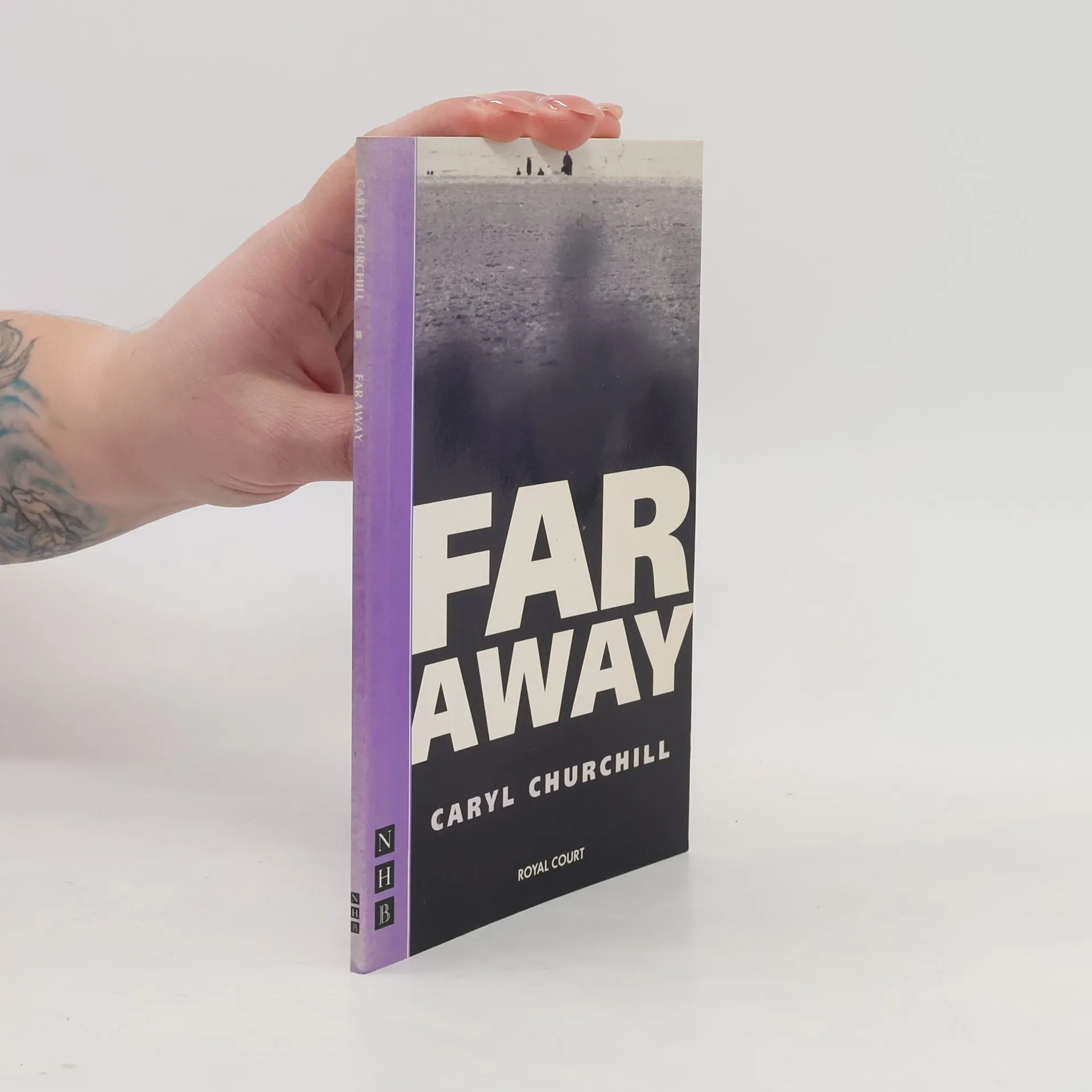
Far Away opens on a girl questioning her aunt about having seen her uncle hitting people with an iron bar. Several years later, the whole world is at war - including birds and animals. The girl has returned to her aunt to take refuge and begins to describe her journey: "There were piles of bodies and if you stopped to find out there was one killed by coffee or one killed by pins, they were killed by heroin, petrol, chainsaws, hairspray, bleach, foxgloves, the smell of smoke was where we were burning the grass that wouldn't serve..."
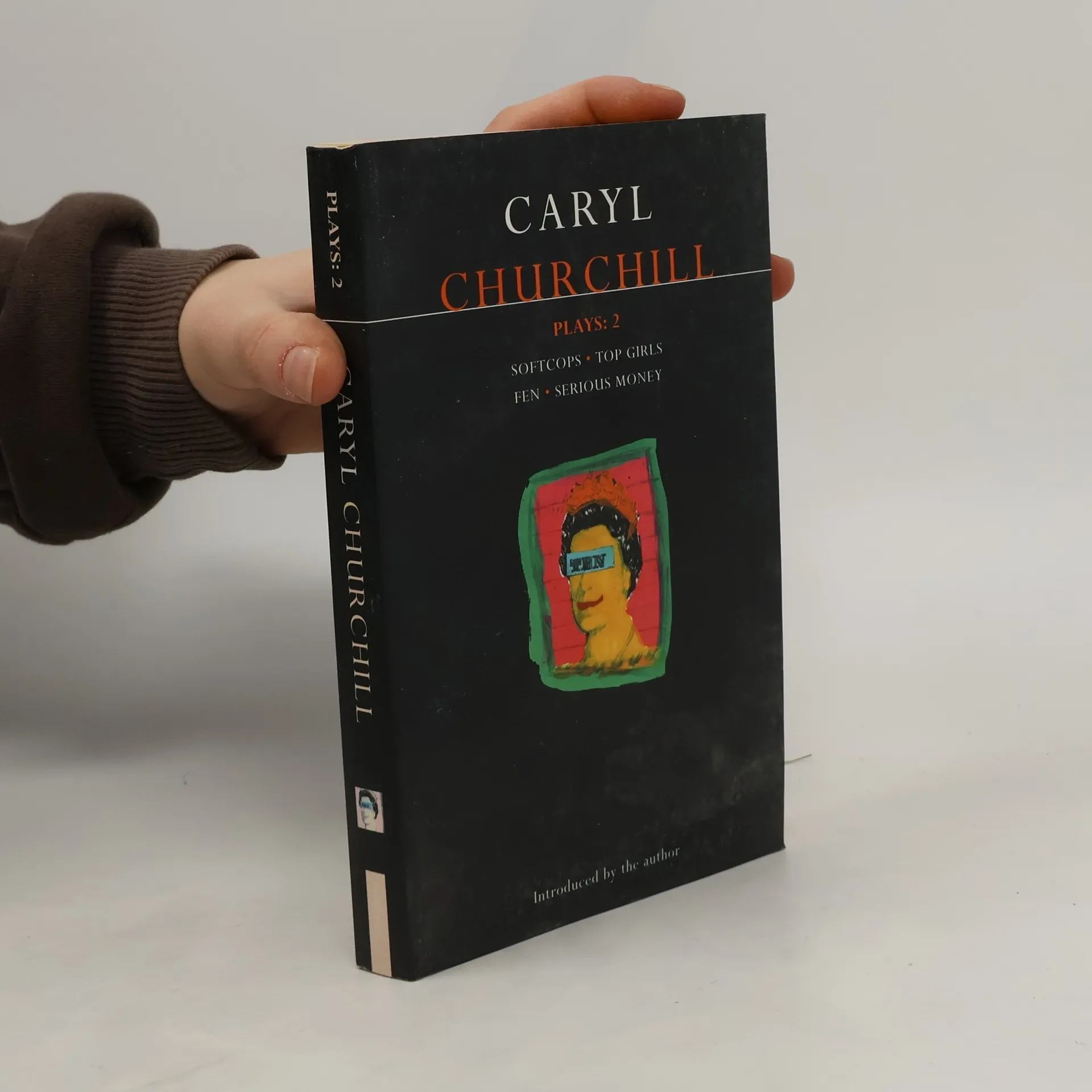
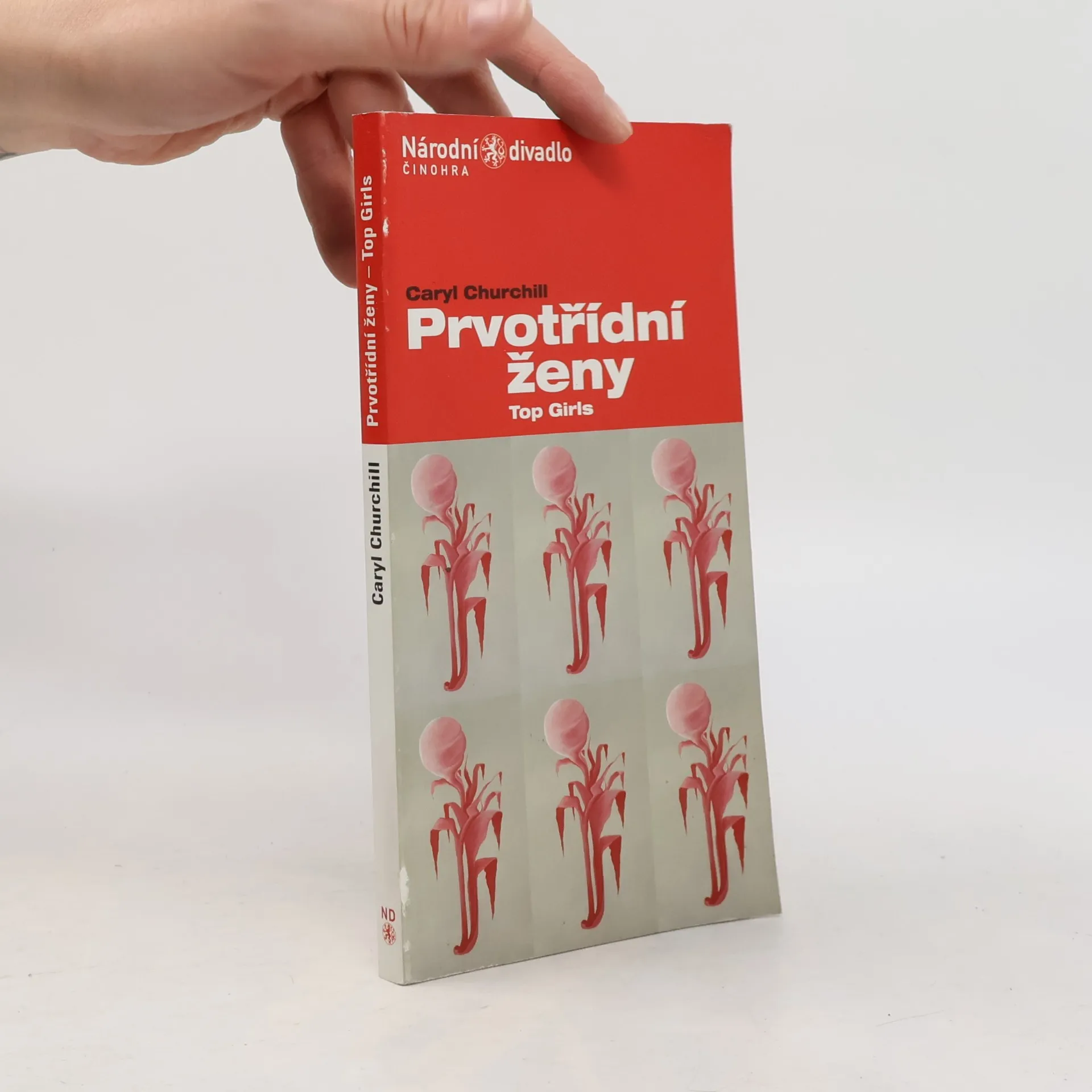
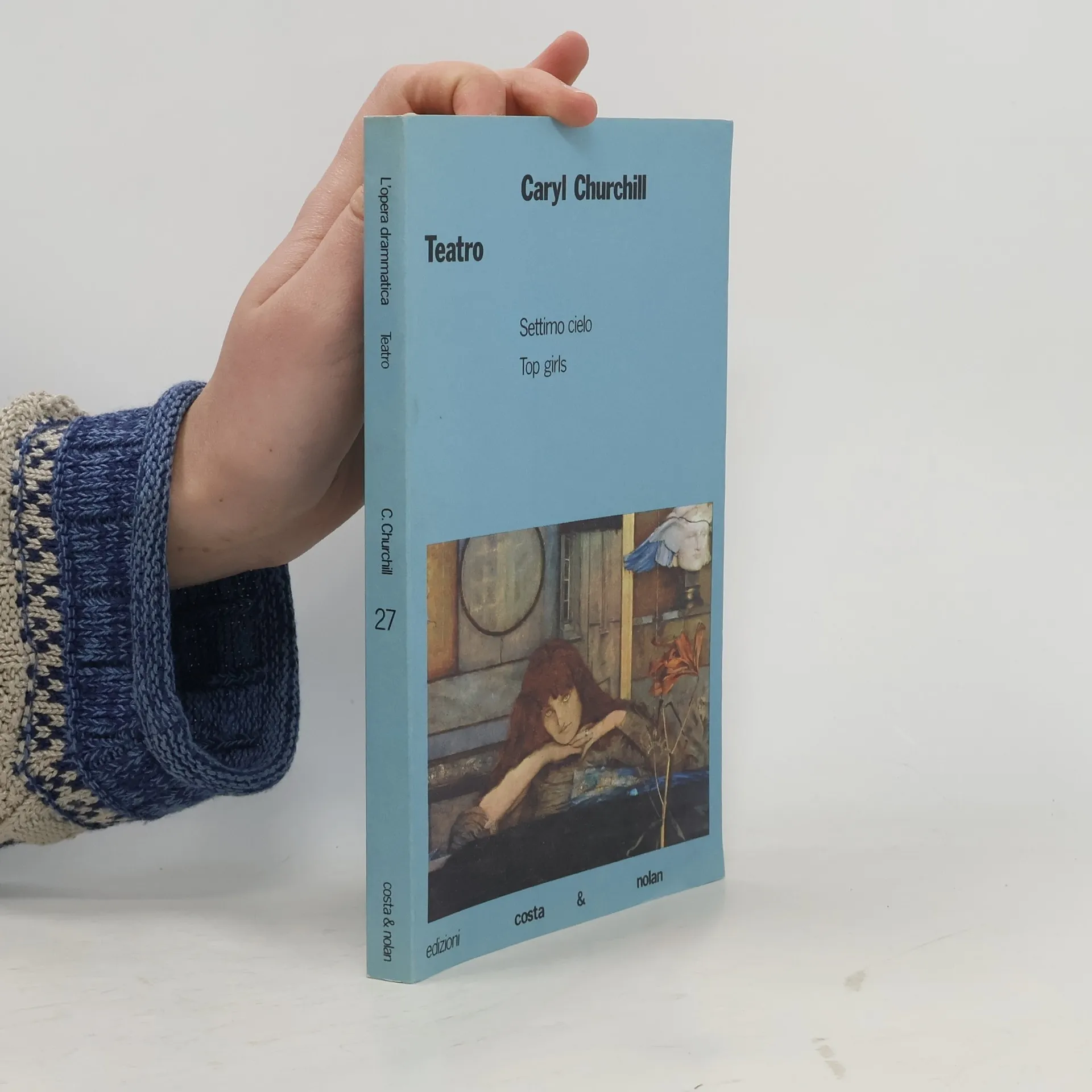
"Softcops renders the philosophy of Foucault as a music-hall turn and Victorian freakshow "theatre and history combine to give such intelligent fun" —The London Standard "Top Girls brings five great and less-than-great women from history together for a dinner party and "has a combination of directness and complexity which keeps you both emotionally and intellectually alert"—Sunday Times Fen scrutinizes the lives of the low-paid women potato pickers of the fens (in Eastern England) and "the playwright pins down her poetic subject matter in dialogue of impressive vigour and economy"—Financial Times Serious Money is a satirical study of the effects of the Big Bang - "Pure genius…the first play about the city to capture the authentic atmosphere of the place."—Daily Telegraph
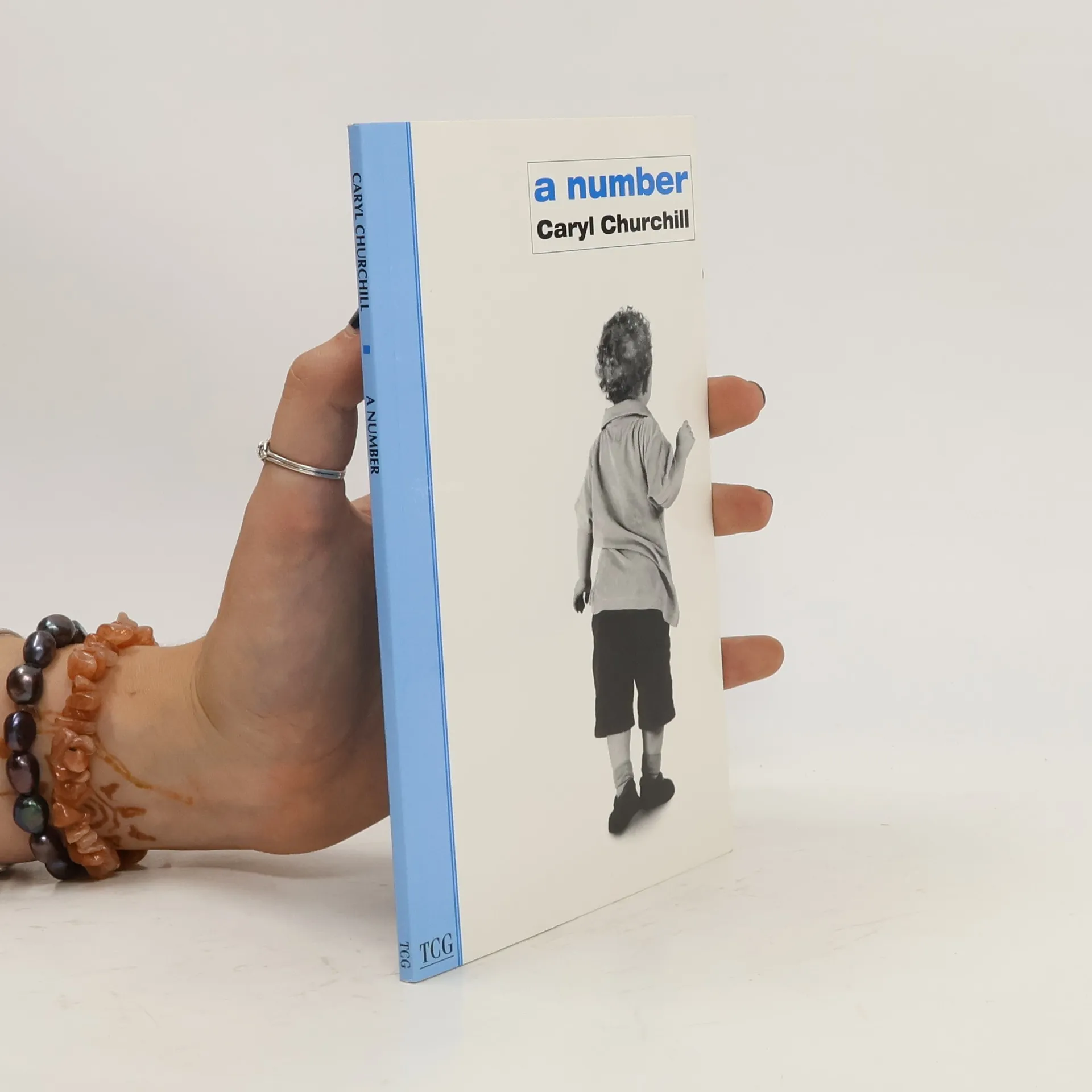
Caryl Churchill, hailed by Tony Kushner as "the greatest living English language playwright," has turned her extraordinary dramatic gifts to the subject of human cloning—how might a man feel to discover that he is only one in a number of identical copies. And which one of him is the original. . . ?“Churchill’s harrowing bioethics fable leaves us with a number of things to chew on.” –Kris Vire, Time Out Chicago“ A Number confirms Churchill’s status as the first dramatist of the 21st century. On the face of it, it is human cloning… Like all Churchill’s best plays, A Number deals with both the essentials and the extremities of human experience… The questions this brilliant, harrowing play asks are almost unanswerable, which is why they must be asked.” – Sunday Times“Caryl Churchill’s magnificent new play only last an hour but contains more drama, and more ideas, than most writers manage in a dozen full-length works.” – Daily TelegraphCaryl Churchill has written for the stage, television and radio. A renowned and prolific playwright, her plays include Cloud Nine, Top Girls, Far Away, Drunk Enough to Say I Love You?, Bliss, Love and Information, Mad Forest and A Number . In 2002, she received the Obie Lifetime Achievement Award and 2010, she was inducted into the American Theater Hall of Fame.
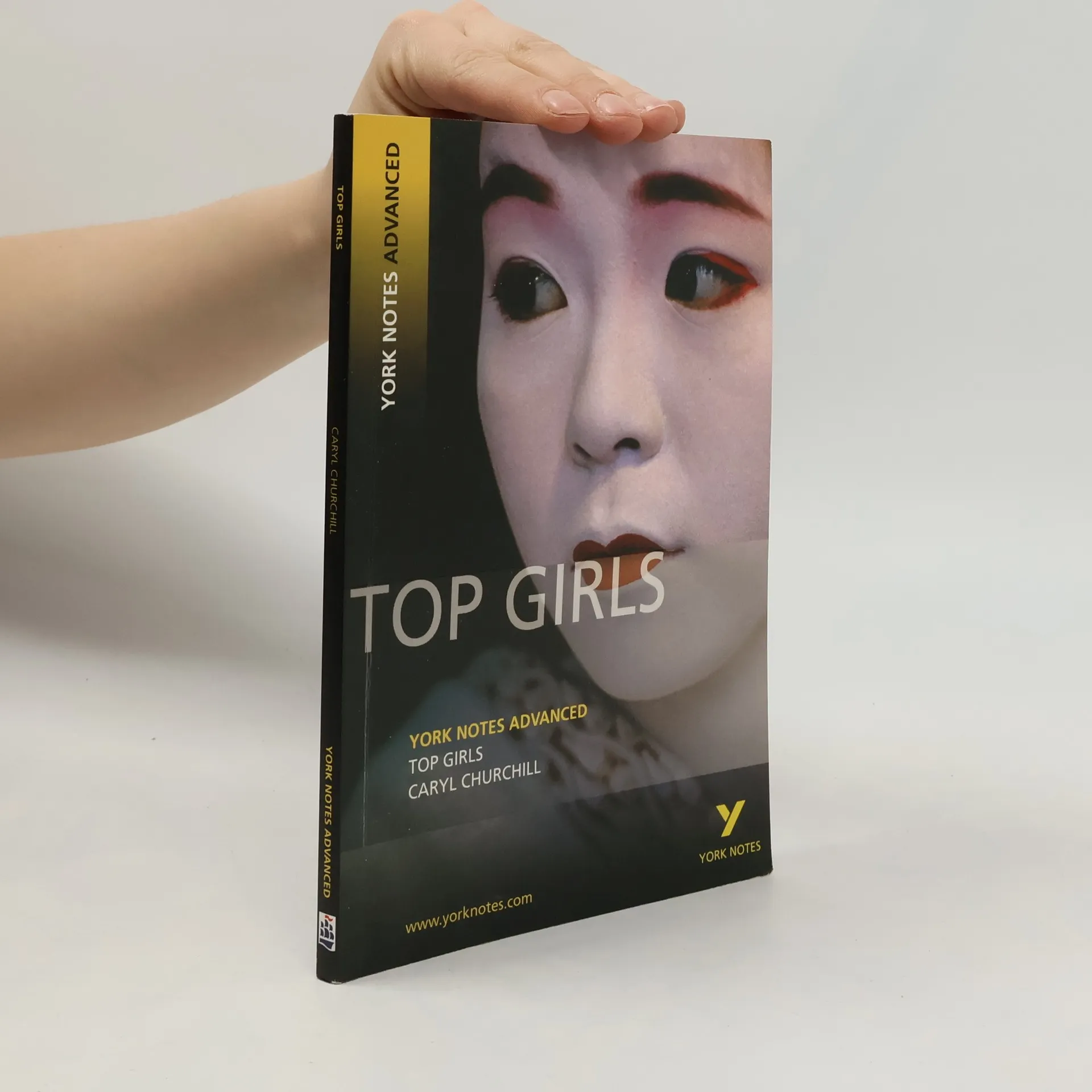
Full of analysis and interpretation, historical background, discussions and commentaries, York Notes will help you get right to the heart of the text you're studying, whether it's poetry, a play or a novel.
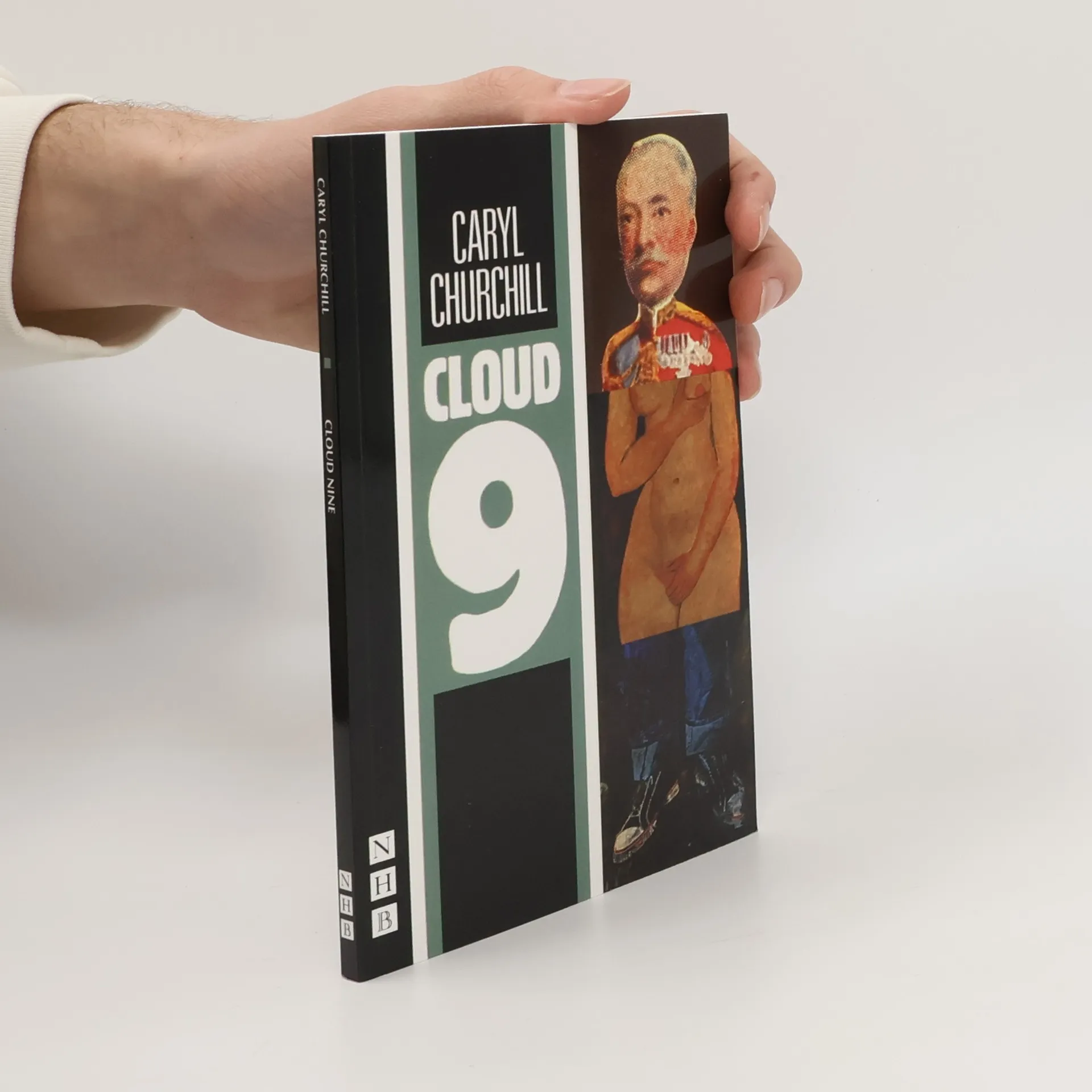
A landmark play about sexual politics in colonial Africa and modern-day Britain, in which all our assumptions about sex and gender are stunningly exploded. Set in both colonial Africa and modern-day Britain, Cloud Nine is about relationships - between women and men, men and men, women and women. It is about sex, work, mothers, Africa, power, children, grandmothers, politics, and money. Caryl Churchill's play Cloud Nine was first staged by Joint Stock and premiered in London at the Royal Court Theatre in 1979. It has since been staged all over the world.
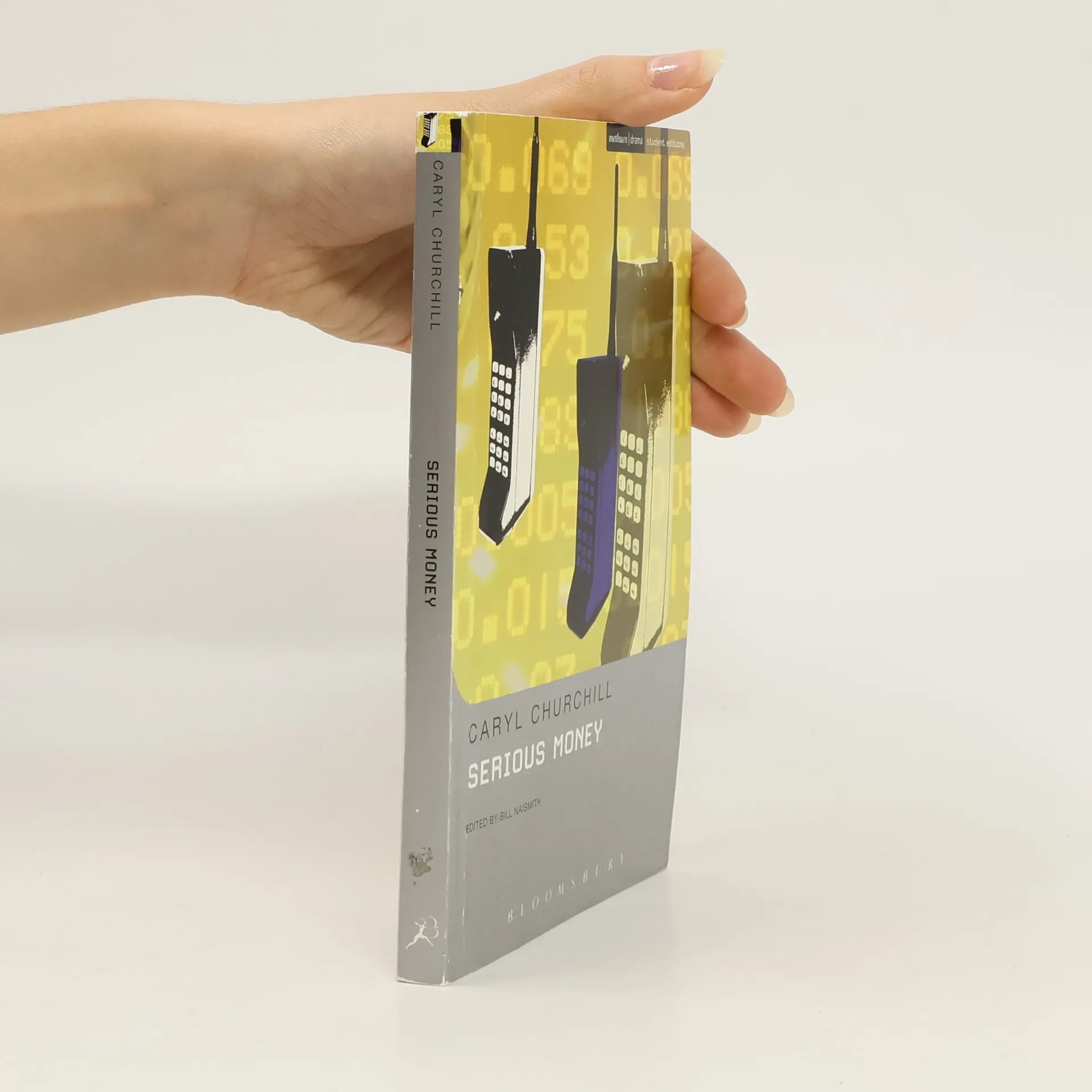
Serious Money is perhaps Caryl Churchill's most provocative play. It is a satirical study of the effects of the "Big Bang" boom of financial markets in the 1980s and how it gave rise to hectic, chaotic, high velocity work where human values are compromised for success and wealth.The dialogue of the play is largely overlapping with the ingenious rhyming couplets and singsong verse. It is so stylized that Churchill even includes a rhymed soliloquy and a rap number. Language in the play is coarse, there being a particular emphasis on scatological humour, and the tone is overwhelmingly angry. Churchill's characters are drawn razor sharp cartoonishly. The play's plot revolves around financial wheeler-dealers that were born into the boom and want to maximize profits above all else. The tone is contemporary, edgy, witty and has been viewed by some as massively offensive: it is a perfect example of one of Churchill's most hard-hitting works.This Student Edition contains a chronology of the playwright's life and work; an introduction giving the background to the play, a discussion of the various interpretations and notes on individual words and phrases in the text.
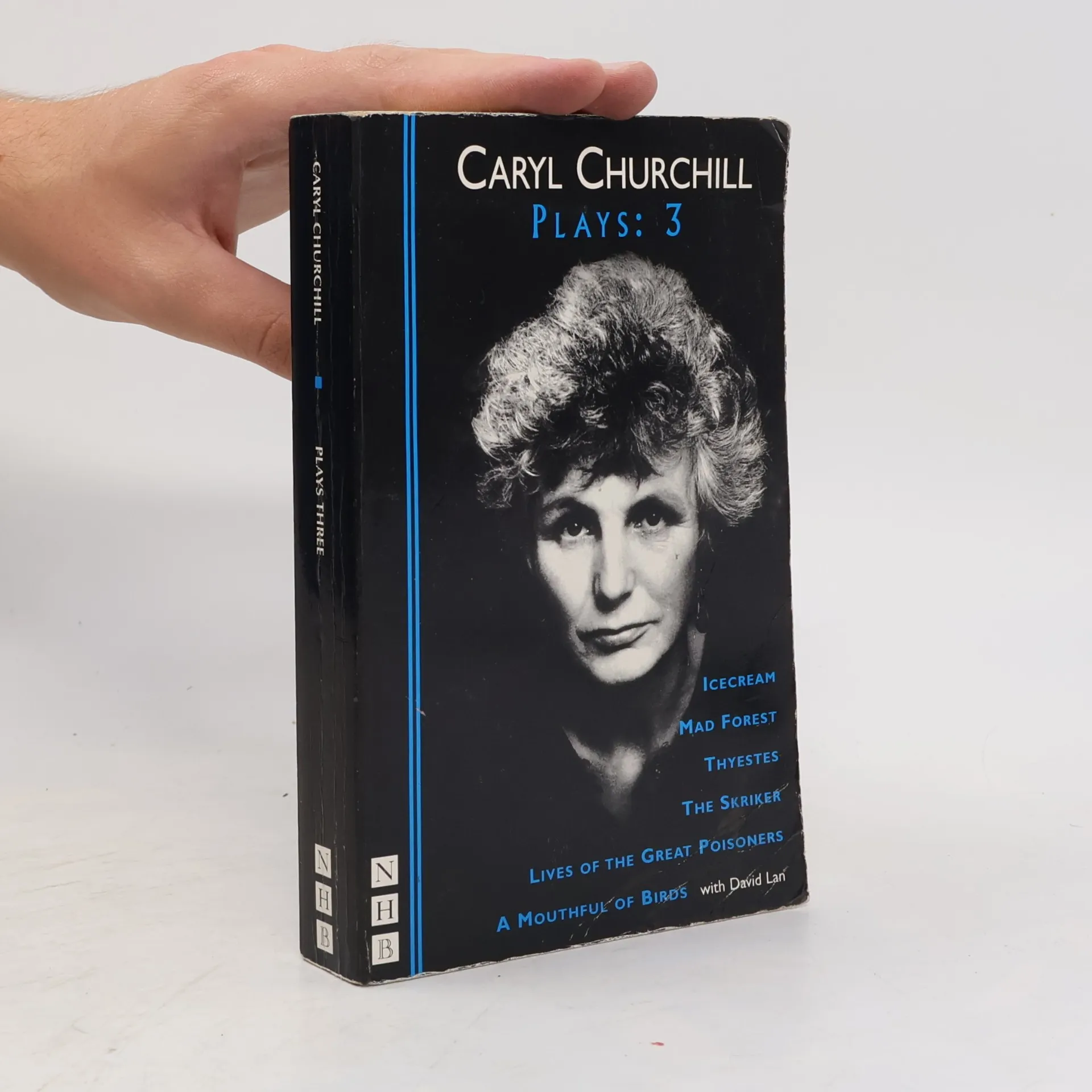
Spanning almost ten years and embracing a remarkable range of style and subject matter, this third volume of Churchill's Collected Plays, introduced by the author, contains: Icecream; Mad Forest; The Skriker; Lives of the Great Poisoners and A Mouthful of Birds (written with David Lan).
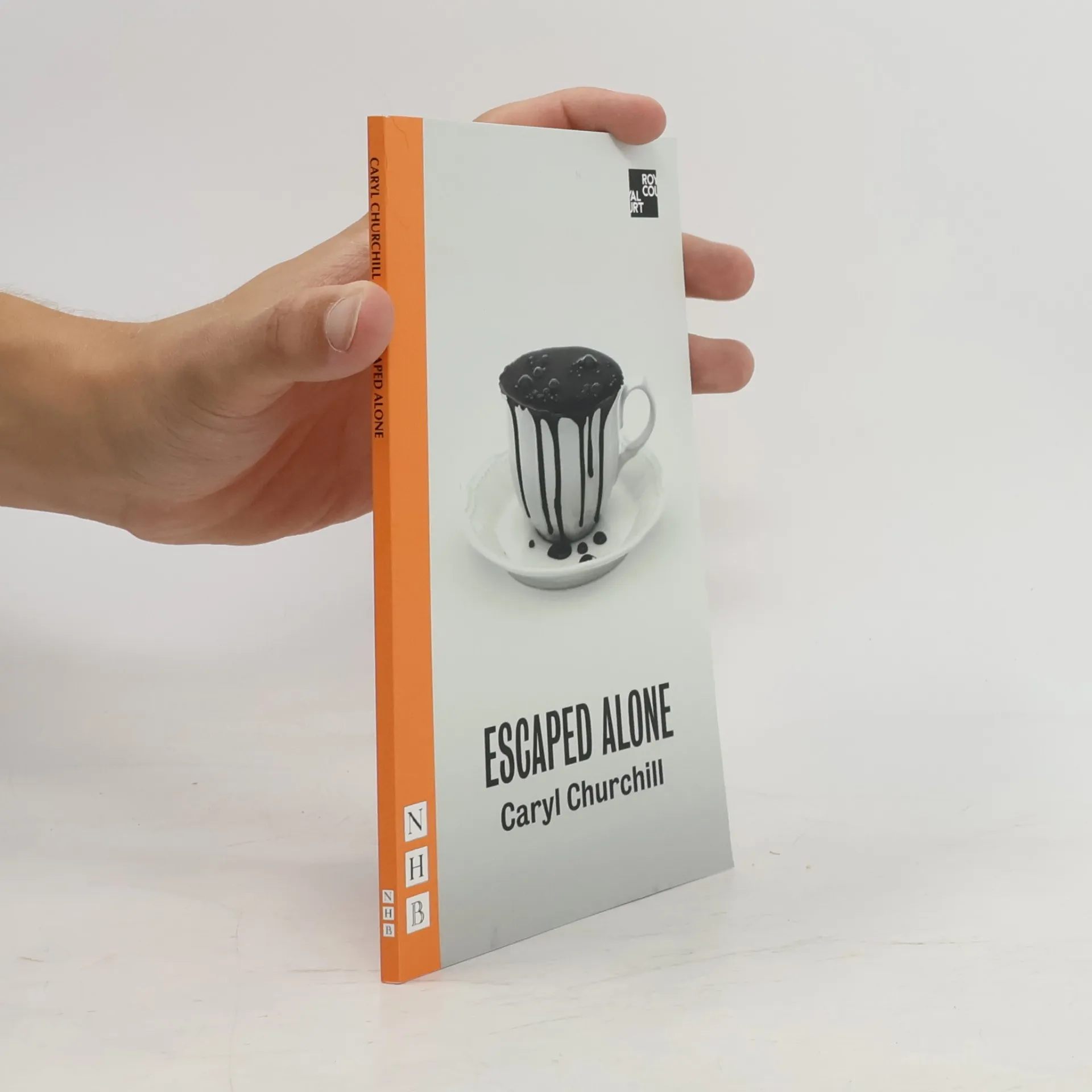
Three old friends and a neighbour. A summer of afternoons in the back yard. Tea and catastrophe. Escaped Alone premiered at the Royal Court Theatre, London, in 2016, in a production directed by James Macdonald.
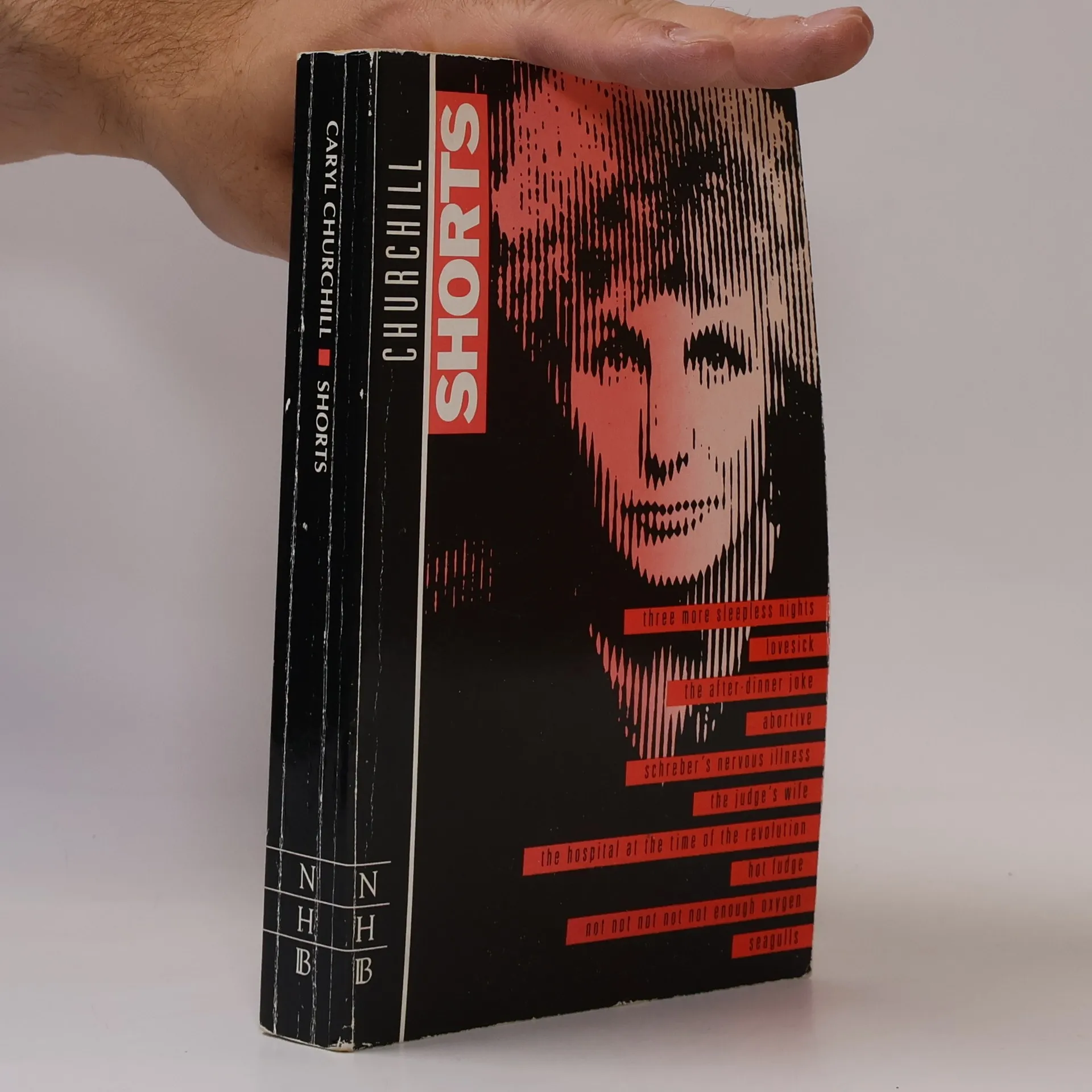
CARYL CHURCHILL's plays include "Cloud Nine" (revived in 2007 to huge acclaim at the Almeida, London), "Top Girls", "Serious Money", "The Skriker", "Blue Heart", "Far Away" and "A Number". Most are published by NHB. Caryl Churchill (1938-) is probably the most respected woman dramatist in the English-speaking world. She is the author of some twenty plays including Light Shining in Buckinghamshire, Cloud Nine, Top Girls, Serious Money, The Skriker, Blue Heart, Far Away and A Number, seen and admired all over the world.