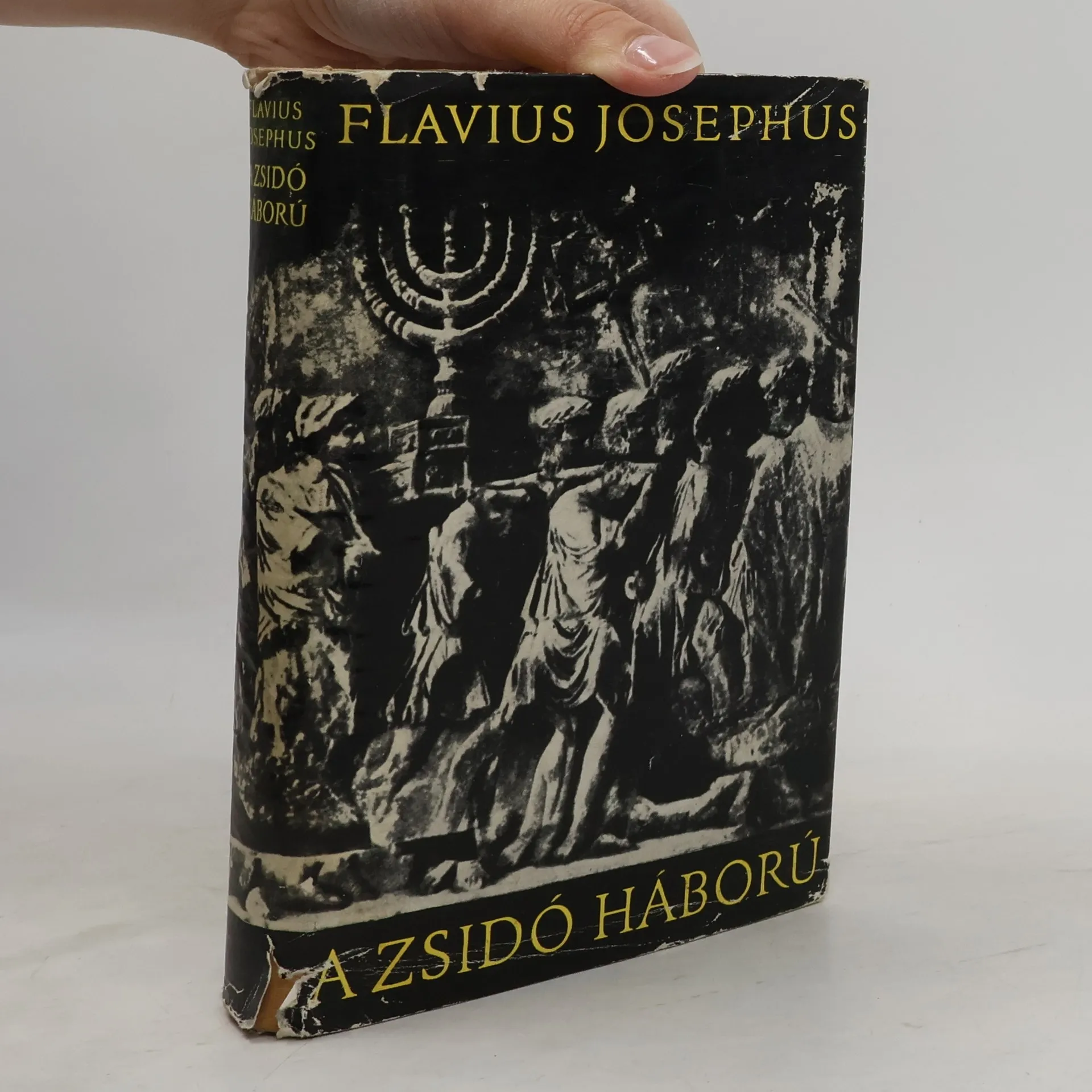
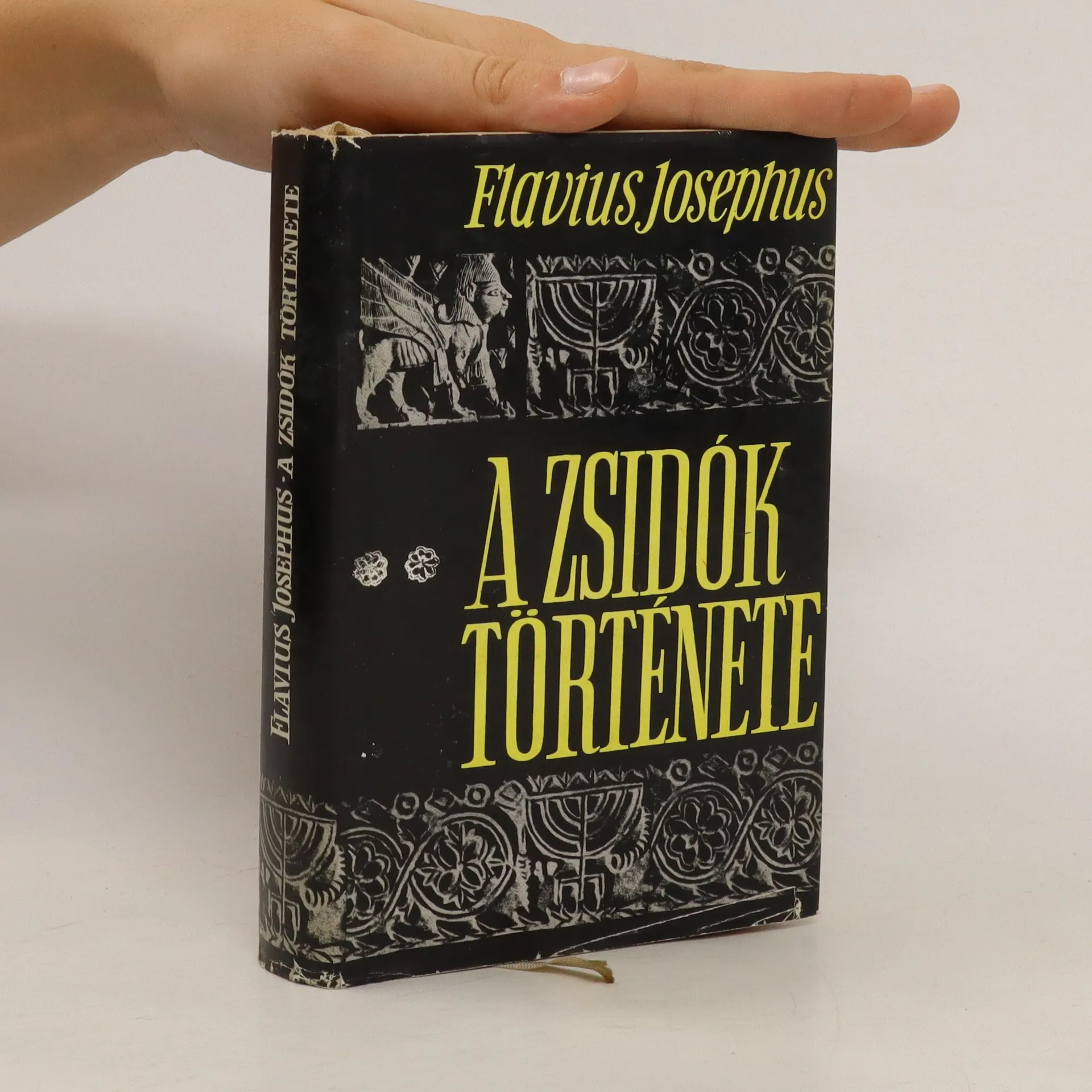
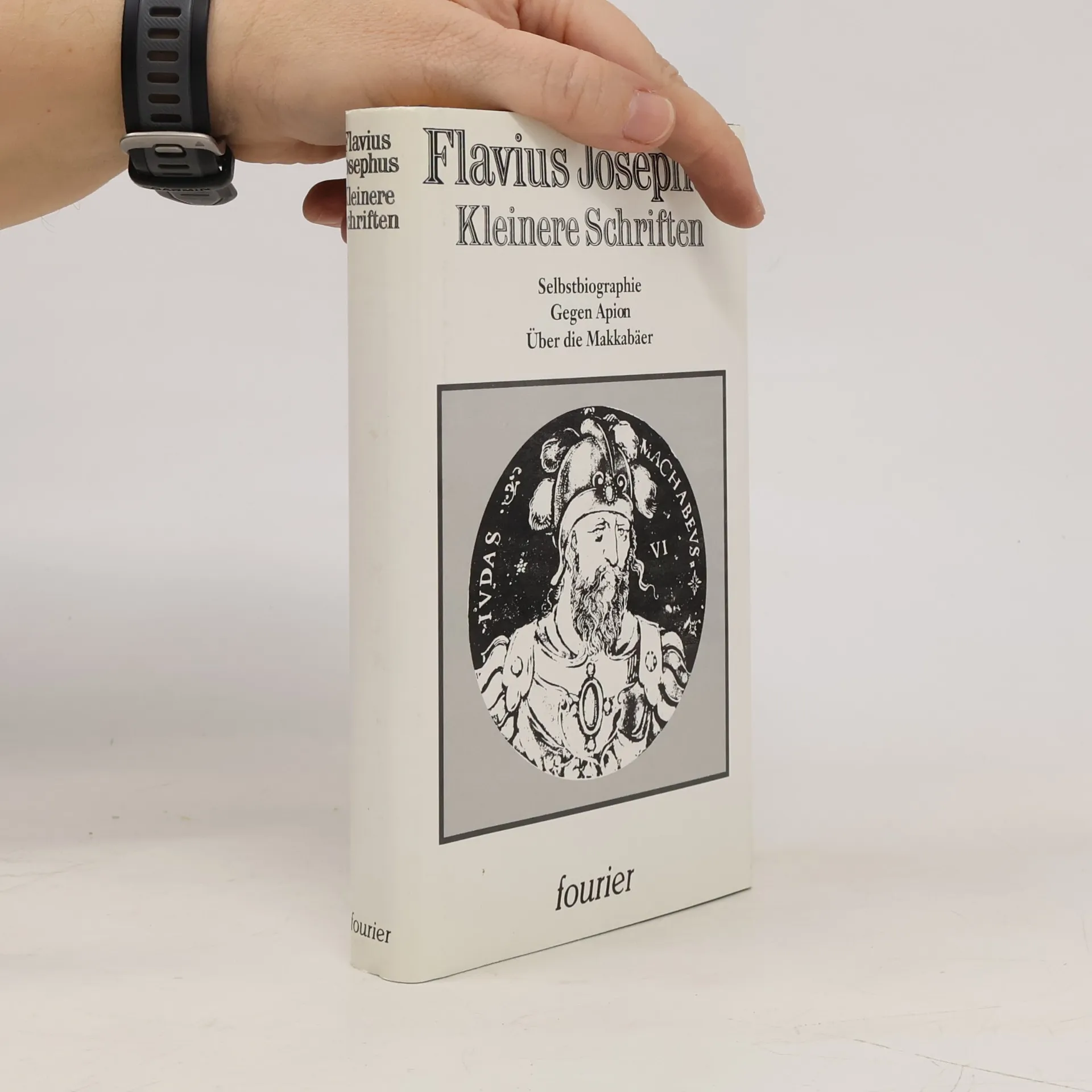
Kleinere Schriften
- 248 Seiten
- 9 Lesestunden


Titus Flavius Josephus war ein römisch-jüdischer Historiker des 1. Jahrhunderts, dessen Werk sich auf die jüdische Geschichte konzentriert, mit besonderem Schwerpunkt auf dem 1. Jahrhundert n. Chr. und dem Ersten Jüdisch-Römischen Krieg. Seine bahnbrechenden Schriften, wie 'Der Jüdische Krieg' und 'Antiquitäten der Juden', bieten unschätzbare Einblicke in das Judentum des 1. Jahrhunderts und den Hintergrund des frühen Christentums. Josephus schildert Ereignisse aus jüdischer Perspektive, obwohl sein Werk aufgrund kaiserlicher Förderung manchmal als pro-römische Propaganda bezeichnet wurde. Seine Erzählungen enthüllen das komplexe Zusammenspiel zwischen jüdischer und römischer Kultur in einer entscheidenden Periode.




Mit e. Anh. von Wirth, Gerhard 1 Stammtaf., 3 Ktn., 2 Pl. 704 S. N.-A.
Die "Antiquitates Judaicae" von Flavius Josephus dokumentiert die 5000-jährige jüdische Geschichte von der Schöpfung des ersten Menschen bis zum zwölften Regierungsjahr des Cäsars Nero. Josephus, einer der bedeutendsten jüdischen Historiker, liefert in 20 Büchern eine detaillierte und lebendige Schilderung der Ereignisse, die nicht nur als beeindruckendes Beispiel fundierter Geschichtsschreibung gilt, sondern auch als nahezu einzige Quelle für das 1. Jahrhundert vor und nach unserer Zeitrechnung. Sein Werk behandelt die Zeitspanne von der Hasmonäerzeit bis zu den ersten christlichen Jahrzehnten und stützt sich auf nicht erhaltene Texte sowie andere bedeutende Quellen wie die Bibel, Apokryphen und den Midrasch. Zudem zitiert Josephus zahlreiche griechische Historiker und Gelehrte wie Strabon und Poseidonios. Die vorliegende Edition basiert auf der Übersetzung von Dr. Heinrich Clementz und wurde wissenschaftlich betreut sowie mit der Paragraphenzählung nach Benedikt Niese versehen, um die Zugänglichkeit und Nachvollziehbarkeit der Informationen zu gewährleisten. Josephus gelingt es, die Geschichte des antiken Judentums lebendig und anschaulich zu präsentieren, wodurch sein Werk von grundlegender Bedeutung für das Verständnis dieser Epoche ist.
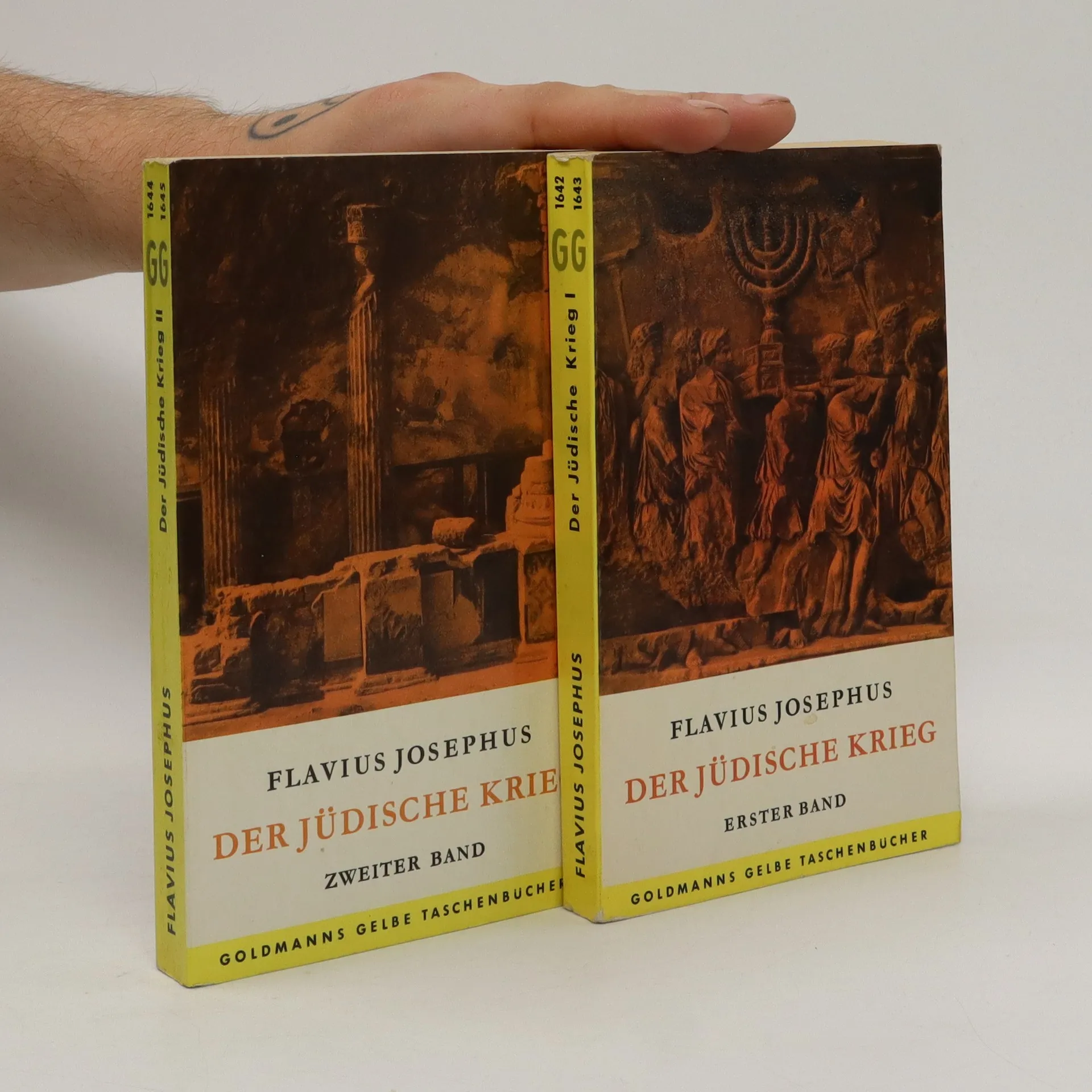
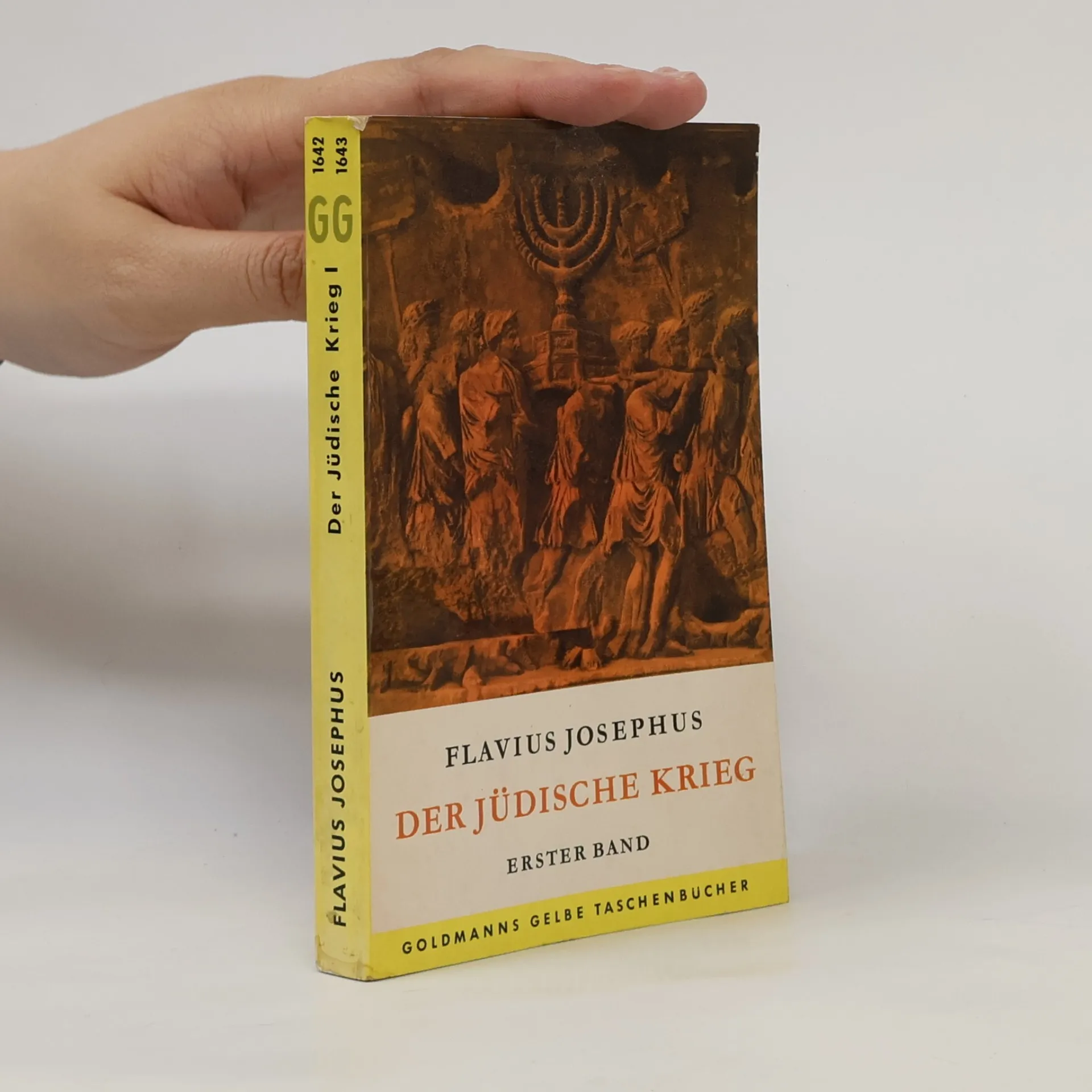
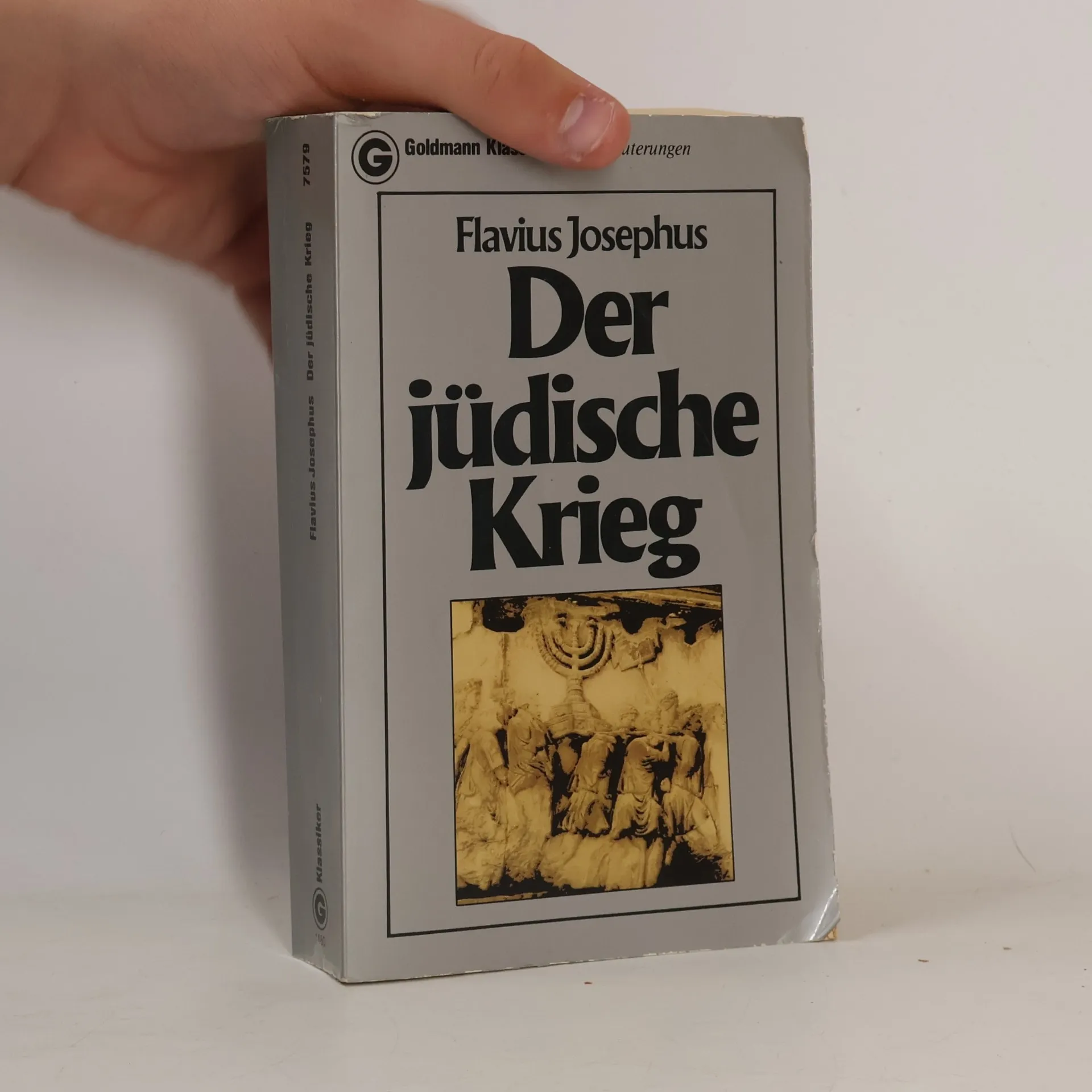
Das Werk, aufgeteilt in sieben Bücher, beginnt mit einer Zusammenfassung der jüdischen Geschichte von der Einnahme Jerusalems durch den Seleukidenherrscher Antiochus IV. Epiphanes im Jahr 168 v. Chr. bis zu den ersten Phasen des Ersten Jüdisch-Römischen Krieges (Buch I und II). Die nächsten fünf Bücher schildern die Entwicklung des Krieges unter den römischen Generälen Vespasian und Titus bis zum Tod des letzten Sikariers. Das Buch wurde um 75 n. Chr. geschrieben, ursprünglich in Josephus' "Heimatsprache" - entweder Aramäisch oder Hebräisch -, obwohl diese Version nicht überlebt hat. Kritiker haben dieses Buch als den "vielleicht einflussreichsten nichtbiblischen Text der westlichen Geschichte" bezeichnet.“ Der Text dieser Edition folgt der 1901 erschienenen und von Philipp Kohout übersetzten Ausgabe.
Josephus begann nach seiner Ankunft in Rom (71 n. Chr.) mit einem Geschichtswerk über den Jüdischen Krieg. Er kombinierte akribische Geschichtsschreibung mit der Perspektive der leidenden Bevölkerung und schuf eindrückliche Bilder der Kriegsgräuel. Titus ließ das Werk als maßgeblichen Bericht veröffentlichen, um als gnädiger Caesar zu gelten.
Josephus begann nach seiner Ankunft in Rom (71 n. Chr.) mit einem Geschichtswerk über den Jüdischen Krieg. Er kombinierte akribische Geschichtsschreibung mit der Perspektive der leidenden Bevölkerung und schuf eindrückliche Bilder der Kriegsgräuel. Titus ließ das Werk als maßgeblichen Bericht veröffentlichen, um als gnädiger Caesar zu gelten.
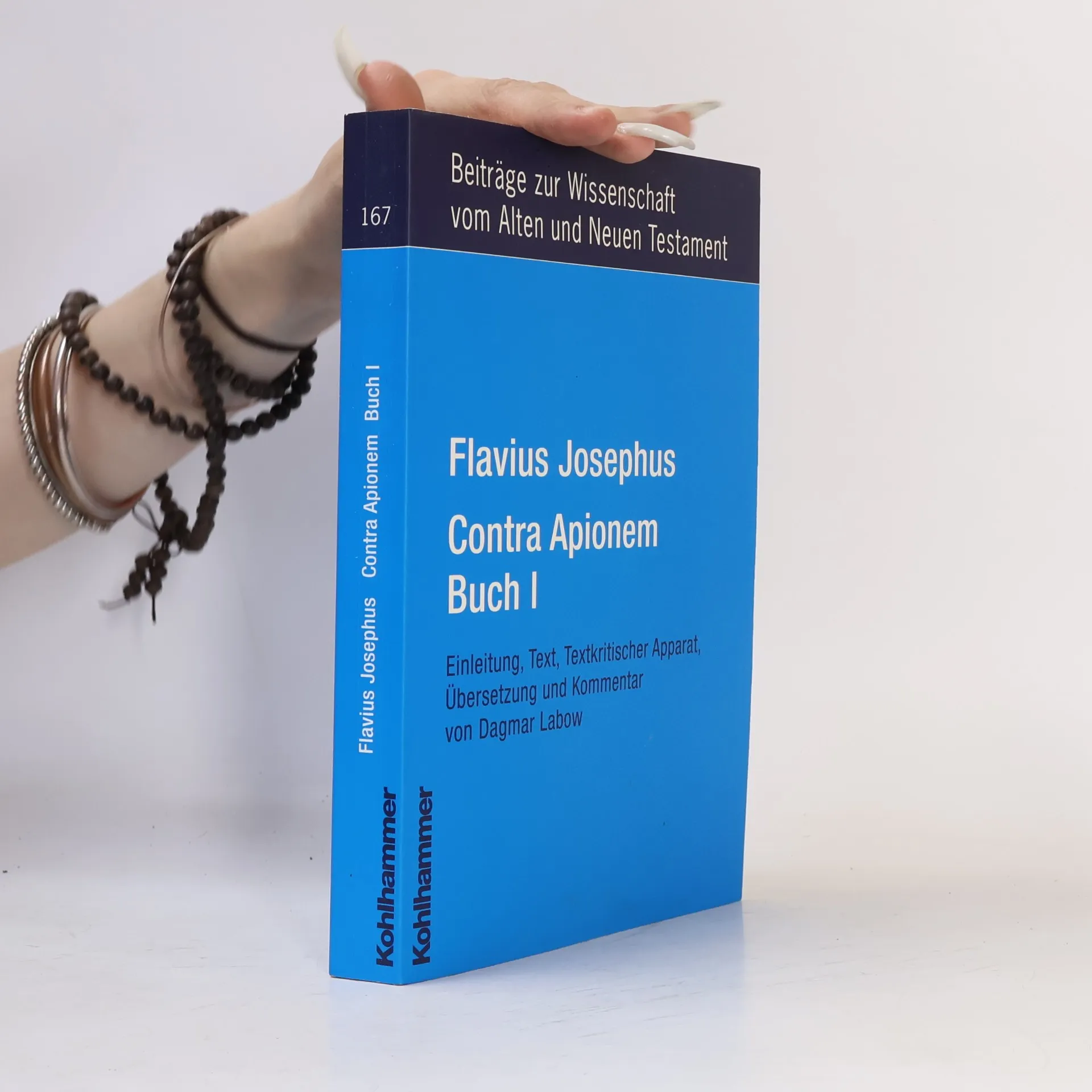
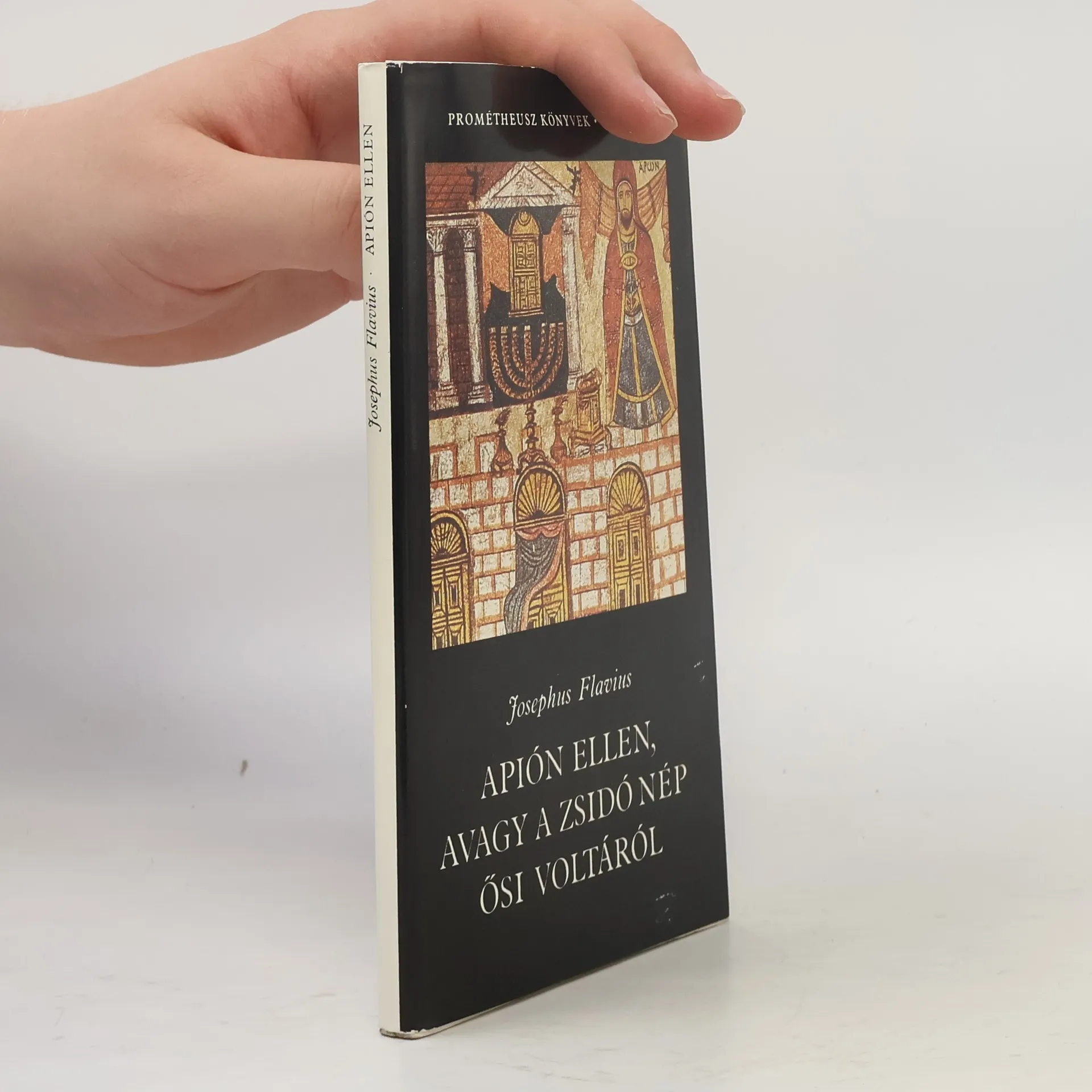
Die kleine Schrift Contra Apionem, die der jüdische Historiker Flavius Josephus um 100 n. Chr. zur Verteidigung des Judentums verfasste, ist von hoher - bislang noch immer unterschätzter - Bedeutung für Theologie und Geschichte des antiken Judentums: Sie gewährt nicht nur Einblicke in Denken und literarisches Können des Josephus sowie in die Argumentationsweisen der zeitgenössischen judenfeindlichen Propaganda, sondern enthält zudem zahlreiche Zitate antiker Autoren, die zum Teil an keiner anderen Stelle überliefert sind. Die vorliegende Untersuchung befasst sich eingehend mit den textlichen und historischen Problemen des ersten Buches der Schrift. Die Einleitung informiert über Josephus Leben und Schriften. Insbesondere die Probleme der Einleitungsfragen zu Contra Apionem werden ausführlich dargestellt. Sodann wird der griechische Text mit einer parallel dazu abgedruckten Übersetzung geboten. Der Kommentar kann in den Fußnoten fortlaufend mitgelesen werden. Gliederungen, Exkurse zu den Autoren, deren Texte von Josephus analysiert werden, und textkritische Apparate ergänzen die einzelnen Kapitel.
Flavius Josephus, a 1st-century Jewish historian, passionately defends Judaism in this work against the false accusations made by Apion, an Alexandrian scholar. Through well-documented evidence and logical reasoning, Josephus counters claims of Jewish inferiority and recent origins, asserting the ancient roots of Jewish traditions and culture. He highlights the moral and intellectual strengths of the Jewish people, challenging Apion's portrayal of them as brutal and ignorant. This text serves as a significant defense of Jewish identity and heritage.
Flavius Josephus, a Greek author and warrior, provides a unique perspective on the history of the Jewish people, offering an alternative view of biblical events. This classic work has been newly designed and typeset in a modern 6-by-9-inch format, enhancing its accessibility for contemporary readers.
Titus Flavius Josephus (37 – c. 100), born Joseph ben Matityahu, was a first-century Romano-Jewish scholar, historian and hagiographer, who was born in Jerusalem. He fought against the Romans during the First Jewish–Roman War as head of Jewish forces in Galilee, until surrendering in 67 to Roman forces led by Vespasian. Josephus recorded Jewish history, with special emphasis on the first century AD and the First Jewish–Roman War. His most important works are The Jewish War and Antiquities of the Jews . This collection includes all of Josephus' surviving works and links to free audiobook version of all works. Included are the following works: The Antiquities of the Jews The Wars of the Jews Against Apion The Life of Flavius Josephus An Extract Out of Josephus's Discourse to the Greeks Concerning Hades Included are links to audiobooks for the following works: The Antiquities of the Jews The Wars of the Jews Against Apion The Life of Flavius Josephus An Extract Out of Josephus's Discourse to the Greeks Concerning Hades Note that Josephus’ authorship of the Discourse To The Greeks Concerning Hades is being questioned by some scholars who instead attribute the work to Hippolytus of Rome
This book is a reproduction of an original historical work, produced by Megali, a publishing house dedicated to making literature accessible to individuals with impaired vision through large print formats. The focus on accessibility highlights the importance of inclusivity in reading, ensuring that historical texts can be enjoyed by a wider audience.
Flavius Josephus offers a unique perspective on biblical history through his classic account of the Jewish people, blending historical narrative with his experiences as a Greek author and warrior. This edition features a modern design and typesetting, making it accessible for contemporary readers. It's an essential read for those seeking an alternative view of Jewish history and heritage.
Focusing on accessibility, this book is a large print reproduction of a historical work, designed specifically for readers with impaired vision. Published by Megali, a house dedicated to making literature more inclusive, it aims to provide an easier reading experience while preserving the original content.
The book is a reproduction of a historical work, published by Megali, which focuses on making literature accessible for individuals with impaired vision through large print. This initiative highlights the importance of inclusivity in reading, allowing a wider audience to engage with historical texts.
This edition focuses on making historical works accessible to individuals with impaired vision through large print. The publishing house Megali is dedicated to reproducing these important texts, ensuring that a wider audience can enjoy and benefit from classic literature.
The book is a large-print reproduction of a historical work, aimed at enhancing accessibility for readers with impaired vision. Published by Megali, a house known for its commitment to making historical texts more readable, this edition preserves the original content while ensuring it is easier to navigate.
in large print
The book is a reproduction of a historical work, published in large print to enhance accessibility for individuals with impaired vision. Megali, the publishing house behind this initiative, focuses on making important texts more readable for a wider audience, ensuring that history remains accessible to all.
Flavius Josephus provides an insightful autobiographical account of his life as a Jewish military captain turned Roman historian in the 1st century CE. He shares his experiences from childhood, his role in the Jewish-Roman War, and his interactions with Roman emperors like Vespasian and Titus, which secured his citizenship. Josephus reflects on his commitment to preserving Jewish history and culture through his works, revealing the complex dynamics of Jewish identity and Roman integration during his time. His narrative illustrates his dual role as a cultural mediator amidst both admiration and skepticism.
Flavius Josephus, the first-century Jewish historian, is among the most important writers from classical antiquity. The significance of the works of Josephus as sources for our understanding of biblical history and the political history of Palestine under Roman rule is immense.
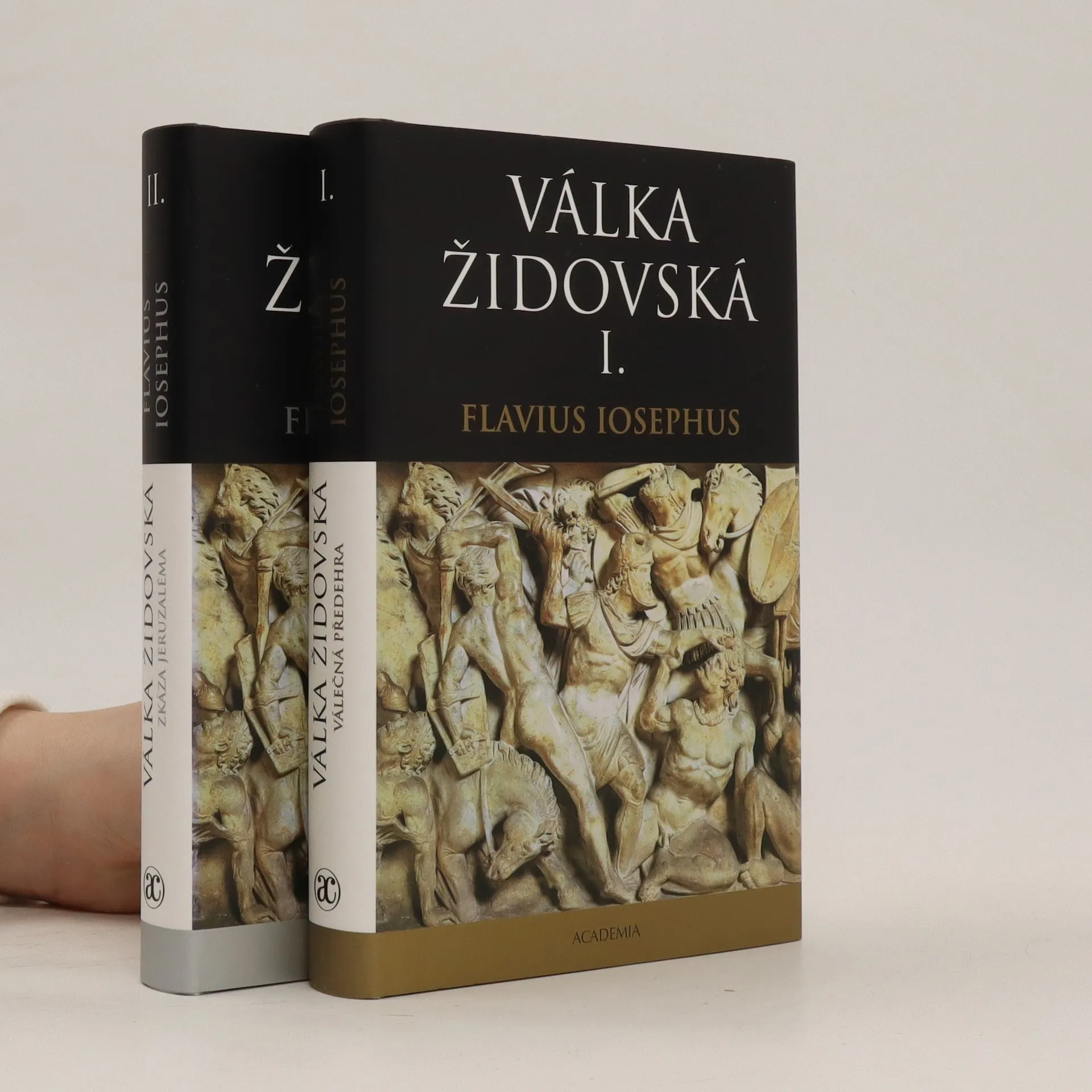
KNIHA IV – VII Druhá, závěrečná část napínavého historického spisu, jehož autor, židovský kněz, vojevůdce a historik, byl přímým účastníkem popisovaných událostí. V tomto svazku, s podtitulem Zkáza Jeruzaléma, Flavius líčí postupně dobývání Galileje, Samařska a Judeje Římany, obléhání a dobytí Jeruzaléma v r. 70 n. l. Děj vrcholí definitivní porážkou židovského protiřímského povstání v r. 73 n. l.
První české úplné znění proslulé knihy, v níž autor, pravověrný Žid proniknutý římskou a řeckou vzdělaností, zpracoval jednak své vlastní zkušenosti, jednak oficiální římské vojenské záznamy a zprávy římských velitelů. Popisuje války makabejské, počátky Herodovy vlády a působení prokurátorů, také Piláta v Judeji. Počínaje povstáním za Flora, vypráví obšírně o událostech, jichž se sám účastnil.
Výklad dějin Židů podle Starého zákona a jiných historických pramenů od počátku do doby Neronovy. Autor reaguje na projevy nenávisti vůči Židům po tzv. židovské válce v letech 66 až 73. Srovnává judaismus s ostatními náboženstvími a dokazuje na základě shromáždění historických zpráv, že židovské náboženství je starší než ostatní. Dílo je polemikou s názory Apióna z Alexandrie, který byl známý svým antisemitismem. Podle kritického vydání z řečtiny a latiny přeložila Růžena Dostálová. Doslov napsala Růžena Dostálová a Stanislav Segert.
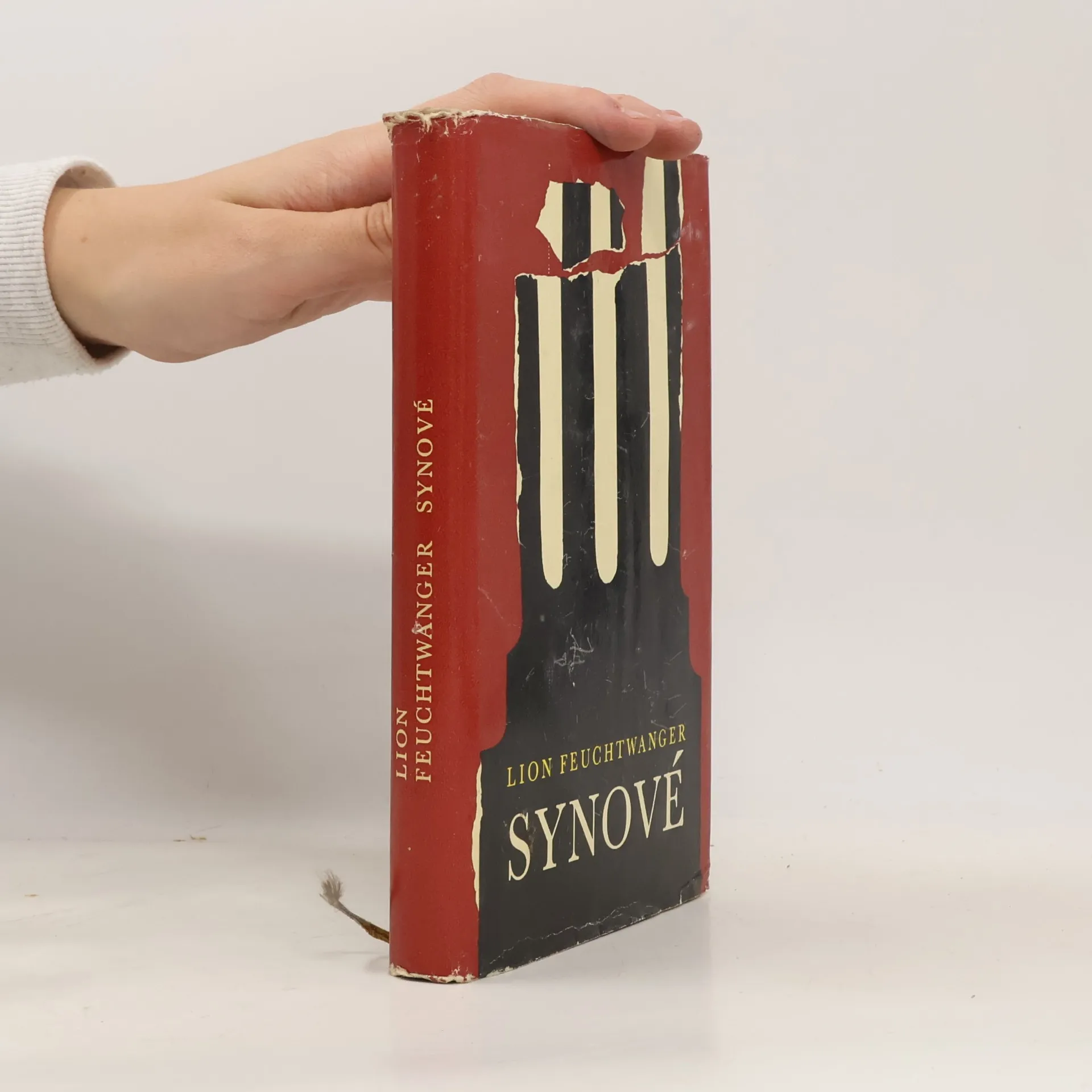
KNIHA I – III Židovsko-římský historik 1. stol. n. l. zachycuje ve svém rozsáhlém historickém díle, známém dnešnímu čtenáři hlavně ze slavného zpracování Liona Feuchtwangera, dějiny první židovské války proti Římanům, jež začala povstáním v Judsku r. 66 n. l., vyvrcholila dobytím Jeruzaléma r. 70 a skončila potlačením posledního odporu r. 73. První svazek líčí období vlády Seleukovců v Palestině (cca od poloviny 2. stol. př. n. l.), makabejské povstání, vznik posledního židovského státu ve starověké Palestině pod vládou dynastie Hasmoneovců, počátek římské nadvlády, vládu Héródovu, období správy římských prokurátorů v Palestině a začátek židovského povstání proti Římanům v r. 66 n. l.
Tento svazek je věnován dvěma menším pracím z jeho dílny, jež ač odlišné obsahem, literárním časem a autorským záběrem, přesto shodně vypovídají o vzrušené době, kterou jejich tvůrce prožíval. Drobný spis O starobylosti Židů je de facto první historickou polemikou proti římské nadvládě, a reagoval jím na hojné projevy nenávisti vůči Židům, šířené zejména v dobové historické a filozofické literatuře. Adresoval jej svému staršímu současníkovi Apiónovi z Alexandrie, známému svým antijudaismem, a hájil v něm židovský národ z hlediska starobylého původu, zejména náboženství, zákonodárství a mravů, a demonstroval přednosti židovské kultury a způsobu života. Josefův výklad o národě doplňuje jeho další historický spisek – vlastní životopis Můj život, který je první dochovanou antickou autobiografií. Josef v něm popsal dobu svého mládí, a především – jsa osočen Jústem z Tiberiady, že za protiřímského povstání v Galileji zradil své krajany – vylíčil svou činost za tzv. židovské války (66-73), a osvětil své sympatie a loajalitu vůči Římanům. V obou textech zaznamenal množství historicky cenných informací o své době i o dějinách židovského národa. Tento svazek zahrnuje polemický spis O starobylosti Židů čili Odpověď Apiónovi.
O zániku bývalé říše židovské a zkáze Jerusalema
O zániku bývalé říše židovské a zkáze Jeruzalema