

Gratis Versand ab € 14,99. Mehr Infos.
Bookbot

Mark Juergensmeyer

    1. Jänner 1940

    Mark Juergensmeyer ist ein führender Autor, dessen Werk die komplexen Zusammenhänge zwischen Religion, Gewalt und globalen Angelegenheiten tiefgehend erforscht. Seine Forschung beleuchtet, wie sich religiöse Überzeugungen in Konflikten und Bemühungen um Friedensschaffung weltweit manifestieren. Juergensmeyer bietet aufschlussreiche Analysen der Dynamiken der globalen Religion und ihres Einflusses auf die Weltpolitik. Seine Schriften sind entscheidend für das Verständnis gegenwärtiger globaler Herausforderungen.

    When God Stops Fighting
    Global rebellion
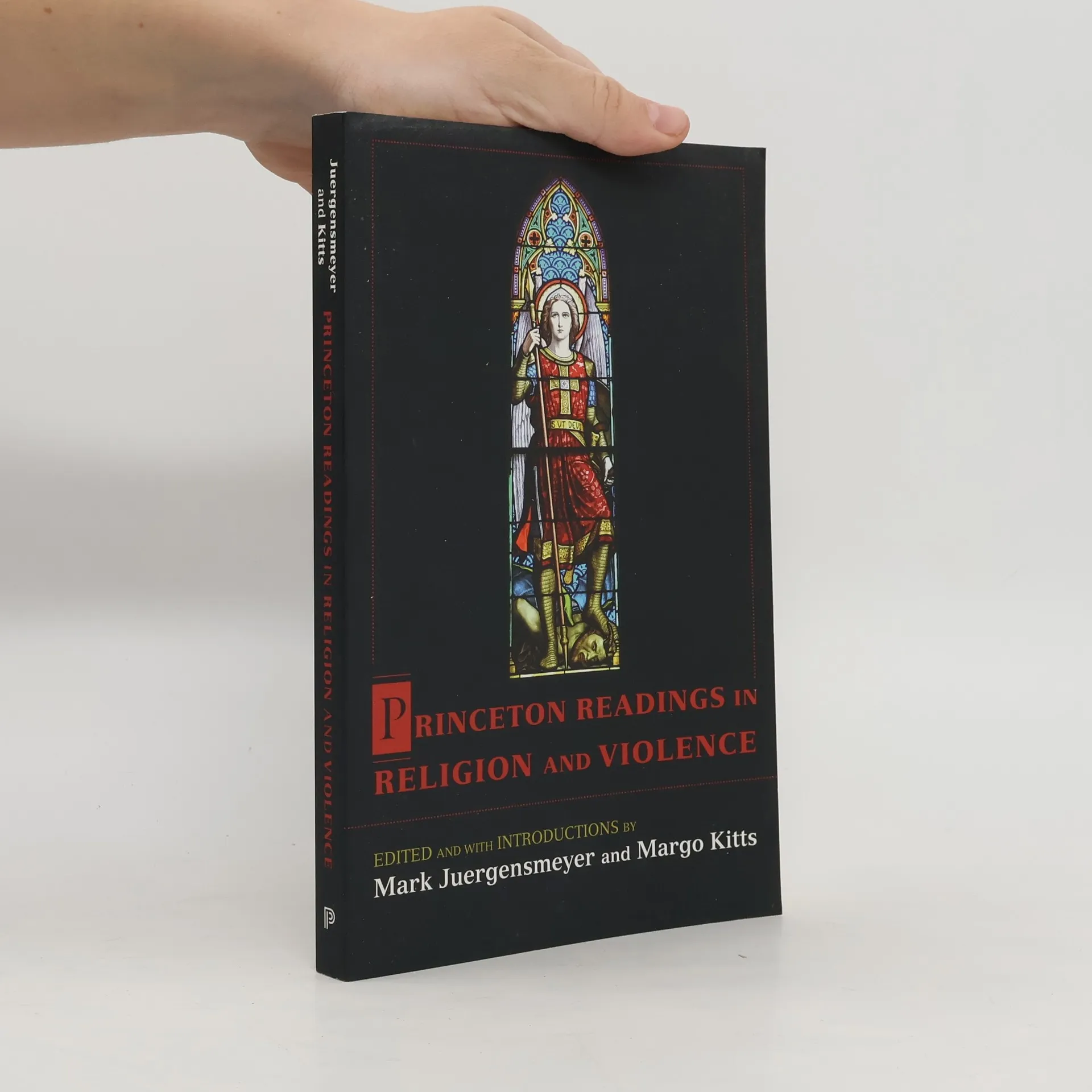
    Princeton Readings in Religion and Violence
    God at War
    Terror im Namen Gottes
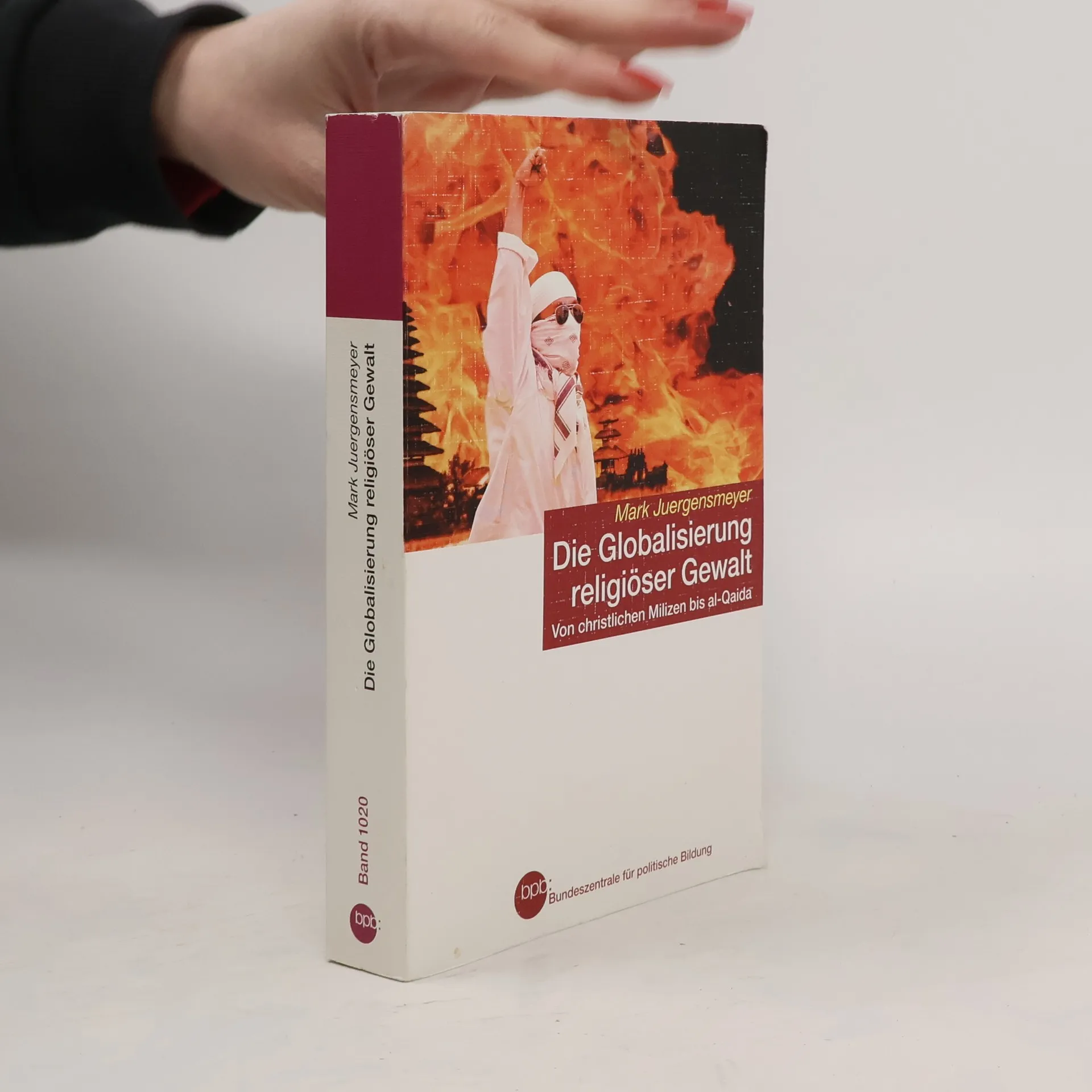
    Die Globalisierung religiöser Gewalt
    • When God Stops Fighting

      • 182 Seiten
      • 7 Lesestunden

      Preface -- The trajectory of imagined wars -- The apocalyptic war of the Islamic State -- The militant struggle of Mindanao Muslims -- The fight for Khalistan in India's Punjab -- How imagined wars end -- Interviews.

      When God Stops Fighting2022
    • God at War

      • 120 Seiten
      • 5 Lesestunden

      Based on the author's thirty years of fieldwork interviewing activists involved in religious-related terrorist movements around the world, this book explains why desperate social conflict and personal fears lead to extremes of both religion and war, and why invariably God is thought to be engaged in battle. Virtually every religious tradition leaves behind it a bloody trail of stories, legends, and images of war, and most wars call upon the divine for blessings in battle. This book probes the remarkably similar alternative realities that are created in the human imagination by both religious ideas and images of war in response to crises both personal and social.

      God at War2020
      3,6
    • This groundbreaking anthology offers a comprehensive overview of the complex relationship between religion and violence throughout history and in contemporary society. It unites primary sources—justifications for violence from religious texts, theologians, and activists—with essays from authoritative scholars. The first half presents original source materials justifying violence across various religious traditions, including Hindu, Chinese, Christian, Muslim, Jewish, and Buddhist perspectives. These sources, ranging from ancient texts to modern writings, highlight that religious violence exists in every tradition, addressing issues like military protection and pacifism. The second half features reflections from prominent thinkers on the intimate connection between religion and violence, including excerpts from early social theorists such as Durkheim, Marx, and Freud, alongside contemporary voices analyzing the topic through literary, anthropological, postcolonial, and feminist lenses. Brief introductions by the editors provide essential historical and conceptual contexts, linking the readings together. The diverse selections and their accessible length make this volume suitable for both students and general readers, enhancing understanding of this critical issue.

      Princeton Readings in Religion and Violence2011
      3,3
    • Global rebellion

      Religious challenges to the secular state from Christian militias to Al Qaeda

      • 380 Seiten
      • 14 Lesestunden

      Why has the turn of the twenty-first century been rocked by a new religious rebellion? From al Qaeda to Christian militias to insurgents in Iraq, a strident new religious activism has seized the imaginations of political rebels around the world. Building on his groundbreaking book, The New Cold War?: Religious Nationalism Confronts the Secular State, Mark Juergensmeyer here provides an up-to-date road map through this complex new religious terrain. Basing his discussion on interviews with militant activists and case studies of rebellious movements, Juergensmeyer puts a human face on conflicts that have become increasingly abstract. He revises our notions of religious revolution and offers positive proposals for responding to religious activism in ways that will diminish the violence and lead to an accommodation between radical religion and the secular world.

      Global rebellion2008
      3,2
    • Terror im Namen Gottes

      • 384 Seiten
      • 14 Lesestunden

      Unter den Geschichten religiöser Traditionen lauert Gewalt als schattenhafte Präsenz. Mark Juergensmeyer untersucht eine zentrale Frage: Warum begehen religiöse Individuen gewalttätige Taten im Namen ihres Gottes, indem sie unschuldige Opfer ins Visier nehmen und Bevölkerungen terrorisieren? Diese vergleichende Studie über religiösen Terrorismus analysiert bedeutende Vorfälle, darunter die Explosion des World Trade Centers, Selbstmordanschläge der Hamas und den Nervengasangriff in der Tokyoter U-Bahn. Juergensmeyer integriert persönliche Interviews mit Schlüsselpersonen wie dem Bombenleger des World Trade Centers, Mahmud Abouhalima, sowie Hamas-Führern wie Scheich Yassin und Abdul Azis Rantisi, um Einblicke in die Denkweise derjenigen zu geben, die Gewalt ausüben und unterstützen. Er kontextualisiert diese Taten im Rahmen globaler politischer und sozialer Veränderungen und deutet sie als Versuche, Kulturen der Gewalt zu stärken. Die Analyse beleuchtet wirtschaftliche, ideologische und geschlechtsspezifische Dimensionen von Kulturen, die ein zentrales heiliges Konzept – den kosmischen Krieg – umarmen und Religion nutzen, um Feinde zu dämonisieren. Juergensmeyers Erzählung ist fesselnd und umfassend und zeigt, dass Religion oft die Ideologie und Motivation für Gewalt liefert, aber auch das Potenzial für Frieden birgt.

      Terror im Namen Gottes2001
      3,8