Війна і нові горизонти. Лідери думок про сьогодення й майбутнє України і світу
- 304 Seiten
- 11 Lesestunden


Bernard-Henri Lévy ist ein renommierter französischer Philosoph und Aktivist, dessen umfangreiches Werk über dreißig Bücher und zahlreiche Dokumentarfilme umfasst. Seine Schriften, die oft tief in zeitgenössische Ereignisse eingebettet sind, erforschen tiefgründige philosophische Fragen und gesellschaftliche Herausforderungen. Lévy's Ansatz zeichnet sich durch intellektuelle Leidenschaft und ein unerschütterliches Streben nach Wahrheit und Gerechtigkeit in einer komplexen Welt aus. Sein Werk lädt nachdrücklich dazu ein, über das Wesen der Menschheit und unsere Rolle darin nachzudenken.

Weaving in fifty years of experience with Israel, Bernard-Henri Lévy analyzes global responses to the events of October 7, exploring the resurgence of antisemitism and Israel's solitary fight against barbarism. His passionate account begins with his eyewitness experience of the unprecedented invasion by Hamas on October 8, 2024. Drawing on his extensive history in Israel since 1967, Lévy reflects on his interactions with key Israeli leaders and his involvement in peace initiatives. From his philosophical and humanist perspective, he examines the profound evil unleashed on Israel and the roles of Iran, Russia, radical Islamist groups, Turkey, and China in this tragedy. Despite the historic significance of October 7, Lévy argues it quickly became a mere "detail" in global consciousness, overshadowed by a surge of anti-Semitism disguised as anti-Zionism. He critiques calls for a "cease-fire now" without the release of hostages and those who seek to contextualize the events. Lévy's meditation on Zionism and Israel underscores the existential stakes of this conflict, not just for Israel but for the Western world. He contemplates the reasons behind Israel's isolation, emphasizing that its solitude is more pronounced than ever, even in the face of this urgent crisis.
An unflinching look at the most urgent humanitarian crises around the globe, from one of the world's most daring philosopher-reporters
A trenchant look at how the coronavirus reveals the dangerous fault lines of contemporary society
She listens to their problems worries and fears - whether they are real or the product of someone troubled and lonely. But when a man calls and asks if she can hear him it leads to nights filled with fantastic dreams, wonderful yet terrible images of love turned to fear, hate and madness. She is drawn to this man not knowing if he is alive or dead, and he in turn sees her as his last hope in this world or the next....
The era of the West is coming to an end. Who will take its place? In his essayistic and personal book, "The Empire and the Five Kings," prominent contemporary global intellectual Bernard-Henri Lévy examines the diminishing influence of Western democracies on world affairs. The Euro-American Empire, built over centuries, is collapsing, and its ruins are being contested by five aggressive powers: Russia, China, Saudi Arabia, Iran, and Turkey. Lévy reflects on the reasons behind the end of Atlantic influence and the current geopolitical situation, particularly in the Middle East, as well as the consequences of the resulting power vacuum for today's world. He argues that the process of decline began long before Donald Trump was elected president or the migration crisis erupted. If the values and ideals of equality, freedom, and democracy are to survive, the Empire that has long championed them must seek a new path for the twenty-first century.
From world-renowned public intellectual Bernard-Henri Lévy comes an incisive exploration of Judaism. For over four decades, Lévy has been a prominent moral voice, now confronting his spiritual roots and the religion that has shaped him. This work presents a new understanding of Jewish identity, emphasizing Talmudic traditions of argument and conflict over biblical commandments. Central to Lévy's vision is the obligation to the marginalized and forgotten, a commitment he has embodied through decades of advocating for “lost causes” across the globe, from Bosnia to Libya and the Kurdish fight against the Islamic State. Lévy critiques a rising, insidious form of anti-Semitism and offers a provocative defense of Israel from a leftist perspective. He highlights the overlooked Jewish foundations of Western democratic ideals while addressing the current Islamist threat. Rather than viewing Jews as a “chosen people,” Lévy describes them as a “treasure,” whose spirit should continue to inspire moral courage today. This passionate and personal work serves as a profound intellectual reckoning and a call to arms, showcasing Lévy's insights as one of the keenest thinkers of our time.
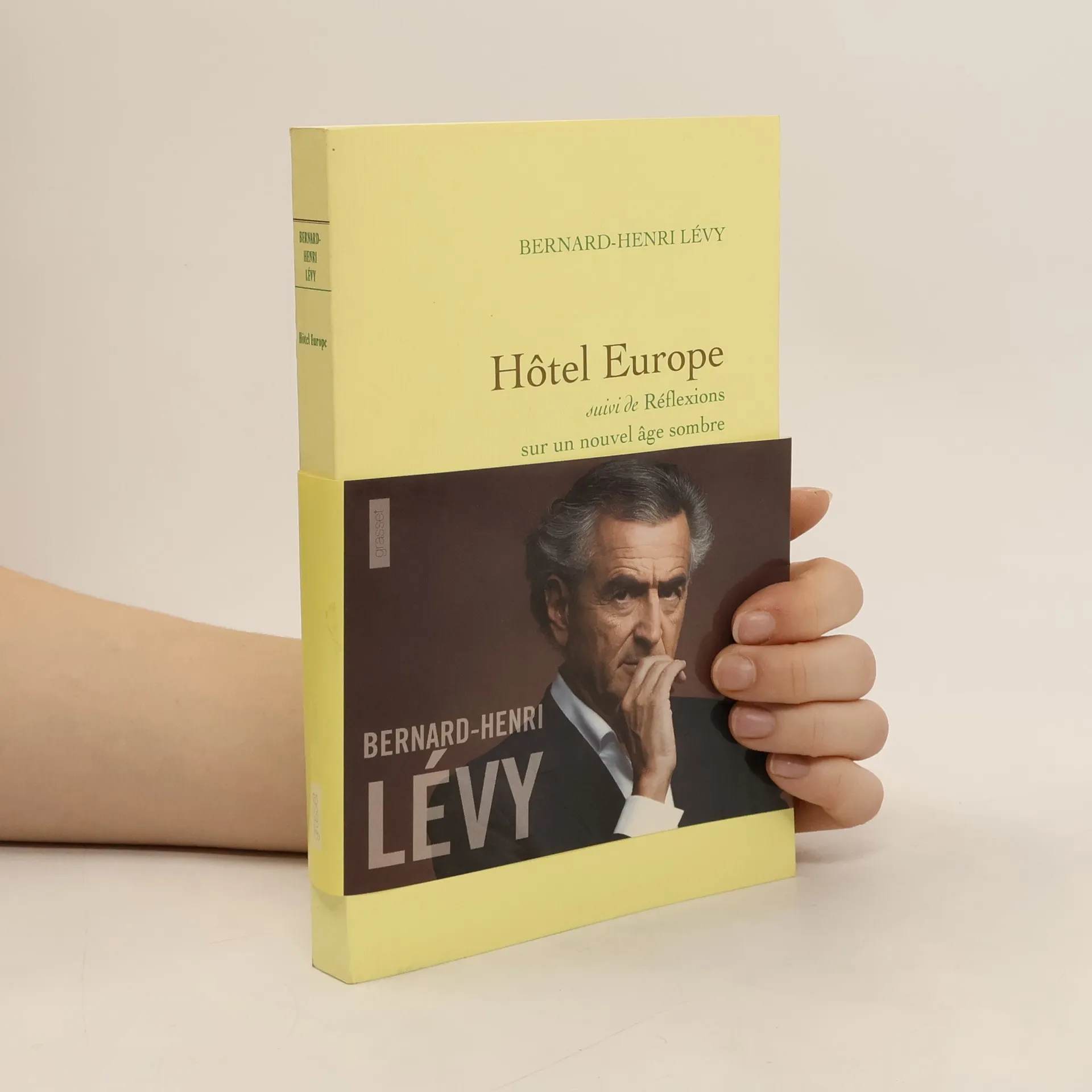
Deux textes en verite.D abord Hotel Europe, monologue en cinq actes, dont l'action se deroule le 27 juin 2014, a Sarajevo, en pleine ceremonie de commemoration du declenchement de la guerre de 1914. Un homme, sans doute un ecrivain, est enferme entre les quatre murs d'une chambre d'hotel qu'il a connue vingt ans plus tot et ou il est cense preparer le discours qui lui a ete commande pour la circonstance et qui doit porter sur l'Europe, ses valeurs constitutives, son futur et l etat present de son esprit. Il est seul. Le monde exterieur ne lui parvient qu a travers l indistincte clameur qui monte de la rue en fete. Et il a, pose devant lui, un ordinateur ou il navigue en quete de vieilles photos, de documents vagues, d inspiration.Ensuite, Nouvelles vues sur l Europe, un essai philosophico-politique developpant ou elucidant les points les plus enigmatiques du texte theatral. Il y est question de Husserl, de Heidegger, de la montee des populismes et des souverainismes, du malaise (ou de l impasse ) dans la civilisation d aujourd'hui ainsi que des progres, partout, du nihilisme et puis, aussi, de la facon dont peut et doit se nouer, ici et maintenant, le triple fil, constitutif du genie europeen, de l esprit d Athenes, de celui de Rome et du genie de Jerusalem. Un diagnostic. Des solutions. Et des raisons de croire et d esperer."
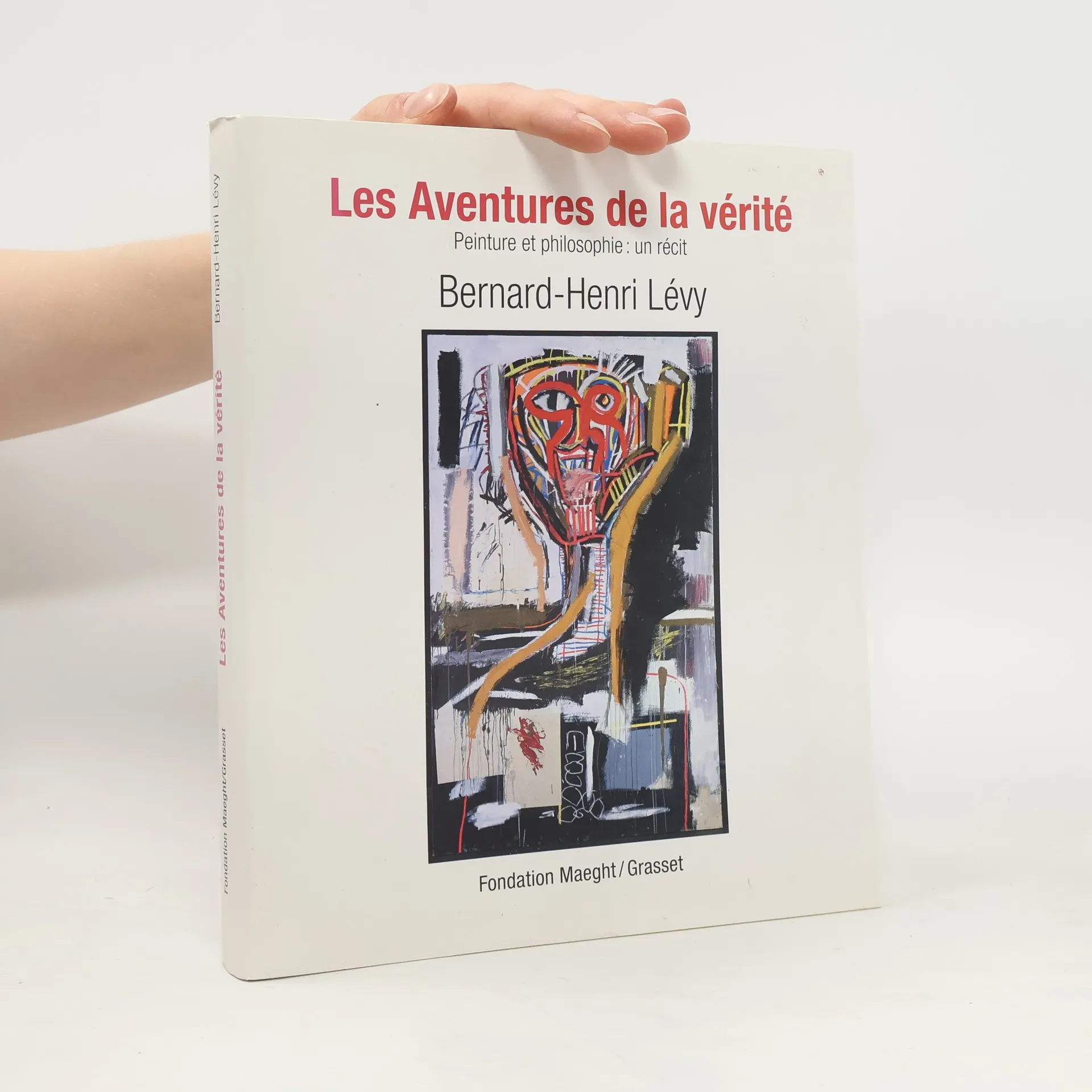
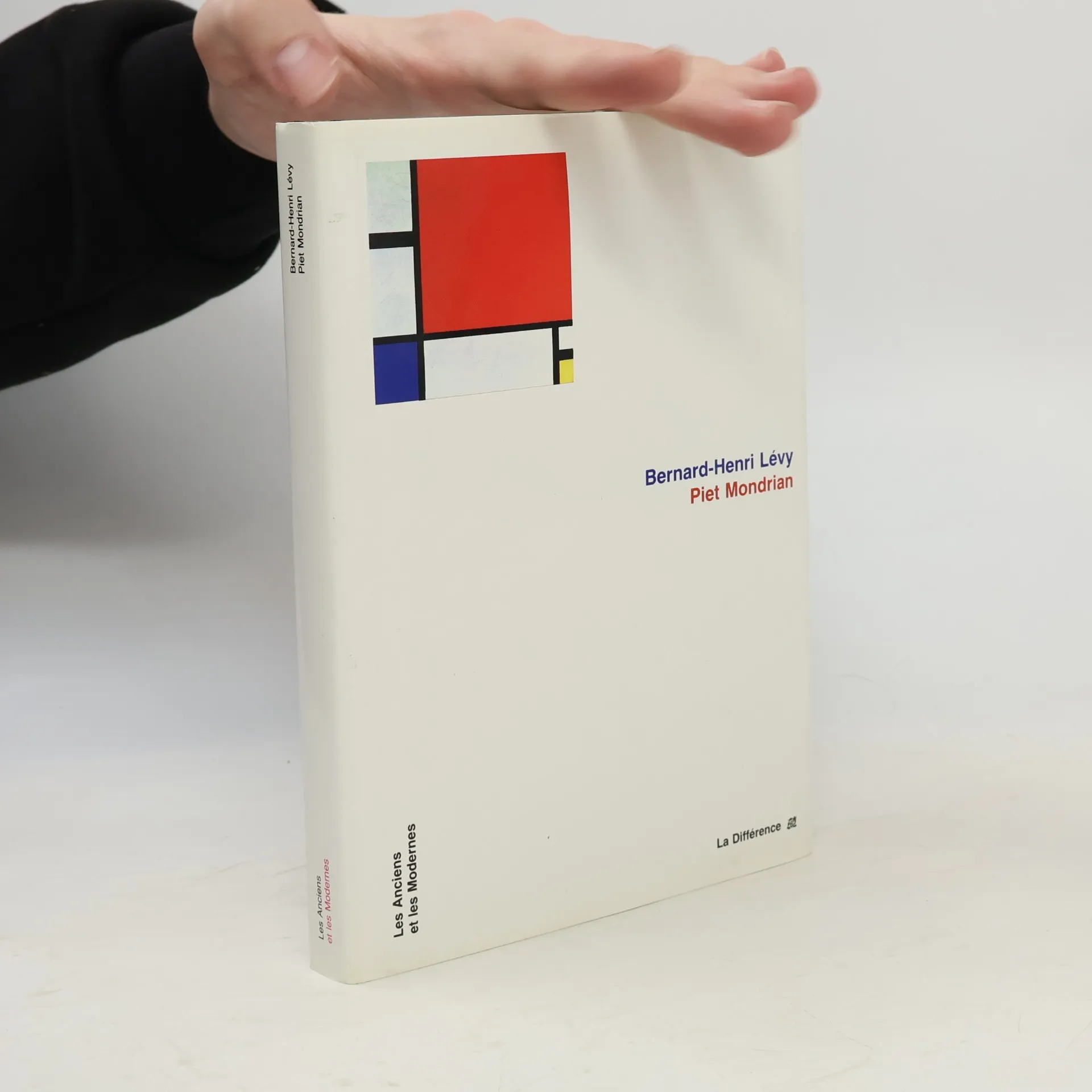
Qu’en est-il, au juste, du conflit - ou de la complicité - plus que millénaire entre Peinture et Philosophie ?Sont-elles des rivales ou des alliées au regard de la vérité, ou des vérités, dont elles se veulent les messagères?Et ce souci, qui reste l'horizon ultime des artistes et des penseurs, est-il de même nature ?C’est pour répondre à ces questions – ou, mieux, pour les poser - que la Fondation Maeght a offert à Bernard Henri Lévy la possibilité de réunir, tout au long de l’été et de l'automne 2013, une centaine d’œuvres d’art, anciennes, modernes et contemporaines.Ces œuvres – avec lesquelles il entretient un commerce inséparable de sa réflexion générale - il les a choisies, disposées, commentées.Du Tintoret à Pollock, de Cranach l'Ancien à Basquiat en passant par Magritte ou Guy Debord, elles composent un territoire imaginaire dont l’originalité ne manquera pas de provoquer ou de séduire.Ce livre accompagne cette exposition.Il en est le mode d’emploi philosophique et iconographique.Mais il va au-delà.Et propose le récit, vivant, amical, conceptuel, d’une « Aventure » dont les enjeux décident secrètement de nos destins.
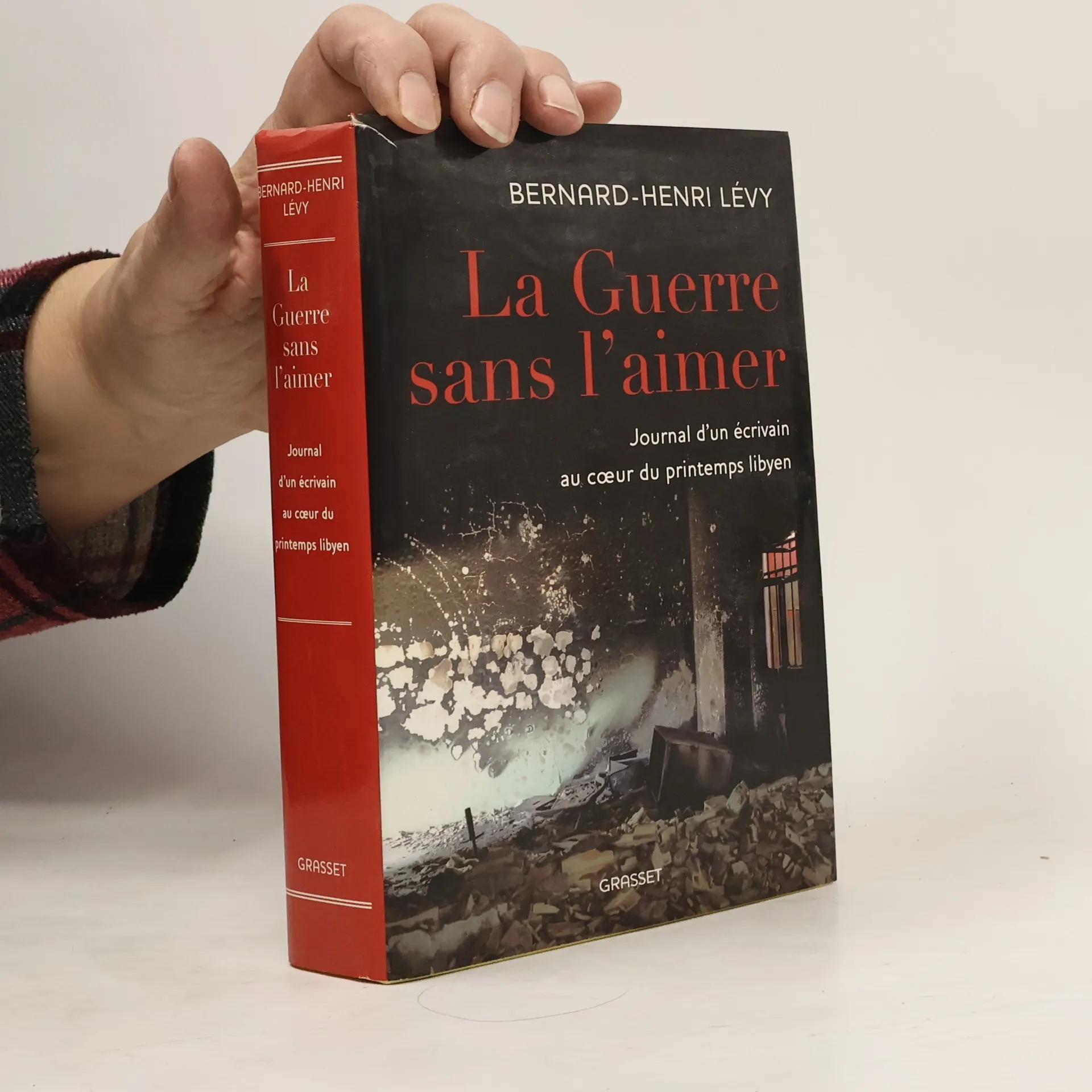
C'est le journal de l’auteur, expurgé, naturellement, de tout ce qui ne concerne pas, de près ou de loin, cette affaire libyenne – mais c'est vraiment son journal, jour après jour, presque heure par heure, pendant la période qu'aura duré cette guerre. Tout commence avec l'arrivée à Tobrouk, dans un camion de légumes brinquebalant. Passent, à travers les pages, des chefs de guerre, des civils devenus combattants, des scènes de reportage, des portraits. Surgit Nicolas Sarkozy à qui Bernard-Henri Lévy, comme on sait, amena les dirigeants du Conseil National de Transition. Un Président africain lâchant son « frère » Kadhafi. Hillary Clinton. Un capitaine de bateau de pêche maltais emmenant l’auteur jusqu’à la ville martyre de Misrata. Les silhouettes d’aînés prestigieux. La mémoire de la guerre d’Espagne. Le souvenir d’un père héroïque dont on se demande, soudain, s’il n’aurait pas pu passer, en 1943, par Bir-Hakeim. Et, bien sûr, chemin faisant, une réflexion de fond sur les printemps arabes – où ils vont, ce qu’ils veulent et ce qu’il est permis d’en espérer. Ou une méditation philosophique sur ce « devoir d’ingérence » qui a été le grand combat d’une génération et qui a trouvé, en Libye, sa première vraie application.
Nach den Kontroversen um den Roman ›Unterwerfung‹ und den persönlichen Anfeindungen gegen seinen Autor ist dieses Duell in Worten aktueller denn je. Bernard-Henri Lévy und Michel Houellebecq sind zwei der wichtigsten Intellektuellen des französischen Literaturbetriebs und erwiesenermaßen »Volksfeinde«: Der umstrittene Philosoph trifft auf den meistgehassten französischen Schriftsteller der Gegenwart. Zwei bekennende Narzissten fragen sich, womit sie den Hass der Öffentlichkeit verdient haben, und sezieren das eigene Image mit kluger Koketterie: ein Schlagabtausch, der ins Private und Politische geht, poetologische Fragen ebenso behandelt wie philosophische und nebenbei glänzend unterhält.
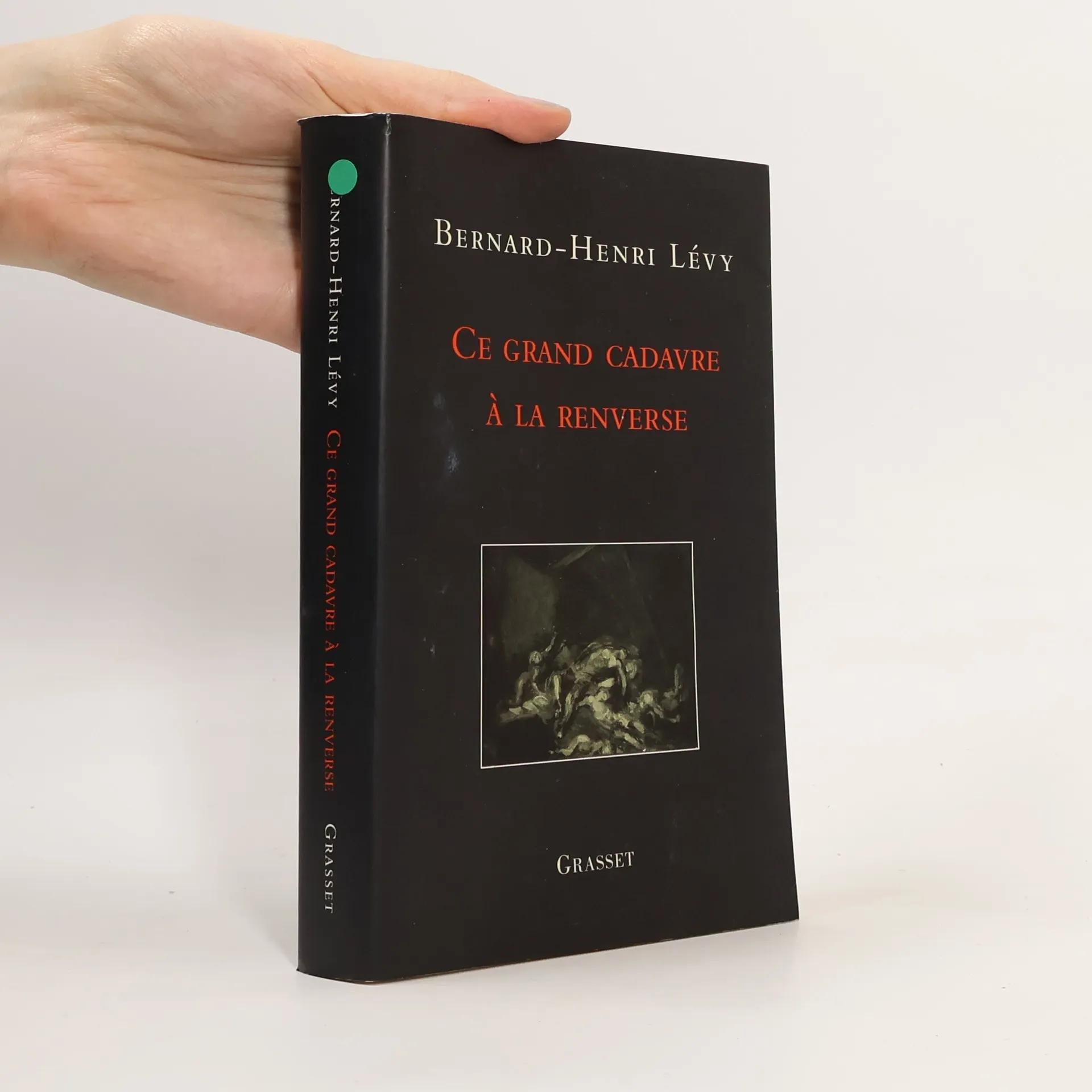
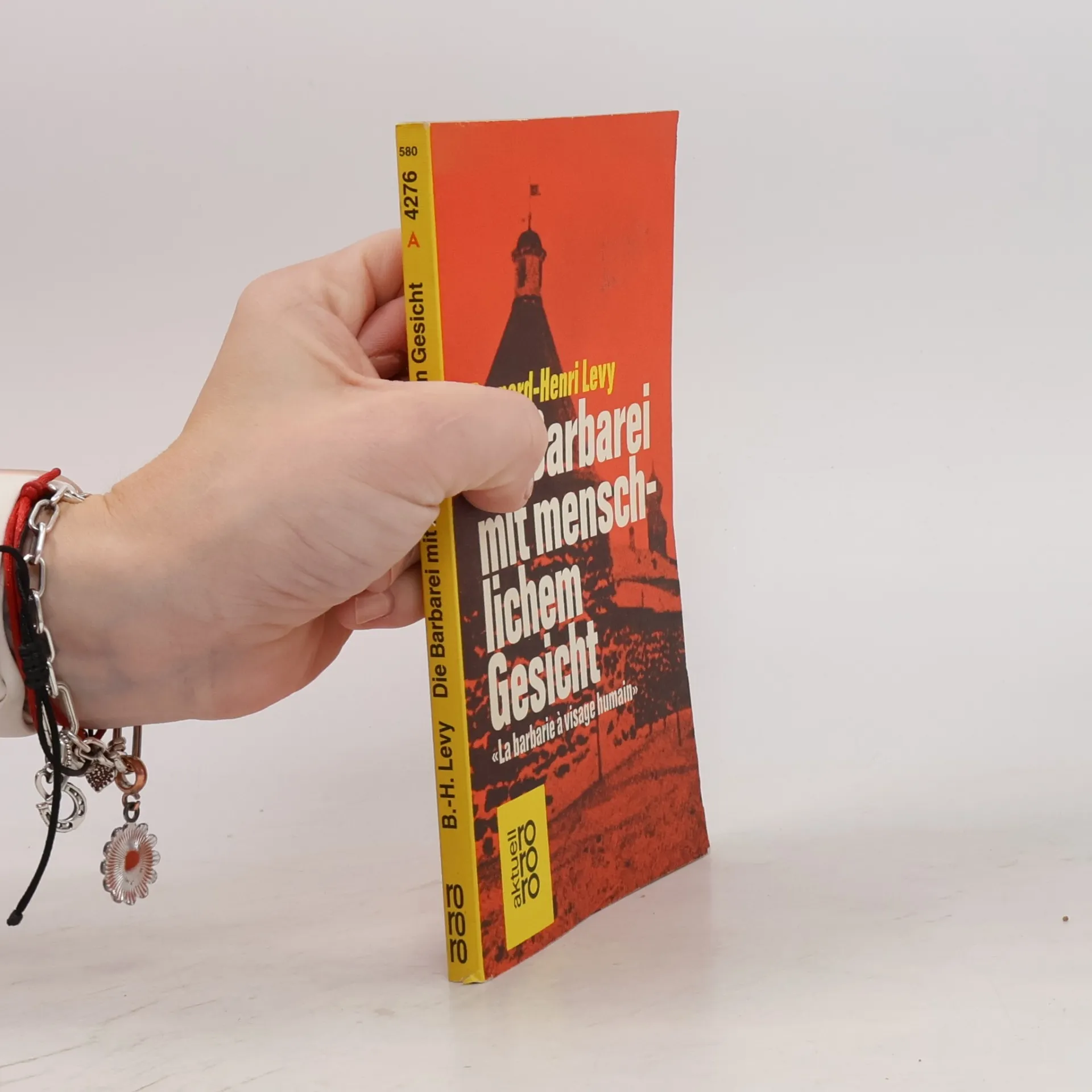
Pour Bernard-Henri Lévy, il semble difficile de ne pas s'inquiéter de l'état de crise, voire de décomposition, du progressisme contemporain. Comment ne pas se souvenir du mot terrible de Sartre qui, dans la préface à Aden Arabie de Paul Nizan, définissait déjà la gauche de son époque comme "un grand cadavre à la renverse où les vers se sont mis"?. Trente ans après ses débuts, Bernard-Henri Lévy retrouve ici l'esprit de ses premiers livres. Et, pour qualifier la nouvelle pathologie qui menace, il propose une hypothèse provocante et féconde: la gauche, selon lui, n'a triomphé de sa première tentation totalitaire (le communisme) que pour verser dans une autre, dont les sources sont à l'autre bord de l'échiquier politique (c'est-à-dire, bien souvent, à l'extrême droite) - elle n'est sortie de la "barbarie à visage humain" que pour retomber dans" l'idéologie française".
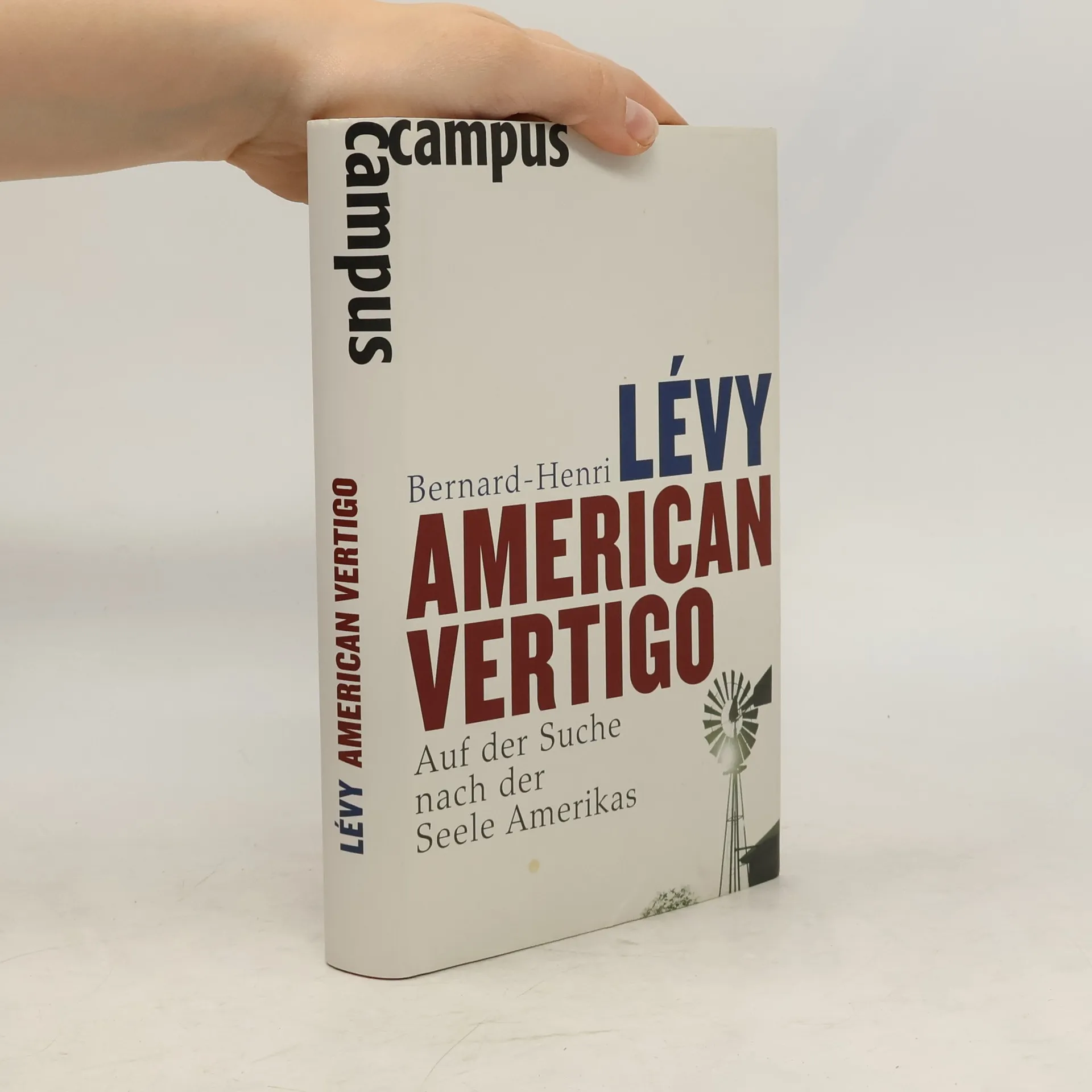
Lévy beschreibt ein Land, in dem Kirchen wie Banken aussehen, Pfarrer wie Rechtsanwälte und Rechtsanwälte wie Türsteher. Vom Gefängnisinsassen zum Geistlichen, von der Barfrau zum Berufsdiplomaten, von Sharon Stone bis Paul Wolfowitz: Lévys Buch lässt unterschiedlichste Stimmen zu Wort kommen, alle aufschlussreich, manche schockierend. Mit dem Blick von außen beschreibt er Patriotismus und Schöpfungsglauben, Zukunftsoptimismus und den amerikanischen Hang zum Übermaß. Neben aller Kritik spart Lévy aber auch nicht mit Bewunderung: Er bestaunt die Offenheit der Gesellschaft, die kulturelle Differenzen zulässt, und die Kraft, sich immer wieder neu zu erfinden.
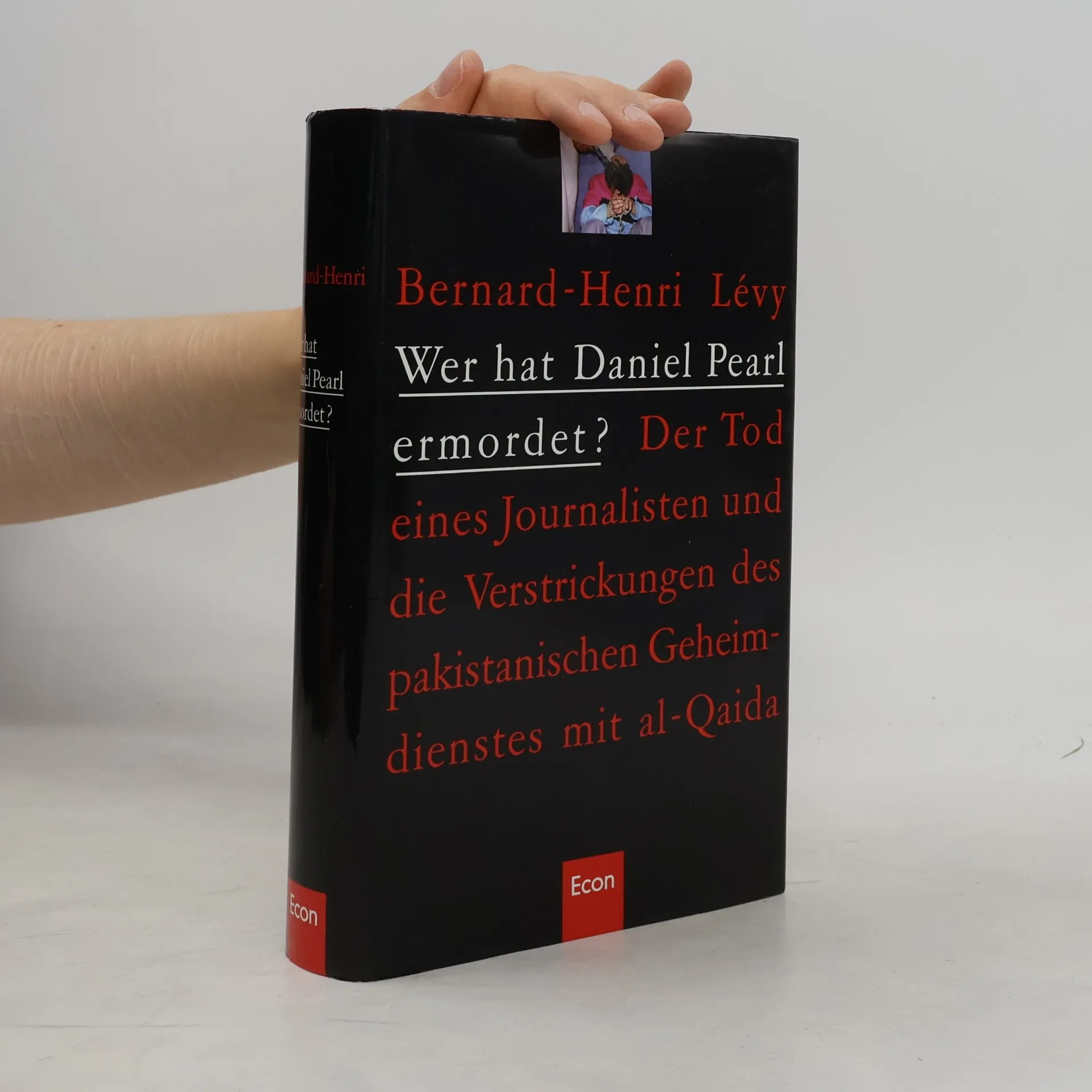
Die Hinrichtung von Daniel Pearl - Südasien-Korrespondent beim 'Wall Street Journal' - vor laufender Videokamera eine Woche nach seiner Entführung am 23. Januar 2002 in Karatchi, Pakistan, erschütterte die ganze Welt und ließ schnell Spekulationen über mögliche Hintergründe dieses schrecklichen Verbrechens aufkommen. Der französische Bestsellerautor Bernard-Henri Lévy hat sich auf die Spuren des Opfers und der Mörder gemacht, in Pakistan, Indien, Amerika und Bosnien recherchiert und dabei erschreckende Zusammenhänge aufgedeckt. Ein spannendes Zeitdokument, das am tragischen Schicksal Daniel Pearls aufzeigt, wie tief der Terrorismus mit der Atommacht Pakistan verstrickt ist.
Est-ce la fin ou le retour de l'Histoire ? Qu'y a-t-il dans la tête d'un kamikaze ? Pourquoi Hegel et Kojève croyaient-ils que le Mal n'a plus d'avenir ? Qu'a confié le commandant Massoud à l'auteur de ce livre en 1981 puis en 1998 ? Que disent les ruines de Sarajevo et de Manhattan ? Comment un Normalien, disciple d'Althusser, se retrouve-t-il, à vingt ans, dans les maquis du Pakistan oriental ? Michel Foucault était-il meilleur journaliste que Hemingway ? Pourquoi la guerre est-elle si «jolie» pour Proust, Apollinaire et Cocteau ? Quand le monde a-t-il basculé de la logique de Clausewitz à celle d'Oussama Ben Laden ? A quoi peut bien servir la philosophie dans les faubourgs de Bogota et de Bujumbura ? Suffirait-il, pour arrêter le massacre, de tendre la main aux damnés du tiers monde ? Que veulent les terroristes ?
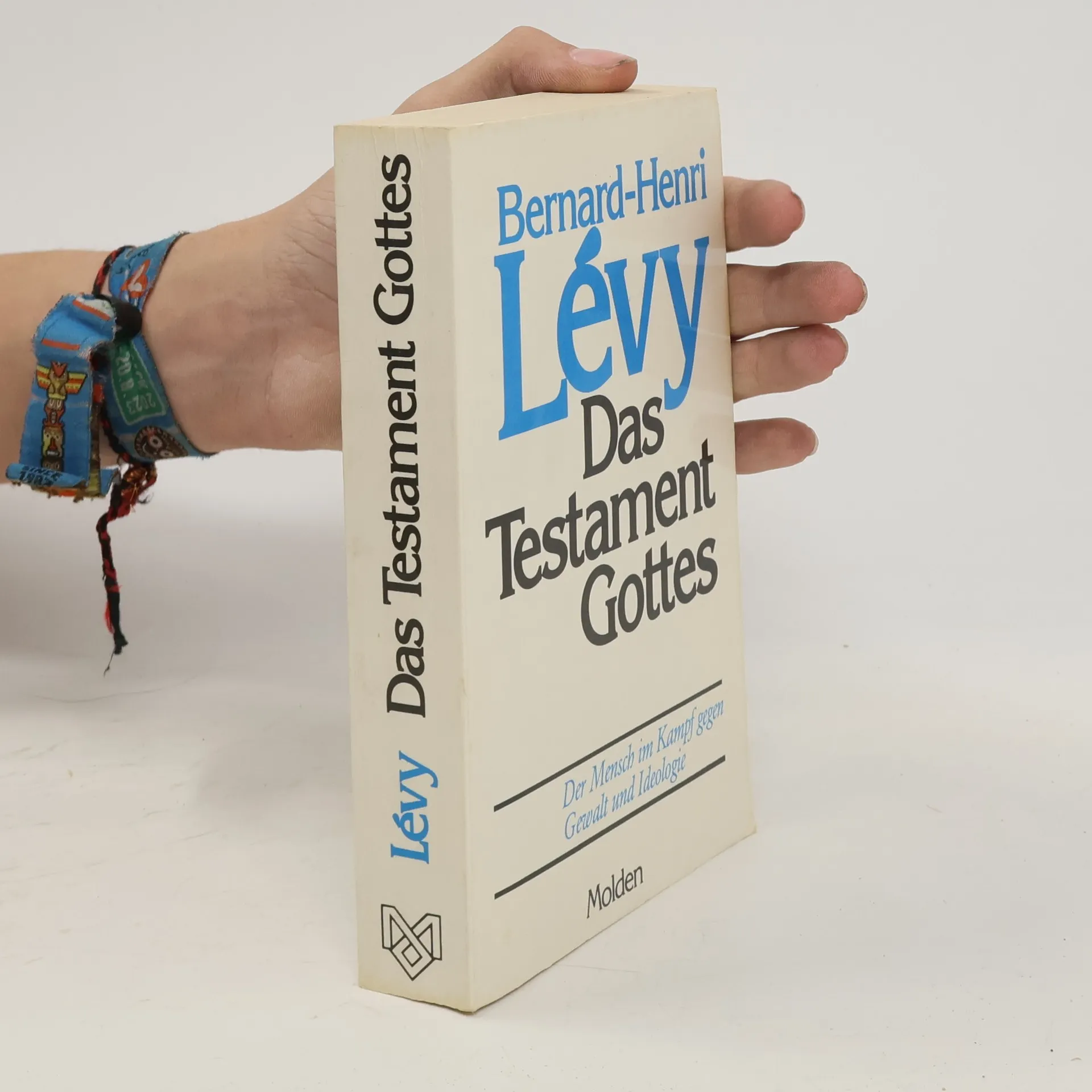
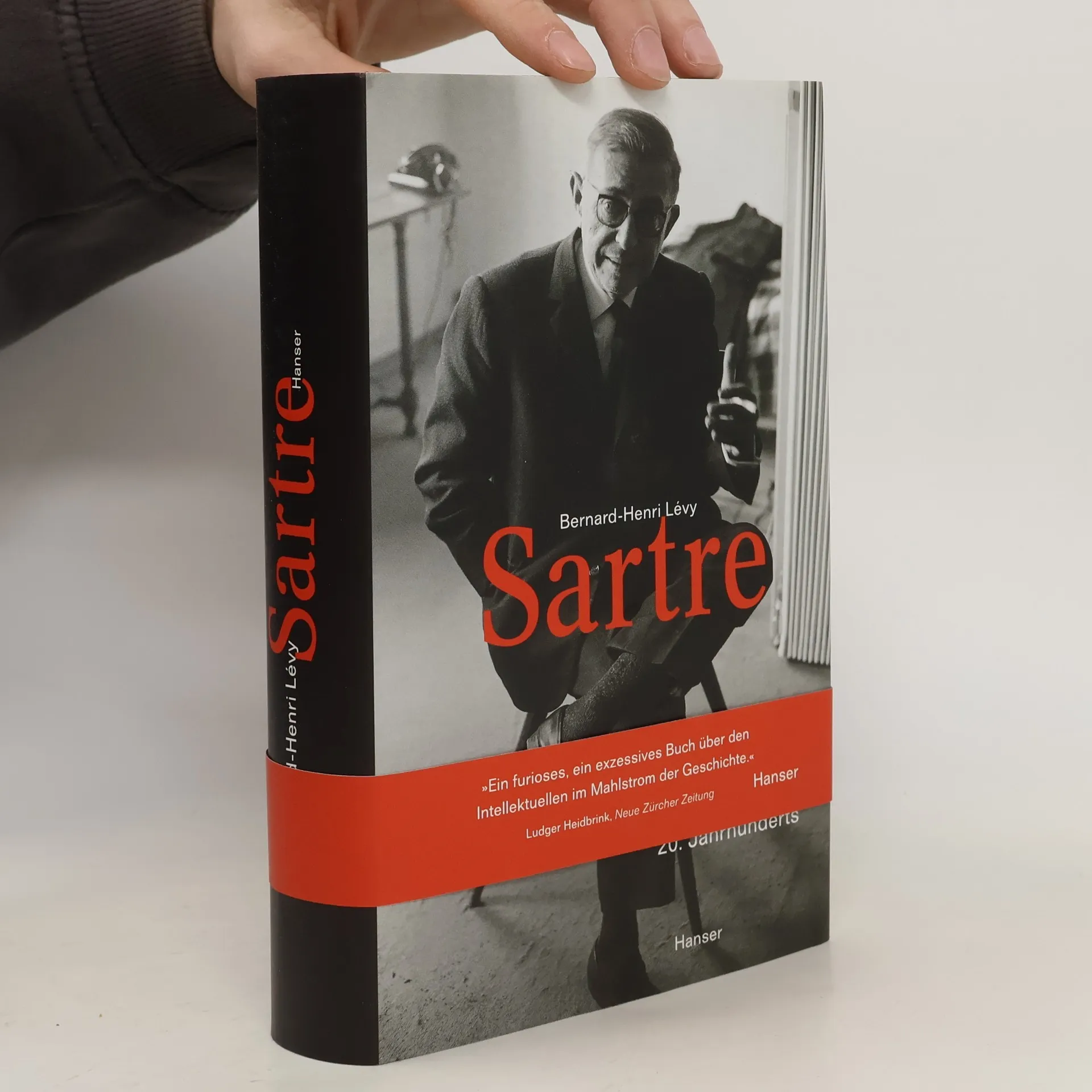
Jean-Paul Sartre: radikaler Denker, Kämpfer für die Menschenrechte, Lebensgefährte von Simone de Beauvoir - wie kein anderer Philosoph verkörpert er das zwanzigste Jahrhundert. Seine Irrtümer waren der Preis seiner radikalen Wahrhaftigkeit, aber sie brachten das Denken weiter als die Vorsicht seiner Kontrahenten. Was aber bleibt von Sartre, nachdem die Debatten über ihn verklungen sind? Lévy entwirft mit seiner brillanten, intellektuellen Biographie, die in Frankreich für großes Aufsehen sorgte, ein neues zeitgemäßes Bild des großen Denkers.
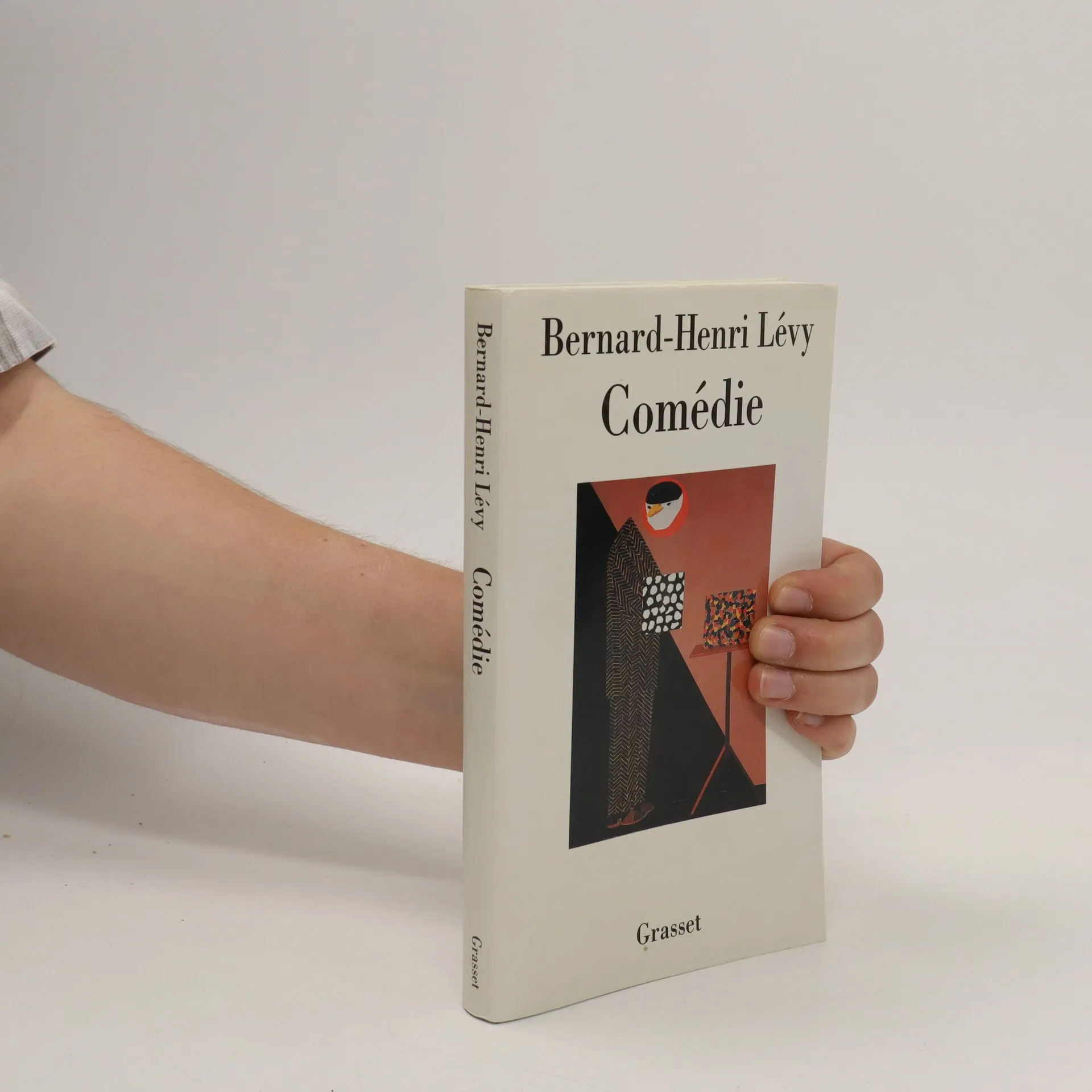
Une comédie ? Oui. La comédie de la vie, de la littérature, du spectacle. La comédie d'un homme qui ne supporte plus la caricature médiatique qu'il est devenu. Cet homme-là, un soir, à Tanger, a rendez-vous avec le "vieux maître" qu'il n'a pas revu depuis trente ans, et il marche dans les rues de la Médina comme d'autres, à mi-vie, dans une forêt obscure. Dans sa tête, un manège de questions : comment se libérer de sa marionnette? Comment dire sa vérité par temps de conformismes et de malentendus généralisés? Combien de vies dans une vie? Pourquoi les femmes savent-elles mieux que d'autres le secret des écrivains? Dans sa tête, encore des figures familières ou rêvées: Romain Gary aux prises avec son double, la dernière heure de Guy Debord, les exploits érotiques d'un certain Medhi, l'identité morcelée de Fernando Pessoa, les morts successives de Louis Althusser. L'acteur de cette "Comédie" prend le parti de tomber le masque: abattre son jeu ou fusiller son "je"? Un monologue intérieur où l'aveu oscille entre le goût du drolatique et le devoir de lucidité.
Dieses Buch ist aus einem Gespräch Lévys mit Salman Rushdie entstanden; einem Gespräch über den Islam, über das Anschwellen des Integralismus und über die Fatwah. „Die Islamisten fordern Europa heraus, sagte er mir. Sie möchten sehen, was die universalen Werte – in ihren Augen – gelten. Sie möchten wissen, bis wohin ihre Liebe geht, und wie sie sich beugen wird“. Das Buch ist in Sarajevo entstanden, in einer Kriegsnacht im Winter 1993. Es hätte auch in Algier entstehen können, als dort ähnliche Verbrechen angezettelt wurden. Oder in Dacca, Bangla Desh, von wo man die Schriftstellerin Taslima Nasreen verbannte. Dieses Buch ist in Paris entstanden, in einer Zeit der Konfusion, in der es keine Stabilität mehr gibt, weder in der Welt noch in den Köpfen. Warum verbindet sich in der Politik das Schlimmste so oft mit einer gewissen Idee der Tugend, einem Ideal der „Reinheit“, in deren Namen zu allen Zeiten und an allen Orten Barbareien begangen wurden und werden? Und können wir hoffen, dieser gefährlichen Reinheit einmal ein Ende zu machen?
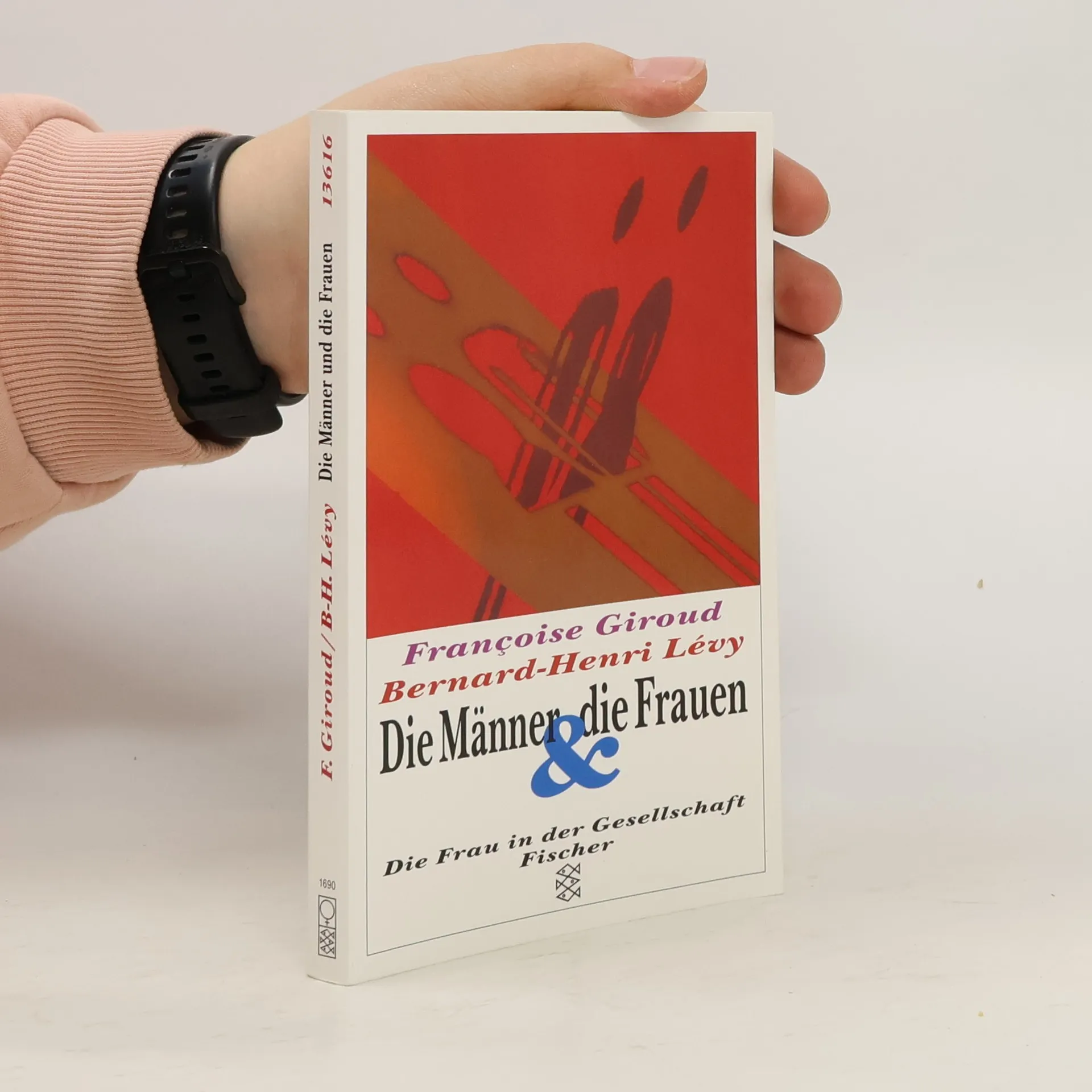
Ein Mann, eine Frau, beide leidenschaftlich in die Debatten und Kämpfe ihrer Zeit verwickelt: die Romanautorin des Bon Plaisir, der Philosoph der Abenteuer der Freiheit. Zwischen ihnen ein Magnetophon und das älteste Thema der Welt: die Liebe und ihr Gefolge, die Eroberung, die Verführung, das Verlangen, die Eifersucht, das Paar, die Entfremdung, die Trennung... Die eine ist überzeugt, dass der Feminismus die Liebesbeziehungen radikal verändert hat; der andere, skeptisch, behauptet die Unvereinbarkeit der männlichen und weiblichen Universen. Doch obwohl die Debatte manchmal lebhaft ist, verlieren Freundschaft und Vertrautheit niemals ihre Gültigkeit, wodurch dieses Gespräch eines Sommers zu einem wahren Fest der Intelligenz wird. Und es ist auch eine authentische Reflexion darüber, was aus den Beziehungen zwischen Männern und Frauen geworden ist, "in dem Bewusstsein, dass viele nicht mehr genau wissen, was es heißt zu lieben".
Contributions : Jerzy Kosinski, François Sureau, Peter Esterhazy, Annie Leclerc, Mario Vargas Llosa, Bernard Sichère. Dossiers : 1492 : un autre regard (suite).
Malraux und Barres gehören sie zur gleichen Legende? Woher kommt die seltsame Treue von Louis Aragon zu einem Kommunismus, der ihm kaum ähnelt? Rekrutieren sich die Maurrassisten nur von der Rechten? War André Breton wirklich der Befreier, für den man ihn hält? Was ging im faschistischen Kopf von Drieu La Rochelle vor? Was bleibt von Bataille, Mauriac, Barthes oder Raymond Aron? Sind Cocteau, Camus, Gide oder Foucault noch unsere Zeitgenossen? Solche Fragen prägen diese Abenteuer der Freiheit. Ist es eine Geschichte der Intellektuellen? Sicherlich. Aber es ist vor allem die Chronik, ja der Roman, der großen Familie, die sie bilden, in der jeder - mythischer Vorfahr, Bastard, verfeindete Brüder... - für immer die Rolle spielt, die er sich gewählt hat. Von der Dreyfus-Affäre bis zum Erwachen des Islam, von Oktober 1917 bis Mai 1968, vom Spanischen Bürgerkrieg bis zur Dekolonisation; vom triumphierenden Sartre bis zum doppelten Tod von Louis Althusser, wird hier unser Gedächtnis und seine Herausforderungen zusammengefasst.
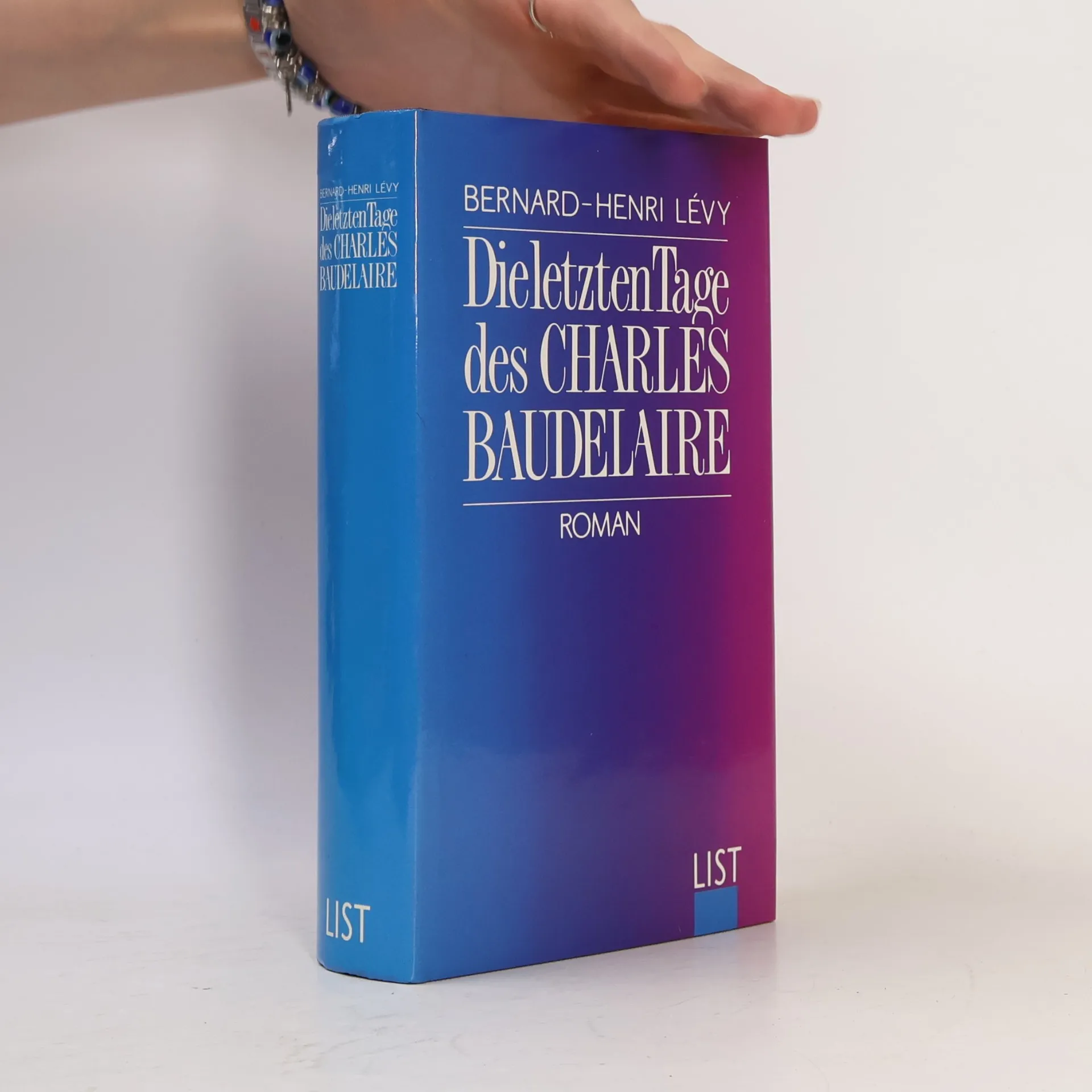
In diesem Roman wird Charles Baudelaire als ein wahrer Held dargestellt, der der Wahrheit und der Vorstellungskraft treu bleibt. Er wird am Ende seines Lebens in einem Hotelzimmer in Brüssel gezeigt, wo er unter den Folgen der Syphilis leidet und allmählich seinen Verstand und seine Sprache verliert. Der Autor erkundet das Geheimnis dieser letzten Tage und hinterfragt, was tatsächlich geschah, während der Dichter der Fleurs du Mal seiner Erinnerung gegenübersteht. Warum hat er sich entschieden, sich sowohl physisch als auch mental zu verlieren und die Welt zu verfluchen? Bernard-Henri Lévy konstruiert seine Erzählung um diesen ins Exil getriebenen Baudelaire, der von seinem Scheitern überzeugt ist und bald aphasisch wird. In einem fast kriminalistischen Ton wird der Leser von einem belgischen Bordell zu postromantischen Kreisen, von einem Abendessen bei den Hugo bis zu den Qualen eines abtrünnigen Priesters geführt. Eine Untersuchung entfaltet sich, die Zeugen wie Jeanne Duval, Sainte-Beuve und Madame Aupick heranzieht, die jeweils ihre Perspektive auf diese langsame Agonie einbringen. Durch ihre Berichte thematisiert der Autor wiederkehrende Motive: Missverständnis, Ruhm, Kunstgriff und die Tragödie unvollendeter Werke, während er die Literatur und ihr Schicksal im Schatten Baudelaires hinterfragt.
Aux confins du monde, entre Inde et Pakistan, le soulèvement d’un peuple à l’ombre des grandes puissances. « Les Indes rouges » sont le démontage lucide et rigoureux d’une insurrection de la liberté. Premier ouvrage de Bernard-Henri Lévy, introuvable depuis dix ans.
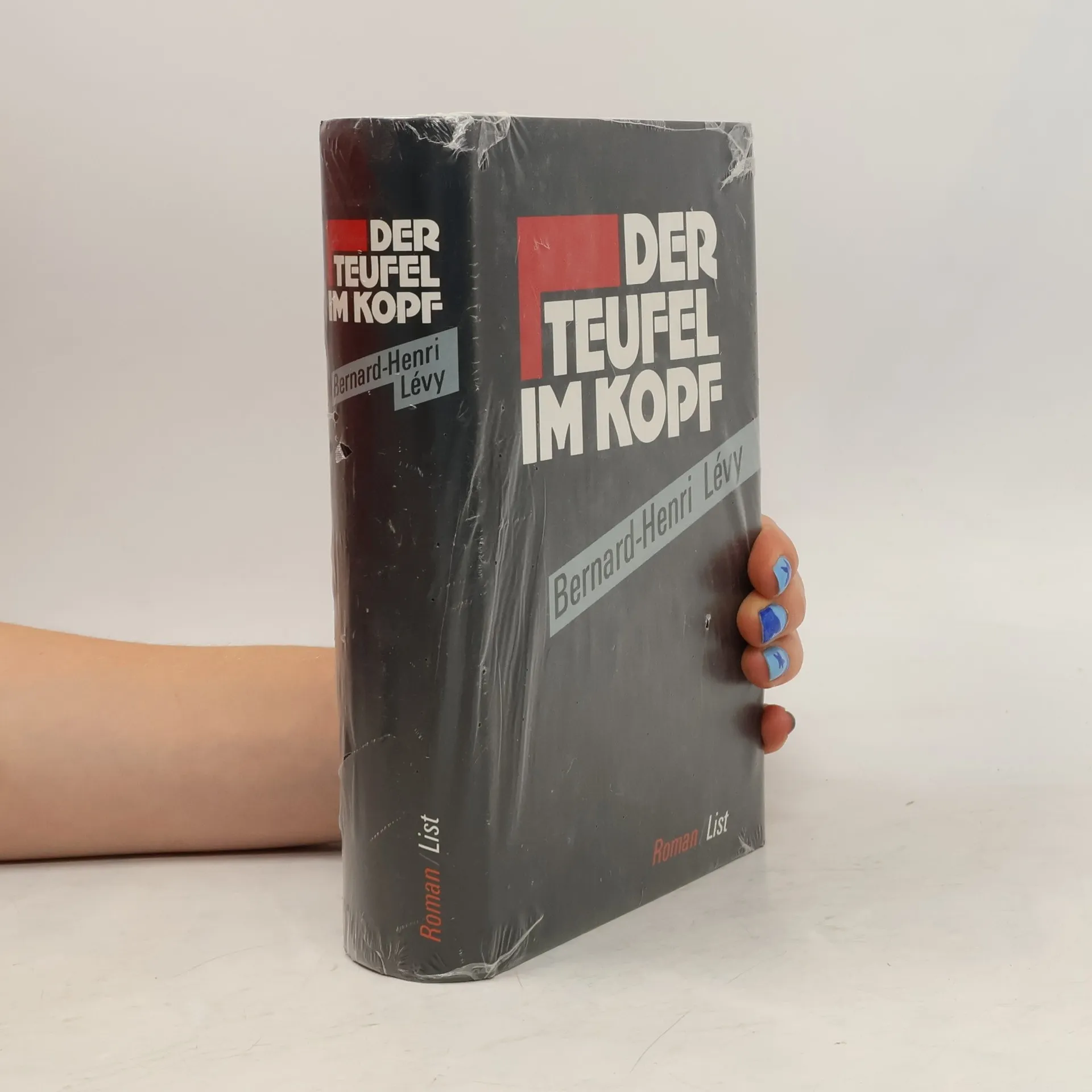
In fünf Kapiteln, die nach einer faszinierenden und gelehrten Architektur organisiert sind, entfaltet sich ein halbes Jahrhundert - von der letzten Kriegszeit, dem algerischen Konflikt, den 60er Jahren, dem maoistischen Abenteuer, bis hin zur von Terroristen angeheizten Dekade der 70er Jahre, bis hin zur Gegenwart, in der dieser wandernde, kosmopolitische und tentakelartige Roman endet. Er beleuchtet eine Epoche voller Farben, Schrecken und trotz allem Hoffnungen.
Ich wende mich hier gerade an die Linke, an die etablierte Linke, sie habe ich im Visier, ihren Drang zur Spiegelfechterei und zur Ignoranz. Ich rede zu ihr, natürlich; sie ist ja meine Familie, ich spreche ihre Sprache; und ich glaube, da ihr s nun mal an Wissenschaft gebricht, an ihre Moral. Ich habe jene Sozialisten im Auge, die in diesen Zeiten nächtlicher Waffenwacht und politischer Trunksucht den Mut und die Würde besitzen, von sich zu sagen: "Ich bin eine edle Seele", und die Fackel der Einsicht so hoch halten, wie es irgend geht. Für sie schreibe ich, denn sie sind die Schildwachen einer Welt, in der es ohne sie noch ärger zuginge.