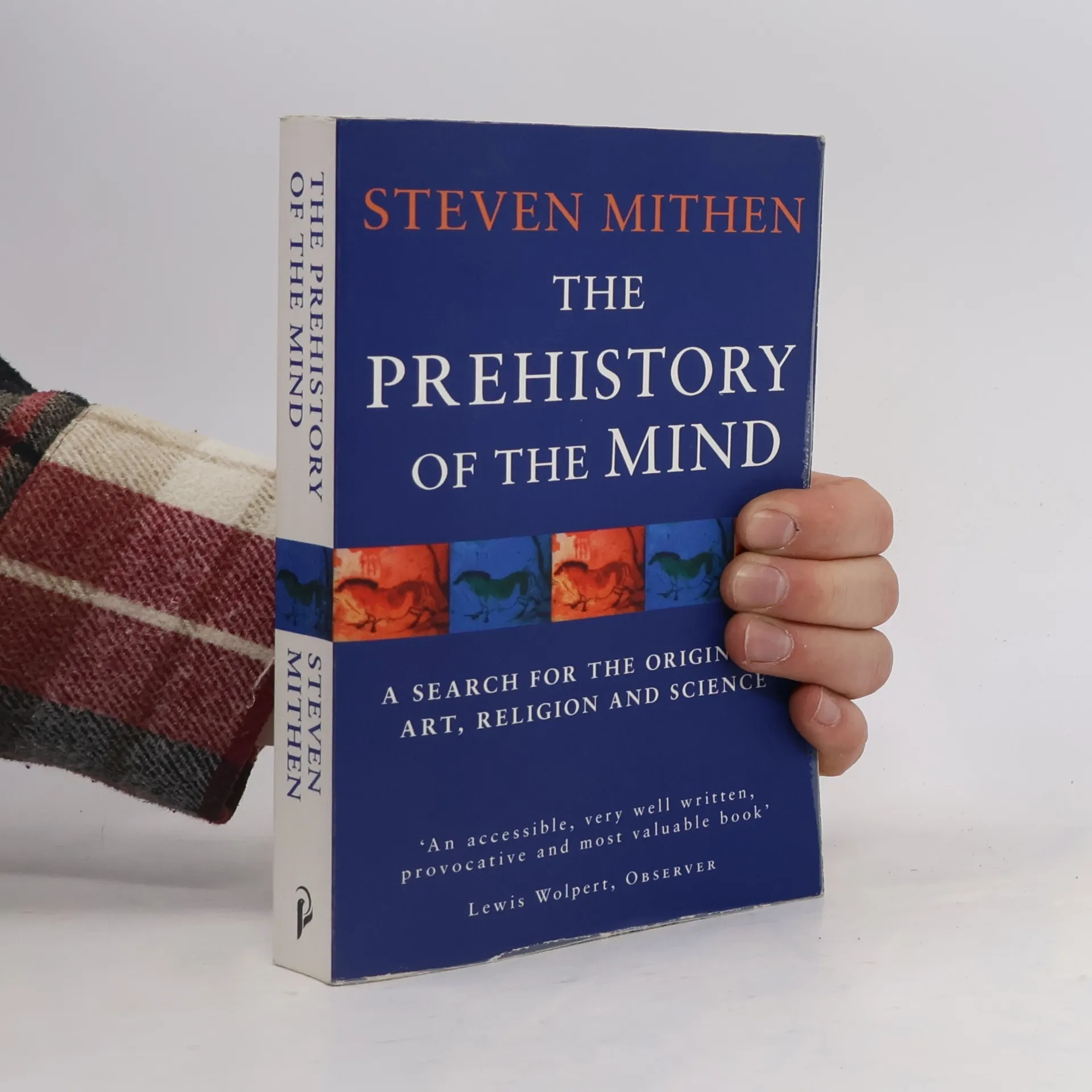
Since the 1980s consensus opinion is that the mind is like a collection of specialised modules each tasked for a specific purpose. The author seeks to elucidate and account for this theory and explain what it means to be human in this context.
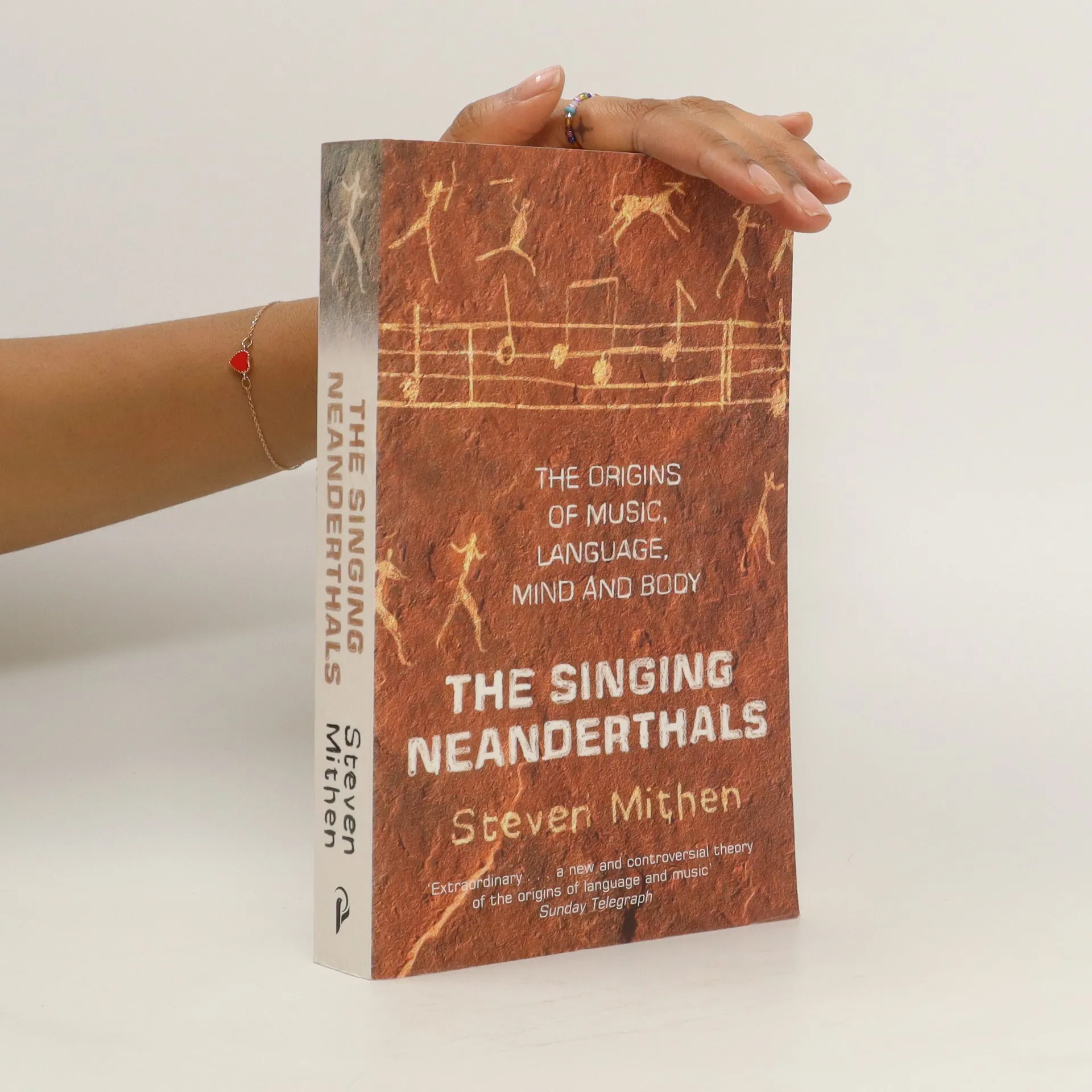
Along with the concepts of consciousness and intelligence, our capacity for language sits right at the core of what makes us human. But while the evolutionary origins of language have provoked speculation and impassioned debate, music has been neglected if not ignored. Like language it is a universal feature of human culture, one that is a permanent fixture in our daily lives. In THE SINGING NEANDERTHALS, Steven Mithen redresses the balance, drawing on a huge range of sources, from neurological case studies through child psychology and the communication systems of non-human primates to the latest paleoarchaeological evidence. The result is a fascinating and provocative work and a succinct riposte to those, like Steven Pinker, who have dismissed music as a functionless and unimportant evolutionary byproduct.
A fantastic voyage through 15,000 years of history that laid the foundations for civilisation as we know it by award-winning science writer Steven Mithen.Twenty thousand years ago Earth was in the midst of an ice age. Then global warming arrived, leading to massive floods, the spread of forests and the retreat of the deserts. By 5,000 BC a radically different human world had appeared. In place of hunters and gatherers there were farmers; in place of transient campsites there were towns. The foundations of our modern world had been laid and nothing that came after - the Industrial Revolution, the atomic age, the internet - have ever matched the significance of those events. AFTER THE ICE tells the story of climate change's impact during this momentous period - one that also saw the colonisation of the Americas and mass extinctions of animals throughout the world. Drawing on the latest cutting- edge research in archaeology, cognitive science, palaeontology, geology and the evolutionary sciences, Steven Mithen creates an evocative, original and remarkably complete picture of minds, cultures, lives and landscapes through 15,000 years of history.
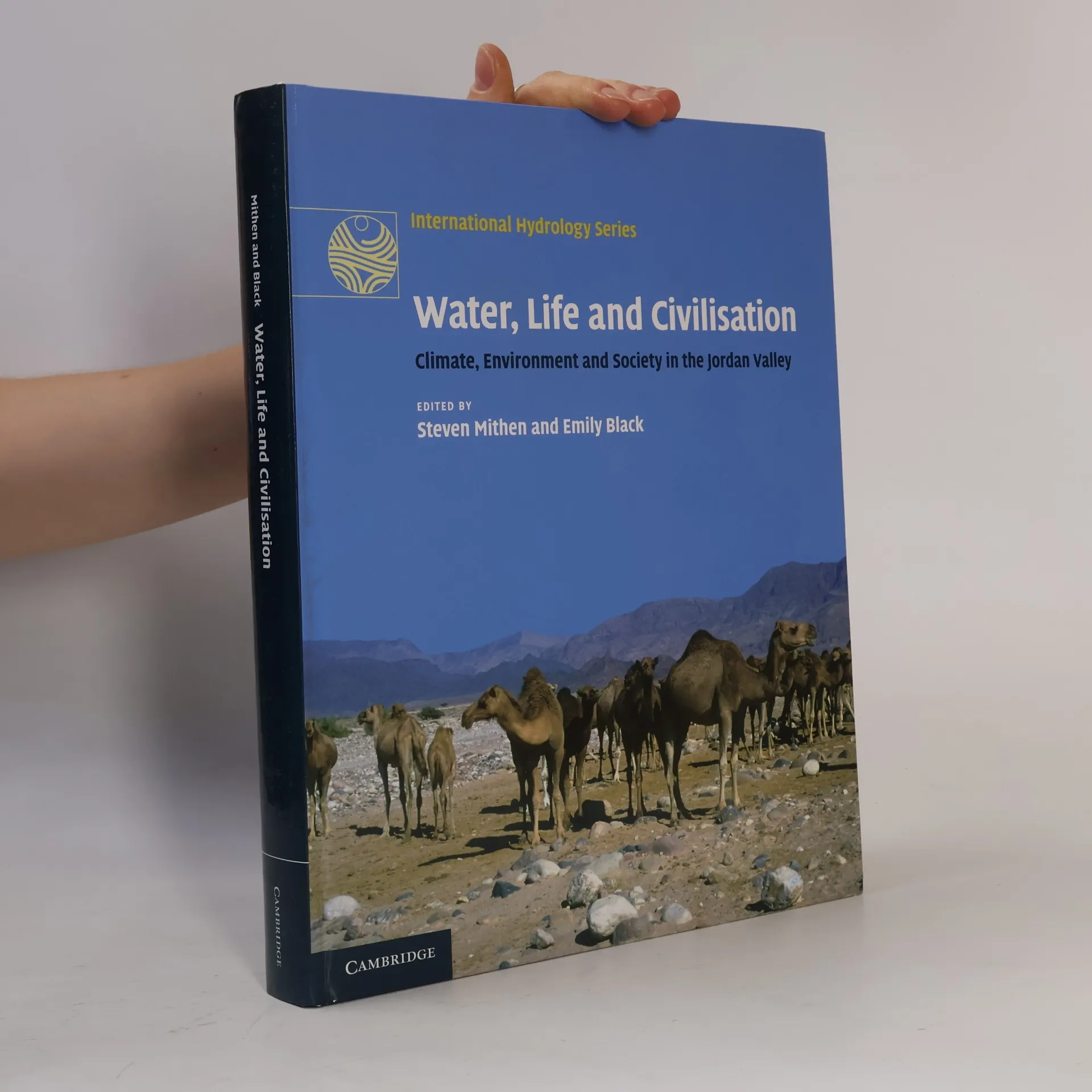
Climate, Environment and Society in the Jordan Valley
520 Seiten
19 Lesestunden
A unique interdisciplinary study of the relationships between climate, hydrology and human society from 20,000 years ago to the present day within the Jordan Valley. It describes how state-of-the-art models can simulate the past, present and future climates of the Near East, reviews and provides new evidence for environmental change from geological deposits, builds hydrological models for the River Jordan and associated wadis and explains how present day urban and rural communities manage their water supply. The volume provides a new approach and new methods that can be applied for exploring the relationships between climate, hydrology and human society in arid and semi-arid regions throughout the world. It is an invaluable reference for researchers and advanced students concerned with the impacts of climate change and hydrology on human society, especially in the Near East.
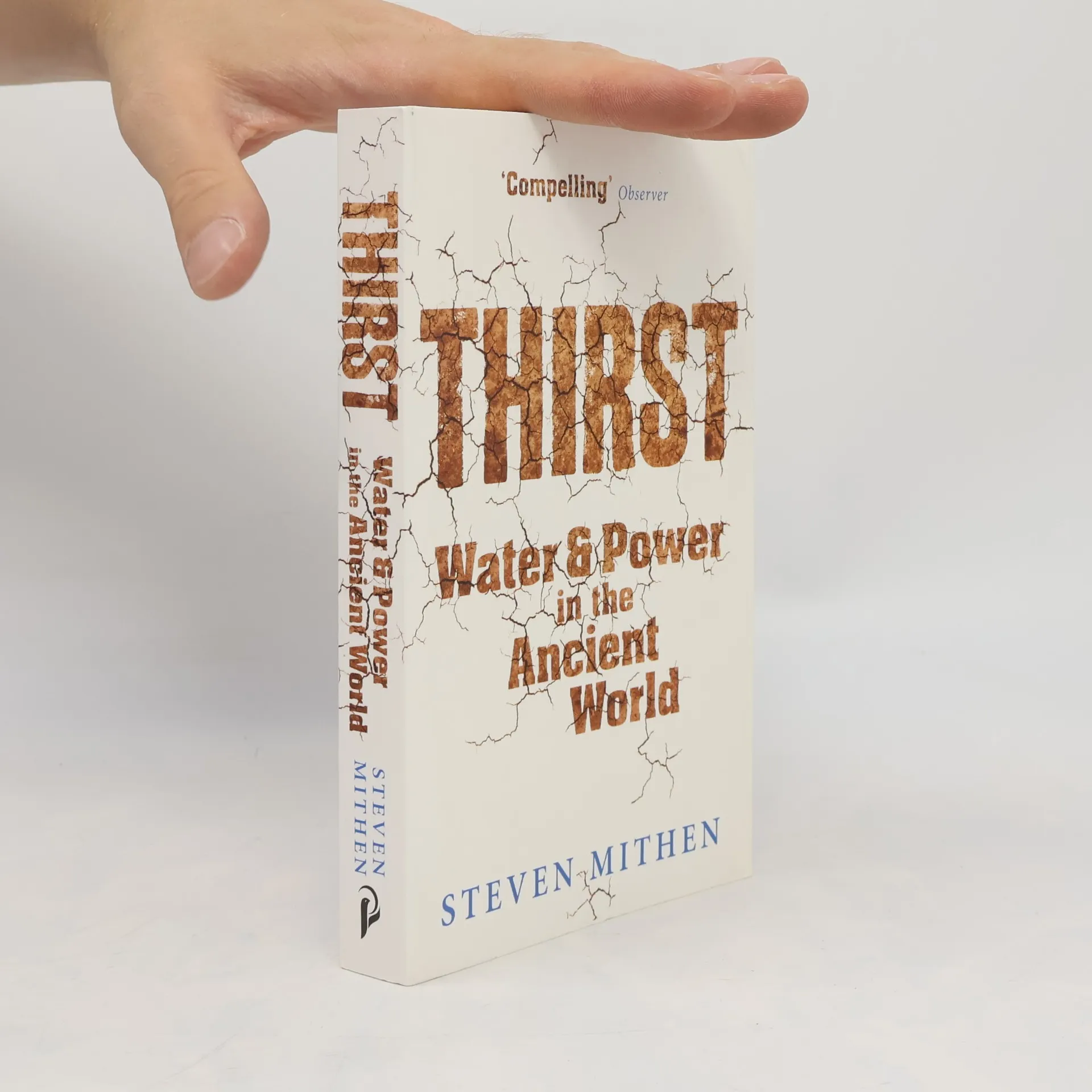
Steven Mithen's unique history of water and society in the ancient world has never been told before and is particularly relevant today in the face of global climate change.