Der dritte Schatten
- 429 Seiten
- 16 Lesestunden


Dieser Autor entdeckte schon in jungen Jahren seine Liebe zum Lesen, wobei seine früheste literarische Erinnerung Winston Churchills Autobiografie ist. Bereits im Alter von zwölf Jahren wurde eine Kurzgeschichte von ihm von einem Englischprofessor in Oxford als Studienmaterial verwendet, ein Höhepunkt, an den er sich gerne erinnert. Obwohl er das Schreiben zunächst nicht als Karriere verfolgte und stattdessen in die Geschäftswelt einstieg, ist er nun im späteren Leben zu seiner lebenslangen Leidenschaft zurückgekehrt. Mit Unterstützung seiner Familie widmet er sich dem Schreiben, der Schaffung eigener Charaktere und dem Erzählen seiner eigenen Geschichten, um endlich seiner kreativen Berufung nachzukommen.
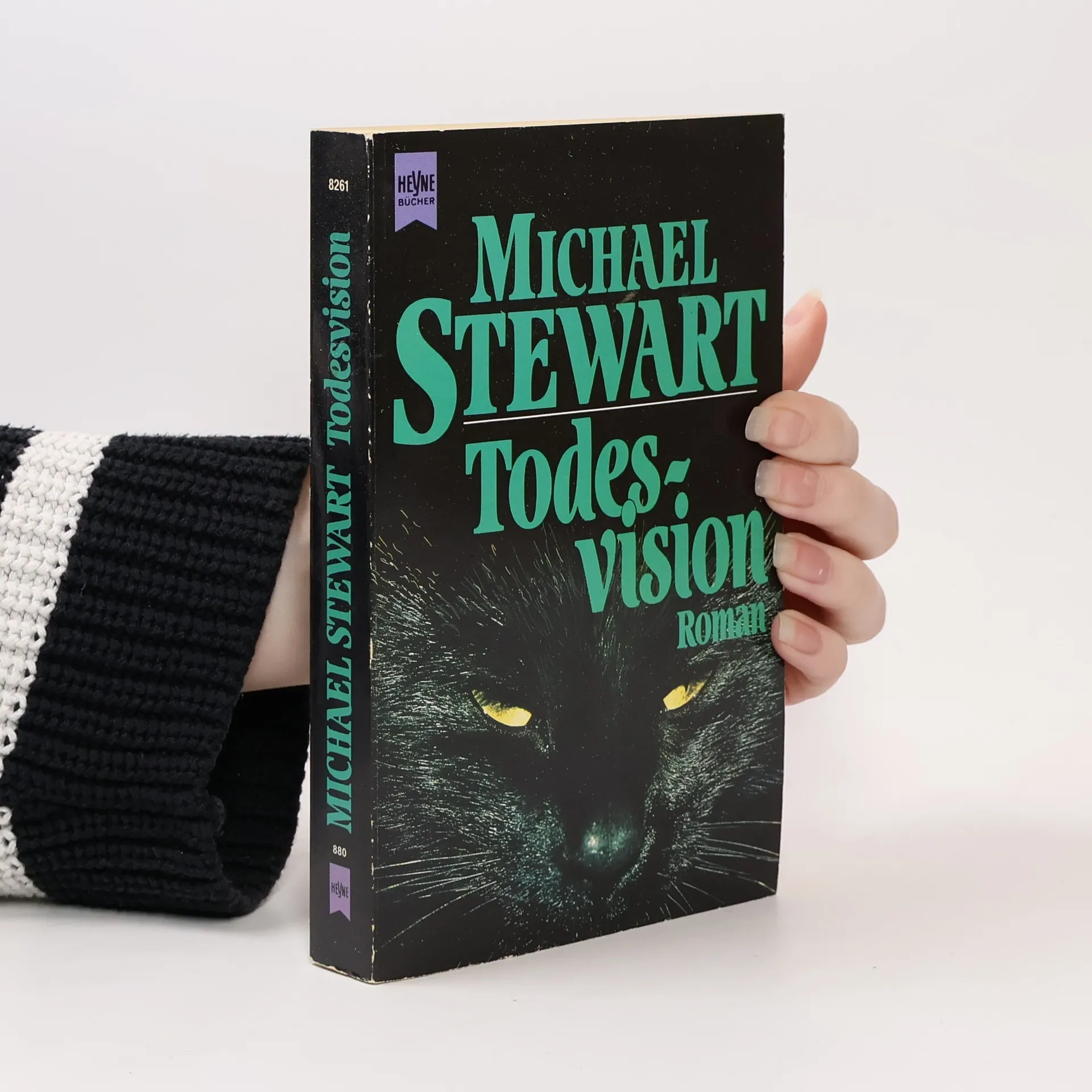

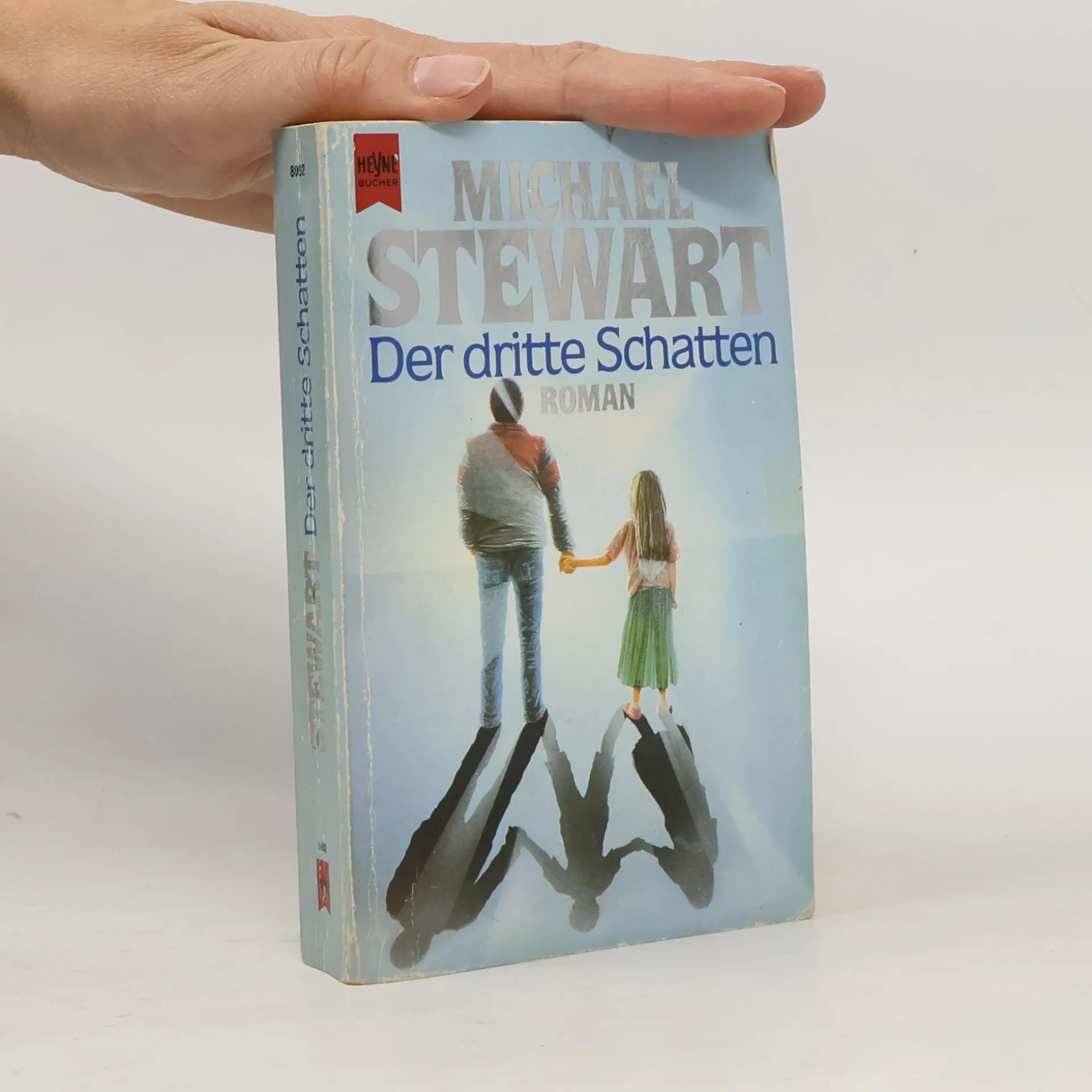
Während er für die Abschlussprüfungen lernt, nimmt der querschnittsgelähmte Allan Mann einige Pillen, die die Lernfähigkeit seines Primatenbegleiters erhöhen sollen, und bald beginnen der Mann und sein Affe, sich überlappende Träume zu haben.
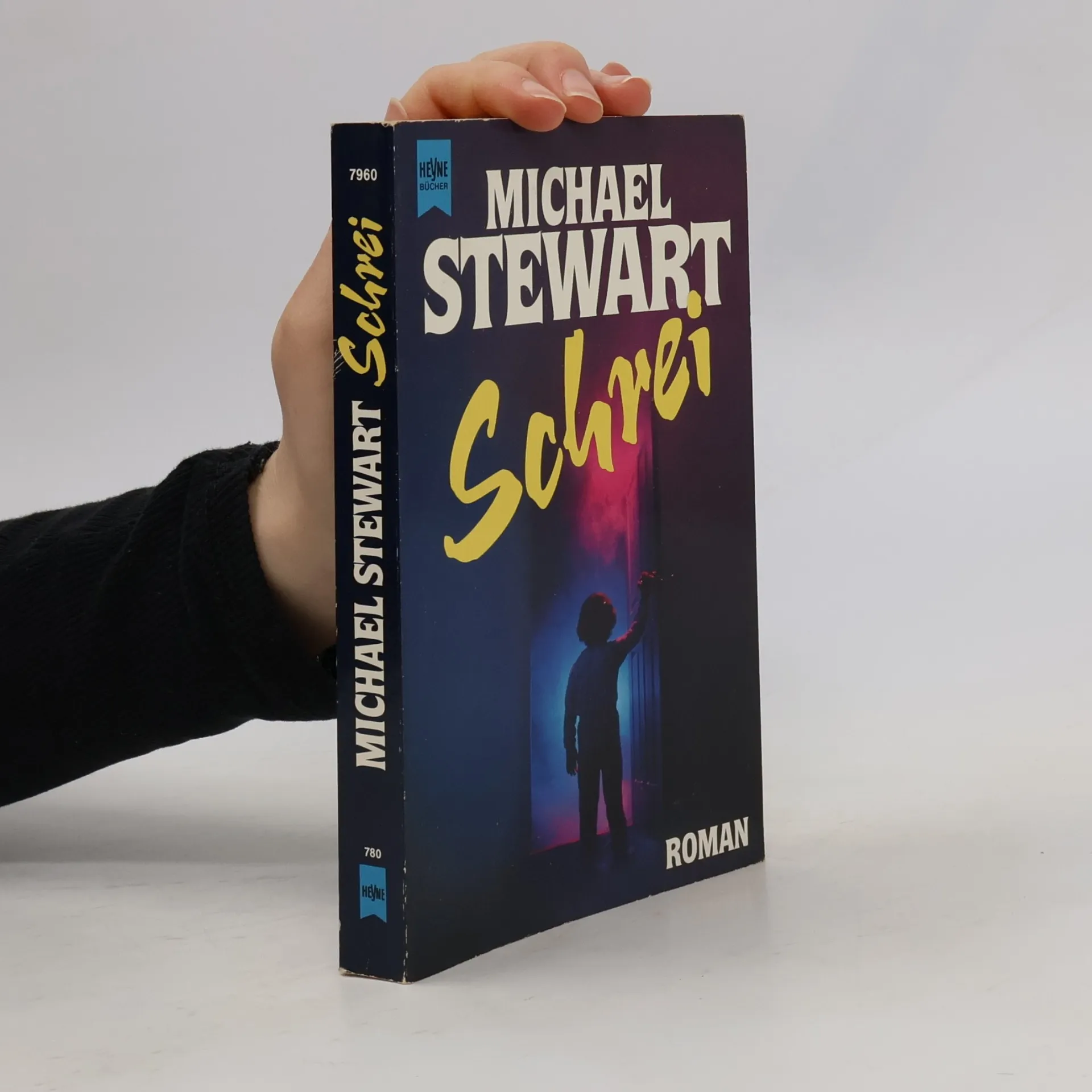
Die Bemühungen, Jonathans scheinbar gespaltene Persönlichkeit durch fortschrittliche Gehirnforschung zu heilen, verschlimmern die Situation nur und vereinen die Zwillingswelten des kleinen Jungen von Gut und Böse in einem erschreckenden Übel.
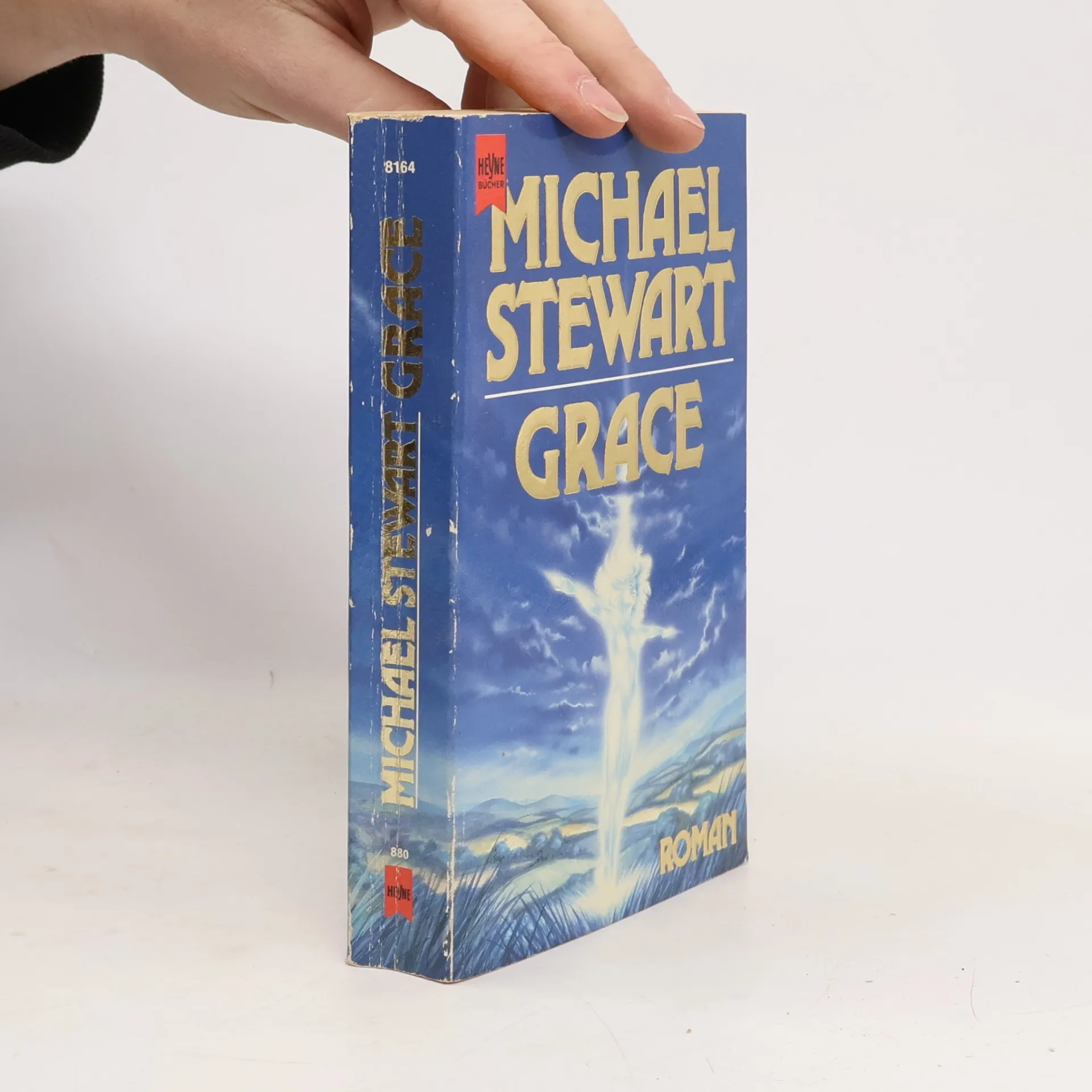
Grace Holmwood sieht Dinge: helle Lichter, das Bild ihrer toten Zwillingsschwester, sogar die Jungfrau Maria. Doch als Grace schwanger wird, während sie noch Jungfrau ist, bringt die Aussicht auf eine unbefleckte Empfängnis ein lange verborgenes Geheimnis im Dorf ans Licht – ein Geheimnis, das Dr. Leonard Grigson, einem Spezialisten für die Auswirkungen von Strahlung auf das Gehirn, wohl bekannt ist.
See through the eyes of the Brontes as you immerse yourself in their lives and landscapes, wandering the very same paths they each would have walked in search of the inspiration behind their novels and poetry. An 'imaginative and elegant trek through the landscape of the Brontes' Grazia
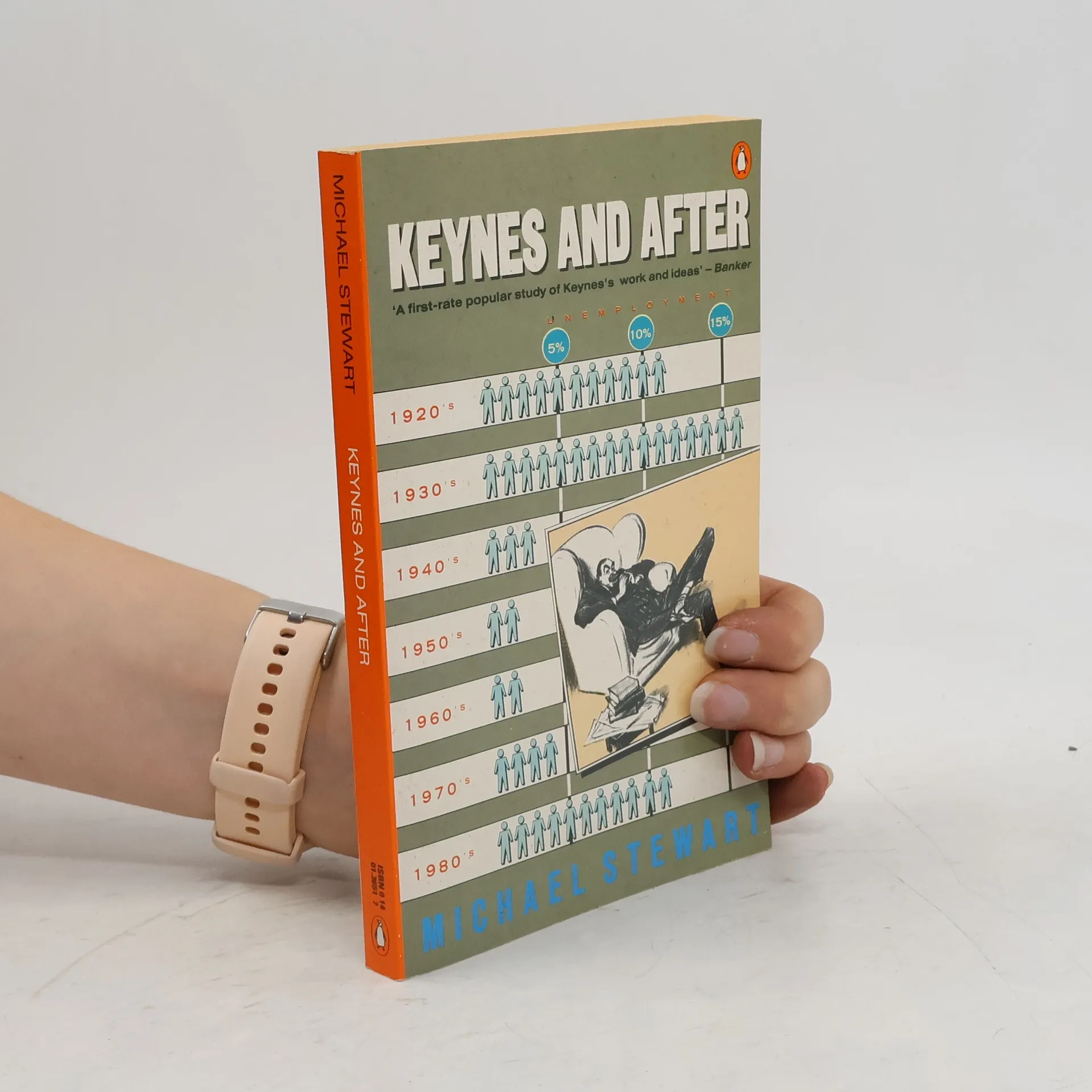
Keynes's ideas have revolutionized our lives. Before the publication of the General Theory, economists were on the touchline, passively watching the economy perform; now they are on the field as players, manipulating the conditions of economic life. Yet Keynes was not merely a theoretical economist. During both wars he was probably the most important figure at the Treasury, and the modern International Monetary Fund is partly his creation. Since the 1930s millions of people who have never heard of Keynes's work have owed their livelihood to his ideas and policies. But if we are all Keynesians now, are our problems the by-products of the Keynesian system? Can his ideas, which have banished the spectre of international recession, cope with the difficulties of an inflationary world? Is full employment threatened by a shortage of international liquidity, and is persistent unemployment in the U.S. an indication that Keynesian theory cannot answer the problems of automation? Are rising prices inevitable, and why is Britain constantly running into balance-of-payments crises? These questions are posed and answered this this new Pelican by Michael Stewart, whose clear and straightforward account of Keynes's life and ideas and of their status in the modern world should be a boon to intelligent people of any age and educational level.
Die junge Pathologin Laurie Montgomery arbeitet am New Yorker Gerichtsmedizinischen Institut. Als sie mehrere Drogentote obduziert, die alle aus den besten Kreisen stammen, drängt sich ihr die Überzeugung auf: Das Kokain, das sich die Toten infiziert haben, muß aus derselben Quelle stammen und verunreinigt sein. Laurie bittet ihren Chef, die Öffentlichkeit zu warnen. Doch dieser lehnt ab. Einer der Toten ist Duncan Andrews, dessen Vater für den Senat kandidiert und seine Beziehungen spielen ließt, damit nichts über die wahre Todesursache nach außen dringt. Auch Lou Soldano vom Morddezernat winkt ab, als Laurie mit ihm über ihre Theorie spricht. Ihn interessieren Drogentote nicht, er hat genug damit zu tun, eine Serie von geheimnisvollen Morden aufzuklären, die an wohlanständigen Bürgern verübt wurden. So versucht Laurie, auf eigene Faust hinter das Geheimnis zu kommen. Eine heiße Spur führt in den Operationssaal eines Spezialisten für Hornhautverpflanzungen. Als sich herausstellt, daß die Drogentoten alle Organspender waren, und als auch Lou die Lösung seiner Fälle vor Augen hat, gerät Laurie in tödliche Gefahr.
Greater love hath no man.. That, at least, was what genetic researcher Jake Chalmers told himself, and his wife Alex, when he did everything in his power to ensure their daughter Sophie would be exceptional in every way, a prodigy. Especially after what had gone wrong with their first child, Danny. Jake was determined that Sophie would prove to be the genius he had hoped for. But what happens when feelings seem to take second place to intellect in a child's life? What happens when that child's closest emotional bond is suddenly and finally ruptured? And what happens when the basis of the so-far-successful experiment begins to go tragically, frighteningly wrong? As Sophie grows to realise the full, sometimes unforeseen potential of her prodigious talent, Prodigy raises itself to levels of almost unbearable tension, in a story of a love that goes too far, then goes terribly wrong.
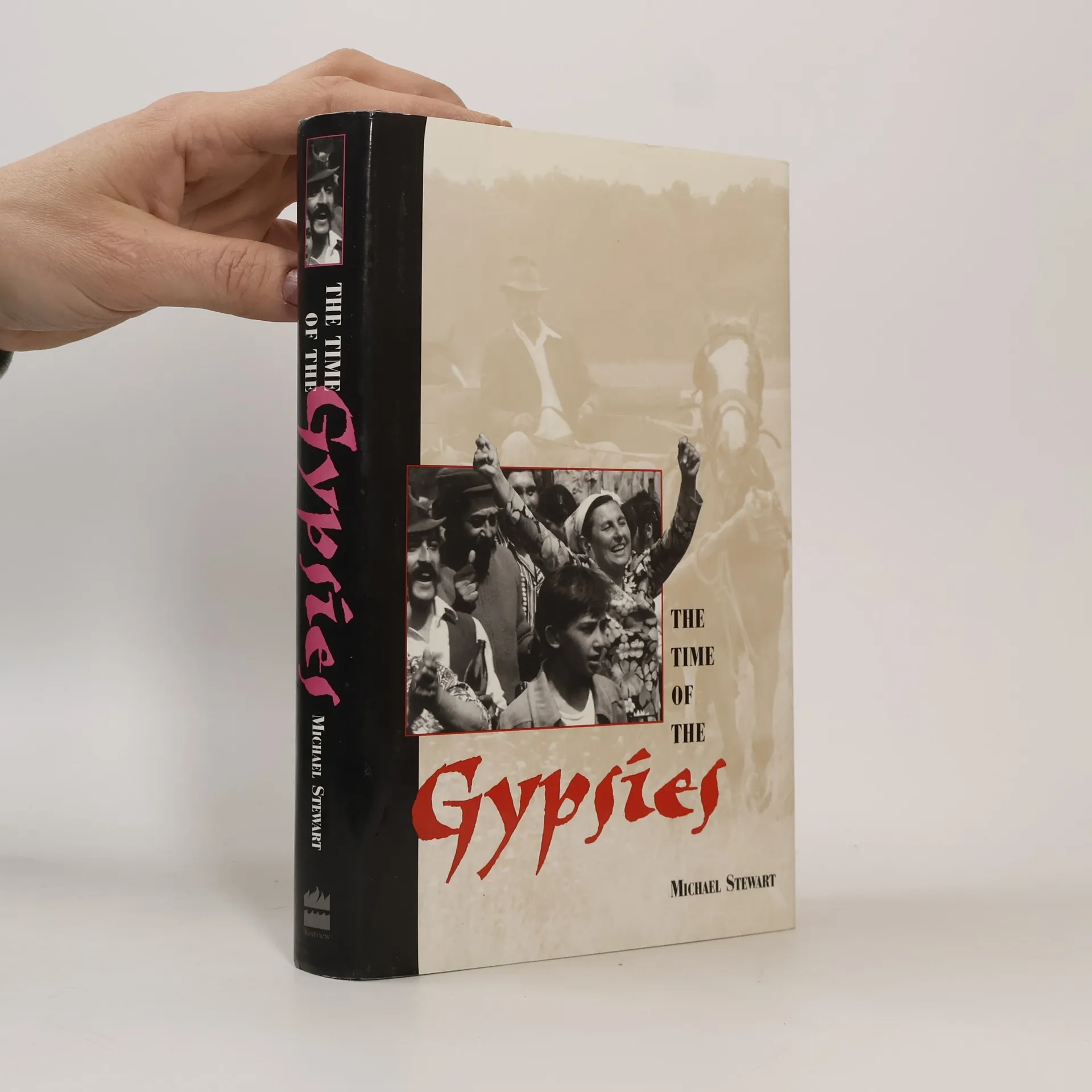
Until 1989, Communist policy in Eastern Europe aimed to assimilate Gypsies into the working class. Since then, they have become scapegoats in the post-communist era, facing increased violence and discrimination. In the first six years after communism, more Gypsies suffered from racist attacks than in all of World War II. Today, they are marginalized, feared, and often hated, reminiscent of the historical treatment of Jews. The narrative focuses on the Rom, a group of Gypsies who resist assimilation and strive to maintain their cultural identity. It explores the roots of cultural diversity in modern society and the fear that such differences can provoke. Central to the book is the author's eighteen months of immersion in a Gypsy settlement, where he observes the celebration and reinvention of their culture, often dismissed by outsiders as primitive or uncivilized. As the only journalist to have lived within this community and learned their language, the author shares his journey of discovery, revealing insights into their way of life. Seemingly trivial events, like a Gypsy woman sitting on his hat, become key to understanding how this unique people, without a homeland and distinct from other diasporas, have managed to thrive.
Grace Holmwood sees things: bright lights, the image of her dead twin, even the Virgin Mary. But when Grace becomes pregnant while still a virgin, the prospect of an immaculate conception unearths a secret long buried in the village--a secret well known to Dr. Leonard Grigson, a specialist in the effects of radiation on the brain.
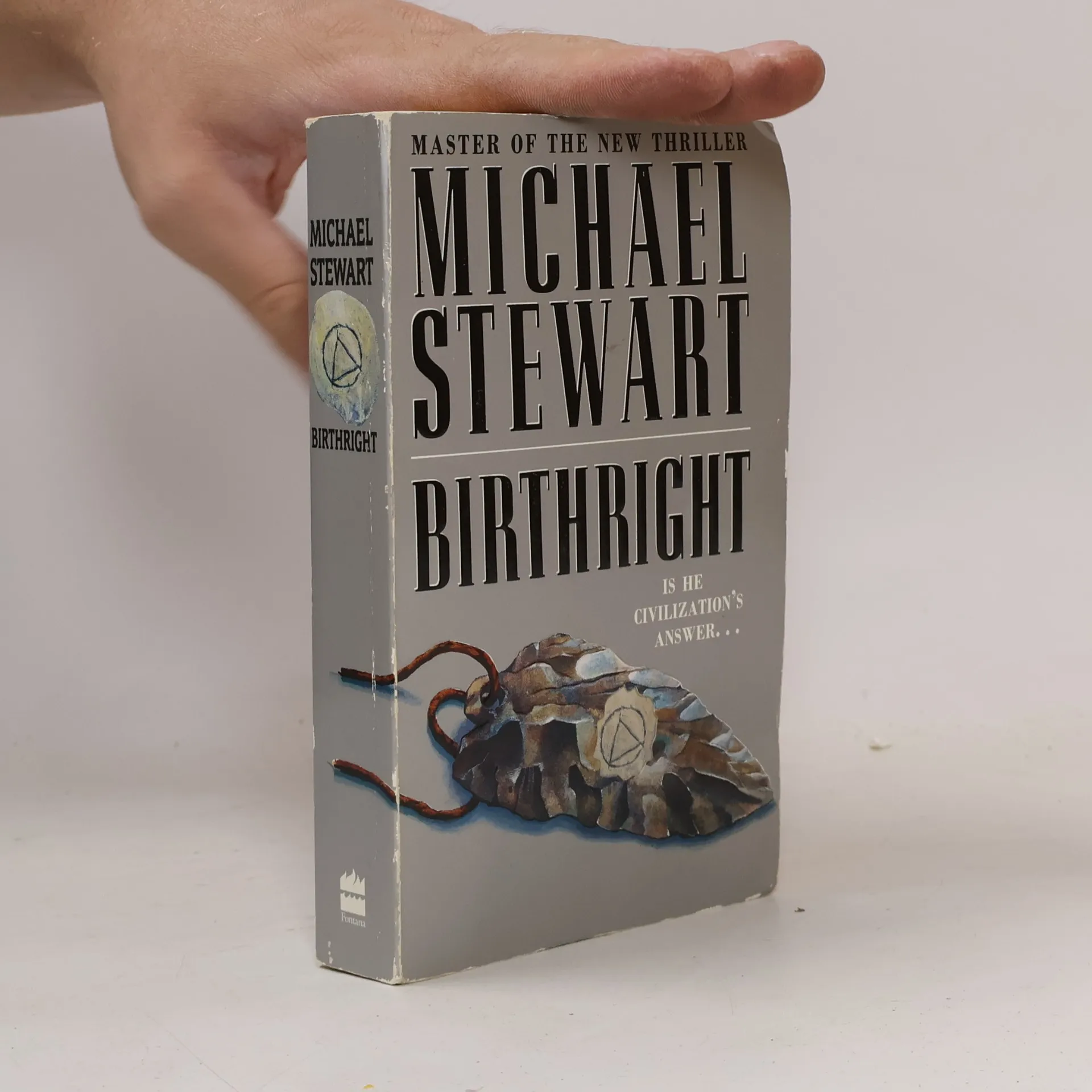
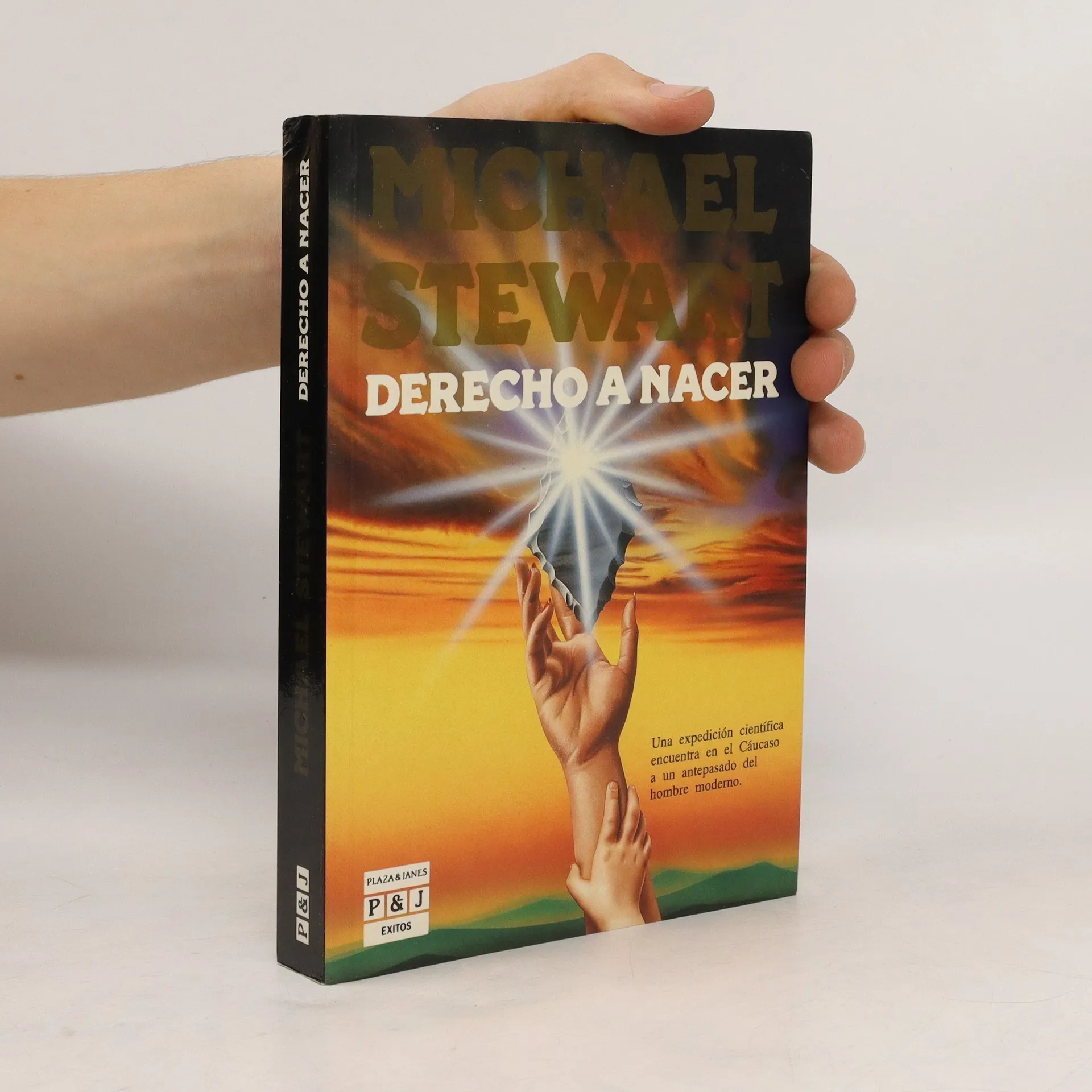
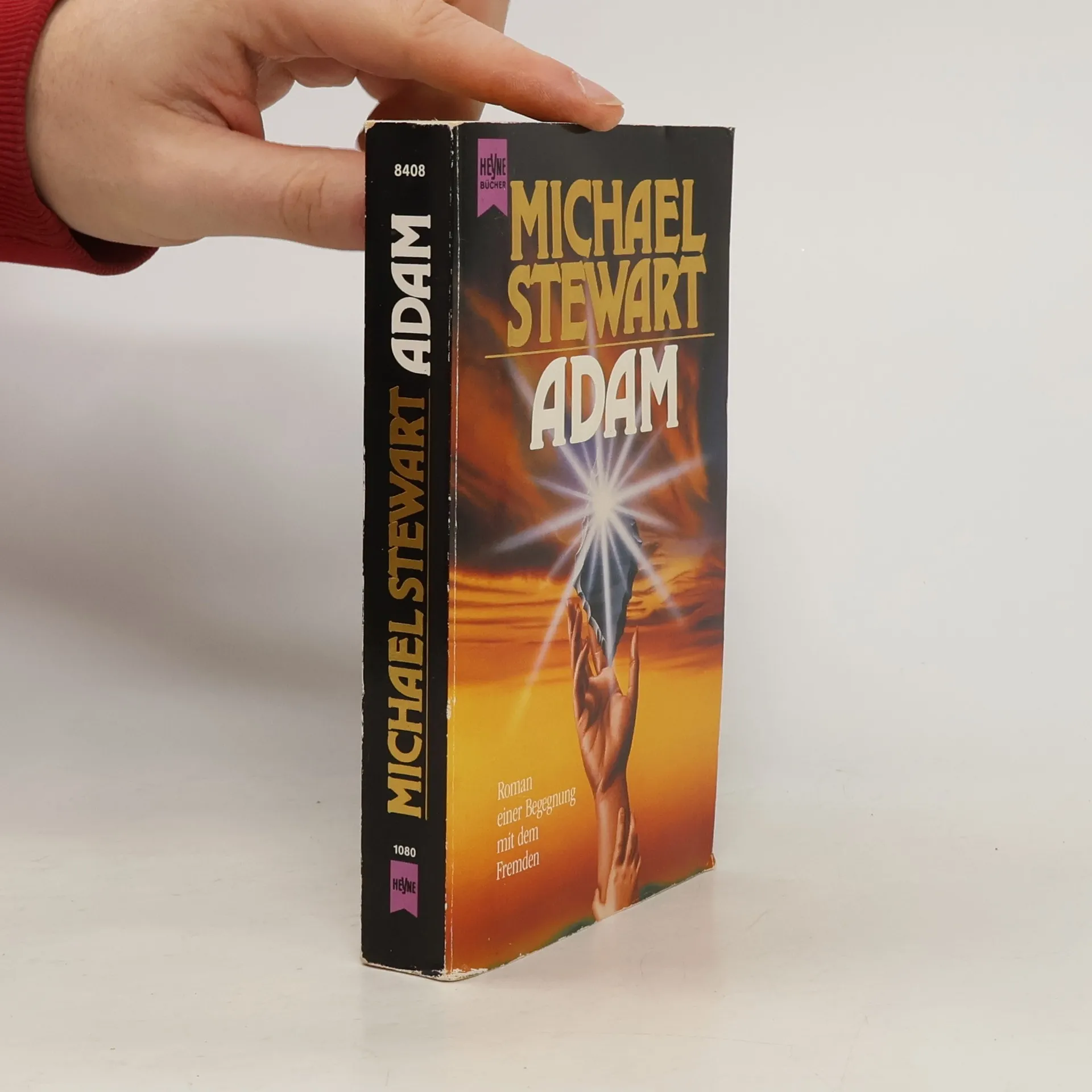
When noted Harvard anthropologist Sam Wendell discovers a Neanderthal boy still living in southern Asia, he is certain the discovery will launch him into instant fame. But after Sam dies in a car accident, the young boy, Adam, ends up being adopted by Sam's widow Julia, and living in suburban Boston where his strange behavior draws more than passing interest, especially from the neighbors. Sam's former mistress, Max, herself an anthropologist, befriends Julia and decides that Adam will be her scientific find - but first she must give the Neanderthal his birthright: the genetic material that makes humans more civilized than cave dwellers - or does it?
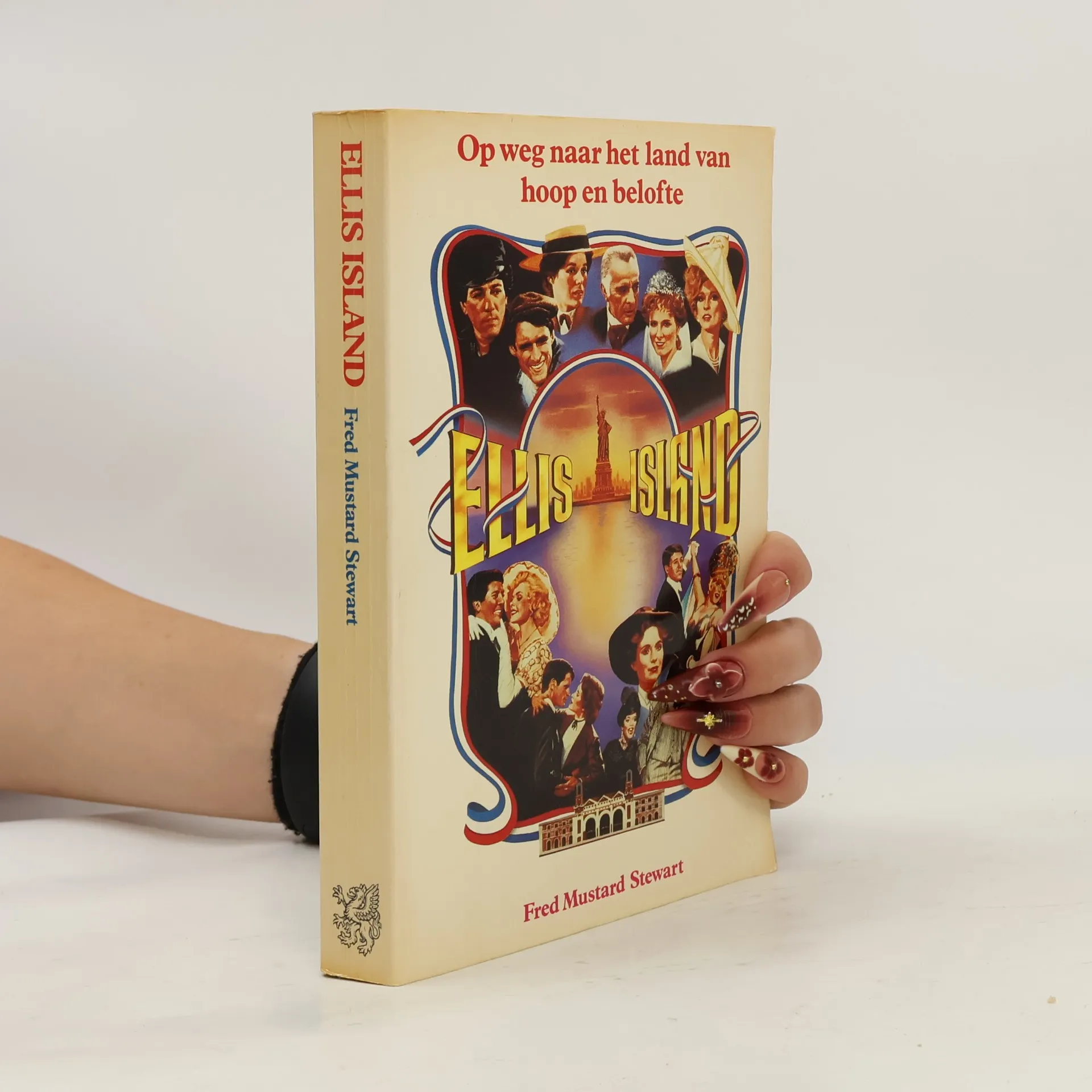
Beschrijving van de lotgevallen van een aantal immigranten in Amerika aan het begin van de 20e eeuw, waar nieuwe inzichten op velerlei terrein ontstaan.