

Matt Parker ist ein ehemaliger Mathematiklehrer, der sich über YouTube-Videos, Stand-up-Comedy und Bücher mit Mathematik beschäftigt. Seine Arbeit konzentriert sich darauf, Mathematik einem breiteren Publikum zugänglich und unterhaltsam zu machen. Parker verwendet unkonventionelle Ansätze, um komplexe Konzepte zu erklären. Ziel ist es zu zeigen, wie Mathematik in unserem täglichen Leben allgegenwärtig ist.
Witzig, informativ und irre unterhaltsam: Die größten Fehlkalkulationen der Menschheit! Meistens arbeitet die Mathematik in unserem Alltag unauffällig hinter den Kulissen. Bis jemand vergisst, eine ›1‹ einzutragen und eine Brücke einstürzt, ein Flugzeug vom Himmel fällt oder ein Gebäude wankt. Was passiert, wenn Mathematik in der realen Welt schiefgeht? Matt Parker erkundet und erklärt eine Reihe von Beinahe-Unfällen und Pannen und zeigt damit anschaulich und unterhaltsam, wie allgegenwärtig die Mathematik in unserer Welt ist — und wie sie uns ein Bein stellt. Wir wären alle besser dran, wenn wir Mathe als praktischen Verbündeten ansehen würden. Eine brillant erzählte Serie von Katastrophengeschichten mit Happy End.
Matt Parker lebt Mathematik. Sekunden nur braucht er, um jeden Namen im binären Code niederzuschreiben. 2012 hat er mit seinem Team einen funktionierenden Computer aus Dominosteinen gebaut (im Buch erfährt man, wie man es macht). Seine Videos auf Youtube wurden inzwischen über fünf Millionen Mal aufgerufen. Parker betreibt Mathematik nur aus einem Grund: weil es Spaß macht. Und so ist auch sein Buch. Hier stimmt es einmal wirklich: Dieses Buch will nicht belehren; es will einfach zeigen, wie es geht. Sie lesen Näheres über seltsame Phänomene wie Alberne Zahlen, Primknoten, Narzistische Zahlen und ihre lügnerischen Vettern, die Münchhausen-Zahlen, lösen das Pizza-Problem und teilen den Würfelknoten, bugsieren eine Euromünze durch einen dafür viel zu kleinen Kreis aus Pappe und erfahren, wie man einen 4-D-Würfel basteln oder mit nur zehn Fingern eine Million Zahlen darstellen kann. Und das alles so reich, aber auch einfach illustriert, dass jedermann sofort versteht, worum es geht.
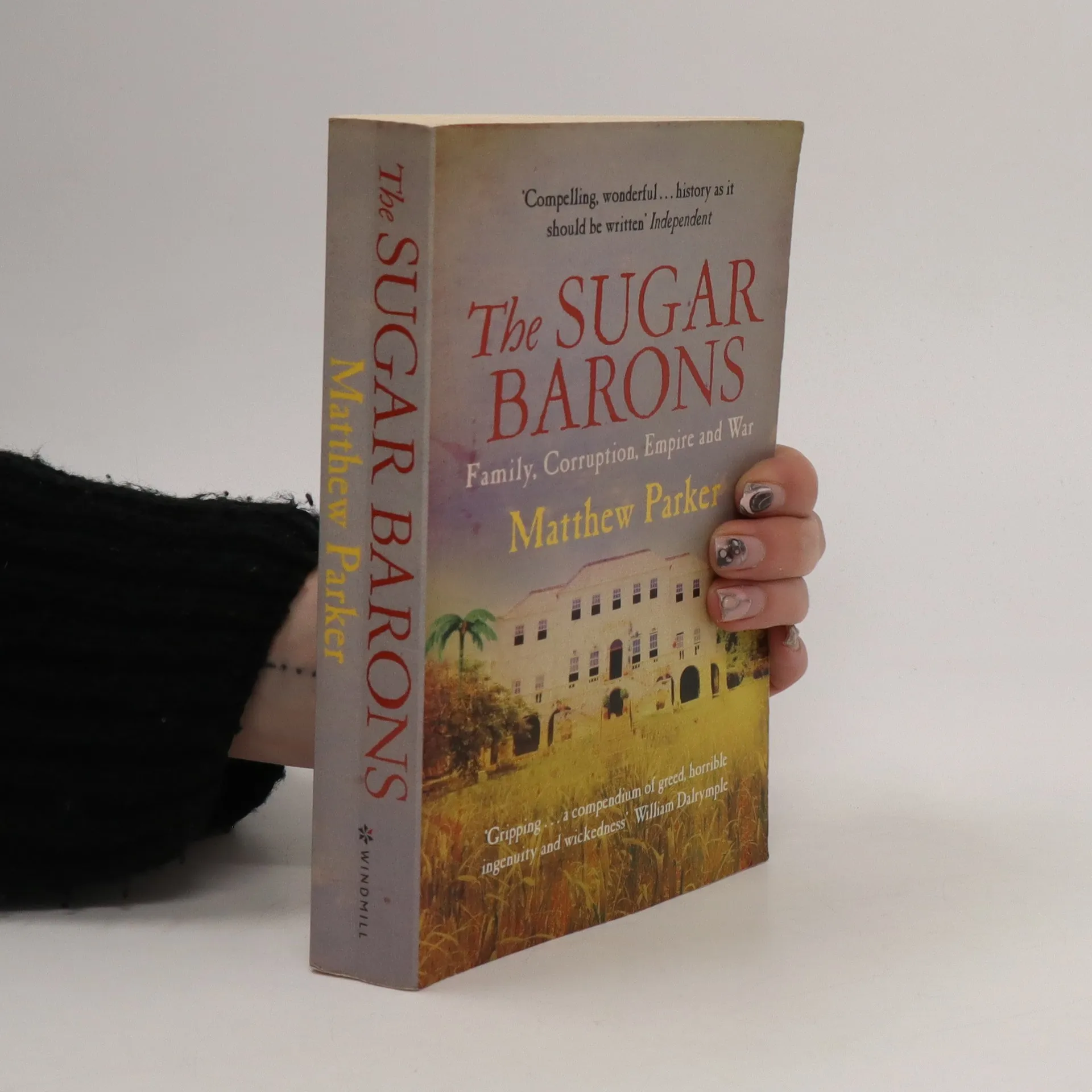
For some 200 years after 1650, the West Indies were the strategic center of the western world, witnessing one of the greatest power struggles of the age as Europeans made and lost immense fortunes growing and trading in sugar--a commodity so lucrative it became known as "white gold."
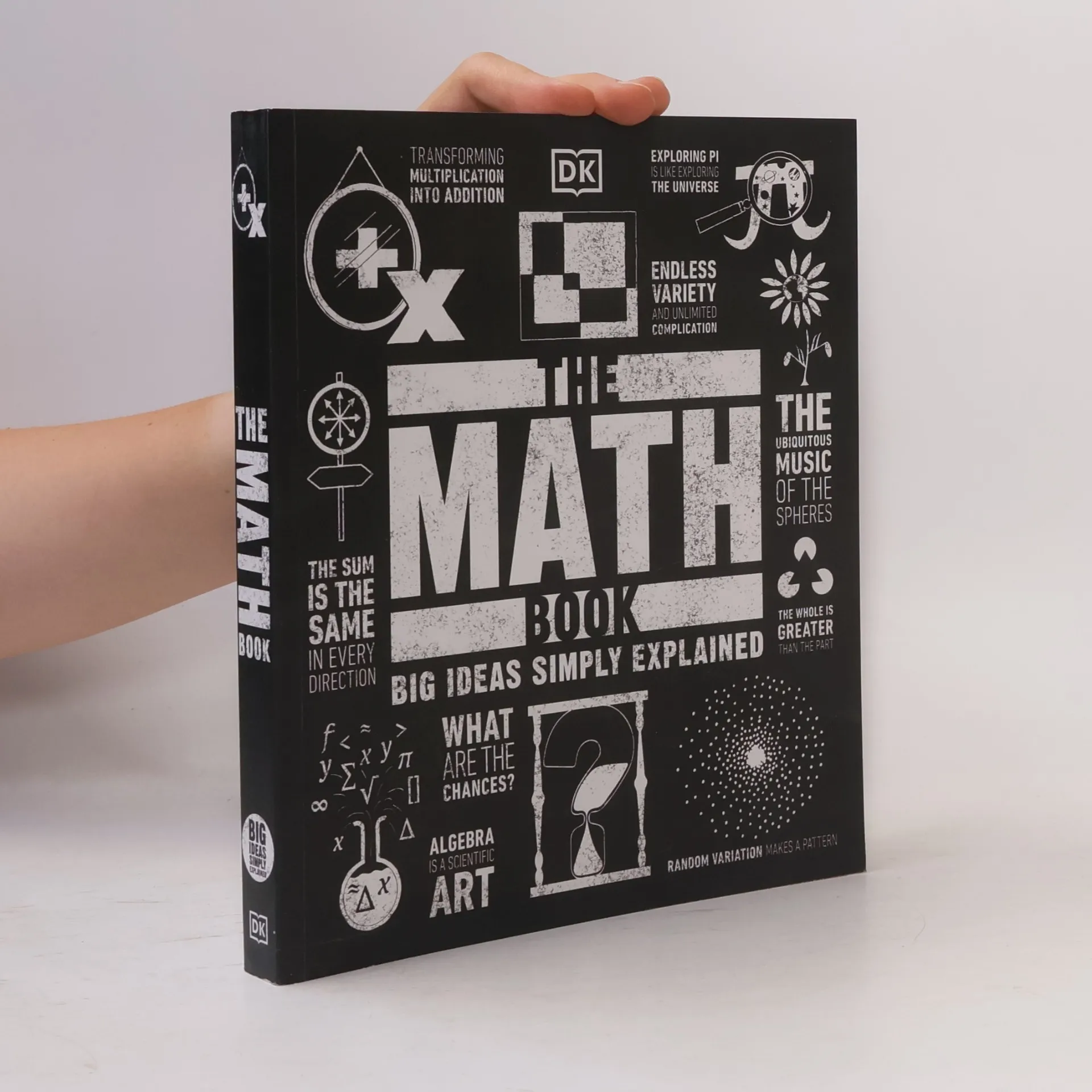
Take a journey through the fascinating story of fractions, numbers, patterns, and shapes in order to better understand the complex world we live in. Continuing the "Big Ideas" series' trademark combination of authoritative, clear text and bold graphics to chart the development of maths through history, the book explores and explains some of the most complex and fascinating mathematical subjects. Delve into everything from the mathematical ideas and inventions of the ancient world such as the first number systems, magic squares, and the Chinese abacus, through to the developments in mathematics during medieval and Renaissance Europe, to the rise of group theory and cryptography more recently. This diverse and inclusive account of mathematics will have something for everybody- for those interested in the maths behind world economies, secret spies, modern technology and plenty more, taking readers around the world from Babylon to Bletchley Park. Tracing maths through the Scientific Revolution to its 21st-century use in computers, the internet, and AI, The Maths Bookuses an innovative visual approach to make the subject accessible to everyone, casual readers and students alike.
As the Internet of Medical Things (IoMT) expands in scope and importance, it's become increasingly apparent that these convenient and useful devices also come with hidden security risks--not just to people, but to hospitals and, ultimately, our data. In Do No Harm: Protecting Connected Medical Devices, Healthcare, and Data from Hackers and Adversarial Nation States, cybersecurity expert Matthew Webster draws on over 25 years of experience in IT and information security to walk you through an insightful exploration of the health benefits offered by the IoMT, the security risks they create, and the concrete steps you can take to protect yourself, your organization, and your patients from harm. You'll discover how the high barriers for protecting connected medical devices interfere with lifesaving innovations that could disrupt the healthcare industry and change the way disease is treated. You'll also learn why the healthcare industry is one in which change is desperately needed, and why that need for change must be balanced against regulatory requirements that protect patient data and health. Perfect for medical device researchers, manufacturers, business leaders, cybersecurity professionals, healthcare professionals, and system administrators, the book includes vital information for anyone interested in patient privacy, cybersecurity, and the Internet of Medical Things, including: The reasons behind the expansion of the medical device industry The dark side of the demand for IoMT devices The regulatory landscape of IoMT devices and common roadblocks to safe adoption How to protect health data from cell phones and commonly used applications How the various disciplines of cybersecurity can enable hospitals and other entities to protect themselves from cybercriminals and threats from nation states who act with relative impunity
The story of the British Empire at its maximum territorial extent, including a
wider range of voices of the colonised than have ever been recorded before
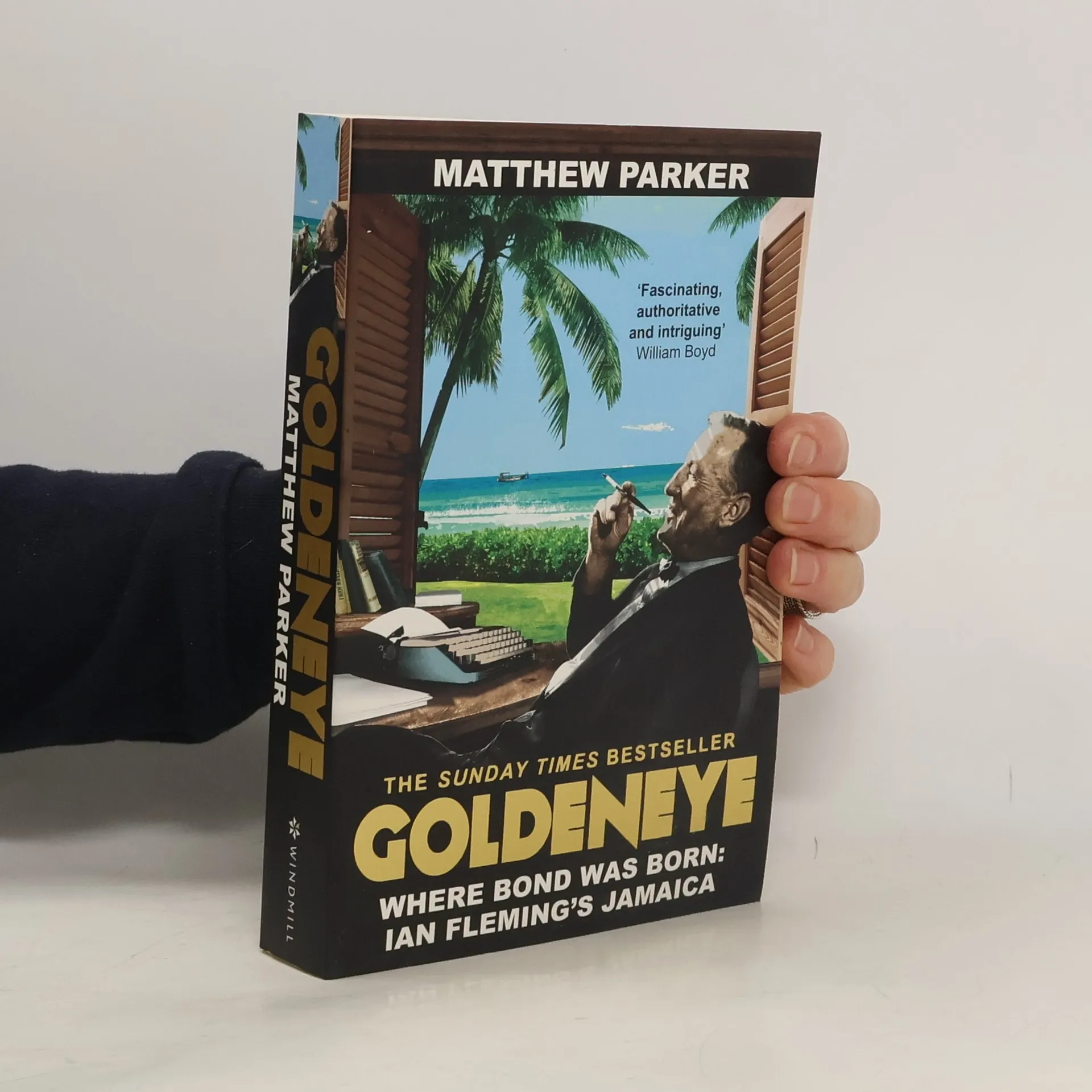
THE TOP 10 SUNDAY TIMES BESTSELLER 'Completely fascinating, authoritative and intriguing' William Boyd 'The big bang of Bond books ... Beautiful, brilliant' Tony Parsons Goldeneye: the story of Ian Fleming in Jamaica and the creation of British national icon, James Bond
We would all be better off if everyone saw mathematics as a practical ally. Sadly, most of us fear maths and seek to avoid it. This is because mathematics doesn't have good 'people skills' - it never hesitates to bluntly point out when we are wrong. But it is only trying to help! Mathematics is a friend which can fill the gaps in what our brains can do naturally. Luckily, even though we don't like sharing our own mistakes, we love to read about what happens when maths errors make the everyday go horribly wrong. Matt Parker explores and explains near misses and mishaps with planes, bridges, the internet and big data as a way of showing us not only how important maths is, but how we can use it to our advantage. This comedy of errors is a brilliantly told series of disaster stories with a happy ending.
The six-month battle for Monte Cassino was Britain's bitterest and bloodiest encounter with the German army on any front in World War Two. At the beginning of 1944 Italy was the western Allies' only active front against Nazi-controlled Europe, and their only route to the capital was through the Liri valley. Towering over the entrance to the valley was the medieval monastery of Monte Cassino, a seemingly impenetrable fortress high up in the 'bleak and sinister' mountains. This was where the German commander, Kesselring, made his stand. MONTE CASSINO tells the extraordinary story of ordinary soldiers tested to the limits under conditions reminiscent of the bloodbaths of World War One. In a battle that became increasingly political, symbolic and personal as it progressed, more and more men were asked to throw themselves at the virtually impregnable German defences. It is a story of incompetence, hubris and politics redeemed at dreadful cost by the heroism of the soldiers.
#1 INTERNATIONAL BESTSELLER AN ADAM SAVAGE BOOK CLUB PICK The book-length answer to anyone who ever put their hand up in math class and asked, “When am I ever going to use this in the real world?” “Fun, informative, and relentlessly entertaining, Humble Pi is a charming and very readable guide to some of humanity's all-time greatest miscalculations—that also gives you permission to feel a little better about some of your own mistakes.” —Ryan North, author of How to Invent Everything Our whole world is built on math, from the code running a website to the equations enabling the design of skyscrapers and bridges. Most of the time this math works quietly behind the scenes . . . until it doesn’t. All sorts of seemingly innocuous mathematical mistakes can have significant consequences. Math is easy to ignore until a misplaced decimal point upends the stock market, a unit conversion error causes a plane to crash, or someone divides by zero and stalls a battleship in the middle of the ocean. Exploring and explaining a litany of glitches, near misses, and mathematical mishaps involving the internet, big data, elections, street signs, lotteries, the Roman Empire, and an Olympic team, Matt Parker uncovers the bizarre ways math trips us up, and what this reveals about its essential place in our world. Getting it wrong has never been more fun.