

Exploring the evolution of visual entertainment since the late 1700s, this book delves into reenactment as a dominant form of popular history. It examines the challenges of defining reenactment and its boundaries, while also addressing the interplay between realism and emotional impact. Through this analysis, it sheds light on how reenactment shapes our understanding of history and nature.
Iain McCalman Reihenfolge der Bücher (Chronologisch)
Iain McCalman ist Professor für Geschichte und Geisteswissenschaften, der sich intensiv mit den historischen Erzählungen westlicher ökologischer und kultureller Krisen beschäftigt. Seine Arbeit untersucht die Schnittstellen von wissenschaftlicher Seefahrt, Ethnographie und Umweltschutz und bietet eine einzigartige Perspektive auf die Beziehung der Menschheit zur natürlichen Welt. Als Co-Direktor des Sydney Environment Institute verbindet er akademische Forschung mit dringenden zeitgenössischen Umweltbelangen. McCalman erweckt die Geschichte auch als Berater und Erzähler für Dokumentarfilme zum Leben und macht komplexe historische und ökologische Themen einem breiten Publikum zugänglich.

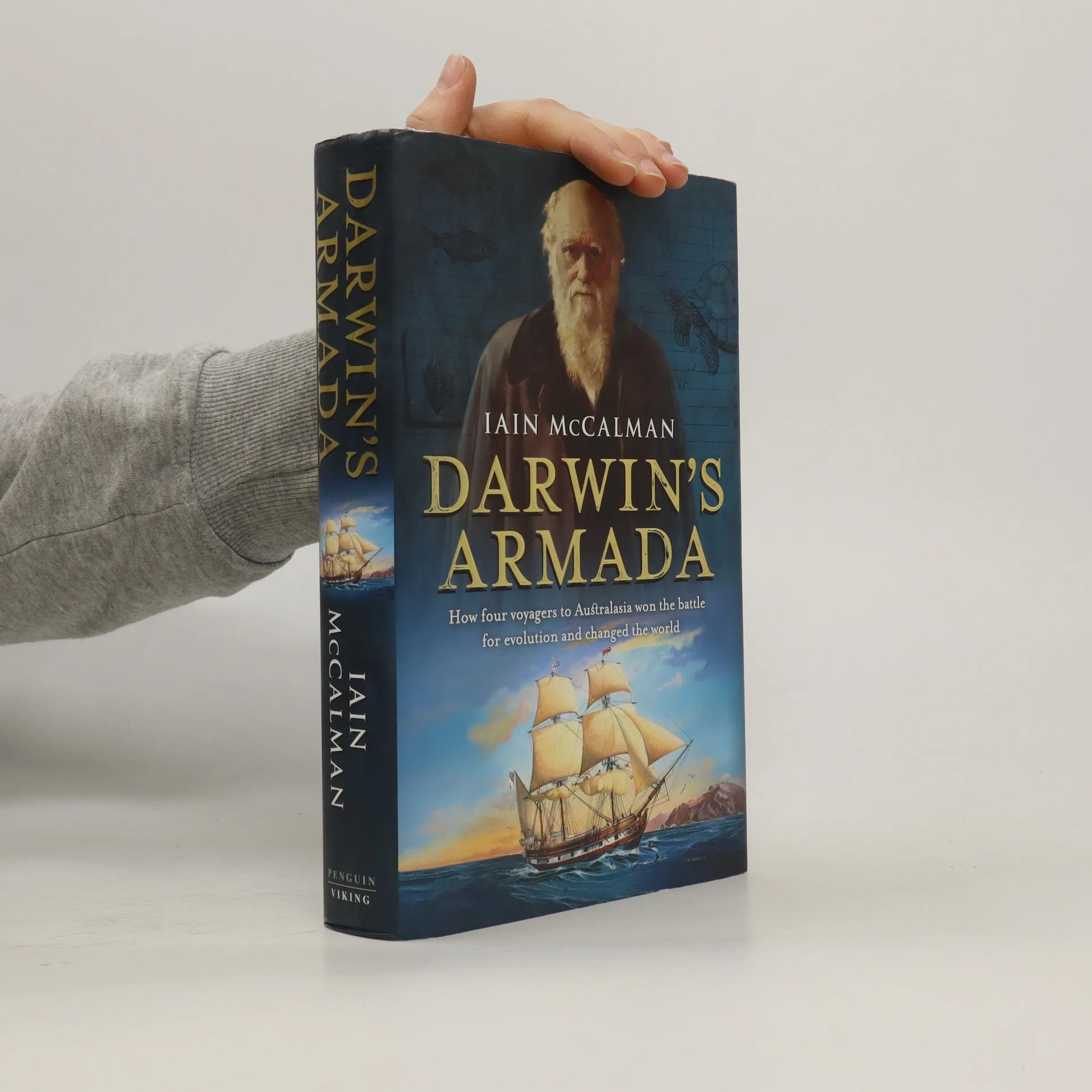
Darwin's armada
- 422 Seiten
- 15 Lesestunden
Sent to Cambridge for the clergy, young Darwin discovered a passion for naturalism and accepted an invitation to sail on a naval survey vessel to South America, New Zealand, and Australia, a journey that would alter his life and modern science. Inspired by Darwin, Joseph Hooker embarked on his own voyage from the Cook Islands to Antarctica, conducting botanical research that provided critical evidence for Darwin's evolving theories and establishing him as Darwin's closest ally. Thomas Huxley, known as "Darwin's Bulldog," championed evolution against the clergy while making significant marine biology discoveries in the Southern Hemisphere, and unexpectedly fell in love in Sydney. Alfred Wallace, the least recognized yet perhaps the most brilliant, spent years collecting specimens in remote jungles and independently developed a theory of evolution by natural selection, prompting a moral crisis for Darwin and leading to the writing of *On the Origin of Species*. This narrative portrays the Darwinian revolution as a collective effort in Australasia, showcasing how these four remarkable men gathered evidence for evolution and engaged in the ensuing social and intellectual battles. Their combined efforts changed the world, making this account both an adventure story and a significant historical work.
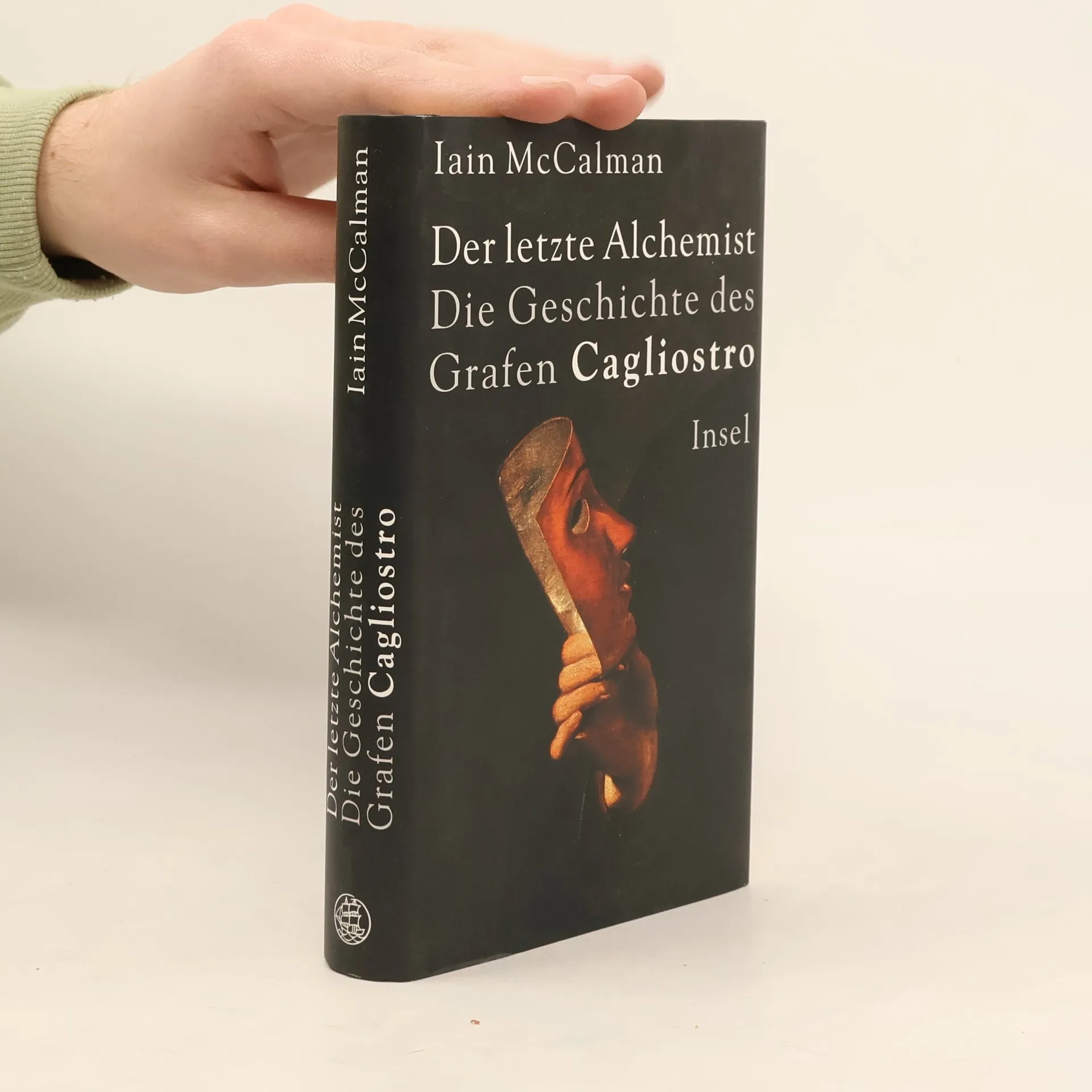
Guiseppe Balsamo was born in the mid-eighteenth century in the slums of Palermo, Sicily. He would rise from obscurity to become the legendary Count Alessandro di Cagliostro, whose dangerous charm and reputed healing would make him the darling - and bane - of upper-crust Europe. Moving through the period between the Age of Enlightenment and the French Revolution - a time when reason and superstition co-mingled in the minds of even the best educated - Cagliostro earned a reputation for dazzling kings, feeding the poor, healing the ill and, most conspicuously, relieving the careless rich of their money. He tangled with most of the major figures in Europe at that time, including Casanova, Mozart, Goethe and Catherine the Great. Eventually a lifetime of political intrigue led him to become the key figure in The Diamond Necklace Affair, which many believe precipitated the French Revolution itself, and which would eventually lead to his own downfall and death while imprisoned and made half insane by the Inquisition.
A team of prominent historians and curators have produced this innovative cultural history of gold and its impact on the development of Australian society. Throughout history, gold has been the "stuff" of legends, fortunes, conflict and change. The discovery of gold in Australia 150 years ago precipitated enormous developments in the newly settled land. The population and economy boomed in spontaneous cities. The effects on both the environment and indigenous Aboriginal peoples have been profound and lasting.