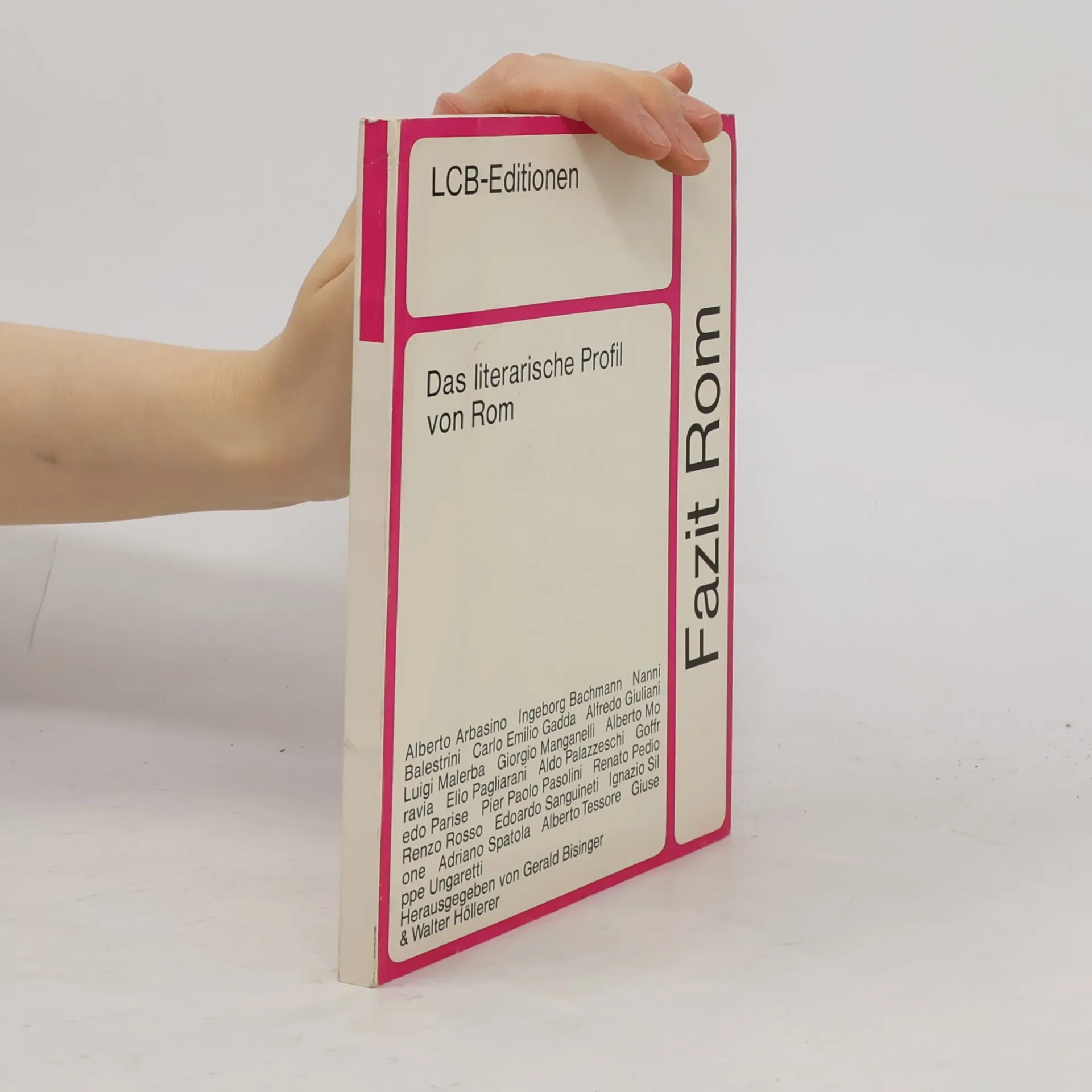
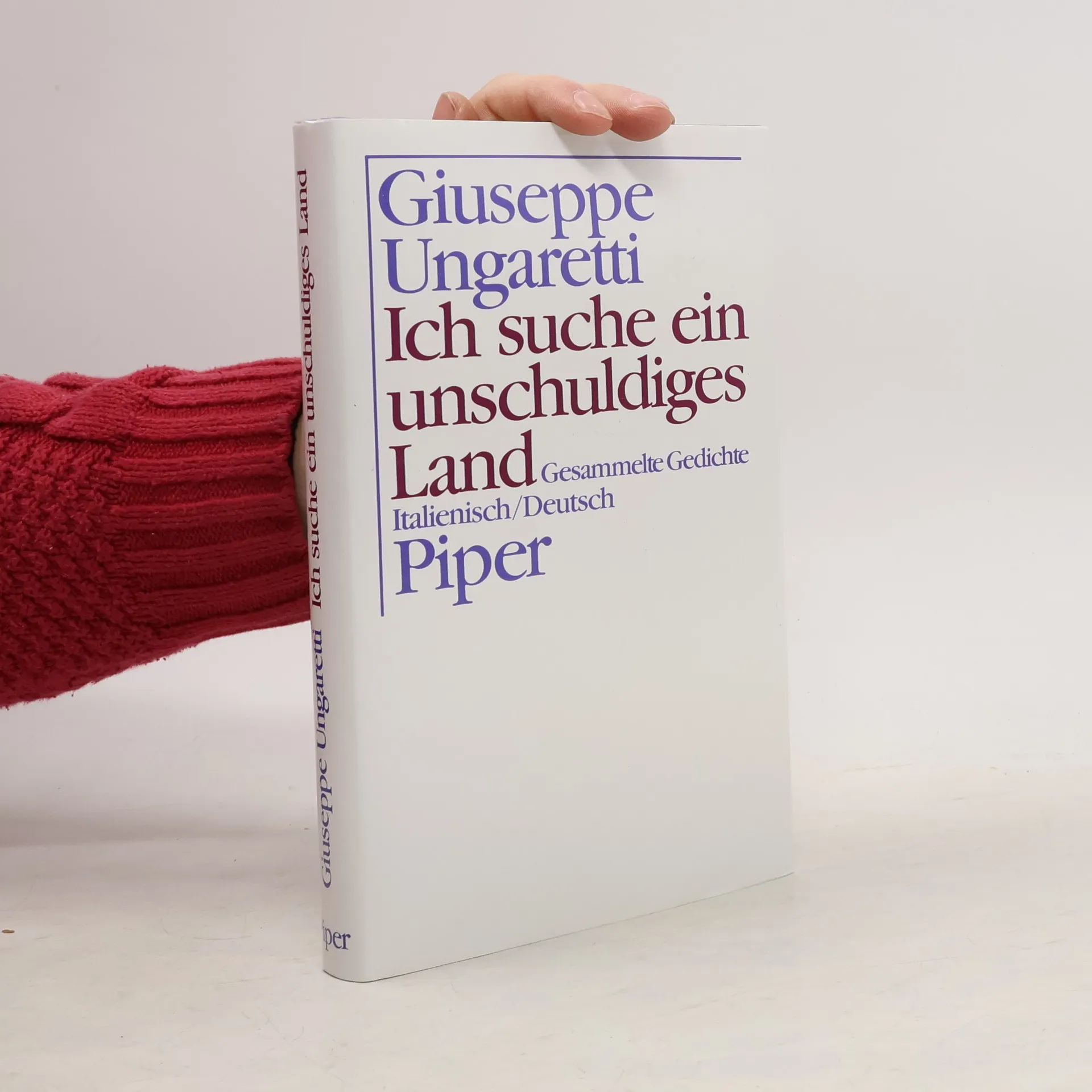
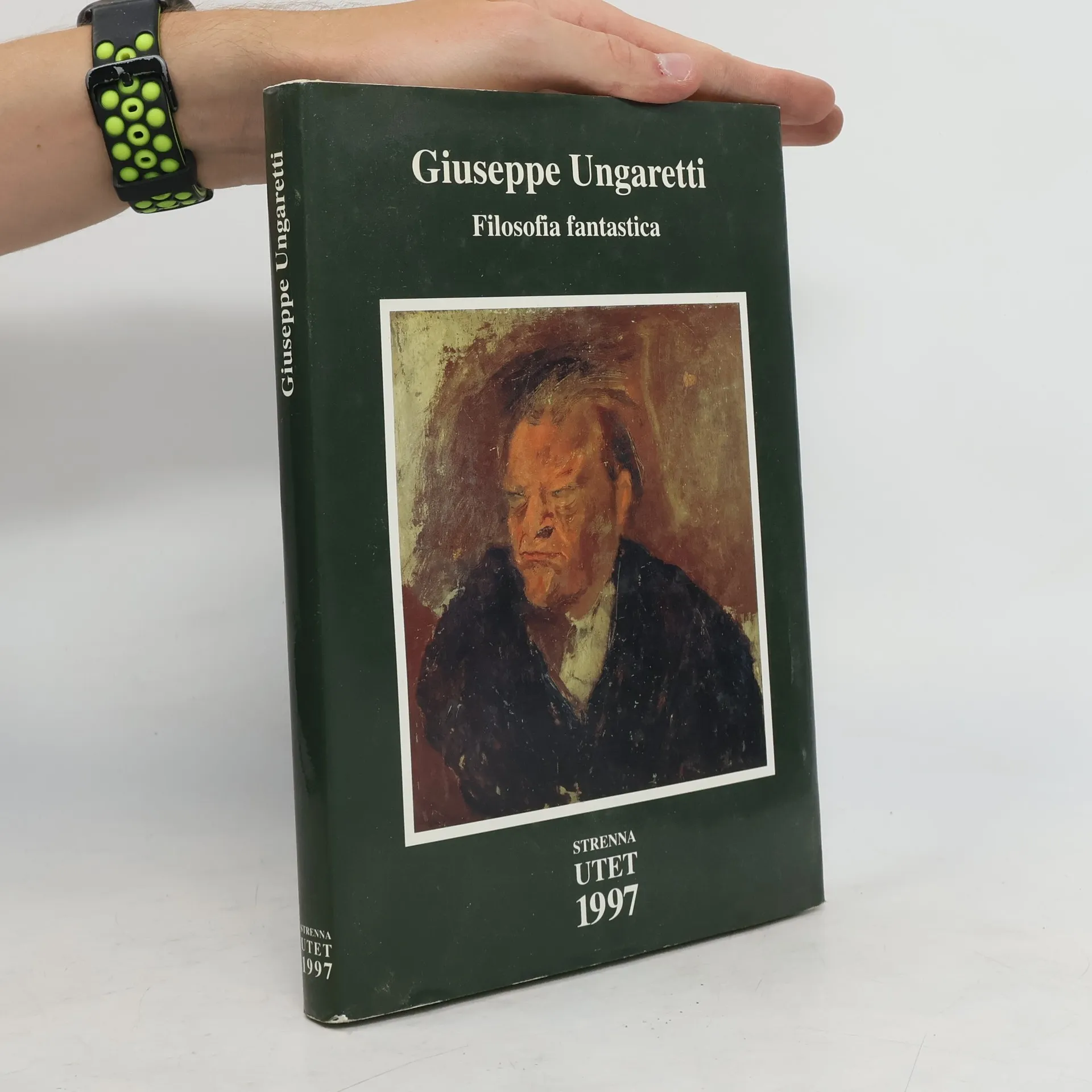
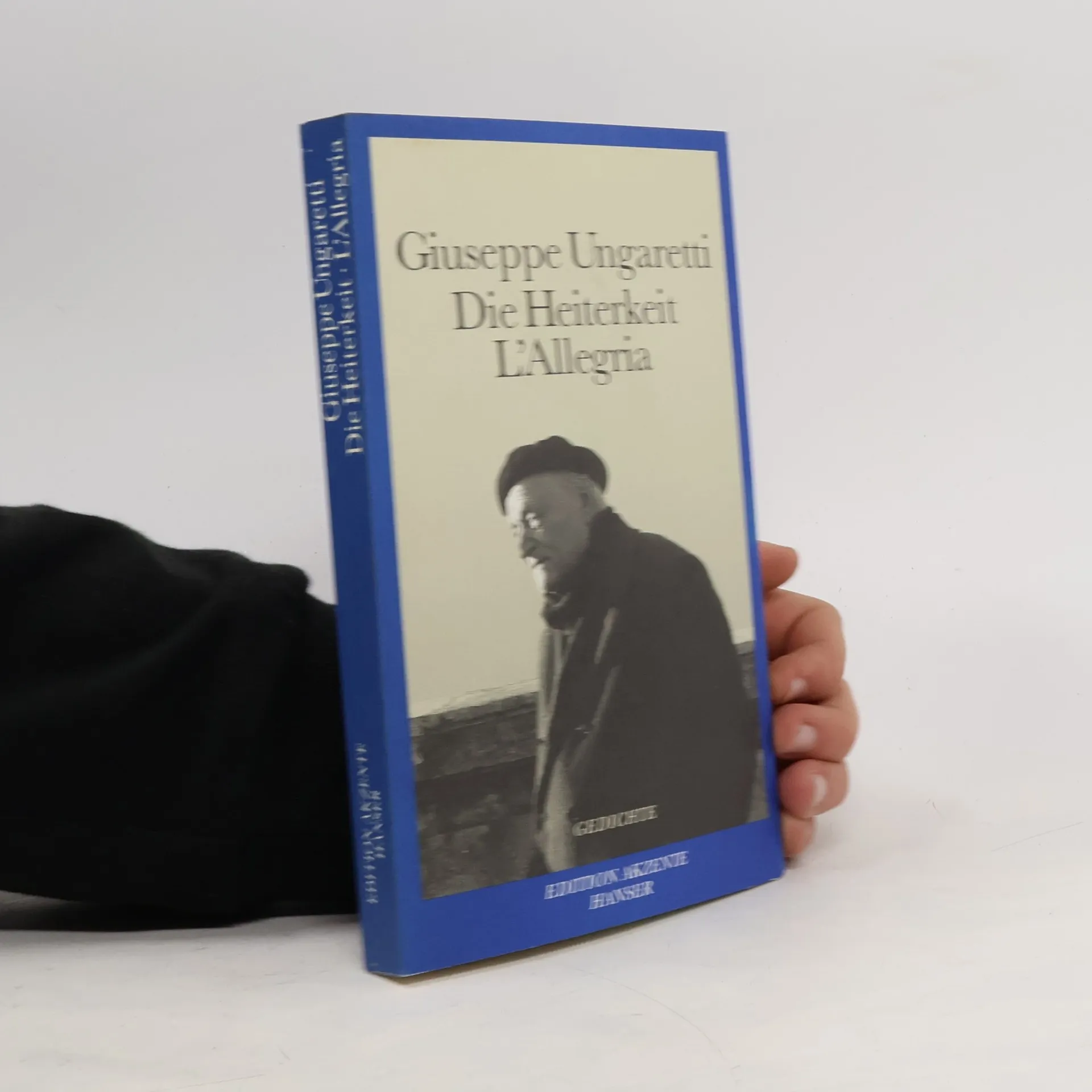
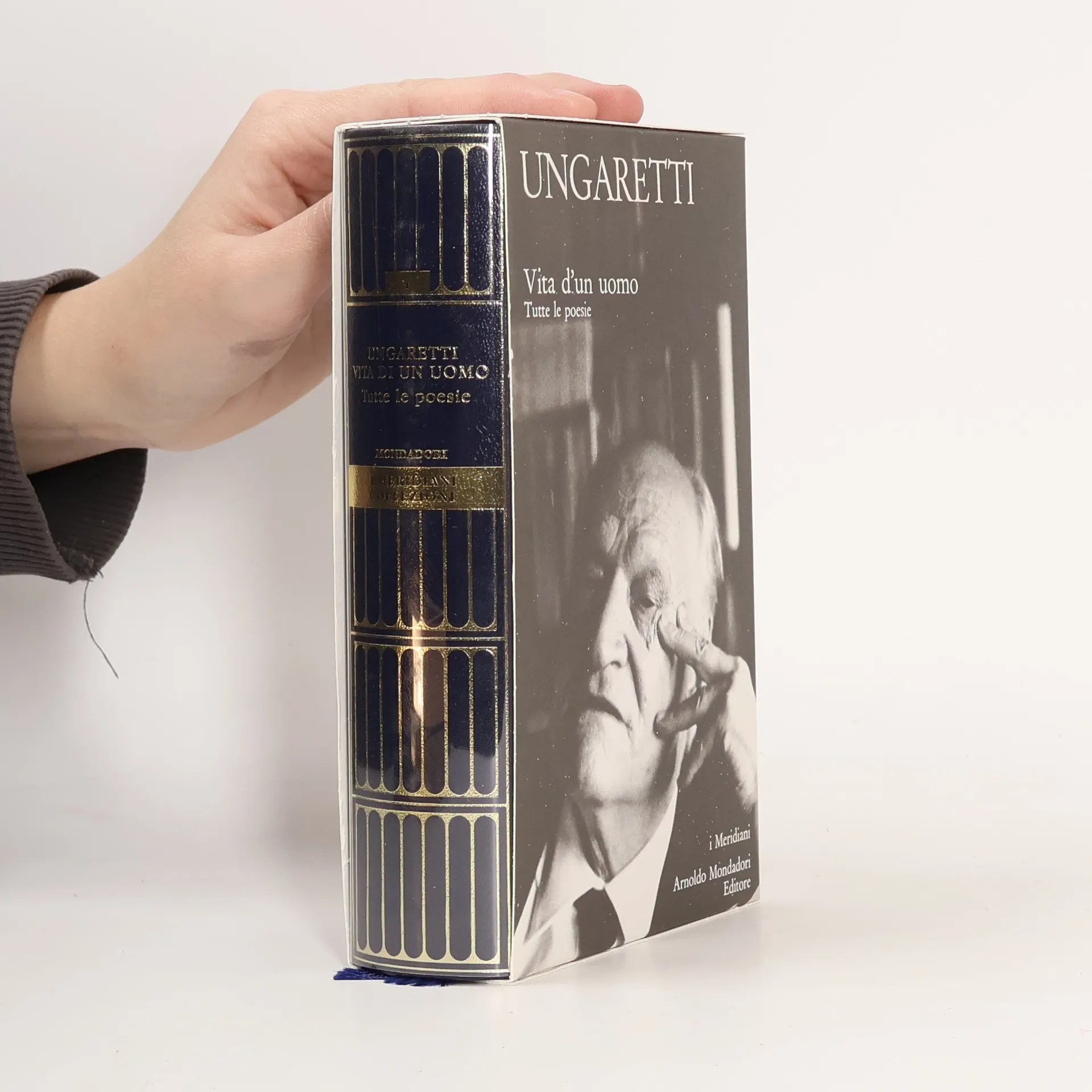
"Giuseppe Ungaretti, 1888 in Alexandria geboren, ist der Archipoeta, der Erzvater der modernen italienischen Dichtung. Man hat ihn einen Hermetiker genannt; aber dieses Schlagwort, zur Erklärung seines Werkes erfunden, hat es eher verdunkelt. Uns Heutigen erscheint es in strahlender Deutlichkeit, als ein Rätsel, das keiner Lösung bedarf. Ungaretti ist von nichts befangen; diese Freiheit ist es, was sein Dichten zu einem »offenbaren Geheimnis« macht: lapidar, unzweideutig, schön wie ein Kieselstein."
Giuseppe Ungaretti Bücher
8. Februar 1888 – 1. Juni 1970
Giuseppe Ungaretti war ein italienischer Lyriker der Moderne, dessen Werk einen unauslöschlichen Eindruck in der Lyrik des 20. Jahrhunderts hinterließ. Tief beeinflusst vom Symbolismus und zunächst auch vom Futurismus, entwickelte sich sein Schreiben zu einem unverwechselbaren Stil, bekannt als Ermetismo. Ungaretti wurde als Lyriker berühmt, der in den Schützengräben des Ersten Weltkriegs schrieb und dort rohe Realität sowie menschliche Erfahrung mit tiefer Intensität festhielt. Seine Poesie zeichnet sich durch sprachliche Kargheit, die Suche nach der Essenz der Sprache und Kontemplation über die Existenz aus, was seinen Status als Schlüsselfigur der italienischen literarischen Avantgarde festigte.

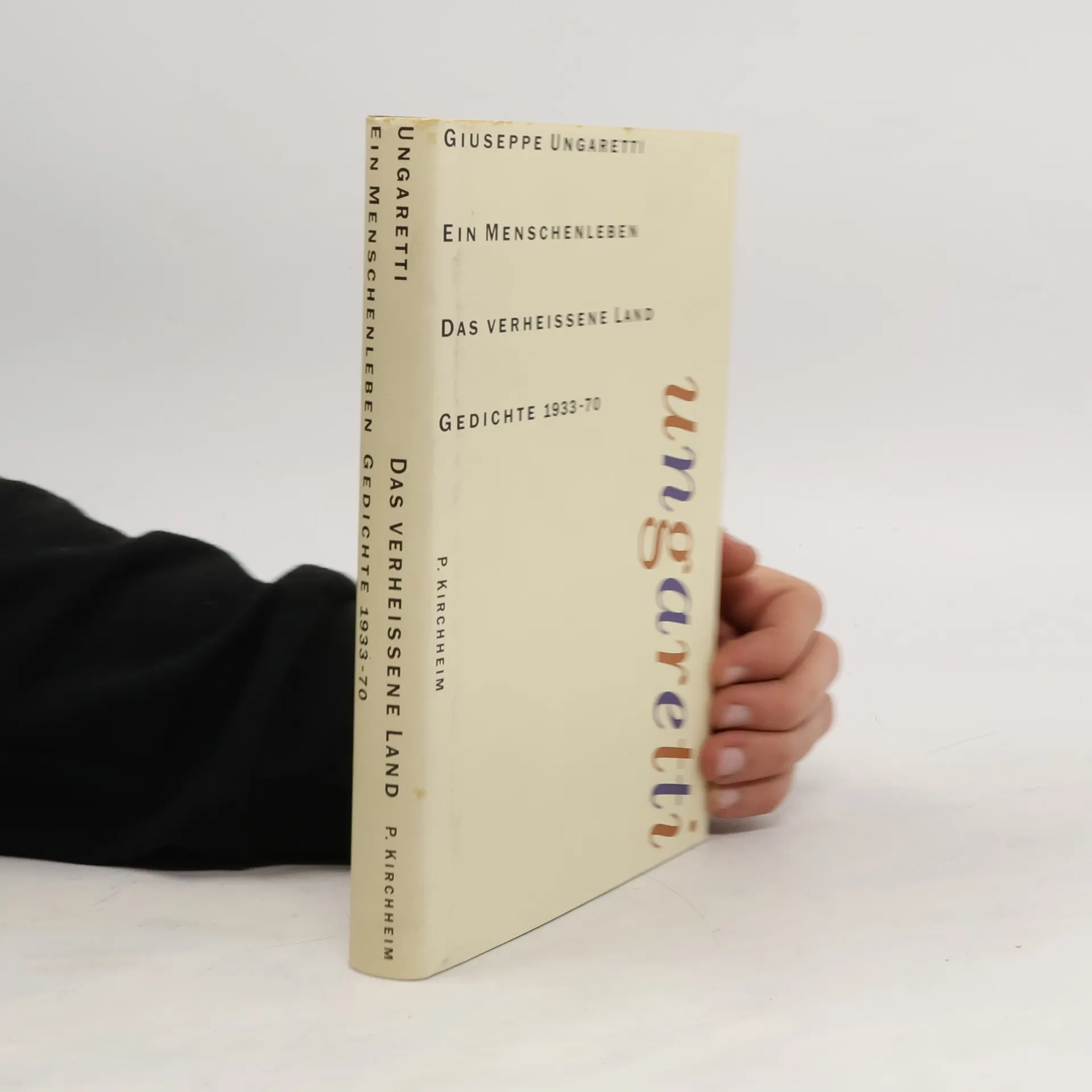
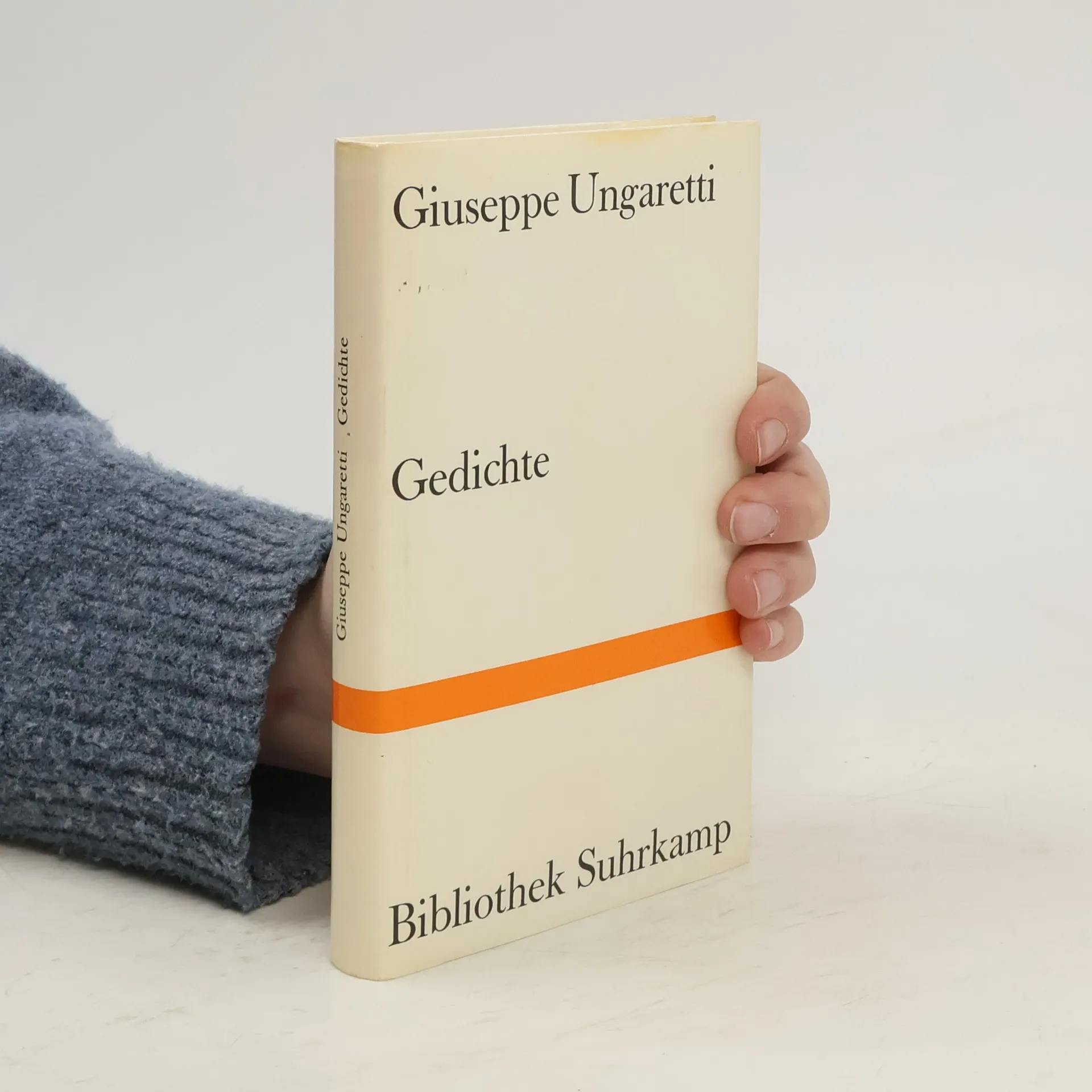
Das verheißene Land
- 125 Seiten
- 5 Lesestunden
Die späten Gedichte
- 79 Seiten
- 3 Lesestunden
Die späten Gedichte. Die Notizen des Alten. Apokalypse. Dialog. Geheimnisvolles Kroatien.
- 121 Seiten
- 5 Lesestunden
Übertragung und Nachworte von Michael Marschall. In Italienisch und Deutsch. 121 Seiten.
Lyrik unterwegs
- 348 Seiten
- 13 Lesestunden
Lyrik unterwegs in Bussen und Bahnen der SSB Zum 25. Geburtstag von „Lyrik unterwegs“ erscheint die 4. erweiterte Auflage dieser Lyrik-Anthologie. Insgesamt 346 Gedichte von mehr als 100 Dichterinnen und Dichtern sind nun wieder in einem Gedichtband vereint und erfreuen die Herzen aller Poesiefreunde. Lyrik unterwegs - herausgegeben von der Stuttgarter Straßenbahnen AG (SSB)
Allegria
- 204 Seiten
- 8 Lesestunden
Geoffrey Brock, whose translations have won him Poetry magazine's John Frederick Nims Memorial Prize and a Guggenheim Fellowship, finally does justice to these slim, concentrated verses in his English translation, alongside Ungaretti's Italian originals. Famed for his brevity, Giuseppe Ungaretti's early poems swing nimbly from the coarse matter of tram wires, alleyways, quails in bushes, and hotel landladies to the mystic shiver of pure abstraction. These are the kinds of poems that, through their numinous clarity and shifting intimations, can make a poetry-lover of the most stone-faced non-believer. Ungaretti won multiple prizes for his poetry, including the 1970 Neustadt International Prize for Literature. He was a major proponent of the Hermetic style, which proposed a poetry in which the sounds of words were of equal import to their meanings. This auditory awareness echoes through Brock's hair-raising translations, where a man holding vigil with his dead, open-mouthed comrade, says, "I have never felt / so fastened / to life."
Selected Poems
- 112 Seiten
- 4 Lesestunden
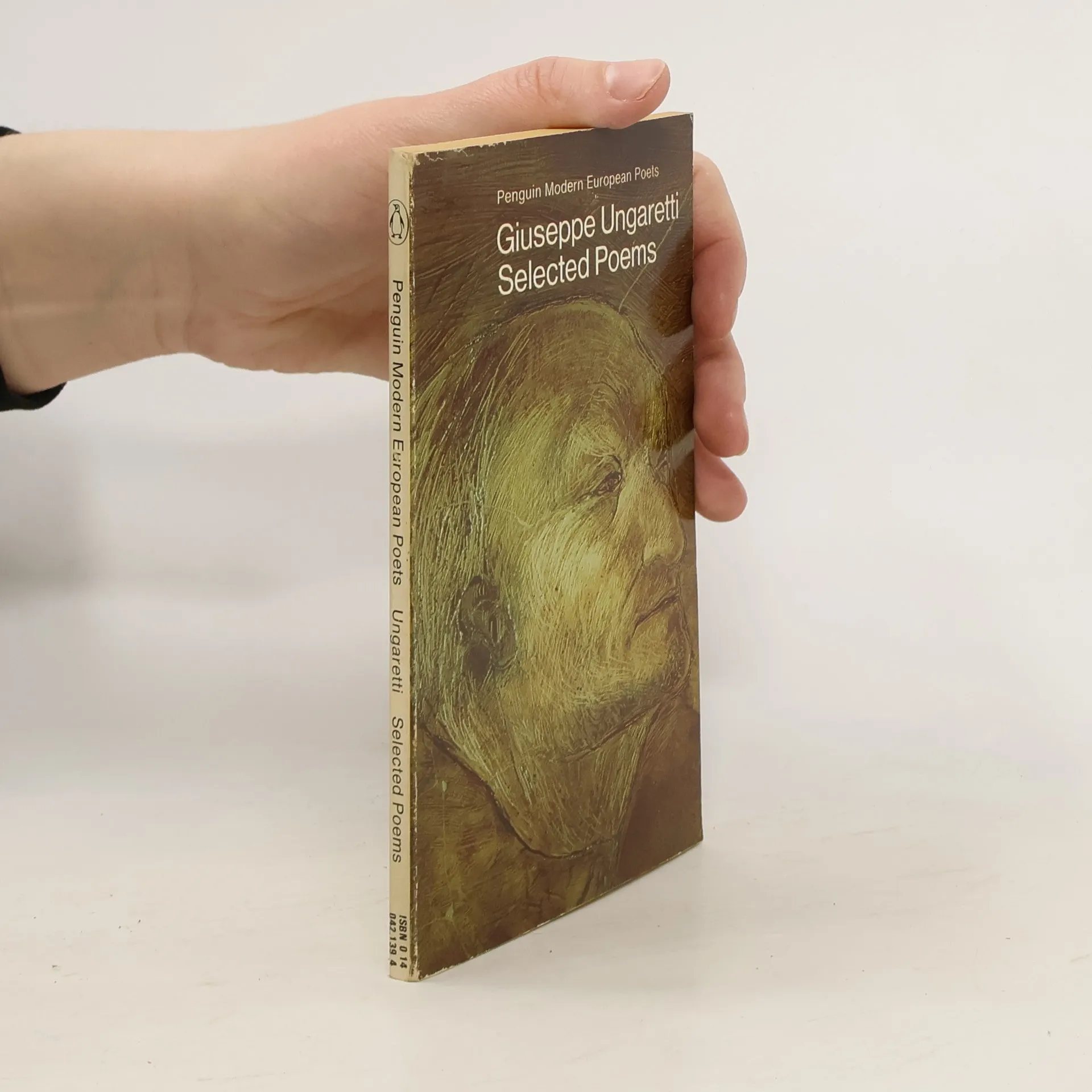
A major new translation of one of Italy's greatest modern poets. Giuseppe Ungaretti (1888-1970) was a pioneer of the modernist movement in Italian poetry and is widely regarded as one of the leading Italian poets of the twentieth century. His verse is renowned and loved for its powerful insight and emotion, and its exquisite music.
Výbor z poezie významného představitele moderní italské lyriky.
Giuseppe Ungaretti (1888–1970) hrál v italské poezii podobnou obrodnou úlohu jako jeho současníci G. Apollinaire ve Francii a T. S. Eliot v anglosaském světě. Apollinaira znají ovšem čeští básníci i čtenáři zásluhou překladů K. Čapka už od 20. let minulého století, zatímco Eliotova náročná poezie vstoupila do jejich povědomí mnohem později. A Ungarettiho tvorba jako by u nás zůstávala bez odezvy ještě déle – aspoň na první pohled. Jenže cesty poezie jsou nevyzpytatelné. Ve skutečnosti totiž stačil sešitek Ungarettiho veršů přeložených kdysi Z. Kalistou spustit stavidla poezie například v Bohumilu Hrabalovi. Hlásí se k tomu v jedné vzpomínce on sám. I proto stojí za to číst Ungarettiho znovu.
Výber z textov básnika, ktorého devízou je „Budem sprievodcom ku šťastiu“.
Vita d'un uomo. Tutte le poesie
- 905 Seiten
- 32 Lesestunden
Voluto dallo stesso autore nel 1969, il volume raccoglie sotto il significativo titolo di Vita d'un uomo l'intera produzione lirica di Ungaretti, da L'Allegria fino al Taccuino del Vecchio , oltre ad alcuni componimenti sparsi mai usciti in raccolta e alle fondamentali traduzioni di classici, da Shakespeare a Mallarmé. Dall'esperienza tragica ed epocale della Grande Guerra, in cui Ungaretti si riconobbe "docile fibra dell'universo", alla riscoperta della tradizione poetica e artistica italiana che domina le più complesse liriche di Sentimento del Tempo , fino alla conquista della fede che accompagnò la vecchiaia del poeta. In questi componimenti è racchiusa l'intera esistenza di un uomo, ma soprattutto di un poeta.
Veselí
- 131 Seiten
- 5 Lesestunden
Sbírka veršů významného představitele italské poezie 20. století, která získala definitivní podobu v roce 1931.
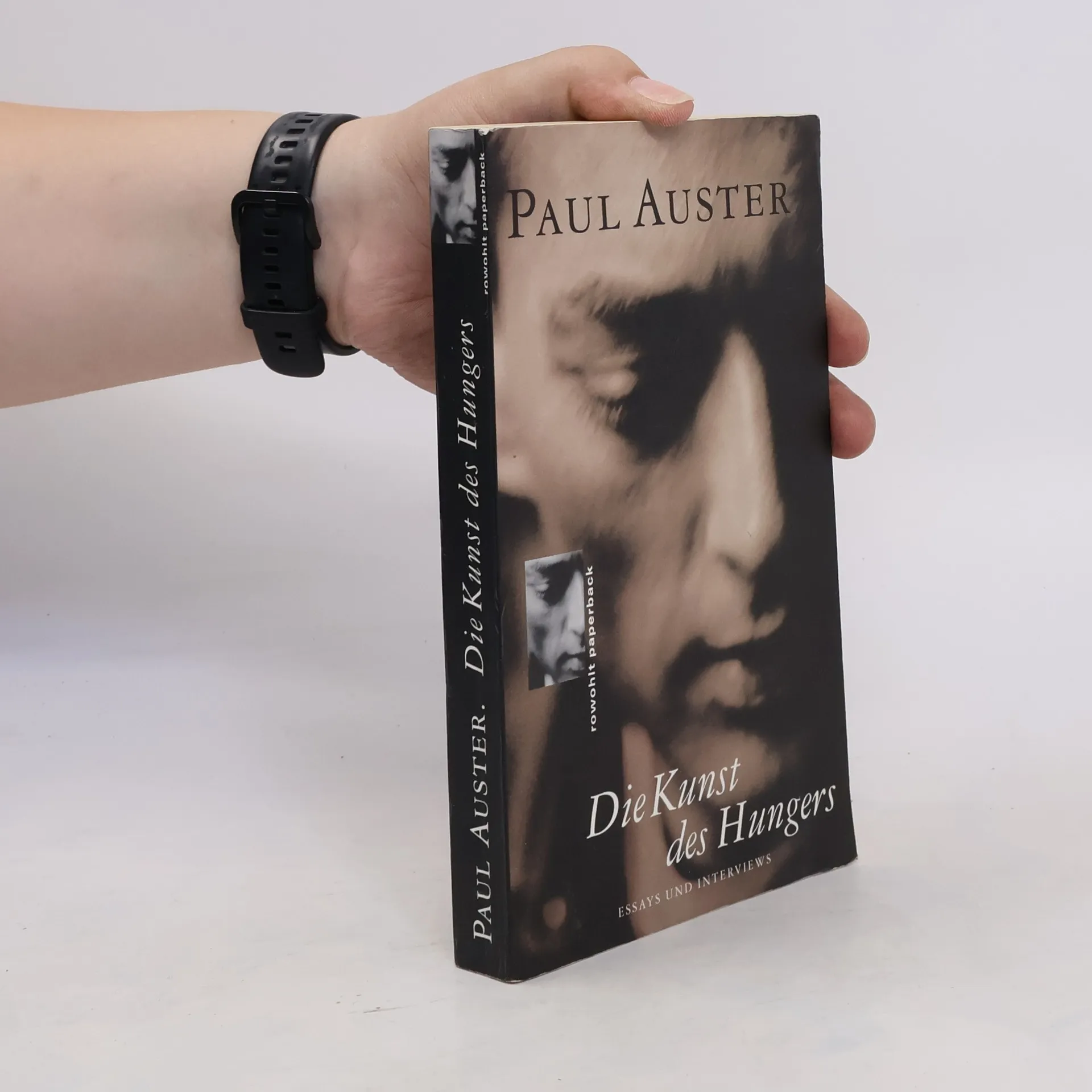
Gibt es einen inneren Zwang zur Literatur? Unterscheiden sich die großen Bücher von allen übrigen dadurch, dass sie geschrieben werden mussten? In seinen Essays über Franz Kafka, Samuel Beckett, Paul Celan, Knut Hamsun und andere große Autoren des 20. Jahrhunderts ergründete Paul Auster die existentiellen Bedingungen des Schreibens. In seinen Studien wird deutlich, warum er als der europäischste unter den wichtigen amerikanischen Schriftstellern gilt. In vier ausführlichen Interviews gibt er zudem Auskunft über sein eigenes Werk und erzählt von der Notwendigkeit, die Grenze zwischen Schreiben und Leben aufzuheben.
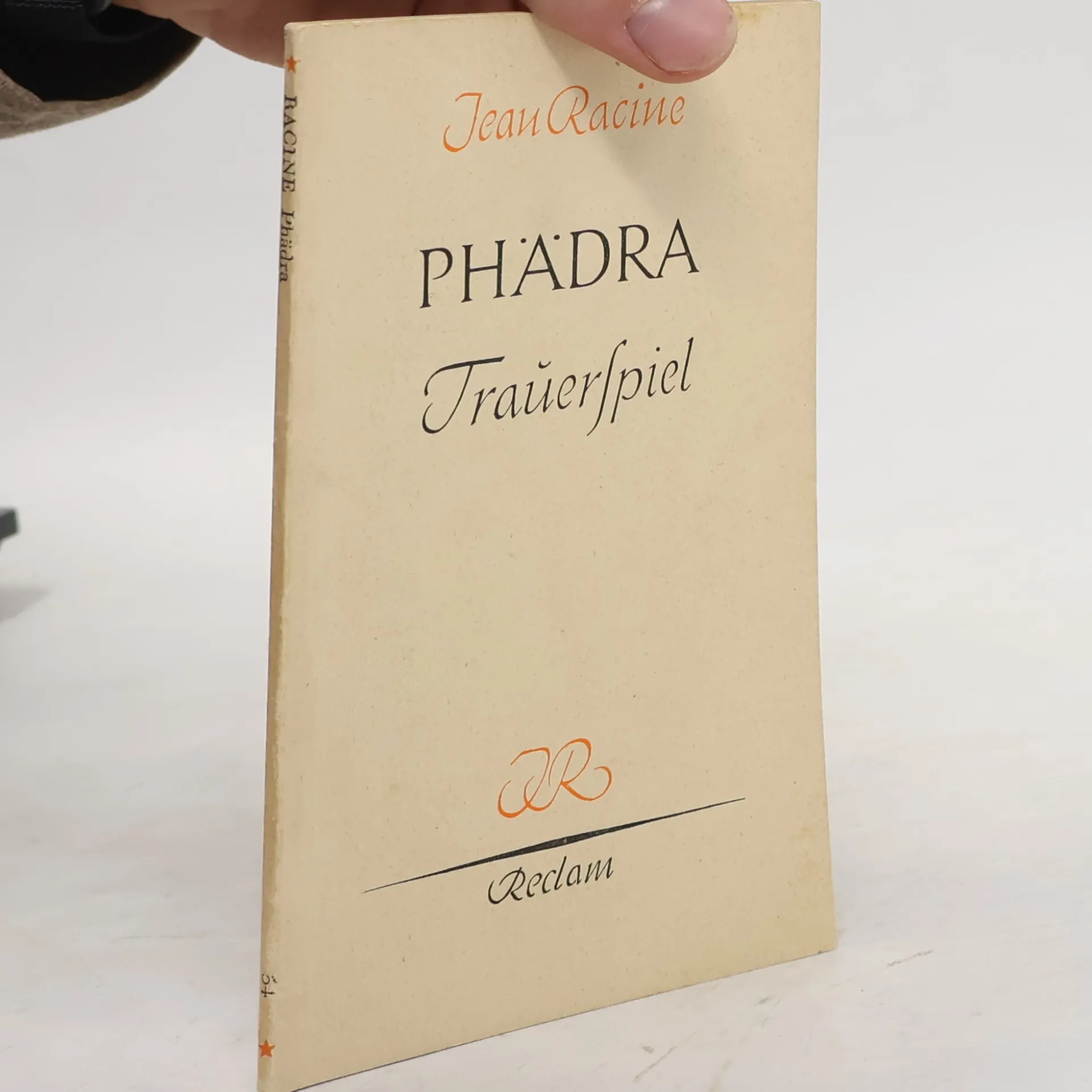
Französische Literatur in Reclams Roter Reihe: das ist der französische Originaltext – mit Worterklärungen am Fuß jeder Seite, Nachwort und Literaturhinweisen. Racines »Phèdre« ist zweifellos die bedeutendste Tragödie der französischen Klassik. Im Jahre 1677 im Rückgriff auf die Stücke Euripides’ und Senecas geschrieben, hat Racine durch den rigorosen Verzicht auf jedes Pathos und die Konzentration auf ein an äußeren Ereignissen armes, rein psychisches Geschehen ein zeitentbundenes Meisterwerk geschaffen, in dem der antike Mythos bis ins 17. Jahrhundert und darüber hinaus weiterleben konnte. Französische Lektüre: Niveau B2 (GER) Sprachen: Deutsch, Französisch
Con il primo poema della sua prima pubblicazione, Ungaretti, uno dei poeti più influenti della modernità italiana, introduce il tema centrale della sua opera. Il libro presenta la prima traduzione completa del ciclo "La Gioia", una delle opere più belle e significative della poesia italiana moderna.
Giuseppe Ungaretti vita d'un uomo
Tutte le poesie