Gratis Versand ab € 16,99. Mehr Infos.
Bookbot

Eva Wong

    1. Jänner 1951

    Eva Wong Nava lebt zwischen zwei Welten und findet Freude daran, Asien mit Europa und Amerika zu verbinden. Sie erzählt ihren englischen Töchtern mit Vergnügen Geschichten aus ihrer Kindheit in Singapur und von chinesischen Mythen, die sie mit persönlichen Erlebnissen wie dem Besuch der chinesischen Oper mit ihrer Mutter anreichert. Ihr Hintergrund in englischer Literatur und Kunst hat ihren Blick auf das Schreiben geprägt, das sie als Mittel zur Kommunikation und zum Spiel betrachtet. Als Gründerin des Flash-Fiction-Journals CarpeArte zieren ihre eigenen kurzen Prosatexte und Kunstkritiken internationale Publikationen.

    Eva Wong
    The Feng Shui Workbook
    Tales of the Taoist Immortals
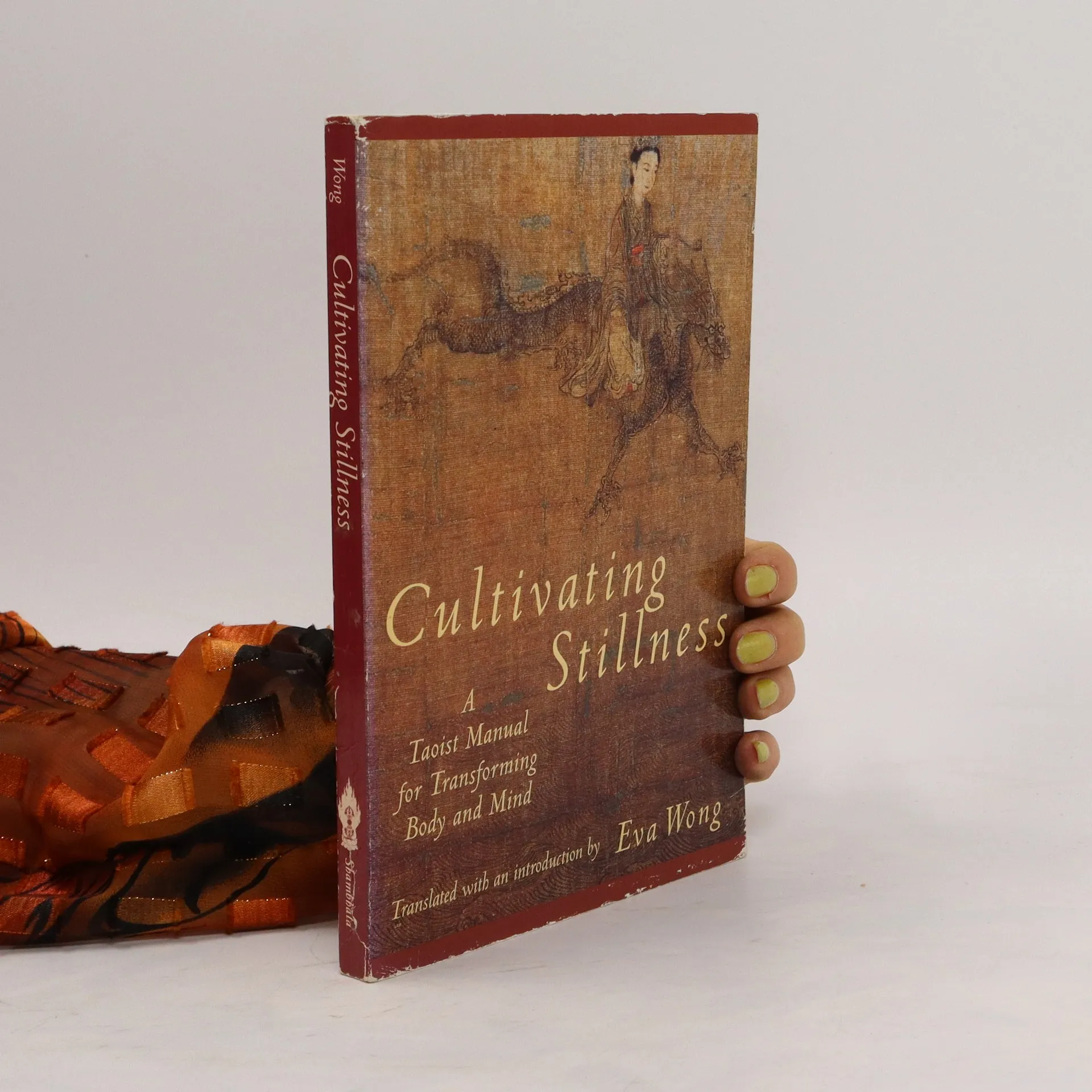
    Cultivating Stillness
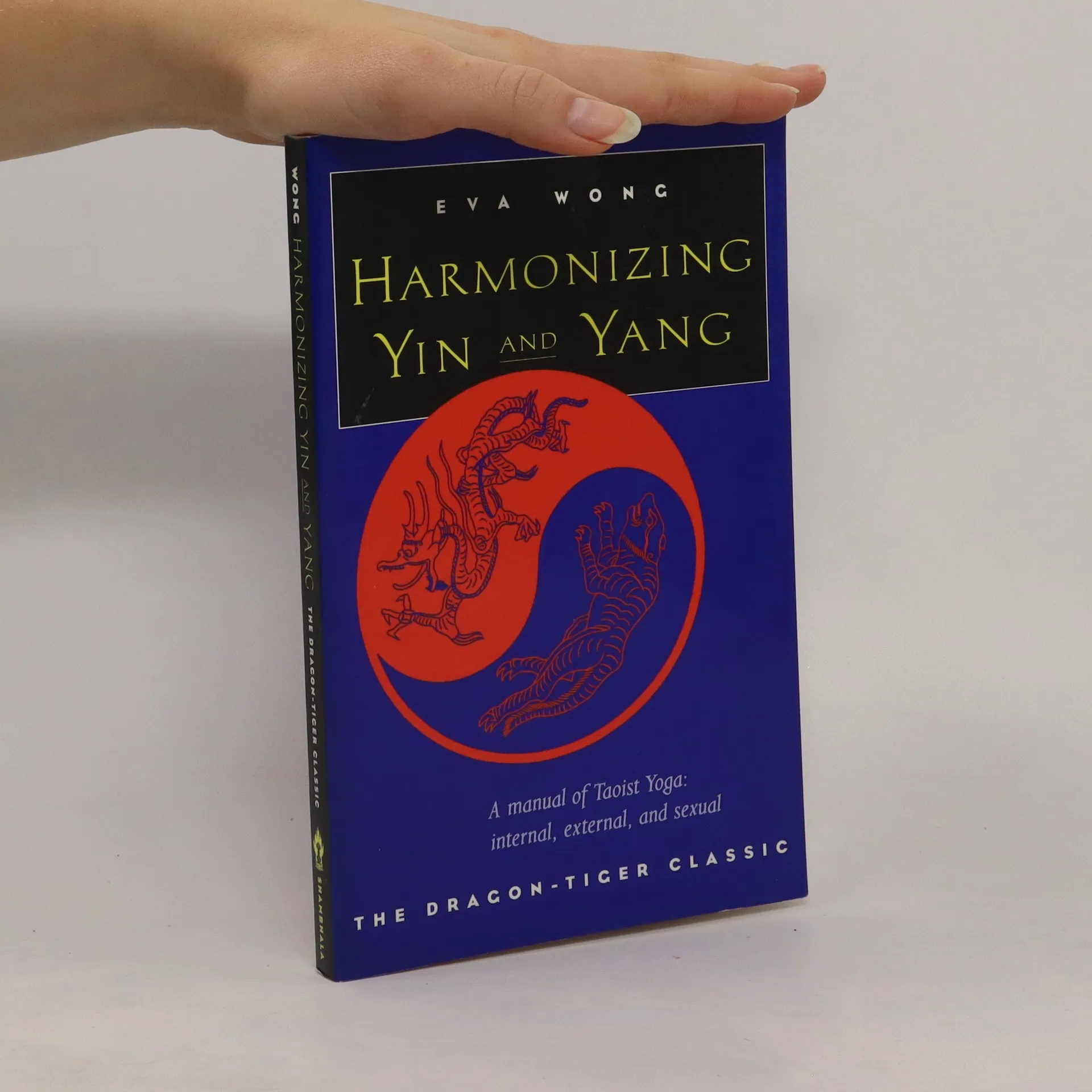
    Harmonizing Yin and Yang
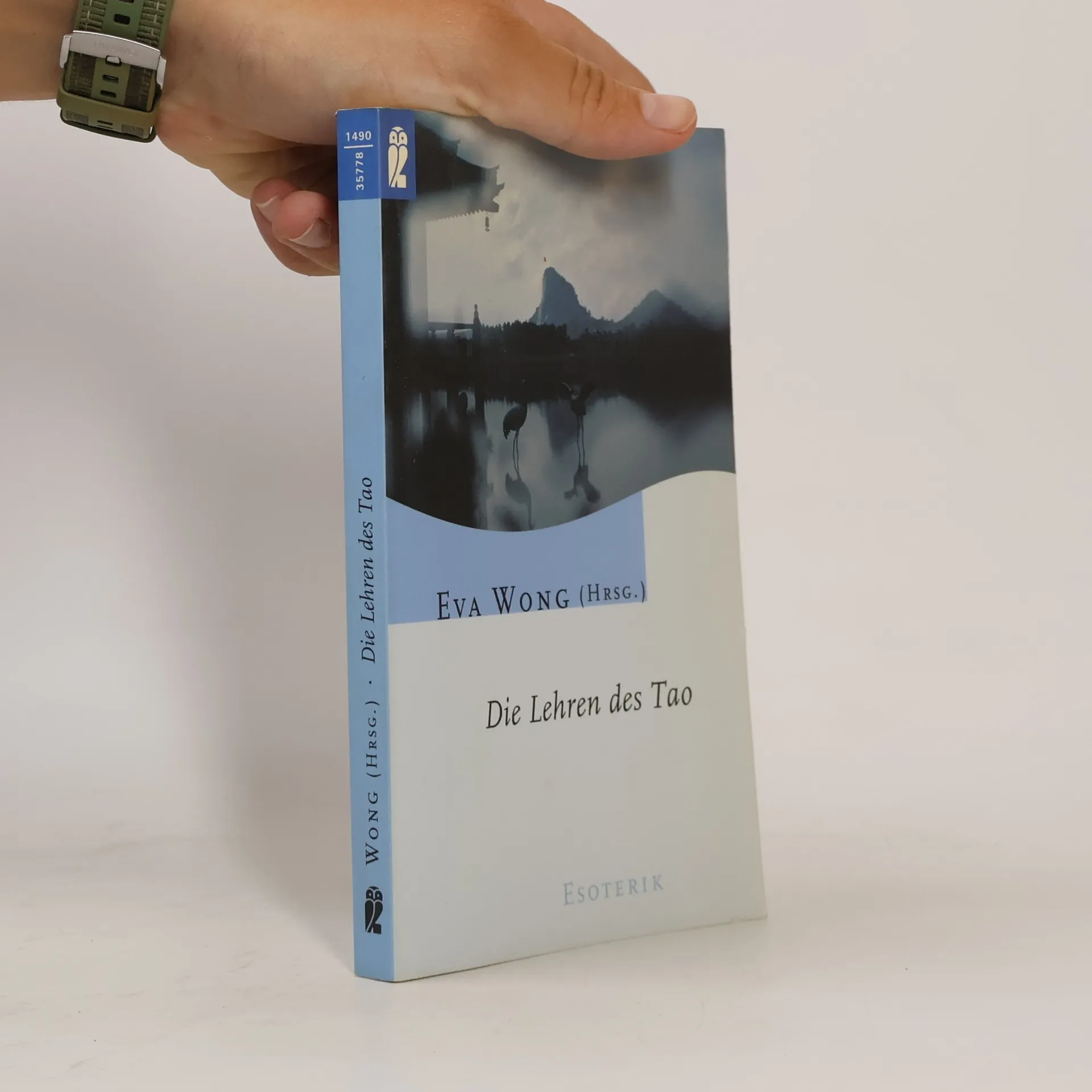
    Die Lehren des Tao
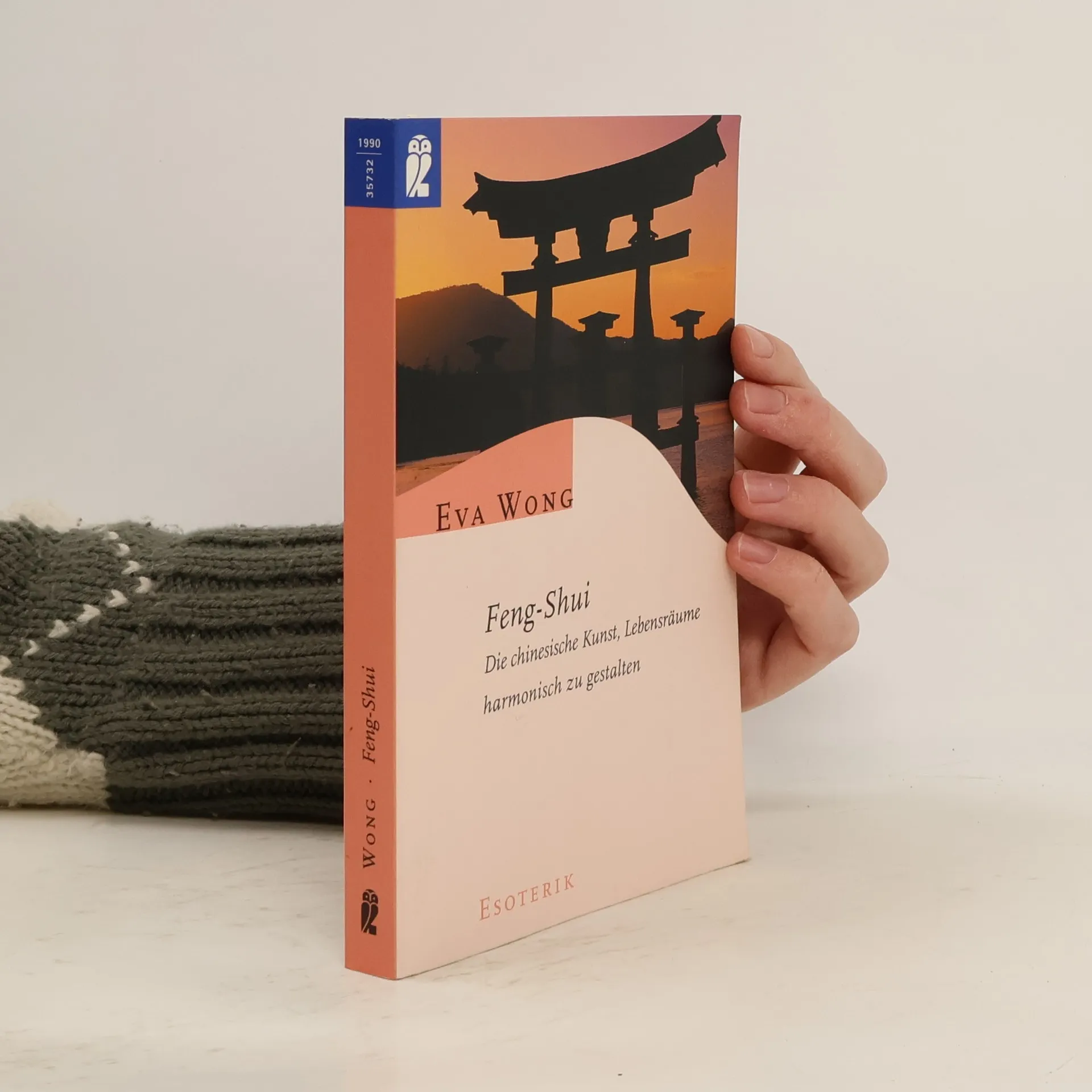
    Feng-Shui
    • Being Taoist

      • 193 Seiten
      • 7 Lesestunden

      A beautifully clear and accessible explanation of how to live a Taoist life—with an overview of Taoist philosophy—by a renowned Taoist master Taoism isn’t a spiritual extracurricular activity, it’s an integral practice for living all of life to the fullest. Taoist living rests on four pillars—the public, the domestic, the private, and the spirit lives. Not only do Taoists strive to live these four aspects fully and in a balanced way, they also believe there is an outlook and an art to each of them. Here, modern Taoist adept Eva Wong is your guide to living well according to the wisdom of this ancient system. Drawing from ancient Taoist texts, she explains in simple terms the Taoist masters’ approach to the four aspects of life, asking readers to reflect on the balance of their own lives and demonstrating how that balance is the secret infusing your life with health, harmony, and deep satisfaction.
      Being Taoist2015
      3,9
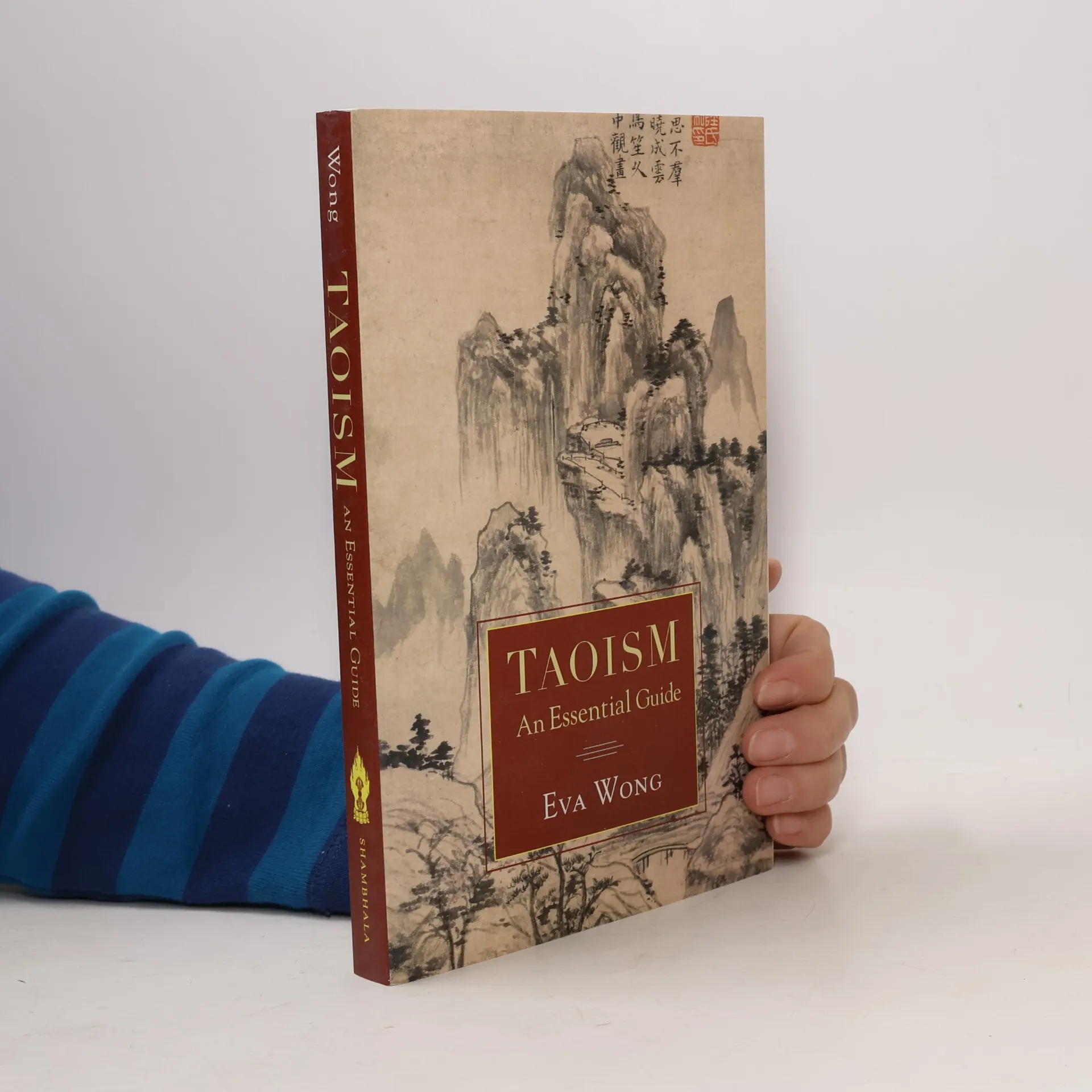
    • Taoism

      • 288 Seiten
      • 11 Lesestunden

      For the first time, the great depth and diversity of Taoist spirituality is introduced in a single, accessible manual. Taoism, known widely today through the teachings of the classic Tao Te Ching and the practices of t'ai chi and feng-shui, is less known for its unique traditions of meditation, physical training, magical practice, and internal alchemy. Covering all of the most important texts, figures, and events, this essential guide illuminates Taoism's extraordinarily rich history and remarkable variety of practice. A comprehensive bibliography for further study completes this valuable reference work -- Provided by publisher.

      Taoism2011
      3,8
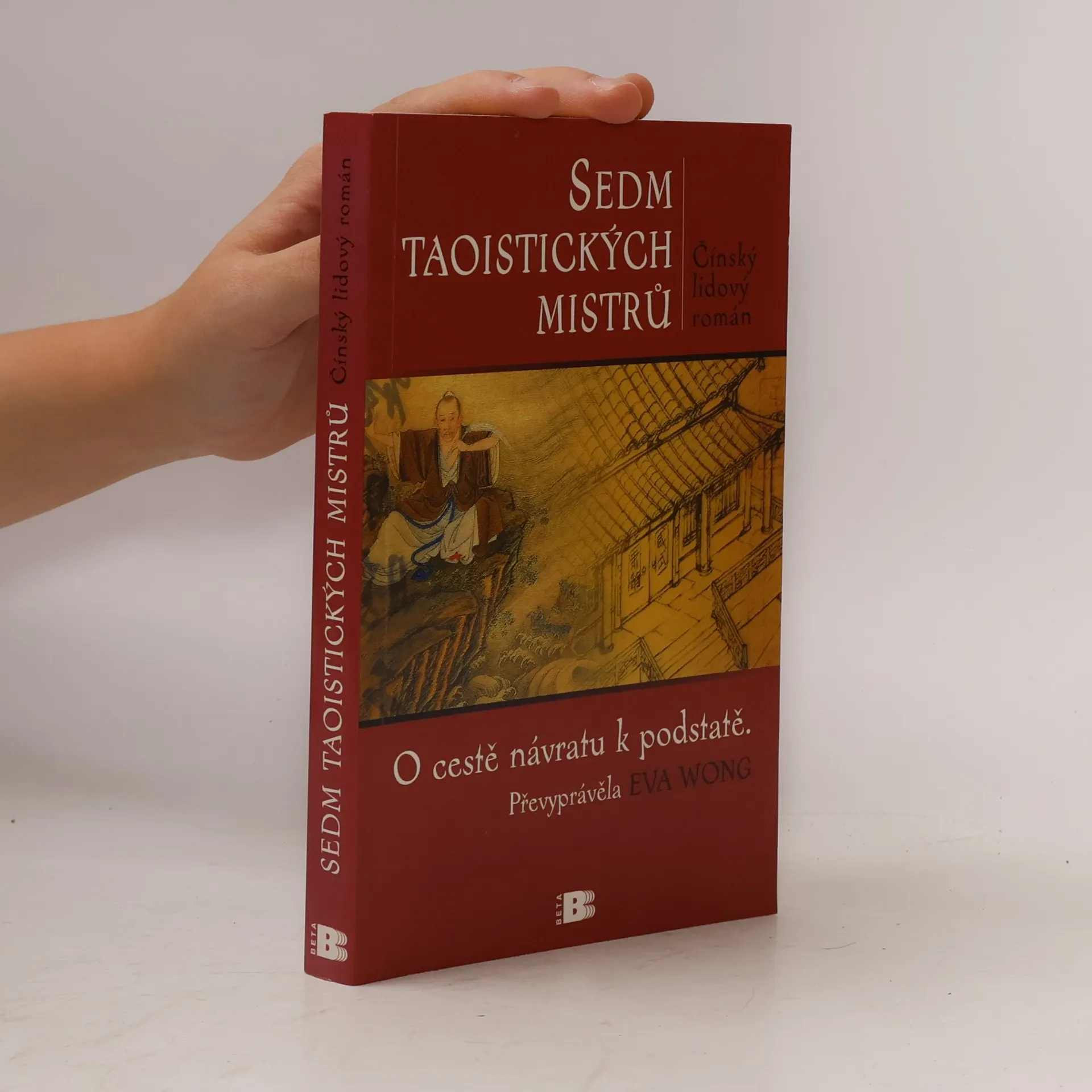
    • Sedm taoistických mistrů je dílo neznámého čínského autora, jenž vylíčil příběh šesti mužů a jedné ženy, kteří podstupují mnohé útrapy na cestě k nalezení vlastní duchovní podstaty. Tyto postavy a jejich mistr Wang Čung-jang jsou skutečné historické osobnosti z období dynastií Jižní Sung (1127-1279) a Jüan (1279-1368). Těchto "sedm statečných" otevírá cestu k tříbení mysli a těla nejen sobě, ale všem čtenářům, kteří jejich putování mohou využít jako zamyšlení se nad vlastním životem se všemi jeho klady a zápory. Podání známé autorky Evy Wong je velmi čtivé, poutané, dramatické a nabízí nový pohled na taoistické učení a na život ve starobylé Číně. Jeden ze základních pilířů čínského lidového písemnictví.

      Sedm taoistických mistrů: O cestě návratu k podstatě2006
      4,3
    • Tento průvodce duchovní krajinou taoismu vás nejen uvede do důležitých událostí v životě taoismu, seznámí s mudrci, kteří sepsali taoistické texty, a různými školami taoistického myšlení, ale učiníte si i představu o tom, co to znamená praktikovat taoismus dnes. Kniha je rozdělena do tří částí, Dějiny taoismu, Taoistické systémy a Taoistické praktiky. Toto hodnotné dílo obsahuje i doplňující literaturu ke každé kapitole k dalšímu studiu. Obsah: Část I : DĚJINY TAOISMU 1. Šamanské počátky (3000 - 800 př. n. l.) 2. Klasické období (700 - 220 př. n. l.) 3. Proměna taoismu z filozofie v uspořádaný náboženský systém (přibližně 20 př. n. l.- 600 n. l.) 4. Vznik mystického taoismu (300 - 600 n.l.) 5. Vývoj alchymistického taoismu (200 - 1200 n. l.) 6. Syntéza taoismu, buddhismu a konfucianismu (1000 n. l. až po současnost) Část II : TAOISTICKÉ SYSTÉMY 7. Magický taoismus - cesta síly 8. Věštecký taoismus - způsob vidění 9. Obřadní taoismus - cesta zbožnosti 10. Taoismus vnitřní alchymie - cesta proměny 11. Taoismus Jednání a karmy - cesta správného jednání Část III : TAOISTICKÉ PRAKTIKY 12. Meditace 13. Techniky kultivace těla 14. Rity očištění, obřadů a amuletové magie Přílohy

      Taoismus2005
      4,2
    • Nourishing the Essence of Life

      • 112 Seiten
      • 4 Lesestunden

      A Taoist adept provides a reader-friendly interpretation of the Taoist teachings on health and longevity The teachings of Taoism, China's great wisdom tradition, apply to every aspect of life, from the physical to the spiritual—and include instruction on everything from lifestyle (a life of simplicity and moderation is best) to the work of inner alchemy that is said to lead to longevity and immortality.Here, Eva Wong presents and explains three classic texts on understanding the Tao in the macrocosm of the universe and the microcosm of the body that provide an excellent overview of the three traditional levels of the Taoist teachings—Outer, Inner, and Secret. The Outer teachings are concerned with understanding the Tao as manifested in nature and society. They are easily accessible to the layperson and consist of the Taoist philosophy of nature and humanity, advice on daily living, and a brief introduction to the beginning stages of Taoist meditation. The Inner teachings familiarize the practitioner with the energetic structure of the human body and introduce methods of stilling the mind and cultivating internal energy for health and longevity. The Secret teachings describe the highest level of internal-alchemical transformations within the body and mind for attaining immortality.

      Nourishing the Essence of Life2004
      3,9
    • Tales of the Taoist Immortals

      • 178 Seiten
      • 7 Lesestunden

      The narrative explores Eva Wong's childhood in Hong Kong, where she absorbed captivating tales from renowned storytellers, radio actors, and her grandmother. These stories, rich in the lore of Taoist immortals, were frequently brought to life through Chinese opera performances, blending tradition with personal memory. The book reflects on the cultural significance of storytelling in shaping her identity and preserving heritage.

      Tales of the Taoist Immortals2001
      4,1
    • A Master Course in Feng-shui

      • 304 Seiten
      • 11 Lesestunden

      This fully illustrated, comprehensive workbook is designed primarily for homeowners, renters, architects, and business owners who want to put feng-shui to practical personal use—to choose a home, build a house, select an office, or find a retail space. Real estate agents, interior designers, and architects will also find it useful as a reference manual. The text and exercises proceed in systematic fashion from basic principles to specific projects, covering the following    •  Evaluating the landscape and external environment by using the techniques of the Landform School   •  Using the geomantic compass to chart patterns of energy within a building   •  Planning the usage of space   •  Matching occupants to a house   •  Deciding on the placement of furniture   •  Improving the feng-shui of a building with countermeasures, enhancers, and renovations   •  Building a new house   •  Choosing or designing an apartment, business suite, or retail space

      A Master Course in Feng-shui2001
      4,0
    • The Tao of Health, Longevity, and Immortality

      The Teachings of Immortals Chung and Lü

      • 160 Seiten
      • 6 Lesestunden

      Here is a classic Chinese text on the Taoist arts of longevity and immortality. The text dates from the Five Dynasties (907–960 C. E.) and is attributed to Chungli Ch'uan and Lü Tung-pin—two of the most popular figures of Taoism and Chinese culture. This text focuses on Taoist inner alchemy, a theory and method for transforming the mind from within by using practices such as breath control, calisthenics, meditation practices, and sexual alchemy (the method of gathering energy from a sexual partner). The teachings address the following topics: • The nature of immortality and how it can be attained by realizing the laws of the Tao within us • The art of health • The art of longevity • How to deal with obstacles and recognize spiritual progress The Art of Health, Longevity, and Immortality will be of interest to both beginning students of Taoism and scholars. Wong's introduction includes a concise overview of the evolution of Taoist longevity practices as well as an elucidating section for readers who are unfamiliar with the teachings and practices of Taoist inner alchemy. She also includes a list of helpful hints for reading and understanding each section of the text.

      The Tao of Health, Longevity, and Immortality2000
      3,8
    • The Feng Shui Workbook

      • 128 Seiten
      • 5 Lesestunden

      Feng shui is an ancient Chinese philosophy aimed at maximizing harmony between ourselves and our surroundings. This guide shows readers how to arrange their homes and work space to fit in most effectively with the basic feng shui principles.

      The Feng Shui Workbook1998
      2,0
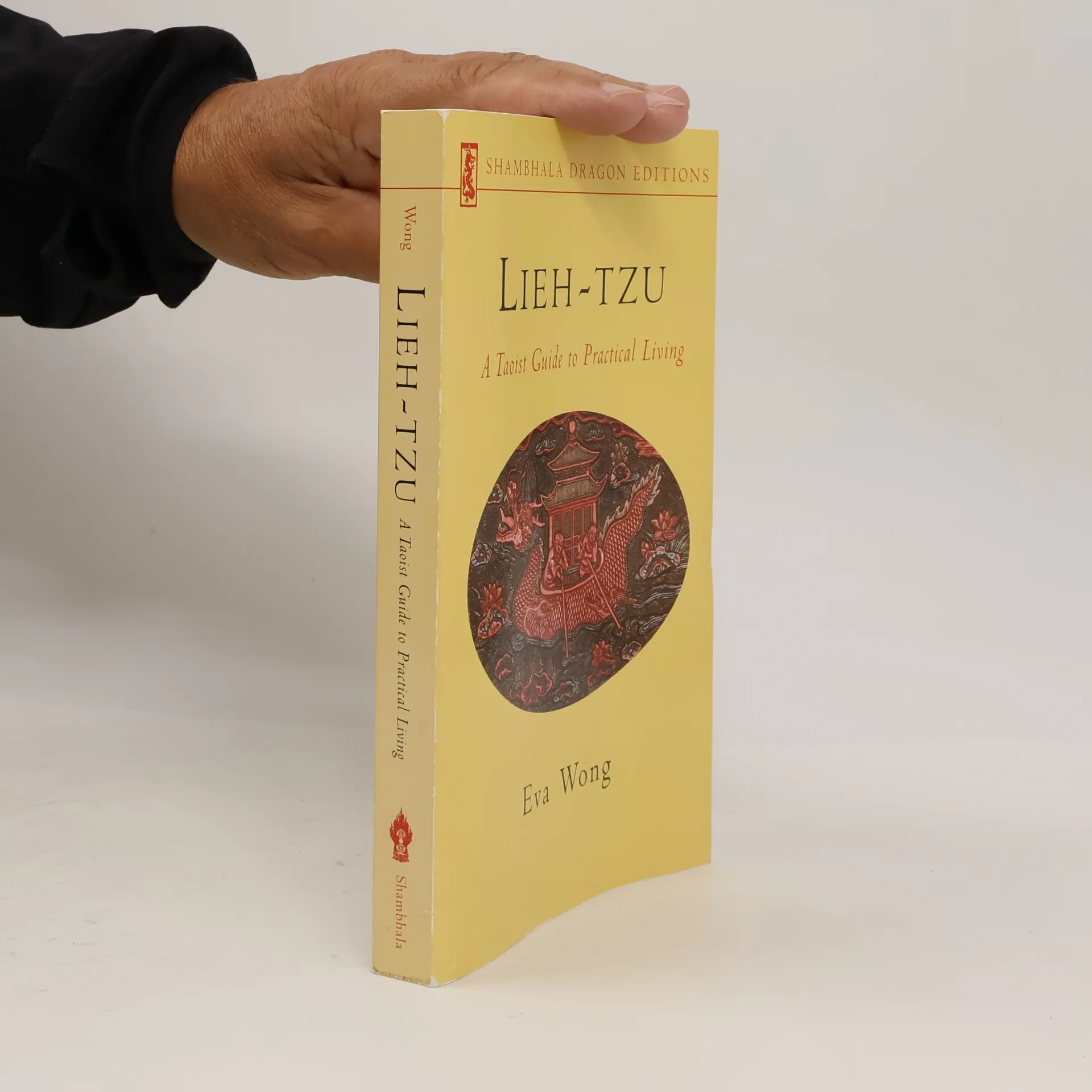
    • Lie-Tse

      Una guía taoista sobre el arte de vivir

      • 300 Seiten
      • 11 Lesestunden

      Uno de los tres textos principales del taoísmo, junto con el Tao Te Ching y el Chuang Tzu, esta guía ofrece consejos prácticos para la conducta de la vida cotidiana. Presentando a Lieh-tzu como un compañero amigable e íntimo que habla directamente al lector, esta obra invita al lector a escuchar la "voz" de Lieh-tzu, en lugar de leer sus palabras con una mente analítica.

      Lie-Tse1997
      5,0
    • To age with the sun and moon and be renewed by spring and summer, to conserve the seeds of growth in autumn and winter and to be nourished by the eternal breath of the Tao—these are the goals of the Taoist alchemists, the masters of the arts of health, longevity, and immortality.This book is a translation of a concise Taoist alchemical manual known as the Dragon-Tiger Classic, along with its two most important commentaries. The classic, written in ancient times by an unknown author and published during the fifteenth century BCE, is regarded by contemporary Taoist practitioners as the most complete guide to spiritual transformation. It covers the three forms of Taoist    •  External alchemy, concerned with the ingestion of minerals, herbs, and other substances to attain health, longevity, and immortality   •  Sexual alchemy, in which the practitioner uses the energy of a sexual partner to cultivate his or her own energy   •  Internal alchemy, the practice of meditation, calisthenics, and yogic postures to cultivate mind and bodyAn extensive introduction by the translator and the inclusion of two commentaries by traditional Chinese authors aid the reader in understanding this concise, symbolic text.

      Harmonizing Yin and Yang1997
      4,0
    • Feng-Shui

      • 390 Seiten
      • 14 Lesestunden

      Der erste umfassende, tiefgehende Kurs in der traditionellen chinesischen Kunst des harmonischen Designs für Innenräume, Gebäude und Standorte – einschließlich Anleitungen zur Herstellung eines eigenen geomantischen Kompasses für Feng-Shui-Lesungen. Feng-Shui, tief verwurzelt in taoistischen und schamanischen Ursprüngen, ist nicht einfach eine Liste von Anweisungen zum Bau glückbringender Strukturen oder zur Anordnung von Innenräumen für Glück. Es ist die Kunst, die Muster des Universums zu lesen und im Einklang mit der Umwelt zu leben. Mit 200 Fotos und Diagrammen.

      Feng-Shui1996
      3,9
    • Equanimity, good health, peace of mind, and long life are the goals of the ancient Taoist tradition known as "internal alchemy," of which Cultivating Stillness is a key text. Written between the second and fifth centuries, the book is attributed to T'ai Shang Lao-chun—the legendary figure more widely known as Lao-Tzu, author of the Tao-te Ching . The accompanying commentary, written in the nineteenth century by Shui-ch'ing Tzu, explains the alchemical symbolism of the text and the methods for cultivating internal stillness of body and mind. A principal part of the Taoist canon for many centuries, Cultivating Stillness is still the first book studied by Taoist initiates today.

      Cultivating Stillness1992
      4,1