Hainer Kober, geboren 1942, lebt in Soltau. Er hat u. a. Werke von Stephen Hawking, Steven Pinker, Jonathan Littell, Georges Simenon und Oliver Sacks übersetzt.
Michael Hanlon Bücher
20. Dezember 1964 – 9. Februar 2016
Dieser Autor konzentriert sich auf die Analyse von Verteidigungs- und außenpolitischen Fragen. Sein Werk zeichnet sich durch ein tiefes Verständnis komplexer internationaler Beziehungen aus. Durch sein Schreiben bietet er den Lesern eine aufschlussreiche Perspektive auf die strategischen Herausforderungen der heutigen Welt. Sein Ansatz basiert auf sorgfältiger Analyse und Betonung praktischer Lösungen.





10 Fragen, die die Wissenschaft (noch) nicht beantworten kann
- 208 Seiten
- 8 Lesestunden
Haben Gorillas Humor? Gibt es Leben im Universum? Ist alles Übersinnliche Humbug? Dieses schillernde Buch präsentiert zehn verschiedene wissenschaftliche Rätsel, für die es noch keine Lösungen gibt oder deren Klärung immer wieder aufgeschoben wird. Einige Fragen werden ignoriert, da sie zu schwierig, verwirrend oder kostspielig sind. In diesem humorvollen Werk erfahren Sie, warum es bisher nicht gelungen ist, diese Wissenslücken zu schließen, und wie Wissenschaftler an bedeutenden sowie alltäglichen Fragen arbeiten. Es sind Fragen, die neugierige Schüler ihren Lehrern stellen – oft mit der Antwort, sie sollten sich auf das Wesentliche konzentrieren. Michael Hanlon reflektiert, wie unsere Vorfahren vor 3.000 Jahren in die Nacht blickten und sich fragten, was der große, leuchtende Himmelskörper ist. Während wir heute vieles über die Sonne und unseren Körper wissen, gibt es dennoch viele ungelöste Rätsel. Hanlon argumentiert, dass wir trotz der Fortschritte in der Wissenschaft nicht zu selbstsicher sein sollten. Für jede gelöste Frage gibt es zahlreiche neue Rätsel, die auf Antworten warten. In diesem Buch werden einige der faszinierendsten Fragen vorgestellt, die die Wissenschaft bislang nicht beantwortet hat.
Defense 101
- 282 Seiten
- 10 Lesestunden
In Defense 101 , a concise primer for understanding the United States' $700+ billion defense budget and rapidly changing military technologies, Michael O'Hanlon provides a deeply informed yet accessible analysis of American military power. After an introduction in which O'Hanlon surveys today's international security environment, provides a brief sketch of the history of the US military, its command structure, the organization of its three million personnel, and a review of its domestic basing and global reach, Defense 101 provides in-depth coverage of four critical areas in military • Defense Budgeting and Resource detailed budget and cost breakdowns, wartime spending allocations, economics of overseas basing, military readiness, and defense budgeting versus US grand strategy• Gaming and Modeling wargaming, micro modeling, nuclear exchange calculations, China scenarios, and assessments of counterinsurgency missions• Technological Change and Military use of computers, communications, and robotics, cutting-edge developments in projectiles and propulsion systems• The Science of War, military uses of space, missile defense, and nuclear weapons, testing, and proliferation For policy makers and experts, military professionals, students, and citizens alike, Defense 101 helps make sense of the US Department of Defense, the basics of war and the future of armed conflict, and the most important characteristics of the American military.
Expanding Global Military Capacity for Humanitarian Intervention
- 168 Seiten
- 6 Lesestunden
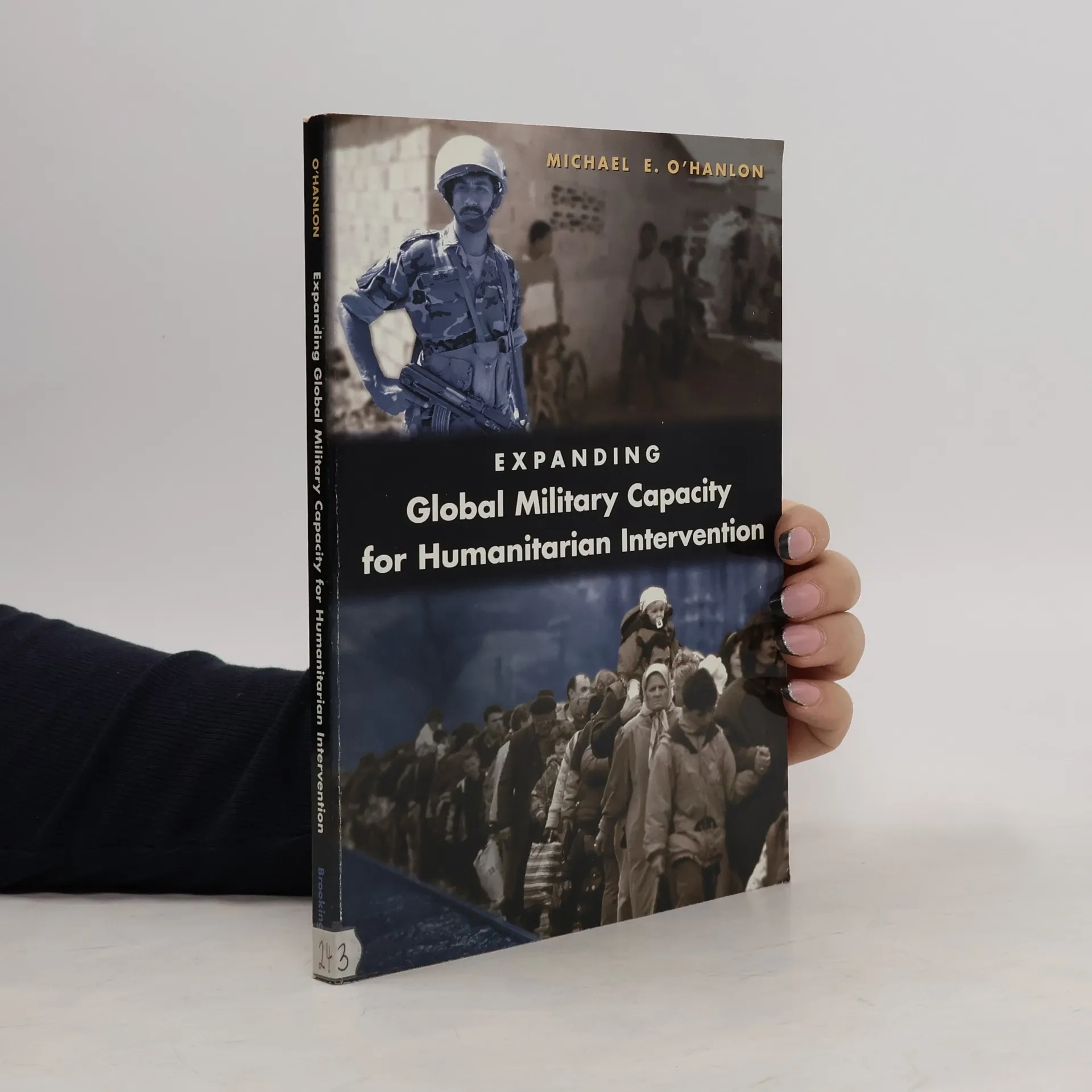
Despite worldwide internecine ethnic and political conflict, humanitarian intervention by the international community has been effective in several high-profile cases, helping save thousands of lives in Somalia and ending genocide in Bosnia and Kosovo. However, a sufficient capacity for multilateral humanitarian intervention does not yet exist. In this volume, Michael O'Hanlon presents a blueprint for saving lives through force. He suggests new ways of spreading the responsibility for intervention forces onto regional powers. Ultimately, hecontends, individual countries must develop the aggregate capacity to react nearly simultaneously to several crises of varying scale and severity.
After eleven weeks of bombing in the spring of 1999, the United States and NATO won the war in Kosovo, forcing Serbian troops to withdraw and allowing for an international presence in the region. However, questions arise about whether this conflict was inevitable or a result of failed diplomacy. Ivo Daalder and Michael O'Hanlon provide an in-depth analysis of the Kosovo crisis, exploring its causes, conduct, and consequences through interviews with key participants. They conclude that while significant diplomatic errors occurred before the war, avoiding the conflict would have been challenging. The authors highlight that NATO's strategy during the war was flawed, as Serbian forces managed to alter Kosovo's ethnic balance by displacing 1.5 million Albanians. Had the Serbs escalated their violence, NATO would have struggled to intervene effectively. Ultimately, NATO's victory stemmed from intensifying bombing, planning a ground invasion, and ramping up diplomatic efforts to convince Belgrade of their inevitable defeat. The Kosovo crisis serves as a cautionary tale about the complexities of using military force to prevent genocide and mass displacement, emphasizing the need to learn from past mistakes to inform future actions.
Art of War in an Age of Peace
- 304 Seiten
- 11 Lesestunden
An informed modern plan for post-2020 American foreign policy that avoids the opposing dangers of retrenchment and overextension "A masterful examination of past American grand strategy and foreign policies. A compelling, thoughtful, and thought-provoking proposal of a new grand strategy by one of America's foremost writers and thinkers on U.S. defense, foreign policy, and geopolitics." --General David Petraeus, U.S. Army (Ret.) Russia and China are both believed to have "grand strategies"--detailed sets of national security goals backed by means, and plans, to pursue them. In the United States, policymakers have tried to articulate similar concepts but have failed to reach a widespread consensus since the Cold War ended. While the United States has been the world's prominent superpower for over a generation, much American thinking has oscillated between the extremes of isolationist agendas versus interventionist and overly assertive ones. Drawing on historical precedents and weighing issues such as Russia's resurgence, China's great rise, North Korea's nuclear machinations, and Middle East turmoil, Michael O'Hanlon presents a well-researched, ethically sound, and politically viable vision for American national security policy. He also proposes complementing the Pentagon's set of "4+1" pre-existing threats with a new "4+1" biological, nuclear, digital, climatic, and internal dangers.
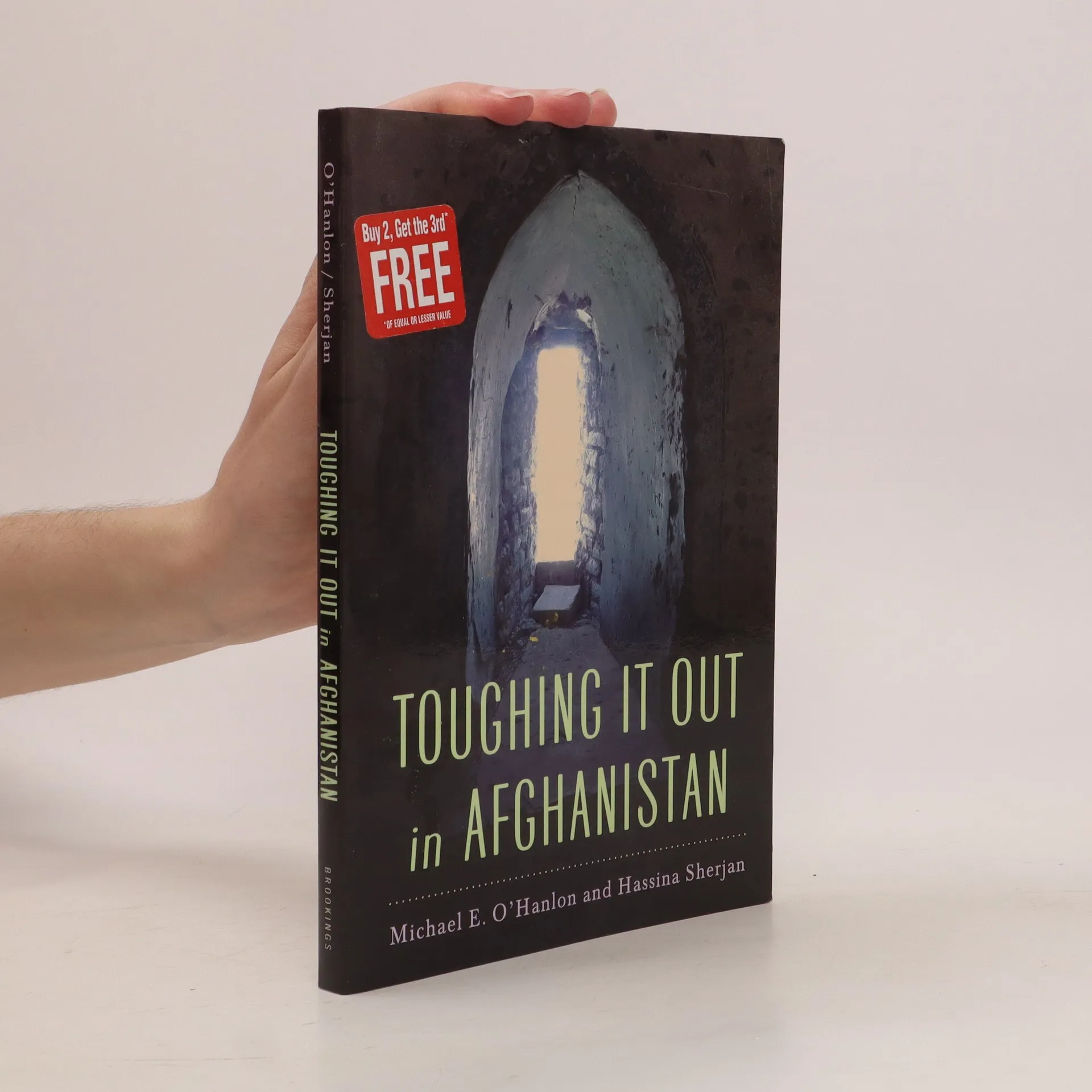
Michael O'Hanlon and Hassina Sherjan provide a compelling analysis of the current strategy in Afghanistan, drawing on their extensive knowledge and experience. This insightful work is essential for those seeking to understand the complexities of the conflict and the way forward. Through a unique collaboration, the authors present a concise overview of Afghanistan's situation, offering policy recommendations for the future. They share personal experiences while outlining tactics to protect the Afghan population and combat insurgents. Key topics include police reform, improvements in the prison system, tribal engagement, and anti-corruption efforts. The authors address the Afghan resistance, detailing the Taliban's resurgence and the necessary steps for their defeat. They also challenge prevalent myths about Afghanistan, such as the misconception that its people harbor animosity towards foreigners. Additionally, they emphasize the importance of metrics, like those in the Brookings Afghanistan Index, to assess the effectiveness of strategies during 2010 and 2011. Policy suggestions include enhancing the Afghan army and police, promoting Afghan businesses for economic recovery, increasing involvement from other Muslim nations, and establishing a robust international aid coordinator to complement NATO's military efforts.
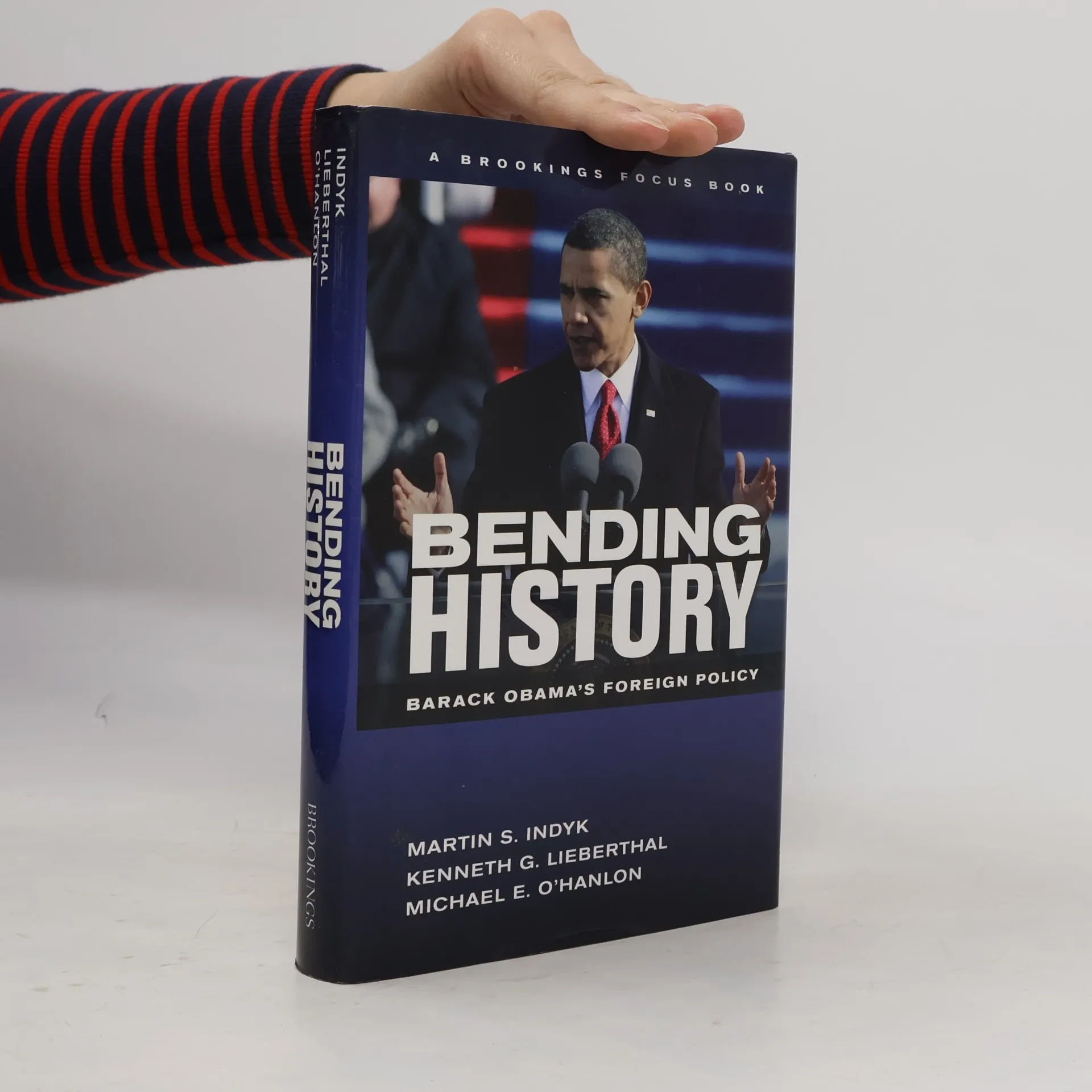
How effectively has Barack Obama fulfilled his roles as U.S. commander-in-chief and diplomat? While he has struggled to change the political climate in Washington and faced significant economic challenges during his first two years, his ultimate success may depend largely on his foreign policy. A trio of esteemed foreign policy experts explores the complexities of a president who has captivated global attention. Conflicting perceptions of Obama abound: the Right often views him as a naive apologist undermining "American exceptionalism," while some on the Left see him as a transformative figure countering George Bush's militarism, and others as an accommodationist lacking the resolve to dismantle Bush-era antiterror policies. However, Obama is far more nuanced than these portrayals suggest. The authors argue that he has primarily acted as a foreign policy pragmatist, addressing issues thoughtfully and competently, often opting for reasonable policies and demonstrating flexibility. This book-length appraisal, authored by Martin Indyk, Kenneth Lieberthal, and Michael O'Hanlon, combines their extensive expertise with insights from key military and diplomatic figures within the administration. They conclude that Obama's foreign policy lacks strategic coherence, characterized more by individual initiatives than by cohesive themes, despite the symbolic significance of his presidency.
Stopařův průvodce galaxií a věda
- 196 Seiten
- 7 Lesestunden
„Za debatu o paralelních vesmírech už vás z baru Fyzikální společnosti nevykopnou – naopak, koupí vám tam rundu...“ Chcete-li zjistit proč, vydejte se s uznávaným popularizátorem vesmíru Michaelem Hanlonem na zábavnou a fundovanou procházku prorockou klasikou žánru sci-fi. Text navazuje na velmi populární knižní řadu D. Adamse souhrnně nazývanou Stopařův průvodce Galaxií. S nadhledem a s úsměvem rozvádí jeho fikci. Zajímavé čtení ukazuje, že i věda může být zábavná. Vždyť věda vážná a seriózní je zde podávána chytře a velice živou formou. Nejen pro čtenáře příběhů Arthura Denta a jeho přítele Forda Prefecta to bude určitě velmi milé překvapení. Kniha jistě uspokojí i ty, které zajímá současný pohled na problematiku možnosti existence různých mimozemských forem života, velkého třesku, černých děr, paraleních světů, cestování časem apod., dotkneme se dokonce i otázky existence Boha.