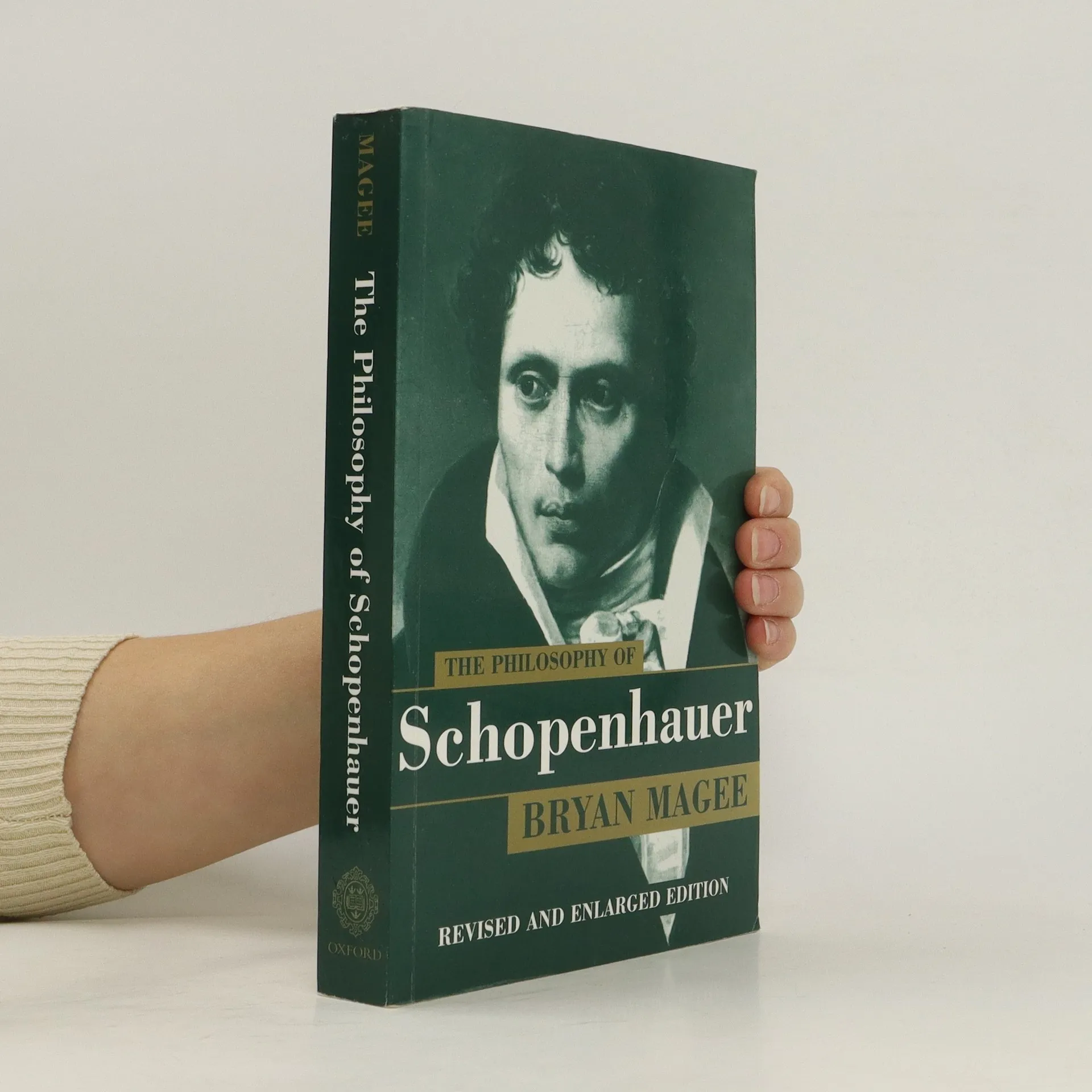
This is a revised and enlarged version of Bryan Magee's widely praised study of Schopenhauer, the most comprehensive book on this great philosopher. It contains a brief biography of Schopenhauer, a systematic exposition of his thought, and a critical discussion of the problems to which it gives rise and of its influence on a wide range of thinkers and artists. For this new edition Magee has added three new chapters and made many minor revisions and corrections throughout. This new edition will consolidate the book's standing as the definitive study of Schopenhauer.
Bryan Magee Reihenfolge der Bücher (Chronologisch)
12. April 1930 – 26. Juli 2019
Bryan Magee war ein bekannter britischer Rundfunksprecher und Autor, der vor allem für seine bedeutenden Beiträge zur Zugänglichkeit der Philosophie für die breite Öffentlichkeit bekannt ist. Seine Arbeit, einschließlich einflussreicher Fernsehserien und veröffentlichter Transkripte, bot Lesern und Zuschauern eine zugängliche Einführung in das moderne philosophische Denken. Magees Vermächtnis liegt in seiner Fähigkeit, intellektuelle Barrieren abzubauen und komplexe Ideen für Laien greifbar zu machen. Sein Engagement in Geschichte und Politik prägte auch seine einzigartige Perspektive auf philosophische Konzepte.


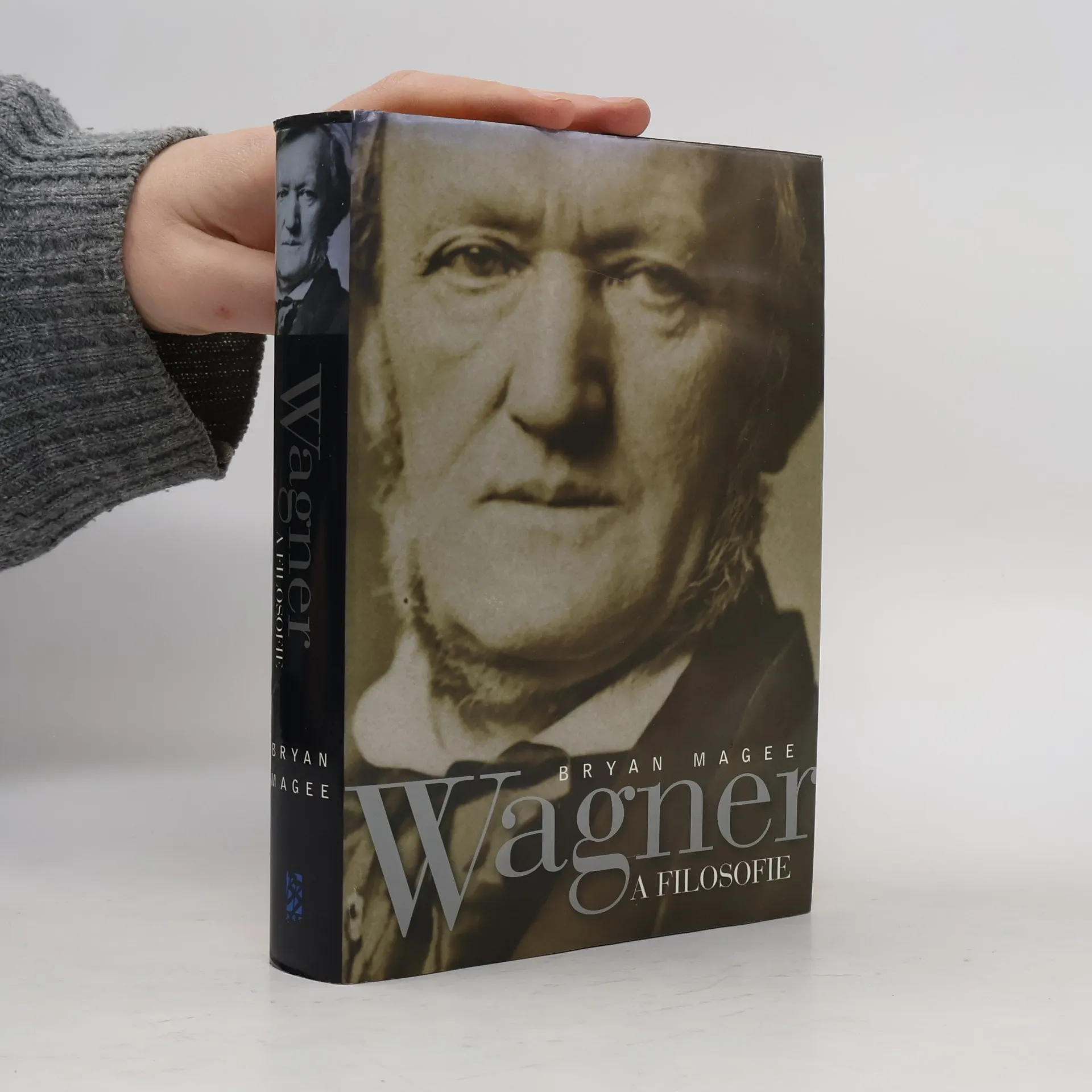
Wagner a filosofie
- 351 Seiten
- 13 Lesestunden
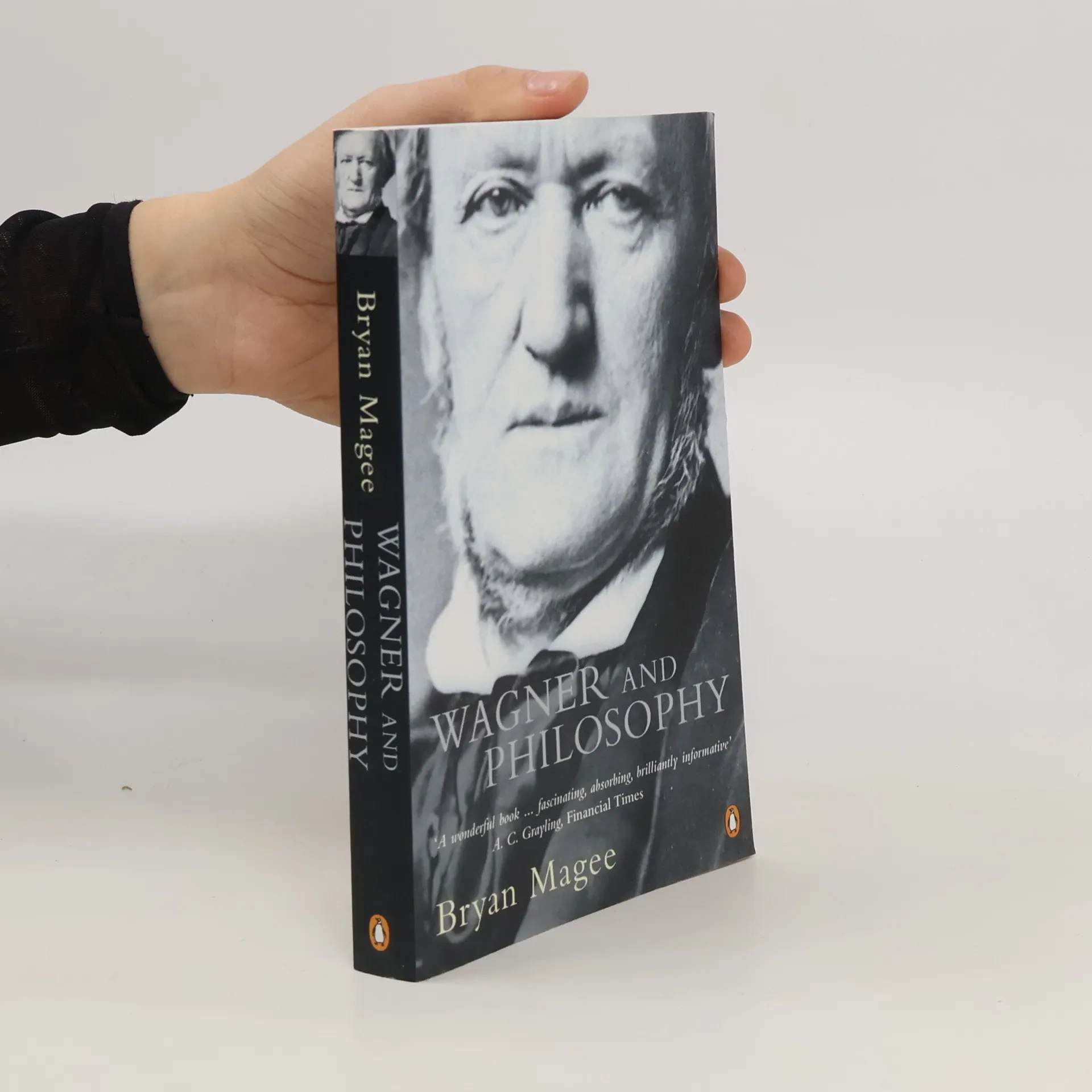
Kniha Wagner a filosofie pojednává o filosofech, jimiž byl Wagner ovlivněn, a popisuje s pozoruhodnou sympatií a vnímavostí, jakým způsobem se jejich vliv konkrétně projevil v jeho tvorbě. Wagner byl jedním z mála velkých hudebních skladatelů, kteří se vážně zabývali studiem filosofie. A málokdo, s výjimkou odborníků wagneriánů, si uvědomuje, v jakém rozsahu pronikly filosofické myšlenky do jeho zralých operních děl. Wagnerova filosofie se během let měnila. V mládí byl typickým levicovým revolucionářem, ale ve středním věku, zklamaný politikou, se od ní odvrátil a začal hledat duchovní hodnoty ve vlastním nitru. Všechny tyto změny se odrážejí v jeho operách a Bryan Magee je skvěle popisuje. Kniha sleduje Wagnerův životní příběh od nadšeného mladistvého socialisty k téměř buddhistické resignaci jeho pozdních let – a nespouští ze zřetele, jak se tyto myšlenky promítly do jeho oper. Zkoumá vztah mezi slovy a hudbou, mezi vědomím a nevědomím, mezi uměním a filosofií. Střízlivě a kriticky posuzuje jak Wagnera, propadlého odpuzující paranoi, egocentrismu a antisemitismu, tak i Wagnerova uměleckého génia. Všímá si také skladatelova dlouhého a důvěrného přátelství s mnohem mladším Nietzschem.
Beelden van een blinde filosoof
- 270 Seiten
- 10 Lesestunden
Briefwisseling tussen een ziende en een blinde Britse filosoof over persoonlijke en filosofische implicaties van het blind zijn.
Wagner and Philosophy
- 432 Seiten
- 16 Lesestunden
Wagner was one of the few major composers who studied philosophy seriously. This title places the composer's artistic development in the context of the philosophy of his age, and offers a comprehensive study of the close links between Wagner and the philosophers - from the pre-Marxist socialists to Feuerbach and Schopenhauer. schovat popis
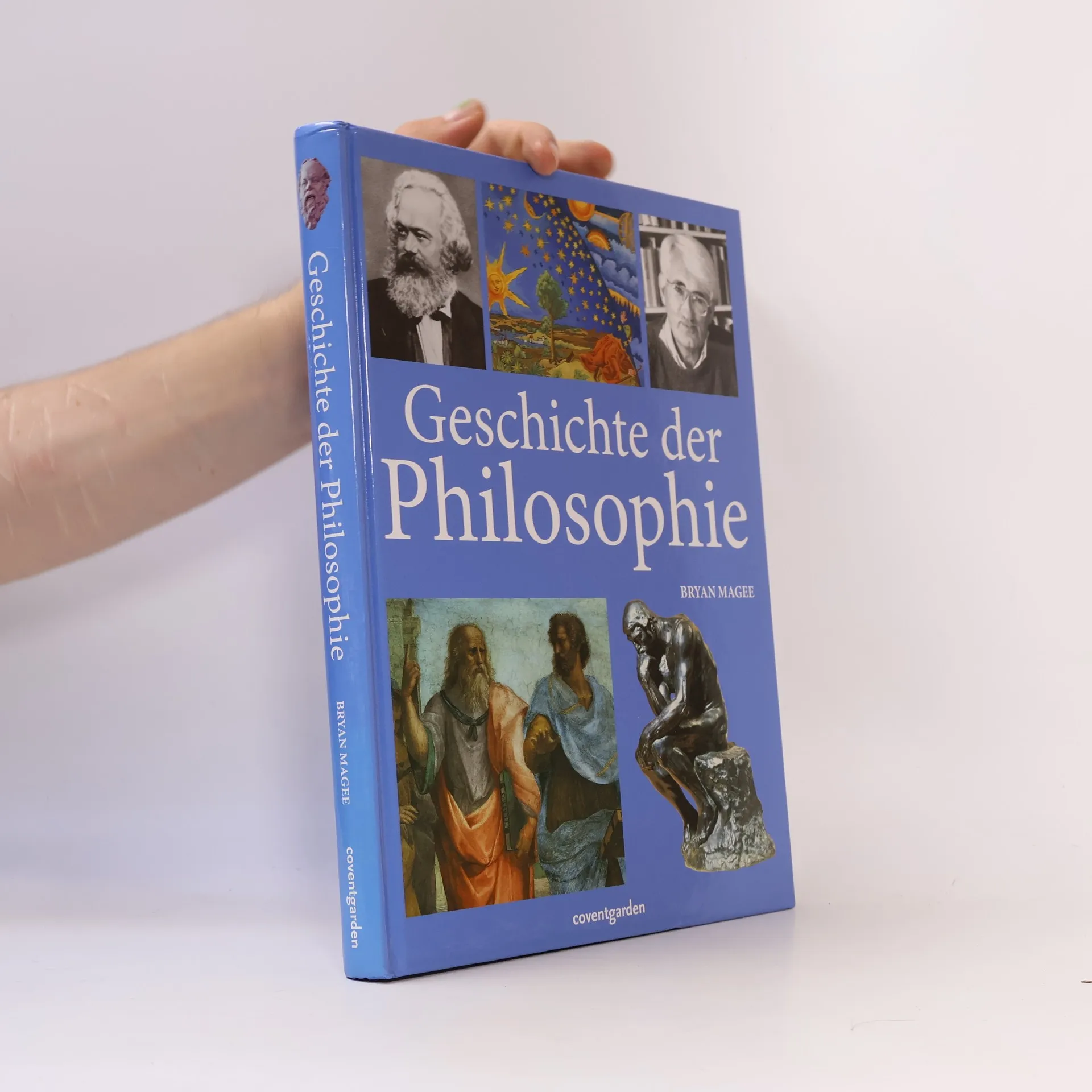
Geschichte der Philosophie
- 244 Seiten
- 9 Lesestunden
Die leicht verständliche Einführung in die Geschichte der Philosophie berücksichtigt alle namhaften Denker und Hauptströmungen von der Antike über das Mittelalter bis zur Gegenwart. Über 100 Philosophen - von Sokrates und Platon bis hin zu Wittgenstein und Habermas - werden vorgestellt. Der Schwerpunkt liegt dabei auf der europäischen und deutschen Philosophie, doch auch die Philosophie des Fernen Ostens wird berücksichtigt. Ein großes Kapitel zur Philosophie des 20. Jahrhunderts bildet den Schlussteil des Buches. Die wichtigsten Fragen der Philosophie werden von über 400 Abbildungen, die meisten davon farbig, begleitet. Sie zeigen Porträts einzelner Philosophen und veranschaulichen komplexe Probleme. So wird trockene Philosophie lebendig!
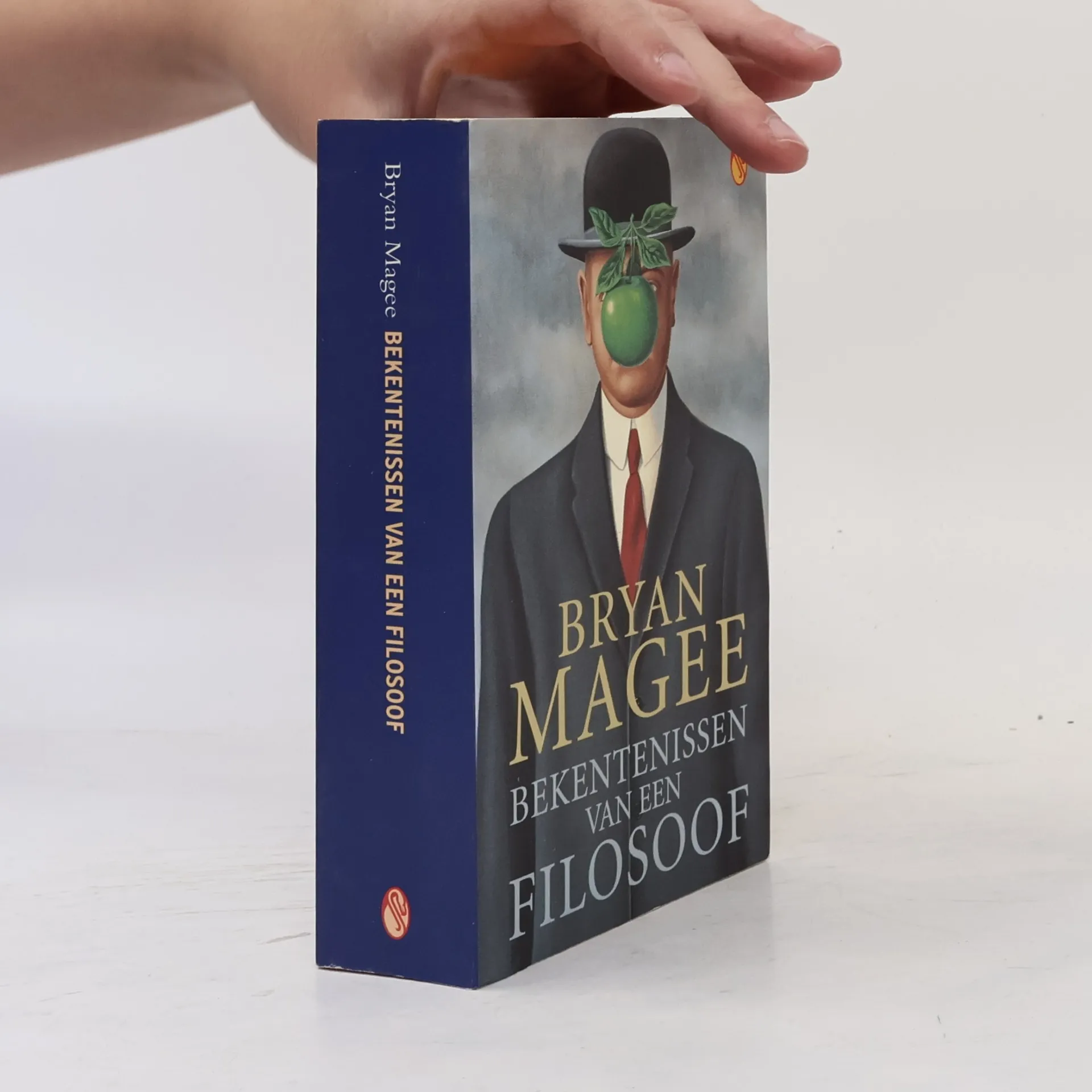
Bekentenissen van een filosoof
- 608 Seiten
- 22 Lesestunden
Autobiografisch relaas van de Britse filosoof en journalist (1930- ) over de verwevenheid van filosofie en alledag in zijn leven.
Bekenntnisse eines Philosophen
- 655 Seiten
- 23 Lesestunden
Der britische Philosoph Bryan Magee schildert sein Leben mit der Philosophie. Er erzählt von den großen Fragen, die ihn als Kind beschäftigten, berichtet von seinen späteren Begegnungen mit den fundamentalen Ideen der Philosophie und von seiner persönlichen Suche nach einem System, das ihm die Welt zu erklären vermag. Anschaulich macht Magee den Leser mit An- und Einsichten großer Denker zu Themen wie Wahrheit und Wirklichkeit, Erkenntnis und Moral vertraut und erklärt, warum das Leben manchmal leichter mittels Dichtung und Musik als durch abstraktes Denken zu begreifen ist.
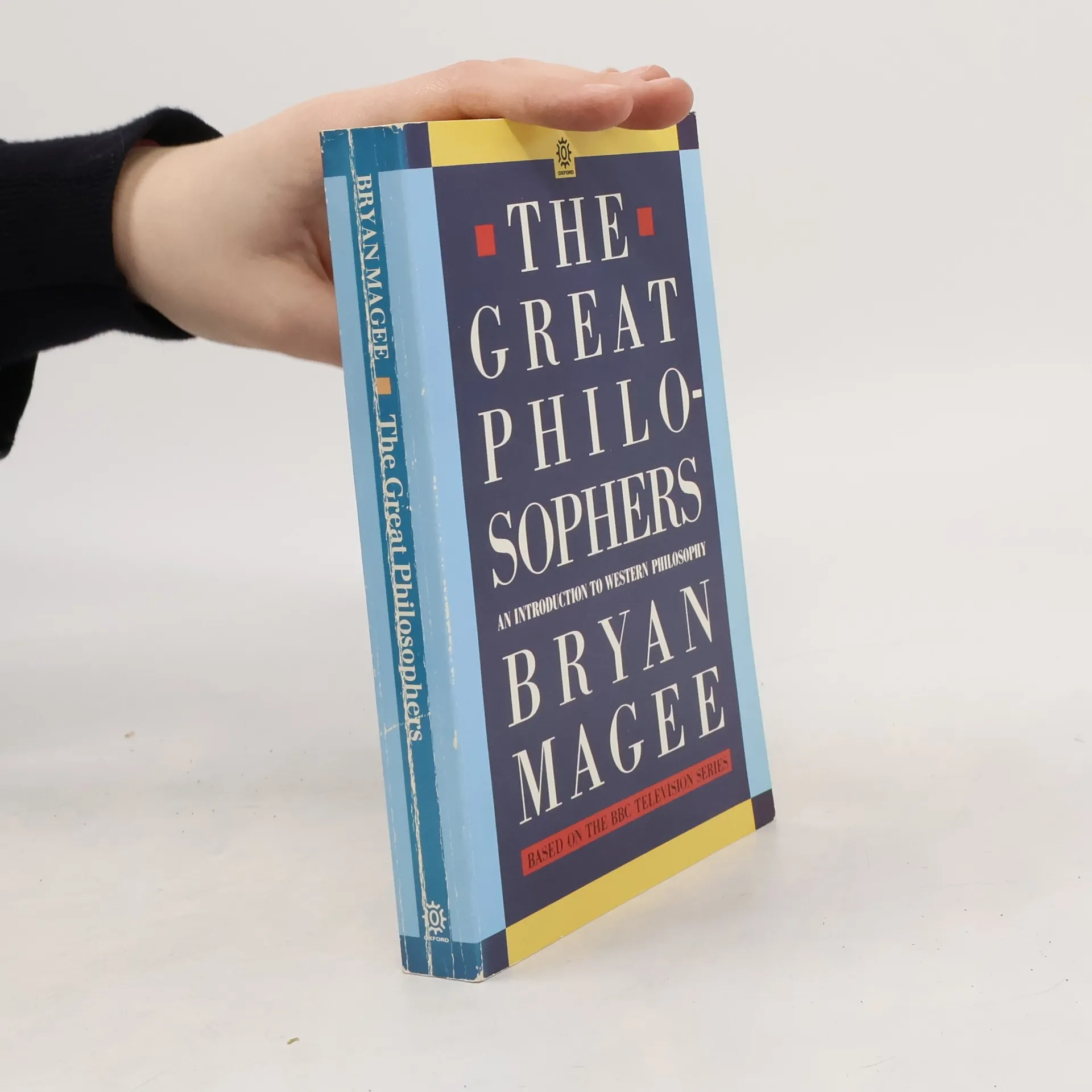
Western philosophy is a remarkable aspect of world civilization, yet it remains largely unknown to many. This work features fifteen dialogues between Bryan Magee and prominent scholars and philosophers, offering an engaging history of philosophy from Plato to the present. It begins with Socrates' death in 399 B.C. and Plato's foundational writings, then progresses through Aristotle and medieval thinkers, the seventeenth-century contributions of Descartes, Spinoza, Leibniz, and Locke, and the eighteenth-century insights of Berkeley, Hume, and Kant. The narrative continues with the nineteenth-century ideas of Hegel, Marx, Schopenhauer, and Nietzsche, culminating in the twentieth century with philosophers such as Husserl, Heidegger, Frege, Russell, Wittgenstein, and American pragmatists. The dialogues feature influential figures like Martha Nussbaum, Bernard Williams, and Peter Singer, who present complex philosophical concepts in a lively and accessible manner. This work serves as an engaging introduction to the key ideas and thinkers of Western philosophy, making it a valuable resource for those seeking to understand this rich intellectual tradition.
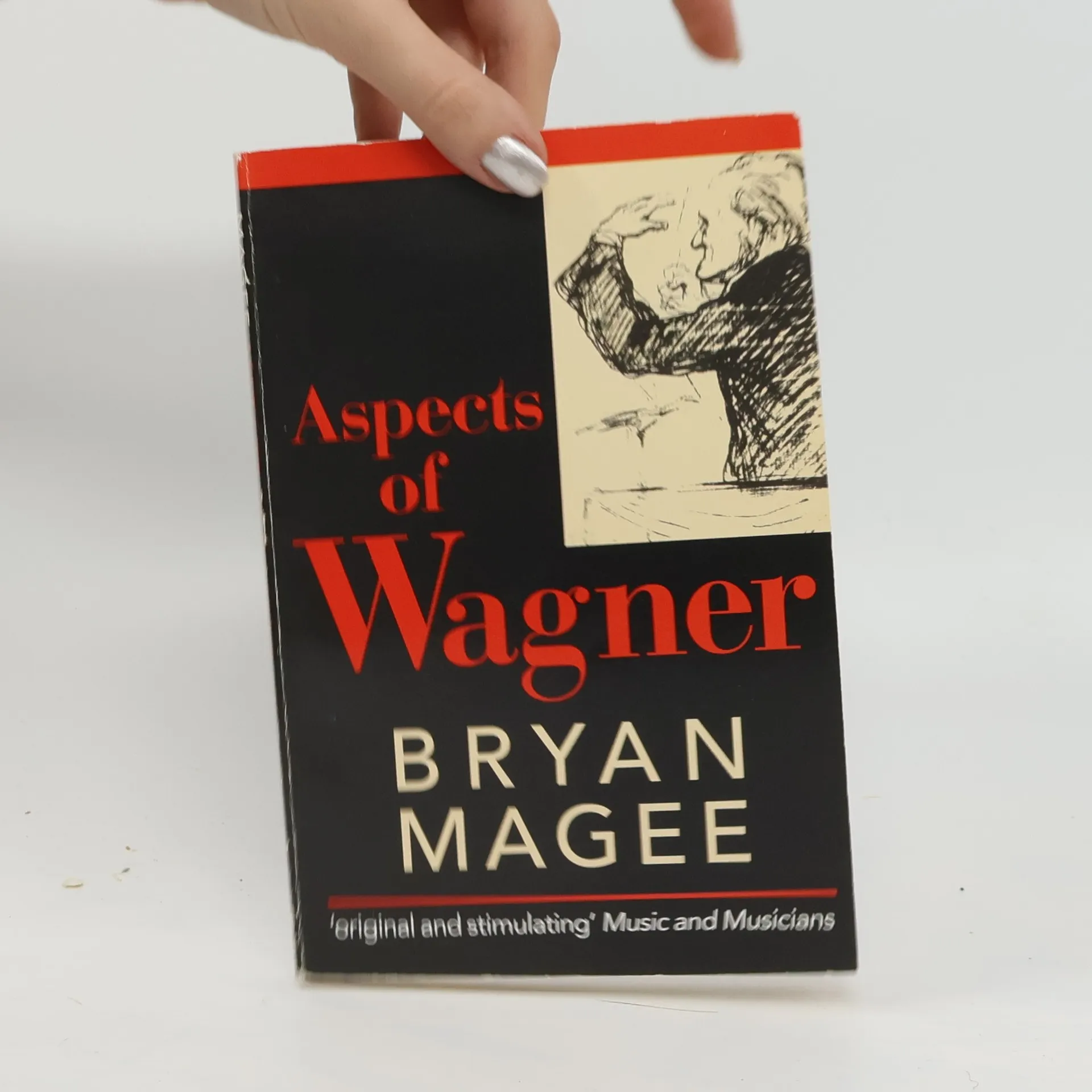
An analysis of Wagner, his music, stage directions, prose and his influence on the culture of our age, with a discussion of the reasons for the reactions his work has provoked. Magee sheds light on Wagner's anti-semitic ideas and the way these were used by the Nazis for their own ends.
Karl Popper
- 127 Seiten
- 5 Lesestunden
Karl Popper wird als einer der größten Philosophen aller Zeiten angesehen, dessen Einfluss von verschiedenen Gelehrten anerkannt wird. Dieses Werk zeigt Poppers Bedeutung in der gesamten Philosophie und bietet eine Einführung in die zentralen Themen der Philosophie selbst.