

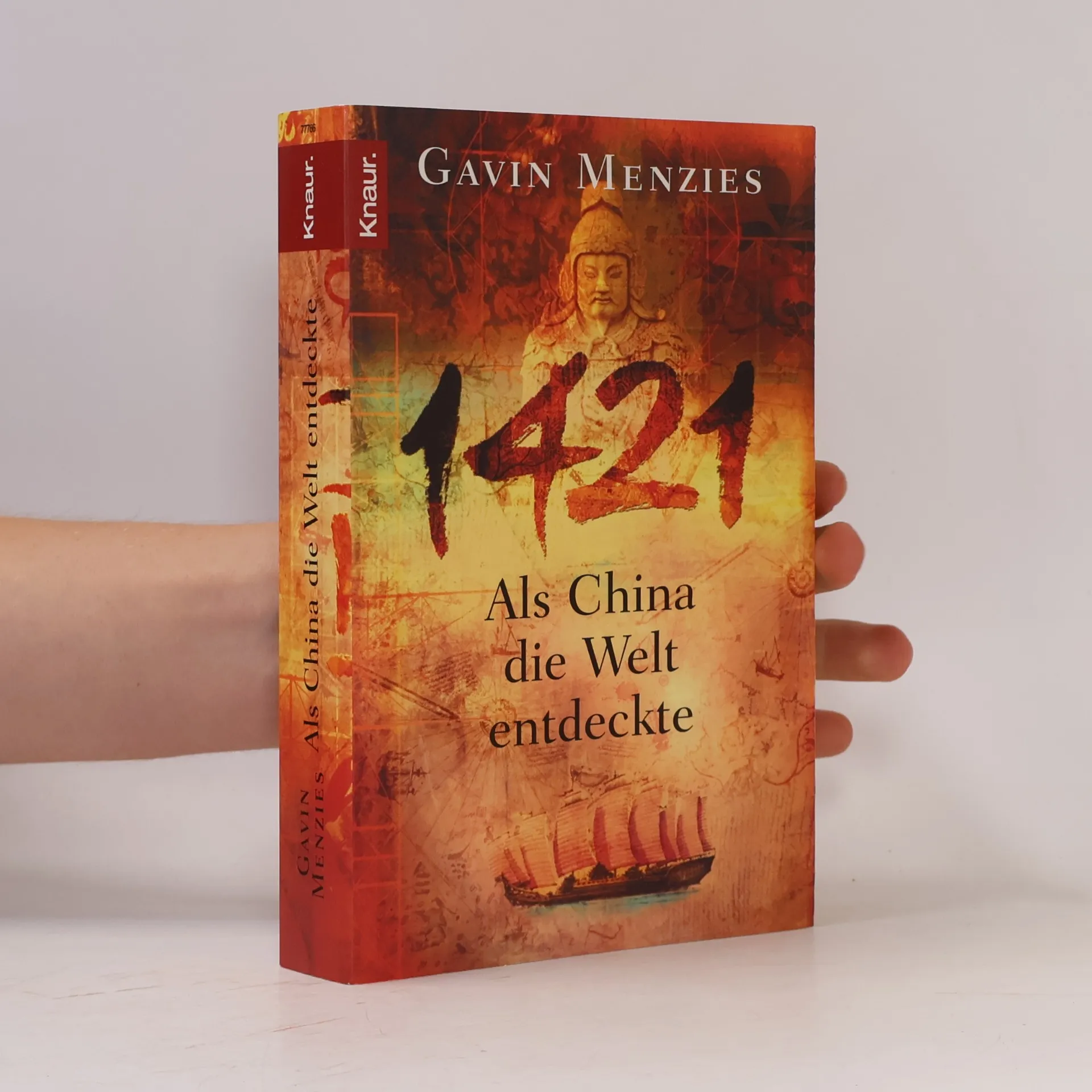
Chinesische Seefahrer entdecken Amerika - 70 Jahre vor Kolumbus. Sie durchfahren die Magellanstraße und umsegeln die ganze Welt - 100 Jahre vor Magellan. Sie landen in Australien - 350 Jahre vor Captain Cook. In diesem epochalen Buch liefert Gavin Menzies eine revolutionäre Neudeutung der Geschichte der großen Entdeckungsreisen und belegt eindrucksvoll, dass das Reich der Mitte die Welt entdeckte - lange vor den Europäern.
Gavin Menzies Bücher
14. August 1937 – 12. April 2020
Ein ehemaliger britischer U-Boot-Kommandant und Amateurhistoriker, der sich mit unkonventionellen historischen Erzählungen beschäftigt und etablierte Zeitlinien und Ursprünge in Frage stellt. Seine Arbeit schlägt vor, dass bedeutende globale Entdeckungen und kulturelle Bewegungen von Zivilisationen außerhalb der üblichen westlich-zentrierten Sichtweise ausgingen. Er fordert die Leser auf, akzeptierte historische Berichte zu hinterfragen, indem er faszinierende alternative Theorien erforscht. Der ausgeprägte Ansatz des Autors zielt darauf ab, übersehene Aspekte der Geschichte aufzudecken und unser Verständnis vergangener Ereignisse neu zu gestalten.


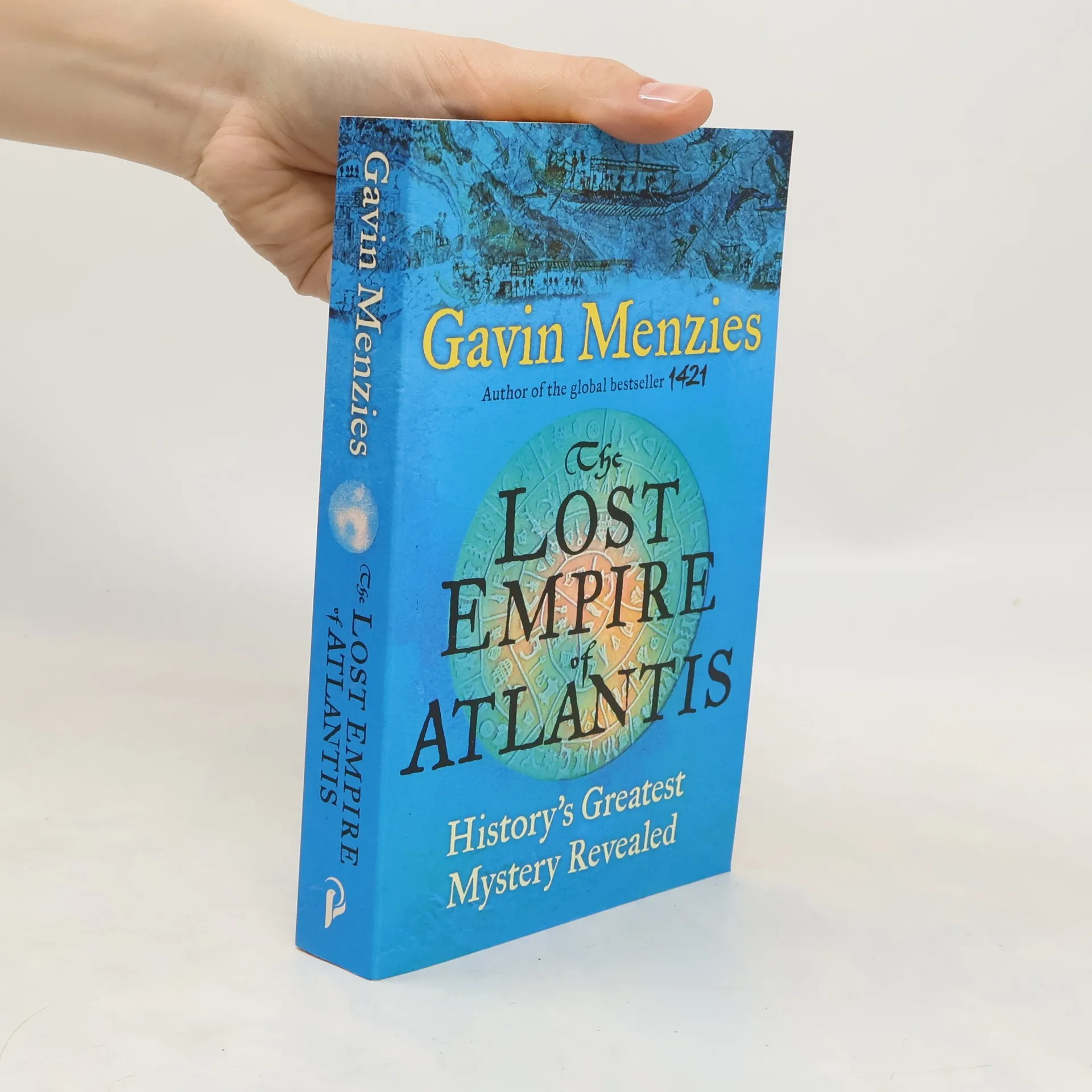
The Lost Empire of Atlantis
- 400 Seiten
- 14 Lesestunden
The bestselling author of 1421: THE YEAR THE CHINESE DISCOVERED THE WORLD uncovers the truth behind the mystery of Atlantis. Updated with thrilling new discoveries for the paperback.
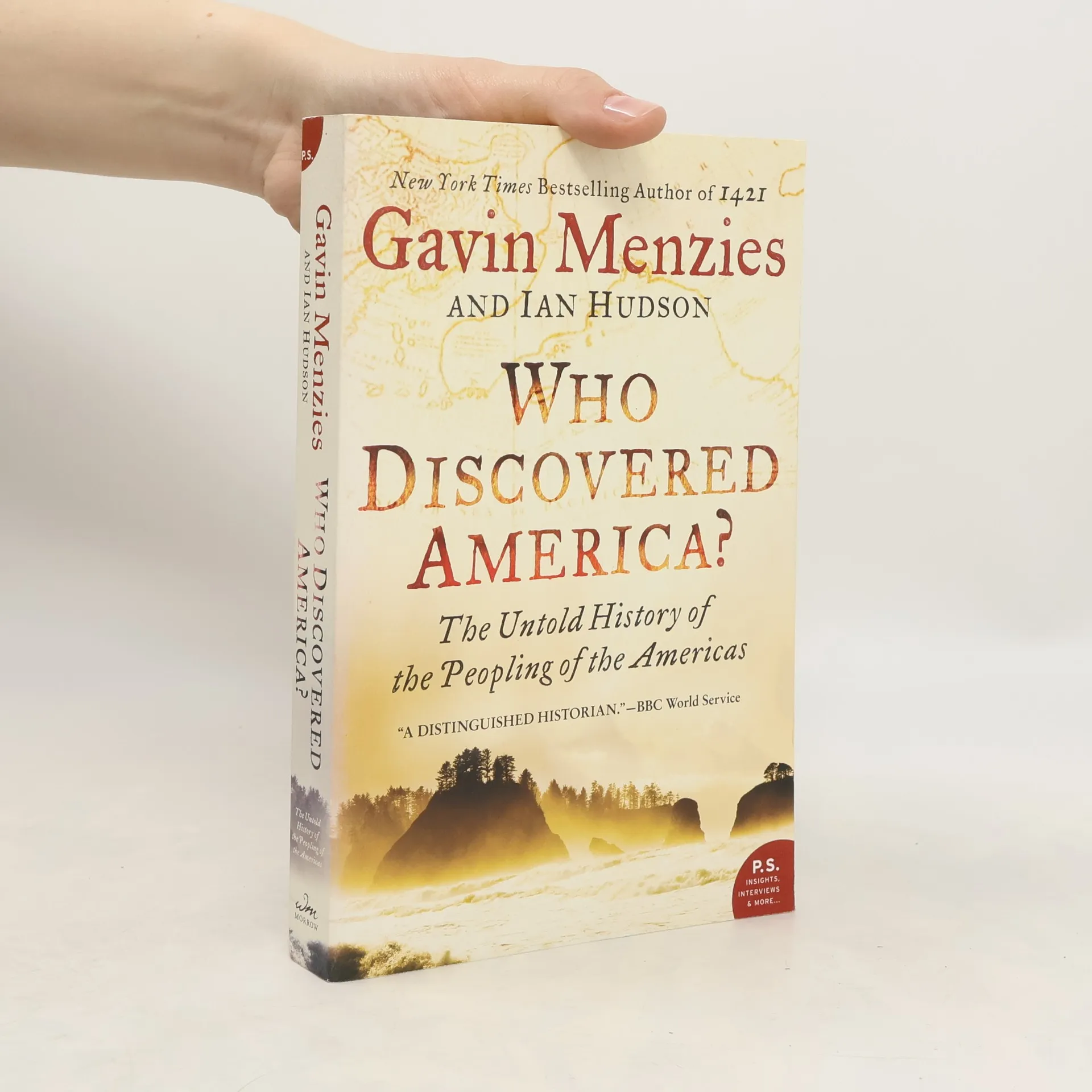
Who Discovered America?
- 352 Seiten
- 13 Lesestunden
Combining in-depth research with an adventurer's spirit to present a radical rethinking and new revelations relating to the Beringia theory of how humans discovered, explored, and settled the American continent.
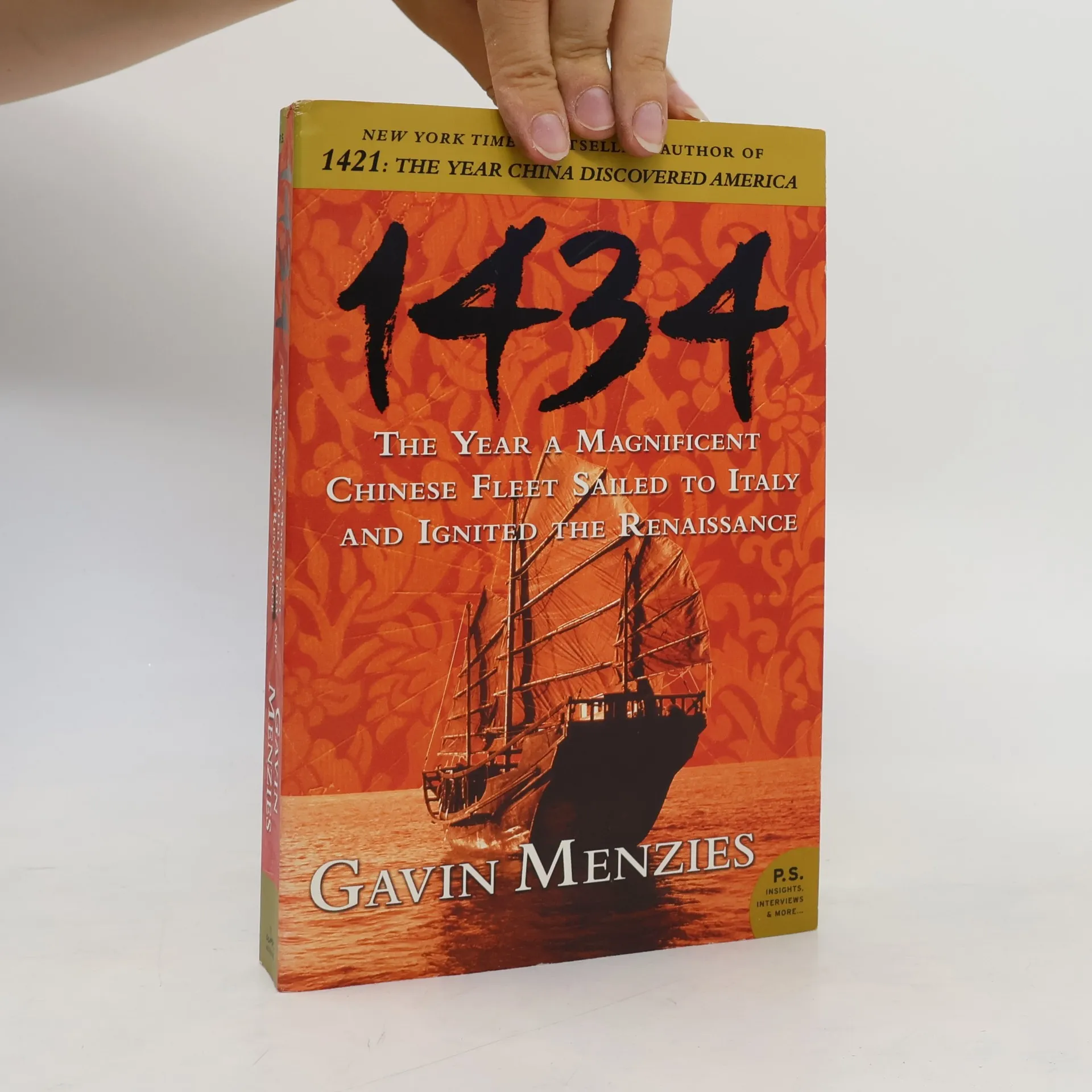
1434
- 440 Seiten
- 16 Lesestunden
The book presents a provocative argument that the Renaissance was ignited by Chinese advancements in 1434, rather than solely through classical influences from Greece and Rome. It asserts that China, as the most technologically advanced civilization of the time, significantly shaped European thought and innovation. Bestselling historian Gavin Menzies explores how the adoption of Chinese ideas, discoveries, and inventions laid the groundwork for the development of Western civilization, challenging traditional narratives of the Renaissance's origins.
1421, amikor Kína felfedezte a világot
- 536 Seiten
- 19 Lesestunden