Ich möcht es weitersagen
- 127 Seiten
- 5 Lesestunden


Als Pionier des christlichen Filmschaffens und produktiver Autor legte Ken den Grundstein für eine umfangreiche Produktion christlicher Dramen. Sein Erbe lebt in zahllosen Werken fort, die Publikum auf der ganzen Welt inspiriert und angesprochen haben. Mit einem tiefen Verständnis für den menschlichen Geist und Glauben findet sein Schreiben weiterhin Anklang. Sein Werk ist ein Beweis für die Kraft des Geschichtenerzählens, Hoffnung und Botschaft zu vermitteln.
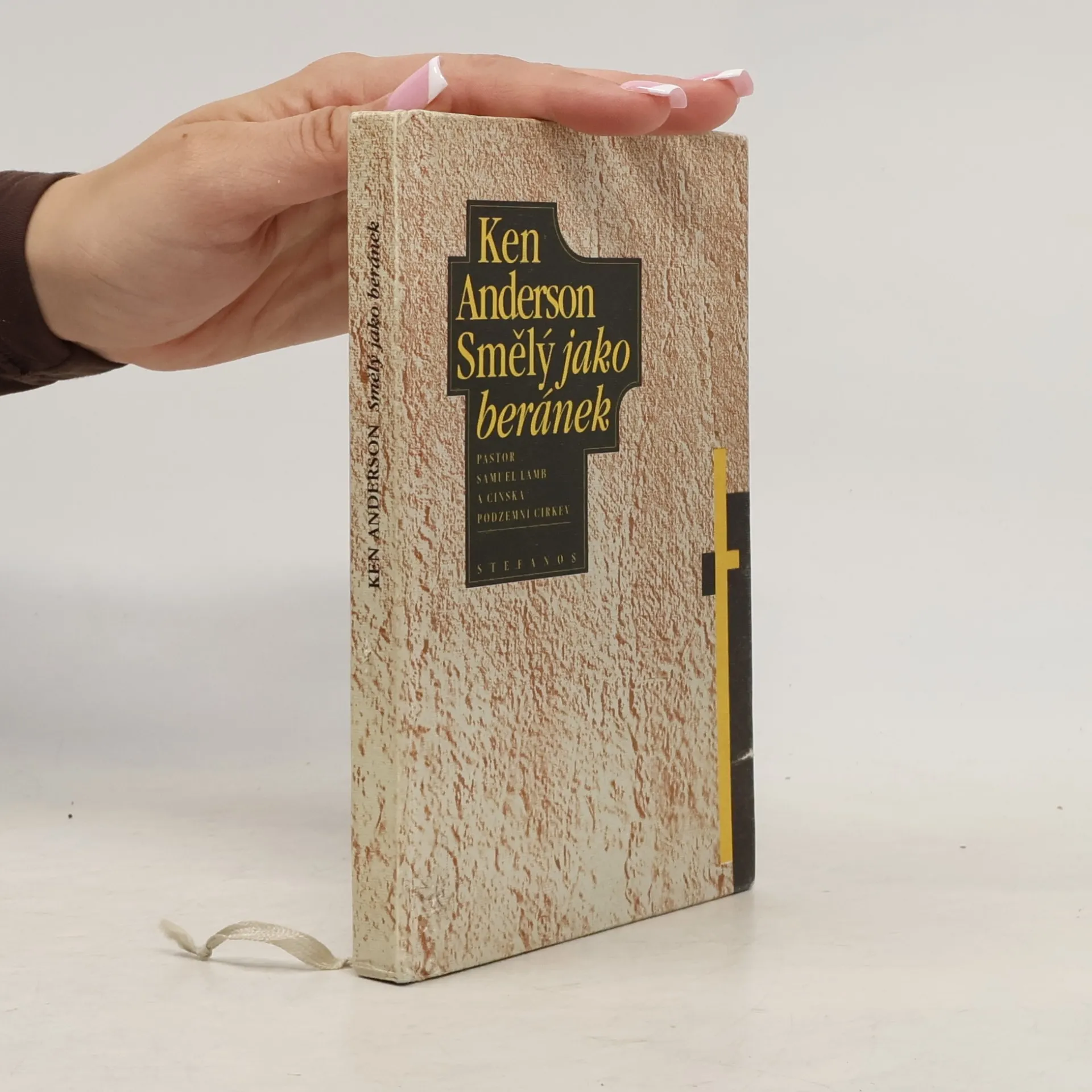
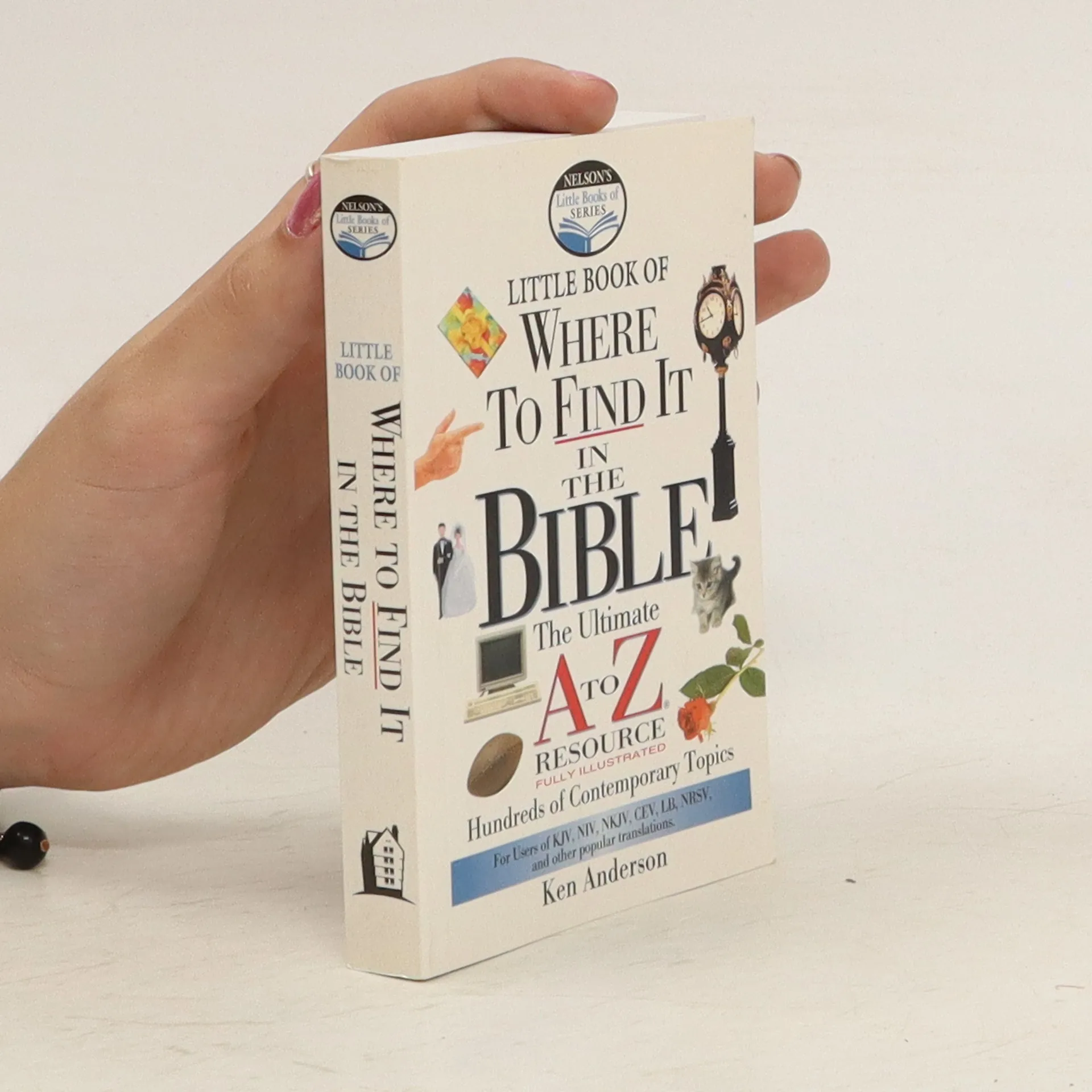


Whether you’re a brand-new Christian or a decades-long believer, today’s issues may seem far removed from those in biblical times. That’s why Christian writer Ken Anderson wanted to create a resource where, unlike a traditional concordance, the descriptive references used everyday speech rather than verbatim Scripture. Nelson’s Little Book of Where to Find It in the Bible is an A to Z reference dictionary with quick access to scripture-based answers of almost any question you can imagine. Simple to use, it tackles traditional and 21st century issues without heavy theological language. Reference topics include: This travel-sized book is bursting with information yet compact enough to fit in your pocket. You will laugh at its one-liners and illustrated jokes as it points you to God’s Word. Companion to the New King James Version, King James Version, New International Version, and other translations. Nelson’s Little Book of Where to Find It in the Bible makes a great resource for personal study of the Scriptures as well as for teaching and sermon preparation. Features: