
Bookbot

Seamus Deane

    9. Februar 1940 – 12. Mai 2021

    Diese Autorin ist eine gefeierte Dichterin, Kritikerin, Romanautorin und Pädagogin. Ihre Werke befassen sich häufig mit Themen der irischen Identität und des kulturellen Erbes. Durch ihre einzigartige Prosa und Lyrik erforscht sie komplexe menschliche Beziehungen und gesellschaftliche Fragen. Ihr Schreibansatz ist tiefgründig und literarisch anspruchsvoll.

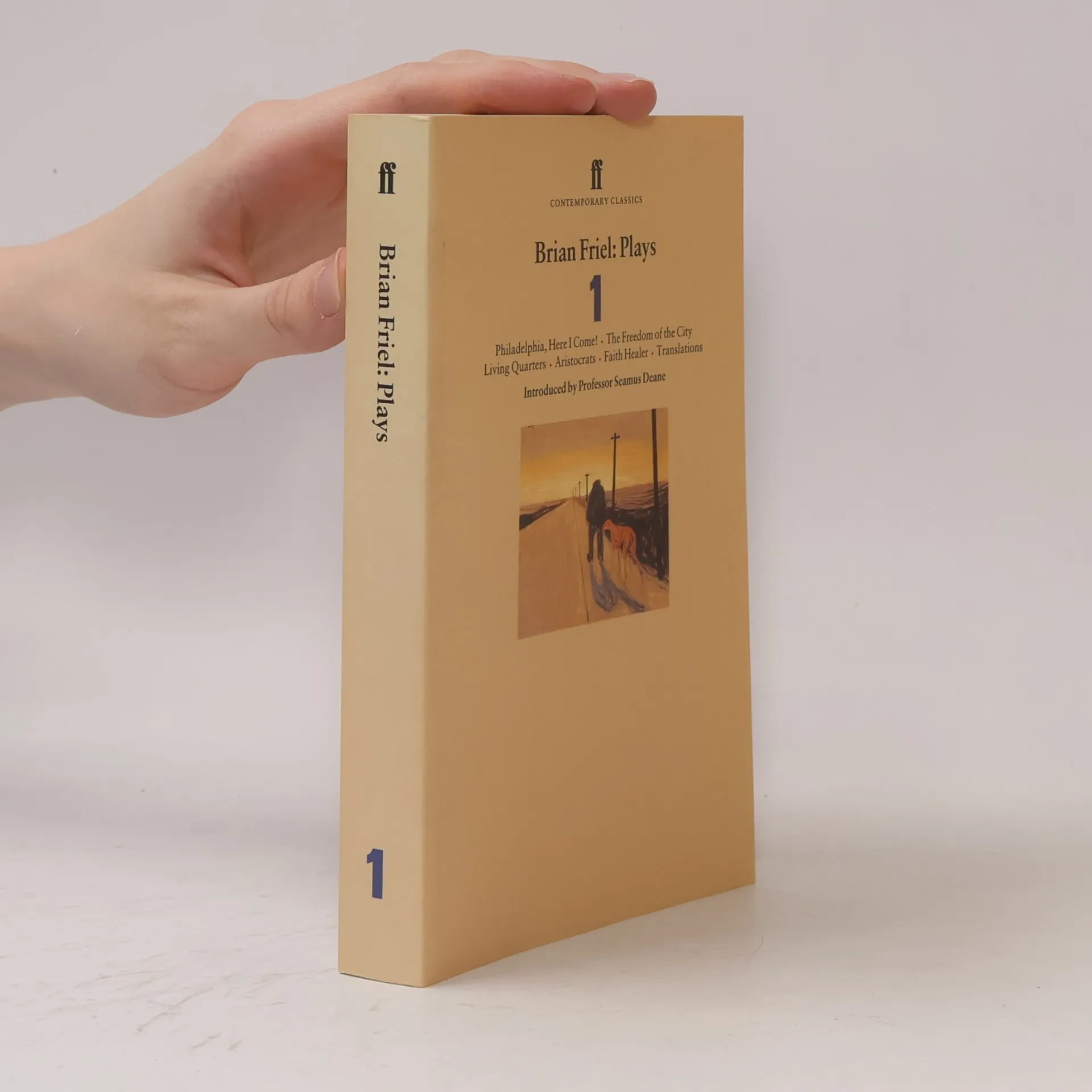
    Plays. Philadelphia, Here I Come!; The Freedom of the City; Living Quarters; Aristocrats; Faith Healer; Translations
    Strange Country
    A Short History of Irish Literature
    Small World
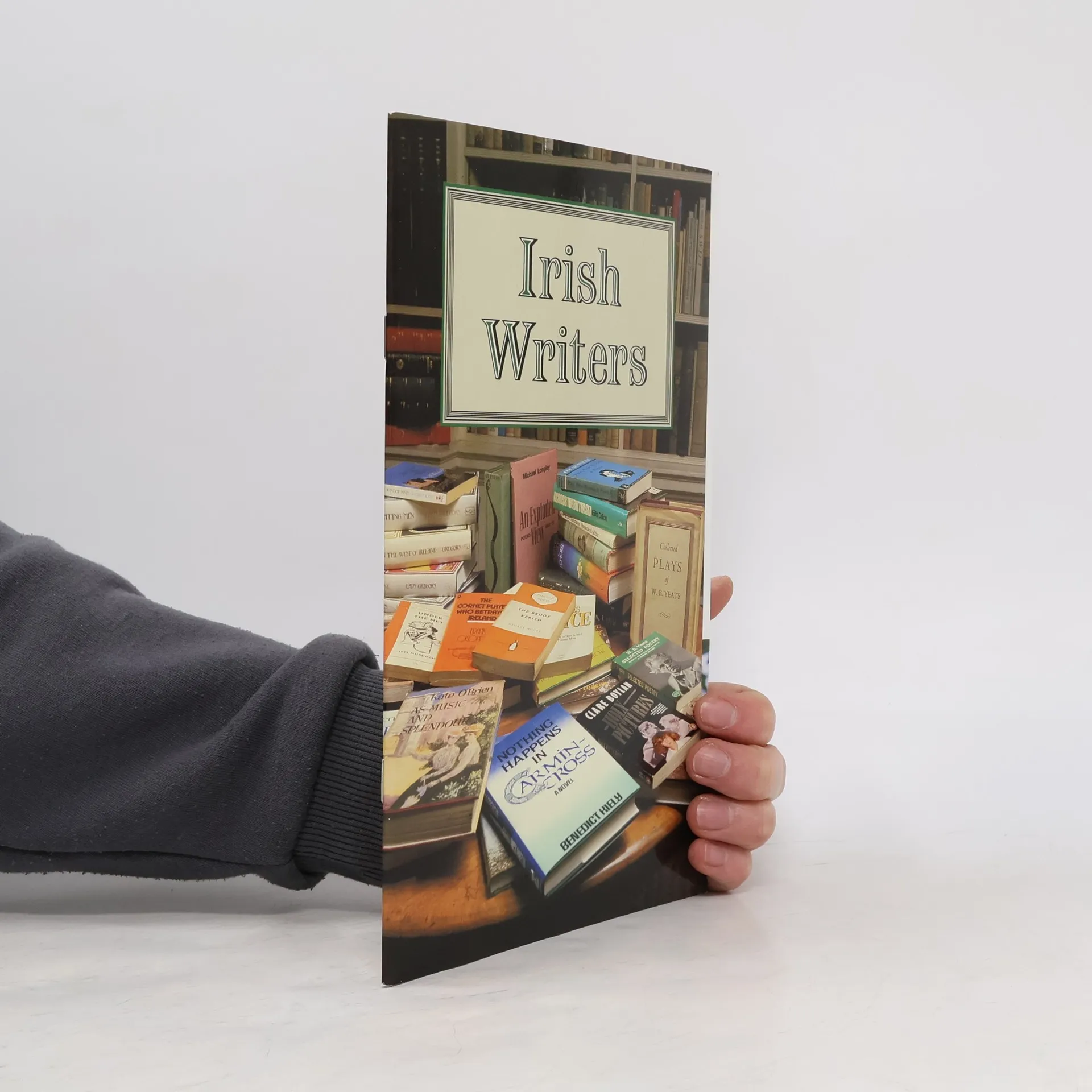
    Irish Writers 1886 - 1986
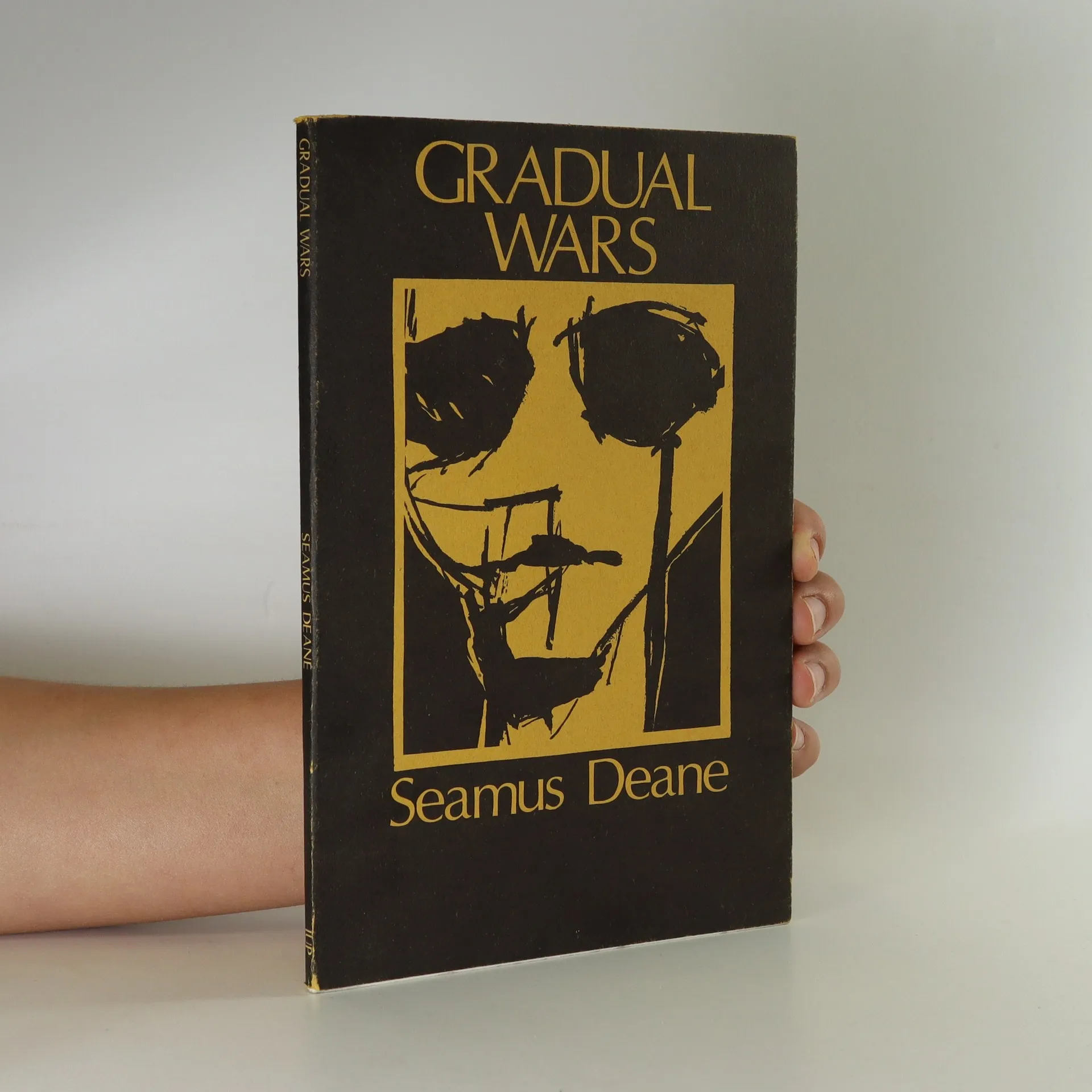
    Im Dunkeln lesen
    • Im Dunkeln lesen

      • 258 Seiten
      • 10 Lesestunden

      Die Geschichte einer Familie und einer Ehe im Nordirland der 40er und 50er Jahre aus der Perspektive eines aufgeweckten Halbwüchsigen. Als einziges seiner Geschwister versucht er, das düstere Geheimnis in Erfahrung zu bringen, das seine Mutter zeitweilig in den Wahnsinn treibt. Deane schildert diese Geschichte von Mord, Verrat, Schuld, Angst und Scham in einer Sequenz von Einzelszenen, in denen sich Mythos und Realität, anekdotisches Detail und Erinnerung abwechseln.
      Im Dunkeln lesen
      3,8
    • Irish Writers 1886 - 1986

      • 24 Seiten
      • 1 Lesestunde

      The Irish Heritage 57 Published to mark the Centenary of Eason and Son Limited

      Irish Writers 1886 - 1986
      4,5
    • A survey of 200 years of Irish writing, this book offers analytic accounts of key Irish works and authors.

      Small World
      4,3
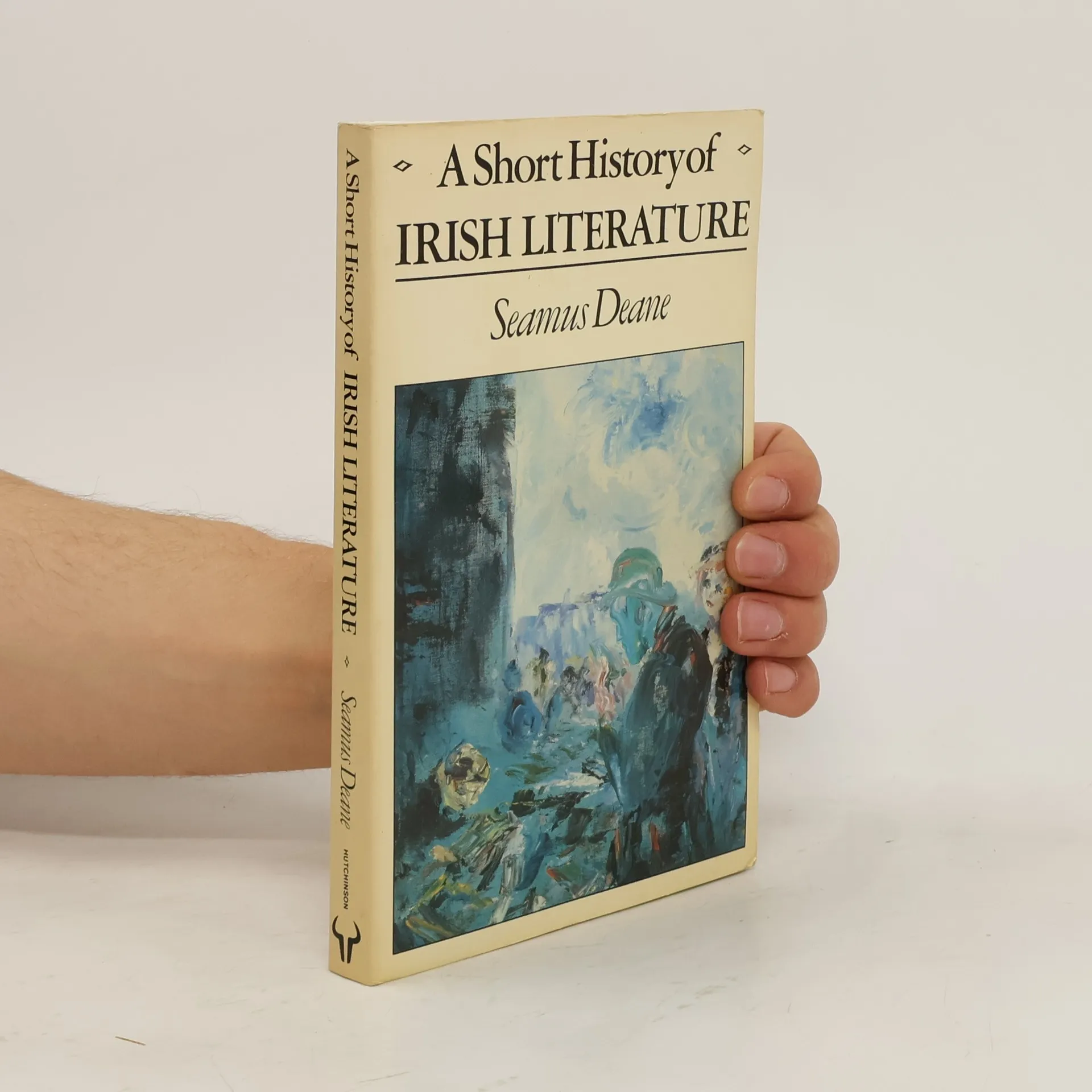
    • A Short History of Irish Literature

      • 282 Seiten
      • 10 Lesestunden

      Seamus Deane, one of Ireland's most important critics, assesses here the place of literature in "a colonial or neo-colonial culture like ours, where the naming of the territory has always been ... a politically charged act." The force of Deane's A Short History of Irish Literature derives precisely from his naming of the territory. With insight, erudition, and a razor-keen style, he locates Irish writers within the island's traumatic history. His aim is to show how literature has been inescapably allied with historical interpretation and with political allegiance.

      A Short History of Irish Literature
      4,0
    • Strange Country

      Modernity and Nationhood in Irish Writing Since 1790

      • 280 Seiten
      • 10 Lesestunden

      The book examines the development of a distinct national tradition in Irish literature, beginning with the impact of Edmund Burke's writings during the French Revolution. It explores key works from authors like Gerald Griffin, Bram Stoker, and James Joyce, highlighting themes of national identity, conflict, and the tension between modernity and tradition. The narrative reveals how Irish print culture, encompassing novels, songs, and poems, navigates the complexities of its colonial legacy, ultimately leading to a deeper understanding of Ireland’s literary achievements.

      Strange Country
      3,9
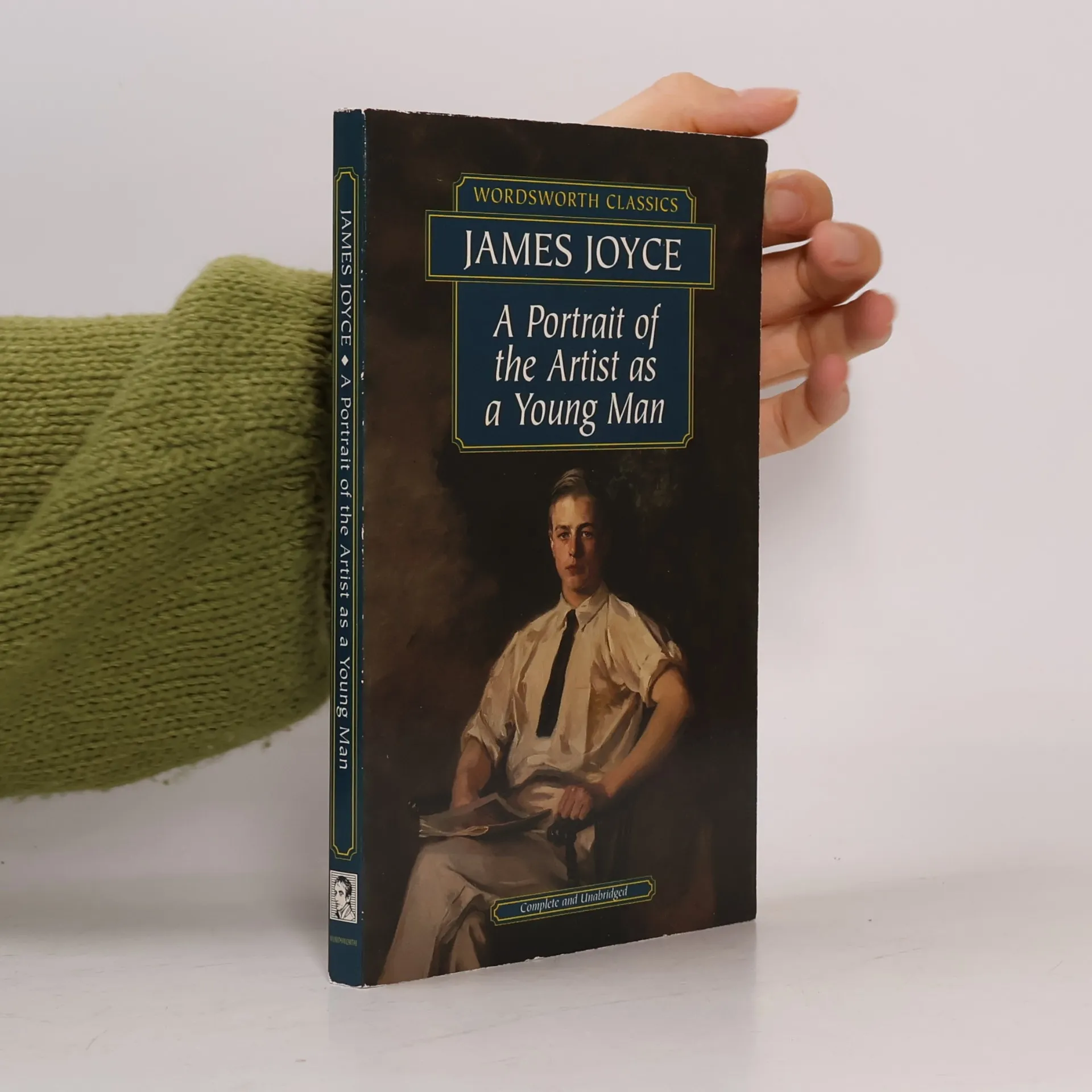
    • This book tells the story of Stephen Dedalus, a boy growing up in Ireland at the end of the nineteenth century, as he gradually decides to cast off all his social, familial, and religious constraints to live a life devoted to the art of writing.

      A Portrait of the Artist as a Young Man
      3,7
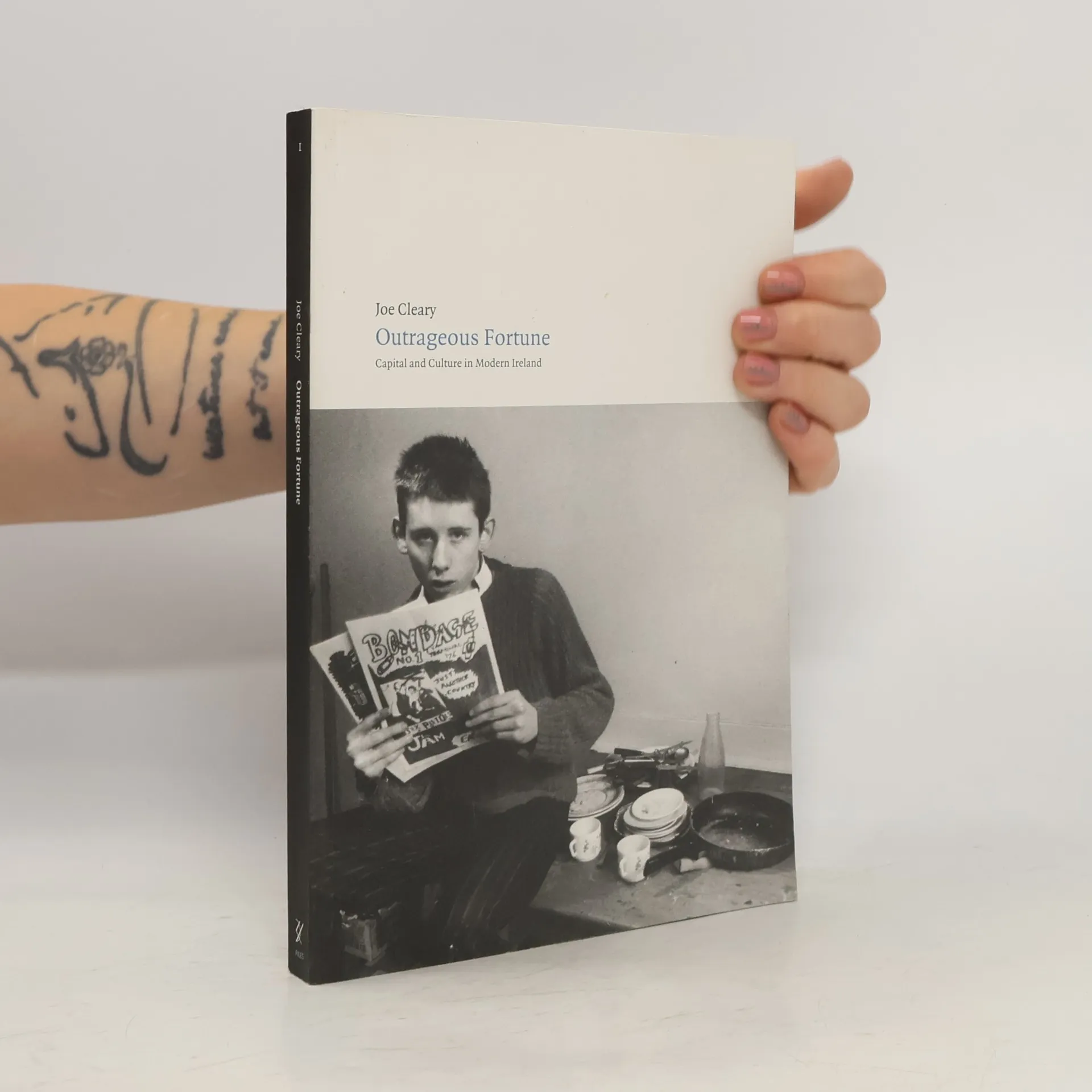
    • Field Day Files - 1: Outrageous Fortune

      Capital and Culture in Modern Ireland

      • 240 Seiten
      • 9 Lesestunden

      Did Ireland produce a more radical and ambitious literature in the straitened circumstances of the first half of the twentieth century than it has managed to do since it began to modernize and become more affluent from the 1960s onwards? Has Irish modernism ceded place to a prevailing naturalism that seems gritty and tough-minded, but that is in reality aesthetically conservative and politically self-thwarted? Does the fixation with de Valera s Ireland in recent narrative represent a necessary settling of accounts with a dark, abusive history or is it indicative of a worrying inability on the part of Irish artists and intellectuals to respond to the very different predicaments of the post-Cold War world? These are some of the questions addressed in OUTRAGEOUS FORTUNE. Scanning literature, theatre, film and music, Joe Cleary probes the connections between capital, culture and criticism in modern Ireland. He includes readings of James Joyce and the Irish modernists, the naturalists Patrick Kavanagh, John McGahern and Edna O Brien, and comments too on what he terms the neo-naturalism of Marina Carr, Patrick McCabe and Martin McDonagh. He concludes with a provocative analysis of the cultural achievement of the Pogues.

      Field Day Files - 1: Outrageous Fortune
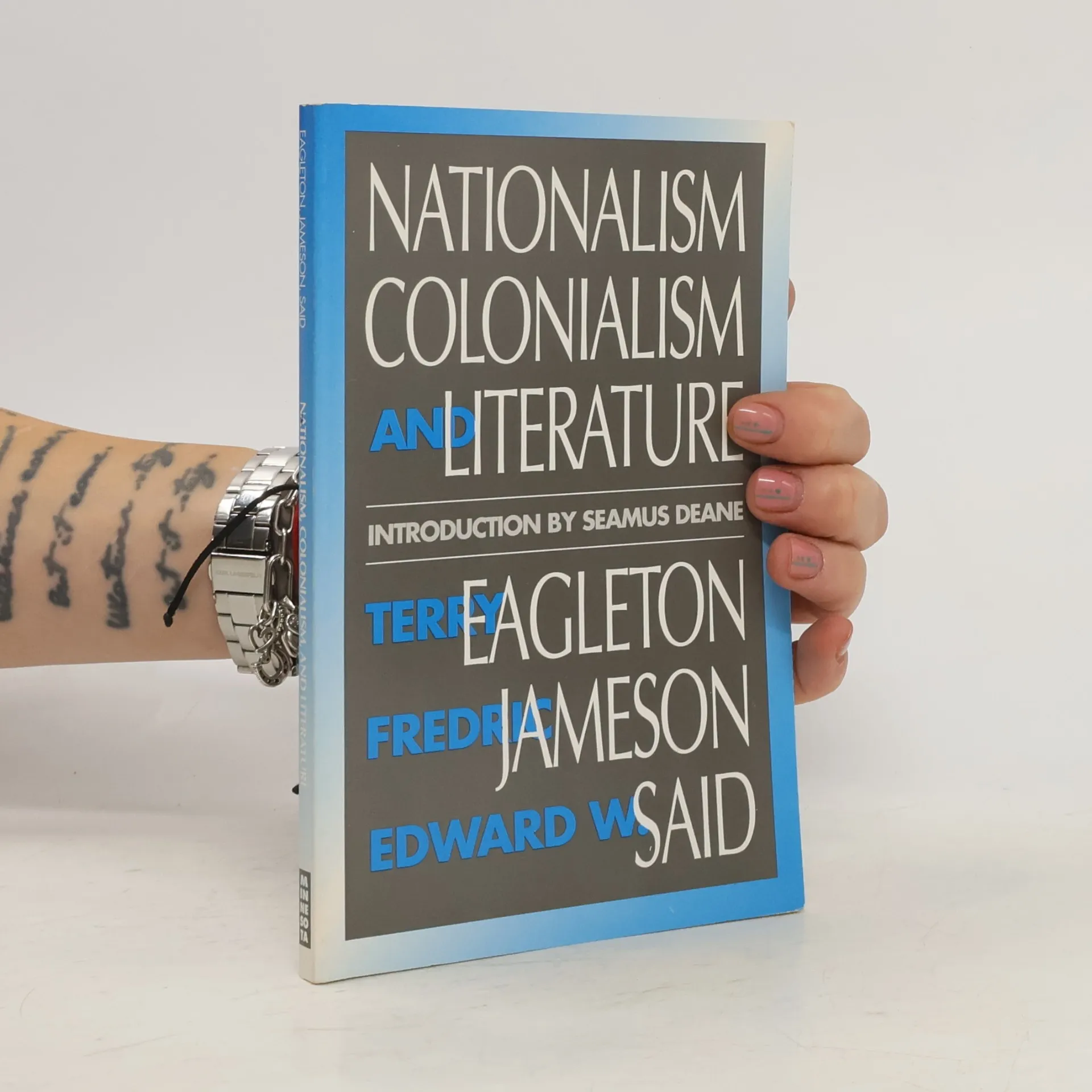
    • The three essays constituting this volume were originally published as individual pamphlets by the Field Day Theatre Company, in Derry, Northern Ireland. Each deals with the question of nationalism and the role of cultural production as a force in understanding and analyzing the aftermath of colonization. The authors’ diverse perspectives are demonstrated by the essays’ respective titles: Eagleton, Nationalism: Irony and Commitment; Jameson, Modernism and Imperialism; and Said, Yeats and Decolonization. The essays have implication beyond their immediate topics, bearing upon questions of feminism, decolonization, and modernism to illuminate problems that belong to other groups and regions.

      Nationalism, Colonialism, and Literature