

Naoki Higashida schreibt aus der Perspektive eines autistischen Neurotyps und erforscht einzigartige Wahrnehmungs- und Denkweisen. Sein Werk taucht tief in die innere Welt von Individuen ein, die anders kommunizieren können, und bietet den Lesern einzigartige Einblicke in ihre Erfahrungen. Higashida betont Verständnis und Empathie und schlägt eine Brücke zwischen verschiedenen Arten, die Welt zu erleben. Seine Arbeit ist ein bedeutender Beitrag zu einem breiteren Verständnis menschlicher Vielfalt.
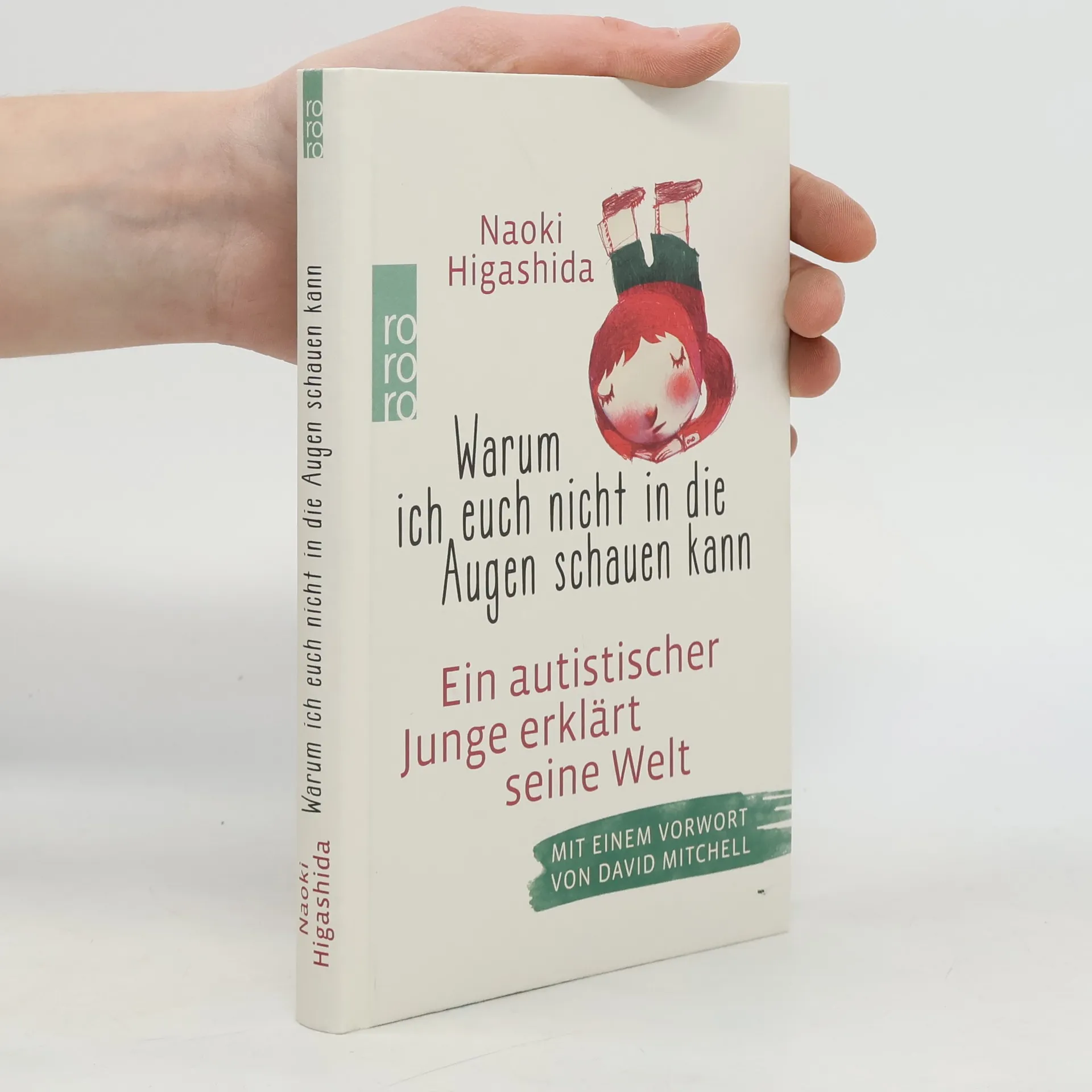
Warum guckst du uns nicht in die Augen? Warum bist du so gern allein? Warum magst du nicht meine Hand halten? Warum rastest du aus? Dies sind nur einige der vielen Fragen, die Eltern eines autistischen Kindes umtreiben. In diesem Buch finden sie Antworten. Naoki Higashida, ein japanischer Junge und selbst schwer autistisch, nimmt den Leser mit in seine Welt, erklärt, was in ihm vorgeht und löst mit seinen Antworten das bequeme Klischee auf, Menschen mit Autismus hätten keine Gefühle.
A rare and important insight into the mind of an autistic child, in his own words. Translated by and with a moving introduction from the award-winning author of CLOUD ATLAS, David Mitchell
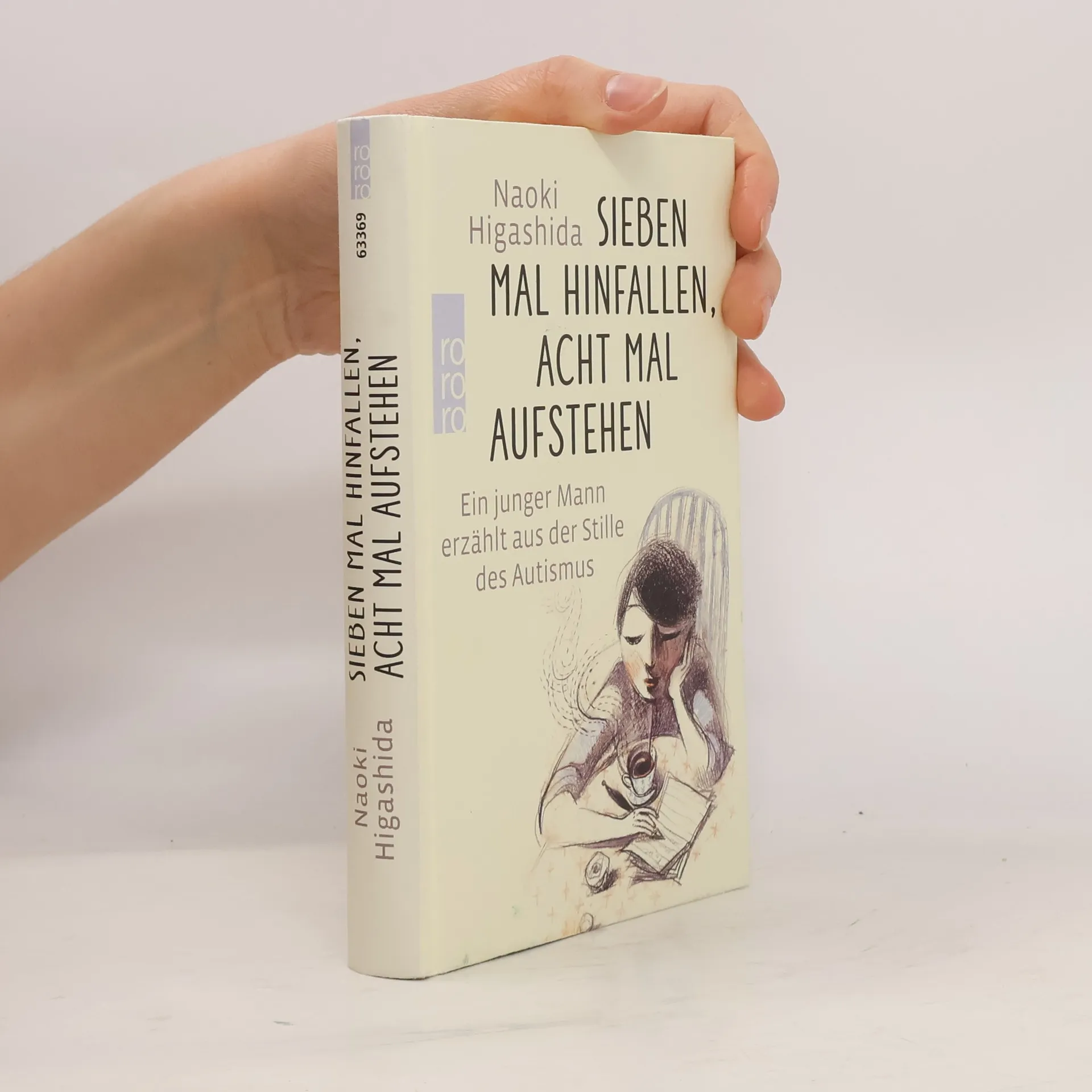
Through short, impactful chapters, the author reflects on his journey as a young man with severe autism, delving into themes of education, identity, and personal growth. He shares insights into everyday experiences often overlooked, such as the cognitive process involved in recognizing rain. This memoir, introduced by David Mitchell, serves as a critique of societal perceptions of disabilities, offering a nuanced self-portrait that aims to foster understanding of autism and the complexities of living with it.
The book features a Reader's guide that enhances the reading experience, providing insights and discussion points. Additionally, it includes a postscript and an interview with the author David Mitchell, offering a deeper understanding of his creative process and themes. This supplementary material enriches the reader's engagement with the text.
The No. 1 Sunday Times and internationally bestselling account of life as a child with autism, now a documentary film Winner of Best Documentary and Best Sound in the British Independent Film Awards 2021.
Written by Naoki Higashida at thirteen, this insightful book explores the behavior of autistic children and their thought processes. Translated by David Mitchell and his wife, it aims to aid those dealing with autism and offers a unique perspective on a little-understood condition, gaining notable attention in the UK.
Written by a very smart, very self-aware, and very charming thirteen-year-old boy with autism, this memoir demonstrates how an autistic mind thinks, feels, perceives, and responds in ways few of us can imagine. Using an alphabet grid to painstakingly construct words, sentences, and thoughts that he is unable to speak out loud, Naoki answers even the most delicate questions that people want to know. Parents and family members who never thought they could get inside the head of their autistic loved one at last have a way to break through to the curious, subtle, and complex life within. Naoki shares his unique point of view on not only autism but life itself. His insights, into the mystery of words, the wonders of laughter, and the elusiveness of memory, are so startling, so strange, and so powerful that you will never look at the world the same way again. In his introduction, novelist David Mitchell writes that Naoki's words allowed him to feel, for the first time, as if his own autistic child was explaining what was happening in his mind. This translation was a labor of love by David and his wife, KA Yoshida, so they would be able to share that feeling with friends, the wider autism community, and beyond.--From publisher description.
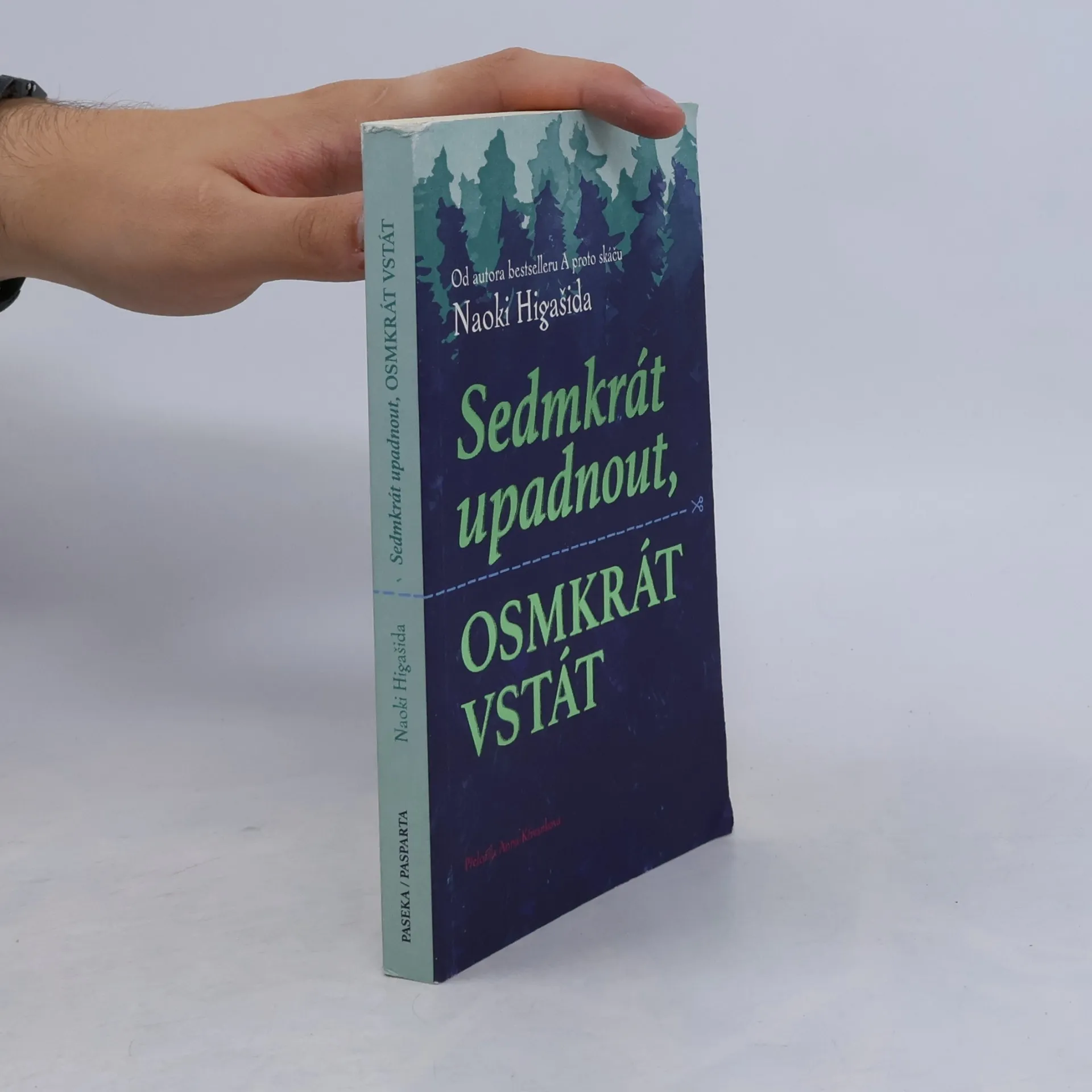
A proto skáču, zpověď autistického kluka, napsal Naoki Higašida, když mu bylo třináct let, a sklidil celosvětový úspěch. V Sedmkrát upadnout, osmkrát vstát čtenářům své myšlenky předkládá už čtyřiadvacetiletý autor, který se s autismem musí dennodenně potýkat. V hutných kapitolách popisuje své zážitky ze školy, rodinné vazby, nezkrotnou radost z cest i obtíže s řečí. Čtenář tak okusí, jak složitě se může autista vypořádávat s věcmi, které my ostatní považujeme za samozřejmé: třeba s tím, že venku prší nebo že je těžké ustřihnout papír, když vás nevede přerušovaná linka. Higašida čelí každé nesnázi s trpělivostí a humorem: už jsi sedmkrát upadl? Tak koukej vstát i poosmé! S vědomím toho, jak podivně může jeho chování působit na druhé, se Higašida snaží, aby společnost na lidi s jakýmkoli postižením pohlížela především jako na lidské bytosti, ne jako na problém. Sedmkrát upadnout, osmkrát vstát otevírá předmluva spisovatele Davida Mitchella.