


This work offers a groundbreaking perspective on the future of democracy in the twenty-first century, challenging conventional views. The author, a respected scholar, delves into innovative ideas and interpretations that reshape our understanding of democratic governance and its potential evolution in a changing world. Through insightful analysis, the book explores the implications of contemporary societal shifts on democratic ideals and practices.
From The Shortest History series comes the complete history of democracy, its champions, and its detractors—from the assemblies of ancient Mesopotamia to present perils This tumultuous global story begins with democracy’s radical core idea: We can collaborate, as equals, to determine our own lives and futures. John Keane traces how this concept emerged and evolved, from the earliest “assembly democracies” to European-style electoral democracy to our present system of “monitory democracy.” Today, governments answer not only to voters on Election Day, but to intense public scrutiny (monitoring) every day. Keane calls this media- and communication-driven system “the most complex and vibrant form of democracy yet”—but it is not invulnerable. We live in an age of political and environmental crisis, when despots in China, Russia, Saudi Arabia, and elsewhere reject the promises of power-sharing. At this urgent moment, Keane’s book mounts a new defense of a precious global ideal.
Exploring the realm of picosolar technology, this book highlights innovative small solar devices, including lanterns and systems, that are revolutionizing energy access globally. It emphasizes their role in powering modern, energy-efficient appliances, showcasing their potential to transform lives and promote sustainability in various communities.
With a unique narrative combining moving life stories and scholarly insight,
this book offers a radical re-appraisal of Indian politics. The book
demonstrates why Indian democracy is of global importance and why its
pathologies are a cause for alarm: as much for India as for the future of
democracy the world over.
One day they'll be like us. That was once the West's complacent assumption
about countries emerging from poverty, imperial rule, or communism. But many
have hardened into something very different from liberal democracy: what
eminent political thinker John Keane describes as a new form of despotism. And
one day, he warns, we may be more like them.
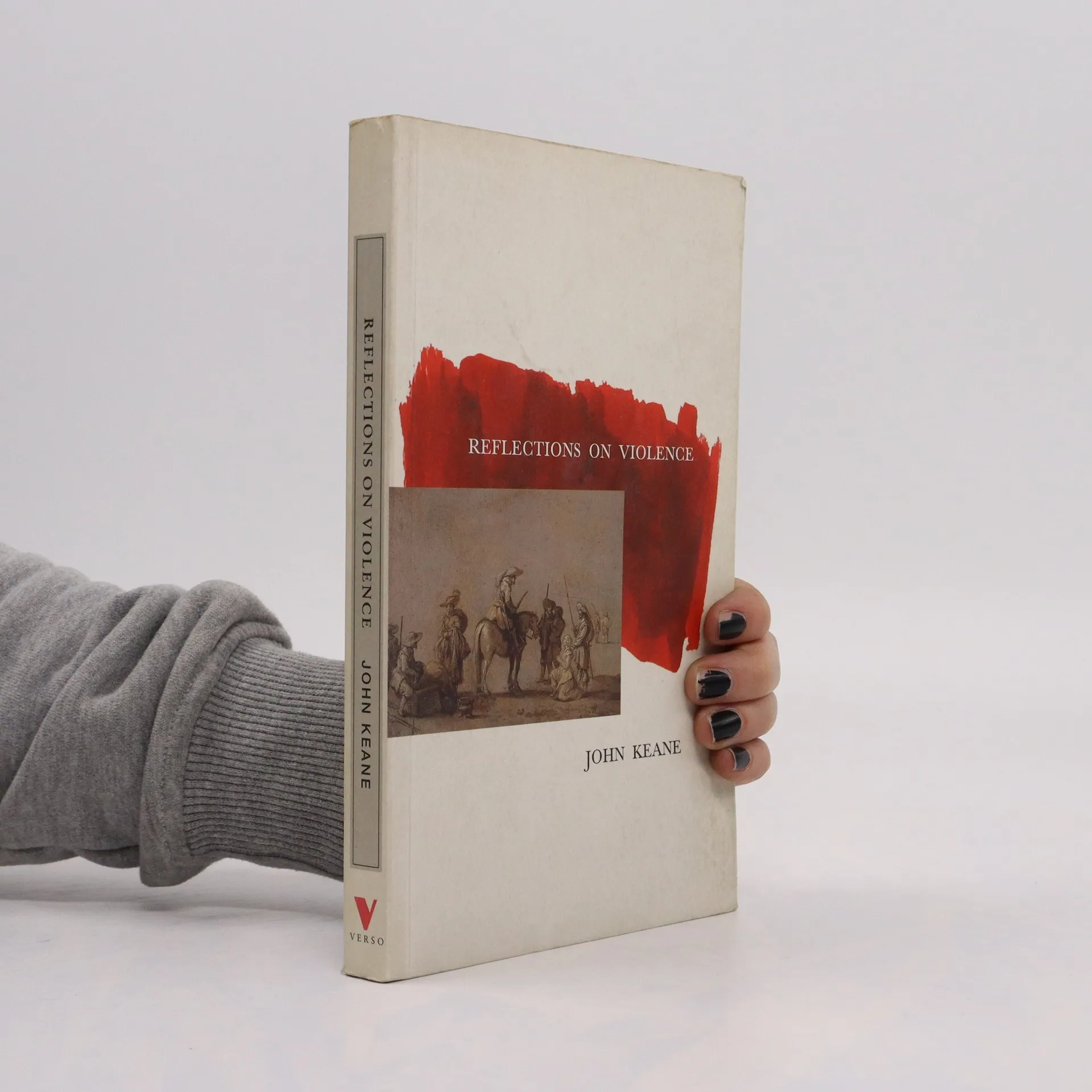
Exploring the origins and implications of violence, John Keane challenges the notion that violence is inherent to human nature. He highlights the unique relationship between violence and democracy, noting that democratic nations rarely engage in warfare with one another. Keane delves into ethical dilemmas surrounding the justification of violence and advocates for its "democratization" to ensure public accountability. Through this lens, he examines both the consequences of violence and potential remedies within democratic frameworks.
Delving into the historical roots and contemporary significance of global civil society, this work examines its political implications and potential impact on society. It offers insights into how civil society has evolved over time and its role in shaping political discourse and action today. Through a critical analysis, the book highlights the importance of civic engagement in addressing global challenges.
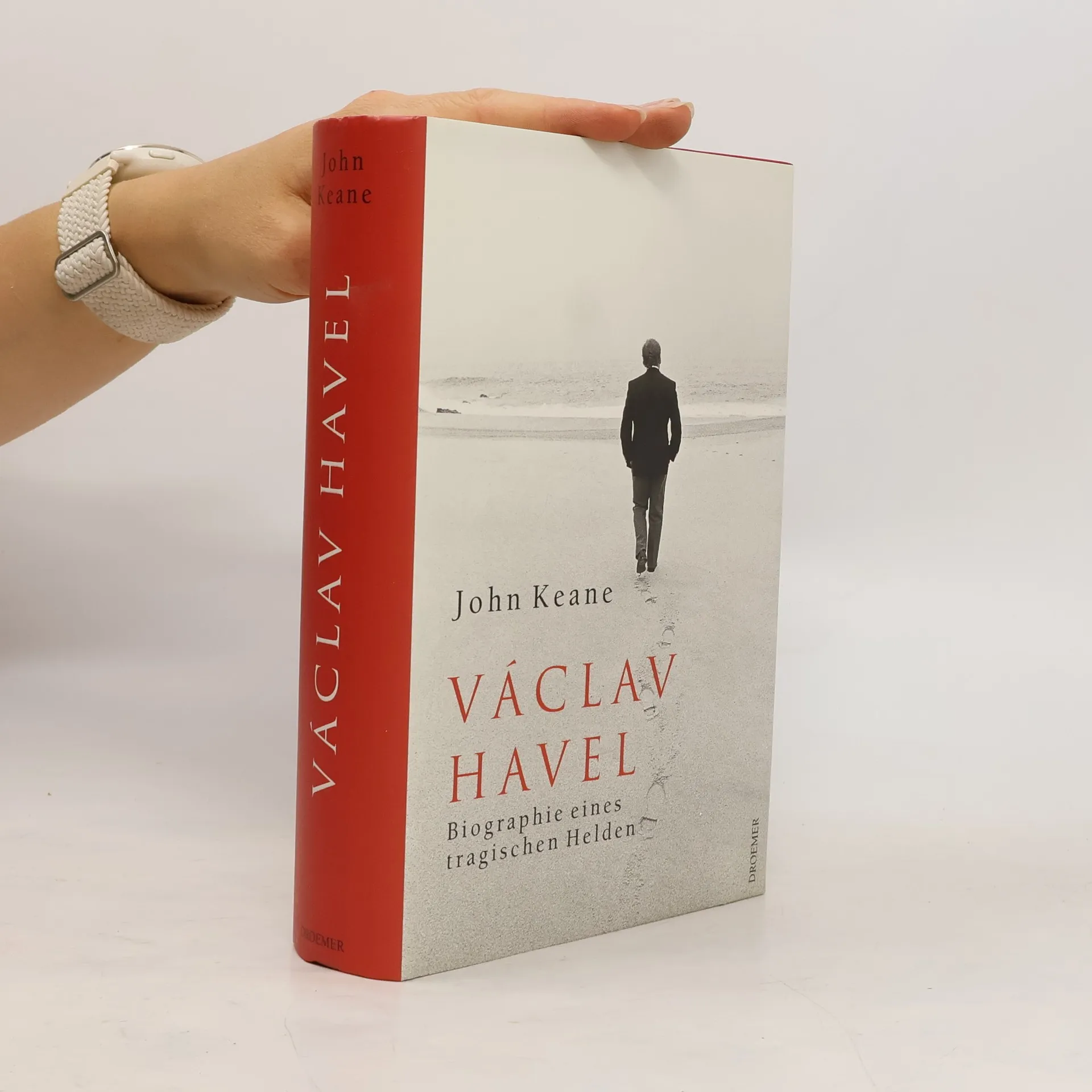
Das Leben Havels gleicht einem Märchen: vom eingekerkerten Dissidenten und verbotenen Schriftsteller steigt er 1989 auf zu höchsten politischen Ehren als Präsident der Tschechischen Republik. Doch welchen Preis hat die Macht gefordert?
The book explores the paradox of the twentieth century's extensive violence, including genocides and wars, juxtaposed with a lack of deep reflection on the nature and implications of such brutality. John Keane examines the conceptual meanings, causes, and ethical-political consequences of violence, highlighting the need for a more imaginative discourse on these critical issues. Through this analysis, the author seeks to shed light on the complexities surrounding human conflict and its pervasive impact on society.