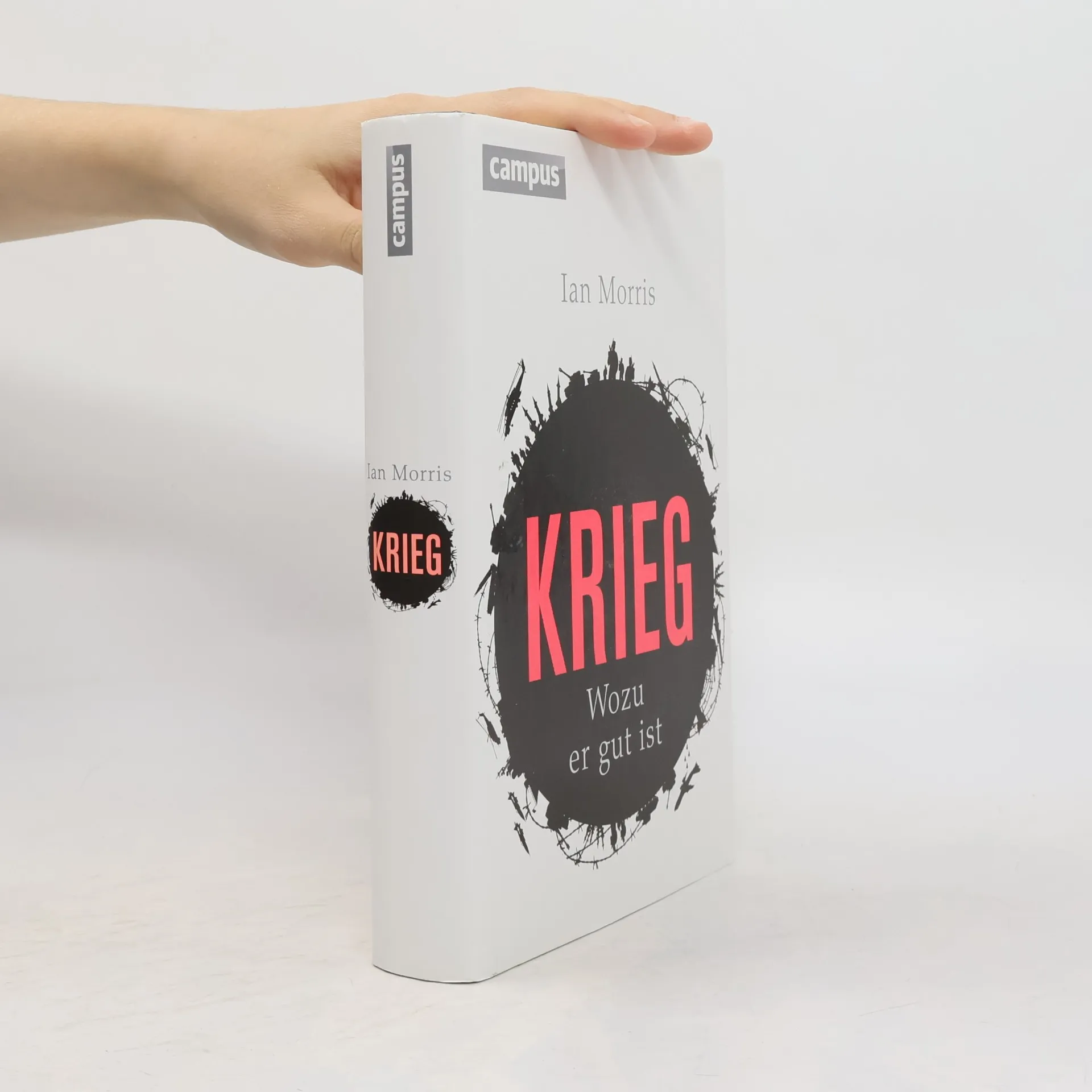
„War! What is it good for? Absolutely nothing“ - heißt es in einem legendären Antikriegssong. Stimmt nicht, sagt Stanford-Historiker Ian Morris. Seine umfassende Globalgeschichte enthüllt eine ungeheuerliche Wahrheit: Zu allen Zeiten hat Krieg Leben vernichtet - aber auch Innovationen gebracht, Gesellschaften erneuert, Frieden und Fortschritt vorangetrieben. Der Krieg hat etwas Gutes, lautet die kontroverse These vom Meister des „Big Picture“. Ist Krieg als Triebfeder des Fortschritts sogar notwendig - auch heute noch? Morris riskiert nicht nur eine provokante Frage, er ist auch in der Lage, sie zu beantworten.
Ian Morris Bücher
27. Jänner 1960


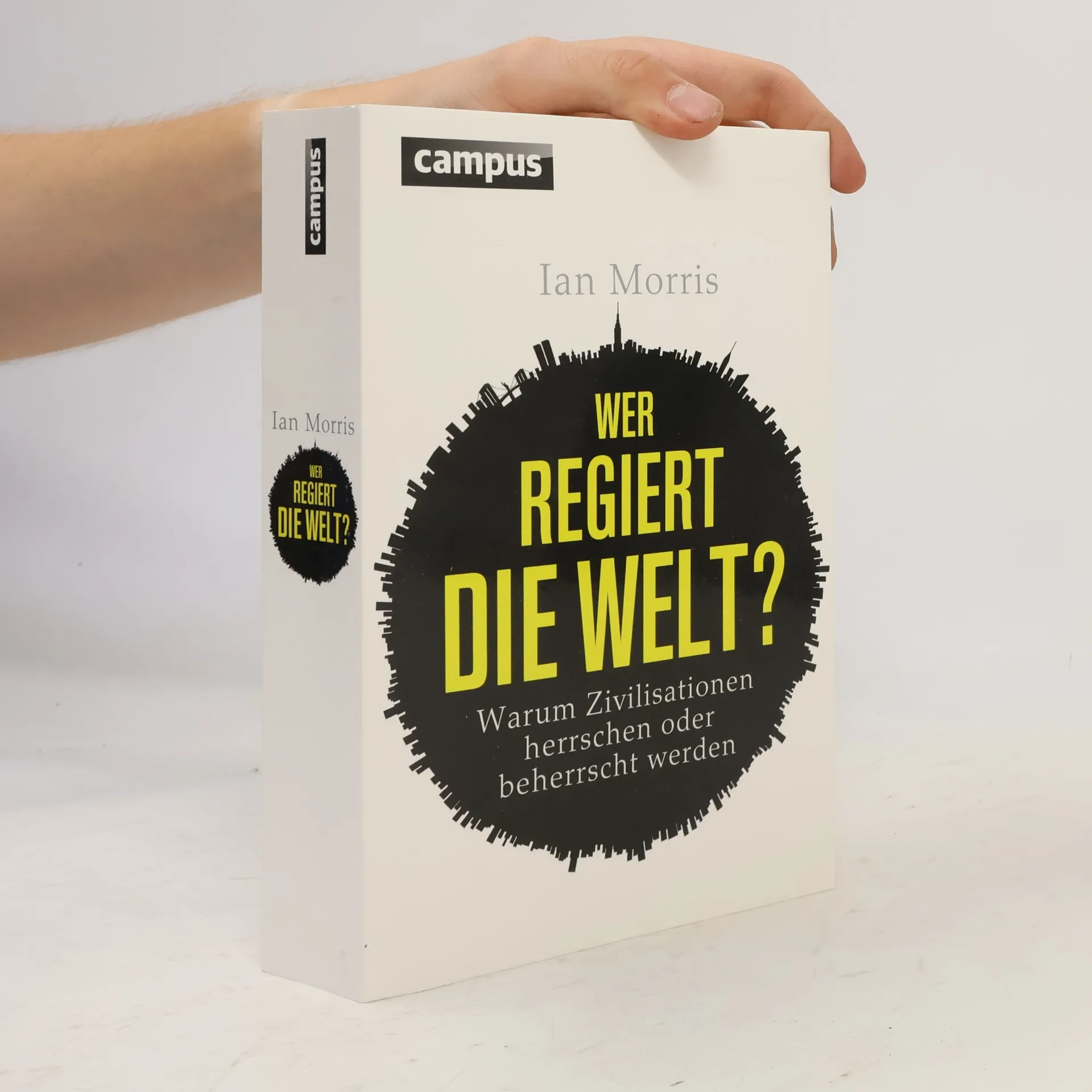
Gibt es einen roten Faden durch die Geschichte, der uns im Rückblick zeigt, wohin die Zukunft uns führt? Ian Morris hat ihn aufgerollt: Aus einer Vielzahl historischer Fakten, archäologischer Funde und empirischer Methoden entsteht ein überwältigendes Bild der Menschheitsgeschichte. Leser erhalten hier drei Bücher in einem: einen spannenden Roman, der eine wahre Geschichte erzählt; einen unterhaltsamen, aber geschichtswissenschaftlich fundierten Bericht über die letzten zehntausend Jahre; und eine kluge Spekulation über die Zukunft. Mit Witz und umfassendem Wissen nutzt Morris die Erkenntnisse der modernen Altertumsforschung, um die große Frage zu stellen: Warum hat der Westen den Rest der Welt bezwungen? Sein Werk ist erstaunlich und bietet aktuelles Wissen über gesellschaftliche Veränderungen sowie drängende Fragen der Zukunft. Auch wenn der Westen weiterhin dominiert, könnten sich die Regeln, nach denen dies geschieht, grundlegend ändern. Morris wagt es, die Grundmuster der Geschichte zu entschlüsseln und beschreibt in klugen Vergleichen die parallele Entwicklung von West und Ost. Je länger man liest, desto größer wird die Spannung und Erwartung.
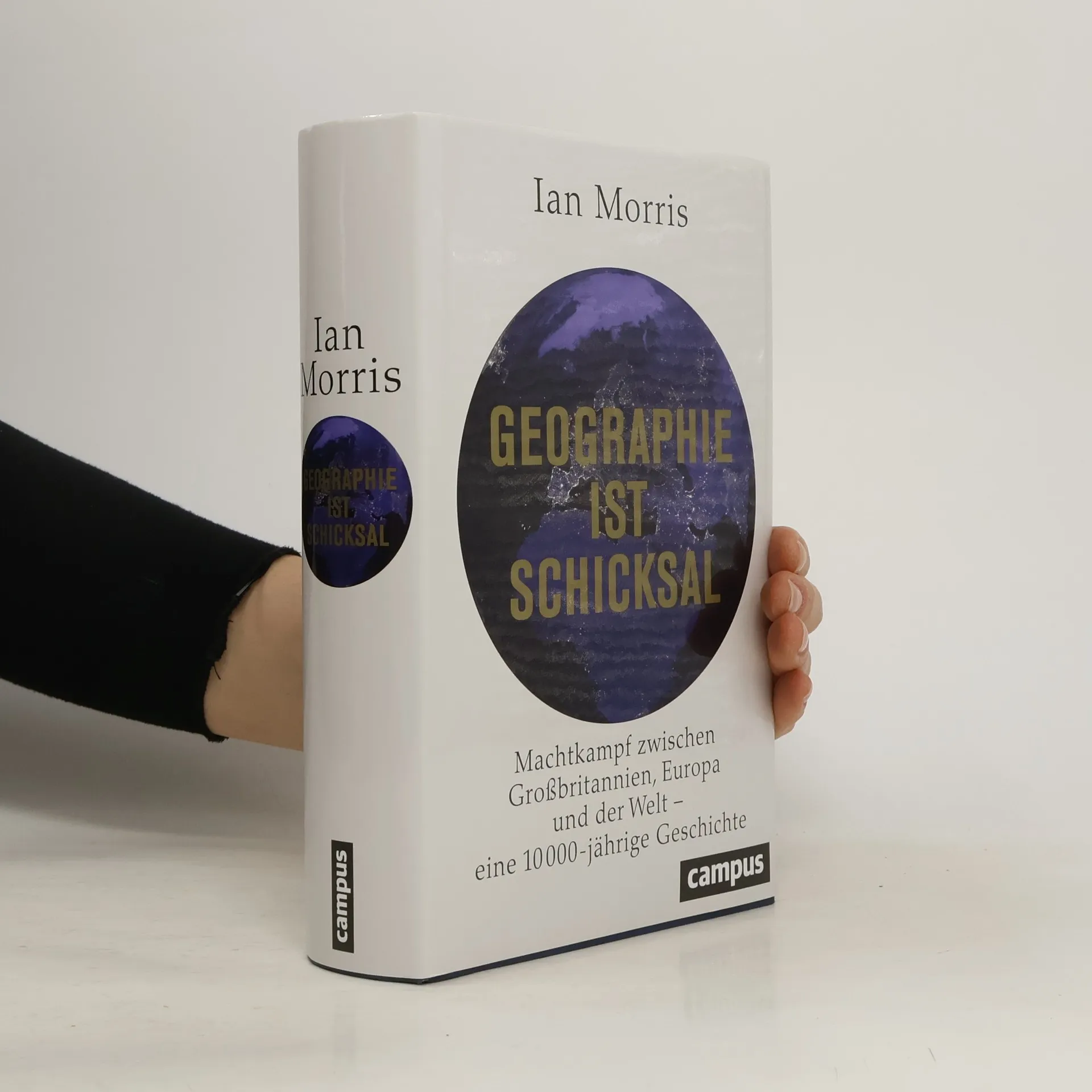
Geographie ist Schicksal
Machtkampf zwischen Großbritannien, Europa und der Welt - eine 10000-jährige Geschichte
Wer sind wir, wo leben wir, was haben wir, wie schützen wir uns und wer macht die Regeln? Diese Fragen treiben die Menschheit seit jeher um, und sie alle werden von der geographischen Lage bestimmt. Das zeigt Historiker, Archäologe und Bestsellerautor Ian Morris mit Blick auf Großbritannien, das einstige Imperium. Er erzählt die Geschichte seiner sich wandelnden Beziehungen zu Europa und der Welt, von der physischen Trennung am Ende der Eiszeit bis zu den ersten Anfängen des Vereinigten Königreichs, den Kämpfen um den Atlantik und dem Aufstieg der Pazifikregion. Anhand von Landkarten, Bildern und neuesten archäologischen Funden untersucht Morris, wie Geographie, Migration, Politik und neue Technologien zusammenwirkten und Ungleichheiten hervorbrachten, die bis in die Gegenwart prägend sind. Wo steht Großbritannien und wo steht Europa, wenn sich die Weltbühne in Zukunft weiter nach Osten neigt? Eine weltumspannende Herausforderung, gezeigt wie in einem Brennglas. »Ian Morris gilt als Vorreiter, wenn es darum geht, Weltgeschichte interessant und verständlich zu machen.« Jared Diamond
Die meisten Menschen heutzutage halten Demokratie und Gleichberechtigung der Geschlechter für eine gute Sache und sprechen sich gegen Gewalt und Ungleichheit aus. Aber bevor sich solche Auffassungen und die damit verbundenen Wertvorstellungen allmählich im 19. Jahrhundert herausbildeten, galten 10000 Jahre lang genau gegenteilige grundsätzliche Annahmen und andere Werte. Woran liegt das? An unseren Energiequellen, sagt Ian Morris in seinem neuen großen Wurf, diese formen unsere Gesellschaft wie nichts sonst. Was kommt auf die Menschheit nach dem Ende der fossilen Ära zu? In seiner Bedeutung vergleichen führende Historiker »Beute, Ernte, Öl« mit Jared Diamonds »Kollaps« und Steven Pinkers »Gewalt«.
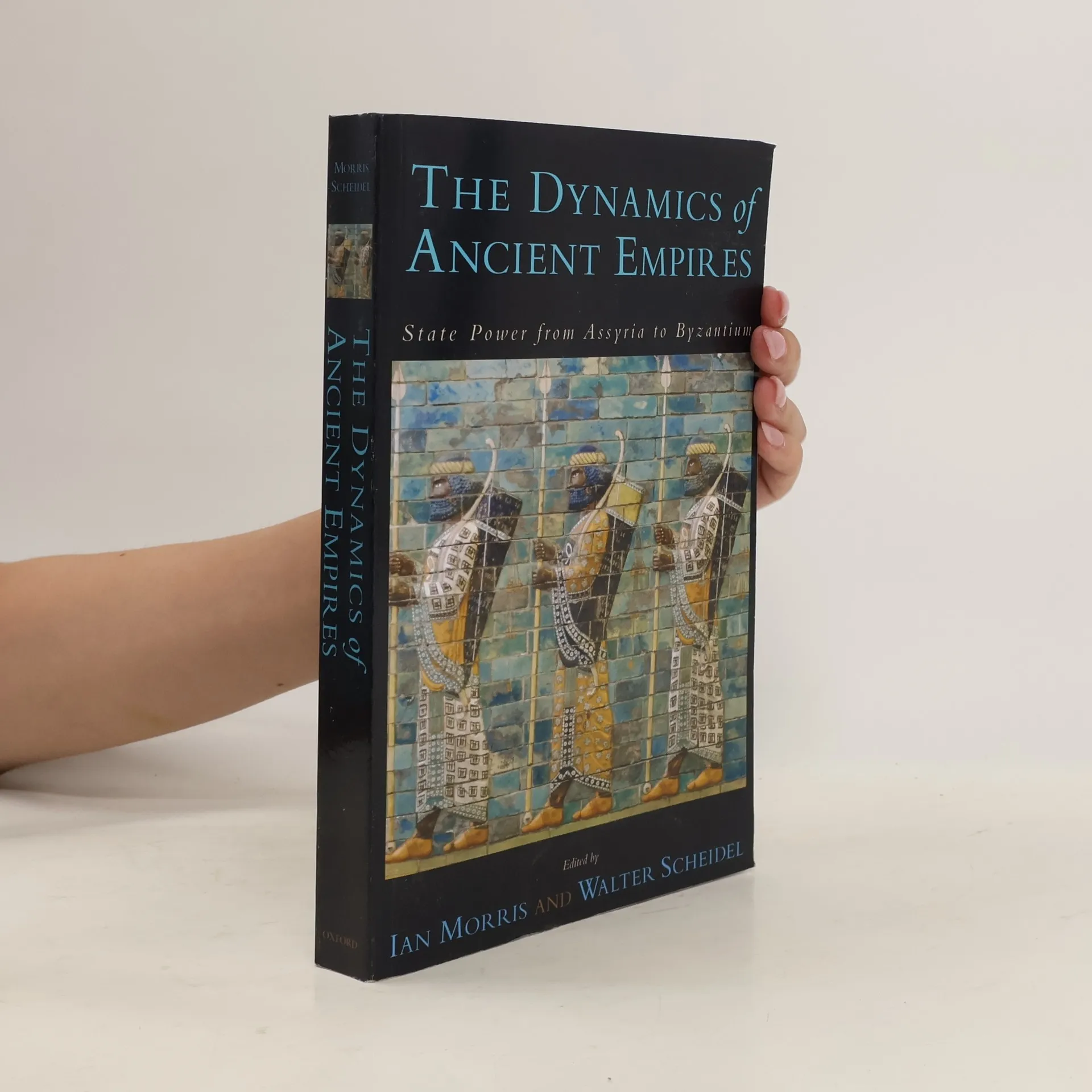
"Greek and Roman empires have largely been studied in isolation from those of the Near East. This volume is designed to encourage dialogue across disciplinary boundaries by examining the fundamental features of the successive and partly overlapping imperial states that dominated much of the Near East and the Mediterranean in the first millennia BCE and CE."--Back cover.
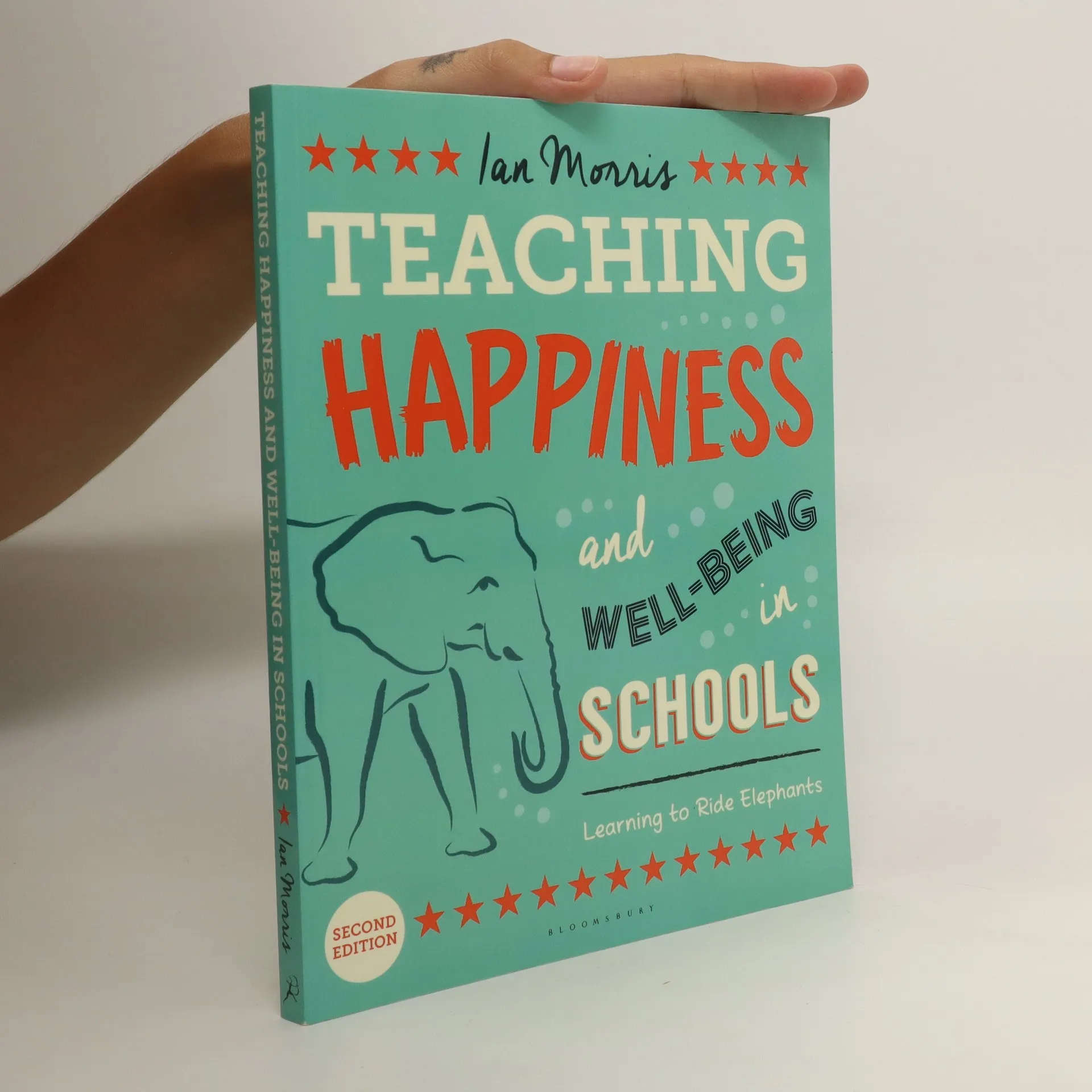
This updated edition is a theoretical and practical guide to implementing a well-being programme in your school. The book covers three areas: well-being as a philosophy of education, the teaching approach to well-being and the content that might form a well-being programme in a school. It is also a manifesto for a meaningful aim to education.There has recently been an explosion of interest in positive psychology and the teaching of well-being and 'happiness' in the PSHE world in schools and many teachers are looking for clear information on how to implement these potentially life-changing ideas in the classroom. This book provides an introduction to the theory of positive psychology and a practical guide on how to implement the theory in (primarily secondary) schools. It is written by Ian Morris who worked under Anthony Seldon at Wellington College which is well-known for its well-being and happiness curriculum.
Offers insight into the index of social development that measures change in East and West. The author argues that to understand the development of East and West, we need to look beyond 'long-term lock-in' theories (that suggest it was inevitable) and 'short-term accident' theories.
Cambridge International AS/A level Accounting Revision Guide 2nd edition
- 208 Seiten
- 8 Lesestunden
Get your best grades with this exam-focused text that will guide you through the content and skills you need to prepare for the big day.
Themistocles: Defender of Greece
- 116 Seiten
- 5 Lesestunden
Themistocles was an Athenian political leader and naval commander whose defeat of the invading Persian navy at Salamis in 480 BC preserved the independence of the Greek city-states and their democratic traditions.
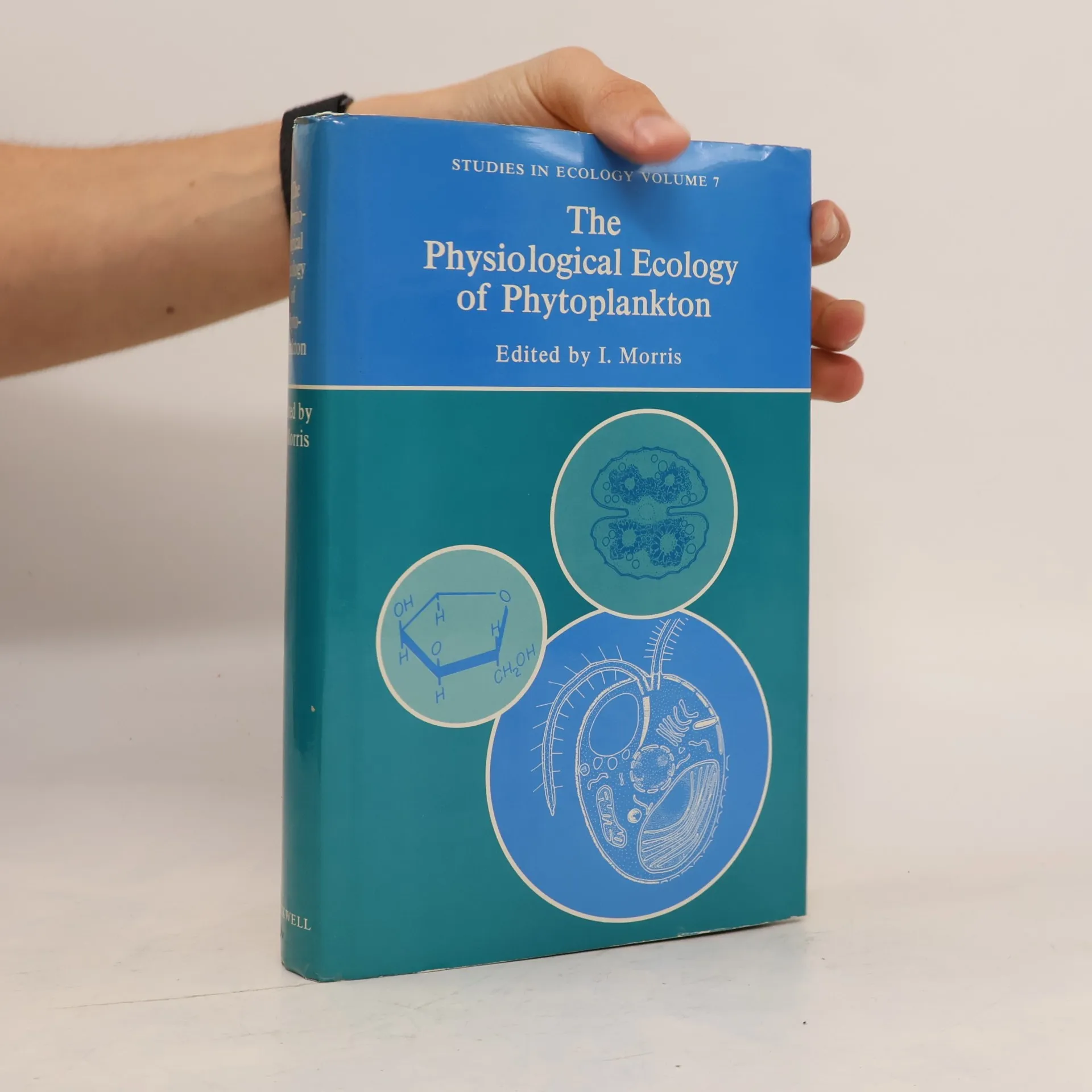
Studies in Ecology - 7: The Physiological Ecology of Phytoplankton
- 625 Seiten
- 22 Lesestunden
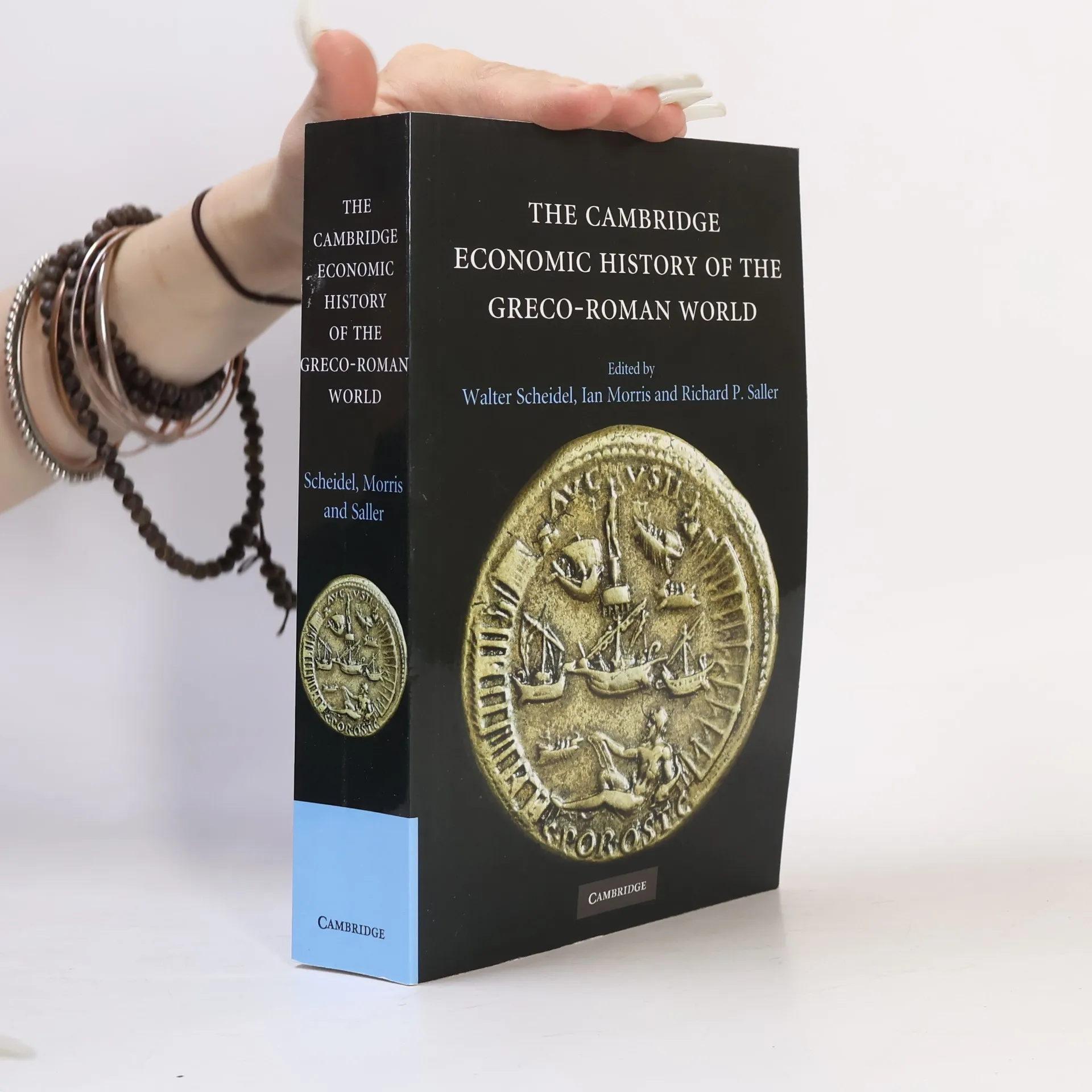
The Cambridge Economic History of the Greco-Roman World
- 960 Seiten
- 34 Lesestunden
In this, the first comprehensive one-volume survey of the economies of classical antiquity, twenty-eight chapters summarise the current state of scholarship in their specialised fields and sketch new directions for research. The approach taken is both thematic, with chapters on the underlying determinants of economic performance, and chronological, with coverage of the whole of the Greek and Roman worlds extending from the Aegean Bronze Age to Late Antiquity. The contributors move beyond the substantivist-formalist debates that dominated twentieth-century scholarship and display a new interest in economic growth in antiquity. New methods for measuring economic development are explored, often combining textual and archaeological data that have previously been treated separately. Fully accessible to non-specialist, the volume represents a major advance in our understanding of the economic expansion that made the civilisation of the classical Mediterranean world possible.
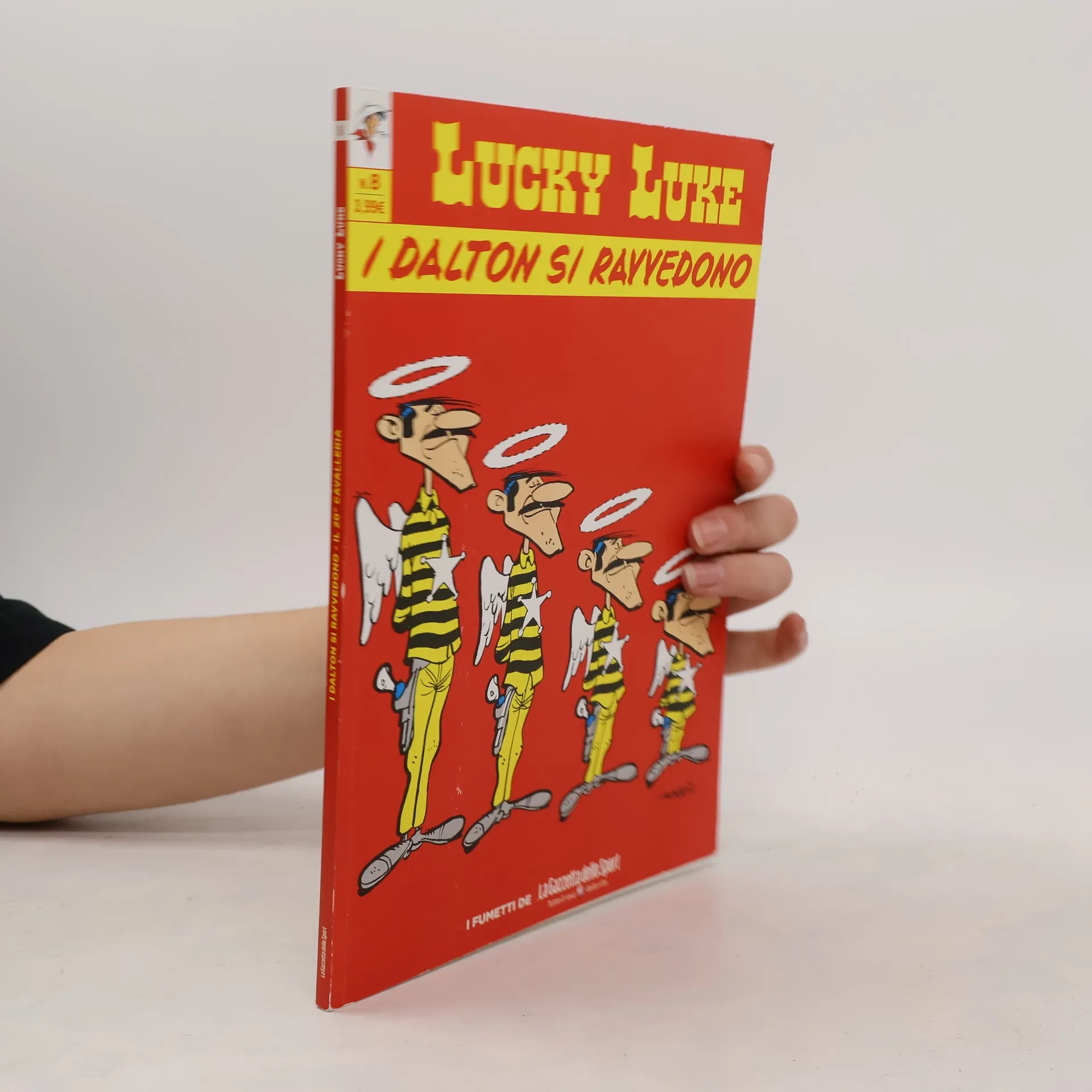
Lucky Luke 8. I Dalton si ravvedono
- 100 Seiten
- 4 Lesestunden
L'albo ospita due episodi del fumetto Lucky Luke. Il primo, quello che da il titolo al volume, è I Dalton si ravvedono e vede i simpatici banditi alle prese con un tentativo di riabilitazione, viene infatti loro offerta la cancellazione della pena in cambio della buona condotta per un mese, un mese dannatamente lungo per la Banda Dalton. Il secondo episodio presente sul volume è un omaggio al classico film western Il massacro di Fort Apache di John Ford e vede protagonisti, oltre a Lucky Luke, gli indiani e le giacche azzurre. Entrambi gli episodi sono sceneggiati da Goscinny e disegnati da Morris e sono stati realizzati rispettivamente nel 1963 e nel 1964.
Proč Západ vládne... zatím: Co minulost říká o naší budoucnosti
- 640 Seiten
- 23 Lesestunden
Oblast světa, kterou dnes označujeme jako Západ, získala díky průmyslové revoluci v 19. století světovou nadvládu, která trvá dodnes. Nicméně nyní, na začátku 21. století, se začínají šířit obavy, že nastupující hospodářská síla Číny a Indie znamená konec Západu jako globální supervelmoci. Jsou tyto obavy opodstatněné? A proč se vlastně do takto dominantní pozice v minulosti dostaly zrovna státy Západu? Britský historik a archeolog Ian Morris se ve své vlivné knize zaměřuje na vzorce historie v horizontu tisíců let a přináší zajímavou odpověď na obě tyto otázky. Klíčem k nadvládě Západu nebyla kultura, rasové rozdíly nebo výjimečné výkony jedinců. Zásadní byla role geografie, která určovala, jak si byli místní lidé schopni ve svých každodenních životech poradit s nedostatkem surovin, nemocemi, migrací nebo proměnami klimatu. Souhra zeměpisných faktorů a lidské vynalézavosti přitom pokračuje a svět se díky tomu podle Morrise bude nadále proměňovat, což poznamená i velmocenské postavení vyspělých zemí. Kniha je zásadním příspěvkem k dějinám naší civilizace a skvělým výchozím bodem k porozumění současné geopolitické situaci.