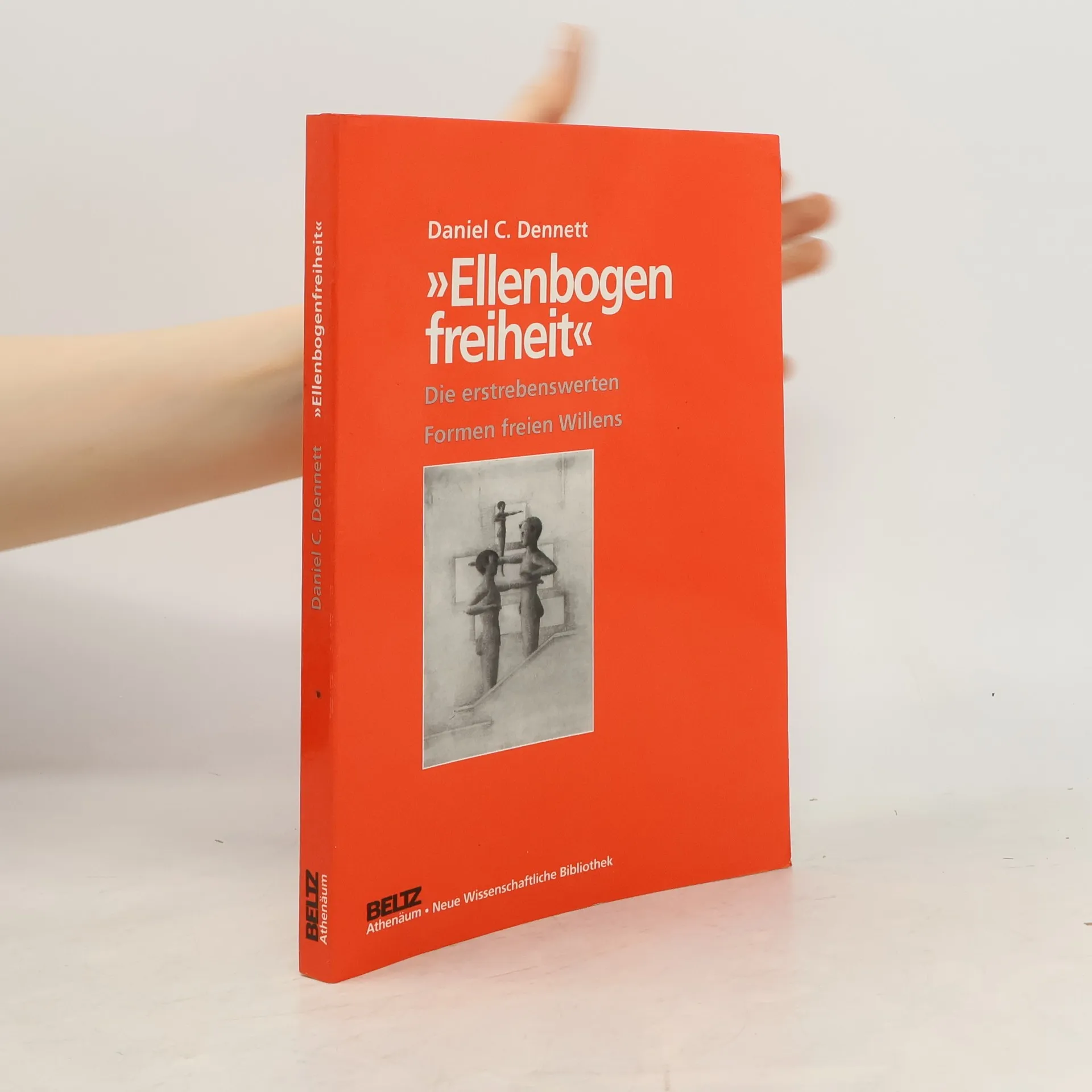
Daniel Clement DennettReihenfolge der Bücher (Chronologisch)
Daniel Dennett ist ein bedeutender Philosoph, dessen Werk sich mit der Philosophie des Geistes, der Wissenschaft und der Biologie beschäftigt. Seine Forschung untersucht die Schnittstelle von Evolutionsbiologie und Kognitionswissenschaft und erforscht die Natur des Bewusstseins und des Geistes. Dennetts Schreibstil zeichnet sich durch Klarheit und Überzeugungskraft aus, wenn er komplexe Konzepte entmystifiziert und konventionelle Ansichten über menschliche Kognition und ihren Platz im Universum hinterfragt. Seine Schriften laden zu tiefen Reflexionen darüber ein, was es bedeutet, im Lichte des modernen wissenschaftlichen Verständnisses ein Mensch zu sein.
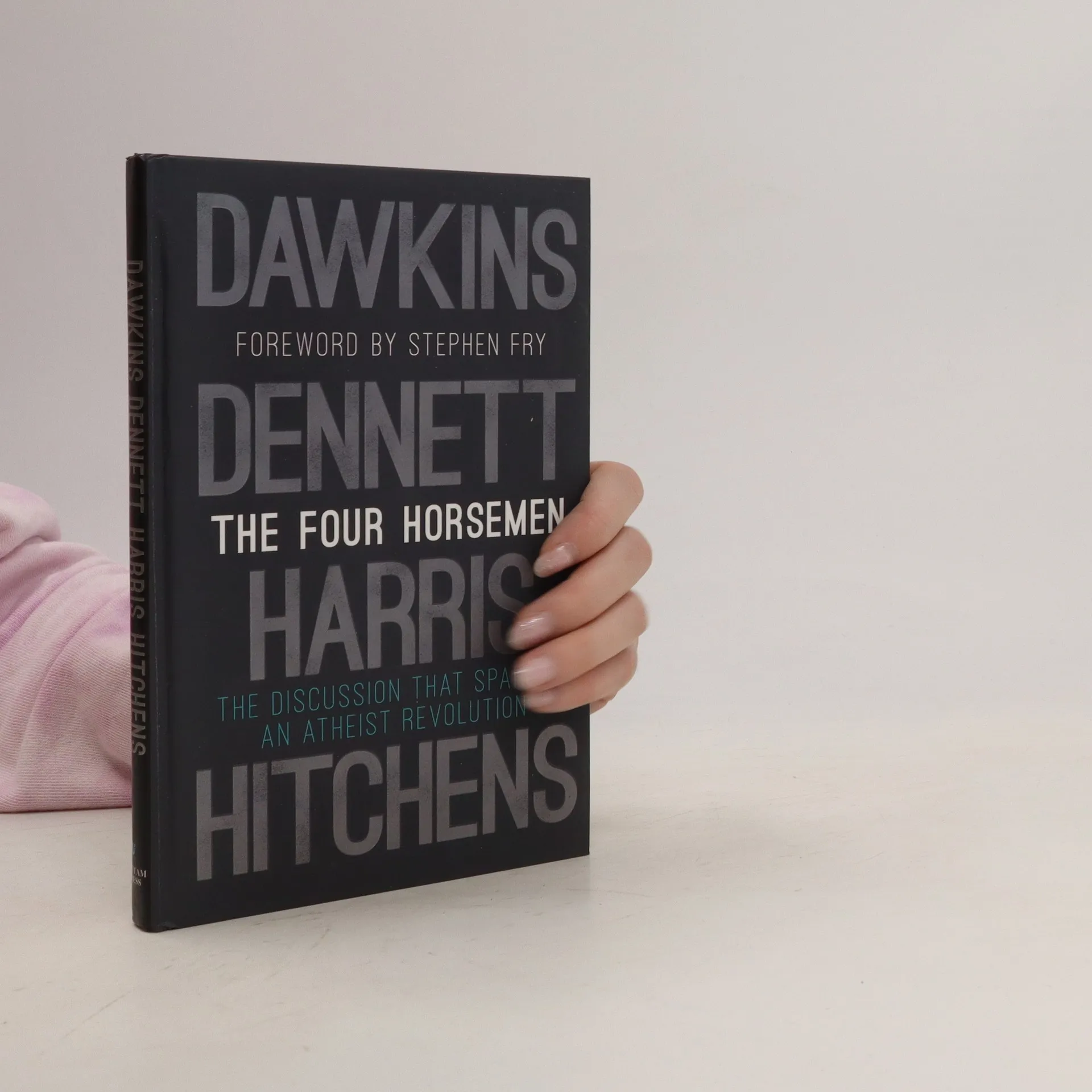
Known as the "four horsemen" of the New Atheism, four thinkers of the twenty-first century met only once. Their examination of ideas was wide-ranging. Everything that was said as they agreed and disagreed with one another, interrogated ideas and exchanged insights about religion and atheism, science and sense speaks to our present age. The dialogue was recorded, and is transcribed and presented in this book
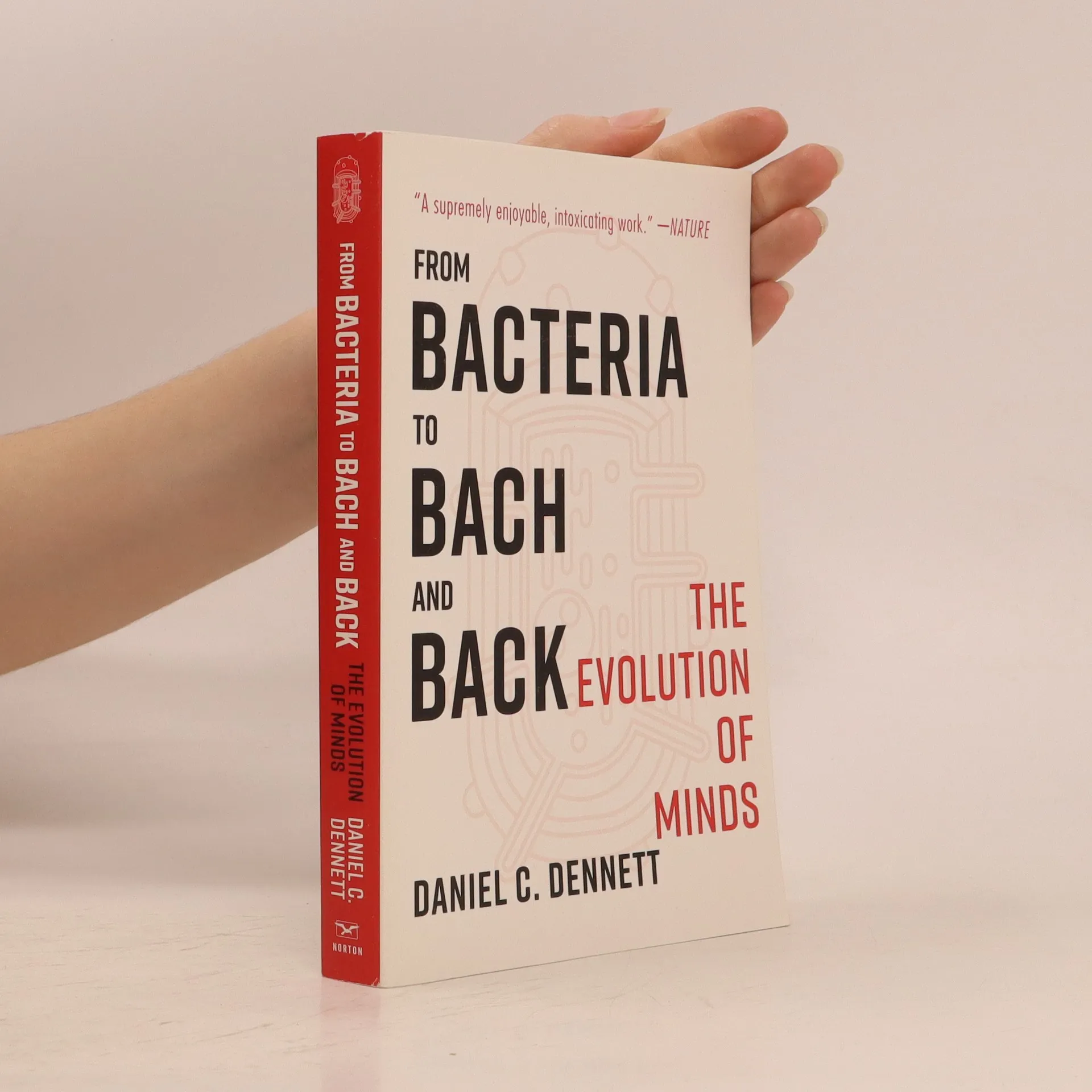
"A supremely enjoyable, intoxicating work." —Nature How did we come to have minds? For centuries, poets, philosophers, psychologists, and physicists have wondered how the human mind developed its unrivaled abilities. Disciples of Darwin have explained how natural selection produced plants, but what about the human mind? In From Bacteria to Bach and Back, Daniel C. Dennett builds on recent discoveries from biology and computer science to show, step by step, how a comprehending mind could in fact have arisen from a mindless process of natural selection. A crucial shift occurred when humans developed the ability to share memes, or ways of doing things not based in genetic instinct. Competition among memes produced thinking tools powerful enough that our minds don’t just perceive and react, they create and comprehend. An agenda-setting book for a new generation of philosophers and scientists, From Bacteria to Bach and Back will delight and entertain all those curious about how the mind works.
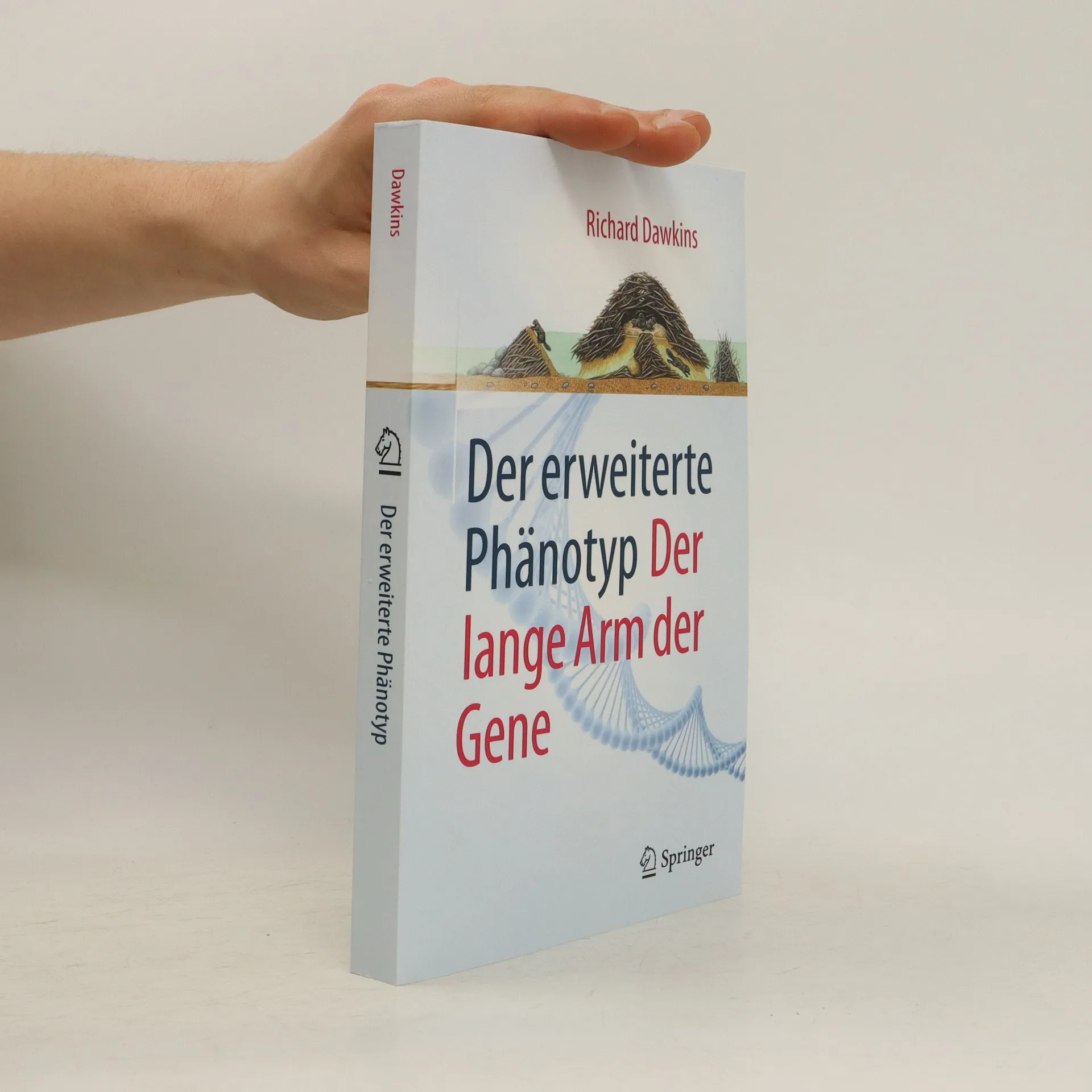
Der erweiterte Phänotyp - ein Klassiker der Evolutionsbiologie Richard Dawkins betrachtet dieses 1982 erschienene, 1999 überarbeitete und ergänzte Buch als seinen Hauptbeitrag zur Evolutionsbiologie und als Nachfolgewerk seines Bestsellers Das egoistische Gen. Für die deutschsprachige Übersetzung hat Richard Dawkins ein neues Vorwort verfasst. Dawkins erweitert in diesem Buch den Begriff des Phänotyps (als Summe aller Merkmale eines Individuums) auf die Auswirkungen der Gene dieses Individuums auf die Umwelt und auf andere Lebewesen. Beispiele sind die durch den Fortpflanzungstrieb des Bibers entstehenden Bauten, die drastische Auswirkungen auf die Umwelt haben können, oder das Gen eines Parasiten, welches das Verhalten seines Wirtes zum Nutzen des Parasiten (Saitenwurm) verändert. Dawkins betont mit diesem Ansatz die genzentrierte Sicht des Lebens. Im letzten Kapitel des Buches unternimmt er den Versuch, den Organismus neu zu definieren. Ich behaupte, dass die meisten Wissenschaftler, die meisten Autoren ein Werk haben, von dem sie sagen würden: Egal, ob Sie noch nie etwas von mir gelesen haben, lesen Sie wenigstens dies! Richard Dawkins
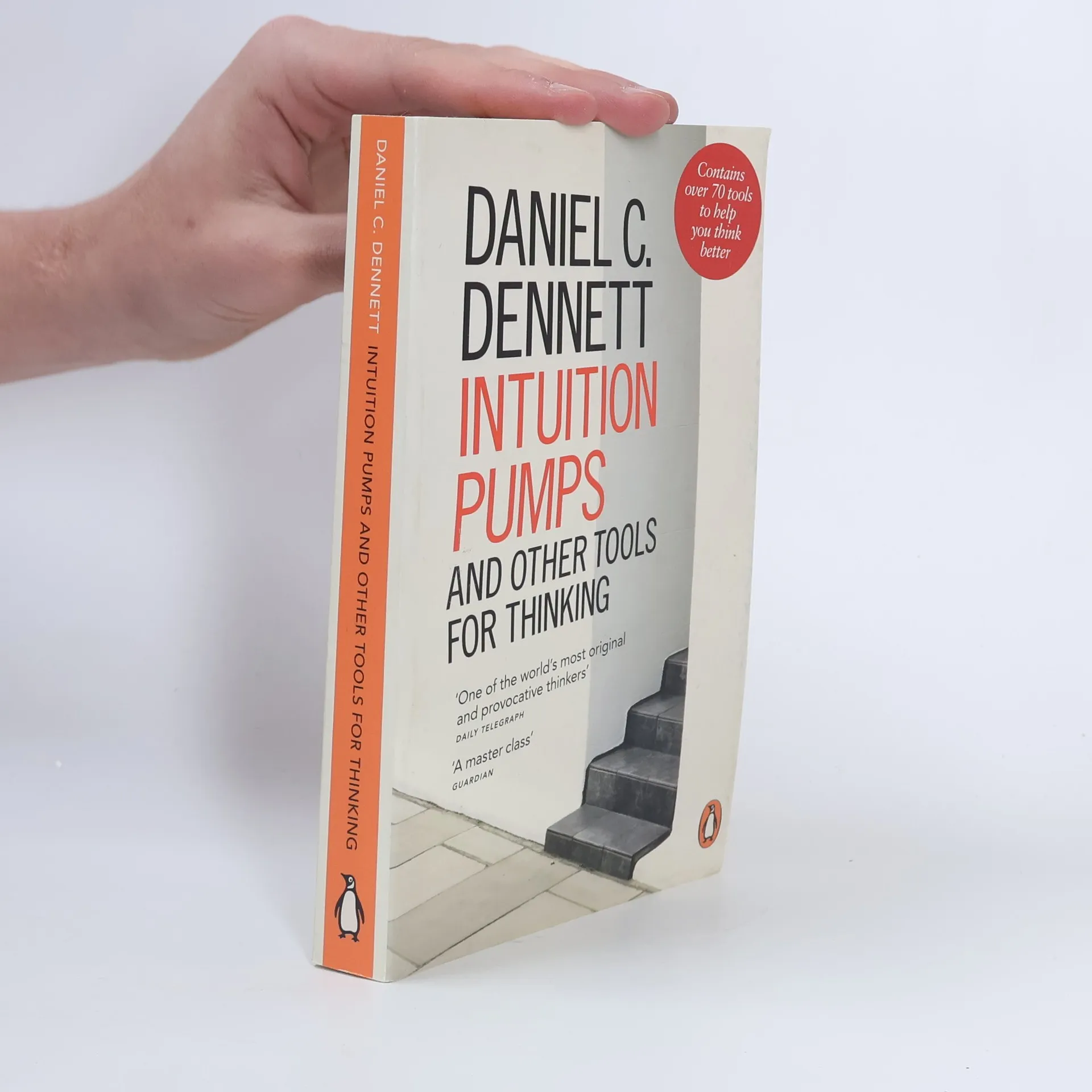
Thinking is hard. A few of us may be natural geniuses; others are blessed with reserves of willpower. Then there are the rest of us: not prodigies and short on time, but still aspiring to understand the world. What can we do? Acclaimed thinker Daniel Dennett reveals a collection of his favourite thinking tools, or 'intuition pumps'. From Occam's Razor to the benefit of mistakes, the 90% rule to avoiding 'deepities', this entertaining guide will enable you to tackle life's most fundamental questions - evolution, meaning, consciousness and free will - and teach you to think independently and creatively. 'Intelligence, insight and flair . . . They don't come much bigger than Daniel Dennett.' Julian Baggini, Guardian 'Brilliant . . . Vintage Dennett.' @ Richard Dawkins 'A philosopher's box of tools for the musing mind.' Melvin Konner, Nature 'A lively primer on the radical answers Mr. Dennett has elaborated to the big questions in his nearly five decades in philosophy.' Jennifer Schuessler, The New York Times 'America's most important and entertaining philosopher.' Observer 'Dennett will lift the top off your head.' Daily Beast
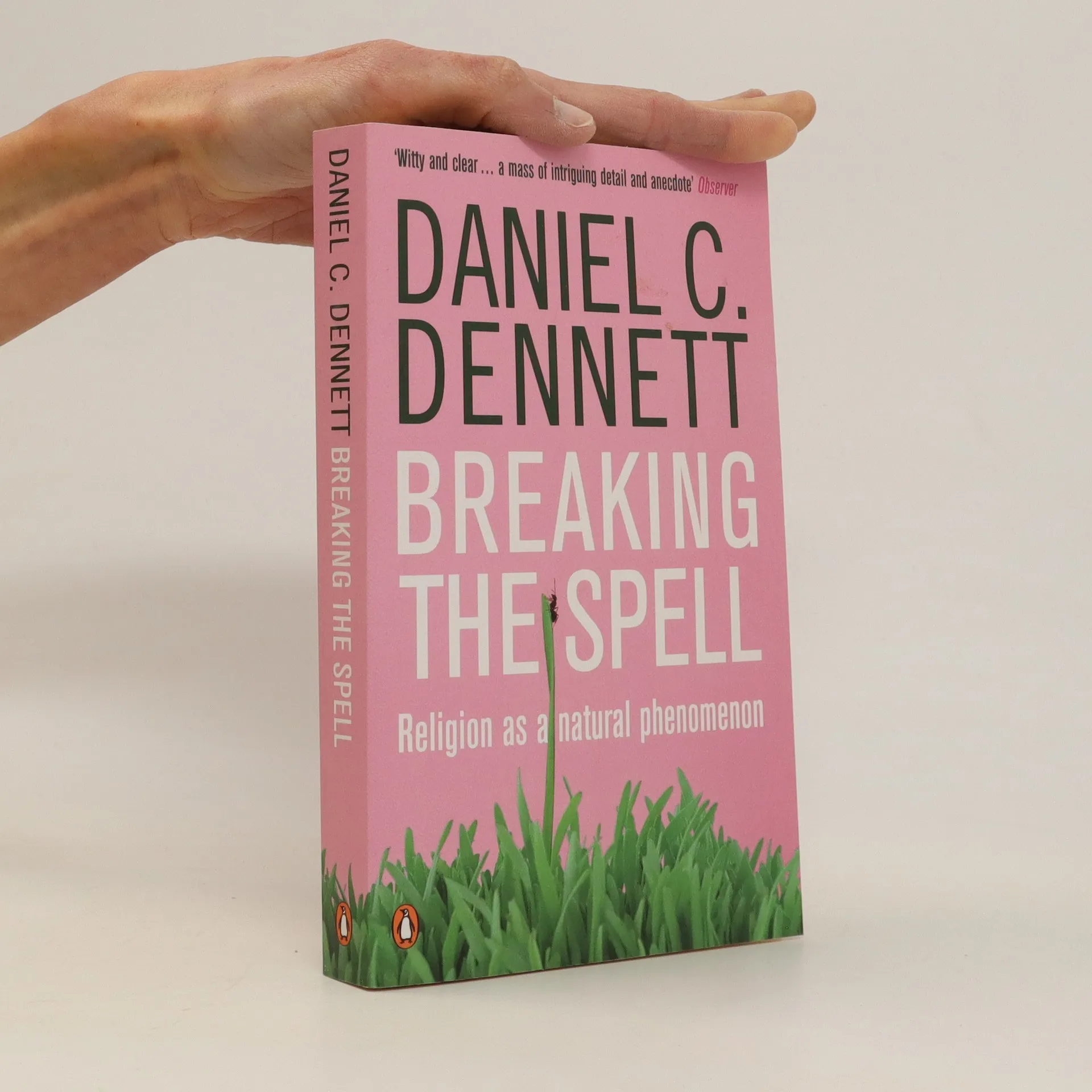
Offering a challenge to society and a different history of belief, this book discusses why and how different faiths have commanded allegiance and shaped so many lives. It argues for the need to understand this multifaceted phenomenon, and also presents a comprehensive explanation for religion.
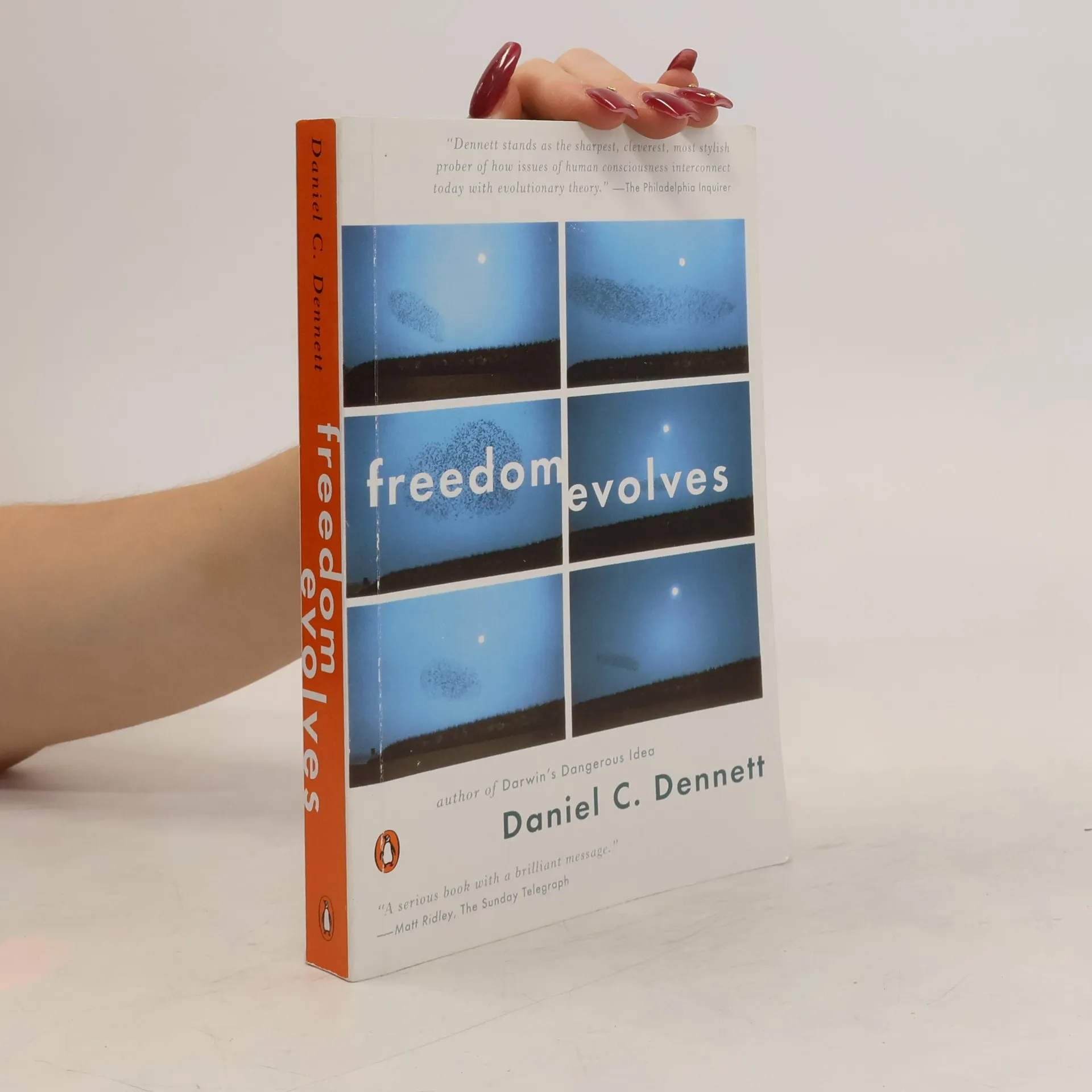
Can there be freedom and free will in a deterministic world? Renowned philosopher Daniel Dennett emphatically answers "yes!" Using an array of provocative formulations, Dennett sets out to show how we alone among the animals have evolved minds that give us free will and morality. Weaving a richly detailed narrative, Dennett explains in a series of strikingly original arguments—drawing upon evolutionary biology, cognitive neuroscience, economics, and philosophy—that far from being an enemy of traditional explorations of freedom, morality, and meaning, the evolutionary perspective can be an indispensable ally. In Freedom Evolves, Dennett seeks to place ethics on the foundation it deserves: a realistic, naturalistic, potentially unified vision of our place in nature.
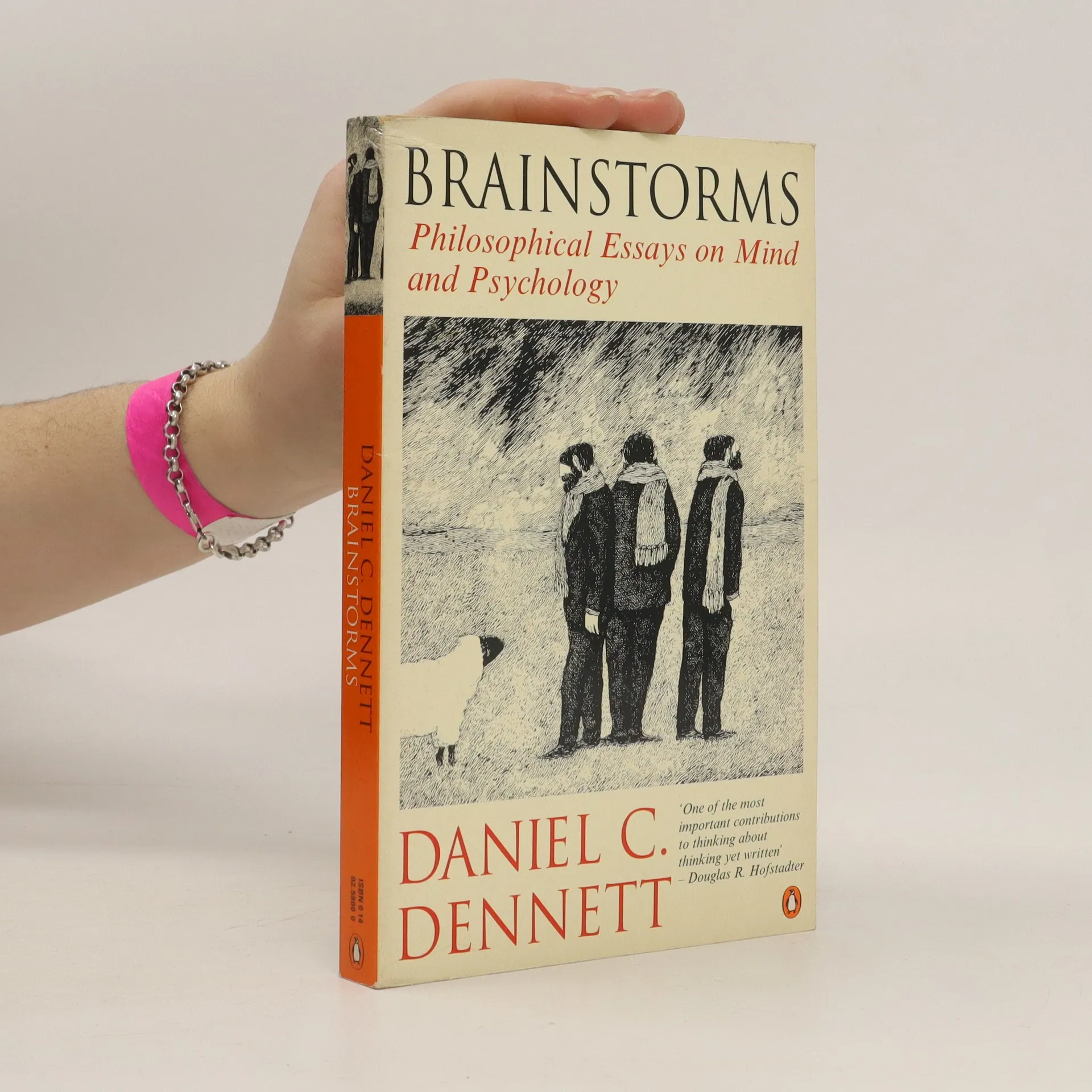
A collection of 17 essays exploring the central issues of the philosophy of the mind, and human interaction with psychology and evolutionary biology. This book questions the relationship between psychology and morality as well as exploring the concept of human intentionality. It argues that intentional attributes such as desires, goals, beliefs and knowledge are purely mechanistic.
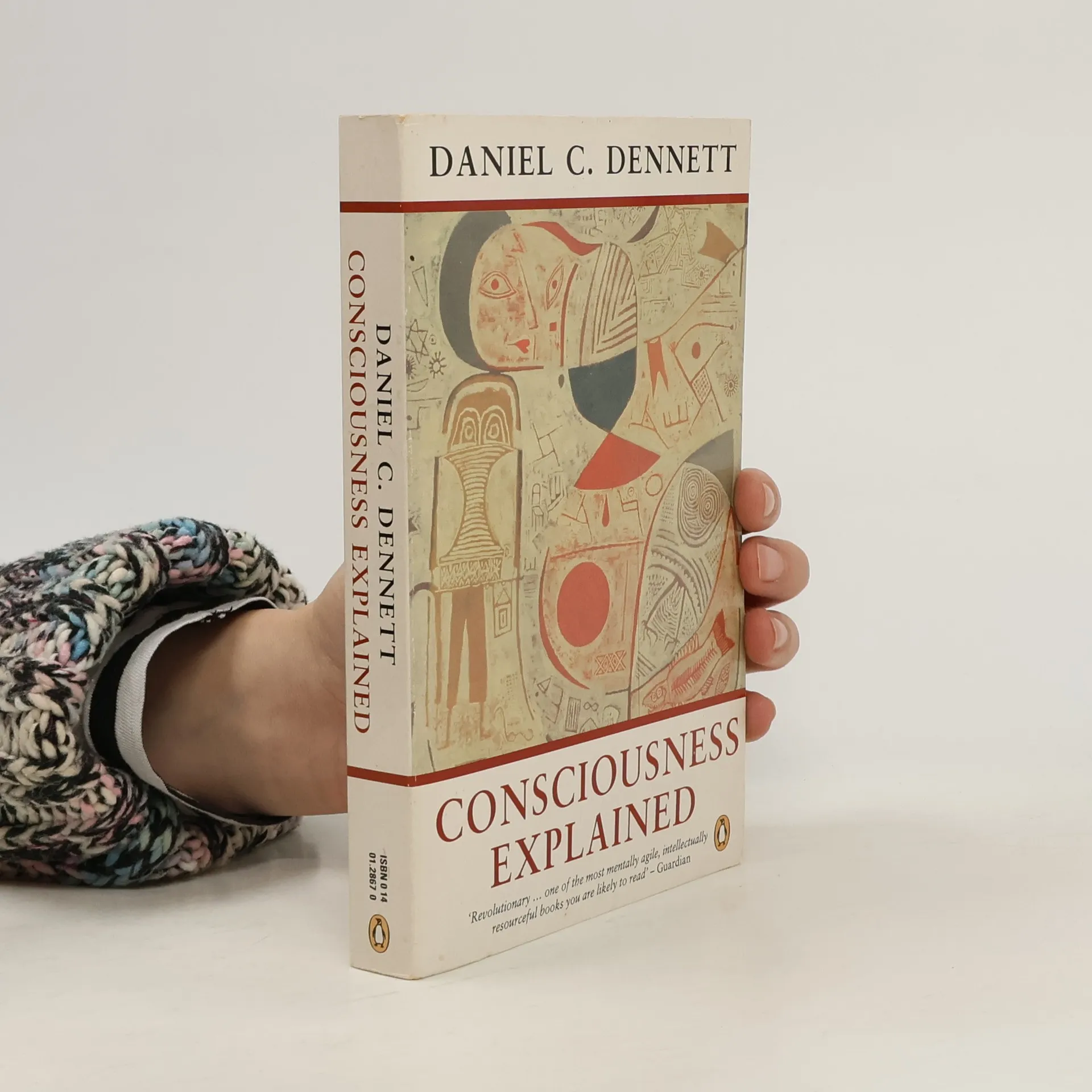
This book revises the traditional view of consciousness by claiming that Cartesianism and Descartes' dualism of mind and body should be replaced with theories from the realms of neuroscience, psychology and artificial intelligence. What people think of as the stream of consciousness is not a single, unified sequence, the author argues, but "multiple drafts" of reality composed by a computer-like "virtual machine". Dennett considers how consciousness could have evolved in human beings and confronts the classic mysteries of consciousness: the nature of introspection, the self or ego and its relation to thoughts and sensations, and the level of consciousness of non-human creatures.
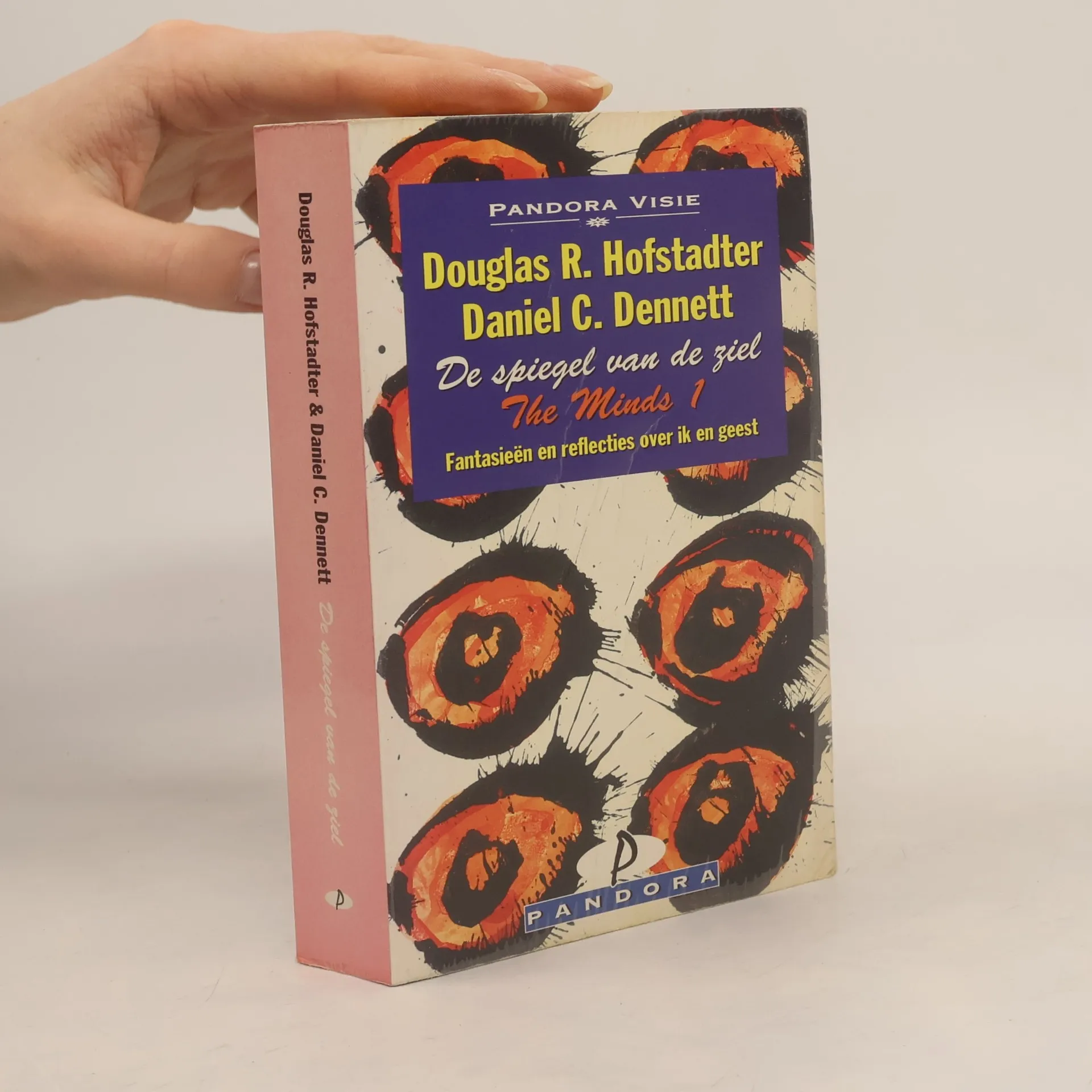
Wer oder was ist das Ich, das denkt, wenn es „Ich“ denkt? Was und wo ist diese merkwürdige Instanz, von der wir noch nicht einmal sagen können, ob wir sie haben oder sind? Diese seltsame Schleife in der verwickelten Hierarchie unseres verwickelten Geistes, die wir nur notdürftig mit den Begriffen Ich, Selbst, Seele, Selbstbewußtsein umschreiben können? Jeder, der sich diesen uralten Fragen stellt, stürzt kopfüber in die größten Wirrnisse. Auch Douglas R. Hofstadter und Daniel C. Dennett können keine direkten, simplen Antworten geben, aber sie haben jene Wirrnisse vorgeführt und anschaulich werden lassen. Mit entwaffnender Offenheit gestehen sie, daß es ihre Absicht sei, „jedermann kräftig durcheinanderzurütteln: diejenigen, die eine rigide, bierernste, wissenschaftliche Anschauung von der Welt hegen, ebenso wie diejenigen. die eine religiöse, spiritualistische Vorstellung von der menschlichen Seele haben“. Das Vexierspiel ist den Autoren aufs schönste gelungen; sie präsentieren ein Panoptikum des menschlichen Nachdenkens über sich selbst, einen aufregenden, hochprozentigen Gedankencocktail, der den Leser dazu verführen will, sich seine eigenen Gedanken zu machen: „Dieses Buch soll seine Leser provozieren, in Unruhe versetzen, in Verwirrung stürzen, soll das Selbstverständliche fremd und vielleicht das fremdartige selbstverständlich werden lassen.“