

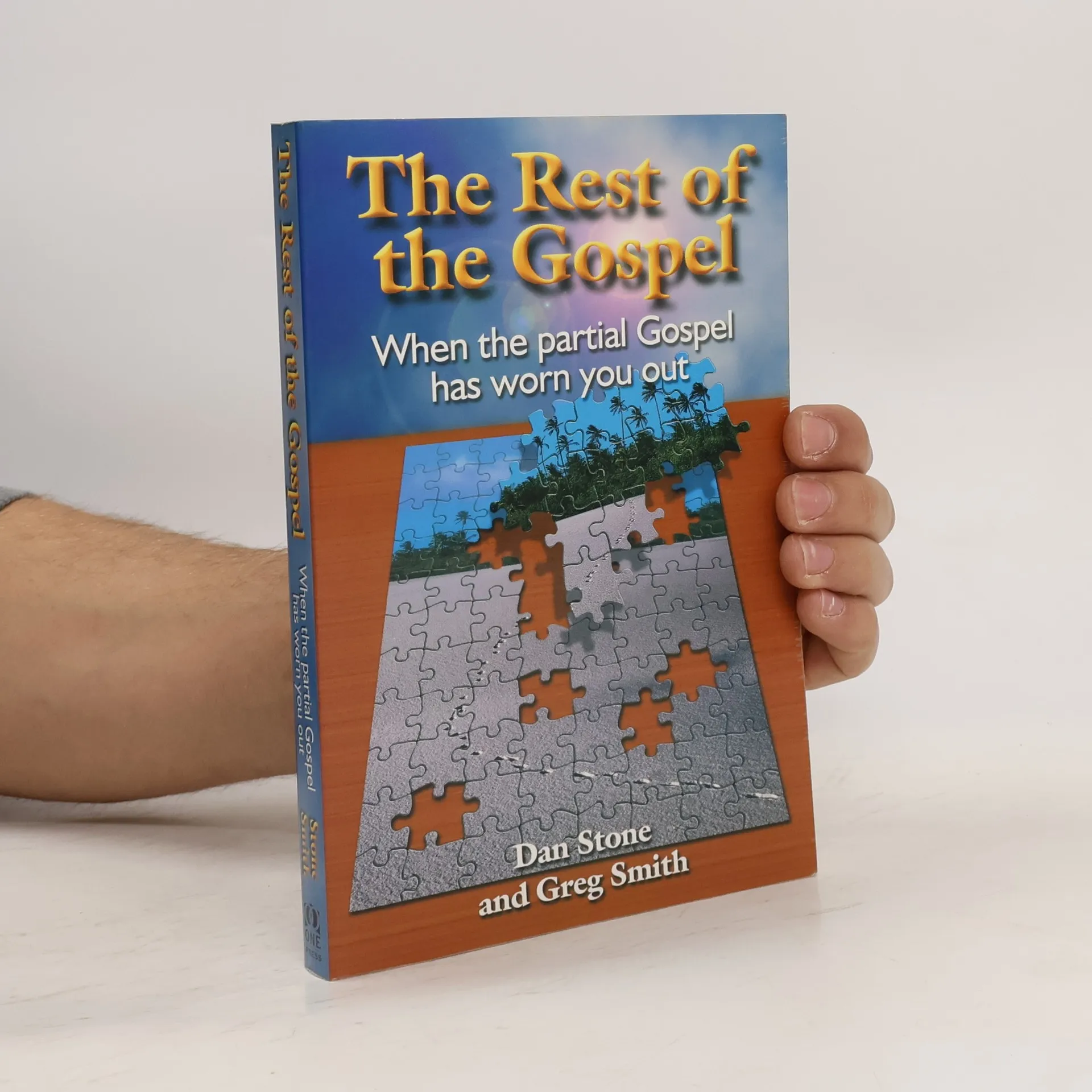
Having Gods forgiveness is wonderful. Spending eternity with God is great. But for now, where is the abundant life Jesus promised? Why is the Christian life such a struggle? Because getting forgiven is only half of the gospel The Rest of the Gospel is not us striving on our own to be good Christians, but Christ in us, living His life through us as we rest in Him.
Dan Stone Bücher
Dan Stone ist ein Historiker des modernen Europas, dessen Werk sich auf Faschismus, vergleichende Genozide, Rassentheorie und die Geschichte der Anthropologie konzentriert. Sein Schreiben taucht tief in die dunkleren Aspekte der menschlichen Geschichte ein und versucht, die komplexen sozialen und politischen Kräfte zu verstehen, die zu Gewalt und Unterdrückung führen. Stones Ansatz ist analytisch und konzentriert sich auf das Verständnis historischer Ereignisse in ihrem breiteren Kontext. Seine Werke bieten einen tiefen Einblick in die traumatischen Facetten der modernen Geschichte und regen zur Reflexion über die Ursachen und Folgen extremistischer Ideologien und Auslöschungen an.


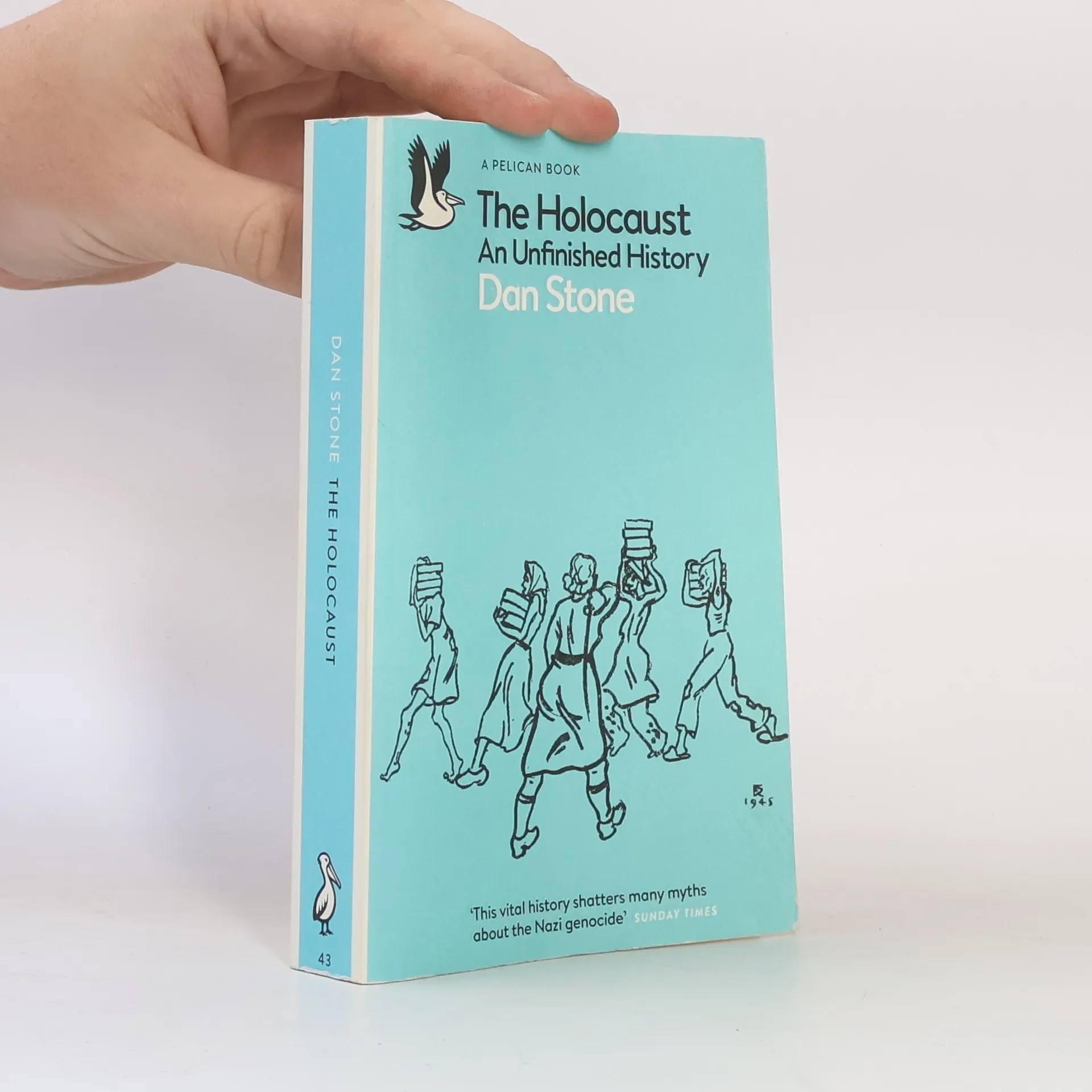
The Holocaust
- 464 Seiten
- 17 Lesestunden
'This vital history shatters many myths about the Nazi genocide . . . . surprising . . . provocative . . . fizzes with ideas. Even if you think you know the subject, you'll probably find something here to make you think' Sunday Times'Erudite...remarkable' The Observer'Outstanding' The TelegraphAn authoritative, revelatory new history[Bokinfo].
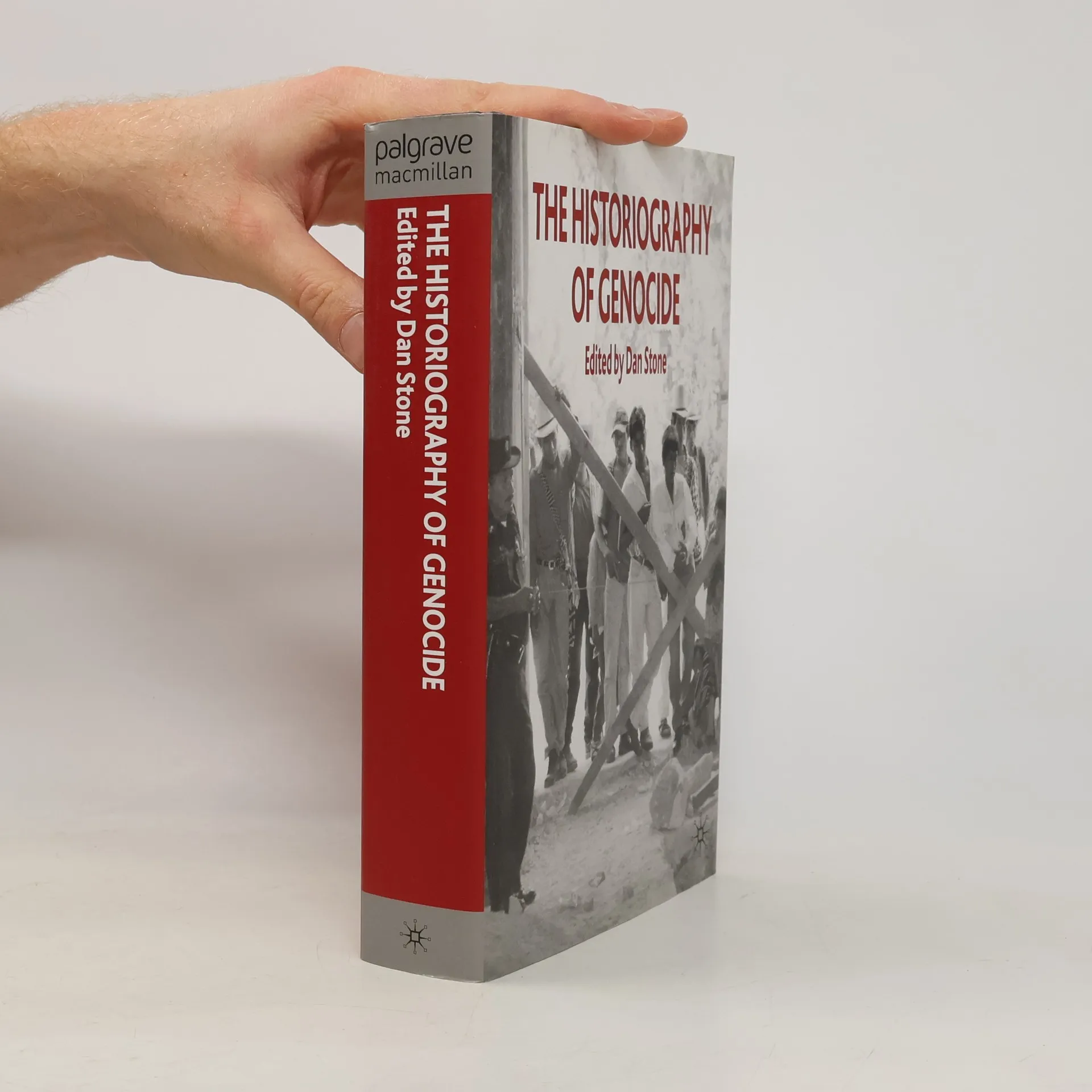
The Historiography of Genocide
- 655 Seiten
- 23 Lesestunden
The Historiography of Genocide is an indispensable guide to the development of the emerging discipline of genocide studies and the only available assessment of the historical literature pertaining to genocides.
The collection features essays by Professor Dan Stone, exploring critical themes such as Fascism, Nazism, and the Holocaust. It provides in-depth analysis and insights relevant to scholars and students engaged in antisemitism, genocide studies, and the historical impacts of World War II. The work serves as a valuable resource for understanding the complexities of these significant historical events and ideologies.
Mít odpuštěné hříchy je úžasné. Strávit věčnost s Bohem je skvělé. Ale proč je tedy křesťanský život takový zápas? Protože odpuštění představuje jen část evangelia! TAJEMSTVÍ EVANGELIA nespočívá v tom, že se snažíme být z vlastních sil "dobrými" křesťany, ale v tom, že Kristus, který je v nás, žije naším prostřednictvím, zatímco v Něm odpočíváme.