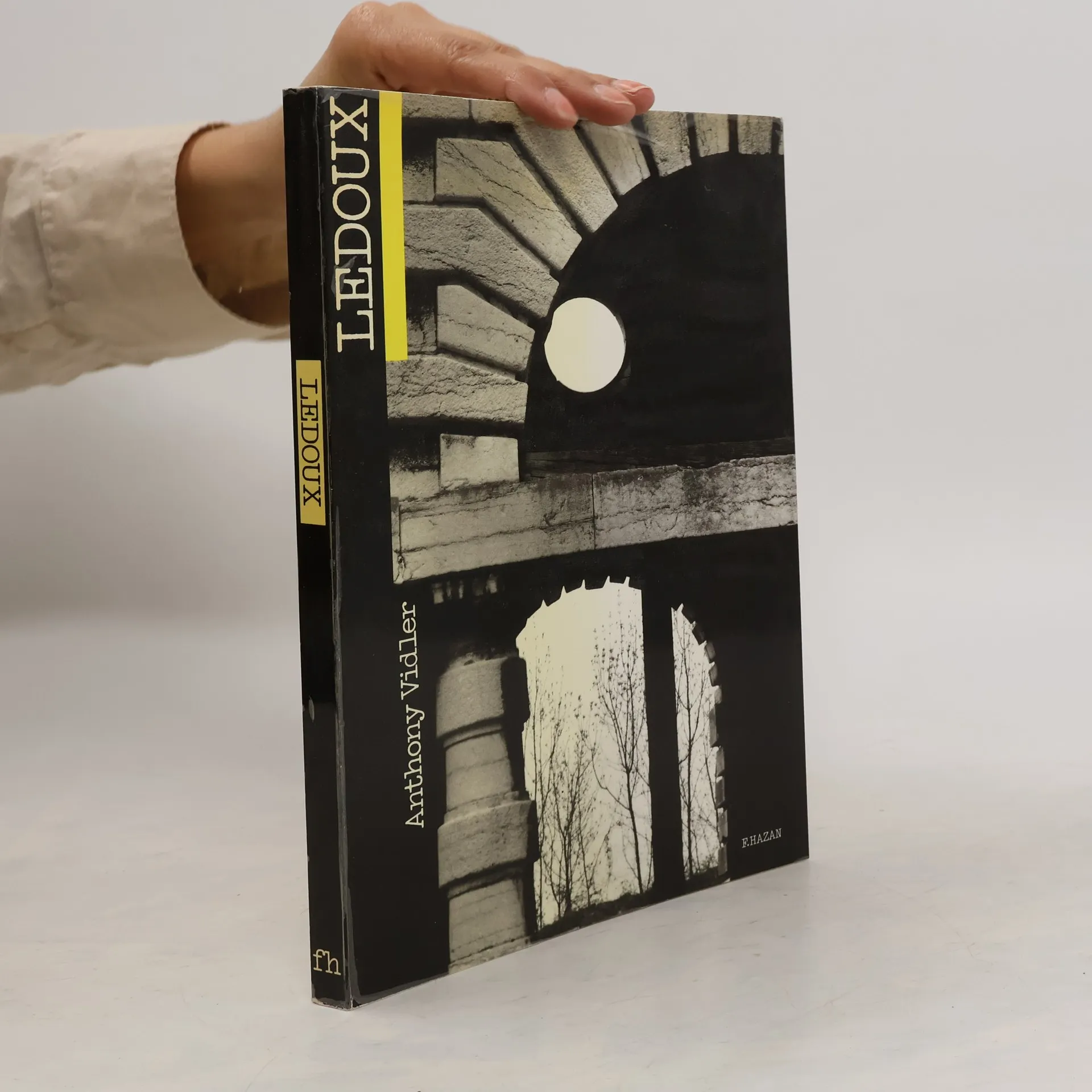
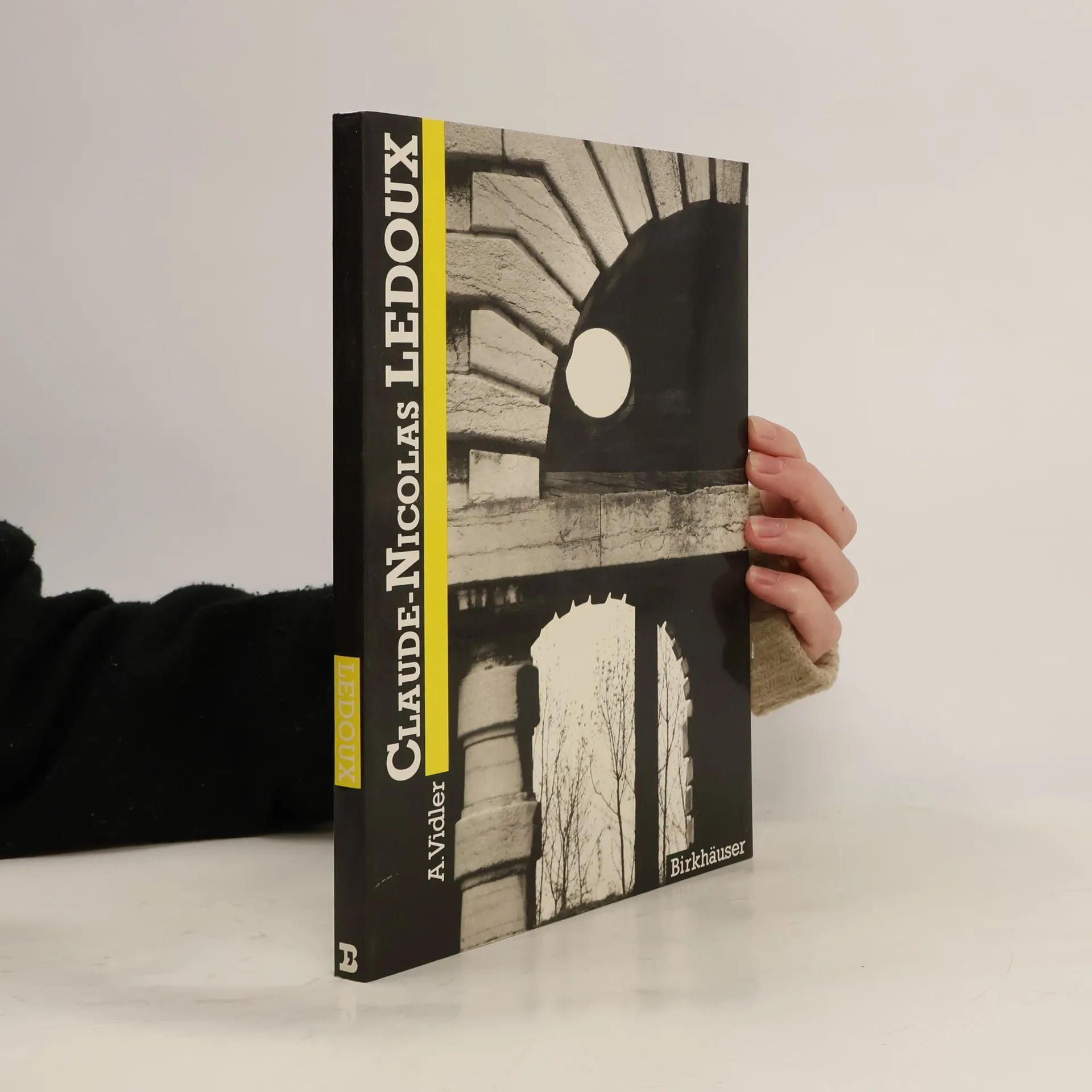
Claude-Nicolas Ledoux
- 147 Seiten
- 6 Lesestunden



Architektur und Utopie im Zeitalter der Französischen Revolution
Claude-Nicolas Ledoux, ein führender Vertreter der französischen Revolutionsarchitektur, zeichnete sich durch seinen vielseitigen Erfindungsreichtum aus. Er nahm die Architekturideale seiner Zeit auf und schuf mutige Utopien, die sowohl innovativ als auch visionär waren. Seine Arbeiten reflektieren die sozialen und politischen Umwälzungen seiner Epoche und bieten einen einzigartigen Einblick in die Entwicklung der Architektur im Kontext der Revolution.
The Architectural Uncanny presents an engaging and original series of meditations on issues and figures that are at the heart of the most pressing debates surrounding architecture today. Anthony Vidler interprets contemporary buildings and projects in light of the resurgent interest in the uncanny as a metaphor for a fundamentally “unhomely” modern condition. The essays are at once historical and theoretical, opening up the complex and difficult relationships between politics, social thought, and architectural design in an era when the reality of homelessness and the idealism of the neo-avant-garde have never seemed so far apart.
The traditional folly, an adjunct structure erected for ornament on a gentleman's estate, is here interpreted freely, with great diversity and invention. The designs reproduced are eminently buildable or they may be studied and enhoed as revelations of formal ideas in contemporary architecture.
Soubor esejí věnovaných významu třech základních architektonických prvků: sloupu, vázy, obelisku. Sborník představuje tyto elementy v retrospektivě kritického pohledu na vývoj architektonického myšlení od pravěku do současnosti. Mezinárodní uměnovědný diskurs emeritních profesorů Pennsylvánské universtiy (J. Rykwert), University Anglie (John Onions), Cambridgeské university (Dalibor Veselý), spolu s děkanem Cooper Union, New York (Antony Vidler) a ředitelem Sbírky moderního a současného umění Národní galerie v Praze Tomášem Vlčkem přináší nový pohled na roli základních prvků jazyka architektury.