

Camillo Sittes Arbeit, erstmals 1889 in Wien publiziert, veränderte die Stadtplanung in vieler Hinsicht. Der Autor präsentierte sie nicht nur als Manifest, das Kontroversen auslöste; sie war darüber hinaus seit Albertis Schrift („De re aedificatoria“) das erste Buch, das die künstlerischen Aspekte des Städtebaus systematisch darstellte. Heute macht der Blick auf die Geschichte früherer städtebaulicher Leistungen und Projekte das ganze Ausmaß des Verlusts sichtbar und spürbar, das Krieg und Nachkriegsstadtplanung bewirkt haben. Der romantisierende Blick, der schon Sitte eigen war, kann der gegenwärtigen Stadtplanung vielleicht hilfreich sein.
Camillo Sitte Bücher


Uplifting and engaging, this story recounts the life and career of a rebellious 20th-century British artist
The Art of Building Cities
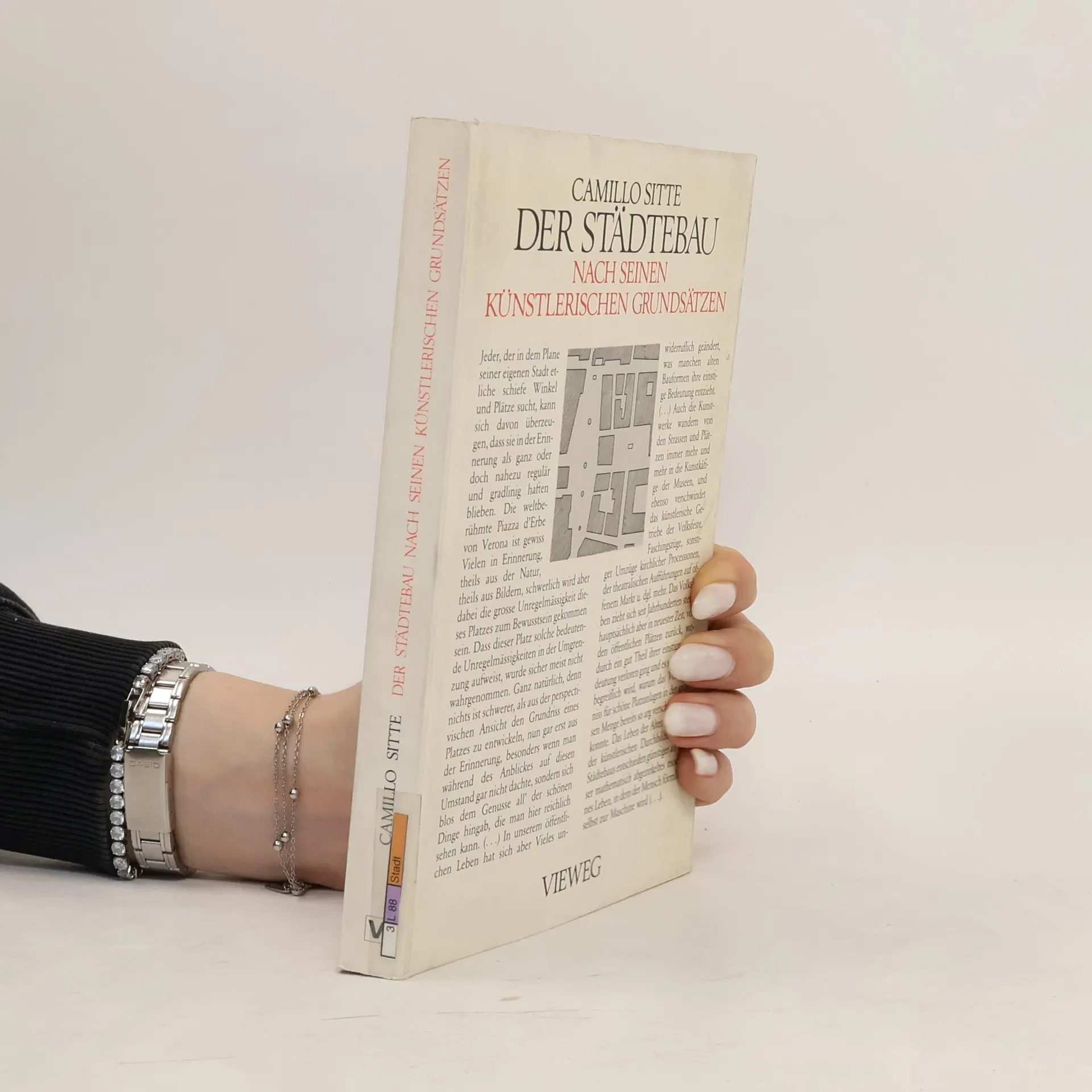
City Building According to Its Artistic Fundamentals
- 140 Seiten
- 5 Lesestunden
Camillo Sitte, an influential Austrian architect and theorist, revolutionized urban planning with his 1889 publication, which critiqued the focus on straight boulevards and traffic-centric design. He advocated for a return to medieval design principles, promoting curving streets and T-intersections to enhance visual interest and reduce traffic conflicts. Sitte introduced the concept of "turbine squares," creating dynamic civic spaces. His ideas gained rapid acceptance across Austria, Germany, and Scandinavia, establishing a new standard in city planning in less than a decade.
Camillo Sitte: The Birth of Modern City Planning
- 480 Seiten
- 17 Lesestunden
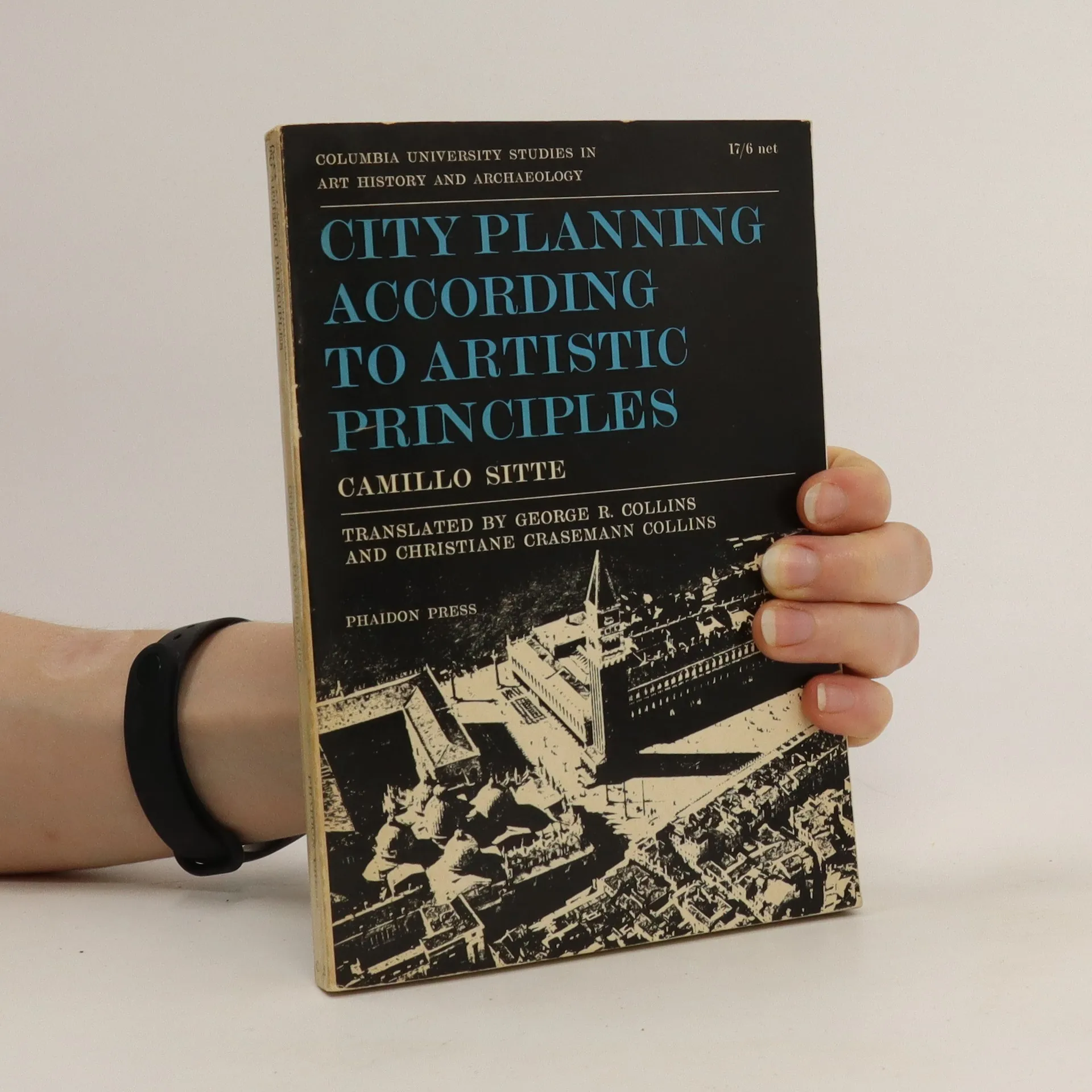
First published in 1889, this revolutionary text by a noted Austrian architect and urban planner ignited a new age of city planning. Inspired by medieval and baroque designs, Camillo Sitte emphasized the creation of spacious plazas, enhanced by monuments and other aesthetic elements.Numerous illustrations highlight this classic, which features extensive commentary, notes, and a bibliography. The acclaimed translation and commentary by George R. Collins and Christiane Crasemann Collins includes Sitte's original drawings and plates in a format resembling the original publication. The authors place Sitte's work within the context of its historical and theoretical background, and they establish its relevance to such recent developments in urban theory as the townscape movement and contextualism.
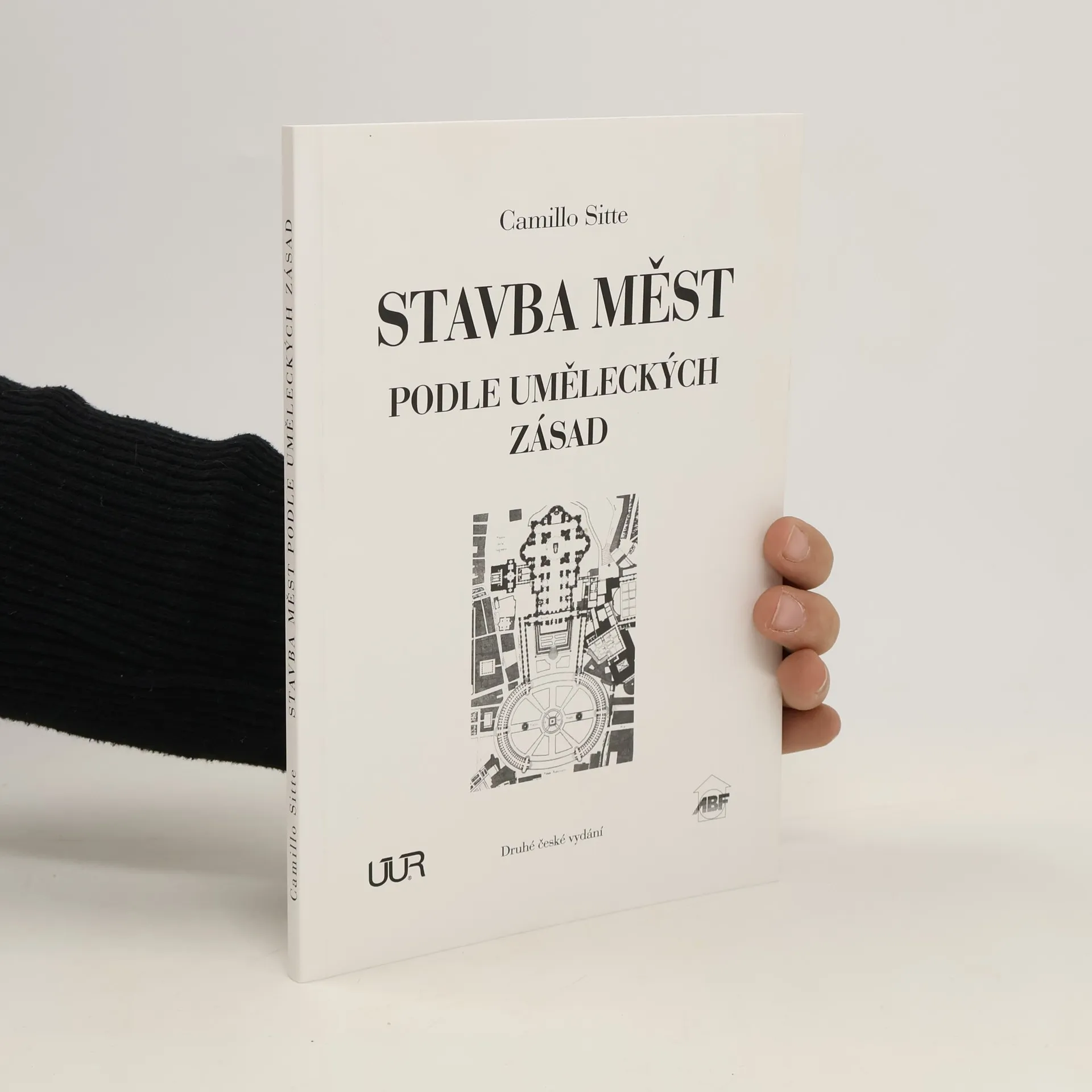
Stavba měst podle uměleckých zásad
- 111 Seiten
- 4 Lesestunden
Vydáno při příležitosti 10. jubilejní konference o územním plánování a stavebním řádu