Chögyam Trungpa schrieb mehr als zwei Dutzend Bücher über Buddhismus und den Shambhala-Weg des Kriegers. Diese Auswahl vereint Auszüge aus Bestsellern wie Shambhala: Der heilige Weg des Kriegers, Cutting Through Spiritual Materialism und Meditation in Action sowie anderen Titeln zu einem prägnanten Überblick über Trungpas Lehren. Vierzig Auswahlen aus vierzehn verschiedenen Büchern artikulieren den weltlichen Weg des Shambhala-Kriegers sowie den buddhistischen Weg der Meditation und Erleuchtung. Dieses "neue klassische Werk" zeigt Trungpas große Wertschätzung für die westliche Kultur, die in Kombination mit seinem tiefen Verständnis der tibetischen Tradition diese Lehren zeitgenössischen Lesern einzigartig zugänglich macht. Es wird sowohl Anfänger in der Meditation als auch erfahrene Leser östlicher Religionen ansprechen.
Chögyam Trungpa Bücher
Vidyadhara Chögyam Trungpa Rinpoche war ein buddhistischer Meditationsmeister, Gelehrter, Dichter und Künstler, der eine Schlüsselrolle bei der Verbreitung des tibetischen Buddhismus im Westen spielte. Als Verfechter der nicht-sektiererischen 'Rimay'-Bewegung strebte er danach, wertvolle Lehren aus verschiedenen buddhistischen Traditionen zu vereinen. Sein Ansatz, der oft von ethnischen Merkmalen befreit war, führte zur Gründung der Naropa University und der Shambhala Training-Methode. Nach seinem Übergang vom klösterlichen Leben zu einem Laienlehrer verfasste er über ein Dutzend Bücher über den spirituellen Weg und hinterließ ein Erbe, das durch seinen Sohn und die von ihm gegründeten Organisationen fortlebt.




Chögyam Trungpa Rinpoche war einer der Wegbereiter des tibetischen Buddhismus im Westen. Er musste 1959 Tibet verlassen und flüchtete nach Indien. Ein Stipendium ermöglichte es ihm, nach Großbritannien zu gehen und in Oxford Psychologie, Philosophie, Religionswissenschaft und Kunst zu studieren. So wurde er ein hervorragender Kenner westlichen Denkens, westlicher Mentalität, der die Diskussion um die Grundwerte menschlicher Existenz erneut stellte und sie um die östliche Sicht bereicherte.
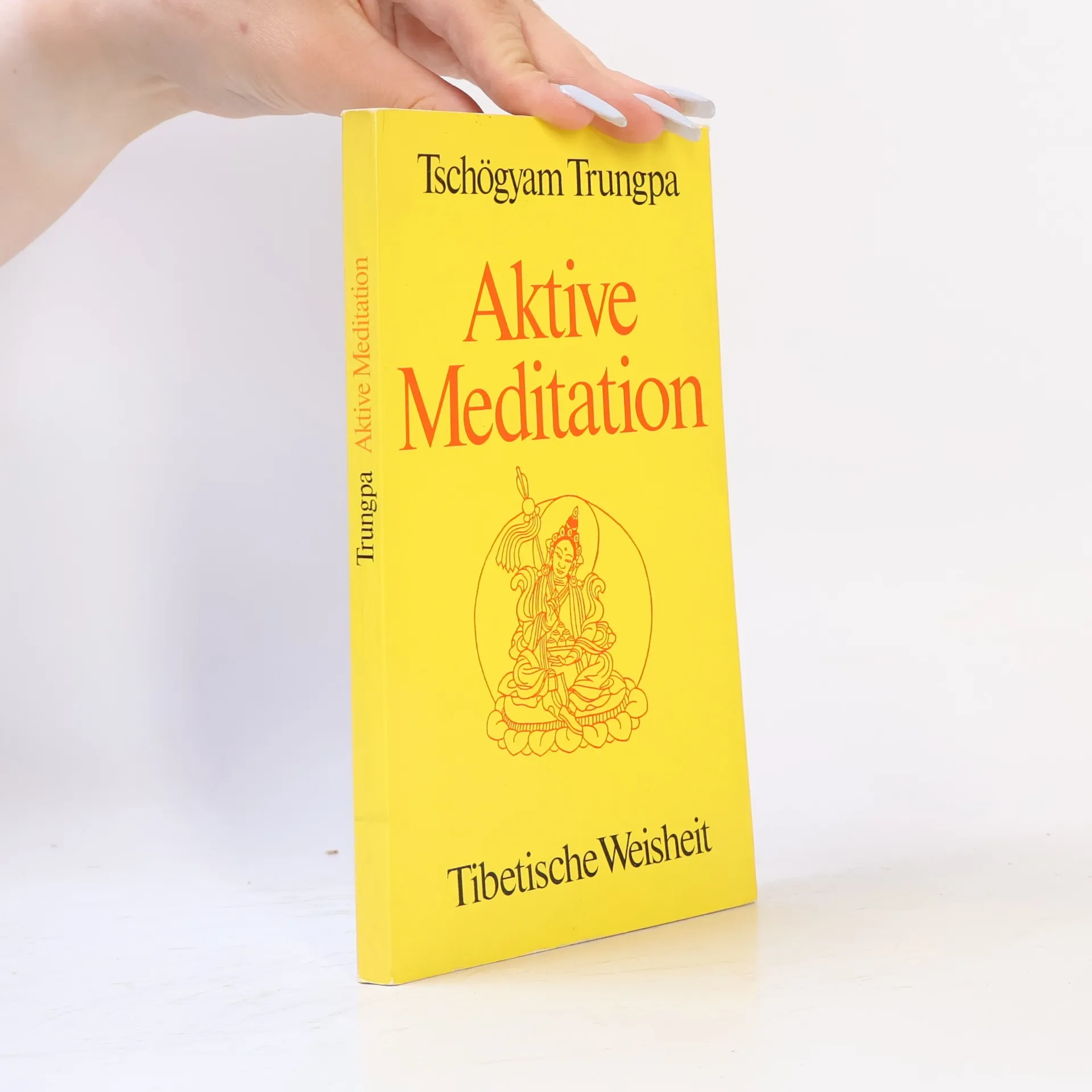
Das Buch vermittelt die Lehren eines tibetischen Meisters und ist eine Einführung in aktive Meditation, die nicht nur Anleitungen bietet, sondern auch eine Haltung der Liebe und des Mitgefühls fördert. Es eignet sich sowohl für Anfänger als auch für erfahrene Meditierende und bietet Inspiration sowie Zugang zu Trungpas weiteren Werken.
Wie unser Geist funktioniert
Ein kurzer und tiefer Einblick in die buddhistische Psychologie
Chögyam Trungpa bietet hier weit mehr als nur eine Einführung in die Grundlagen der Psychologie. Er beschreibt verschiedene Bewusstseinszustände, erforscht die Zusammenhänge zwischen Gefühlen, Wahrnehmungen und Gedanken und lässt uns damit hautnah nachvollziehen, wie sich das Ego entwickelt. Mit geschickten Mitteln, vor allem der Meditation, erhalten wir Einsicht in diesen Prozess und lernen die Gelegenheit zu erkennen, ihn in gewisser Weise umzukehren. Für das Ego ist das keine sonderlich gute Nachricht. An seiner Stelle kann das innere Potential unseres Geistes ansetzen: Jegliche Erfahrungen, insbesondere problematische, können umgewandelt und zum Brennstoff für die Selbstbefreiung werden.
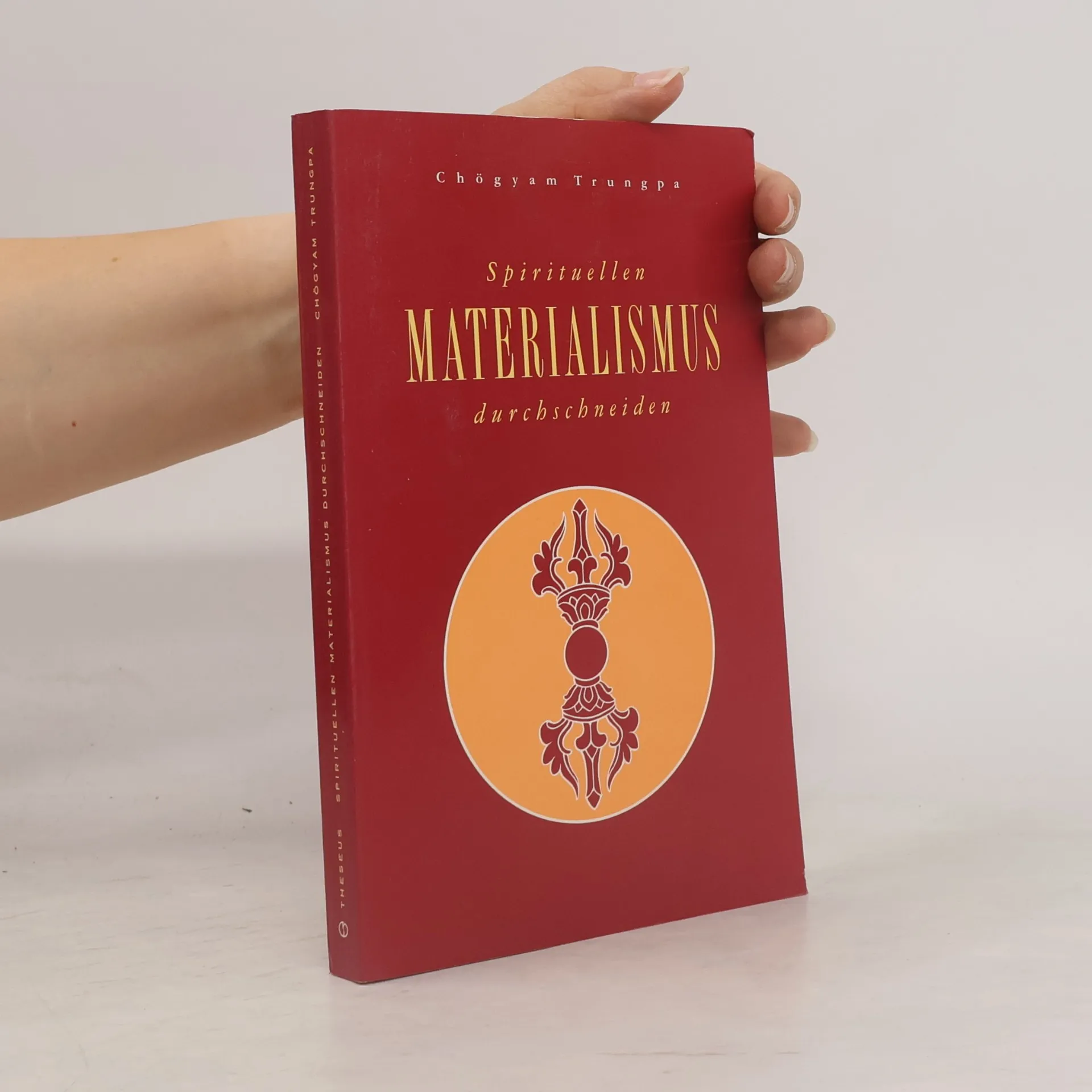
´Es ist wichtig zu erkennen, dass das Hauptziel jeder spirituellen Praxis darin besteht, sich der Bürokratie des Ego zu entziehen. Wir müssen aus dem spirituellen Materialismus aussteigen.´ Den spirituellen Weg richtig zu gehen ist ein schwieriges Unterfangen. Schnell erliegen wir der Illusion, wir könnten uns mit Hilfe von spirituellen Techniken weiterentwickeln, während wir in Wirklichkeit nur unsere Ich-Bezogenheit stärken. Dieser grundlegende Irrtum wird als spiritueller Materialismus beschrieben, der in vielfältigen Formen der Selbst-Täuschung zum Ausdruck kommt.
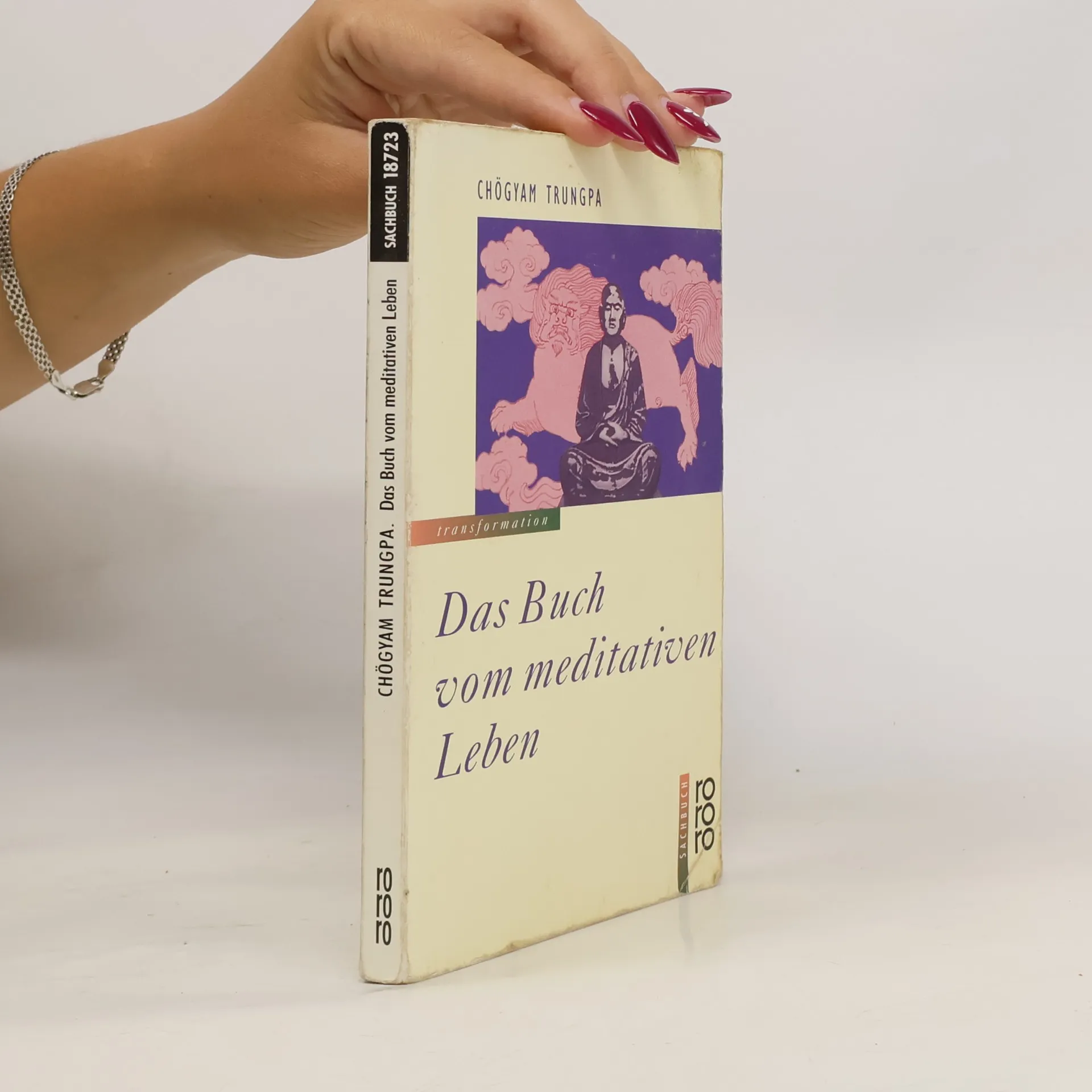
Das Buch vom meditativen Leben
- 206 Seiten
- 8 Lesestunden
Chögyam Trungpa Rinpoche war einer der Wegbereiter des tibetischen Buddhismus im Westen. Er musste 1959 Tibet verlassen und flüchtete nach Indien. Ein Stipendium ermöglichte es ihm, nach Großbritannien zu gehen und in Oxford Psychologie, Philosophie, Religionswissenschaft und Kunst zu studieren. So wurde er ein hervorragender Kenner westlichen Denkens, westlicher Mentalität, der die Diskussion um die Grundwerte menschlicher Existenz erneut stellte und sie um die östliche Sicht bereicherte.
Mudra
- 112 Seiten
- 4 Lesestunden
Ein Mudra ist eine symbolische Geste oder Handlung, die einen inneren Zustand körperlich ausdrückt. Dieses Buch mit Gedichten und Liedern der Hingabe, verfasst von Chögyam Trungpa zwischen 1959 und 1971, ist spontan und feierlich. Dieser Band enthält auch die zehn traditionellen Zen-Ochsenhüterbilder, begleitet von einem einzigartigen Kommentar, der einen unverkennbar tibetischen Charakter bietet. Fans dieses renommierten Lehrers werden die herzliche Hingabequalität dieses frühen Werkes zu schätzen wissen.
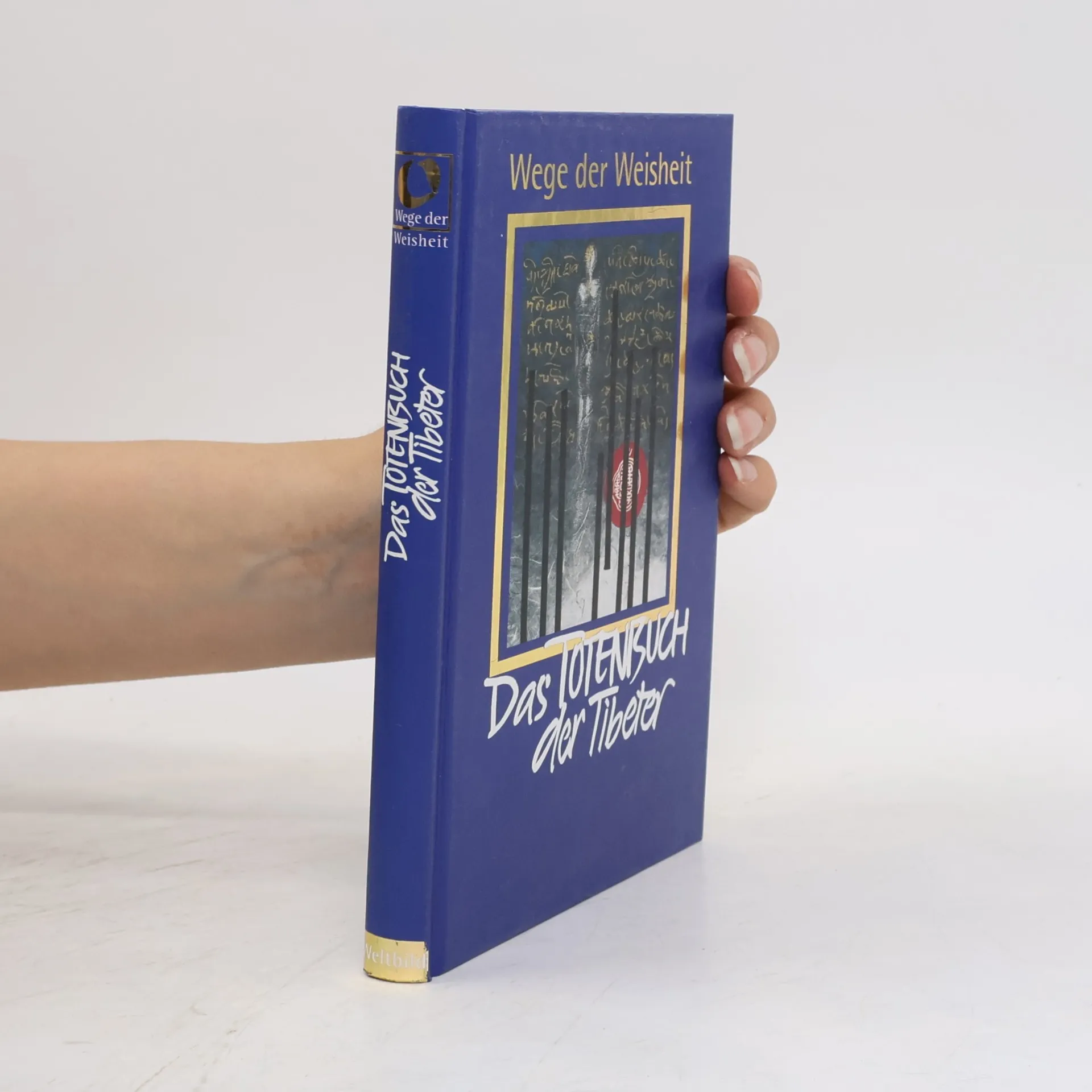
Eines der großen Weisheitsbücher der Menschheit Das Totenbuch der Tibeter, erstmals 1976 bei Diederichs erschienen, ist längst zu einem Klassiker geworden. Für Hunderttausende hat es sich als Ratgeber bewährt, der in Zeiten von Umbrüchen, Veränderungen und persönlichen Krisen Hilfe gibt. Der Meditationsmeister Chögyam Trungpa hat das Totenbuch übersetzt und damit der westlichen Welt den Buddhismus als lebendige Tradition nahe gebracht. Ausstattung: Mit zahlr. Abb.
Erziehung des Herzens
- 237 Seiten
- 9 Lesestunden
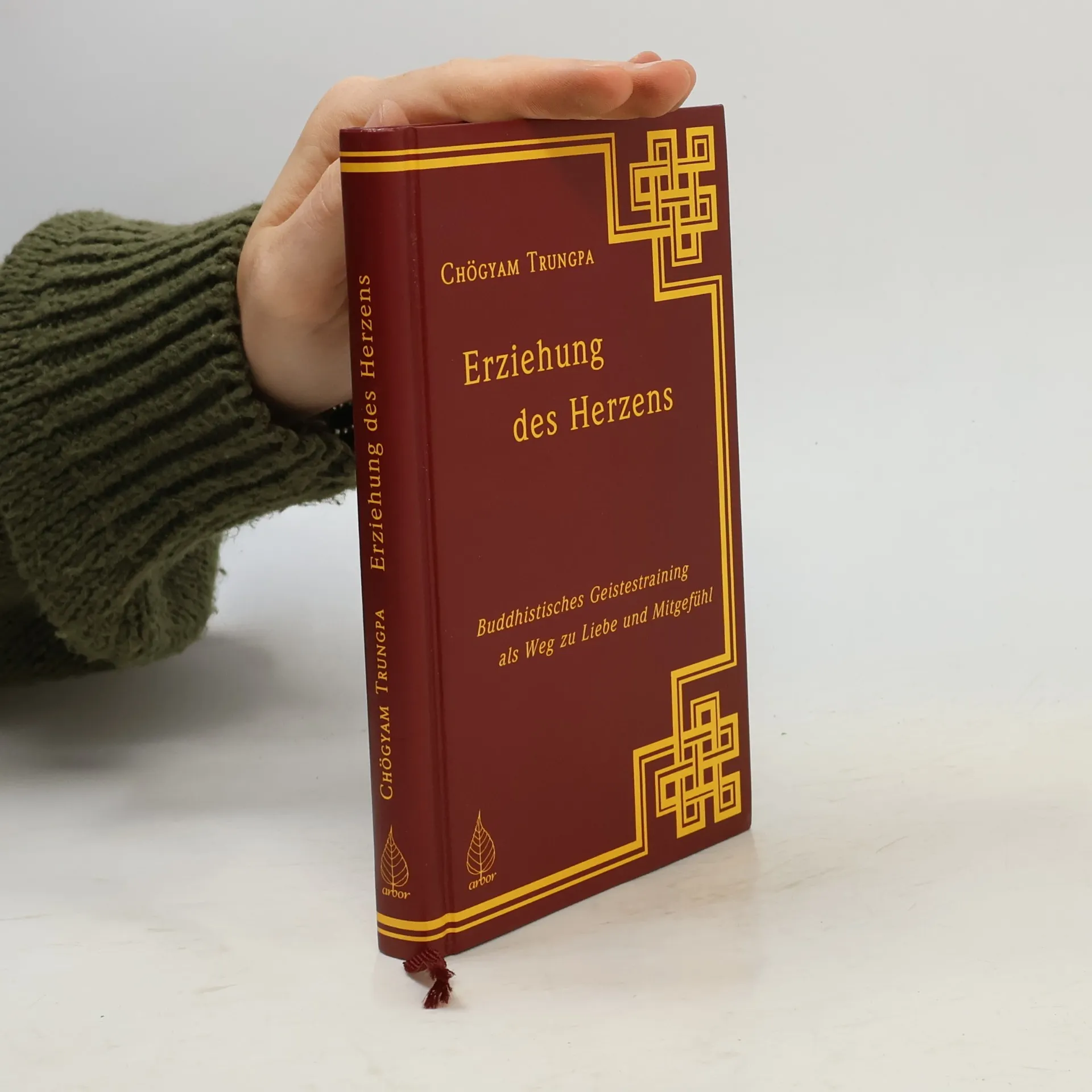
Die 59 provokativen Slogans, die hier präsentiert werden - jeder mit einem Kommentar des tibetischen Meditationsmeisters Chgyam Trungpa - wurden von tibetischen Buddhisten seit acht Jahrhunderten verwendet, um Meditationsschüler daran zu erinnern und sich auf wichtige Prinzipien und Praktiken des Geistestrainings zu konzentrieren. Sie betonen, dass man den gewöhnlichen Situationen des Lebens unter allen Umständen mit Intelligenz und Mitgefühl begegnen sollte. Zu den Slogans gehören: "Lass dich nicht von äußeren Umständen beeinflussen", "Sei allen dankbar" und "Bewahre immer nur einen freudigen Geist."
Chögyam Trungpas alles durchdringende Sicht auf das Verhältnis zwischen Buddhismus und westlicher Psychologie ist vor allem für Psychotherapeuten und all jene Menschen erhellend, die in Heilberufen mit dem Geisteszustand ihrer Patienten in Berührung kommen. „„Das bedeutet zunächst einmal, dass wir mit unserer natürlichen Fähigkeit zu menschlicher Wärme arbeiten. Zuerst können wir Wärme gegenüber uns selbst entwickeln und sie sich dann auf andere ausdehnen lassen. Das liefert die Grundlage für die Beziehung zu psychisch Kranken, zu anderen und zu uns selbst, alles im selben Rahmen. Ein Patient sollte spüren, dass Sie selbst Gesundheit ausstrahlen. Therapie muss auf gegenseitiger Wertschätzung beruhen. Man muss seine eigene Ungeduld loslassen und lernen, Menschen zu lieben. Das ist der Weg, grundlegende Gesundheit in anderen zu kultivieren.“ Chögyam Trungpa In der hier erstmals vorgelegten Textsammlung stellt Chögyam Trungpa die buddhistischen Konzepte von Geist, Ego und Intelligenz vor. Vor diesem Hintergrund geht er der Frage nach, wie wir mit uns selbst und anderen arbeiten können, um die uns innewohnende geistige Gesundheit zu stärken: Hierbei bietet er eine Vielzahl von Hilfestellungen für Psychotherapeuten und für Menschen in Heilberufen an.
Arbeit, Sex und Geld
- 304 Seiten
- 11 Lesestunden
Dieses Buch durchbricht die Grenzen zwischen spirituellem und weltlichem Leben. Chögyam Trungpa zeigt, dass Arbeit, Sex und Geld ebenso Teil unseres spirituellen Lebens sind wie unserer alltäglichen Existenz. Diese Bereiche sind eng verbunden mit Ego, Selbstbild, Karma, Achtsamkeit und Meditation. Viele erhoffen sich von Arbeit, Sex und Geld Erfüllung und Freude, doch oft sind sie auch die Quelle von Problemen, für die wir Lösungen suchen. Trungpa bietet einen Ansatz: eine gesunde Portion Realitätssinn und Respekt für uns selbst sowie für unsere Arbeitswelt, den Sex und das Geld. So können wir die heilige Dimension des Lebens feiern und unser Talent, mit seinen Herausforderungen in Würde, Humor und Freude umzugehen, entfalten. Der vorgestellte Ansatz dient als unverzichtbares Fundament, um durch persönliche Disziplin zu einer erleuchteten Gesellschaft beizutragen. Pema Chödrön beschreibt, wie wir unter allen Umständen unsere innere Stärke und Freude freilegen können. Daniel Goleman hebt hervor, dass Trungpa uns faszinierende Einblicke in die buddhistische Auffassung unseres Geistes und Lebens bietet. Jack Kornfield betont, dass Trungpas Lehren auf wohlwollende und brillante Weise den Dharma einer weisen Gesellschaft erhellen.
Mit den Augen eines Buddha
Freundschaft mit sich selbst durch Achtsamkeit und Meditation
- 240 Seiten
- 9 Lesestunden
Chögyam Trungpa Rinpoche war die bahnbrechende Gestalt bei der Verbreitung des tibetischen Buddhismus im Westen. Sein Humor, seine Direktheit und sein tiefes Verständnis der westlichen Psyche waren seine Markenzeichen. In diesem wichtigsten Werk zu Meditation und Achtsamkeit zeigt er eindrucksvoll, wie spirituelle Praxis zu einem klaren Geist und einen offenen Herzen führt. Seine unkonventionellen Unterweisungen und praktischen Anleitungen führen zu Wachheit und Selbstmitgefühl - die wahren Qualitäten von Meditation.
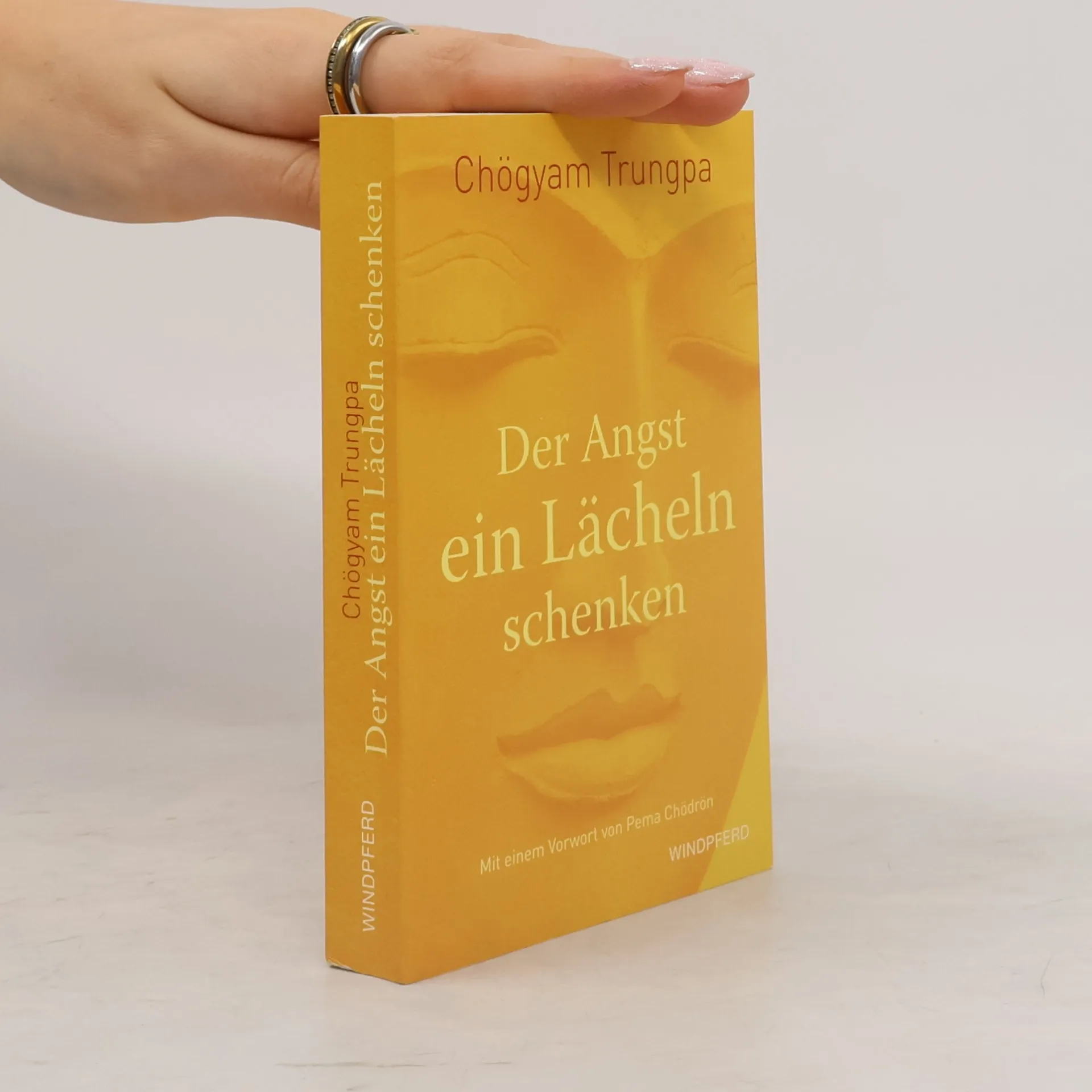
Ihr Herz zu öffnen, ist die einzige Möglichkeit, entspannt bei sich zu sein. So erhalten Sie die Chance zu sehen, wer Sie sind. Jeder Mensch erlebt Angst, sie ist Bestandteil unseres Daseins. Wie aber gehen wir am besten mit ihr um? Wie können wir sie produktiv nutzen? Wer sich nur von ihr ablenkt, vor ihr in Deckung geht, sie verdrängt und sich vor ihr verkriecht, wird ihr niemals wirklich begegnen. Im Gegenteil. Von der Angst können wir uns nur befreien, indem wir uns öffnen, sie an uns heranlassen und sie willkommen heißen, uns mit ihr anfreunden: ihr ein Lächeln schenken. Aber nicht irgendwann, sondern jetzt. Den Mut und die Stärke, die wir benötigen, um offen auf unsere Mitmenschen zuzugehen, kann nur entwickeln, wer die eigene Verletzlichkeit anerkennt. Ohne von Grund auf zu erfassen, was Angst ist, werden wir niemals furchtlos sein.
Aktive Meditation
- 122 Seiten
- 5 Lesestunden
Dieses zum Klassiker gewordene – und lange vergriffene – Buch von einem tibetischen Meister ist nach wie vor eine Inspiration für Anfänger wie auch für langjährige Praktizierende der buddhistischen Meditation. Chögyam Trungpa Rinpoche zeigt darin auf, dass Meditation über die formelle Sitzpraxis hinausgeht und das Fundament für Mitgefühl, Achtsamkeit und Kreativität in sämtlichen Lebensaspekten bildet. Er erforscht die sechs Aktivitäten bei der „Meditation in Aktion“ - Großzügigkeit, Disziplin, Geduld, Energie, geistige Klarheit und Weisheit - und legt dar, dass man durch einfache, direkte Erfahrung echte Weisheit erlangen kann: nämlich die Fähigkeit, Situationen klar zu durchschauen und geschickt mit ihnen umzugehen, ohne die mit dem Ego verbundene Selbstbefangenheit.
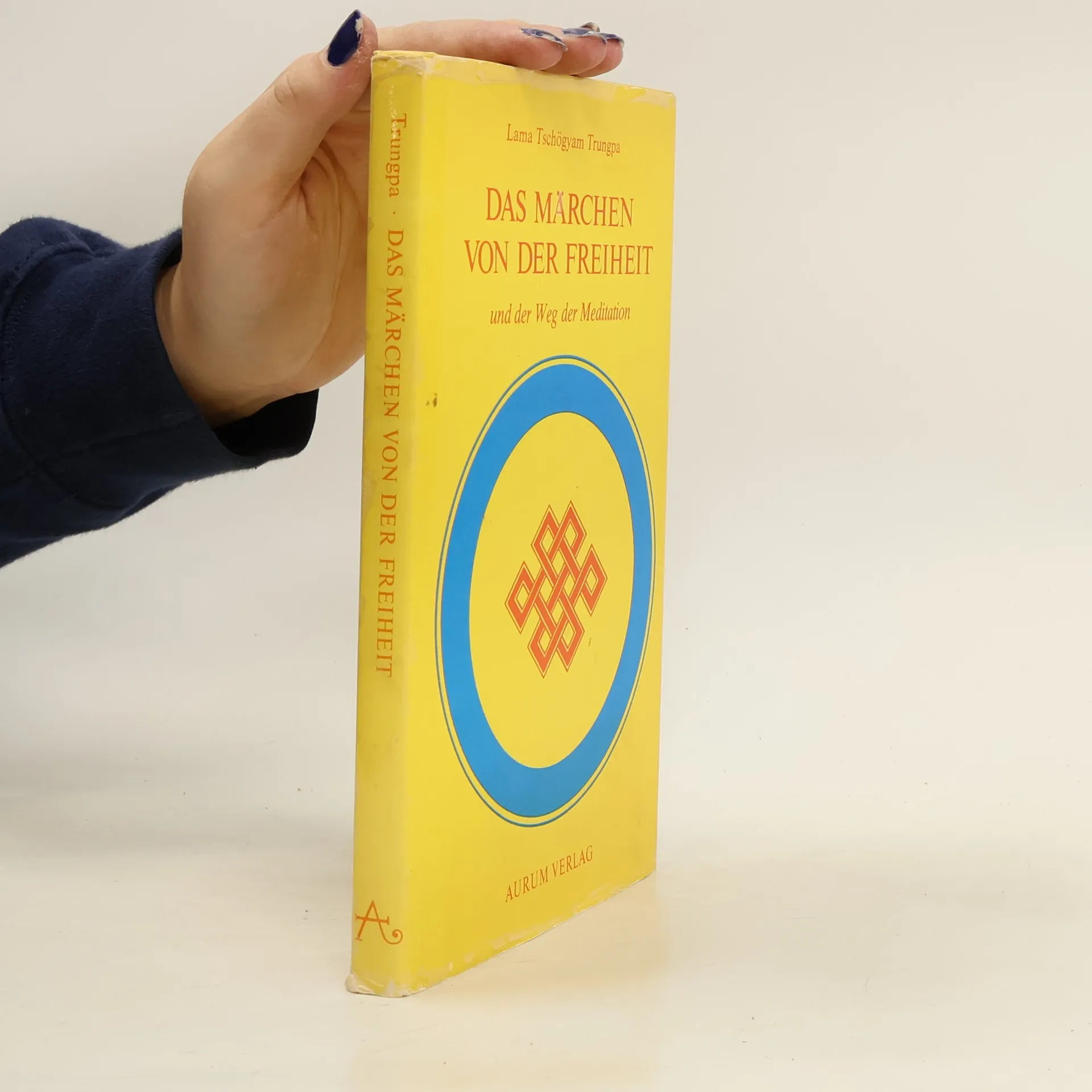
Das Märchen von der Freiheit und der Weg der Meditation
- 170 Seiten
- 6 Lesestunden
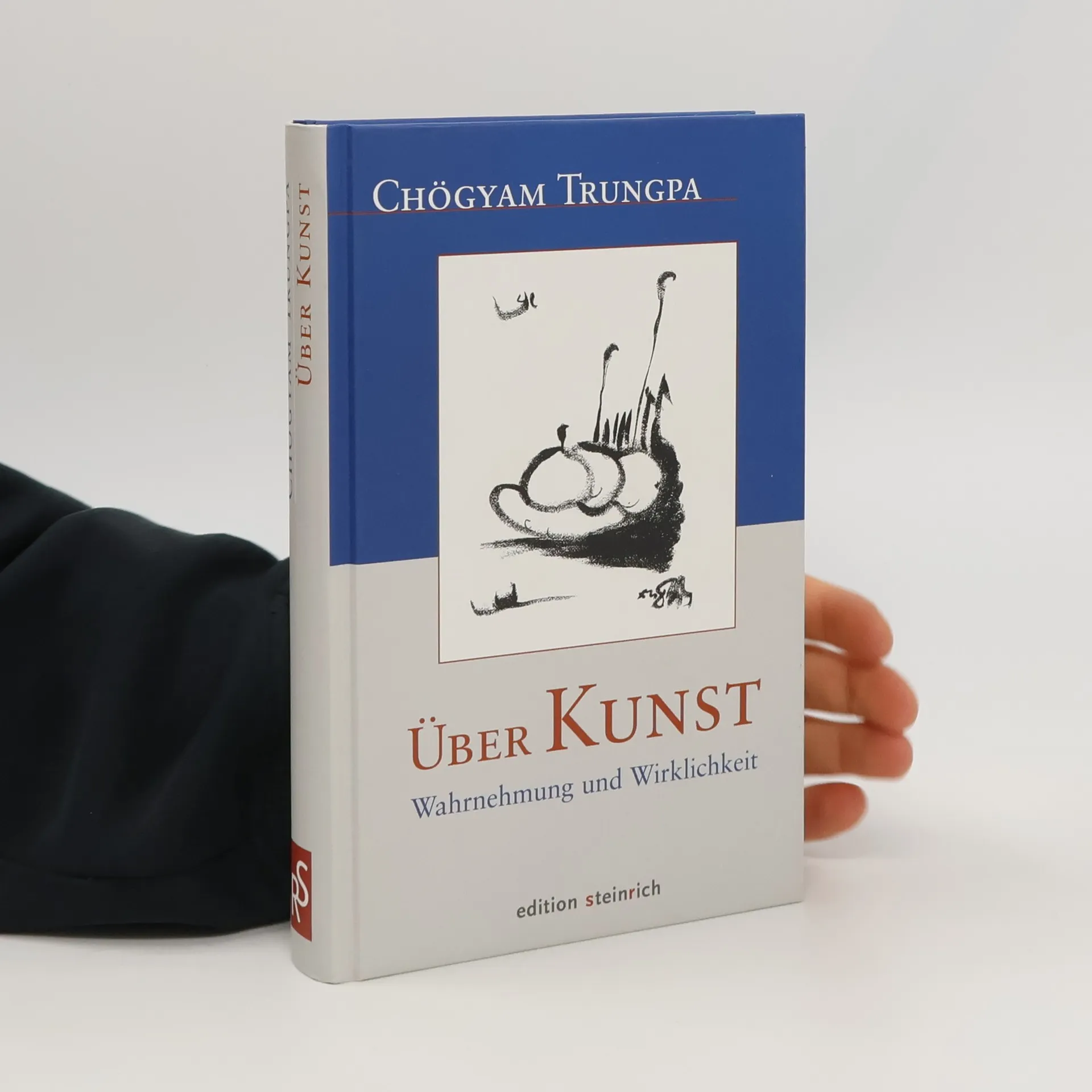
Über Kunst
- 286 Seiten
- 11 Lesestunden
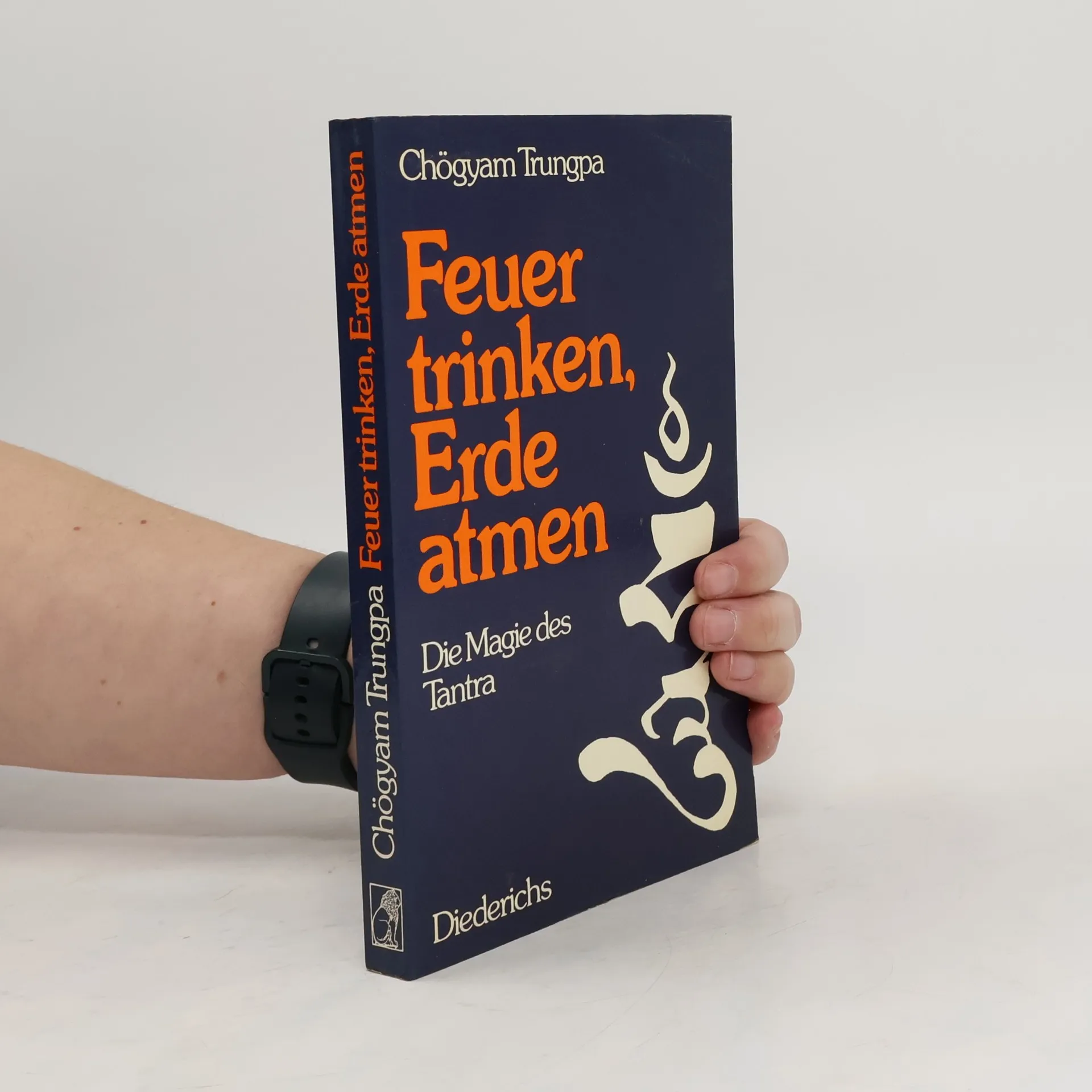
Feuer trinken, Erde atmen
- 173 Seiten
- 7 Lesestunden
Die Insel des Jetzt im Strom der Zeit
- 366 Seiten
- 13 Lesestunden
Der im Westen bekannteste tibetische Meditationsmeister führt uns in diesem Buch ein in die Psychologie des Buddhismus. Sie ist eine Wissenschaft vom Funktionieren des menschlichen Geistes und eine „Bewußtseinstechnologie“, die uns praktische Methoden an die Hand gibt, den „ganz normalen Wahnsinn“ unseres Alltagslebens zu durchschauen und uns in allen seinen Wechselfällen in der Erfahrung der wahren Wirklichkeit jenseits dieses Wahns zu verankern.
Das Herz des Buddha
- 256 Seiten
- 9 Lesestunden
Lichtvolle Klarheit - Unermessliche Weite
- 198 Seiten
- 7 Lesestunden
Zen und Tantra – zwei buddhistische Traditionen, die von außen betrachtet kaum unterschiedlicher sein könnten. Klar und asketisch die eine – vielgestaltig und geheimnisvoll die andere. Der richtungweisende buddhistische Lehrer Chögyam Trungpa überschreitet in seinen Unterweisungen ohne Scheu die Grenzen dieser Traditionen. Selbst im tibetisch-tantrischen Buddhismus verankert, vermittelt er seine Faszination mit der Weltsicht und Praxis des Zen. Eine tiefgründige und poetische Begegnung. In dieser Sammlung von Vorträgen aus dem Jahr 1974 schöpft Chögyam Trungpa aus seinem profunden Wissen über die verschiedenen buddhistischen Schulen und erschließt die wesentlichen Inhalte von tantrischem und Zen-Buddhismus seinen westlichen Schülern.
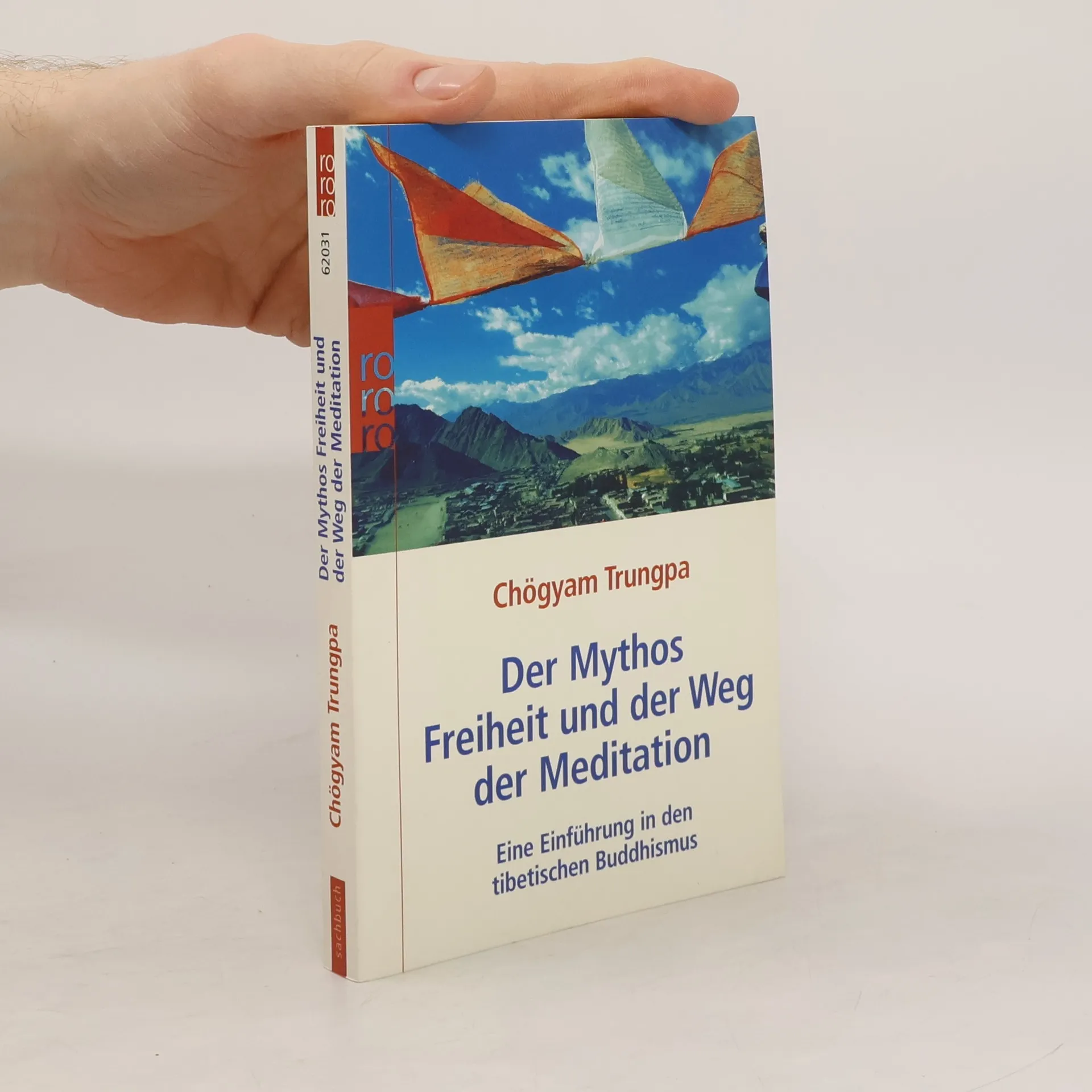
Dieses Buch räumt mit vielen spirituellen Illusionen auf und entlarvt schonungslos den Irrweg der Selbstoptimierung. Es zeigt, warum echte Freiheit nicht durch Disziplin oder äußere Regeln entsteht, sondern durch das Lösen von Denkmustern, falschen Vorstellungen und automatischen Verhaltensweisen. Chögyam Trungpa führt uns tief in die Mechanismen des Egos – und macht sichtbar, wie wir uns ständig selbst bestätigen, täuschen und festhalten. Im Zentrum steht dabei die Meditation als konsequenter Weg: Mit überraschender Klarheit erklärt er, warum sogar Langeweile ein Schlüssel zur inneren Freiheit sein kann – und wie Meditation hilft, die Illusionen unseres „Ich“ Stück für Stück abzubauen. Dabei wird deutlich: Der Weg zur Erkenntnis ist keine schnelle Abkürzung, sondern ein ehrlicher, manchmal unbequemer Prozess. Anschaulich und strukturiert vermittelt das Buch zentrale Konzepte des Buddhismus, von den Grundlagen bis zu den tiefen spirituellen Pfaden und macht diese greifbar.
Presents the bodhisattva teachings of the mahayana. Mahayana practitioners dedicate themselves to the service of all sentient beings, aspiring to save them from sorrow and confusion, and vowing to bring them to perfect liberation. This stage of the path emphasizes the cultivation of wisdom through the view and experience of emptiness, or shunyata, in which all phenomena are seen to be unbounded, completely open, ungraspable, and profound. From the ground of shunyata, compassionate activity is said to arise naturally and spontaneously. In addition to mindfulness and awareness, the mahayanist practices lojong, or "mind training," based on the cultivation of the paramitas, or "transcendent virtues": generosity, discipline, patience, exertion, meditation, and prajna, or "knowledge." As a component of lojong, tonglen, or "sending and taking," is practiced in order to increase maitri, or loving-kindness
The Collected Works of Chögyam Trungpa, Volume 2
The Path Is the Goal - Training the Mind - Glimpses of Abhidharma - Glimpses of Shunyata - Glimpses of Mahayana - Selected Writings
- 704 Seiten
- 25 Lesestunden
The Collected Works of Chögyam Trungpa brings together in eight volumes the writings of the first and most influential and inspirational Tibetan teachers to present Buddhism in the West. Organized by theme, the collection includes full-length books as well as articles, seminar transcripts, poems, plays, and interviews, many of which have never before been available in book form. From memoirs of his escape from Chinese-occupied Tibet to insightful discussions of psychology, mind, and meditation; from original verse and calligraphy to the esoteric lore of tantric Buddhism—the impressive range of Trungpa's vision, talents, and teachings is showcased in this landmark series. Volume Two examines meditation, mind, and Mahayana, the "great vehicle" for the development of compassion and the means to help others. Chögyam Trungpa introduced a new psychological language and way for looking at the Buddhist teachings in the West. His teachings on human psychology and the human mind are included in this volume.
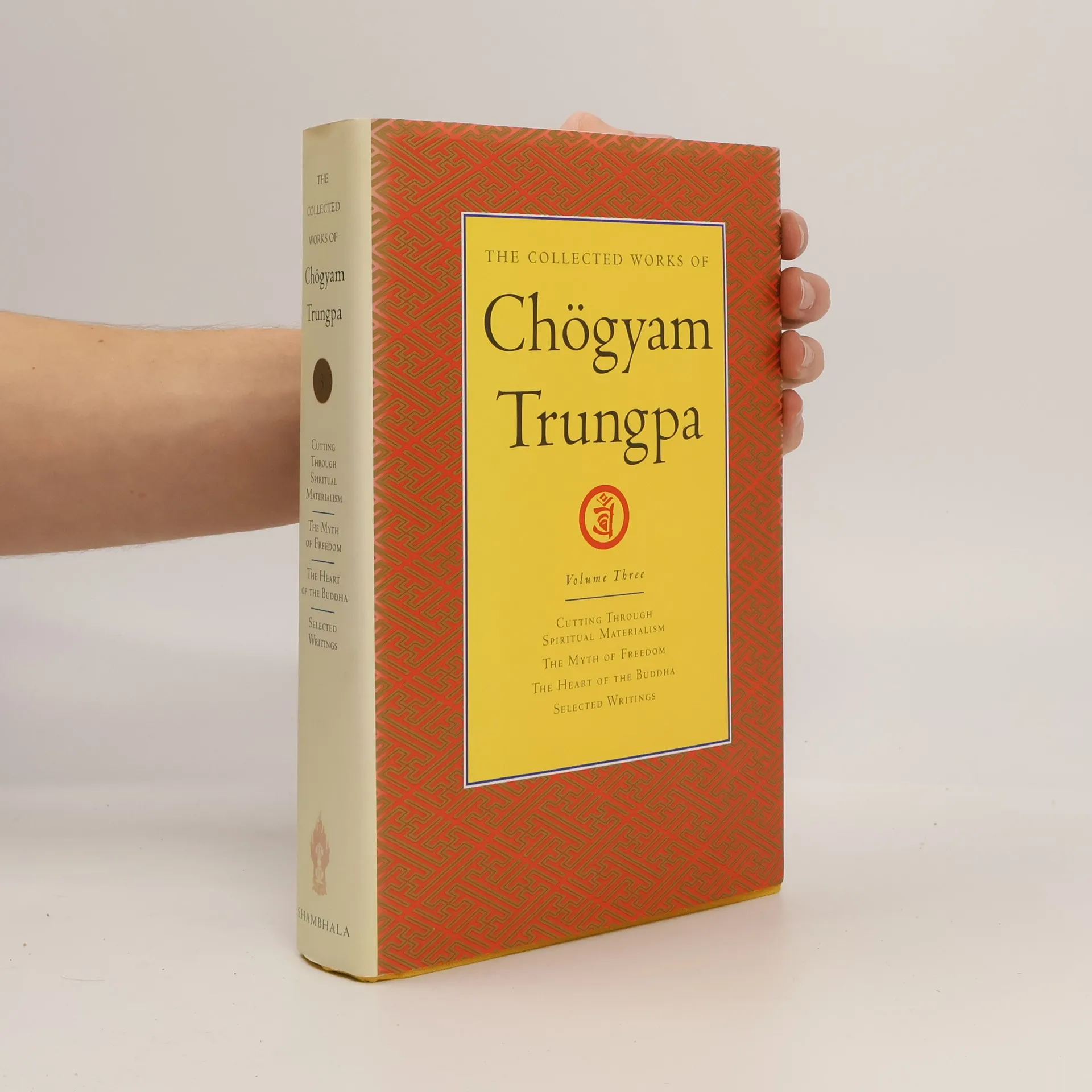
The Collected Works of Chögyam Trungpa, Volume 3
Cutting Through Spiritual Materialism - The Myth of Freedom - The Heart of the Buddha - Selected Writings
- 656 Seiten
- 23 Lesestunden
The Collected Works of Chögyam Trungpa brings together in eight volumes the writings of the first and most influential and inspirational Tibetan teacher to present Buddhism in the West. Organized by theme, the collection includes full-length books as well as articles, seminar transcripts, poems, plays, and interviews, many of which have never before been available in book form. From memoirs of his escape from Chinese-occupied Tibet to insightful discussions of psychology, mind, and meditation; from original verse and calligraphy to the esoteric lore of tantric Buddhism—the impressive range of Trungpa's vision, talents, and teachings is showcased in this landmark series. Volume Three captures the distinctive voice that Chögyam Trungpa developed in North America in the 1970s and reflects the preoccupations among Western students of that era. It includes Cutting Through Spiritual Materialism and The Myth of Freedom, the two books that put Chögyam Trungpa on the map of the American spiritual scene. The Heart of the Buddha and sixteen articles and forewords complete this volume.
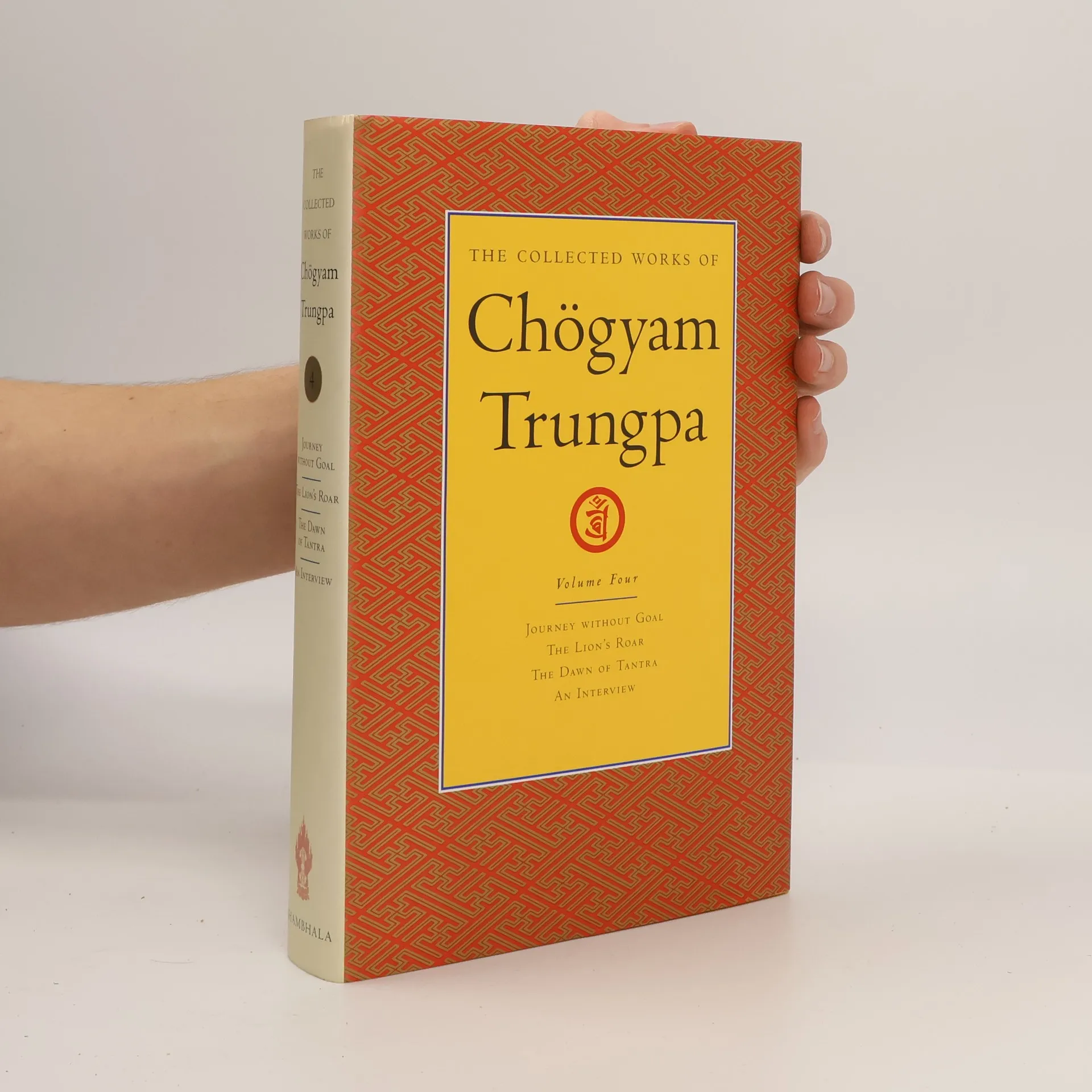
The Collected Works of Chögyam Trungpa, Volume 4
Journey Without Goal - The Lion's Roar - The Dawn of Tantra - An Interview with Chögyam Trungpa
- 480 Seiten
- 17 Lesestunden
The Collected Works of Chögyam Trungpa brings together in eight volumes the writings of the first and most influential and inspirational Tibetan teacher to present Buddhism in the West. Organized by theme, the collection includes full-length books as well as articles, seminar transcripts, poems, plays, and interviews, many of which have never before been available in book form. From memoirs of his escape from Chinese-occupied Tibet to insightful discussions of psychology, mind, and meditation; from original verse and calligraphy to the esoteric lore of tantric Buddhism—the impressive range of Trungpa's vision, talents, and teachings is showcased in this landmark series. Volume Four presents introductory writings on the vajrayana tantric teachings, clearing up Western misconceptions about Buddhist tantra. It includes three full-length books and a 1976 interview in which Chögyam Trungpa offers penetrating comments on the challenge of bringing the vajrayana teachings to America.
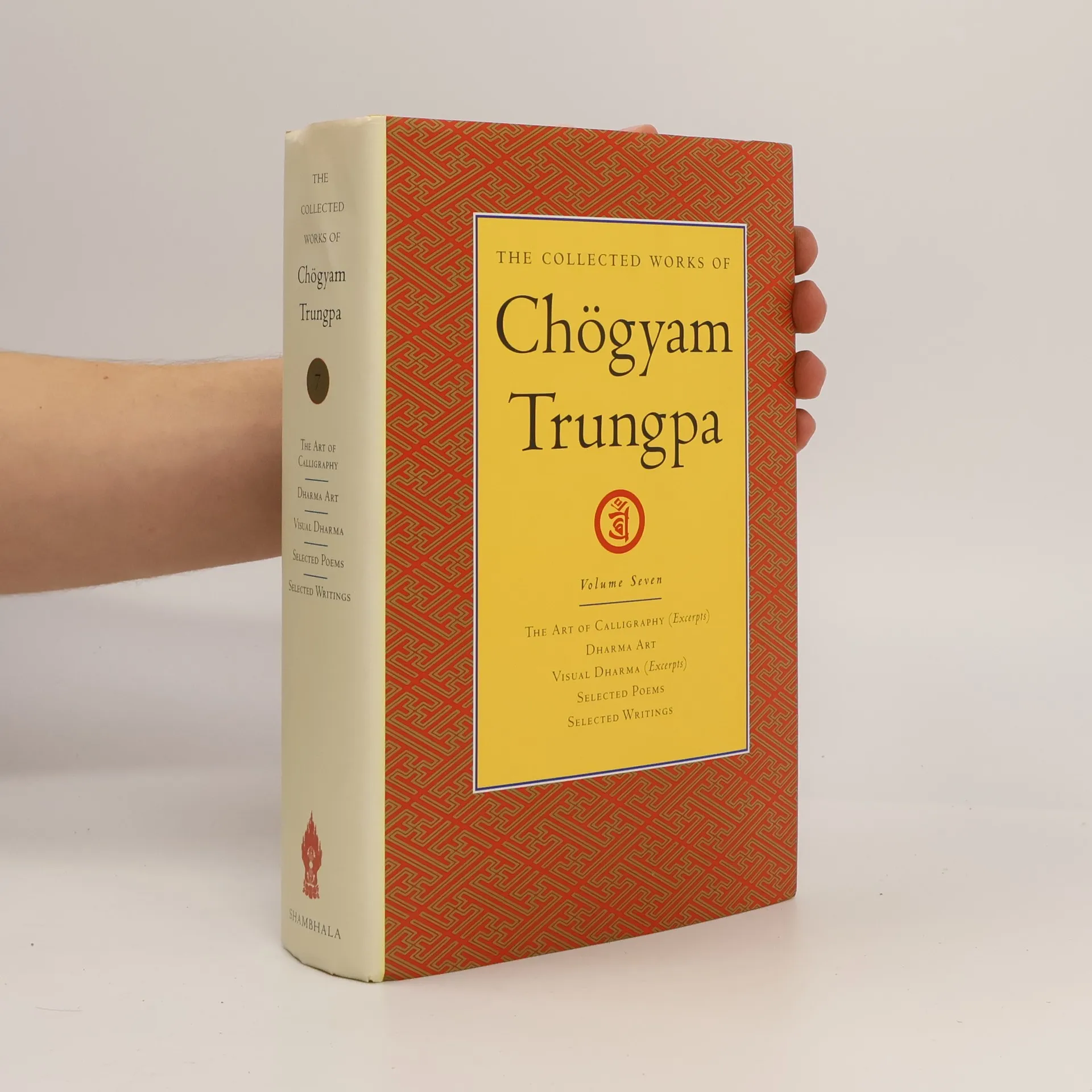
The Collected Works of Chögyam Trungpa, Volume 7
The Art of Calligraphy (Excerpts), Dharma Art, Visual Dharma (Excerpts), Selected Poems, Selected Writings
- 704 Seiten
- 25 Lesestunden
The Collected Works of Chögyam Trungpa brings together in eight volumes the writings of one of the first and most influential and inspirational Tibetan teachers to present Buddhism in the West. Organized by theme, the collection includes full-length books as well as articles, seminar transcripts, poems, plays, and interviews, many of which have never before been available in book form. From memoirs of his escape from Chinese-occupied Tibet to insightful discussions of psychology, mind, and meditation; from original verse and calligraphy to the esoteric lore of tantric Buddhism—the impressive range of Trungpa's vision, talents, and teachings is showcased in this landmark series.Volume Seven features the work of Chögyam Trungpa as a poet, playwright, and visual artist and his teachings on art and the creative process, which are among the most innovative and provocative aspects of his activities in the West. While it includes material in which Trungpa Rinpoche shares his knowledge of the symbolism and iconography of traditional Buddhist arts (in Visual Dharma) , this richly varied volume primarily focuses on his own, often radical creative expressions. The Art of Calligraphy is a wonderful showcase for his calligraphy, and Dharma Art brings together his ideas on art, the artistic process, and aesthetics. Tibetan poetics, filmmaking, theater, and art and education are among the topics of the selected writings.
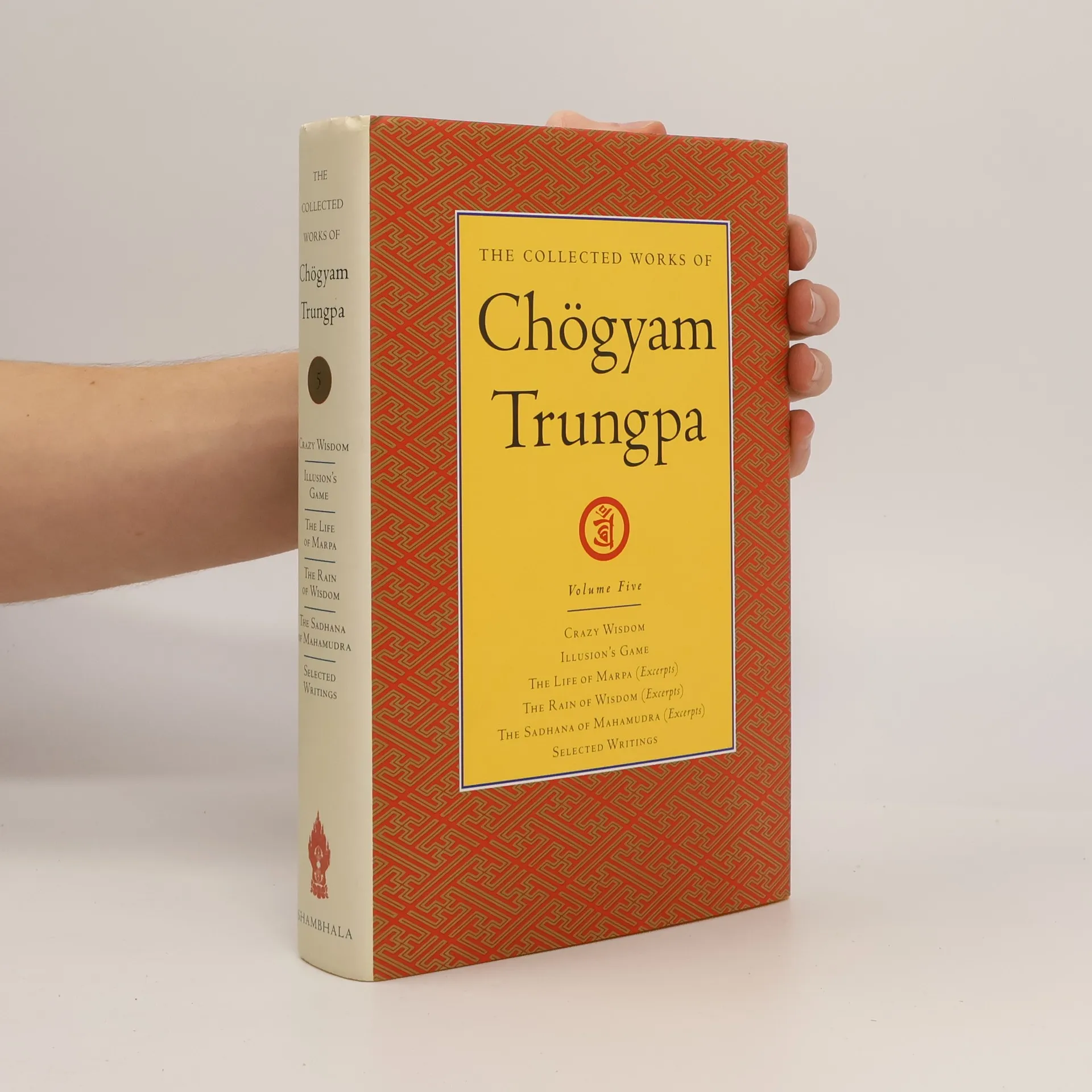
The Collected Works of Chögyam Trungpa, Volume 5
Crazy Wisdom, Illusion's Game, The Life of Marpa the Translator, The Rain of Wisdom, The Sadhama of Mahamudra, Selected Writings
- 416 Seiten
- 15 Lesestunden
The Collected Works of Chögyam Trungpa brings together in eight volumes the writings of one of the first and most influential and inspirational Tibetan teachers to present Buddhism in the West. Organized by theme, the collection includes full-length books as well as articles, seminar transcripts, poems, plays, and interviews, many of which have never before been available in book form. From memoirs of his escape from Chinese-occupied Tibet to insightful discussions of psychology, mind, and meditation; from original verse and calligraphy to the esoteric lore of tantric Buddhism—the impressive range of Trungpa's vision, talents, and teachings is showcased in this landmark series. Volume Five focuses on the lineages of great teachers who have transmitted the Tibetan Buddhist teachings and on the practice of devotion to the spiritual teacher. It includes inspirational commentaries by Chögyam Trungpa on the lives of famous masters such as Padmasambhava, Naropa, Milarepa, Marpa, and Tilopa, as well as an excerpt from The Sadhana of Mahamudra, a tantric text that Chögyam Trungpa received as terma in 1968. Among the selected writings are "Explanation of the Vajra Guru Mantra," an article never before published, which deals with the mantra that invokes Guru Rinpoche; seminar talks available in book form for the first time; and previously unpublished articles on Milarepa.
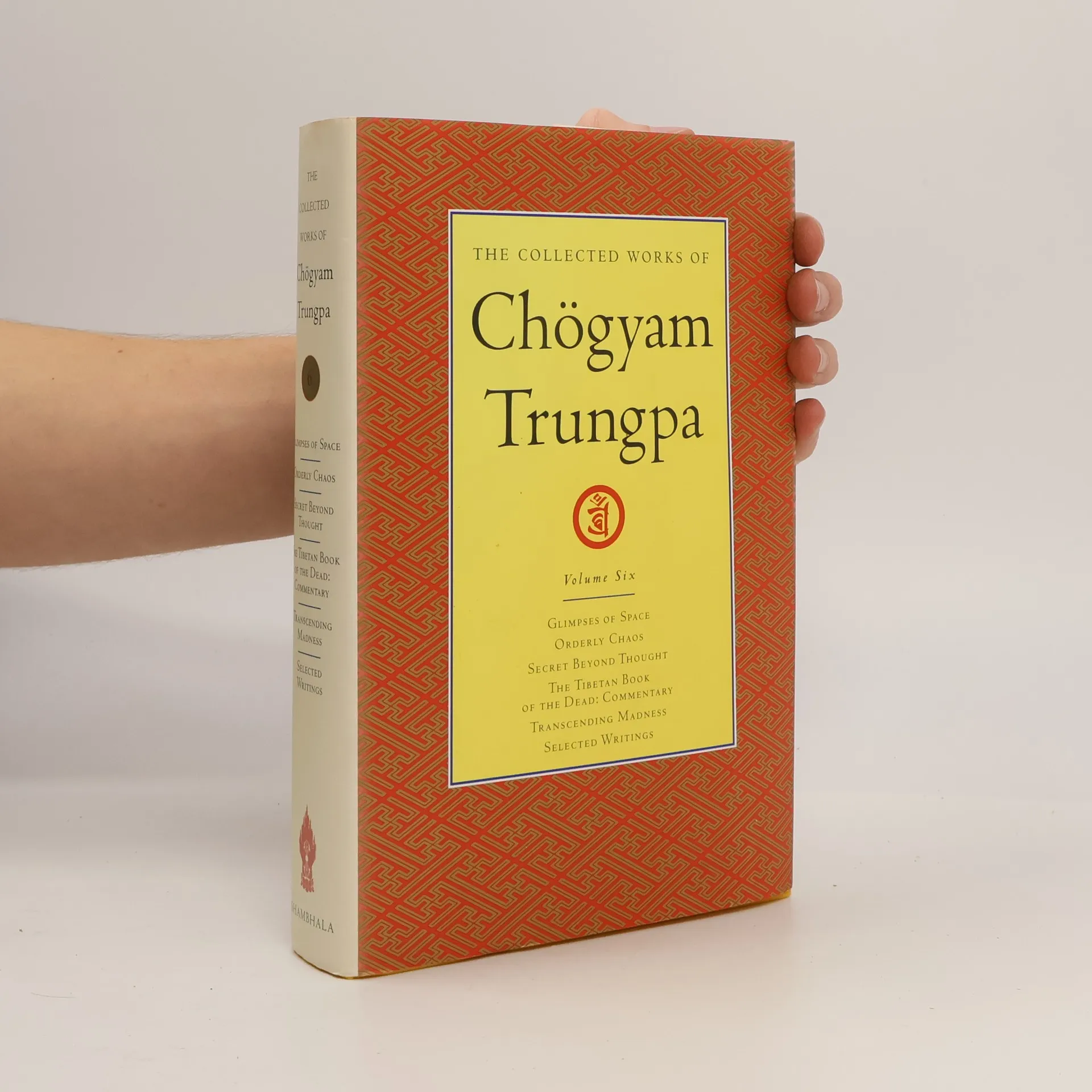
The Collected Works of Chögyam Trungpa, Volume 6
Glimpses of Space, Orderly Chaos, Secret Beyond Thought, The Tibetan Book of the Dead
- 608 Seiten
- 22 Lesestunden
This work brings together the writings of one of the first and more influential Tibetan teachers to present Buddhism in the West. This volume includes "The Path s the Goal", "Training the Mind", "Glimpse of Abhidharma", "Shunyata & Mahayana" and selected writings.
The foundational teachings of Buddhism—presented here in volume one of Chögyam Trungpa's magnum opus, which offers a systematic overview of the entire path of Tibetan Buddhism This three-volume collection presents in lively, relevant language the comprehensive teachings of the Tibetan Buddhist path of the hinayana, mahayana, and vajrayana. Considered Chögyam Trungpa’s masterpiece, The Profound Treasury of the Ocean of Dharma will resonate with new and senior students of Buddhism. Chögyam Trungpa begins his study by presenting the teachings of the hinayana. The hinayana introduces core Buddhist teachings on the nature of mind, the practice of meditation, the reality of suffering, and the possibility of liberation. It examines the nature of suffering, impermanence, and egolessness, with an emphasis on personal development through meditative discipline and study. The formal entry into the hinayana and the Buddhist path altogether is the refuge vow, in which a student goes for refuge to the Buddha, or the teacher; the dharma, or the teachings; and the sangha, or the community. The hinayana path is based on training in mindfulness and awareness, cultivating virtue, and cutting grasping. Topics covered in detail in this volume include the four noble truths, karma, the four foundations of mindfulness, meditation practice, the refuge vows, the three jewels, the five skandhas, the five precepts, twofold egolessness, and more.
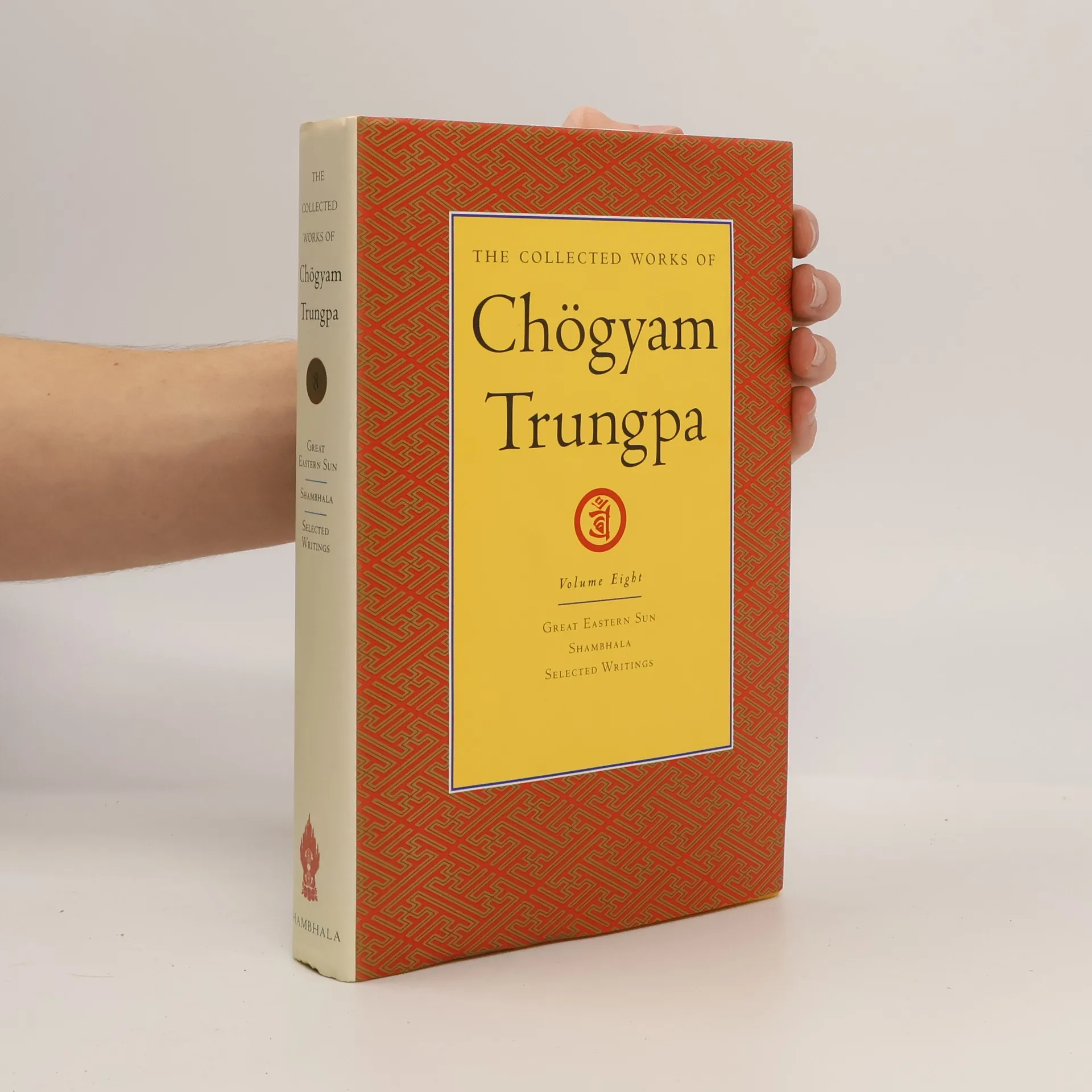
The Collected Works of Chögyam Trungpa, Volume 8
Great Eastern Sun / Shambhala / Selected Writings
- 480 Seiten
- 17 Lesestunden
The Collected Works of Chögyam Trungpa presents the writings of a pivotal Tibetan teacher who introduced Buddhism to the West, organized into eight thematic volumes. This collection features a variety of formats, including full-length books, articles, seminar transcripts, poems, plays, and interviews, many previously unavailable in book form. It spans memoirs of Trungpa's escape from Chinese-occupied Tibet, discussions on psychology, mind, and meditation, as well as original verse and calligraphy, showcasing his diverse vision and teachings. Volume Eight addresses culture, state, and society, reprinting two complete works: Shambhala: The Sacred Path of the Warrior and Great Eastern Sun: The Wisdom of Shambhala. These texts explore the concept of an ancient kingdom in Central Asia as a model for enlightened society and the inherent potential for wakefulness within all individuals. Selected writings delve into political consciousness, martial arts, and the essence of warriorship. Additionally, two unpublished articles, "The Martial Arts and the Art of War" and "The Seven Treasures of the Universal Monarch," further illuminate the significance of warriorship in Buddhist teachings and the world of the Shambhala monarch.
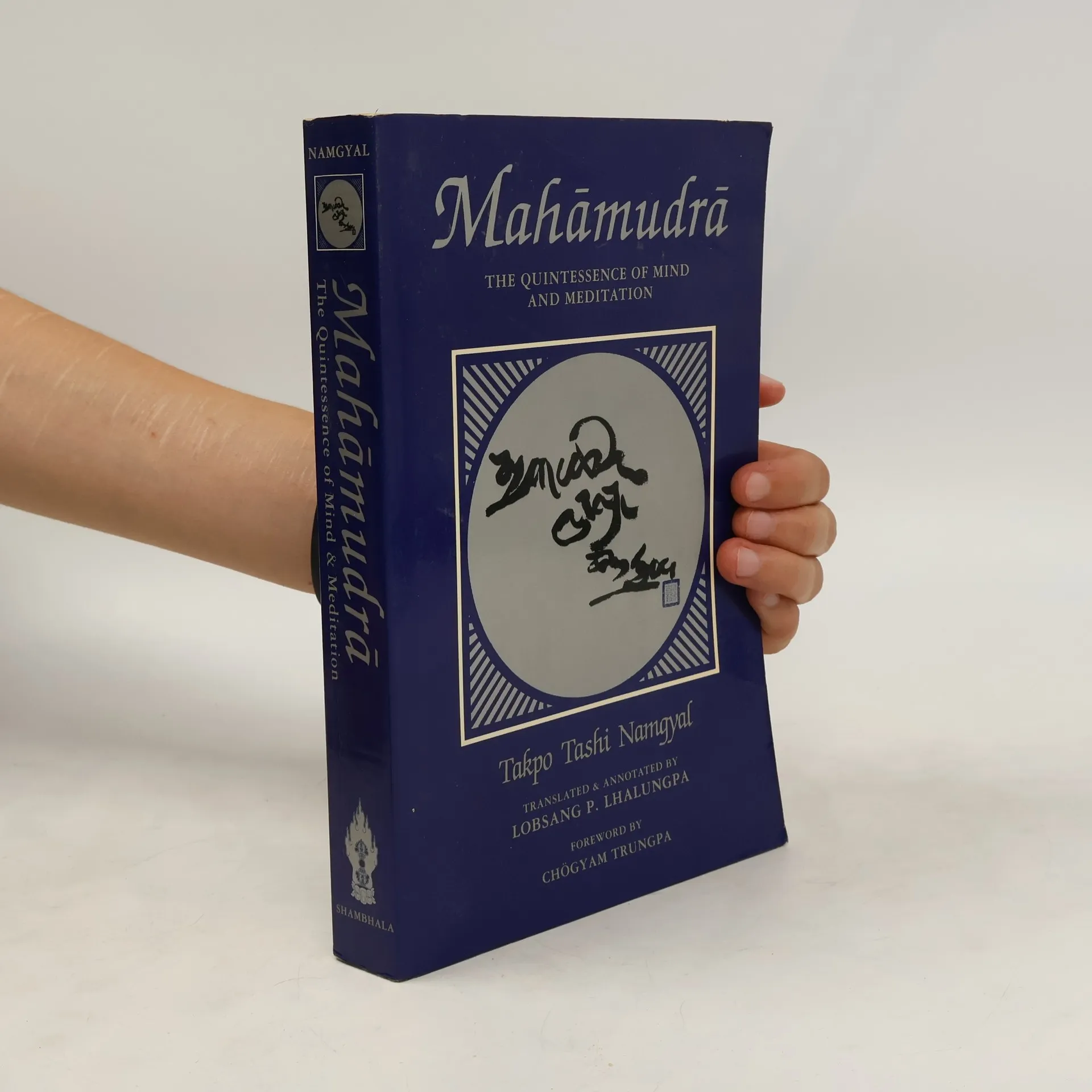
Mahāmudrā: The Quintessence of Mind and Meditation
- 550 Seiten
- 20 Lesestunden
Mahamudra is the first English translation of a major Tibetan Buddhist presentation of the theory and practice of meditation-a manual detailing the various stages and practices for training the advanced students. The original Tibetan text of nearly 800 pages was composed by Takpo Tashi Namgyal (1512-87), a great lama and a scholar of the Kagyu sect of Tibetan Buddhism. (Reprinted)
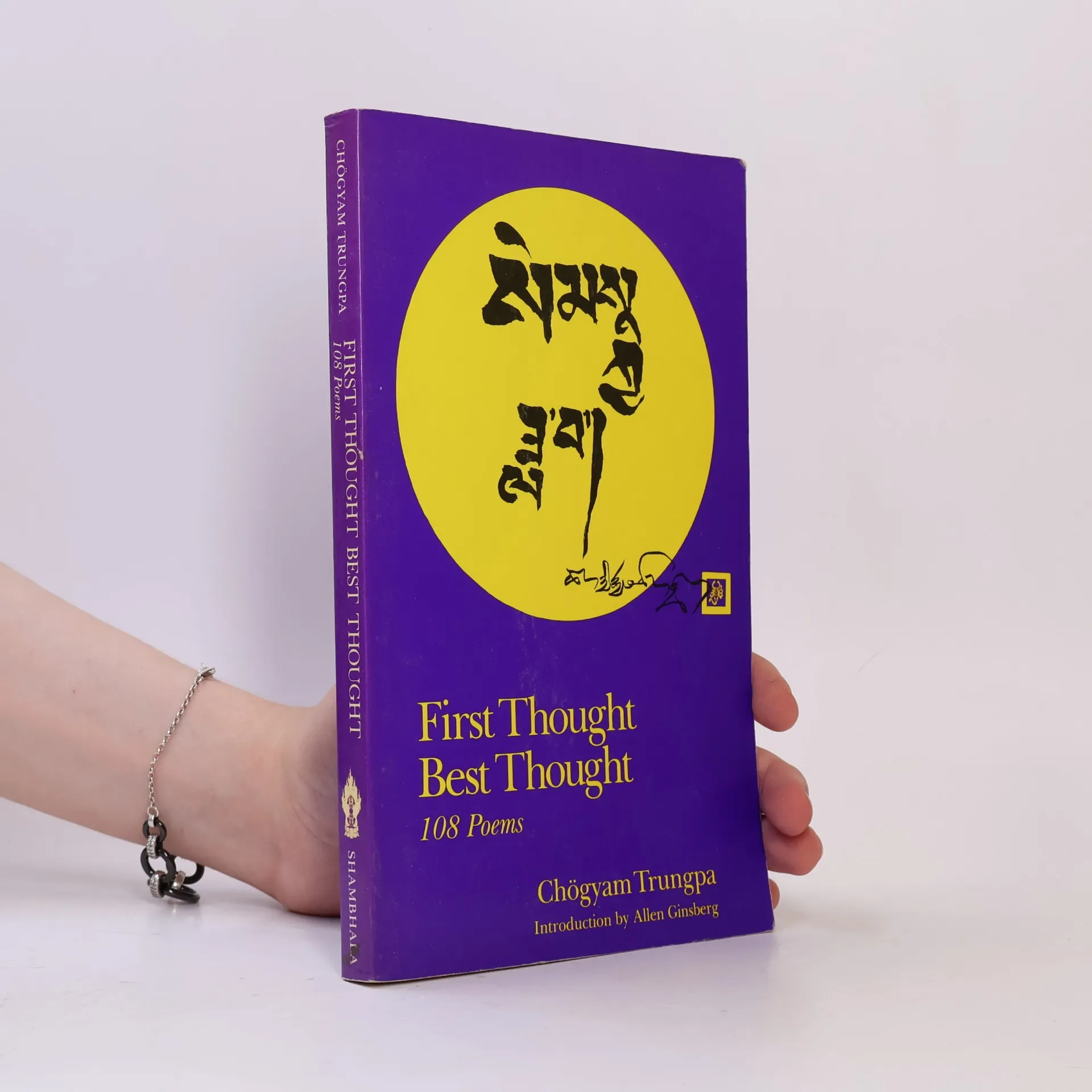
Here is a treasury of 108 short teachings by Chögyam Trungpa, one of the most influential Buddhist teachers of our time. Pithy and immediate, these teachings address a range of topics, including fear and fearlessness, accepting our imperfections, developing confidence, helping others, appreciating our basic goodness, and everyday life as a spiritual path.
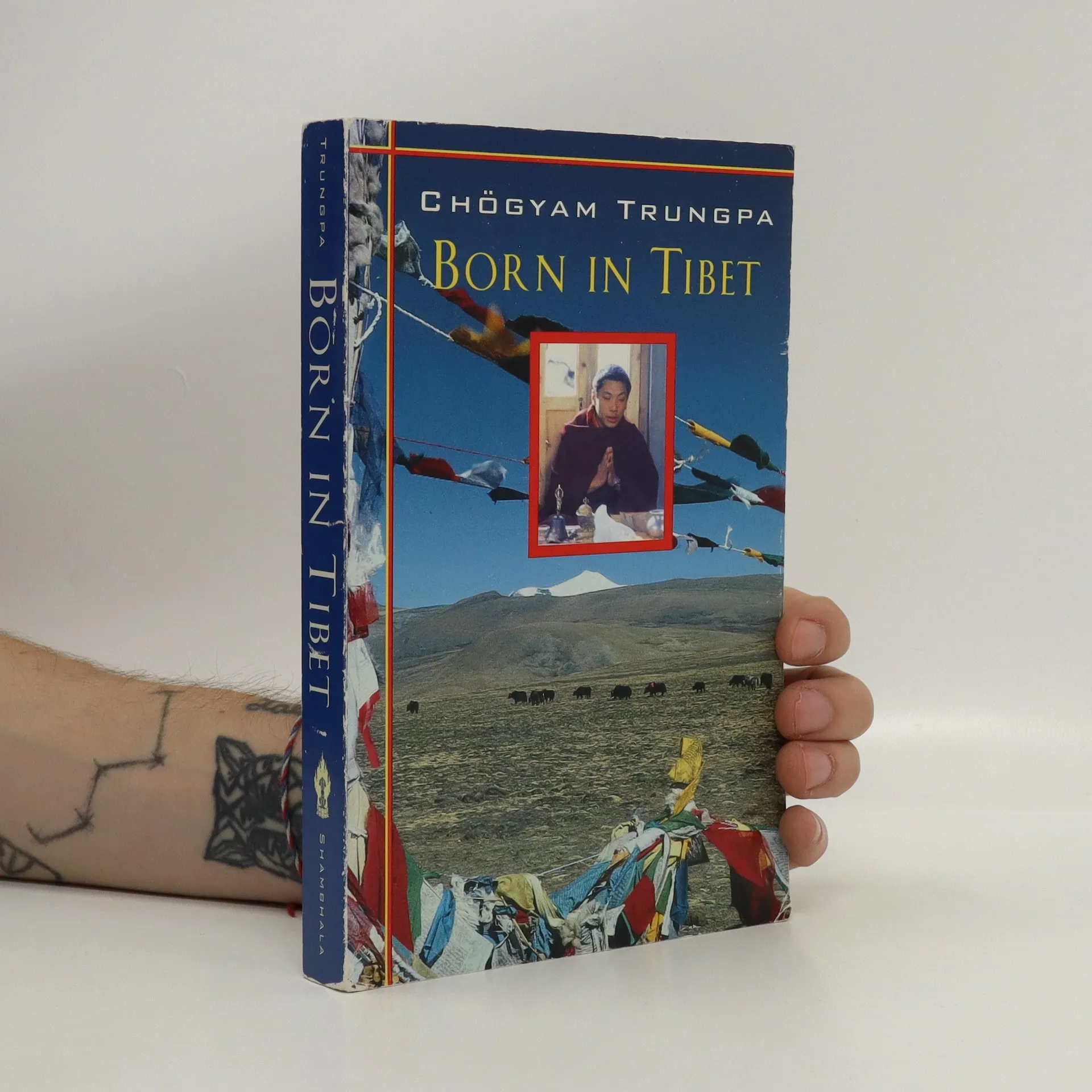
Out of print since 1989, this is a volume of illuminating autobiography by one of the best-known spiritual teachers of our day. Identified at just over a year old as a major telku or reincarnation of an enlightened teacher, Trungpa underwent intensive training in meditation, philosophy and fine arts, and was ordinated as a monk at the age of eighteen, in 1958. The following year the Chinese invaded, and Trungpa spent many harrowing months trekking across the Himalaya to north India, where this absorbing memoir concludes. In an epilogue, Trungpa describes his emigration to the West, and the development of his first Western teachings.
The basic teachings of Buddhism as they relate to everyday life—presented by the esteemed Tibetan meditation master In The Heart of the Buddha, Chögyam Trungpa examines the basic teachings of Buddhism and places them within the context of daily life. Divided into three parts, the book begins with a discussion about the open, inquisitive, and good-humored qualities of the “heart of the Buddha”—an “enlightened gene” that everyone possesses. Next, Chögyam Trungpa moves to the stages of the Buddhist path, presenting the three vehicles—Hinayana, Mahayana, and Vajrayana—that carry the Buddhist practitioner toward enlightenment. Finally, he describes the direct application of Buddhist teachings to topics as varied as relationships, drinking, children, and money. The Heart of the Buddha reflects Trungpa’s great appreciation for Western culture and deep understanding of the Tibetan Buddhist tradition, which enabled him to teach Westerners in an effective, contemporary way.
An exposition of the similarities and differences between Vajrayana Buddhism and Zen, by one of the twentieth century's greatest meditation teachers. The Teacup and the Skullcup is made up of edited transcripts from two seminars that Chögyam Trungpa gave near the beginning of his North American teaching career in 1974--one in Barnet, Vermont, and one in Boston--called "Zen and Tantra." Although Trungpa Rinpoche belonged to the tantra tradition, he acknowledged the strength and discipline gained from Zen influence. Through these talks you can see his respect for the Zen tradition and how it led to his using certain Zen forms for his public meditation hall rituals. He discusses the differences in style, feeling, and emphasis that distinguish the two paths and shows what each one might learn from the other. Also included are Trungpa Rinpoche's commentary on the Ten Oxherding Pictures and an essay he composed in memory of Shunryu Suzuki Roshi, a close friend with whom he continually exchanged ideas for furthering buddhadharma in America.
Milarepa
- 286 Seiten
- 11 Lesestunden
A renowned meditation master retells the stories and realization songs of Tibet's best-known and most-beloved religious figure—and reveals how they relate to our everyday lives He went from being the worst kind of malevolent sorcerer to a devoted and ascetic Buddhist practitioner to a completely enlightened being all in a single lifetime . . . The story of Milarepa (1040–1123) is a tale of such extreme and powerful transformation that it might be thought not to have much direct application to our own less dramatic lives—but Chögyam Trungpa shows otherwise. This collection of his teachings on the life and songs of the great Tibetan Buddhist poet-saint reveals how Milarepa’s difficulties can be a source of guidance and inspiration for anyone. His struggles, his awakening, and the teachings from his remarkable songs provide precious wisdom for all us practitioners and show what devoted and diligent practice can achieve.
The Future Is Open
- 200 Seiten
- 7 Lesestunden
Renowned meditation master Chögyam Trungpa challenges popular misconceptions of the Buddhist doctrines of karma and rebirth, in the process showing how to step beyond karma on the path to awakening. Karma has become a popular term in the West, often connected with somewhat naive or deterministic ideas of rebirth and reincarnation or equated with views of morality and guilt. Chögyam Trungpa unpacks this intriguing but misunderstood topic. He viewed an understanding of karma as good news, showing us that liberation is possible and that the future is never predetermined. His unique approach to presenting the Buddhist teachings lends itself to an insightful and profound view of karma, its cause and effects, and how to cut the root of karma itself.
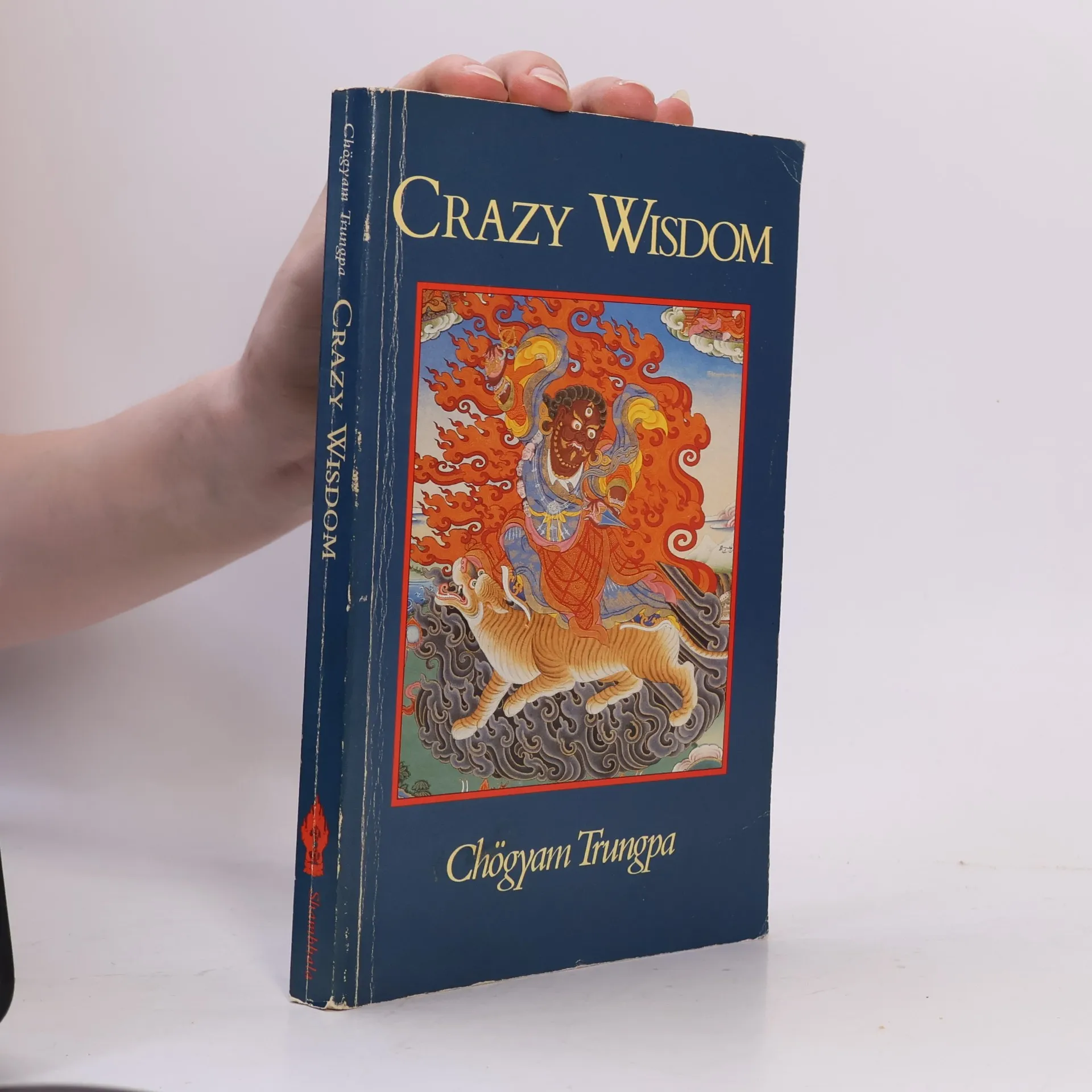
Chogyam Trungpa describes "crazy wisdom" as an innocent state of mind that has the quality of early morning--fresh, sparkling, and completely awake. This fascinating book examines the life of Padmasambhava--the revered Indian teacher who brought Buddhism to Tibet--to illustrate the principle of crazy wisdom. From this profound point of view, spiritual practice does not provide comfortable answers to pain or confusion. On the contrary, painful emotions can be appreciated as a challenging opportunity for new discovery. In particular, the author discusses meditation as a practical way to uncover one's own innate wisdom.
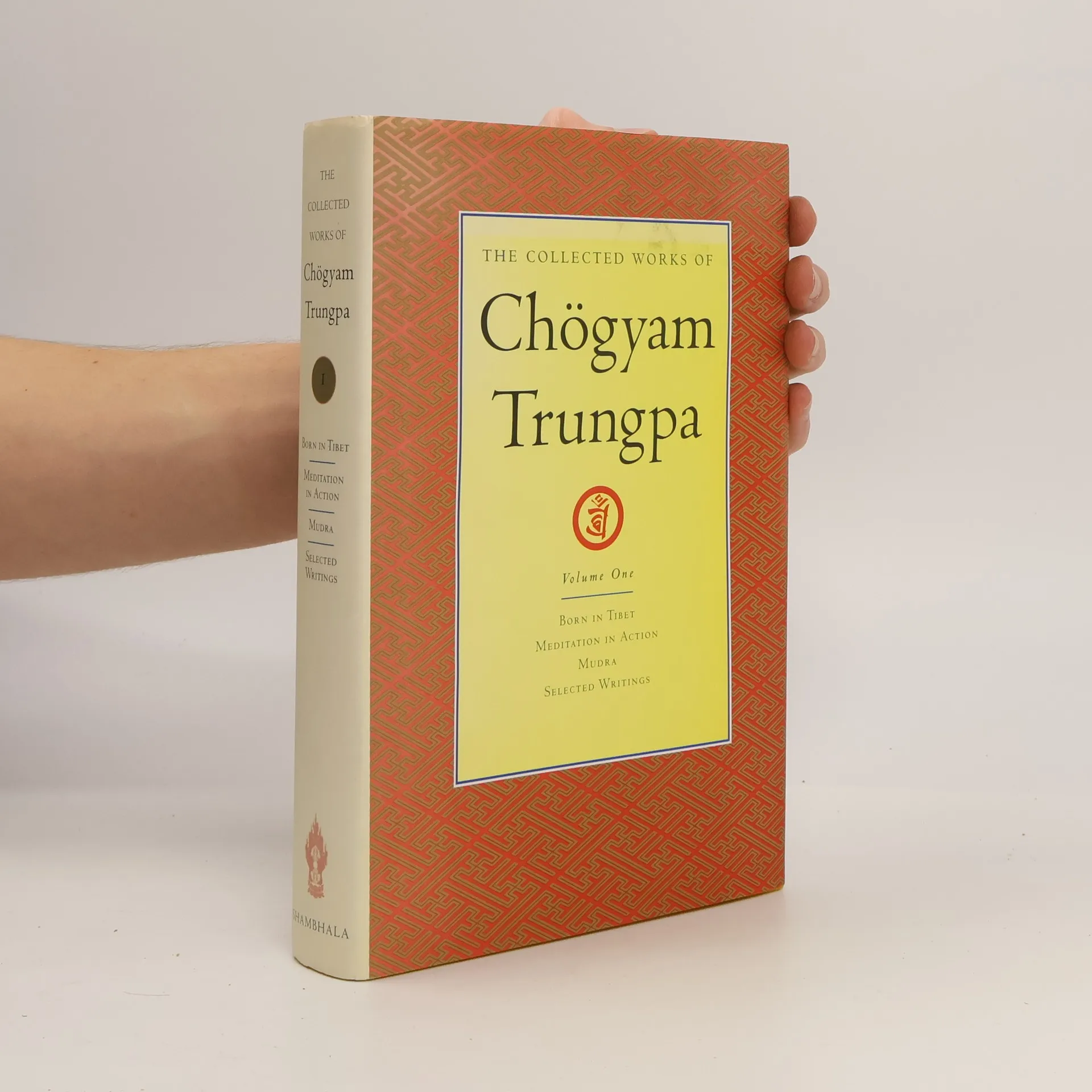
The Collected Works of Chögyam Trungpa, Volume 1
Born in Tibet - Meditation in Action - Mudra - Selected Writings
- 512 Seiten
- 18 Lesestunden
The Collected Works of Chögyam Trungpa brings together in eight volumes the writings of the first and most influential and inspirational Tibetan teachers to present Buddhism in the West. Organized by theme, the collection includes full-length books as well as articles, seminar transcripts, poems, plays, and interviews, many of which have never before been available in book form. From memoirs of his escape from Chinese-occupied Tibet to insightful discussions of psychology, mind, and meditation; from original verse and calligraphy to the esoteric lore of tantric Buddhism-the impressive range of Trungpa's vision, talents, and teachings is showcased in this landmark series. Volume Three captures the distinctive voice that Chögyam Trungpa developed in North America in the 1970s and reflects the preoccupations among Western students of that era. It includes Cutting Through Spiritual Materialism and The Myth of Freedom, the two books that put Chögyam Trungpa on the map of the American spiritual scene. The Heart of the Buddha and sixteen articles and forewords complete this volume.
The teachings delve into the practice of sadhana, a crucial aspect of Tibetan Buddhism, emphasizing the integration of meditation and ritual. Trungpa Rinpoche offers insights into the spiritual journey, guiding practitioners through various stages of development and understanding. His approach highlights the importance of personal experience and the transformative power of dedicated practice, making these teachings accessible for both beginners and experienced practitioners seeking deeper spiritual insight.
Glimpses Of The Profound
- 352 Seiten
- 13 Lesestunden
A collection of Chögyam Trungpa's early teachings in North America--on buddha nature, emptiness, the feminine principle, and the three bodies of enlightenment. At the beginning of a North American teaching career that would span seventeen years, the meditation master Chögyam Trungpa conducted five pivotal seminars covering various dharmic topics. The transcripts from these seminars are collected here so that readers can experience them right at home. Comprising twenty-six talks in total, each one followed by a Q&A, Glimpses of the Profound is sure to provoke glimpses of all kinds: glimpses that inspire you to look further, glimpses that give you confidence, glimpses that upset the apple cart, glimpses that open your heart, glimpses that undermine falsity, glimpses that awaken you to your boundless potential. This book was originally published as four separate volumes by Vajradhatu Publications. Judith L. Lief has written a new introduction.
Journey Without Goal
- 160 Seiten
- 6 Lesestunden
Meditation master Chögyam Trungpa demystifies the Tantric tradition of Buddhism in this accessible guide for curious students Based on the author’s talks at Naropa University, this volume introduces the reader to the principles of tantra, based on the practice of meditation, which leads to the discovery of egolessness. Trungpa Rinpoche provides a direct and experiential picture of the tantric world, explaining the importance of self-existing energy, the mandala principle, the difference between Buddhist and Hindu tantra—stressing the nontheistic foundation of Buddhism. The role of the teacher and the meaning of tantric transmission are also presented. Written for the student of Buddhism rather than the scholar, Journey without Goal demystifies the vajrayana and at the same time affirms the power and sacredness of its ancient teaching.
Garuda IV
- 124 Seiten
- 5 Lesestunden
Cynicism and Magic
- 192 Seiten
- 7 Lesestunden
A groundbreaking, accessible presentation of Tibetan Buddhism from Chögyam Trungpa, renowned twentieth-century master and teacher. Based on a series of talks given by Chögyam Trungpa during the first session of what was to become Naropa University, Cynicism and Magic introduces key Tibetan Buddhist concepts, including karma, the structure of ego, the paramitas, and the bodhisattva. Employing a unique and intimate teaching style, Trungpa Rinpoche presents these concepts in a larger framework of questions we all have: What is authentic spirituality? Can I find enlightenment and freedom? How should I approach life, death, suffering, and boredom? How can I develop some discipline, patience, and sanity? Through these accessible teachings, this book will show you how to approach a living dharma with intelligence, and with a sense of openness and wonder.
All of us experience obstacles as part of our journey, in life and on the spiritual path. In many cases, we think of them as purely something unpleasant to overcome, or as a mistake that needs correcting. Here, Chogyam Trungpa takes a radically different approach to such obstacles, teaching that unexpected chaos, confusion, and emotional upheavals can actually be used as fuel for the journey-an energy that can transform confusion into sanity and wisdom. He illustrates this transformative principle through telling the lively history of the Trungpa tulkus (a lineage within the Kagyu tradition of Tibetan Buddhism) of which he was the eleventh incarnation. Trungpa referred to his lineage as the "Mishap Lineage" because of the ups and downs and colorful lives that were typical of his predecessors, and true of his own life as well. The stories of the Trungpas are seen as a guide for the practitioner's journey and help us to understand how important lineage and community remain for us today.
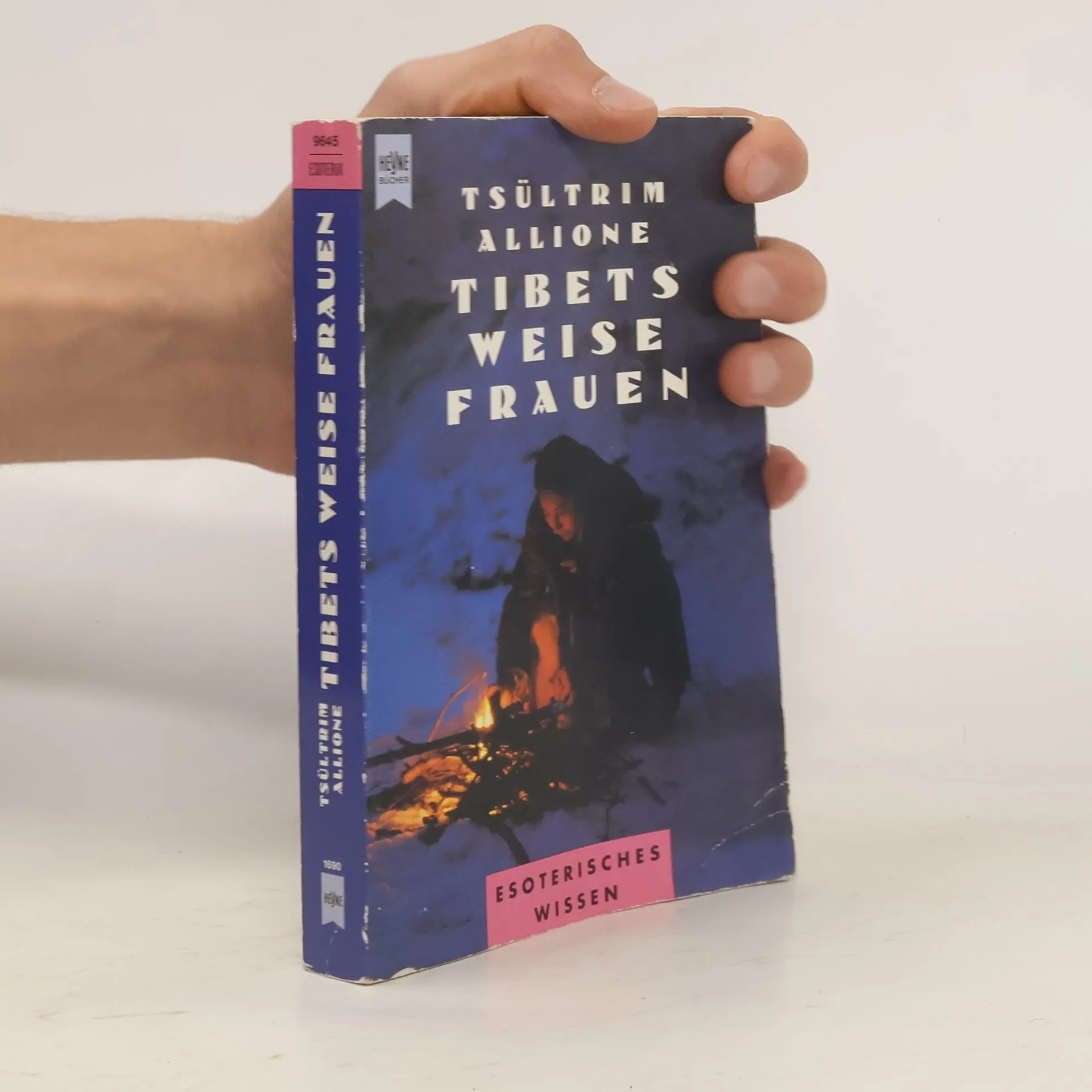
Tibets weise Frauen
- 316 Seiten
- 12 Lesestunden
Die Wurzeln dieses Buches reichen zurück zu meiner Großmutter mütterlicherseits, Frances Rousmaniere Dewing, die mir mit fünfzehn Jahren ein Buch mit Zen-Gedichten schenkte. Sie war eine weise Frau, die als vierte Frau ein Doktorat des Radcliffe-College erhielt und eine Freundin von William James und Khalil Gibran war. Als Freidenkerin entschied sie sich, ein intellektuelles Leben zu führen, lehrte an mehreren Colleges und wurde von ihren Studenten geliebt. Sie traf meinen Großvater, Arthur Stone Dewing, bei einem philosophischen Seminar, heiratete jedoch erst sechs Jahre später, als sie 35 war, da Frauen damals zwischen Ehe und Beruf wählen mussten. Mein Großvater war ein exzentrischer Philosoph und finanzielles Genie. Sie hatten drei Töchter, darunter meine Mutter Ruth, die die Liebe zu Ideen und Unabhängigkeit von ihrer Mutter erbte. Ruth gab eine Karriere im Gewerkschaftsbereich auf, um meinen Vater zu heiraten und Kinder zu bekommen, und vermittelte uns die Liebe zur Kunst und Schönheit. Ihr Versuch, am Esstisch gehobene Konversation zu führen, war ein Zeichen ihrer Sehnsucht nach geistiger Nahrung. Es ist nicht verwunderlich, dass ich im Alter von 19 Jahren meine Universitätsstudien abbrach und eine geistige Suche begann, die mich schließlich dazu führte, dieses Buch zu schreiben. 1967 reiste ich mit meiner Freundin Victress Hitchcock nach Hongkong und dann nach Kalkutta, wo wir bei ihrer Familie lebten und in Mutter Ter
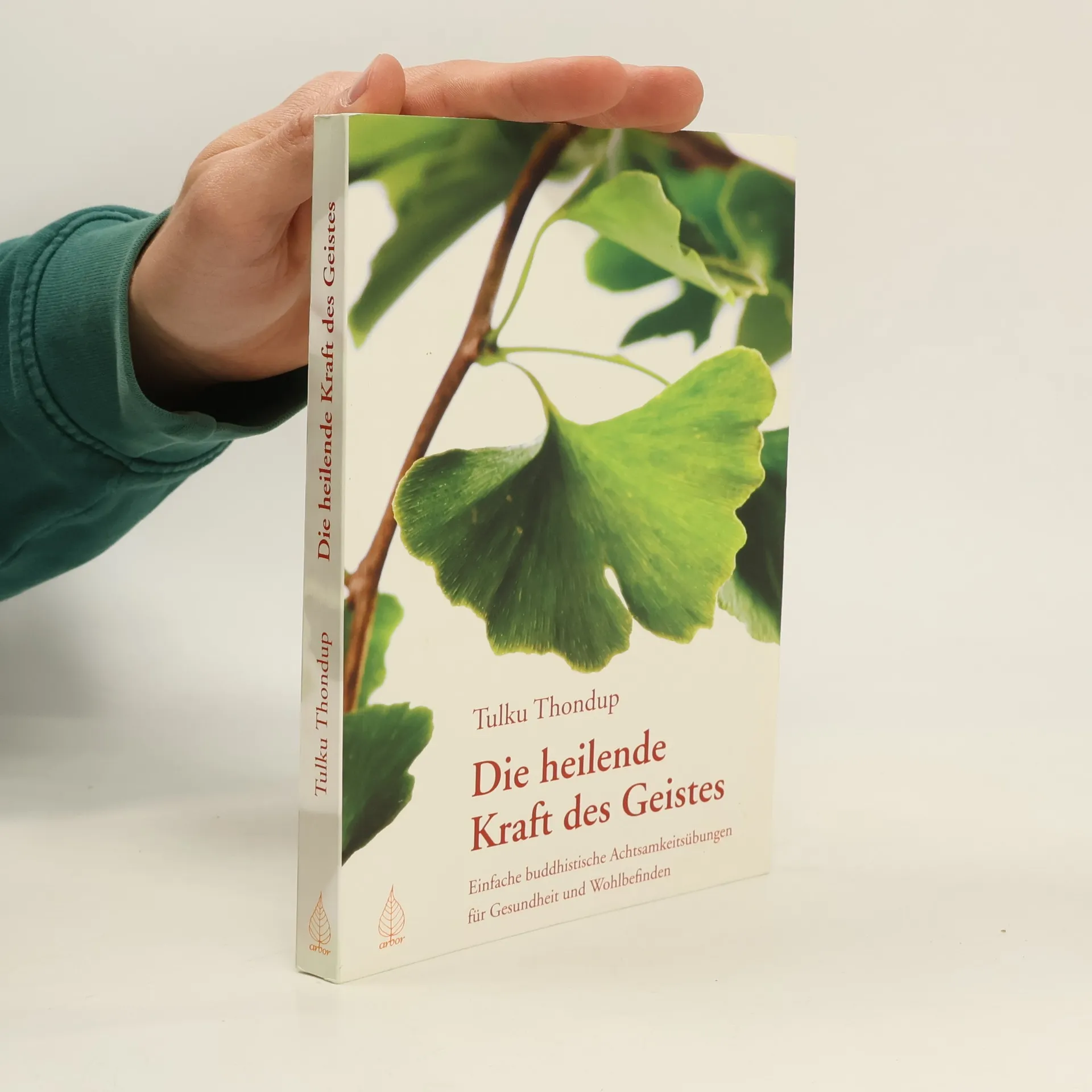
Die heilende Kraft des Geistes
- 255 Seiten
- 9 Lesestunden
Selbstheilung und Lebenshilfe Ein einzigartiges Buch, das erstmals die Philosophie des Buddhismus in praktische Anleitungen zur Selbstheilung und Lebenshilfe umsetzt. Ein Ratgeber, der aufzeigt, wie Sie mit Ängsten und Schwächen umgehen und Ihre Stärken erkennen und in kreative Energien umsetzten können.
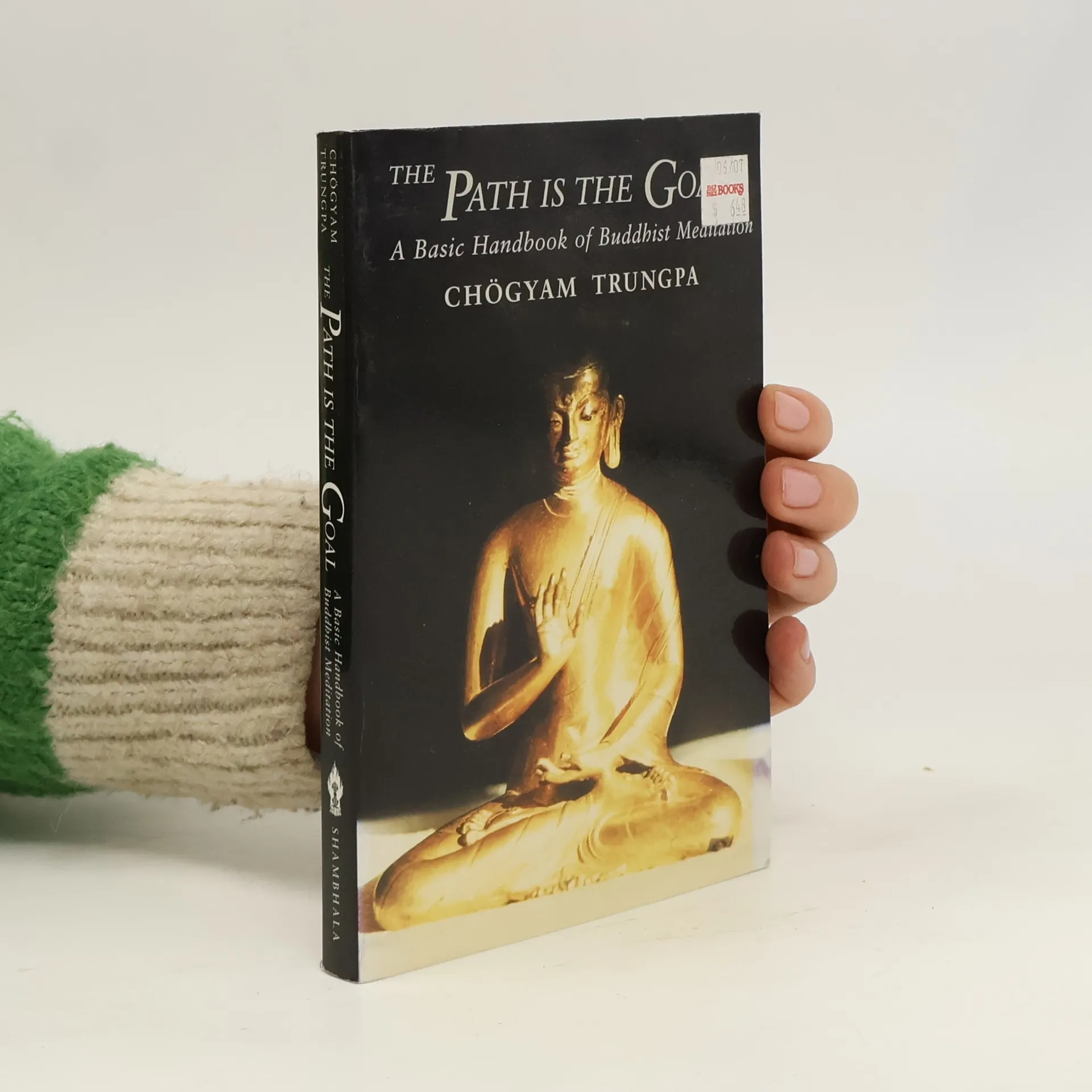
According to the Buddha, no one can attain basic sanity or enlightenment without practicing meditation. The teachings given here on the outlook and technique of meditation provide the foundation that every practitioner needs to awaken as the Buddha did. Trungpa teaches us to let go of the urge to make meditation serve our ambition; thus we can relax into openness. We are shown how the deliberate practice of mindfulness develops into contrived awareness, and we discover the world of insight that awareness reveals. We learn of a subtle psychological stage set that we carry with us everywhere and unwittingly use to structure all our experience—and we find that meditation gradually carries us beyond this and beyond ego altogether to the experience of unconditioned freedom.
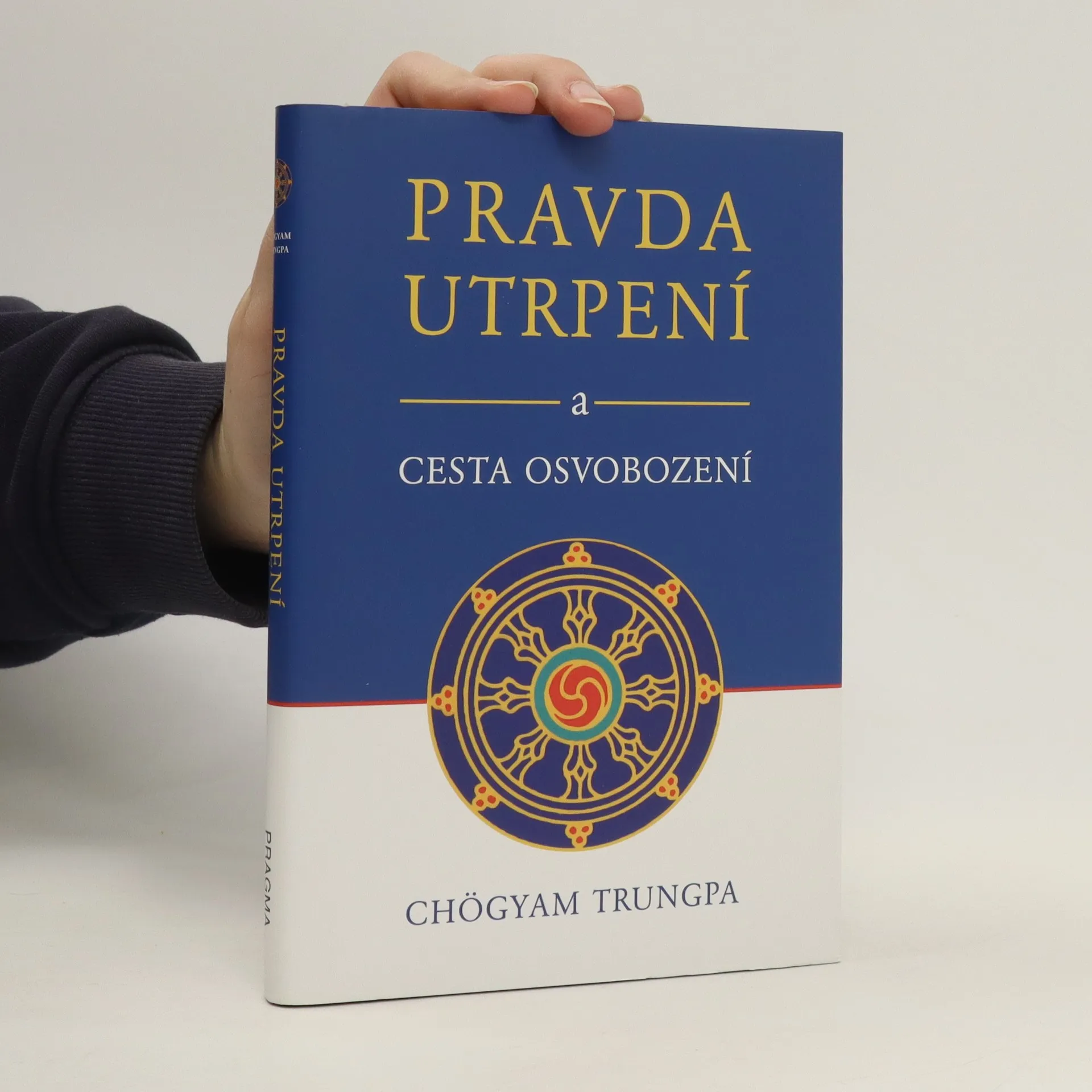
The Truth of Suffering and the Path of Liberation
- 155 Seiten
- 6 Lesestunden
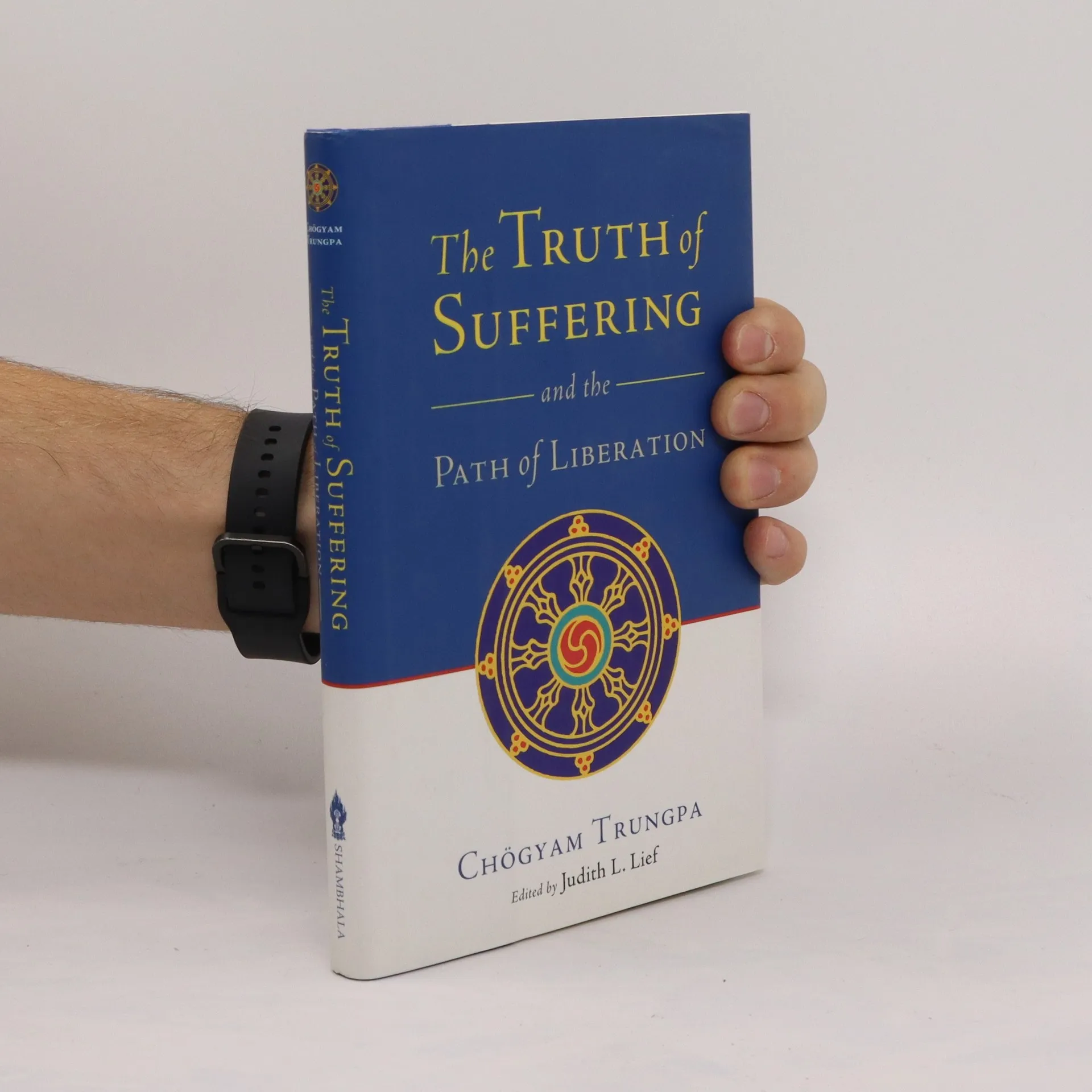
The truth of life has never been better or more succinctly articulated than in the Buddha's teaching on suffering, its cause, and its cessation—the famous formulation known as the Four Noble Truths. This concise handful of words is in fact the foundation from which all subsequent Buddhist teachings grow, and upon which all of them rely. Their wisdom is as pertinent to the scholar of Buddhist philosophy as it is to the ordinary practitioner, as it is indeed to anyone, anywhere, who aspires to liberation.Chögyam Trungpa's in-depth exploration of the Four Noble Truths reveals the subtlety and sophistication that lie beneath these deceptively simple teachings. He emphasizes their profound relevance not just as an inspiration when we set out on the path but at every other moment of our lives as well, showing how we can join view (intellectual understanding) of the teaching with practical application in order to interrupt suffering before it arises.His teaching is, as always, refreshingly direct and profoundly inspiring. The Truth of Suffering is an ideal introduction to the Four Noble Truths for the beginner as well as for the experienced practitioner in search of deeper understanding.
The Tibetan Book Of The Dead
- 144 Seiten
- 6 Lesestunden
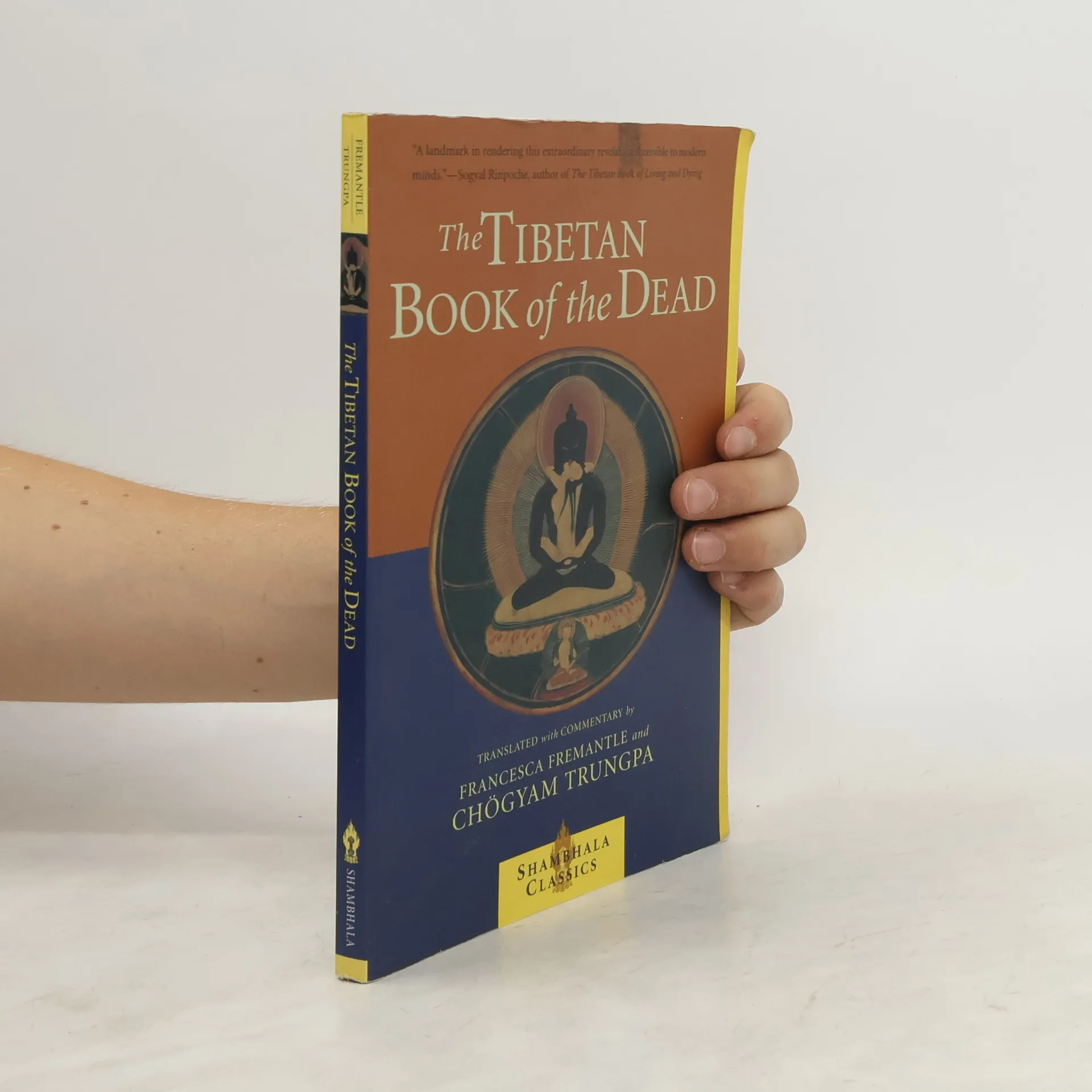
In this classic scripture of Tibetan Buddhism—traditionally read aloud to the dying to help them attain liberation—death and rebirth are seen as a process that provides an opportunity to recognize the true nature of mind. This translation of The Tibetan Book of the Dead emphasizes the practical advice that the book offers to the living. The insightful commentary by Chögyam Trungpa, written in clear, concise language, explains what the text teaches us about human psychology. This book will be of interest to people concerned with death and dying, as well as those who seek greater spiritual understanding in everyday life.
The Collected Works of Chögyam Trungpa, Volume 9
True Command - Glimpses of Realization - Shambhala Warrior Slogans - The Teacup and the Skullcup - Smile at Fear - The Mishap Lineage - Selected Writings
- 896 Seiten
- 32 Lesestunden
This volume features five books released between 2003 and 2009, alongside a set of cards showcasing the Shambhala warrior slogans. Additionally, it includes eighteen articles and interviews, all dating back to 1983 or earlier, providing a rich context and historical perspective on the themes explored within the works.
The buddhadharma represents the teachings of the awakened mind, where Buddha signifies the “awakened one” and dharma refers to “law” or “teaching.” This path of training fosters enlightenment and embodies the norms of an awakened state throughout the journey. The development occurs through increasing levels of commitment, categorized into three main stages known as the three yanas: hinayana, mahayana, and vajrayana (or tantra), all of which are essential. Hinayana focuses on realizing the Buddha's fundamental teachings and recognizing suffering stemming from ego. Mahayana emphasizes understanding suffering and experience as a foundation for communication. Vajrayana achieves complete directness, where duality is seen through, and the notion of a spiritual journey dissolves. Each yana corresponds to a vow, marking the transcendence of hesitation. The hinayana vow involves taking refuge in the Buddha, dharma, and sangha—the three jewels. In mahayana, practitioners can take the bodhisattva vow, prioritizing the welfare of others. The final stage, tantra, entails the samaya vow, representing total devotion to the guru as the embodiment of the awakened state. The teachings of Chogyam Trungpa, Rinpoche, on the refuge and bodhisattva vows are explored in subsequent pages, drawn from his talks during vow ceremonies.
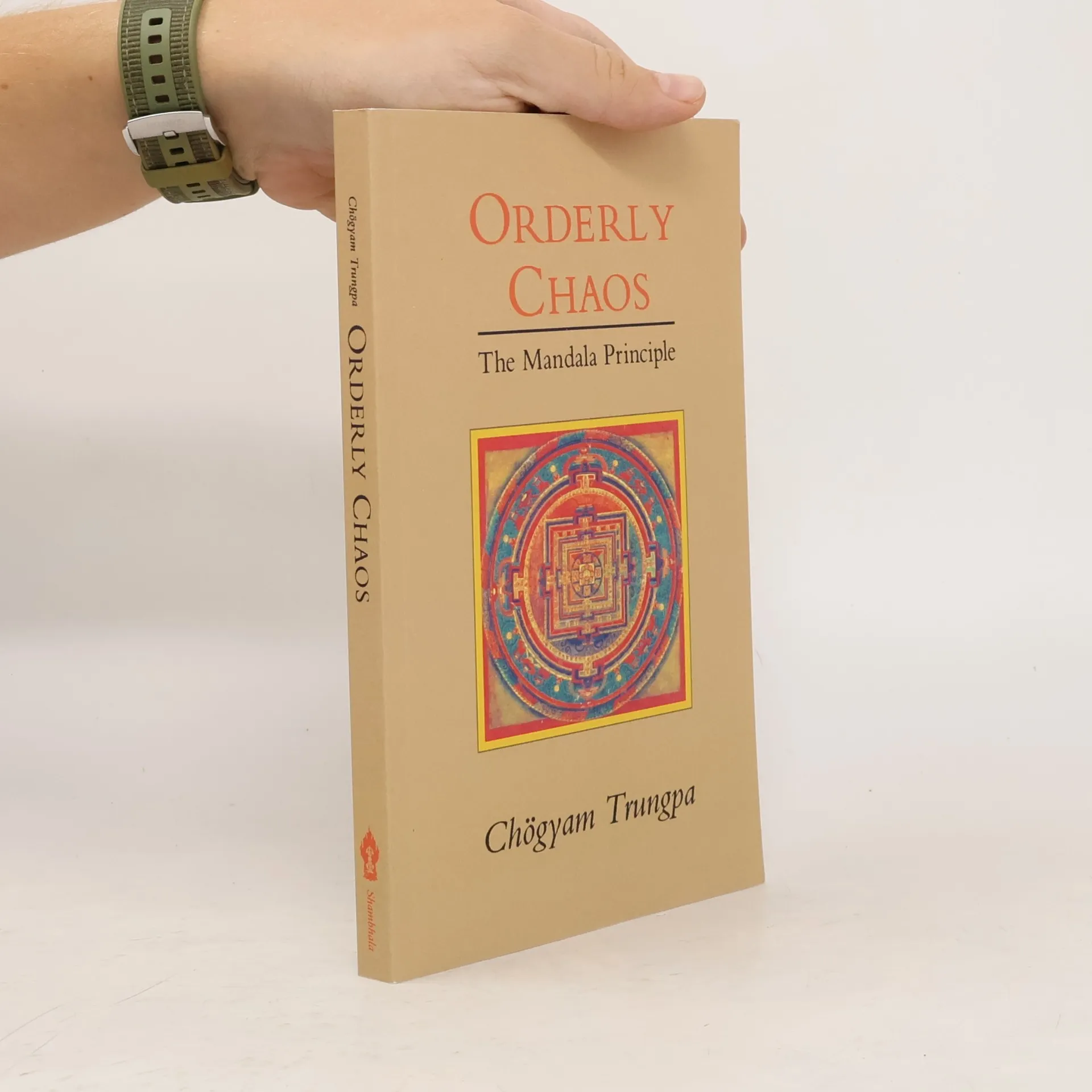
According to the mandala principle, a prominent feature of tantric Buddhism, all phenomena are part of one reality. Whether good or bad, happy or sad, clear or obscure, everything is interrelated and reflects a single totality. As Chögyam Trungpa explains in this work, from the perspective of the mandala principle, existence is orderly chaos. There is chaos and confusion because everything happens by itself, without any external ordering principle. At the same time, whatever happens expresses order and intelligence, wakeful energy and precision. Through meditative practices associated with the mandala principle, the opposites of experience—confusion and enlightenment, chaos and order, pain and pleasure—are revealed as inseparable parts of a total vision of reality.
Mandala
- 148 Seiten
- 6 Lesestunden
Examines the spiritual, physical, and psychological significance of the symmetrical and concentric structures which are found in natural elements and the artwork of various cultures.
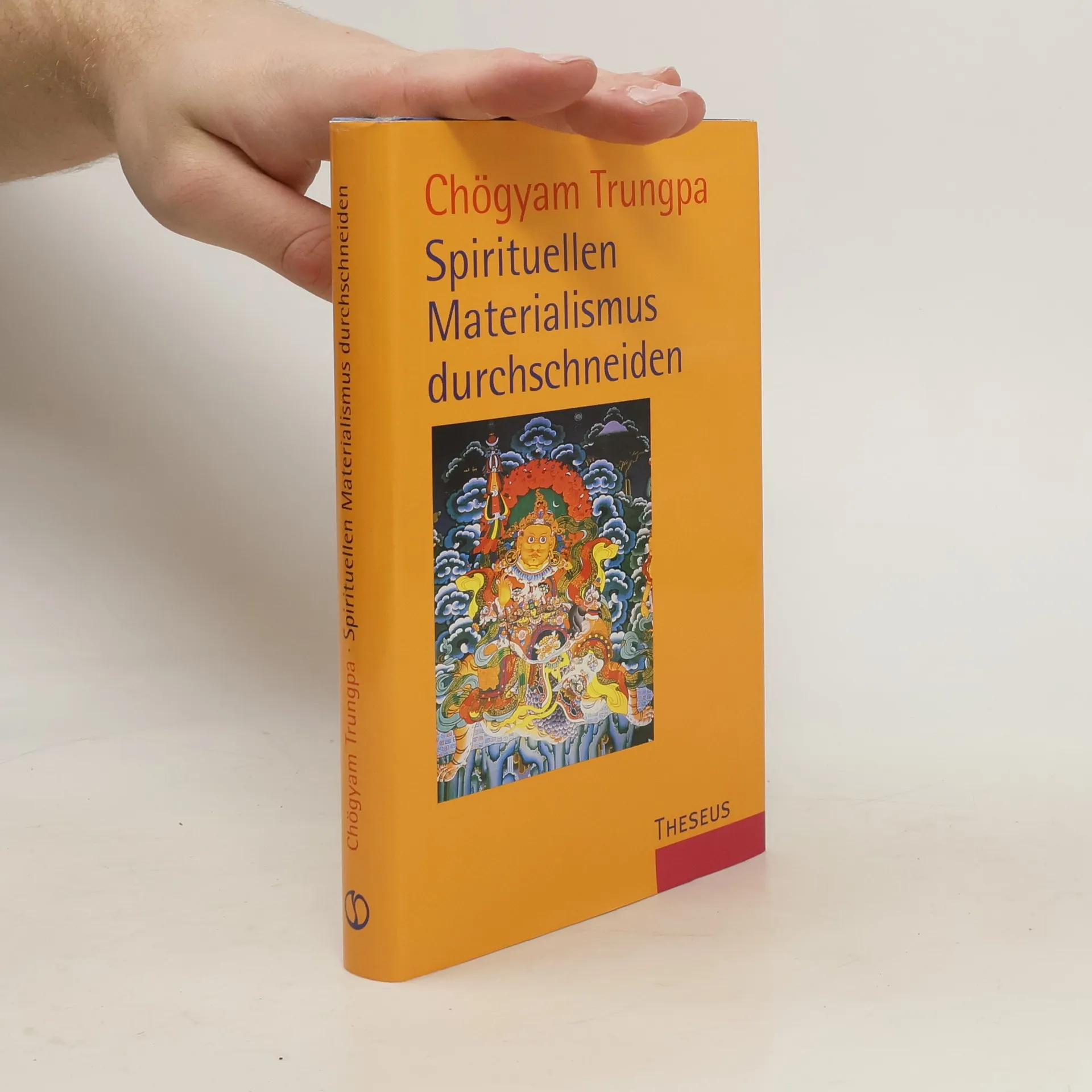
Spirituellen Materialismus durchschneiden
Wie die Selbsttaeuschung auf dem geistigen Weg zu erkennen ist - Taschenbuch
Here is a unique contribution to the field of poetry: a new collection of works by America's foremost Buddhist meditation master, Chogyam Trungpa. These poems and songs--most of which were written since his arrival in the United States in 1970--combine a background in classical Tibetan poetry with Trungpa's intuitive insight into the spirit of America, a spirit that is powerfully evoked in his use of colloquial metaphor and contemporary imagery. Most of the poems were originally written in English--clearly the result of the author's own perceptions of new forms and media offered to him by a different culture. Each poem has its own insight and power, which come from a skillful blend of traditional Asian subtlety and precision combined with a thoroughly modern vernacular. Several of the author's calligraphies accompany the collection.
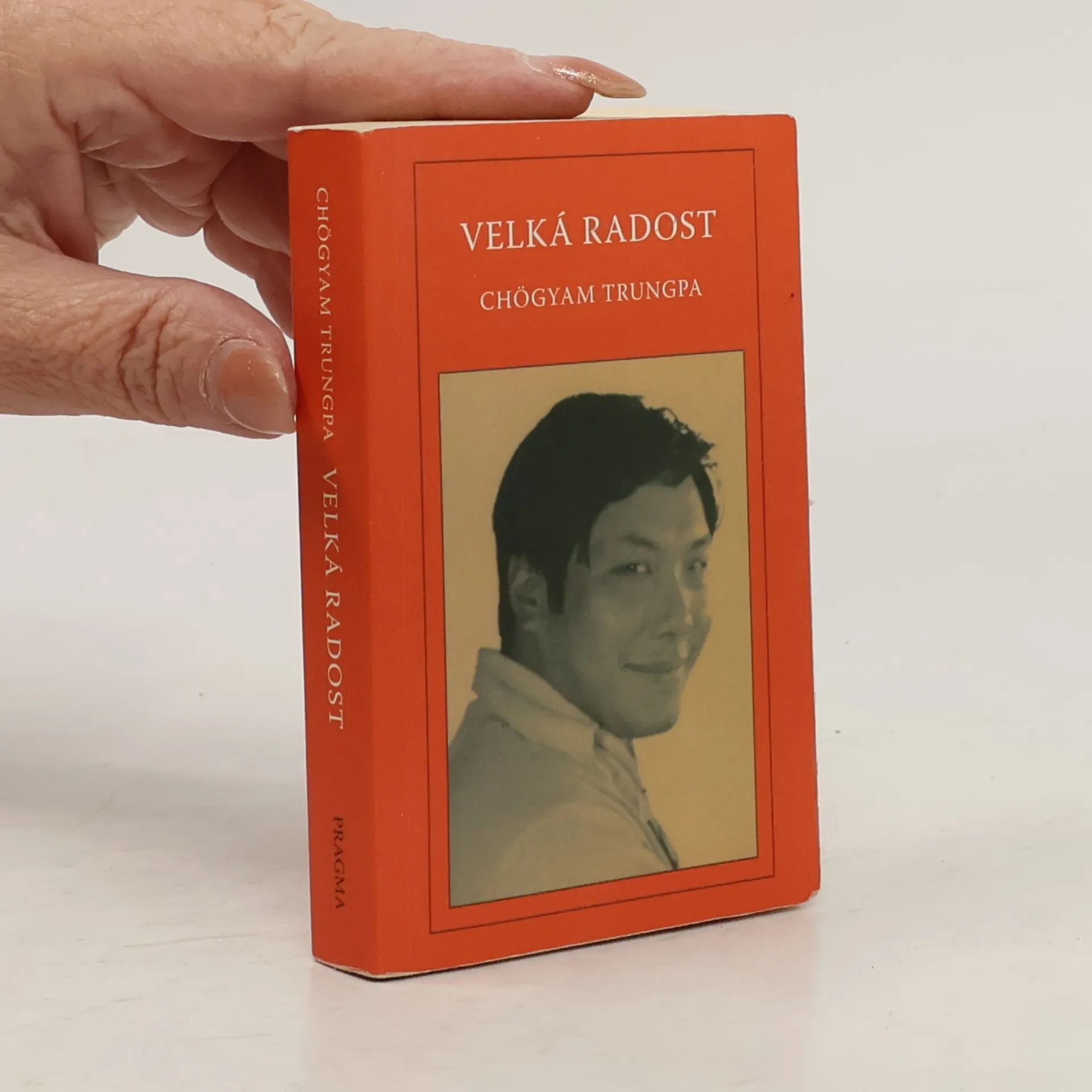
Velká radost
- 198 Seiten
- 7 Lesestunden
108 krátkých učení Chögyam Trugpy, jednoho z nejvlivnějších buddhistických učitelů naší doby. Jeho učení se pádným a bezprostředním způsobem dotýkají řady námětů, včetně strachu, nebojácnosti, příjetí naší nedokonalosti, rozvoje důvěry, pomoci ostatním, ocenění našeho základního dobra a každodenního života coby duchovní cesty.
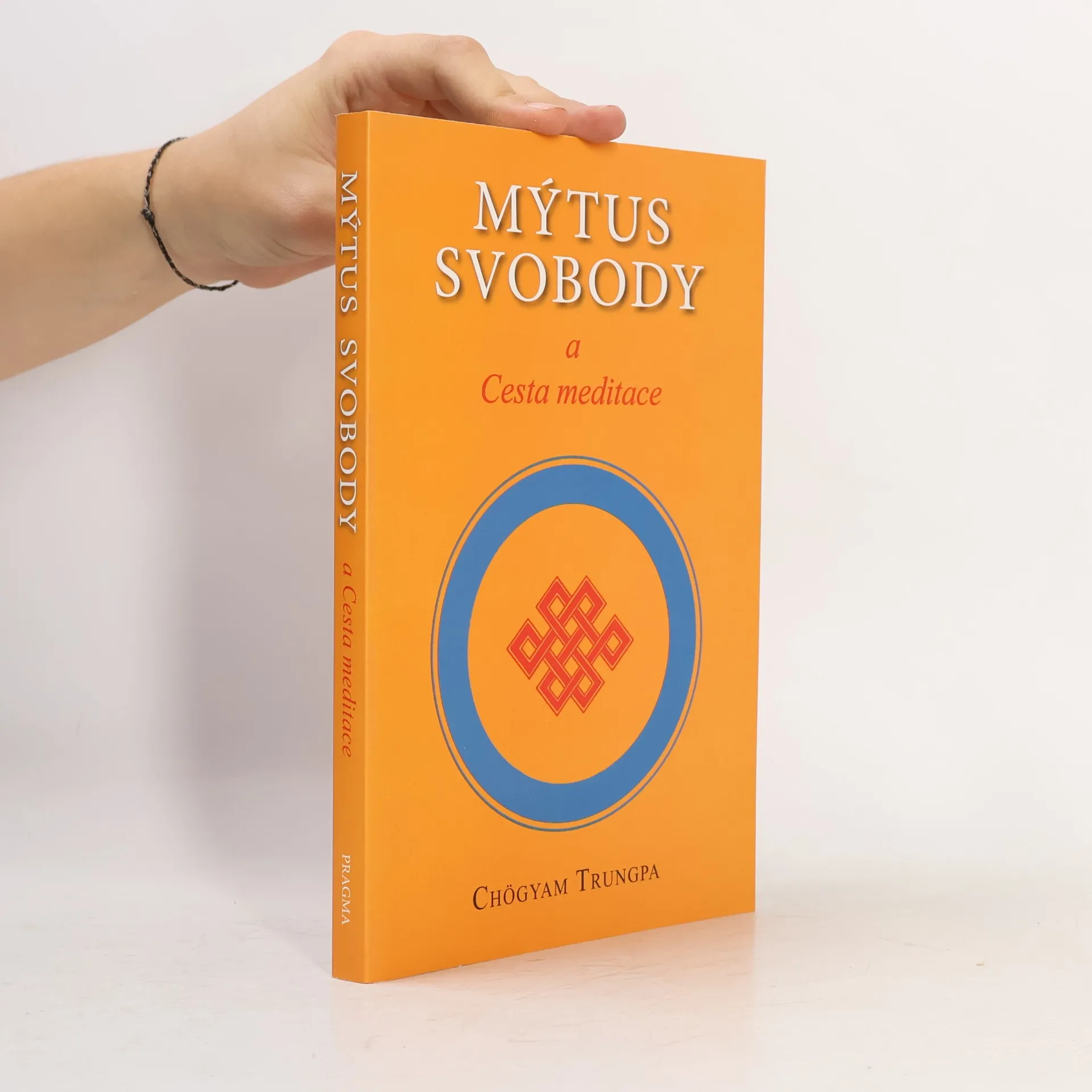
Mýtus svobody a Cesta meditace
- 147 Seiten
- 6 Lesestunden
V této knize Chögyam Trungpa zkoumá význam svobody v hlubokém kontextu tibetského buddhismu. Vysvětluje významnou roli, již meditace hraje v možnosti zaměřit se na příčiny frustrace, a jak usnadňuje, aby tyto negativní síly pomáhaly v postupu ke skutečné svobodě. Trungpova jedinečná schopnost vyjádřit esenci buddhistického učení jazykem a metaforami současné americké kultury, činí tuto knihu jedním z nejlépe dosažitelných bezprostředních pramenů pro pochopení buddhistického učení, která byla dosud napsaná.
Srdce Buddhy
- 225 Seiten
- 8 Lesestunden
Buddhistické náhledy na zásady praktického i duchovního života. Sbírka esejů, promluv a seminářů od Chögyam Trungpy ukazuje vztah základního buddhistického učení k všednímu životu.
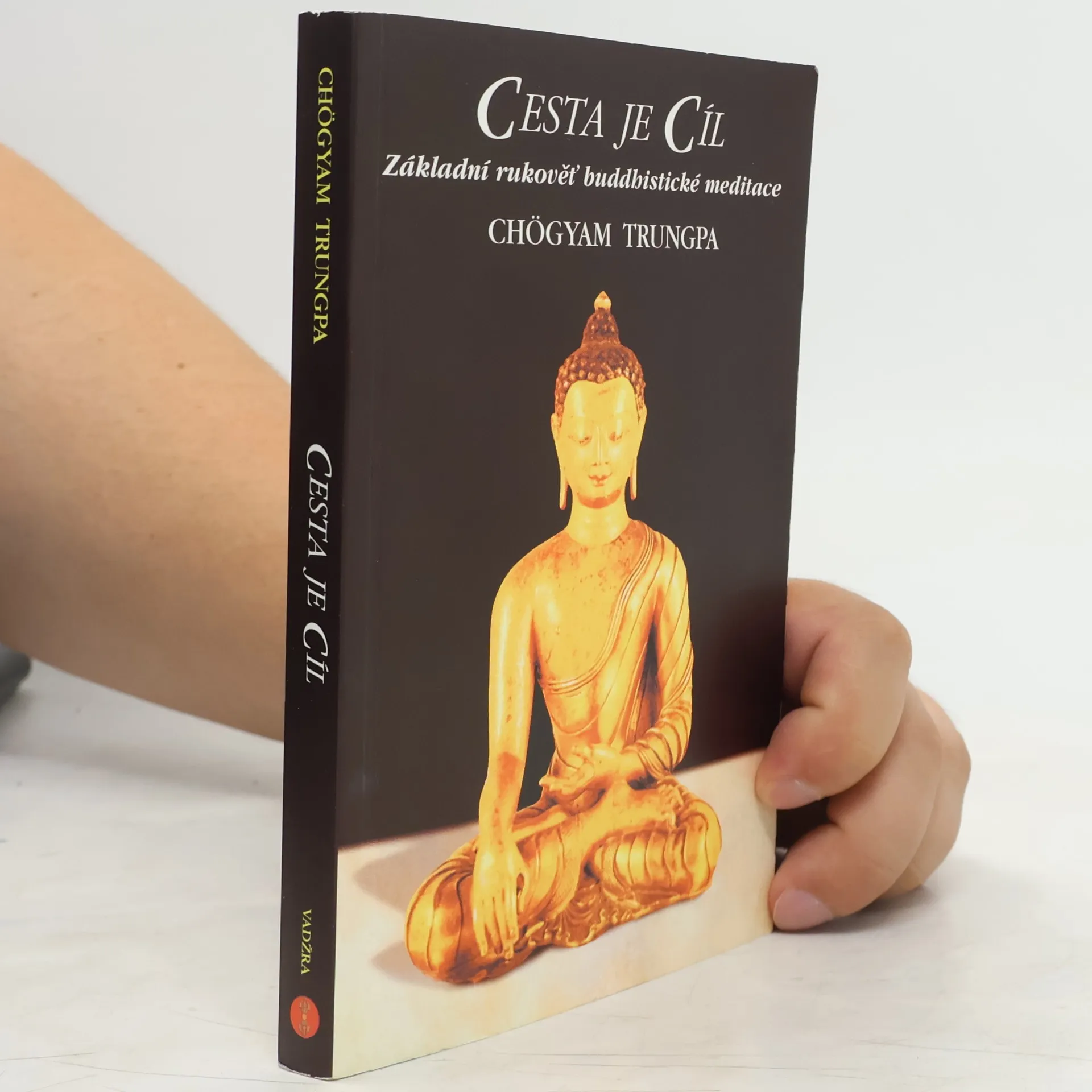
Cesta je Cíl : základní rukověť buddhistické meditace
- 162 Seiten
- 6 Lesestunden
Příručka obsahuje dva semináře tibetského duchovního mistra o buddhistické meditační praxi.
V tomto praktickém průvodci k osvícenému životu nabízí Trungpa Rinpoče inspirující vizi pro naši dobu, která je založena na postavě posvátného bojovníka. V dávných dobách se bojovník učil zvládat výzvy života nejen na bojovém poli, ale i mimo něj. Pocit osobní svobody a síly nezískal násilím nebo agresivností, ale díky jemnosti, odvaze a sebepoznání.
Автор учит читателя разрушать искусственные препятствия, которые мы возводим между нашей духовной практикой и такими извечными составляющими человеческой жизни, как работа, секс и деньги, чтобы увидеть их природную священность, понять то, чему они могут научить нас, и принимать мудрые решения всякий раз, когда мы сталкиваемся с проблемами в нашей повседневной жизни, карьере и личных отношениях.
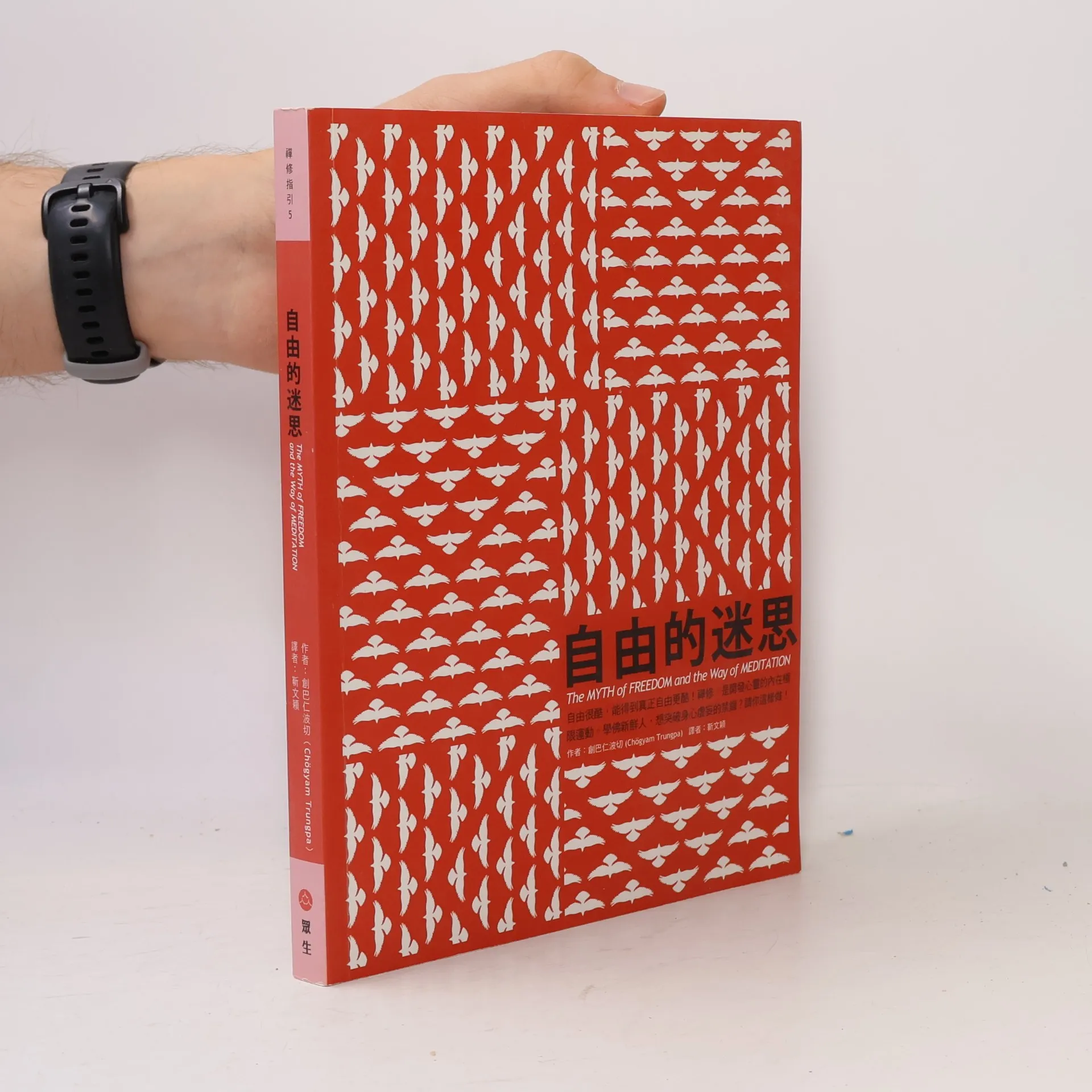
自由的迷思 5
The Myth of Freedom and the Way of Meditation
《自由的迷思》出版,我已讀過不下二十遍,而每次重讀都有新的領悟。它奇妙的力量在於如此直接地指引出一套極不尋常的方法,用以化解我們替自己與外在世界之間所設下的障礙。我變得對自己的痛苦以及他人的痛苦更能夠面對;對歡笑與哭泣也更放得開;更能夠去愛、接受以及看清自己與一切眾生間的息息相關。長久以來,我逐漸地在這起伏多變的人世間活得越來越舒適、自在。創巴仁波切這樣說: 菩薩就像一隻鱷魚,一旦你掉進它嘴裡,它便絕不鬆口。由於上師對弟子的虔誠非常強烈,使得即便愚鈍、本身問題很多的弟子的虔敬心也開始甦醒。上師以慈悲表示對弟子的虔誠,弟子則以紀律表達對上師的虔敬,慈悲與紀律因而開始產生了交集。讓自己感到失望是件好事,那代表「我」與「我之成就」的降服。我們跌得越來越低,直到跌落地面、直到我們像大地一般清醒實在,我們成為低中之最低、小中之最小,猶如一顆沙粒,極為簡單,毫無期盼。在我們落地之後,任何我們聽到的開示、讀過的書籍,都變得可以應用,那成為對我們的肯定與鼓勵,我們正該像一粒沙般地努力。處理感情的高明手法是試著瞭解它的本質。情緒的基本特性——它的本質是能量,因此,如果一個人能夠瞭解能量,那麼能量就不會與你有衝突,它們會變成自然的過程。所以,一旦能夠完全認清情緒的基本特性———它的原本面目就是「空」,那麼你就不會發生壓抑情緒或任其氾濫的問題了。試圖肯定「我的實在」是件大苦事。這好似走在看來無限延伸的地板上,卻動不動發現自己突然自邊緣滑落;為了保命,只好將地板加長,使它看來無窮無盡。事實上,我們一再加長「地板」以鞏固立足之地,是一個大笑話—宇宙級大笑話!
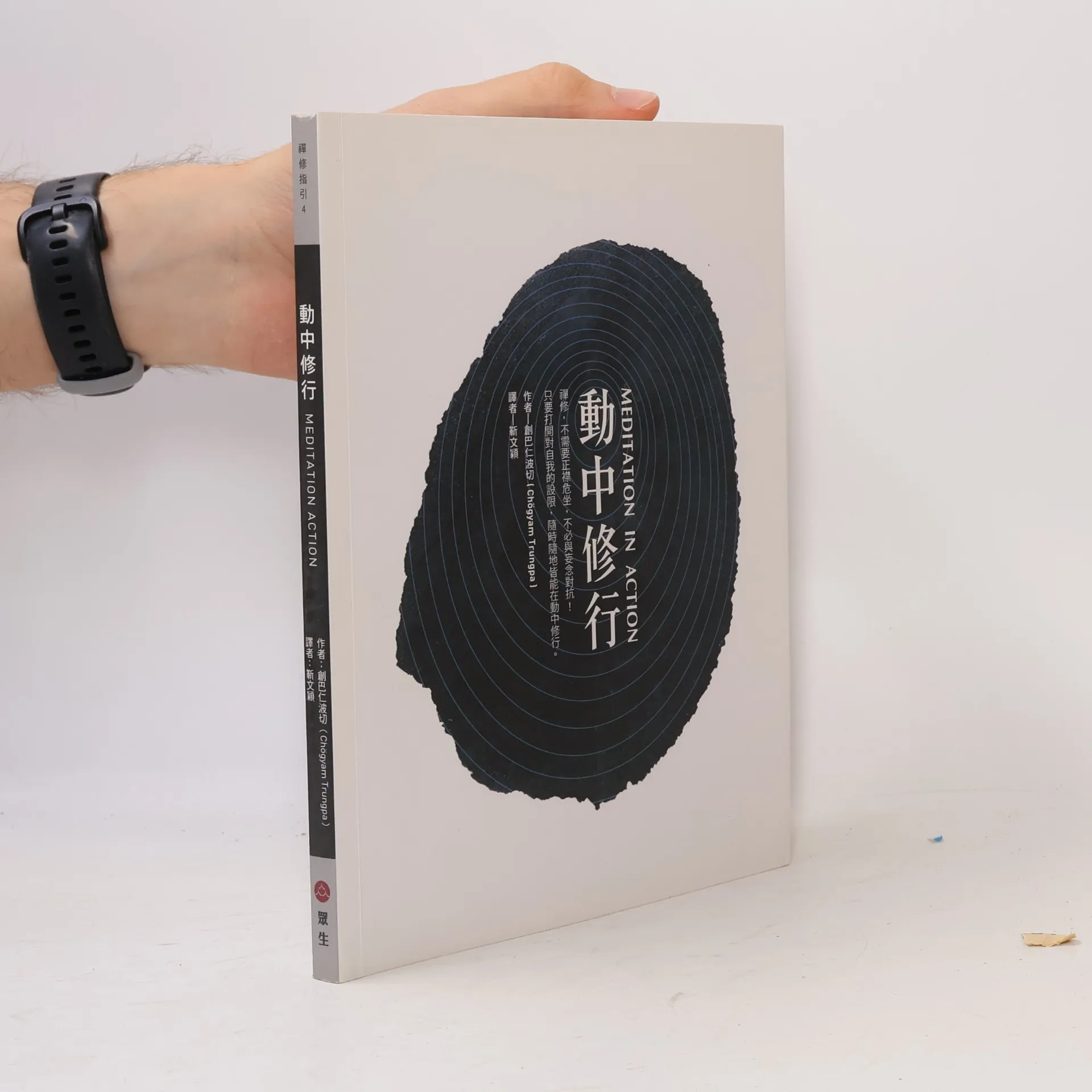
禪修指引 - 4: 動中修行 / Meditation in Action
- 123 Seiten
- 5 Lesestunden
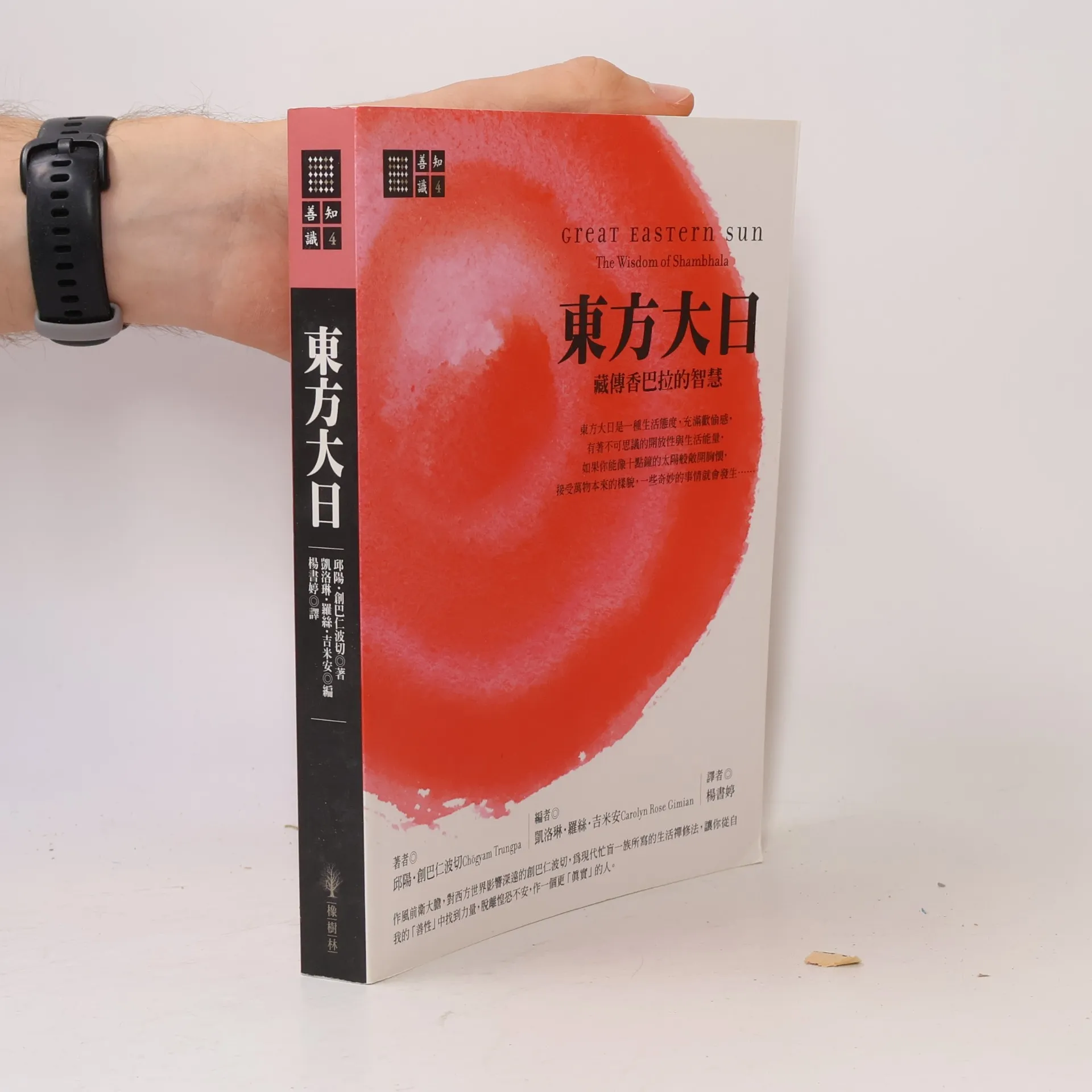
東方大日 4
藏傳香巴拉的智慧 / The Wisdom of Shambhala
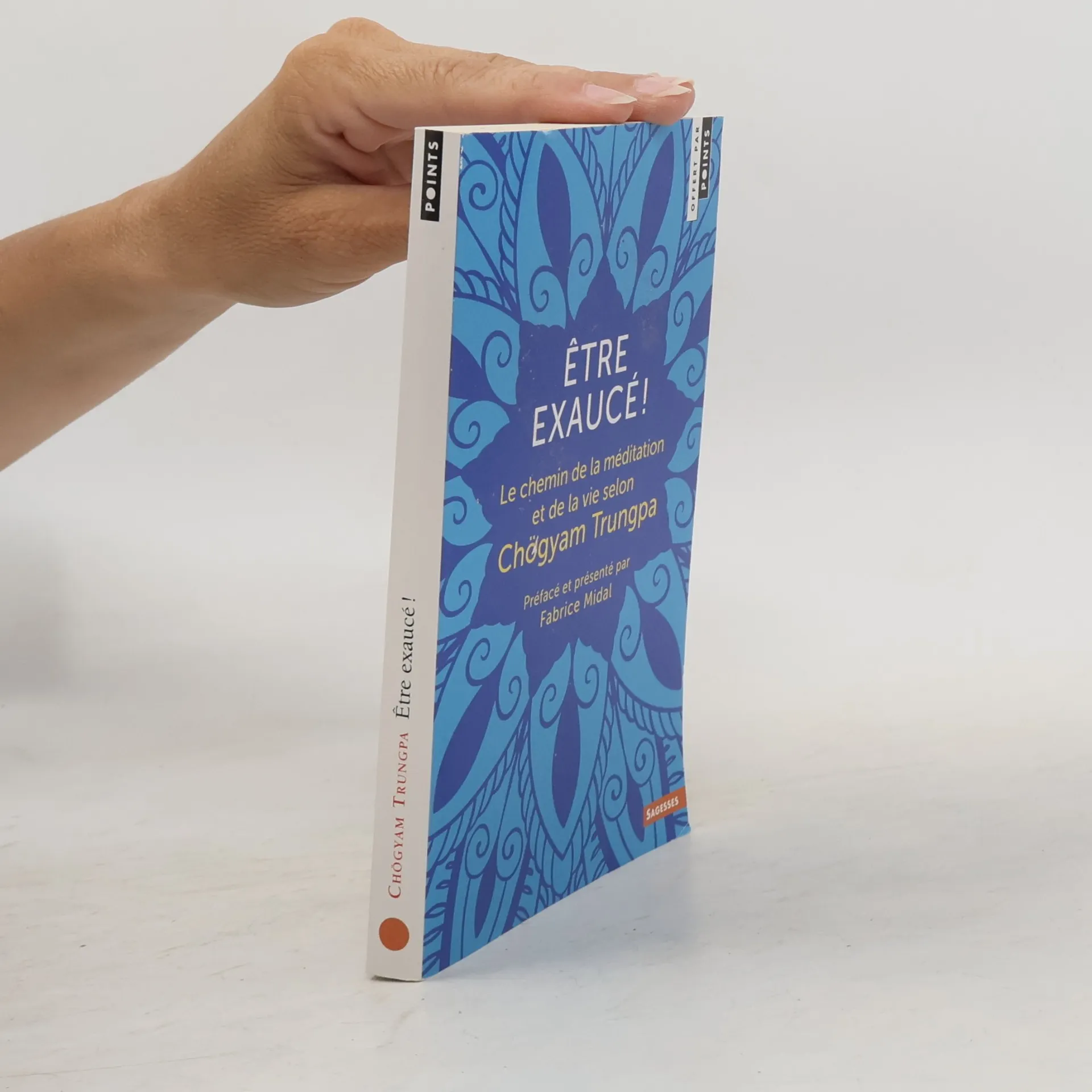
Être exaucé!
Le chemin de la méditation et de la vie selon Chögyam Trungpa
Chogyam Trungpa s'adresse à tous ceux qui cherchent une voie spirituelle au-delà du simple bien-être. Sa pensée propose des chemins nouveaux et déculpabilisants. Fabrice Midal, qui transmet depuis vingt ans en France l'enseignement de ce grand maître bouddhiste, apporte ici un éclairage intemporel à ces principes de sagesse sous forme d'une anthologie thématique: être soi, la méditation comme chemin, les émotions, le cœur, les énergies, la beauté du monde, etc. Accessible à un large public, la lecture de Chogyam Trungpa éclaire notre rapport au monde et aux autres dans son imperfection et dans sa beauté.