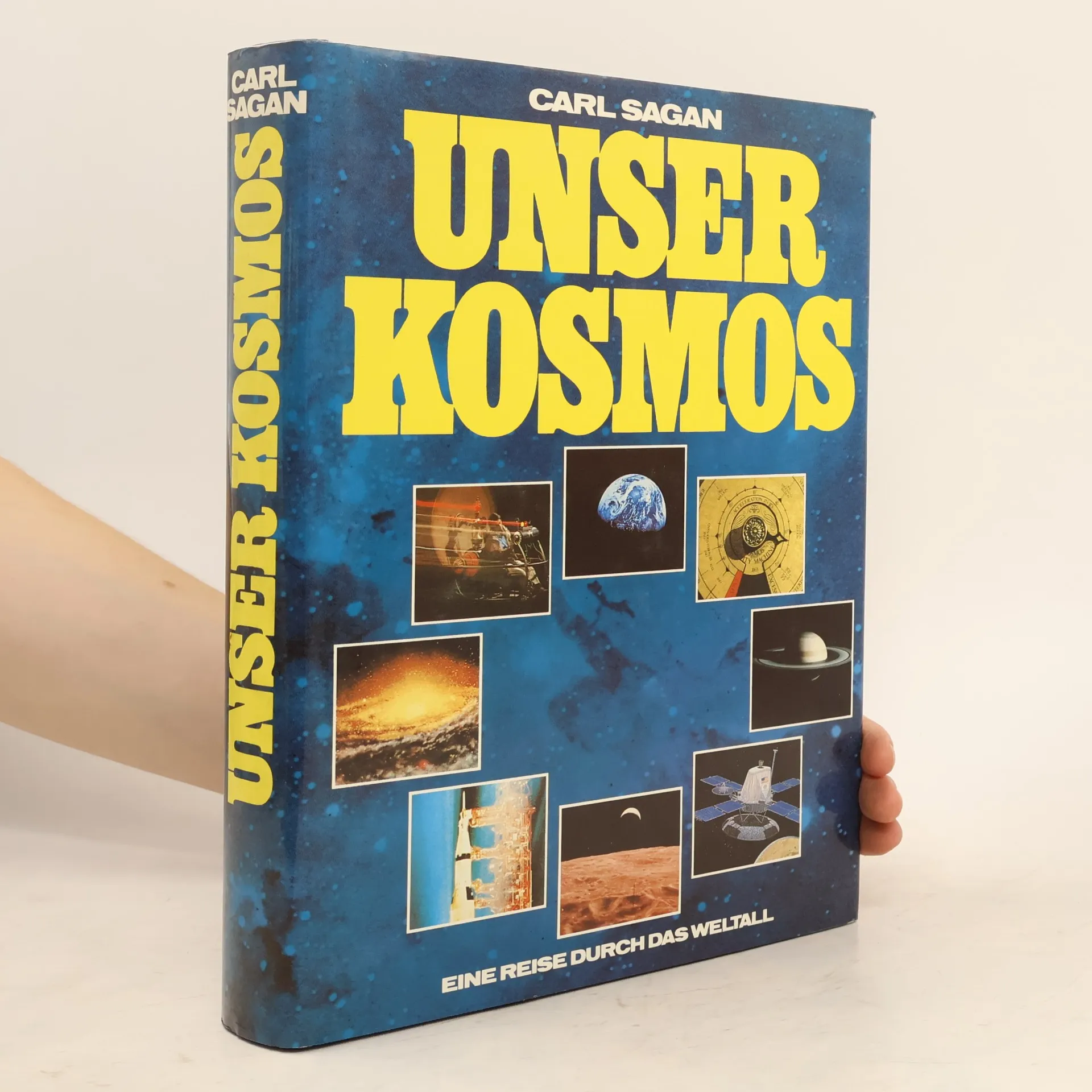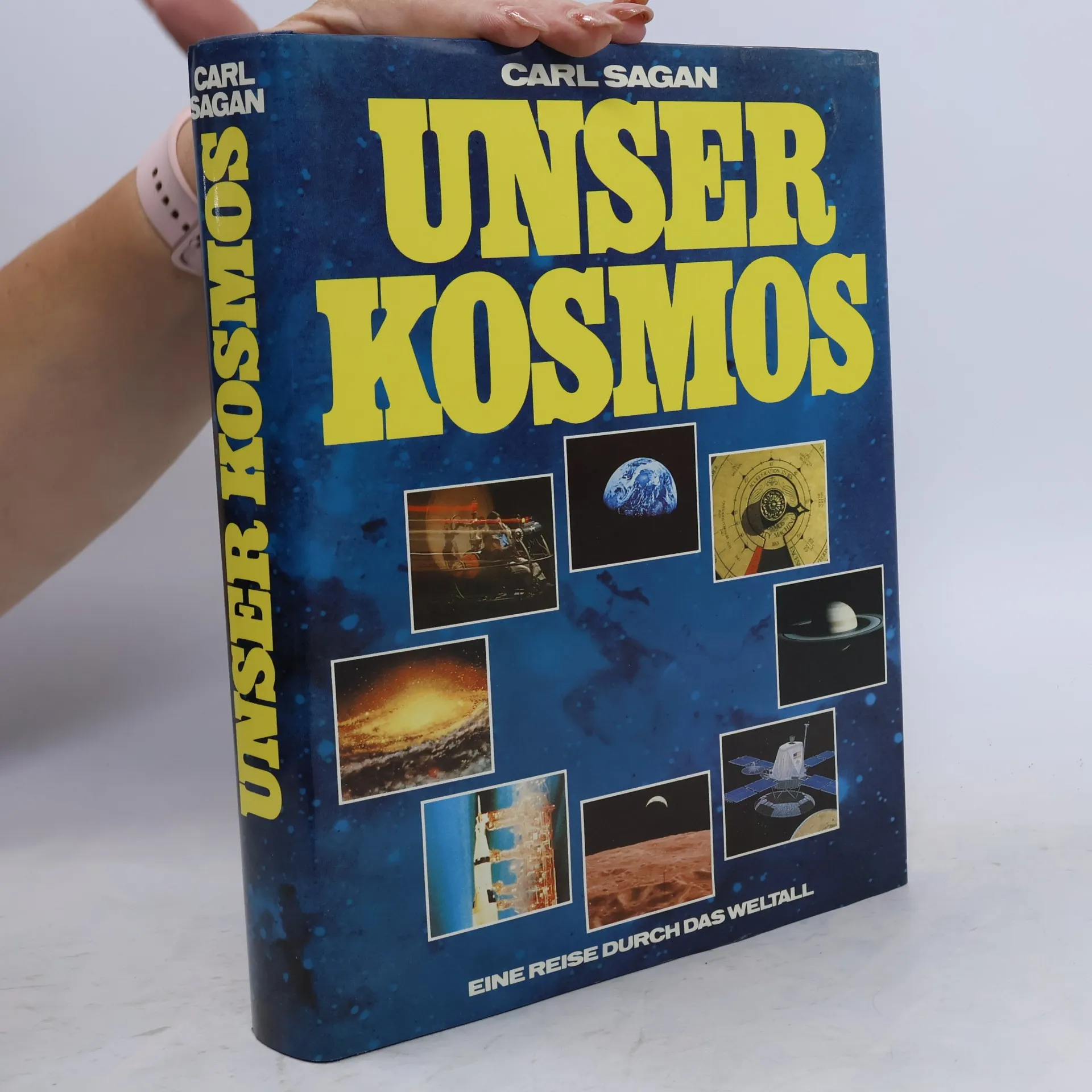





Carl Sagan war ein visionärer Wissenschaftspopularisierer, der komplexe kosmische Konzepte einem globalen Publikum zugänglich machte. Sein meisterhaftes Werk inspirierte Millionen auf der ganzen Welt, indem es wissenschaftliche Neugier mit einem tiefen Verständnis unseres Platzes im Universum verband. Durch seine umfangreichen Dokumentationen und Bücher weckte Sagan eine Leidenschaft für die Erkundung und führte die Leser auf eine faszinierende Reise jenseits unseres Planeten. Sein Vermächtnis lebt in seinem unermüdlichen Streben nach Wahrheit und seinem unverwandten Blick auf die Realität fort, selbst angesichts der tiefgreifendsten Herausforderungen des Lebens.
An zahlreichen Beispielen zeigt Sagan den Mangel an kritischem Denken auf.Er weisst ihn zum Grossteil nach an unzureichender naturwissenschaftlicher Aus- u. Allgemeinbildung, deren wichtigste Grundprinzipien Überprüfbarkeit und eine kritische Haltung gegenüber dogmatischen Sätzen beliebiger Autoritäten sind.
In ihrer Evolutionsgeschichte wenden sich die Autoren Sagan und Druyan gegen die landläufige These, der Mensch sei die Krone der Schöpfung. Sie sehen zwischen Mensch und Tier nur einen graduellen Unterschied und versuchen in ihrer Studie, die "tierischen" Wurzeln menschlichen Verhaltens zu ergründen. Als Beispiele dienen ihnen: männliches Dominanzstreben, Territorialverteidigung, Mißtrauen und Feindseligkeit gegenüber Außenseitern oder auch rücksichtslose Naturzerstörung.
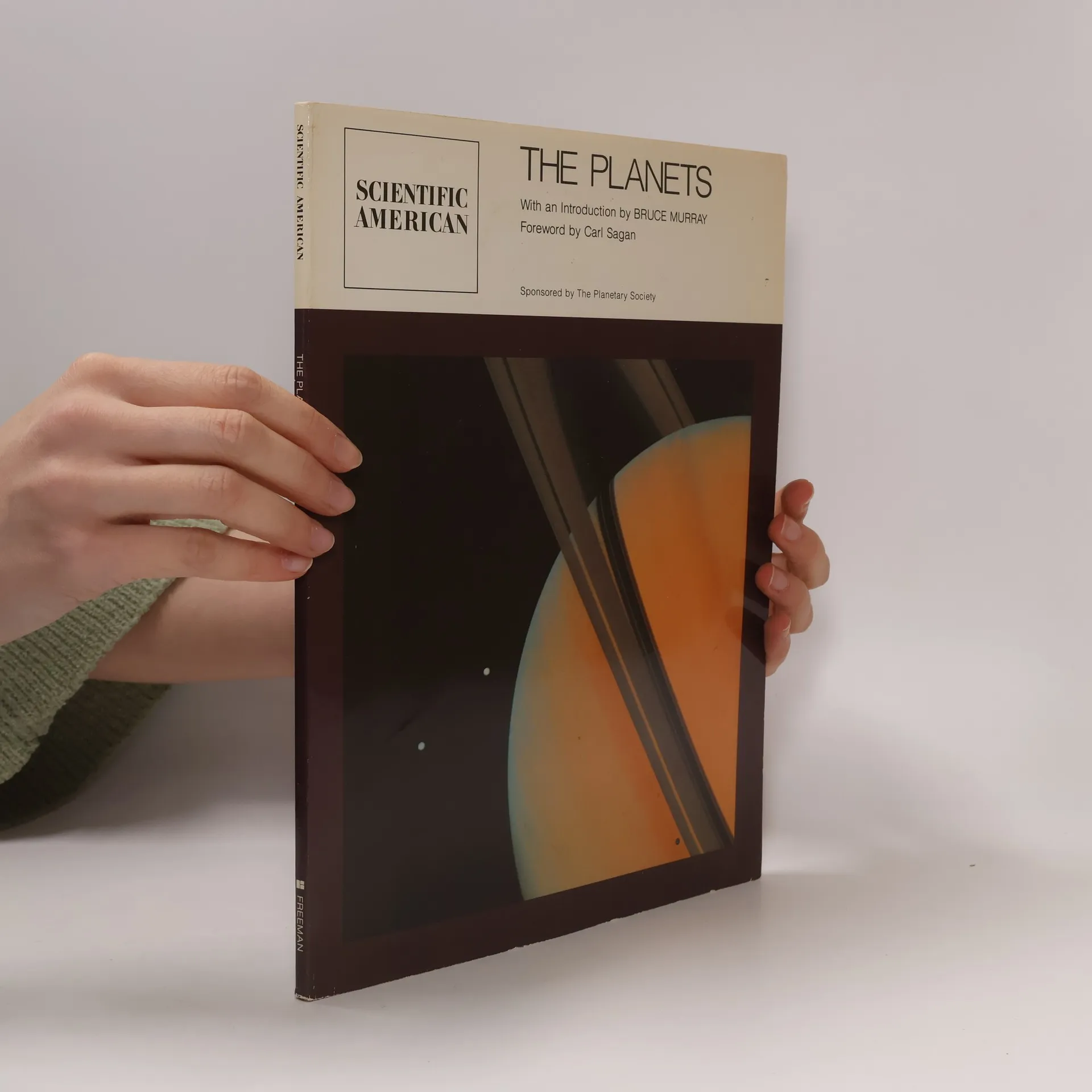
Carl Sagan, Professor für Astronomie und Weltraumwissenschaften, unternimmt eine Reise durchs All und befaßt sich mit den neuesten Entdeckungen der modernen Weltraumforschung. Er führt den Leser durch das gesamte Sonnensystem und beschreibt ausführlich jeden Planeten. Höhepunkte bilden dabei seine Schilderungen der Voyager-Missionen und des Kometeneinschlags von Shoemaker-Levi-9 auf dem Jupiter. Am Schluß wirft Carl Sagan den Blick in eine ferne Zukunft, in der die Menschheit in den Kosmos aufbricht, um fremde Sonnensysteme zu erkunden und bisher unbekannte Planeten zu besiedeln.
„Am Ende natürlich wird mich der Tod doch holen - wie jeden von uns. Die Frage ist nur, wann. Und wie.“ Kurz bevor der Astronom Carl Sagan starb, wandte er sich noch einmal den Geheimnissen des Lebens und dem Mysterium des Todes zu. Religion und Astronomie, Mathematik und Mythologie - Carl Sagan schreibt mitreißend über alle Bereiche, in denen sich Herz und Verstand gegenüberstehen. Seine brillanten Ideen über den Sinn des Daseins, der im Alltäglichen verborgen liegt, trägt er zugleich leidenschaftlich und kühl, anspruchsvoll und anschaulich vor. Gemeinsam mit dem originellen Denker staunt der Leser über die Einzigartigkeit unserer Existenz.
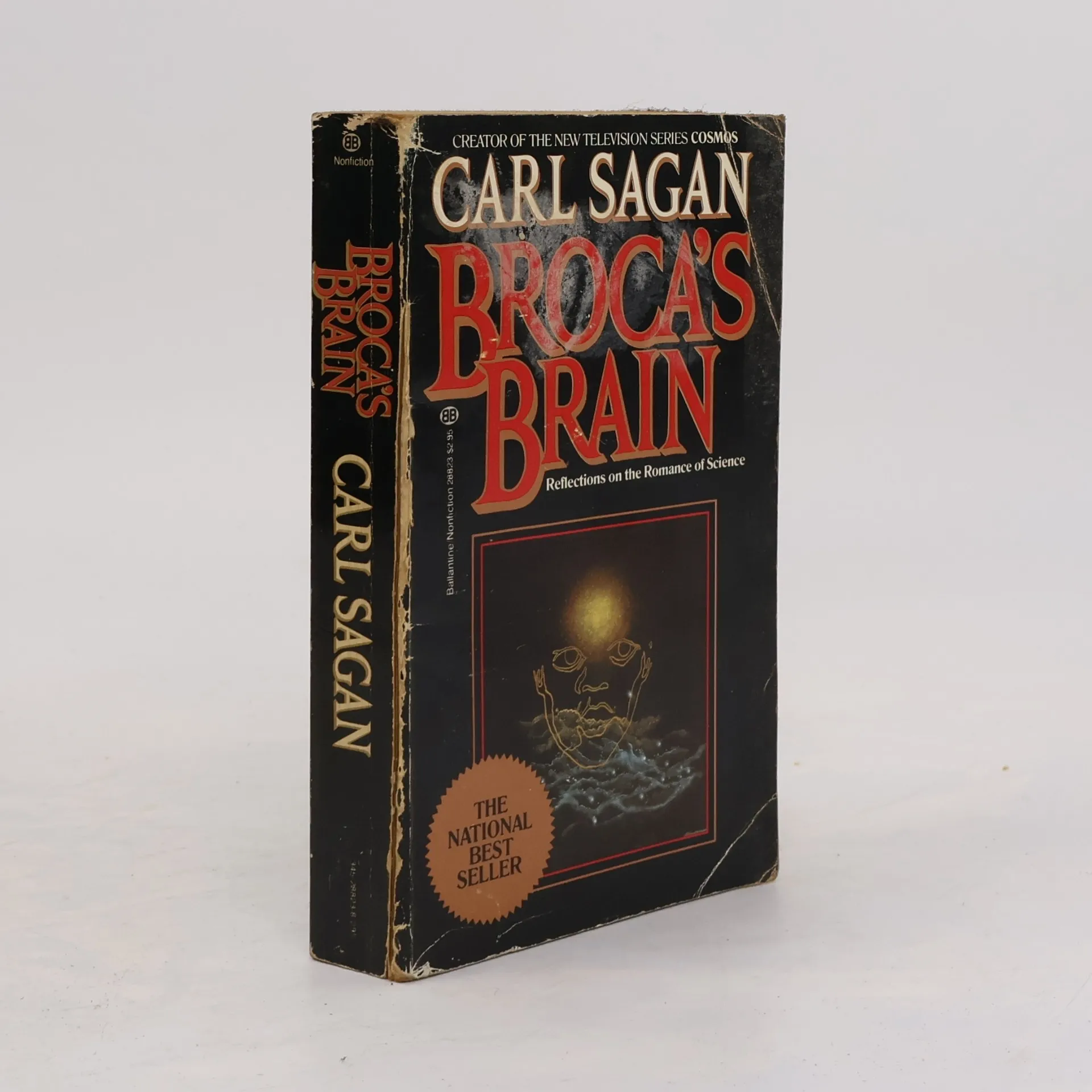
Dr. Carl Sagan nimmt uns mit auf ein großes Leseabenteuer und bietet seine lebhaften und überraschenden Einsichten in die Gehirne von Menschen und Tieren, den Ursprung der menschlichen Intelligenz, die Funktion unserer eindringlichsten Legenden und deren erstaunliche Verbindungen zu aktuellen Entdeckungen.
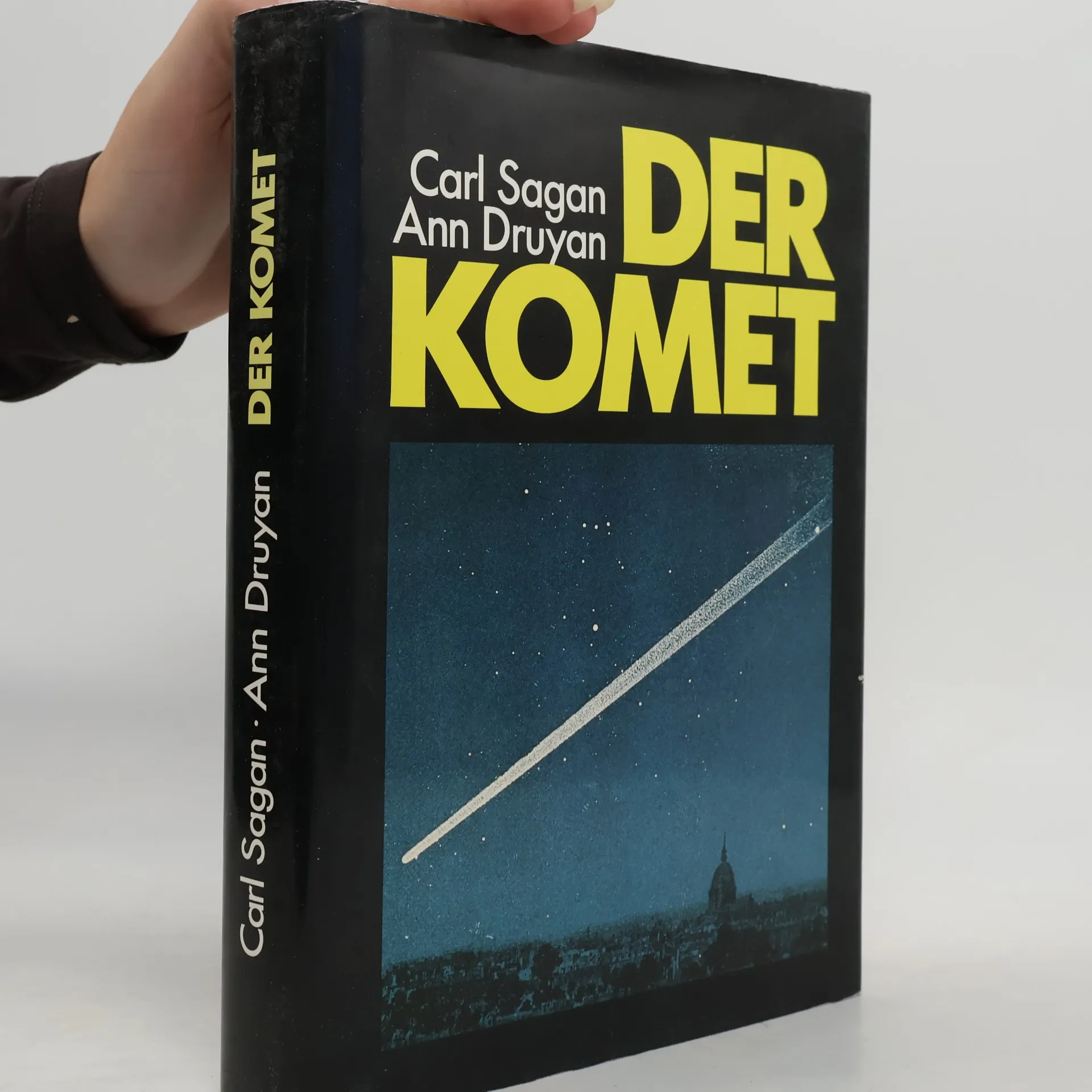
WAS SIND DIESE ANMUTIGEN BESUCHER UNSERES HIMMELS? SIE BRINGEN LEBEN UND TOD UND LEHREN UNS ÜBER UNSERE URSPRÜNGE. Der Komet beginnt mit einer atemberaubenden Reise durch den Weltraum auf einem Kometen. Der Pulitzer-Preisträger Carl Sagan und die Autorin Ann Druyan erkunden den Ursprung, die Natur und die Zukunft von Kometen sowie die exotischen Mythen und Vorzeichen, die mit ihnen verbunden sind. Die Autoren zeigen, wie Kometen einige der großen Entdeckungen in der Geschichte der Wissenschaft angestoßen haben und stellen faszinierende Fragen über diese strahlenden Besucher aus der interstellaren Dunkelheit. Waren die Schicksale der Dinosaurier und die Ursprünge der Menschen mit den Wanderungen eines Kometen verbunden? Sind Kometen die Bausteine, aus denen Welten entstehen? Der Komet ist ein fesselndes Abenteuer, das für jeden unverzichtbar ist, der jemals zum Himmel geschaut und sich gefragt hat, warum.
Carl Sagan's prophetic vision of the tragic resurgence of fundamentalism and
the hope-filled potential of the next great development in human spirituality.
The late great astronomer and astrophysicist describes his personal search to
understand the nature of the sacred in the vastness of the cosmos. Exhibiting
a breadth of intellect nothing short of astounding, Sagan presents his views
on a wide range of topics, including the likelihood of intelligent life on
other planets, creationism and so-called intelligent design, and a new concept
of science as informed worship. Originally presented at the centennial
celebration of the famous Gifford Lectures in Scotland in 1985 but never
published, this book offers a unique encounter with one of the most remarkable
minds of the twentieth century.
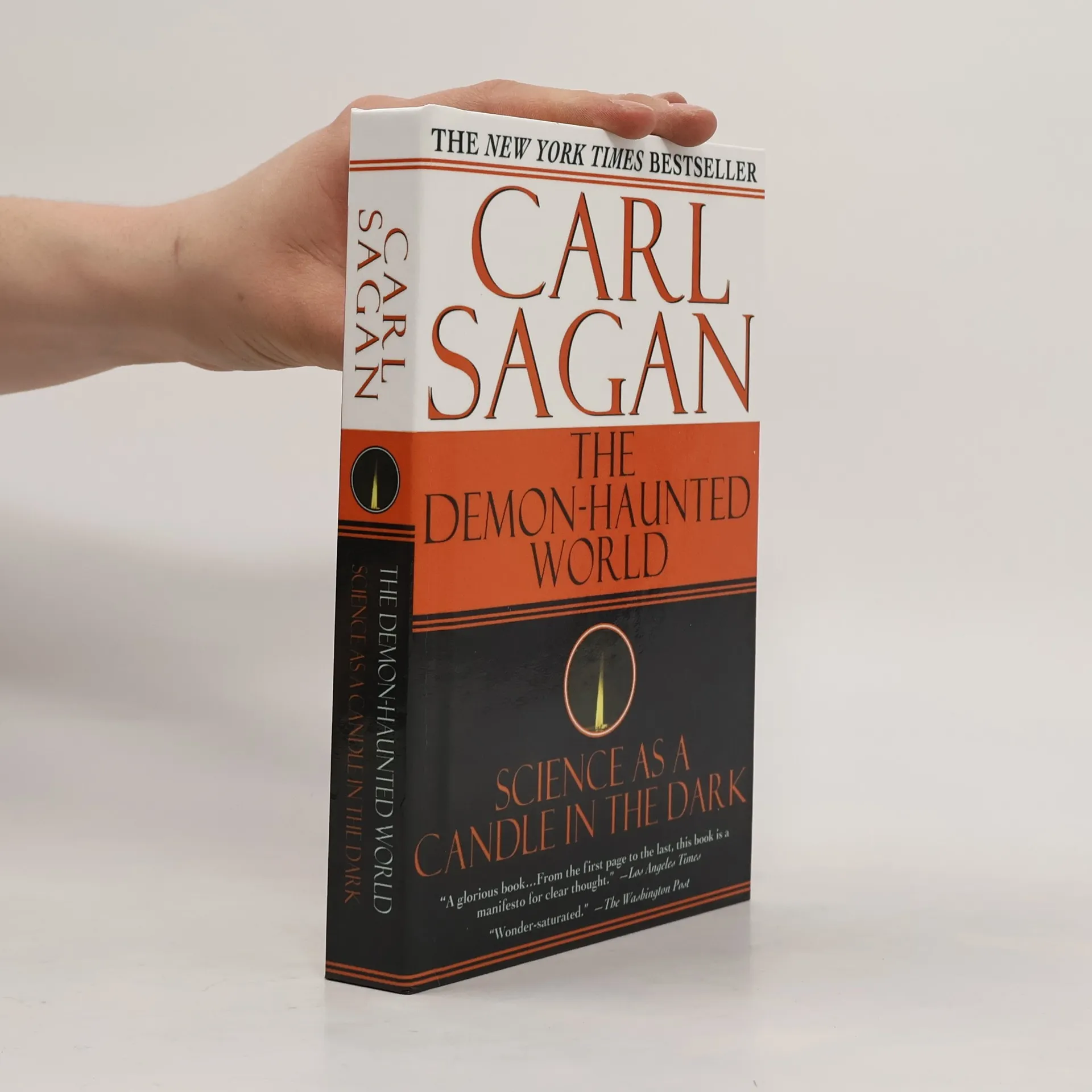
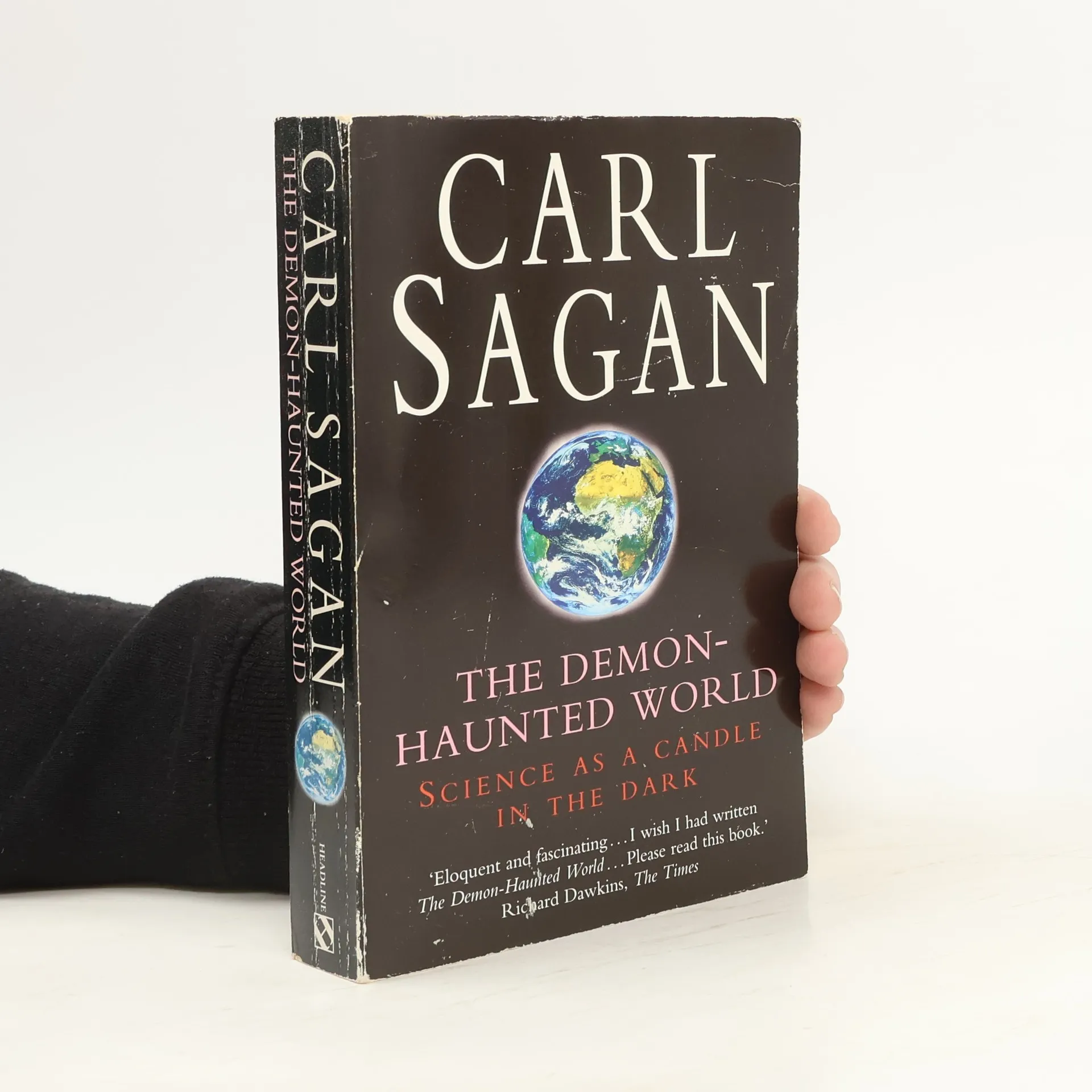
How can we make intelligent decisions about our increasingly technology-driven lives if we don’t understand the difference between the myths of pseudoscience and the testable hypotheses of science? Pulitzer Prize-winning author and distinguished astronomer Carl Sagan argues that scientific thinking is critical not only to the pursuit of truth but to the very well-being of our democratic institutions. Casting a wide net through history and culture, Sagan examines and authoritatively debunks such celebrated fallacies of the past as witchcraft, faith healing, demons, and UFOs. And yet, disturbingly, in today’s so-called information age, pseudoscience is burgeoning with stories of alien abduction, channeling past lives, and communal hallucinations commanding growing attention and respect. As Sagan demonstrates with lucid eloquence, the siren song of unreason is not just a cultural wrong turn but a dangerous plunge into darkness that threatens our most basic freedoms.
Carl Sagan demonstrates how scientific thinking is necessary to safeguard our democratic institutions and our technical civilization. The book debunks the ideas of alien abduction, mediums and faith healers, and refutes the arguement that science destroys spirituality
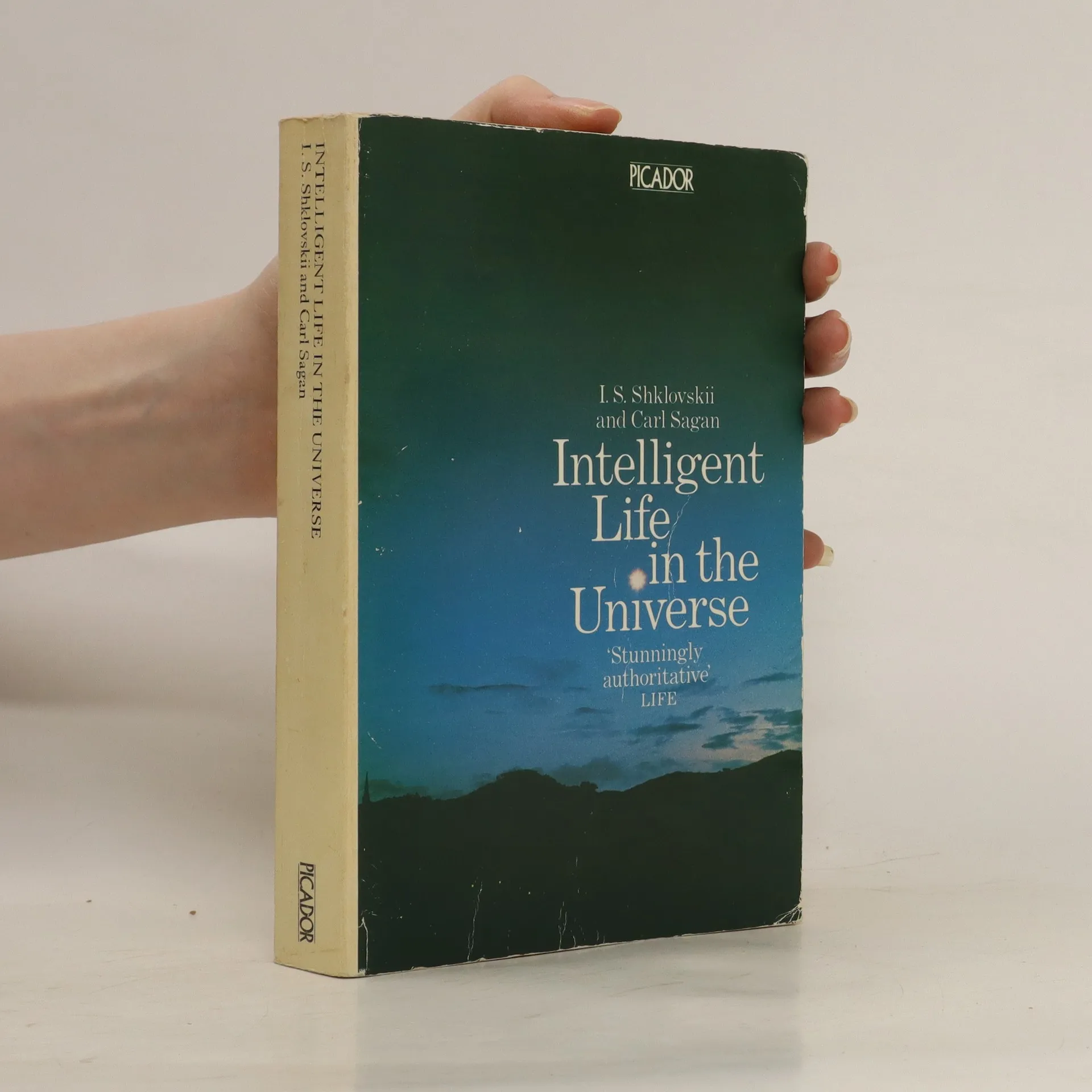
'Careful scientific argument laced with a dash of speculation. It is a heady mixture . . . Sagan and Shklovskii have explored, with great verve and absorbing detail, what could lie outside us'. JOHN DAVY/THE OBSERVER This book, the product of a unique collaboration between a world-famous Russian astronomer and a leading American space scientist, is the first popular and modern discussion of the entire panorama of natural evolution. It covers the origins of the universe, the evolution of stars and planets, the beginnings of life on earth, and the development of intelligence and technical civilisations among galactic communities. While acknowledgedly speculative in many place — in, for example, the detailed discussions of interstellar contact — it is an outstanding summary of the present state of scientific knowledge and philosophical interest in these arresting areas of contemporary research. 'I am overjoyed . . . The brotherhood of science is a vital aspect of contemporary life and may offer one road to safety amid the dangers that press upon us. There mere existence of this book by two such authors under today's conditions is a triumph for those of us who cling to this hope'. ISAAC ASIMOV 'A unique collaboration' NEWSWEEK
Hainer Kober, geboren 1942, lebt in Soltau. Er hat u. a. Werke von Stephen Hawking, Steven Pinker, Jonathan Littell, Georges Simenon und Oliver Sacks übersetzt.
Stephen Hawking wurde am 8. Januar 1942 in Oxford geboren und ist am 14. März 2018 in Cambridge gestorben. Der Astrophysiker ist der berühmteste Wissenschaftler seiner Zeit. 1962 erfuhr der junge Student, dass er an einer unheilbaren Motoneuronen-Erkrankung litt und nur noch wenige Monate zu leben habe. Trotz dieser schrecklichen Diagnose setzte er seine Studien fort und ging an die Universität Cambridge, wo ihm freie Hand für seine einflussreichen Arbeiten insbesondere über Schwarze Löcher gegeben wurde. Dreißig Jahre lang, von 1979 bis 2009, war er „Lucasischer Professor für Mathematik“ im Fachbereich für angewandte Mathematik und theoretische Physik, ein Lehrstuhl, den in der zweiten Hälfte des 17. Jahrhunderts Isaac Newton innehatte. Für seine Beiträge zur modernen Kosmologie hat er zahlreiche Auszeichnungen erhalten, darunter 2009 die US Presidential Medal of Freedom und 2013 den Special Fundamental Physics Prize. Hawking war Mitglied der Royal Society und der US National Academy of Sciences.
“The scientific discoveries described in this book may turn out . . . to have been the most important research findings in the long history of science.” ―Lewis Thomas, from the Foreward The Cold and the Dark is the record of the Conference on the Long-Term Worldwide Biological Consequences of Nuclear War, held in Washington, D.C., on October 31 to November 1, 1983. The conference involved over 200 scientists from many nations and drew together the best available scientific information. Its central finding was the phenomenon of nuclear winter: a much more profound and long-lasting devastation of the earth and atmosphere than had been believed possible before. In the two principal papers, Carl Sagan presents the atmospheric and climatic consequences of nuclear war and Paul Ehrlich summarizes its biological implications. Also included is the text of the “Moscow Link” ―a dialogue between Soviet and American scientists on nuclear winter―and the technical papers providing the scientific evidence for the book’s conclusions.
Carl Sagan, writer & scientist, returns from the frontier to tell us about how the world works. In his delightfully down-to-earth style, he explores & explains a mind-boggling future of intelligent robots, extraterrestrial life & its consquences, & other provocative, fascinating quandries of the future we want to see today.
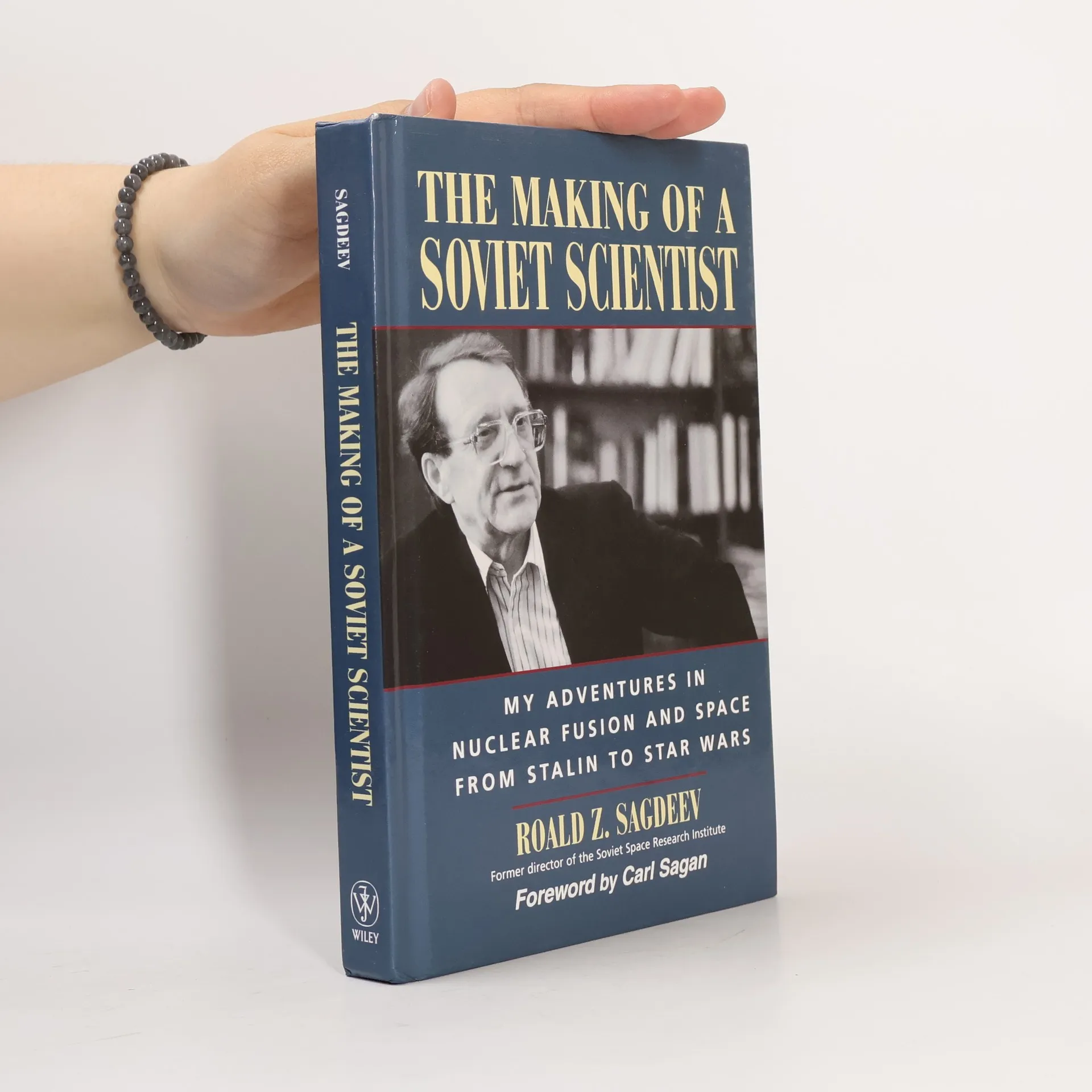
My Adventures in Nuclear Fusion and Space from Stalin to Star Wars
339 Seiten
12 Lesestunden
As head of the Soviet Academy of Sciences' Space Research Institute from 1973-90, Sagdeev struggled to perform honest science amidst the powerful space barons and military-industrial tsars. In this riveting memoir, he chronicles the fights, rumors, and culture of Russia's military and space machine, providing insight into how the scientific community was hostage to politics. Describes the real reason why Sakharov was exiled to Gorky, how Gorbachev was deceived by the scientific and military-industrial complex, the deception during the Apollo-Soyuz joint U.S.-Soviet space flight, and much more.
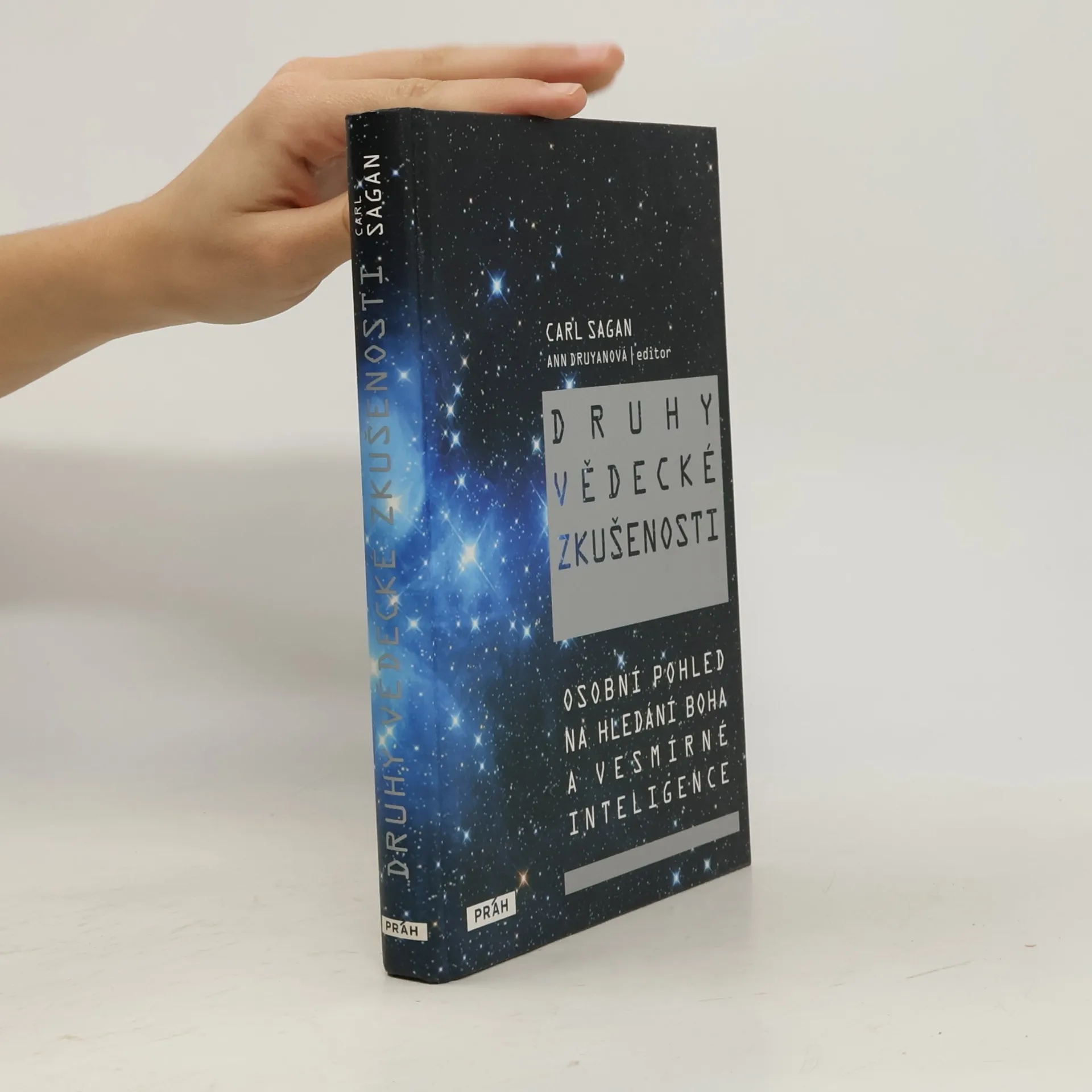
Slavný americký astrofyzik – profesor astronomie a vesmírných věd Carl Sagan (1934–1996), hrál zásadní roli v americkém vesmírném programu. V této sérii přednášek, zaznamenaných z pozůstalosti, se zamýšlí nad existencí mimozemského inteligentního života i nad původem vzniku života obecně. Kniha je doprovázena unikátními fotografiemi vesmíru mimo jiné ze zdrojů NASA.
Jak se máme inteligentně rozhodovat ve světě stále více ovládaném technologiemi, když nechápeme rozdíl mezi pseudovědeckými mýty a ověřitelnými vědeckými hypotézami? Carl Sagan, laureát Pulitzerovy ceny a významný astronom, zastává názor, že vědecké myšlení je kritické nejen pro hledání pravdy, ale i pro dobro našich demokratických institucí.Sagan komentuje naši historii a kulturu, zkoumá a s podloženými fakty vyvrací klamy z dob minulých jako je čarodějnictví, léčení vírou, démoni i UFO. Přes to všechno se v dnešním takzvaném věku informací až znepokojivě daří pseudovědám s příběhy o mimozemských únosech, vyvolávání zemřelých a společných halucinacích, které si vyžadují pozornost a respekt. Jak Sagan jasně a výmluvně dokazuje, zpěv Sirén nerozumu není jen nesprávnou odbočkou naší společnosti, ale nebezpečný pád do temnoty, která může ohrozit naše základní svobody.
How can we make intelligent decisions about our increasingly technology-driven lives if we don’t understand the difference between the myths of pseudoscience and the testable hypotheses of science? Pulitzer Prize-winning author and distinguished astronomer Carl Sagan argues that scientific thinking is critical not only to the pursuit of truth but to the very well-being of our democratic institutions. Casting a wide net through history and culture, Sagan examines and authoritatively debunks such celebrated fallacies of the past as witchcraft, faith healing, demons, and UFOs. And yet, disturbingly, in today’s so-called information age, pseudoscience is burgeoning with stories of alien abduction, channeling past lives, and communal hallucinations commanding growing attention and respect. As Sagan demonstrates with lucid eloquence, the siren song of unreason is not just a cultural wrong turn but a dangerous plunge into darkness that threatens our most basic freedoms.
Vo svojej vizionárskej knihe Draci z raja jedinečným spôsobom prepája antropológiu, evolučnú biológiu a psychológiu. V roku 1978 za ňu získal Pulitzerovu cenu. Legendárny astronóm a polyhistor v knihe kombinuje poznatky o tom, ako sa vyvíjali ľudské gény a mozog od praveku až po súčasnosť a ako funguje naše myslenie a vnímanie v porovnaní so zvieratami. Text, ktorý od svojho vzniku nestratil nič na aktuálnosti, odhaľuje, ako náš mozog funguje v porovnaní s počítačmi, prečo spíme a snívame alebo ako sa nám ukladajú spomienky. Venuje sa nadčasovým témam ako AI, definícii života a smrti, nášmu vzťahu k prírode, civilizáciám na iných planétach, a vedecké zistenia z rôznych disciplín prepája s mýtmi a legendami, ktoré tvoria súčasť našich dejín a kultúry.