Anthony SwoffordReihenfolge der Bücher (Chronologisch)
12. August 1970
Anthony Swofford ist ein ehemaliger US-Marine, dessen literarisches Werk stark von seinen militärischen Erfahrungen geprägt ist. In seinen Schriften erforscht er die harten Realitäten des Krieges und die psychologischen Auswirkungen bewaffneter Konflikte. Sein Stil zeichnet sich durch rohe Ehrlichkeit und scharfe Einblicke in die menschliche Natur unter extremem Druck aus.
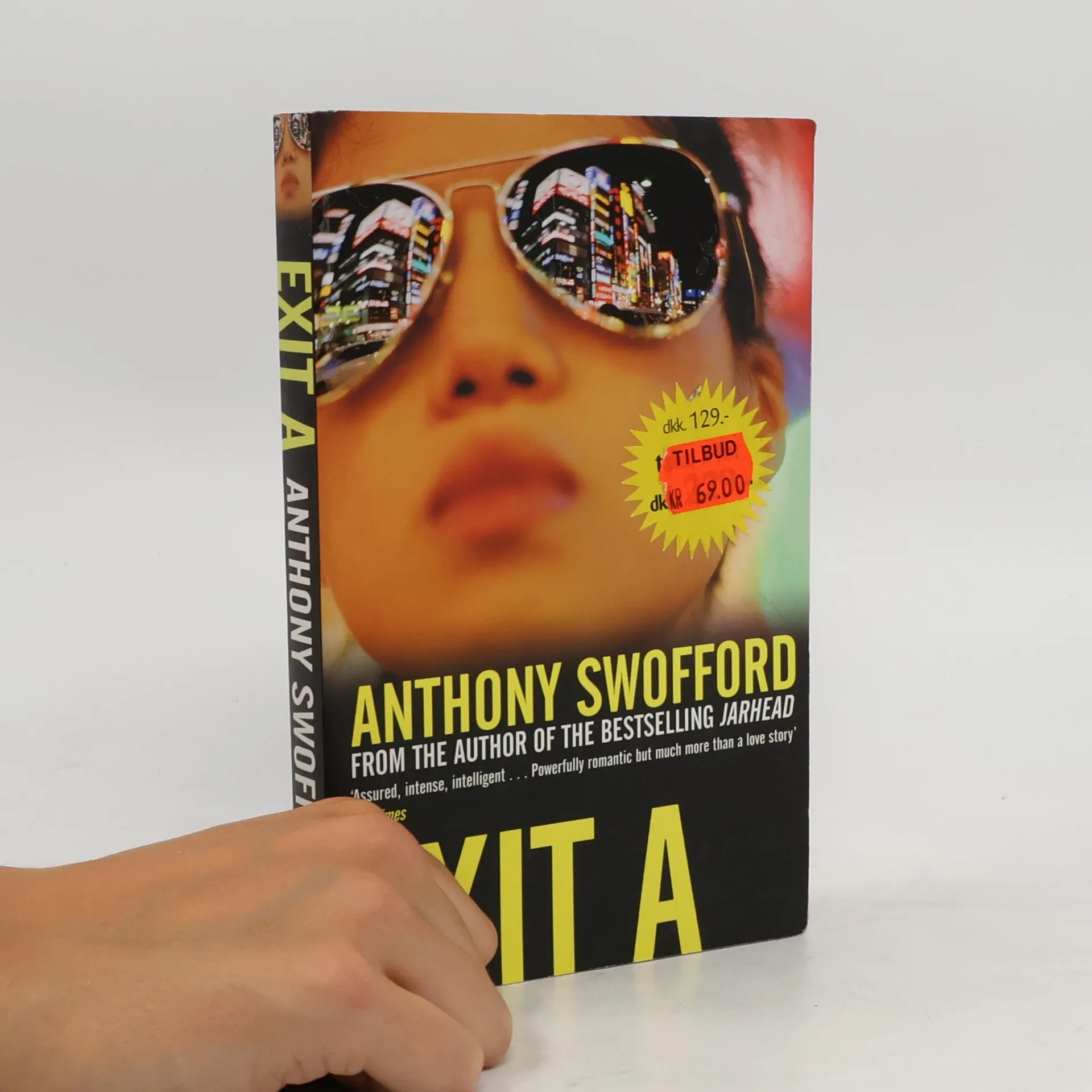
Severin is the son of an Air Force pilot who lives on a military base in Japan. He loves Virginia, the daughter of the general who runs the base. Severin is soon caught up in Virginia's world, and the young couple fall into trouble way over their heads.
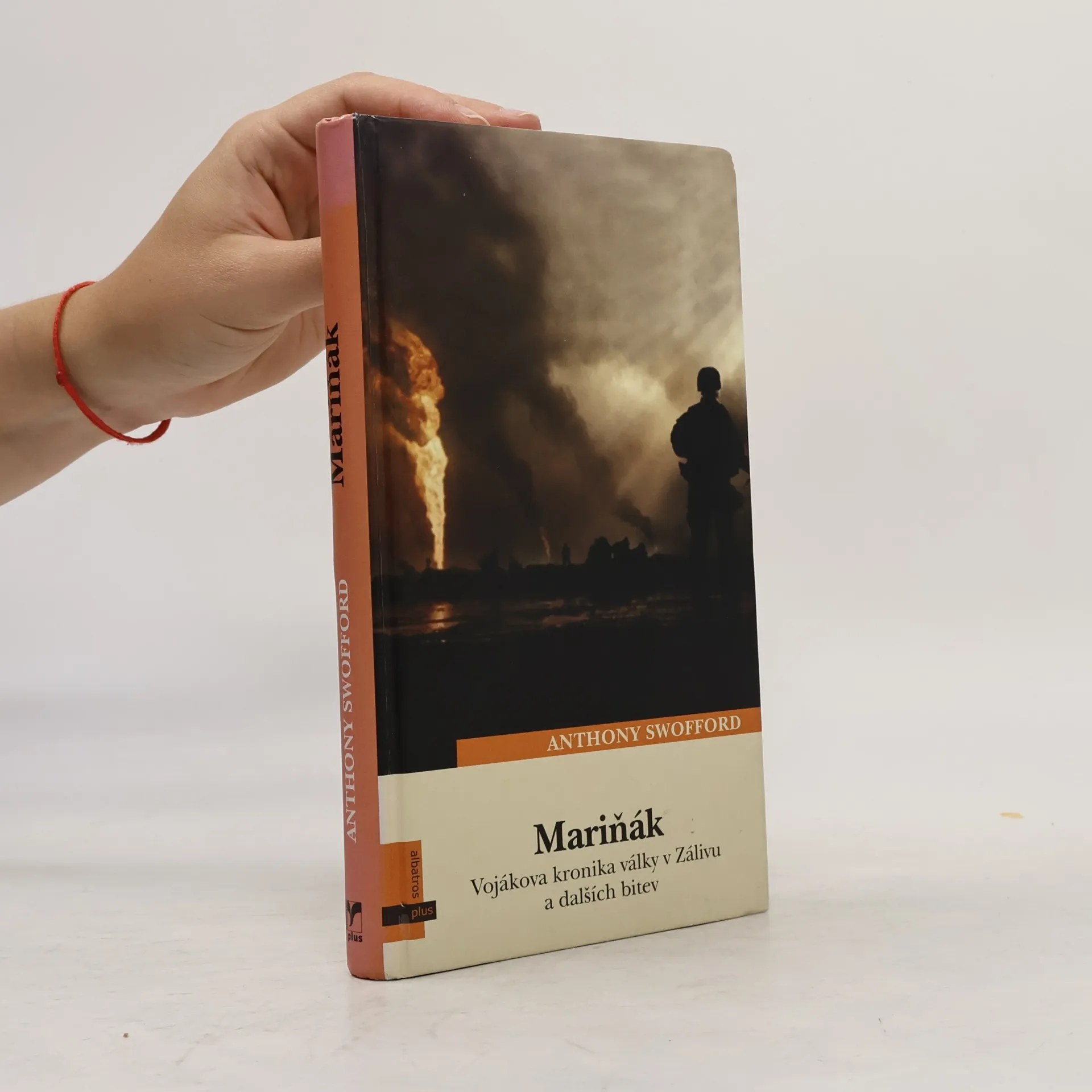
Podtitul: Vojákova kronika války v zálivu a dalších bitev
Vzpomínky svobodníka americké námořní pěchoty na službu ve válce v Perském zálivu v letech 1990-1991.
Jen několik týdnů po irácké invazi do Kuvajtu a pár dní po svých dvacátých narozeninách přistává rodák z Kalifornie a další příslušníci čety průzkumníků a odstřelovačů v rozpálené poušti Středního východu. Teprve skutečný a drsný dotek války, nepopsatelný strach a úzkost, děsivá blízkost smrti jej zbavuje iluzí a ideálů o válečném hrdinství a slávě, o smyslu této i každé příští války. O svých zážitcích vypráví naprosto bez příkras, slovy často velmi peprnými.
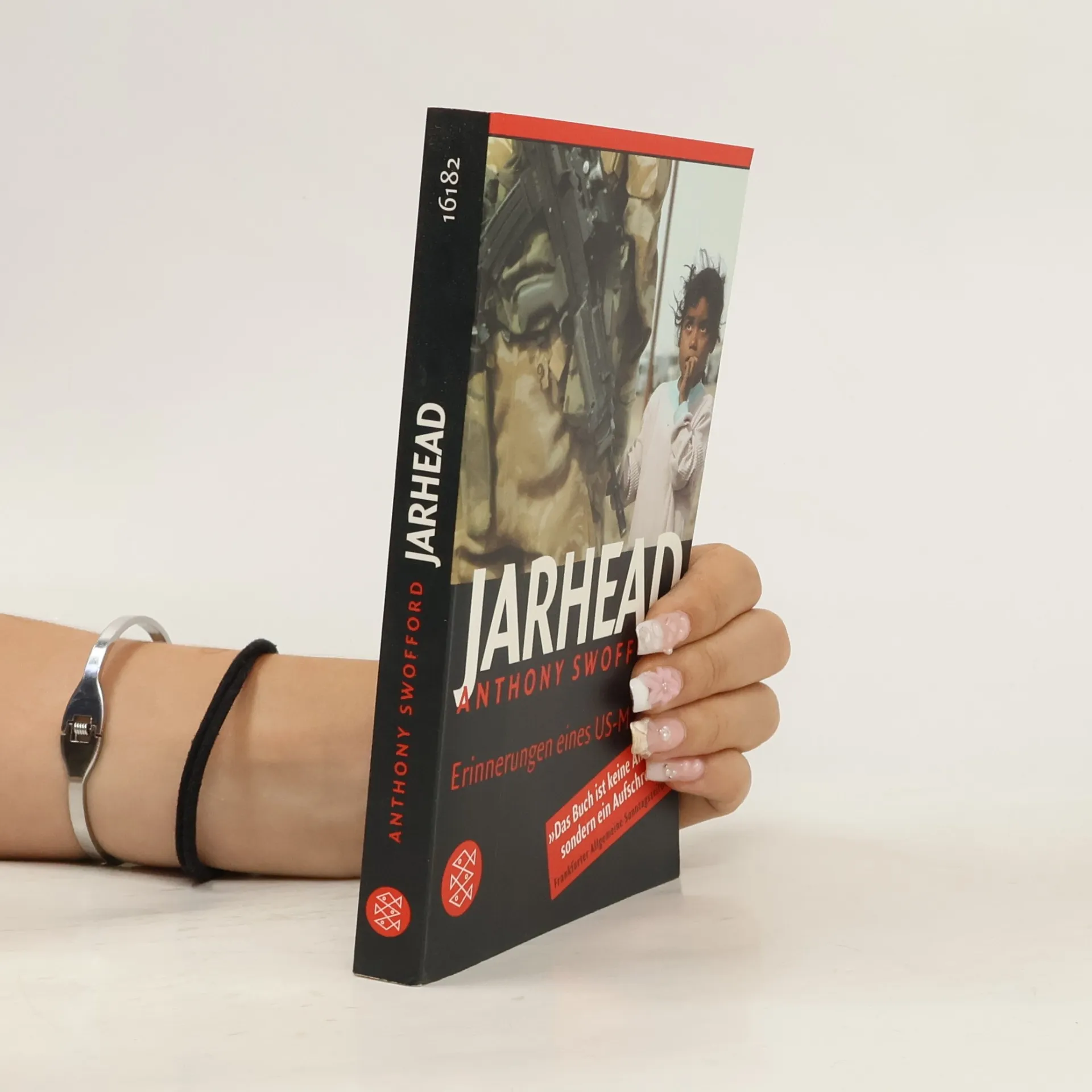
Anthony Swofford's <i>Jarhead</i> is the first Gulf War memoir by a frontline infantry marine, and it is a searing, unforgettable narrative. <p> When the marines -- or "jarheads," as they call themselves -- were sent in 1990 to Saudi Arabia to fight the Iraqis, Swofford was there, with a hundred-pound pack on his shoulders and a sniper's rifle in his hands. It was one misery upon another. He lived in sand for six months, his girlfriend back home betrayed him for a scrawny hotel clerk, he was punished by boredom and fear, he considered suicide, he pulled a gun on one of his fellow marines, and he was shot at by both Iraqis and Americans. At the end of the war, Swofford hiked for miles through a landscape of incinerated Iraqi soldiers and later was nearly killed in a booby-trapped Iraqi bunker. </p><p> Swofford weaves this experience of war with vivid accounts of boot camp (which included physical abuse by his drill instructor), reflections on the mythos of the marines, and remembrances of battles with lovers and family. As engagement with the Iraqis draws closer, he is forced to consider what it is to be an American, a soldier, a son of a soldier, and a man. </p><p> Unlike the real-time print and television coverage of the Gulf War, which was highly scripted by the Pentagon, Swofford's account subverts the conventional wisdom that U.S. military interventions are now merely surgical insertions of superior forces that result in few American casualties. <i>Jarhead</i> insists we remember the Americans who are in fact wounded or killed, the fields of smoking enemy corpses left behind, and the continuing difficulty that American soldiers have reentering civilian life. </p><p> A harrowing yet inspiring portrait of a tormented consciousness struggling for inner peace, <i>Jarhead</i> will elbow for room on that short shelf of American war classics that includes Philip Caputo's <i>A Rumor of War</i> and Tim O'Brien's <i>The Things They Carried,</i> and be admired not only for the raw beauty of its prose but also for the depth of its pained heart.</p>
Anthony Swofford erzählt in "Jarhead" (so nennen sich die Marines selbst wegen ihrer kahl geschorenen Schädel) von seiner Zeit als Scharfschütze der US-Marines an vorderster Front 1990/91 in Saudi-Arabien, Kuwait und Irak. Er schildert das Grauen des Krieges, die Allgegenwart des Tötens und Getötetwerden und von der Verheerung, die der Krieg in den Seelen aller Beteiligter anrichtet. Ein radikales Buch, schon jetzt ein Klassiker des Genres