Ein Klassiker des politischen Denkens mit kommentierter Übersetzung und umfassender Einleitung. Die 85 "Federalist"-Artikel sind ein Höhepunkt der Aufklärungsphilosophie und bieten einen authentischen Kommentar zur US-Verfassung, zentral für die Entwicklung der repräsentativen Demokratie und des modernen Verfassungsstaates.
James Madison Bücher
James Madison war ein amerikanischer Staatsmann und der vierte Präsident der Vereinigten Staaten, der weithin als „Vater der Verfassung“ für seine maßgebliche Urheberschaft des Dokuments gilt. Er ist auch als „Vater der Bill of Rights“ bekannt, da er die ersten zehn Zusatzartikel entwarf. Als wichtiger politischer Theoretiker setzte sich Madison nachdrücklich für starke Kontroll- und Gewaltenteilung ein, um den Einfluss von Partikularinteressen einzudämmen, und engagierte sich stark für die Schaffung von Institutionen, die den Republikanismus gewährleisten sollten. Als Präsident führte er die Nation durch den Krieg von 1812, einen Konflikt, der schließlich einen neuen Nationalismus förderte und eine Veränderung seiner eigenen politischen Ansichten markierte.





The Federalist & Anti Federalist Papers
- 562 Seiten
- 20 Lesestunden
The Federalist Papers present a compelling argument for the United States Constitution through 85 articles by prominent figures like Hamilton, Madison, and Jay, exploring themes of individual versus governmental rights. In contrast, The Anti-Federalist Papers feature passionate critiques from authors like Patrick Henry and "Brutus," emphasizing concerns about centralized government. Together, these collections offer a rich historical perspective on foundational political debates, highlighting their enduring relevance to contemporary discussions about freedom and governance.
The Federalist
- 666 Seiten
- 24 Lesestunden
With the Constitution and the Declaration of Independence, The Federalist is among one of the most important political documents in American history.
Die Federalist papers
- 561 Seiten
- 20 Lesestunden
Die Federalist Papers gehören zu den bedeutendsten Texten der modernen westlichen Demokratie. Die fünfundachtzig Artikel, welche 1787/88 erschienen und die zur Abstimmung anstehende amerikanische Verfassung verteidigten, diskutieren die Fundamente repräsentativer Demokratie und sind gleichsam als Gründungsdokumente heutiger pluralistischer Gesellschaften zu lesen. Ihre Aussagekraft ist von zeitloser Aktualität – sowohl vor dem Hintergrund der Legitimätskrise westlicher Demokratien wie angesichts der weltpolitischen Rolle der Vereinigten Staaten. Barbara Zehnpfennigs vielgerühmte Übersetzung liegt nun erstmals in einer preiswerten Ausgabe vor.
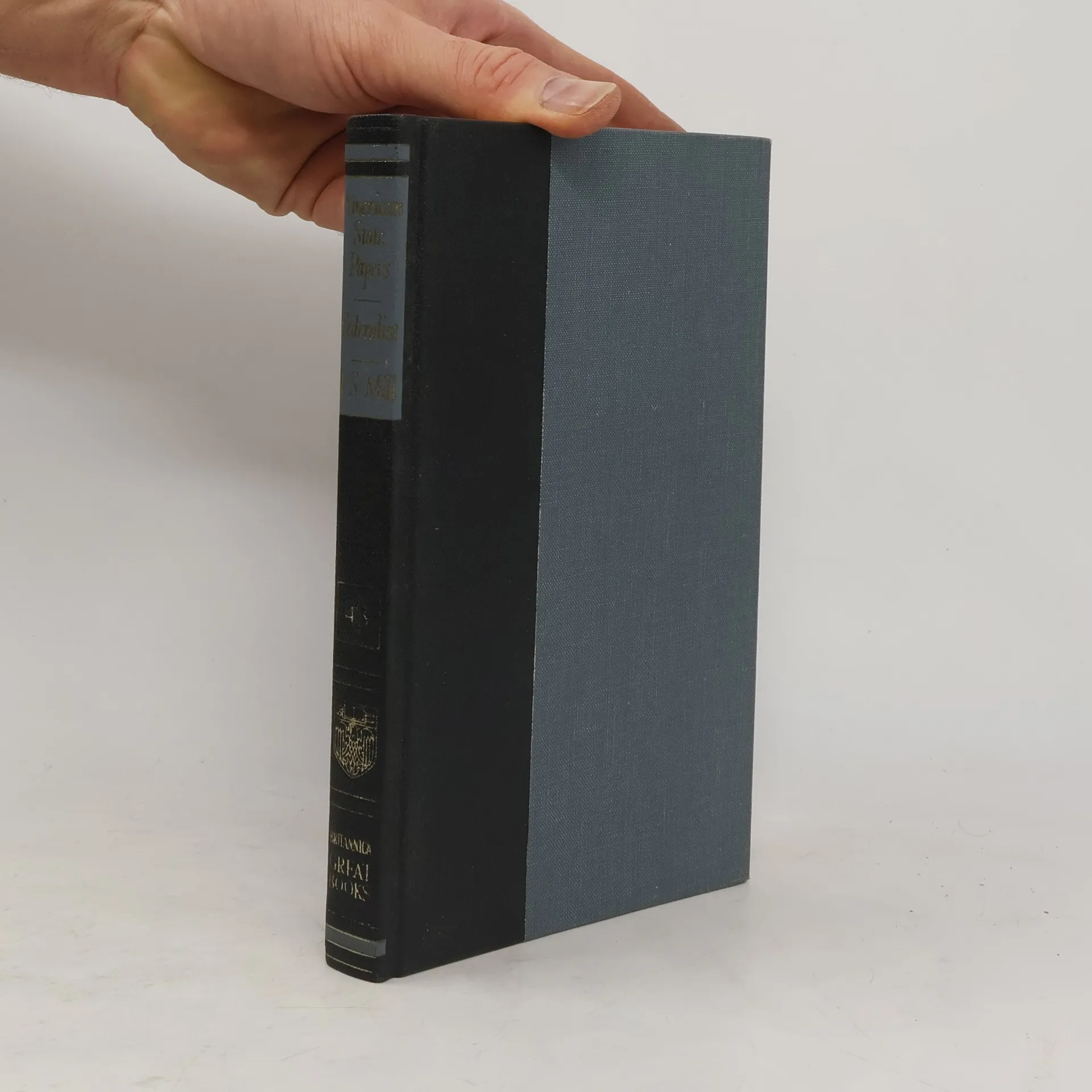
V.1. The great converstion: the substance of a liberal education; v.2. e v.3 The great ideas; v.4 . The iliad of Homero the Odyssey; v.5. Sophocles, Aeschylus, Aristophanes Euripides; v. 6. Thucydideis, Herodotus; v.7. Plato; v. 8. e v.9 Aristoteles; v. 10. Galen, Hippocrates; v. 11. Euclid, Archimedes, Apolonius, Nicomachus; v. 12.Lucretius, Epictetus,. Marcus Aurelius; v.13. Virgil; v. 14 Plutarch; v. 15 Tacitus; v. 16 Kepler, Ptolemy, Copernicus; v. 17 Plotinus; v. 18 Augustine; v. 19 e v. 20 Thomas Aquinas; v. 21 Dante; v. 22 Chaucer; v. 23 Hobbes, Machiavelli; v. 24 Rabelais; v. 25 Montaigne; v. 26 e v. 27. Shakespeare; v. 28. Gilbert, Galileo, Harvey; v. 29 Cervantes; v. 30 Francis Bacon; v. 31 Spinoza, Descartes; v. 32 Milton; v. 33 Pascal; v. 34. Huygens, Newton; v. 35 Locke, Berkeley, Hume; v. 36 Sterne, Swift; v. 37 Fielding; v. 38. Rousseau, Montesquieu; v. 39. Adam Smith; v. 40 e v.41. Gibbon; v. 42. Kant; v. 43. American State Papers; v. 44. Boswell; v. 45. Lavoisier, Fourier, Faraday; v. 46 Hegel; v. 47. Goethe; v. 48. Melville; v. 49. Darwin; v. 50. Marx; v. 51. Tolstoy; v. 52. Dostoyevsk; v. 53. William James; v. 54. Freud
Featuring 18 influential essays from The Federalist Papers, this collectible hardback edition showcases the foundational ideas behind the U.S. Constitution, first published in 1787-88. Authored by prominent figures Alexander Hamilton, John Jay, and James Madison, these essays explore the complexities of constitution-making. The edition also includes John Jay's "An Address to the People of the State of New York" and the complete American Constitution with Amendments. Beautifully illustrated with stenciled edges and gold embossing, it serves as an exquisite gift for history enthusiasts.
Focusing on accessibility, this publication by Megali caters to readers with impaired vision by offering a large print reproduction of a historical work. The aim is to enhance the reading experience for those who may struggle with standard text sizes, ensuring that important historical content remains available to a wider audience.
The book features a faithful reproduction of the original text, preserving its historical significance and authenticity. It offers readers a chance to engage with the content as it was originally presented, maintaining the style and nuances of the time. This edition is ideal for those interested in the preservation of literary works and the exploration of past ideas and contexts.
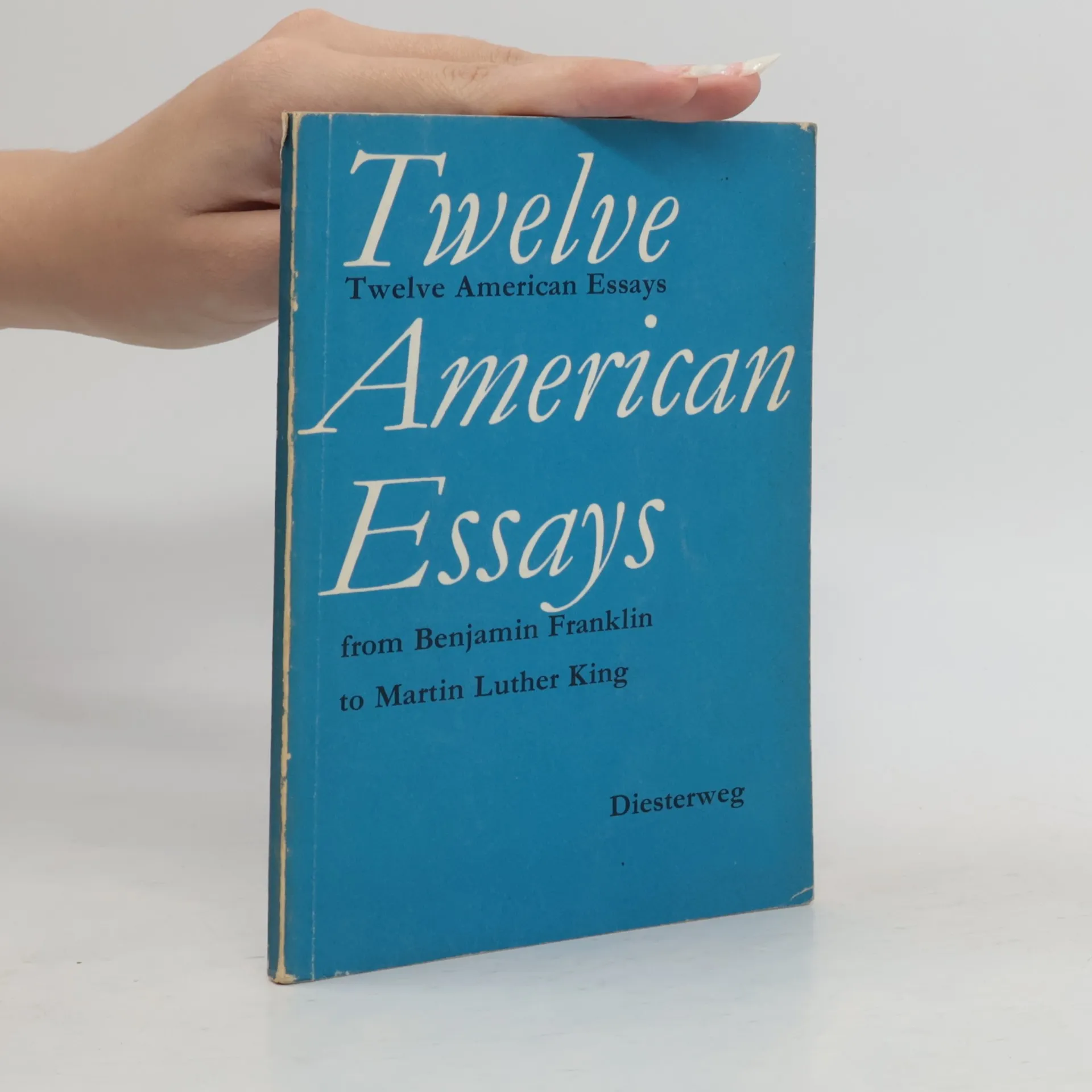
Twelve American Essays
From Benjamin Franklin to Martin Luther King
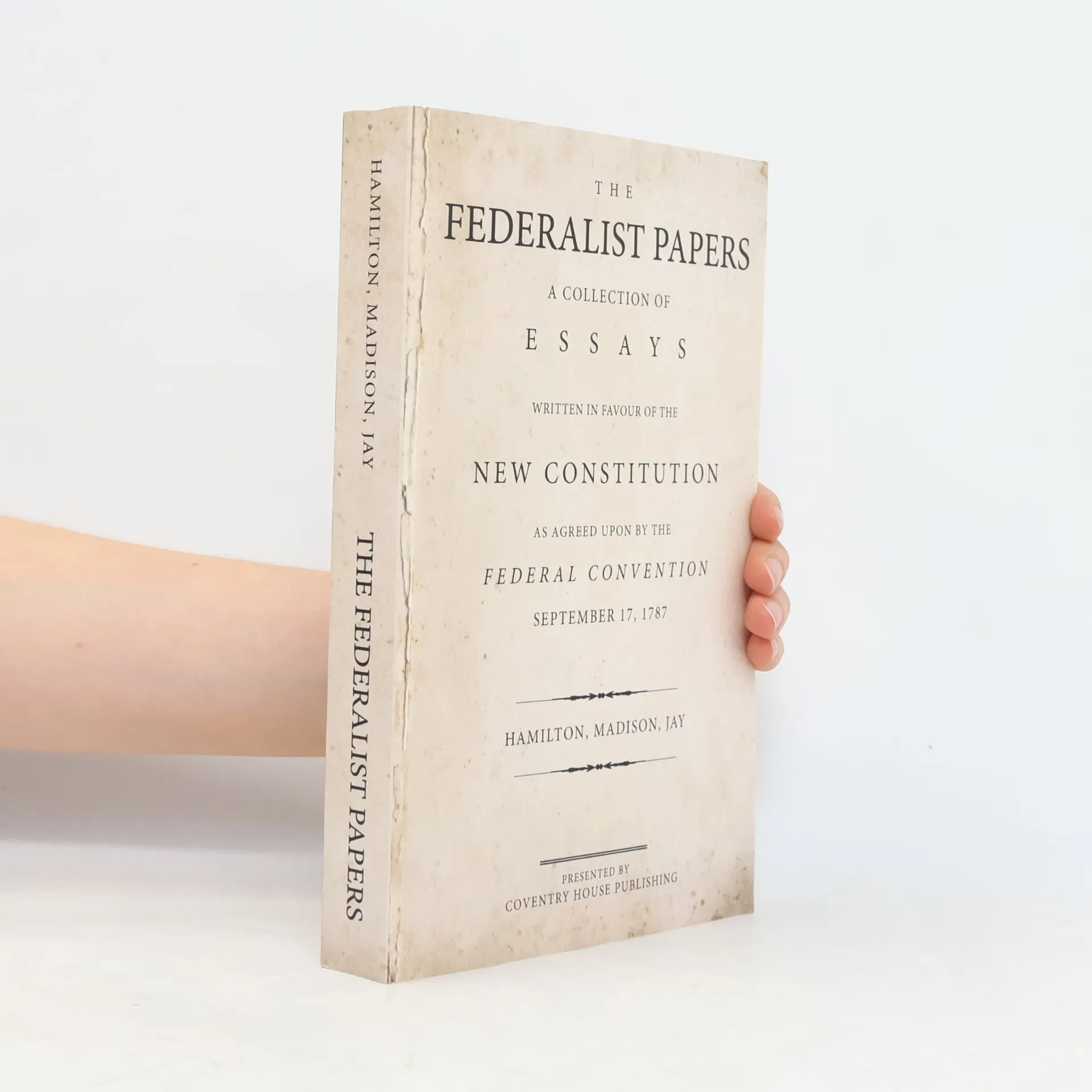
The Federalist Papers
A Collection of Essays Written in Favour of the New Constitution as Agreed Upon by the Federal Convention September 17, 1787
- 440 Seiten
- 16 Lesestunden
The Federalist Papers consist of eighty-five articles and essays authored by Alexander Hamilton, James Madison, and John Jay, advocating for the ratification of the United States Constitution. Initially published in 1787 as anonymous letters to New York newspapers, their primary aim was to sway public opinion in favor of the Constitution. In Federalist No. 1, Hamilton framed the debate in broader political terms, emphasizing the significance of the American experiment in self-governance. He posed a pivotal question about humanity's ability to create effective governance through reflection and choice rather than relying on chance and coercion. A key highlight is Federalist No. 10, where Madison addresses the dangers of majority faction rule and champions the idea of a large, commercial republic, which is often viewed as the most philosophically significant essay. This is further supported by Federalist No. 14, where Madison assesses the United States' suitability for an extended republic and defends the Constitution. Hamilton, in Federalist No. 70, argues for a singular executive leader, while Federalist No. 78 lays the foundation for judicial review by federal courts. Despite being centuries old, these essays continue to be a cornerstone of American political philosophy.
Inaugural Addresses of the Presidents of the United States
George Washington (1789) to William McKinley (1901)
- 204 Seiten
- 8 Lesestunden
This revised edition of the first volume of The Inaugural Addresses of the Presidents of the United States begins with the first inaugural address of of George Washington (1789) and concludes with the second inaugural address of William McKinley (1901). Outlining the life of a nation through its most famous speeches, United States presidential vision and policy is seen here through the addresses of the Presidents. Volume One includes the inaugural addresses of George Washington, John Adams, Thomas Jefferson, James Madison, James Monroe, John Quincy Adams, Andrew Jackson, Martin Van Buren, William Henry Harrison, James Knox Polk, Zachary Taylor, Franklin Pierce, James Buchanan, Abraham Lincoln, Ulysses S. Grant, Rutherford B. Hayes, James A. Garfield, Grover Cleveland, Benjamin Harrison, and William McKinley.
Listy federalistů jsou souborem 85 článků obhajujících ratifikaci Ústavy Spojených států, z nichž 77 bylo publikováno v The Independent Journal a The New York Packet mezi říjnem 1787 a srpnem 1788. Tyto eseje poskytují přehled filosofie a motivací navrhovaného systému vlády, přičemž jejich autoři usilovali o ovlivnění volby ve prospěch ratifikace a o usměrnění budoucích interpretací Ústavy. Historik Richard B. Morris je považuje za „nesrovnatelný výklad Ústavy“, klasiku politické vědy. Autorství článků bylo dlouho tajemstvím, ale většina je připisována Hamiltonovi, Madisonovi a Jayovi. Hamilton napsal 51 článků, Madison 29 a Jay 5, přičemž některé články vznikly spoluprací Madison a Hamiltona. Autoři používali pseudonym „Publius“ na počest římského konzula. Madison, Hamilton a Jay se stali významnými postavami americké politiky. Mezi klíčovými esejemi vyniká číslo 10, kde Madison obhajuje rozšířenou republiku, a číslo 14, které deklaruje vhodnost USA pro tento typ vlády. Hamilton v čísle 84 argumentuje proti potřebě Listiny práv, zatímco v čísle 78 představuje doktrínu právní oponentury federálních soudů. Další významné eseje zahrnují číslo 70, které obhajuje jednotného šéfa exekutivy, a číslo 51, které zdůrazňuje systém brzd a protivah.