From Sunday Times bestselling author of Blue and Crossing the Line comes the second novel from ex-hostage negotiator John Sutherland.
John Sutherland Reihenfolge der Bücher (Chronologisch)
9. Oktober 1938
John Sutherland ist ein angesehener englischer Professor und Literaturkritiker mit tiefgehender Expertise in viktorianischer und moderner Literatur. Sein unverwechselbarer Ansatz beinhaltet die sorgfältige Zerlegung klassischer Texte, wobei er subtile Ungereimtheiten und übersehene Bezüge aufdeckt. Sutherlands Werk beleuchtet das komplexe Handwerk des Schreibens und macht anspruchsvolle literarische Werke für zeitgenössische Leser zugänglich und fesselnd. Er bietet Lesern eine einzigartige Perspektive, um die Nuancen der Literaturgeschichte und der Absichten des Autors zu schätzen.

The Siege
- 320 Seiten
- 12 Lesestunden
Nine hostages. Ten hours. One chance to save them all.
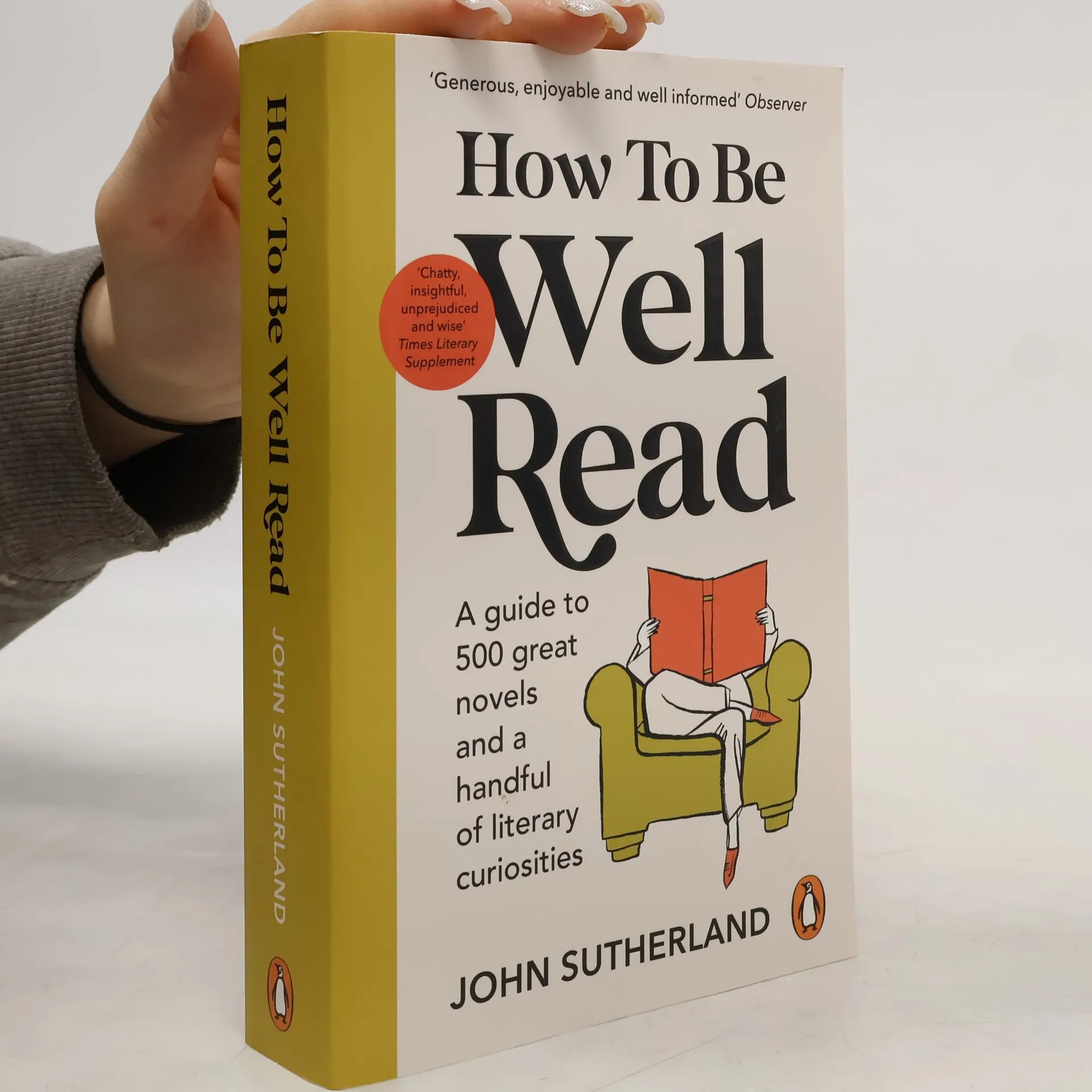
How to be Well Read
- 576 Seiten
- 21 Lesestunden
Ranging all the way from Aaron's Rod to Zuleika Dobson, via The Devil Rides Out and Middlemarch, literary connoisseur and sleuth John Sutherland offers his very personal guide to the most rewarding, most remarkable and, on occasion, most shamelessly enjoyable works of fiction ever written
Monica Jones, Philip Larkin and Me
- 288 Seiten
- 11 Lesestunden
The story of Philip Larkin's long-term partner Monica Jones based on her never-before-seen letters to the poet.
Crossing the Line
- 304 Seiten
- 11 Lesestunden
A thought-provoking look at the biggest challenges facing society through the unique lens of an experienced police officer and hostage negotiator
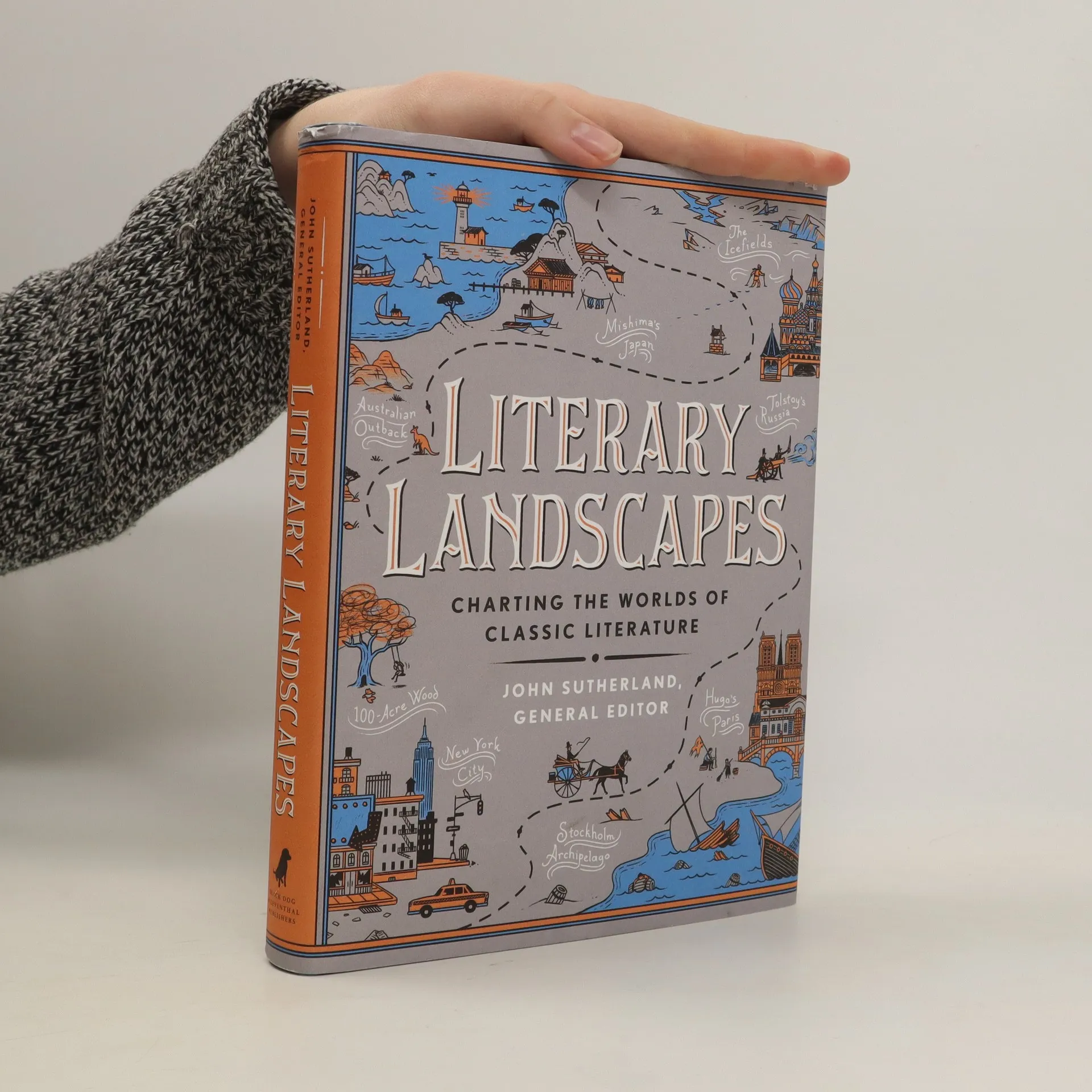
Literary landscapes: charting the worlds of classic literature
- 256 Seiten
- 9 Lesestunden
Literary Landscapes delves deep into the geography, location, and terrain of our best-loved literary works and looks at how setting and environmental influences storytelling, character, and our emotional response as readers. Fully illustrated with hundreds of full-color images throughout. Some stories couldn't happen just anywhere. As is the case with all great literature, the setting, scenery, and landscape are as central to the tale as any character, and just as easily recognized. Literary Landscapes brings together more than 50 literary worlds and examines how their description is intrinsic to the stories that unfold within their borders. Follow Leopold Bloom's footsteps around Dublin. Hear the music of the Mississippi River steamboats that set the score for Huckleberry Finn. Experience the rugged bleakness of Newfoundland in Annie Proulx's The Shipping News or the soft Neapolitan breezes in My Brilliant Friend. The landscapes of enduring fictional characters and literary legends are vividly brought to life, evoking all the sights and sounds of the original works. Literary Landscapes will transport you to the fictions greatest lands and allow you to connect to the story and the author's intent in a whole new way.
1999
- 607 Seiten
- 22 Lesestunden
Eike Schönfeld, geboren 1949 in Rheinsberg, promovierte über Oscar Wilde, lebt als freier Übersetzer, Lektor und Autor in Hamburg. Er übersetzte u. a. J. D. Salinger, Jonathan Franzen und Jeffrey Eugenides und wurde mit zahlreichen Preisen ausgezeichnet, zuletzt mit dem Christoph-Martin-Wieland-Preis 2013 und dem Hermann-Hesse-Preis 2014.
A Little History of Literature
- 288 Seiten
- 11 Lesestunden
From The Epic of Gilgamesh to Harry Potter, this rollicking romp through the world of literature reveals how writings from all over the world can transport us and help us to make sense of what it means to be human
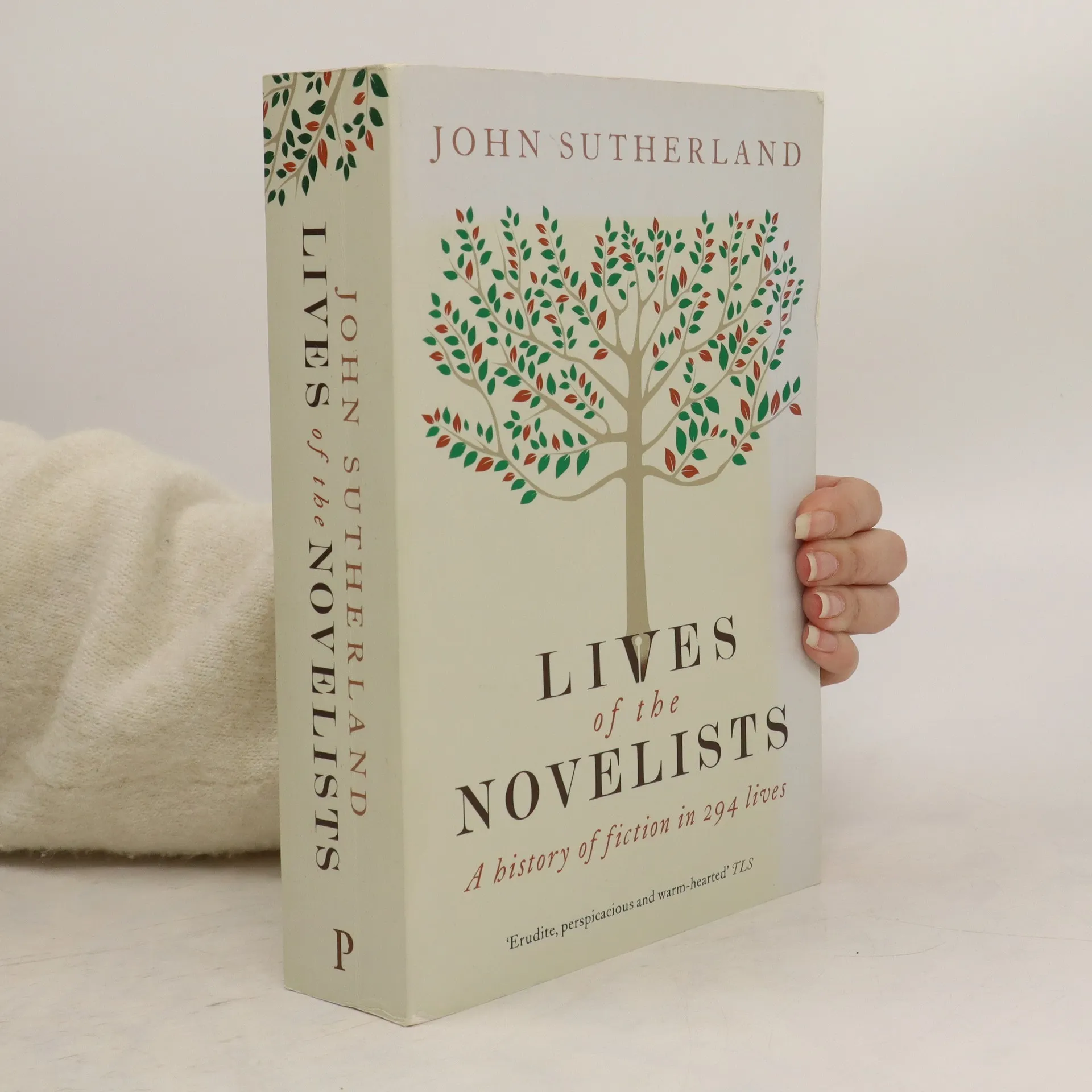
Lives of the Novelists
- 812 Seiten
- 29 Lesestunden
Arranged in chronological order, the novelist's lives are opinionated, informative, frequently funny and often shocking. Professor Sutherland's authors come from all over the world; their writings illustrate every kind of fiction from gothic, penny dreadfuls and pornography to fantasy, romance and high literature. The book shows the changing forms of the genre, and how the aspirations of authors to divert and sometimes to educate their readers, has in some respects radically changed over the centuries, and in others - such as their interest in sex and relationships - remained remarkably constant.
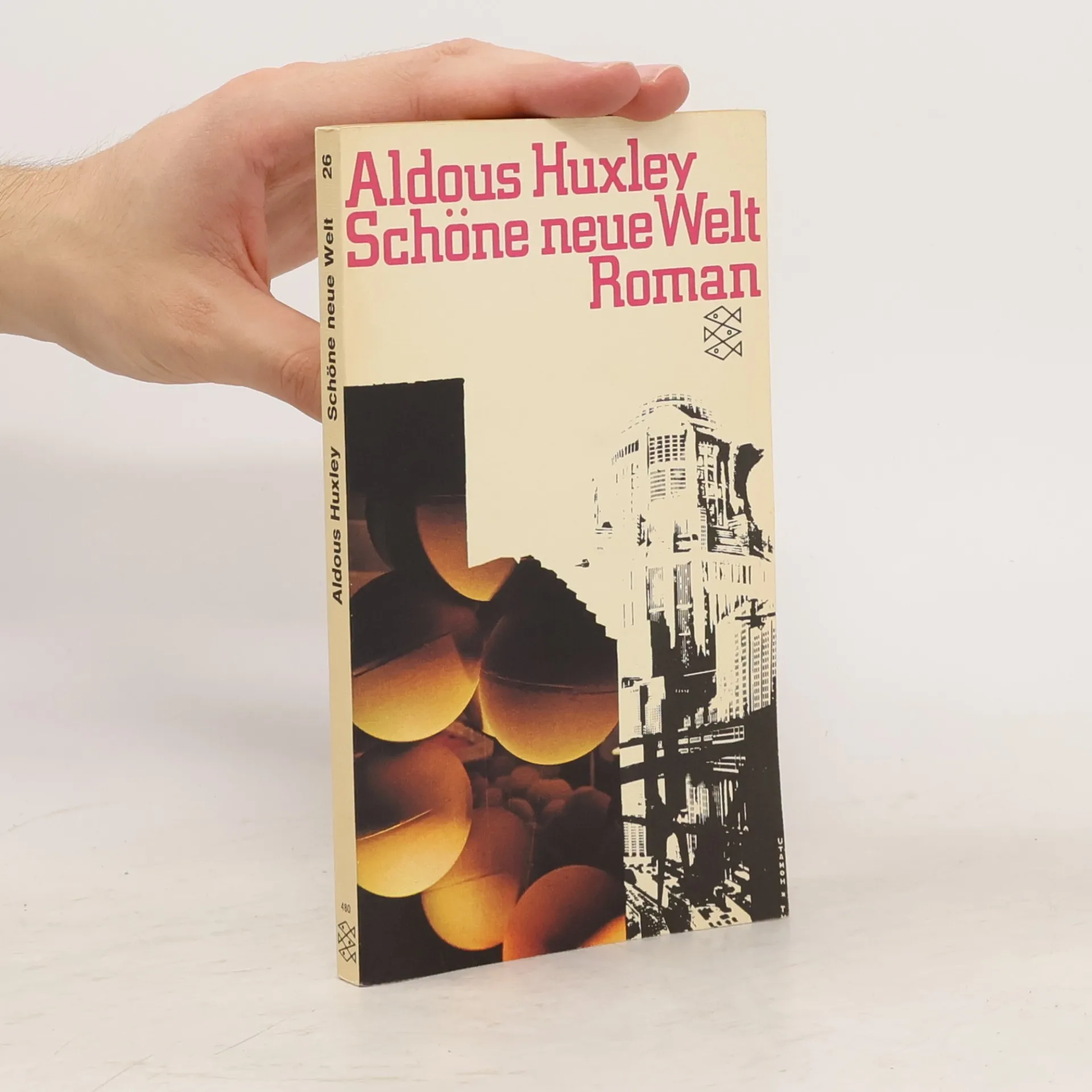
Die schöne neue Welt, die Huxley hier beschreibt, ist die Welt einer konsequent verwirklichten Wohlstandsgesellschaft 'im Jahre 632 nach Ford', einer Wohlstandsgesellschaft, in der alle Menschen am Luxus teilhaben, in der Unruhe, Elend und Krankheit überwunden, in der aber auch Freiheit, Religion, Kunst und Humanität auf der Strecke geblieben sind. Eine totale Herrschaft garantiert ein genormtes Glück. In dieser vollkommen 'formierten' Gesellschaft erscheint jede Art von Individualismus als 'asozial', wird als 'Wilder' betrachtet, wer - wie einer der rebellischen Außenseiter dieses Romans - für sich fordert: 'Ich brauche keine Bequemlichkeit. Ich will Gott, ich will Poesie, ich will wirkliche Gefahren und Freiheit und Tugend. Ich will Sünde!'
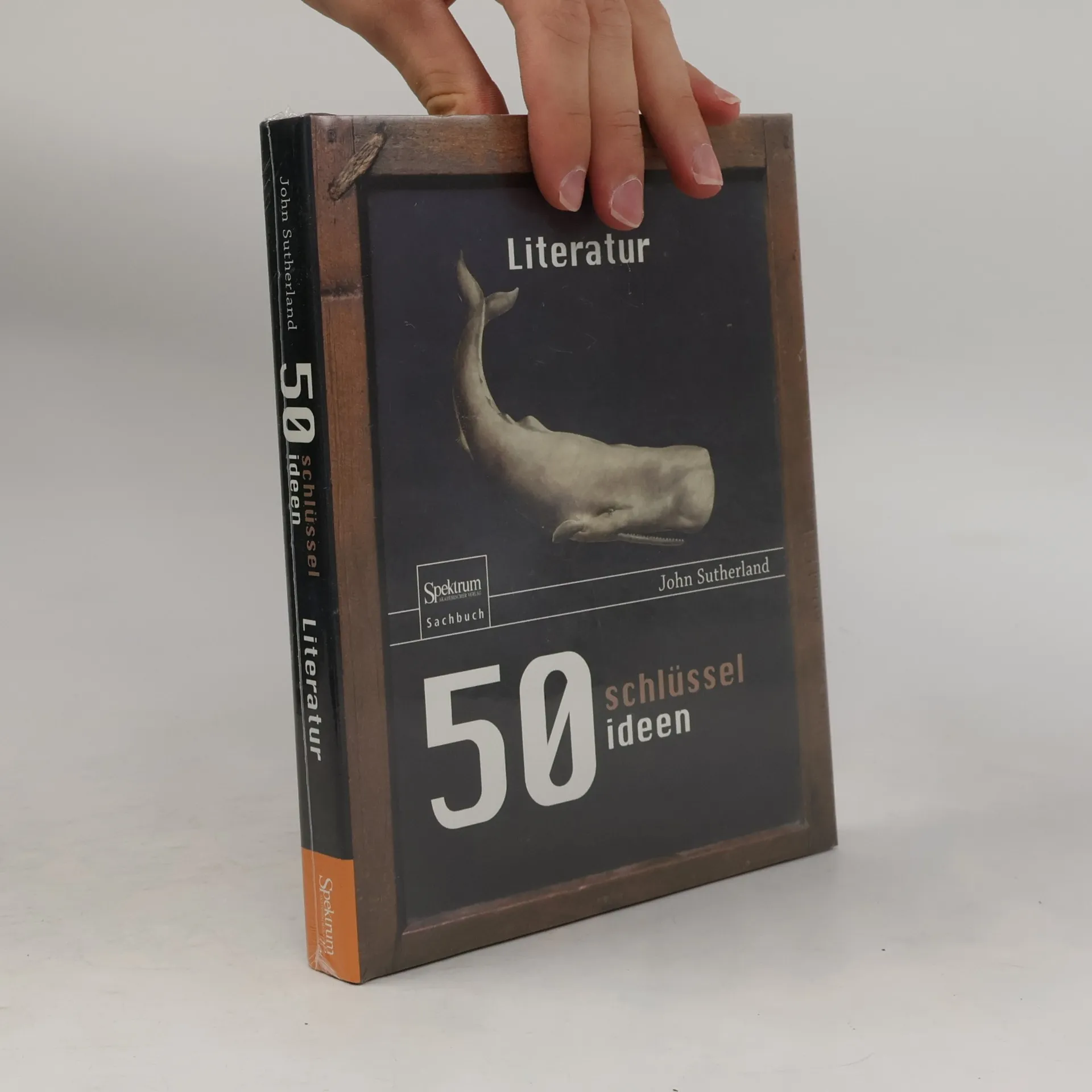
50 Schlüsselideen Literatur
- 208 Seiten
- 8 Lesestunden
Eine Entdeckungsreise in die Welt der literarischen Begriffe und Ideen, Stilmittel und Strömungen. Die Literatur erscheint oft trügerisch einfach und zugleich kompliziert. Wir glauben, einen Roman zu lesen und zu wissen, was „Genre“, „Stil“ und „Erzählung“ bedeuten, doch verstehen wir diese Begriffe wirklich? Können sie unsere Freude am Lesen vertiefen? Wie nähern wir uns den Werken großer Schriftsteller wie Shakespeare, Eliot, Dickens und Austen? Was bringen uns Konzepte wie „Hermeneutik“, „Allusion“ und „Bricolage“? 50 Schlüsselideen bietet eine grundlegende Einführung in wichtige Formen, Begriffe und Strömungen der Literatur. Es gibt einen klaren, umfassenden Überblick über Theorien, die sich mit Sprache und Bedeutung befassen, und skizziert zentrale literarische Begriffe wie Postmoderne, Semiologie und Strukturalismus. Der Autor John Sutherland präsentiert Literaturkonzepte auf frische, anspruchsvolle Weise – von vertrautem Terrain bis zu unbekannten Gefilden. Voller kluger Einblicke und Zitate aus klassischen und populären Werken zieht dieses Buch alle in seinen Bann, die je vor dem Fachjargon der Literaturkritik standen und das Lesen sowie Schreiben bewusster genießen möchten.
Emphasizing proper methods for data collection, control chart construction and interpretation, and fault diagnosis for process improvement, this text blends statistical process control (SPC) and design of experiments (DOE) concepts and methods for quality design and improvement. Importance is placed on both the philosophical/conceptual underpinnings and the techniques and methods of SPC and DOE. The concepts and methods of Taguchi for quality design are combined with more traditional experimental design methods to promote the importance of viewing quality from an engineering design perspective.
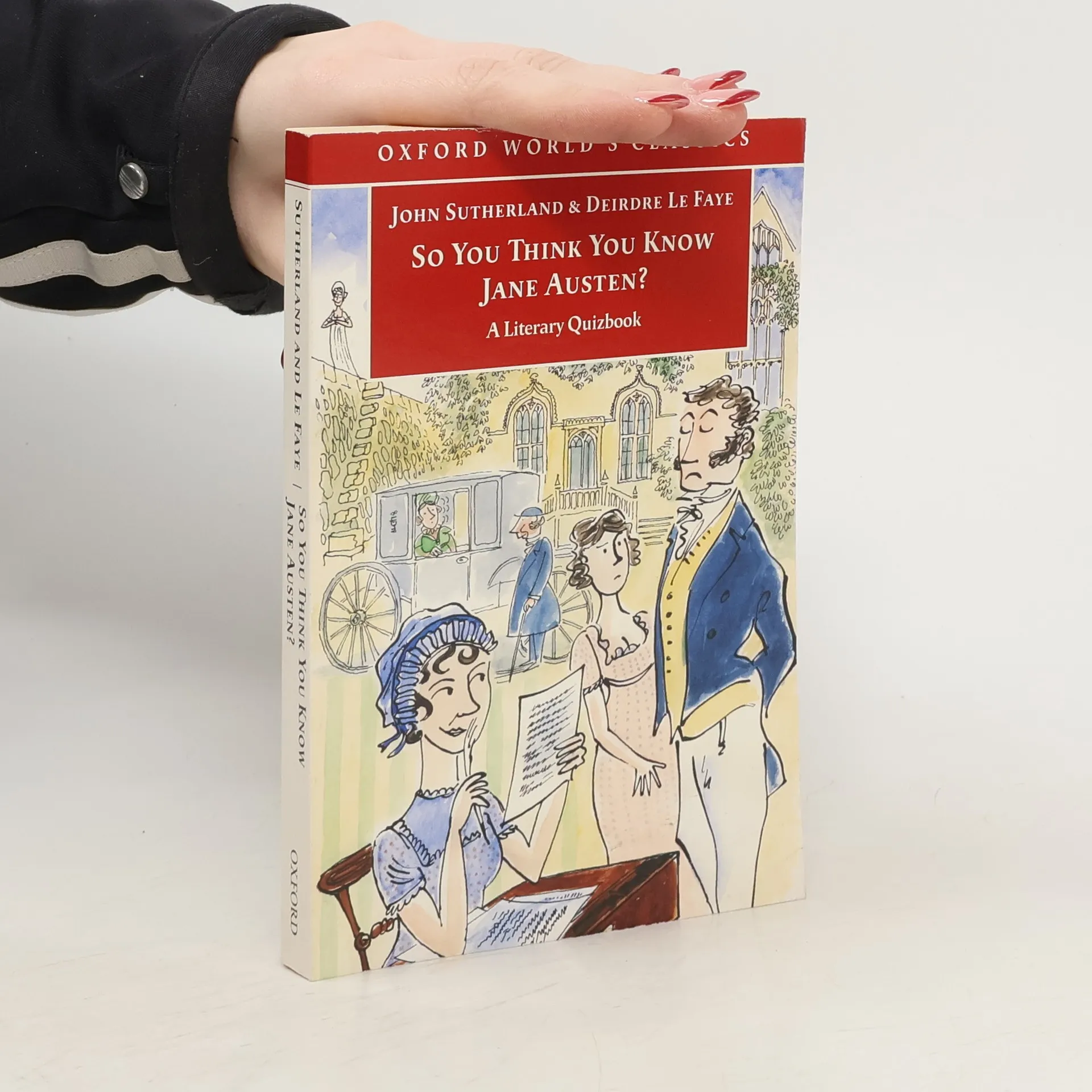
So You Think You Know Jane Austen?
A Literary Quizbook
How well do you really know your favorite author? In this new book, ace literary detective turned quizmaster John Sutherland and Austen buff Deirdre Le Faye challenge you to find out. Starting with easy, factual questions that test how well you remember a novel and its characters, the quizprogresses to a level of greater difficulty, demanding close reading and interpretative deduction. What really motivates the characters, and what is going on beneath the surface of the story? Designed to amuse and divert, the questions and answers take the reader on an imaginative journey into theworld of Jane Austen, where hypothesis and speculation produce fascinating and unexpected insights. The questions are ingenious and fun, and the answers (located in the back of the book), in Sutherland's inimitable style, are fascinating. Completing the book guarantees a hugely improved knowledgeand appreciation of Austen. Whether you are an expert or enthusiast, So You Think You Know Jane Austen? guarantees you will know her much better after reading it.
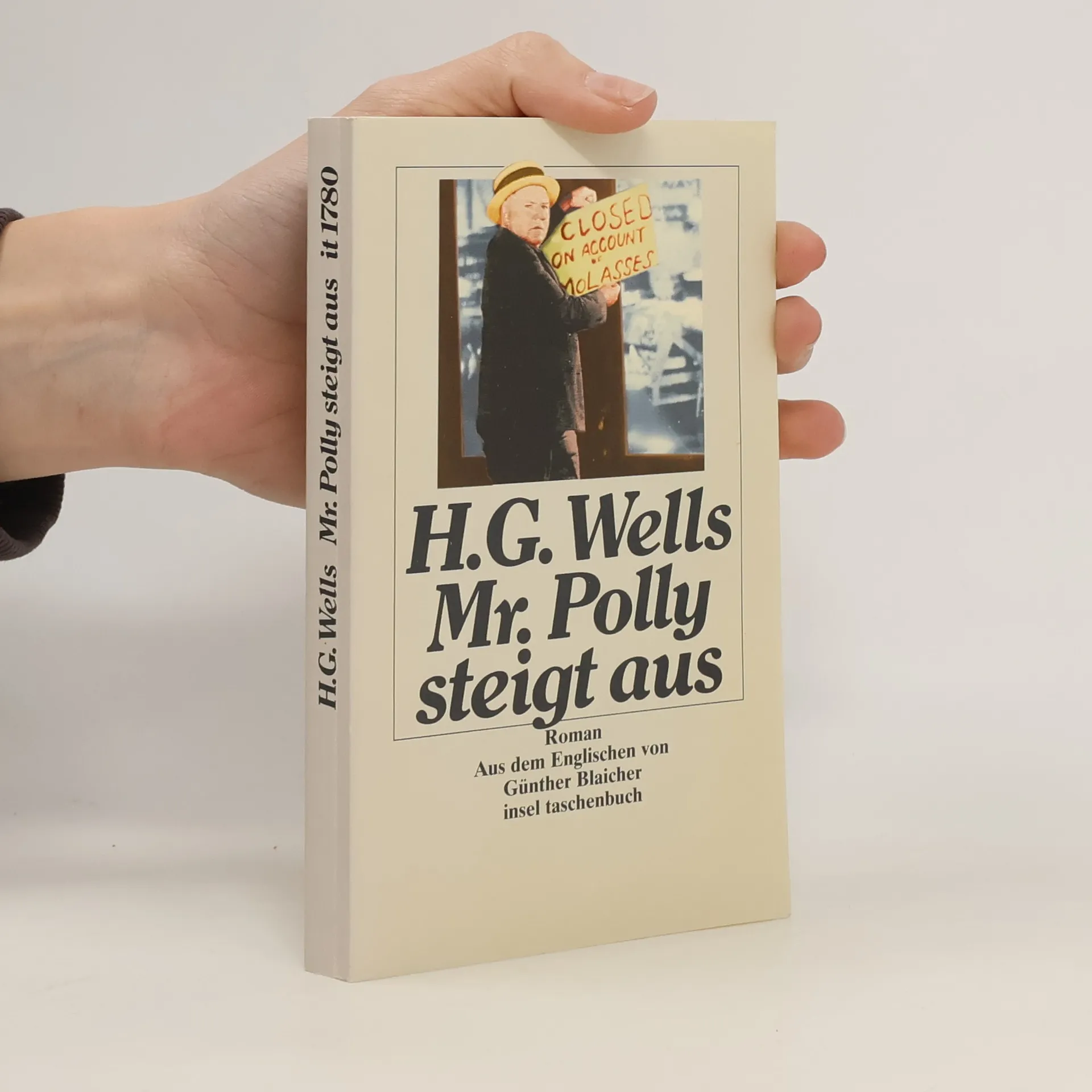
Mr. Polly, ein dicklicher Mitdreißiger mit Falten und einem gelblichen Teint, ist von allem genervt: seiner Heimat Fishbourne, seinem Geschäft und besonders von seiner streitsüchtigen Frau Miriam.
This scarce antiquarian book is a facsimile reprint of the original. Due to its age, it may contain imperfections such as marks, notations, marginalia and flawed pages. Because we believe this work is culturally important, we have made it available as part of our commitment for protecting, preserving, and promoting the world's literature in affordable, high quality, modern editions that are true to the original work.
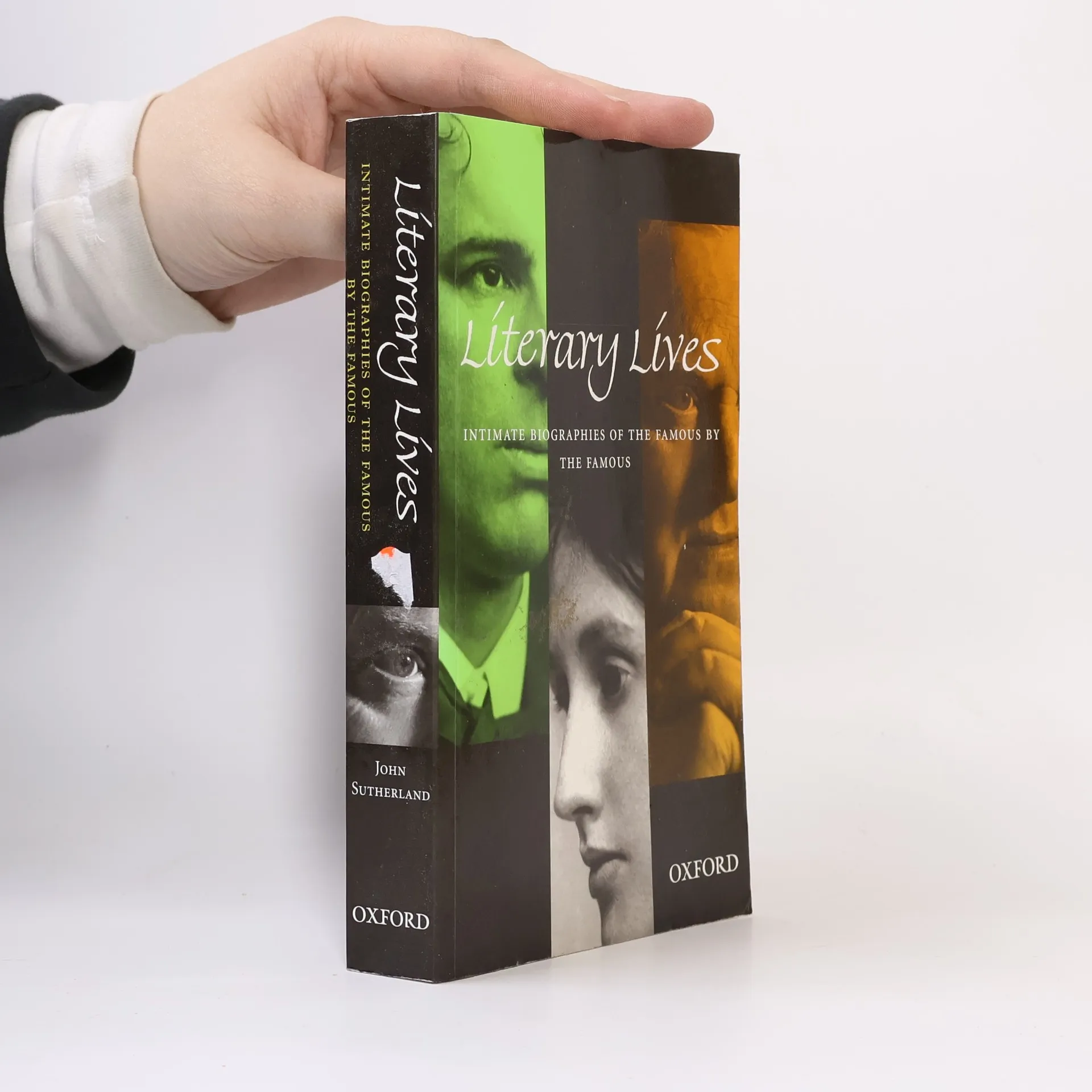
Literary Lives
- 388 Seiten
- 14 Lesestunden
John Sutherland, famed for his breadth of literary knowledge and insight, has selected approximately one hundred biographies from the Dictionary of National Biography to create this lively and entertaining anthology of some of the most prominent figures in twentieth-century, Britishliterature. He also has written a comprehensive introduction, pleasurable to read in its own right, that outlines the reasons behind the choices he has made.
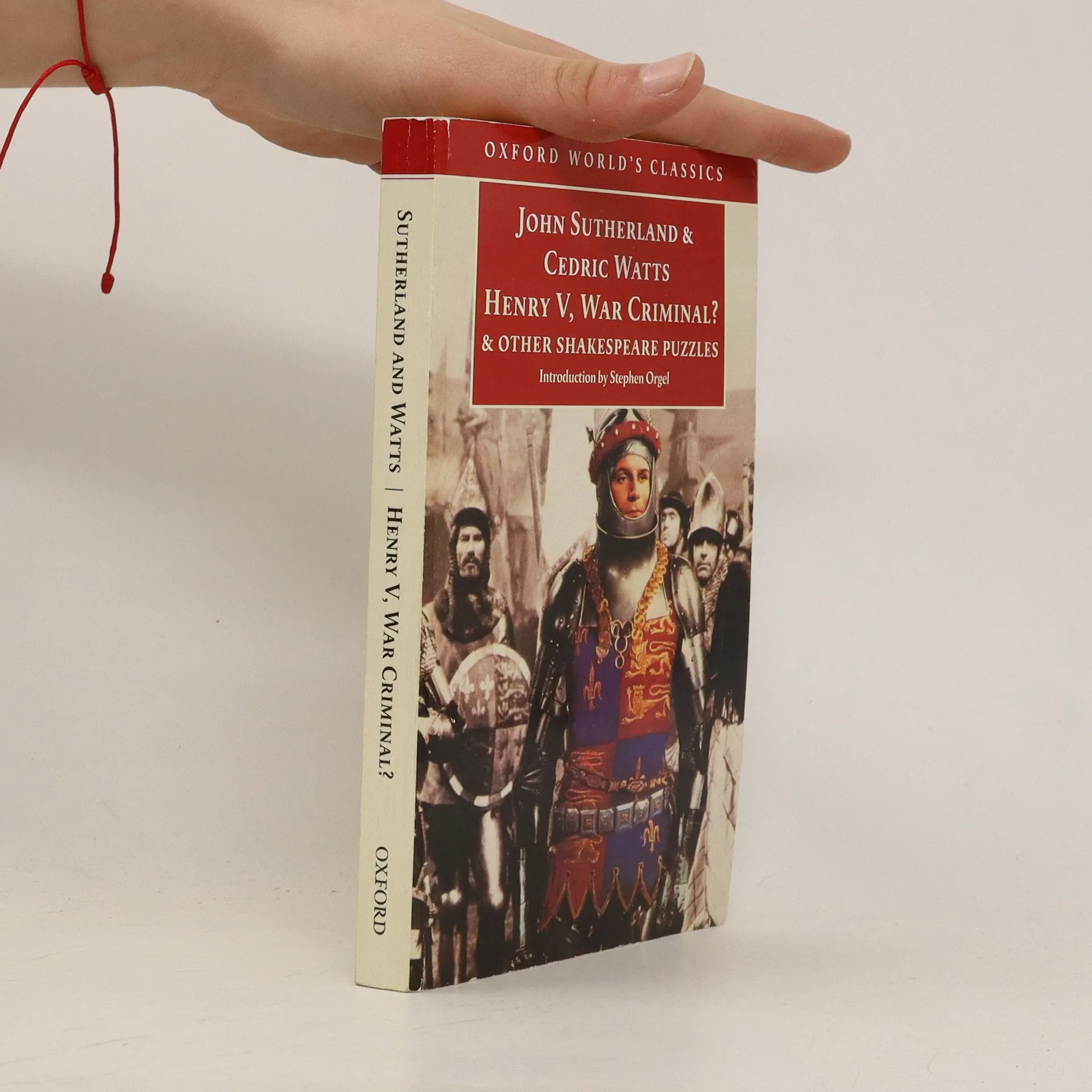
Loose ends and red herrings are the stuff of detective fiction, and under the scrutiny of master sleuths John Sutherland and Cedric Watts Shakespeare's plays reveal themselves to be as full of mysteries as any Agatha Christie novel. Is it summer or winter in Elsinore? Do Bottom and Titania make love? Does Lady Macbeth faint, or is she just pretending? How does a man putrefy within minutes of his death? Is Cleopatra a deadbeat Mum? And why doesn't Juliet ask 'O Romeo Montague, wherefore art thou Montague?' As Watts and Sutherland explore these and other puzzles Shakespeare's genuius becomes ever more apparent. Speculative, critical, good-humoured and provocative, their discussions shed light on apparent anachronisms, performance and stagecraft, linguistics, Star Trek and much else. Shrewd and entertaining, these essays add a new dimension to the pleasure of reading or watching Shakespeare.
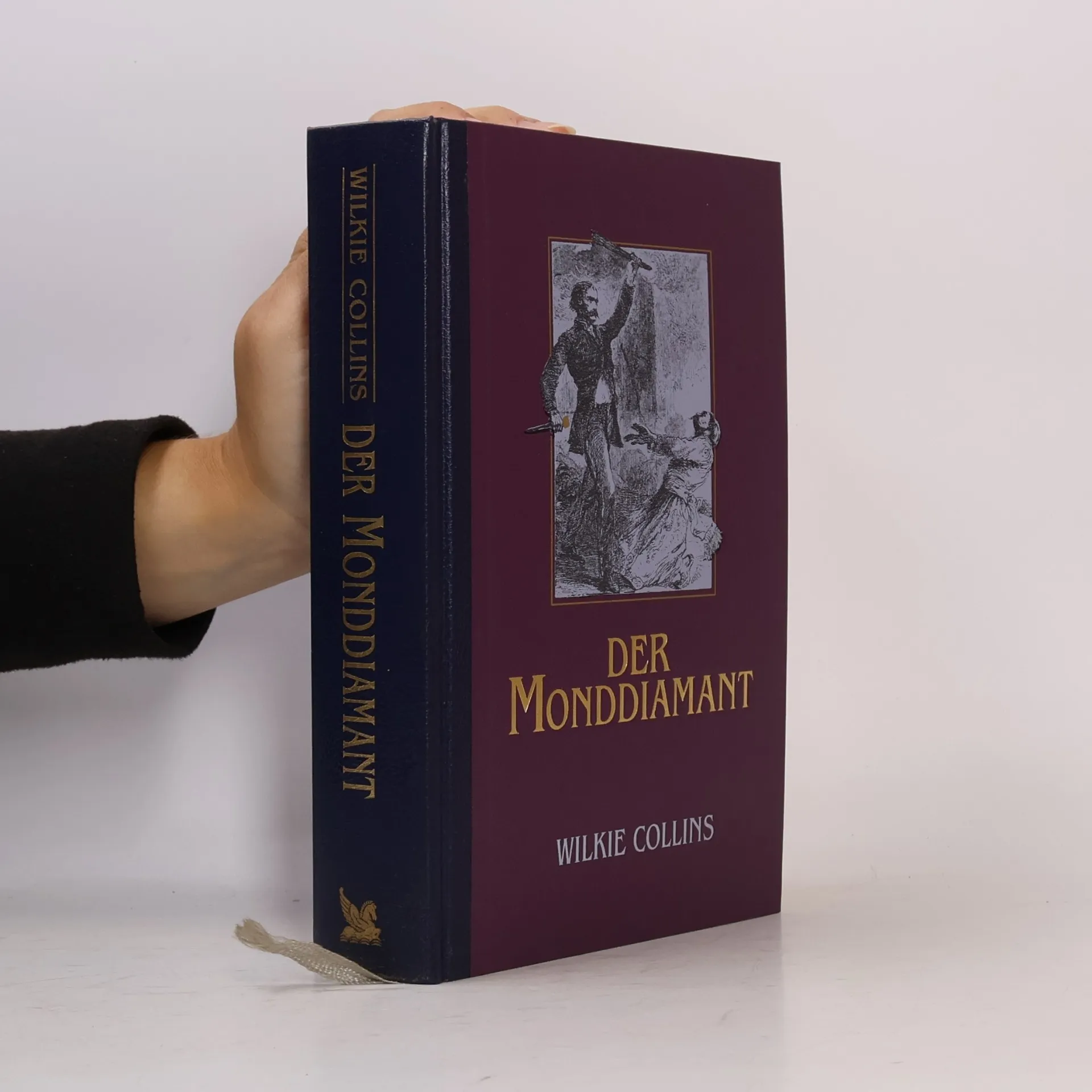
Die amüsanten Aufzeichnungen aller am 21. Juni 1848 auf dem Landschloss der Lady Verinder anwesenden Personen helfen schliesslich, das Verschwinden eines Diamanten aufzuklären.
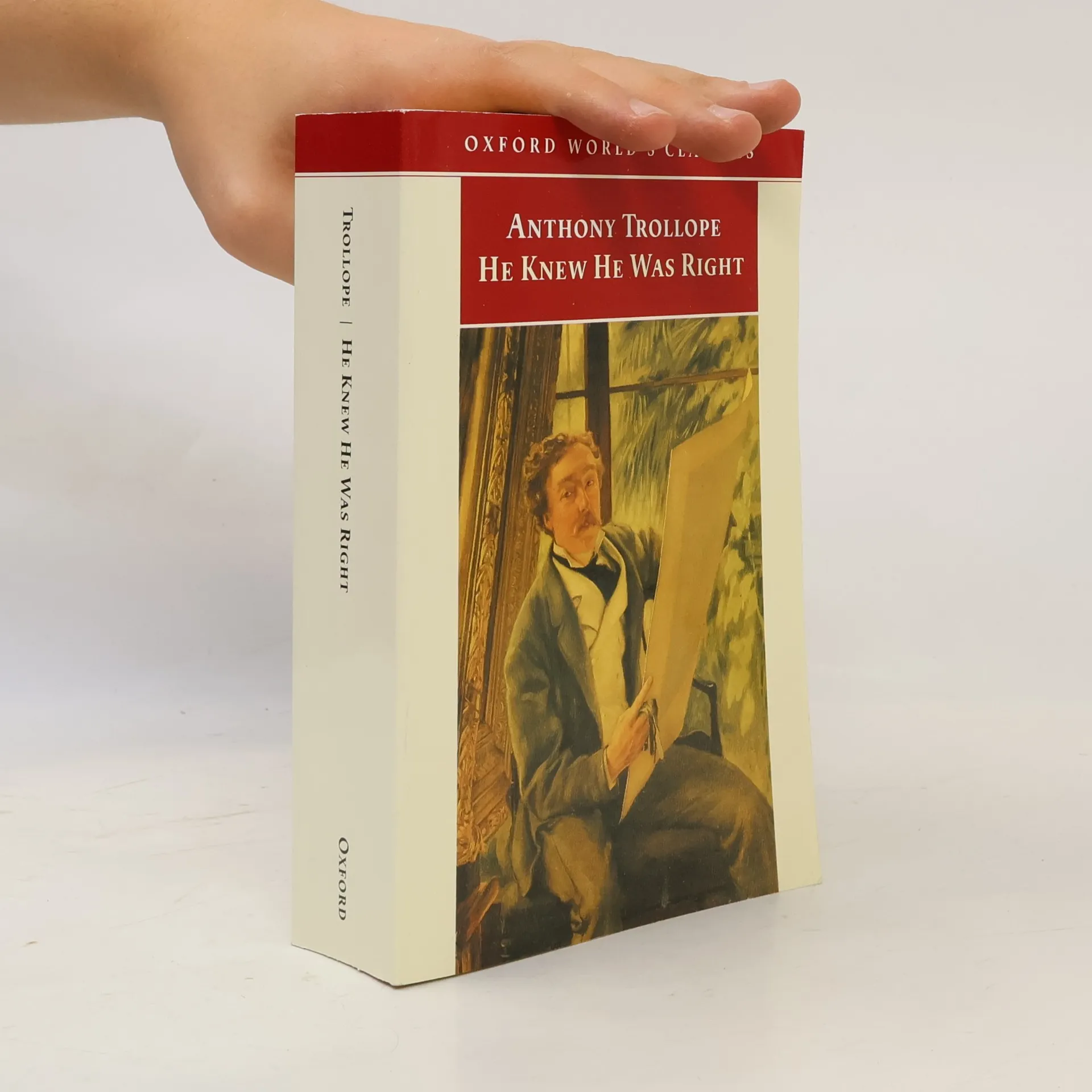
Oxford World's Classics: He Knew He Was Right
- 952 Seiten
- 34 Lesestunden
Widely regarded as one of Trollope's most successful later novels, He Knew He Was Right is a study of marriage and of sexual relationships cast against a background of agitation for women's rights.
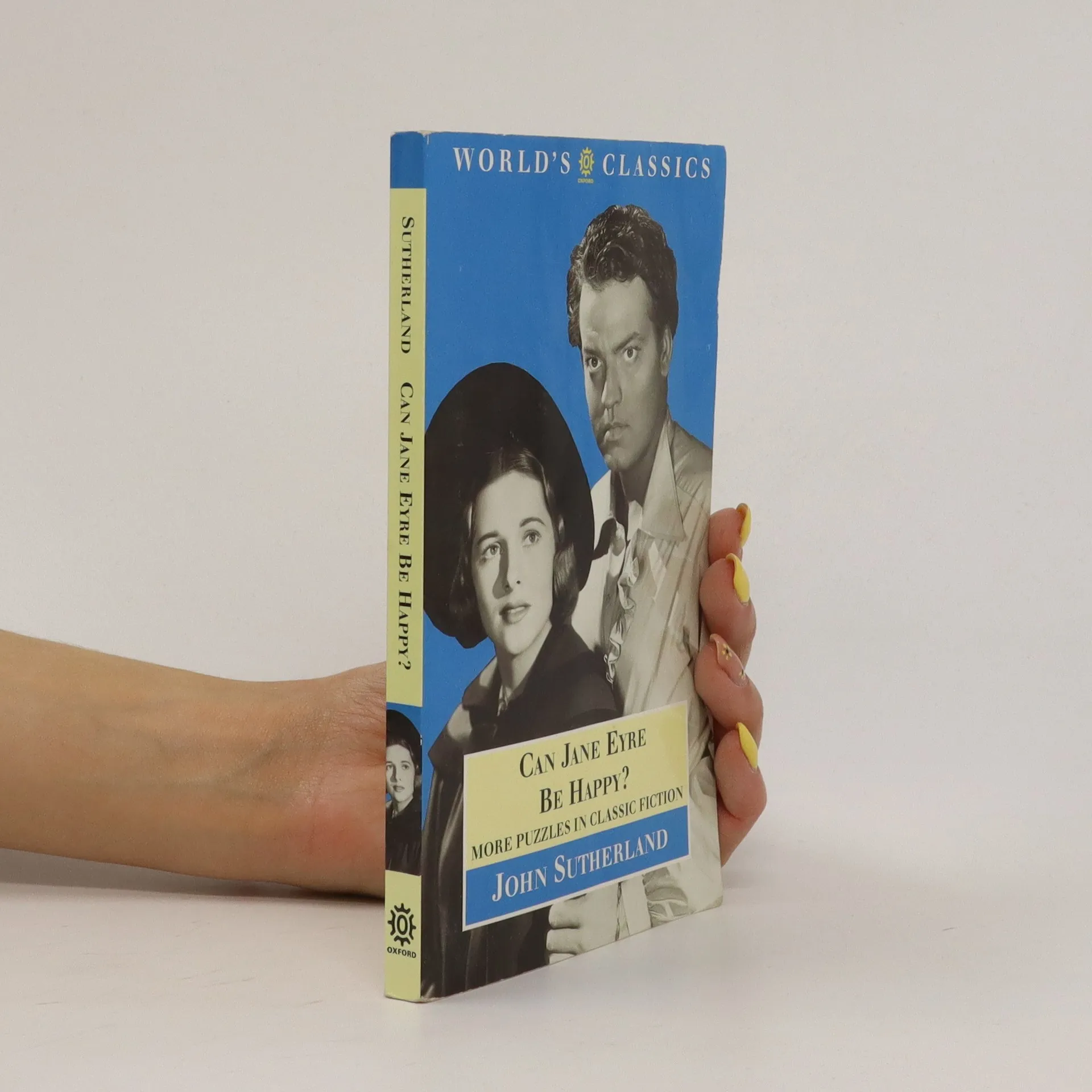
The exciting sequel to the enormously successful Is Heathcliff A Murderer?, John Sutherland's latest collection of literary puzzles, Can Jane Eyre Be Happy? turns up unexpected and brain-teasing aspects of the range of canonical British and American fiction represented in the World's Classics list. With bold imaginative speculation he investigates thirty-four literary conundrums, ranging from Daniel Defoe to Virginia Woolf. Covering issues well beyond the strict confines of Victorian fiction, Sutherland explores the questions readers often ask but critics rarely discuss: Why does Robinson Crusoe find only one footprint? How does Magwitch swim to shore with a great iron on his leg? Where does Fanny Hill keep her contraceptives? Whose side is Hawkeye on? And how does Clarissa Dalloway get home so quickly? As in its universally well received predecessor, the questions and answers in Can Jane Eyre Be Happy? are ingenious and convincing, and return the reader with new respect to the great novels they celebrate.
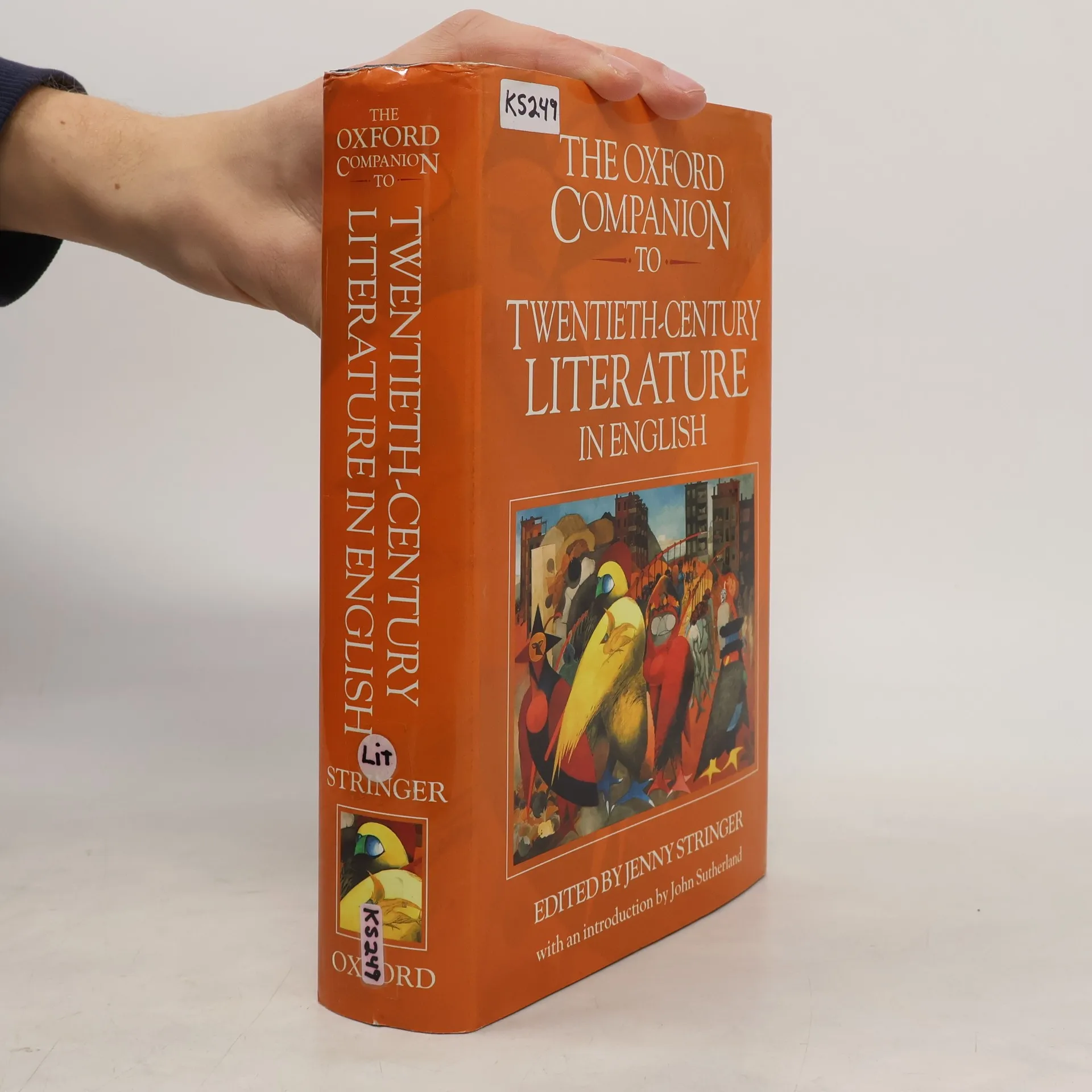
The Oxford Companion to Twentieth-Century Literature in English
- 751 Seiten
- 27 Lesestunden
"This is a unique new reference book on English-language writers and writing throughout the present century, in all major genres and from all around the world - from Joseph Conrad to Will Self, Virginia Woolf to David Mamet, Ezra Pound to Peter Carey, James Joyce to Amy Tan." "Fiction, plays, poetry, and a whole range of non-fictional writing are celebrated in this informative, readable, and catholic reference book, which includes entries on literary movements, periodicals, and over 400 individual works, as well as articles on some 2,400 authors." "A lively introduction by John Sutherland highlights the various and sometimes contradictory canons that have emerged over the century, and the increasingly international sources of writing in English which the Companion records. Catering for all literary tastes, this is the most comprehensive single-volume guide to modern (and postmodern) literature."--Jacket
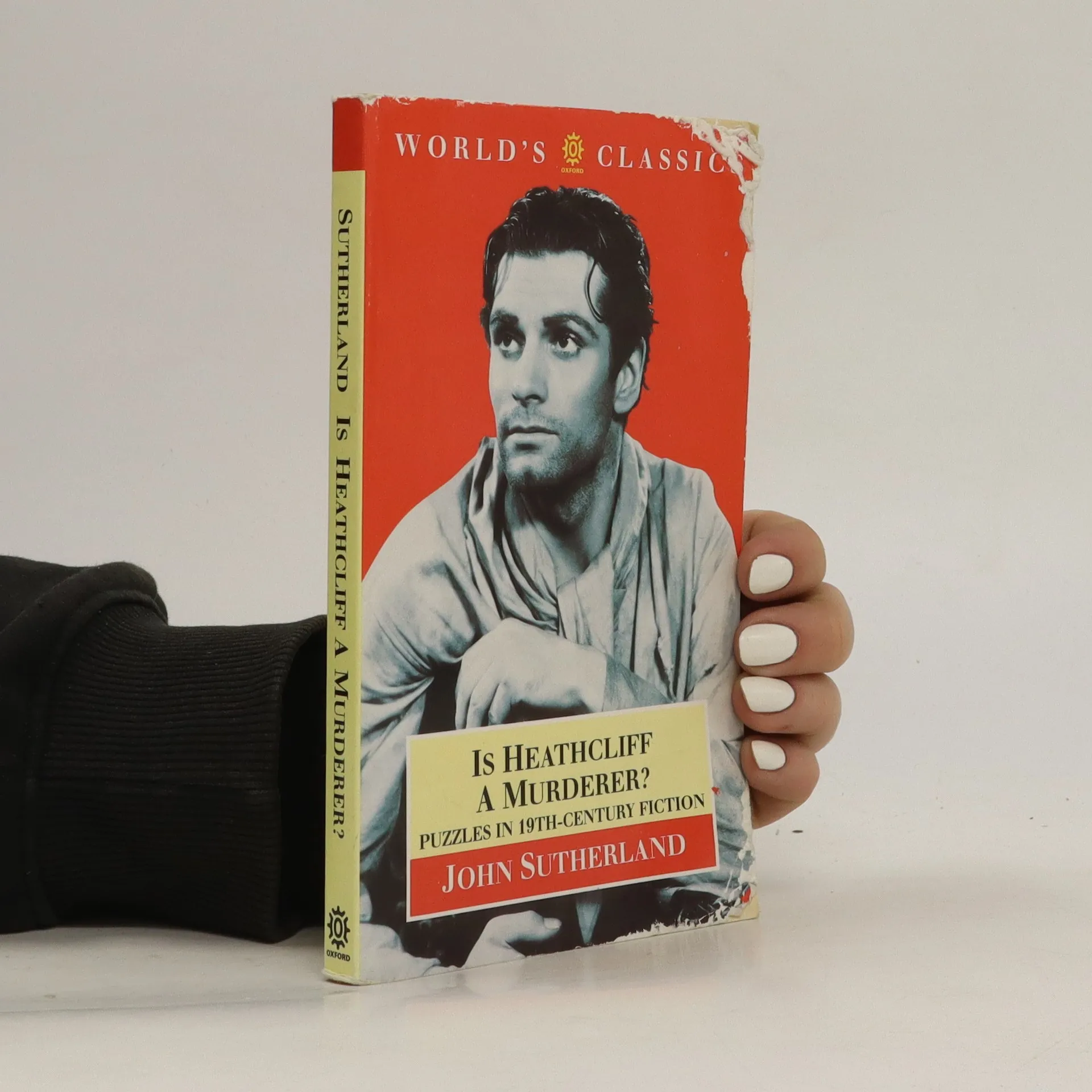
In Is Heathcliff a Murderer? (well, is he?) John Sutherland investigates thirty-four conundrums of nineteenth-century fiction. Applying these 'real world' questions to fiction is not in any sense intended to catch out the novelists who are invariably cleverer than their most defectively inclined readers. Typically, one finds a reason for the seeming anomaly. Not blunders, that is, but unexpected felicities and ingenious justifications. In Is Heathcliff a Murderer? John Sutherland, recently described by Tony Tanner as 'a sort of Sherlock Holmes of literature', pays homage to the most rewarding of critical activities, close reading and the pleasures of good-natured pedantry
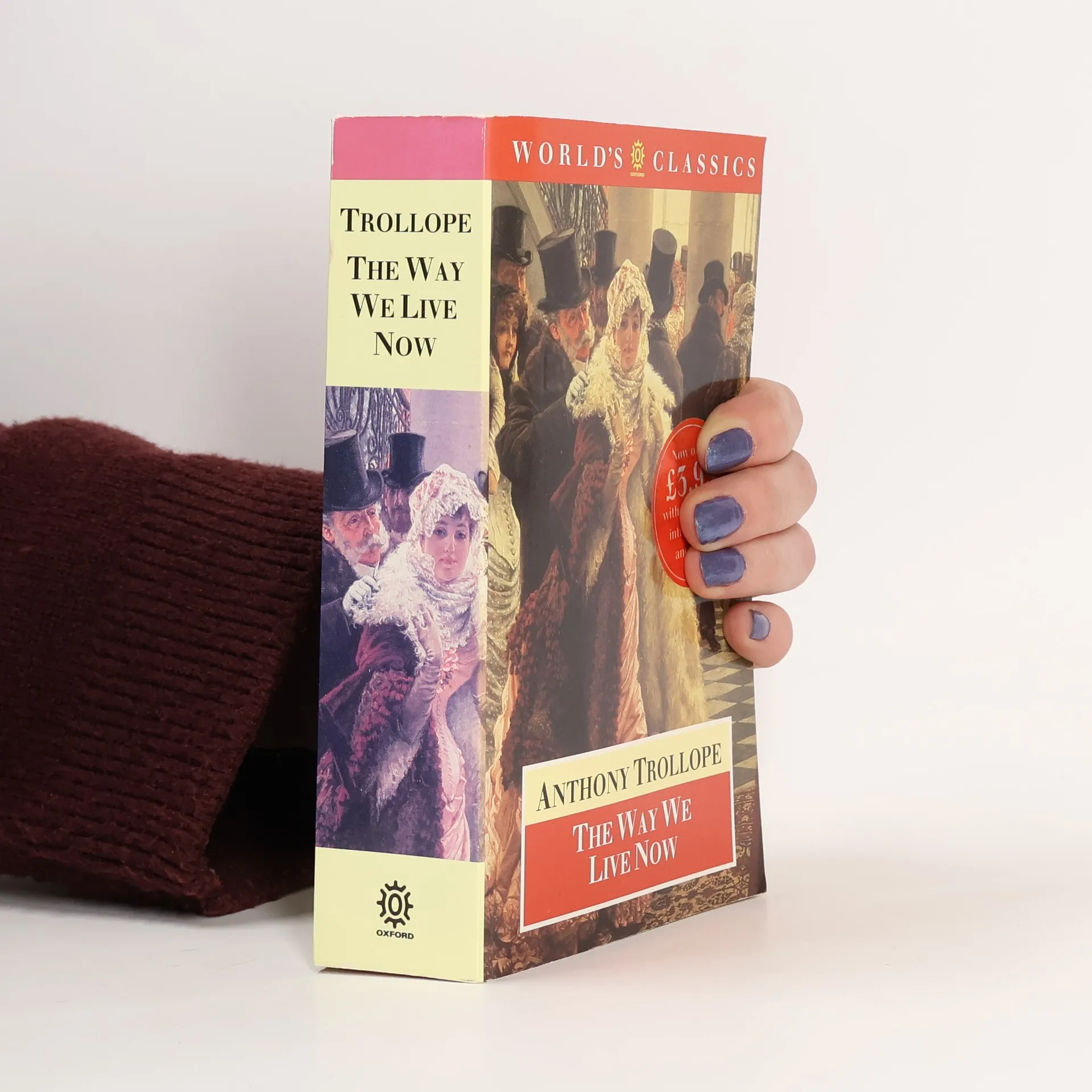
The Way We Live Now
- 1024 Seiten
- 36 Lesestunden
The Way We Live Now is both a satire of the literary world of London in the 1870s and a bold indictment of the new power of speculative finance in English life. Trollope is described as the quintessential Victorian novelist.
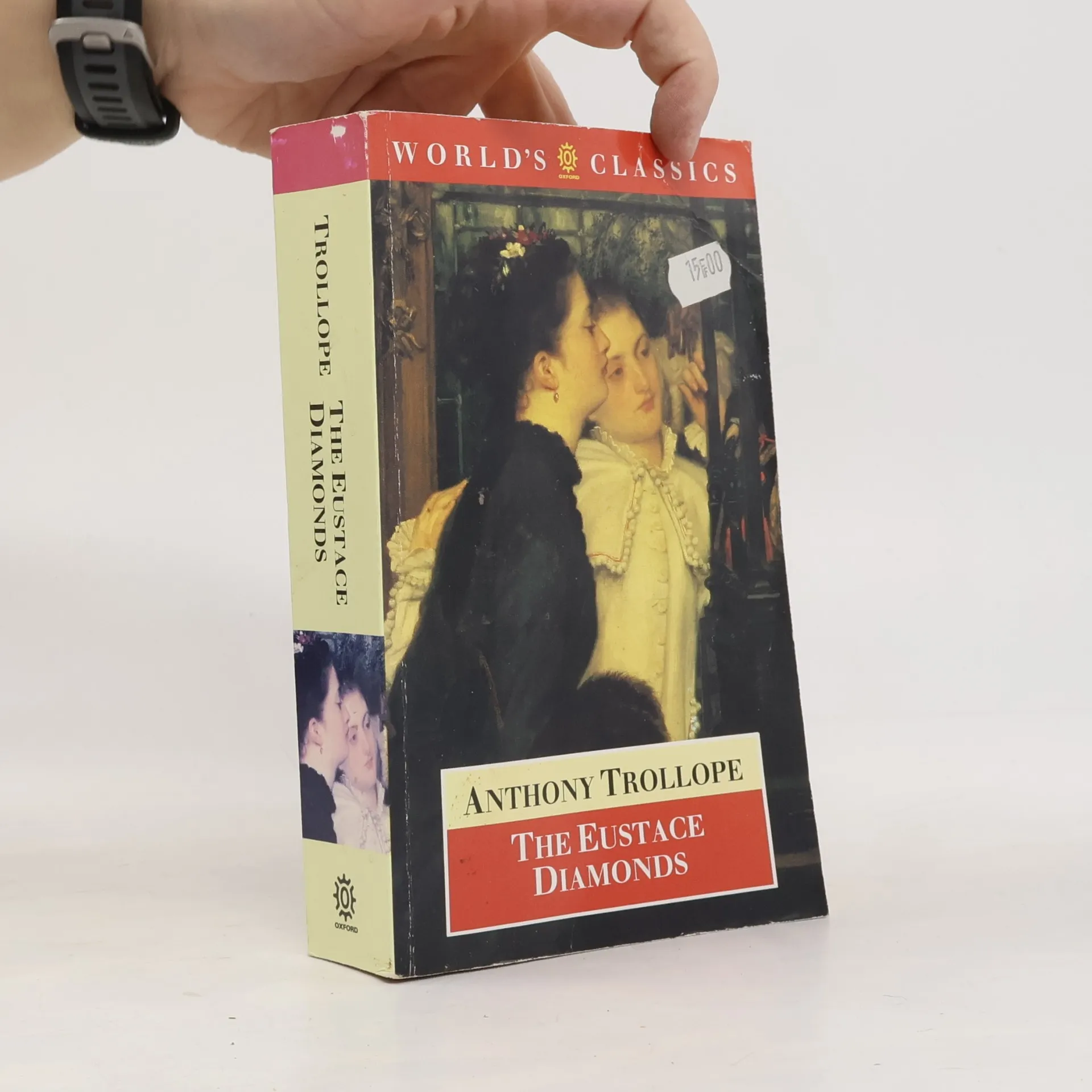
World's Classics: The Eustace Diamonds
- 818 Seiten
- 29 Lesestunden
Who owns the Eustace Diamonds? Lizzie Eustace claims that Sir Florian Eustace, her late husband, gave them to her. But Mr. Camperdown, the family solicitor, insists that they are an heirloom, to be passed down from generation to generation. Lizzie is both beautiful and clever, yet Mr. Camperdown believes her to be a scheming liar. And Mr. Camperdown is right! The battle for the diamonds rages until a robbery intervenes and they disappear. Or do they...?